

Review · BERLIN
Berlin: Charité Hospital Walking Tour of Medical History
The most striking part of this tour is the way it turns a working hospital into a map of Berlin’s past. At Charité, early doctors used bloodletting, mercury, and amputations, while later figures such as Robert Koch and Rudolf Virchow helped reshape modern medicine. You also enter the Veterinary Anatomy Theatre, Berlin’s oldest surviving academic building.
I like the mix of grand neo-gothic buildings and hard questions about medical ethics. I also like the focus on people who are often left out of the usual story, including Rachel Hirsch, the first woman to hold a medical professorship in Prussia. The main drawback is simple: much of the two hours takes place outside, so cold or wet weather can affect your enjoyment.
Key points about the Charité medical history walk
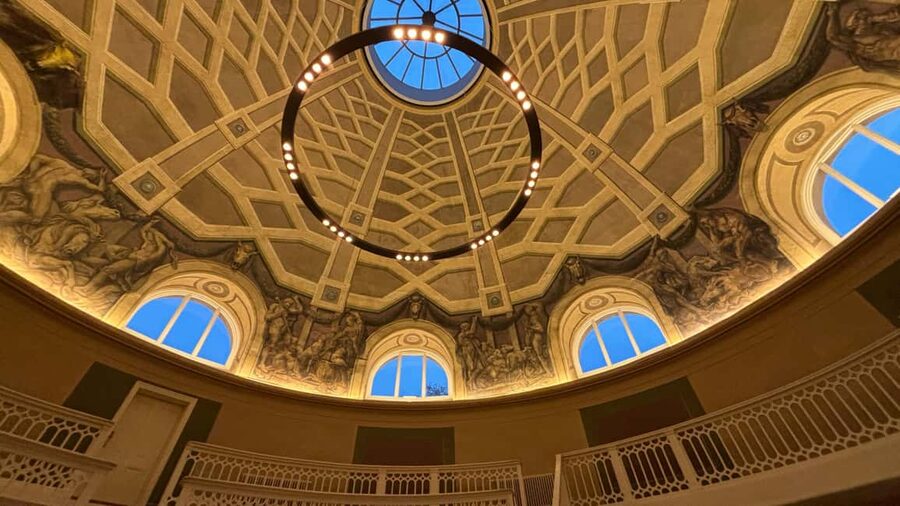
- The Veterinary Anatomy Theatre: Visit an 18th-century teaching building that explains how doctors studied disease in livestock and cavalry horses.
- Medical pioneers in their old workplace: Follow the Charité connections to Robert Koch and Rudolf Virchow.
- A serious look at Nazi medicine: Learn how racial hygiene and the killing of psychiatric patients stained the institution.
- A wider social story: Hear how Rachel Hirsch’s 1913 appointment marked progress for women in medicine.
- A convenient finish: End at Alexanderufer, close to Berlin Central Station, with the city easy to continue exploring.
- A strong value at $29: For two hours with a local guide and admission to the Veterinary Anatomy Theatre, the price is reasonable, especially for visitors interested in science and history.
Why Charité tells Berlin’s medical story so well

Charité began in 1710 as a plague house. The purpose was practical and urgent: isolate people as an epidemic approached Berlin. That starting point gives the tour an unusually clear arc. You are not simply looking at an old hospital. You are tracing how fear, science, politics, and social change shaped medical care over more than three centuries.
The early treatment methods make a useful opening lesson. Bloodletting, mercury, and amputations were not strange side notes in the 18th century. They were accepted tools used by doctors who had limited ways to understand infection and disease. I like that this tour puts modern medicine in context rather than presenting its pioneers as people who always knew the right answer.
The story also shows how much medicine depends on the society around it. Doctors worked within political systems, universities, military needs, and public fears. That becomes especially important later, when the tour reaches Charité’s years under National Socialism and the East German state.
More History Walking Tours in Berlin
- Berlin: History of the Third Reich Guided Walking Tour
★ 4.7 · 791 reviews - Berlin Historical Highlights Walking Tour
★ 4.9 · 657 reviews - Berlin Private Complete History All Day Walking Tour
★ 5.0 · 474 reviews
Starting at Robert Koch-Platz
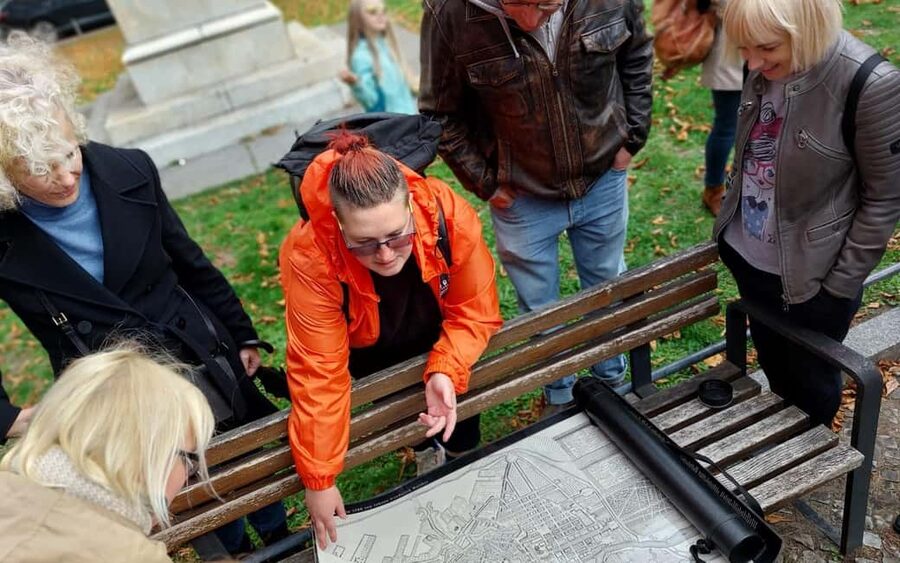
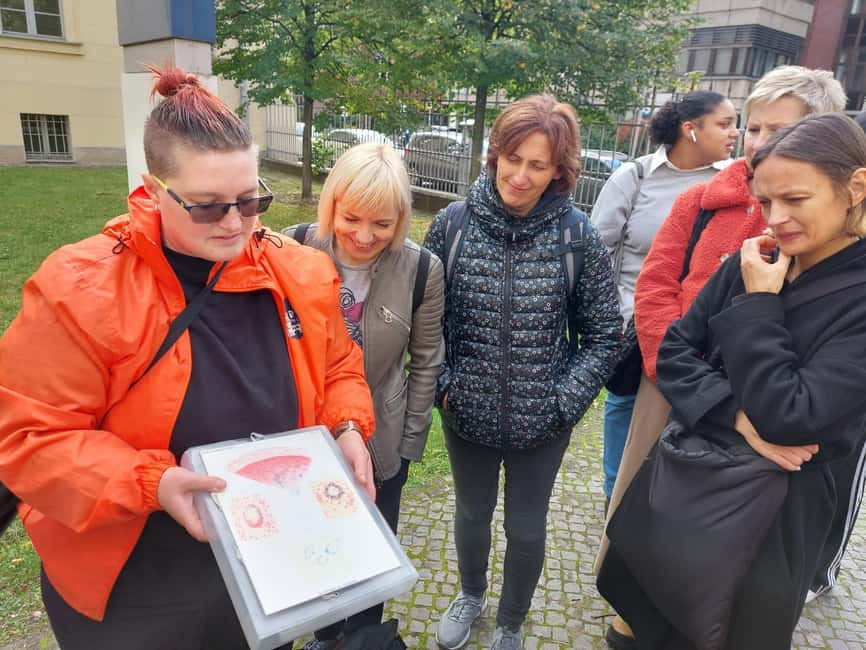
You meet at Robert-Koch-Platz, by the statue of Robert Koch. Look for the guide holding an orange umbrella. That is a useful touch in a city where a large hospital campus can otherwise feel confusing, especially if you are arriving from another part of central Berlin.
The meeting point also sets the subject at once. Koch is one of the key figures linked with the development of modern bacteriology, and the tour uses names like his to connect the physical campus with major changes in medical thinking. You begin outside, so wear shoes that are comfortable for walking and standing.
The tour lasts about two hours. It is suitable for people who enjoy a steady walking pace and serious historical discussion. The recommended minimum age is 14, and minors must be accompanied by an adult. Younger children may find the medical and political material too demanding, particularly when the tour reaches Nazi crimes.
Inside the Veterinary Anatomy Theatre
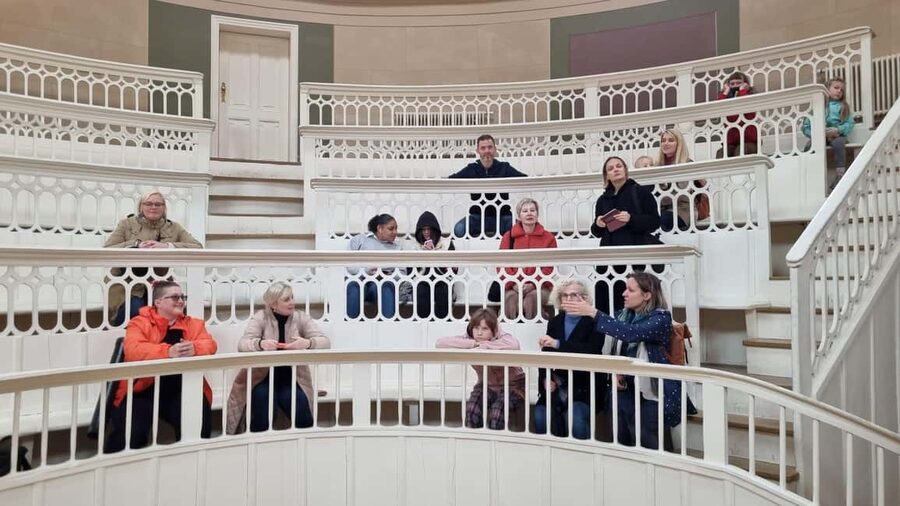
The visit to the Veterinary Anatomy Theatre is the most distinctive part of the experience. The building dates to the 18th century and is described as the oldest academic building still in existence in Berlin. It was created for the study of animal anatomy, including illnesses affecting livestock and cavalry horses.
This stop helps you see how medicine once served both public health and military needs. Healthy horses mattered to the army. Healthy livestock mattered to food supplies and the city’s economy. The theatre therefore connects medical study with everyday survival, farming, and warfare.
You spend about 15 minutes visiting the theatre, though the exact time inside can depend on the tour’s flow. Admission is included, which matters because this is the one clearly specified interior visit. The theatre can occasionally be closed for internal events or public holidays. If that building is central to your decision, check its availability before booking.
The rest of the tour is largely outdoors. That makes the theatre especially useful as a change of pace, but it also means you should not expect a long indoor museum visit. You are getting a focused historical walk, not a full tour of hospital interiors.
Walking the neo-gothic Charité campus
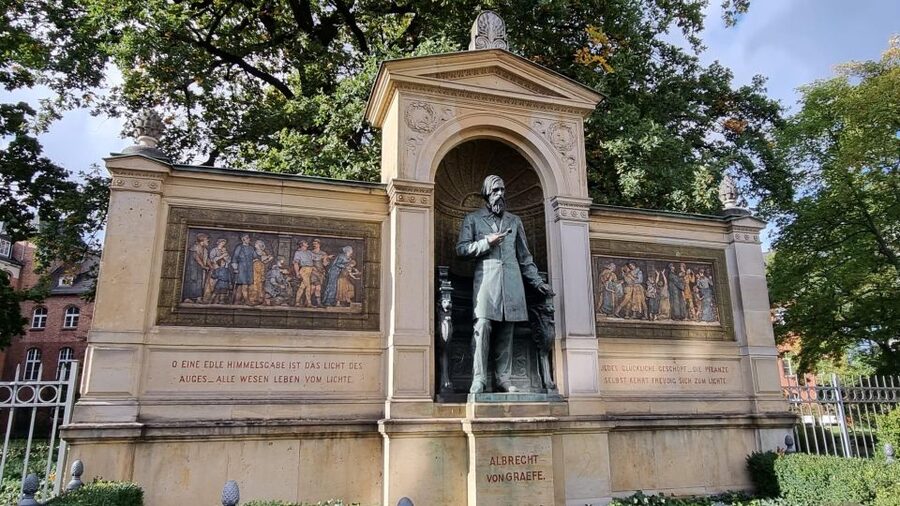
After the theatre, the guide takes you around the historic Charité campus. The neo-gothic architecture gives the walk a strong visual setting, with older façades helping you picture the hospital as an institution that developed over generations.
Do not expect access to every attractive doorway or interior corridor. Buildings that are being used for hospital or university work are not included, and some parts of the campus are restricted for guided tours. You may be able to explore certain areas independently afterward, but the organized walk stays within the permitted route.
That limitation is worth knowing before you book. If your idea of a hospital tour means entering wards, lecture halls, laboratories, or grand interior rooms, this will feel narrower than expected. If you are happy to learn through architecture, outdoor stops, and storytelling, the restrictions are less of a problem.
The campus itself gives the guide plenty to interpret. Charité is not presented as a single unchanging institution. It shifts with new discoveries, new ideas about professional training, and new political pressures. The guide’s job is to make those changes understandable while you move from one section of the grounds to another.
More History Walking Tours in Germany
- Berlin Private Half-Day Walking Tour: Discover the German Capital’s History
★ 5.0 · 244 reviews - Berlin: Historic Center Walking Tour with a Real Berliner
★ 5.0 · 134 reviews - Leipzig: 1.5-Hour Historical Walking Tour in German
★ 4.7 · 2,217 reviews - Trier: Guided Old Town Highlights and History Walking Tour
★ 4.7 · 687 reviews
Robert Koch, Rudolf Virchow, and the people behind the names

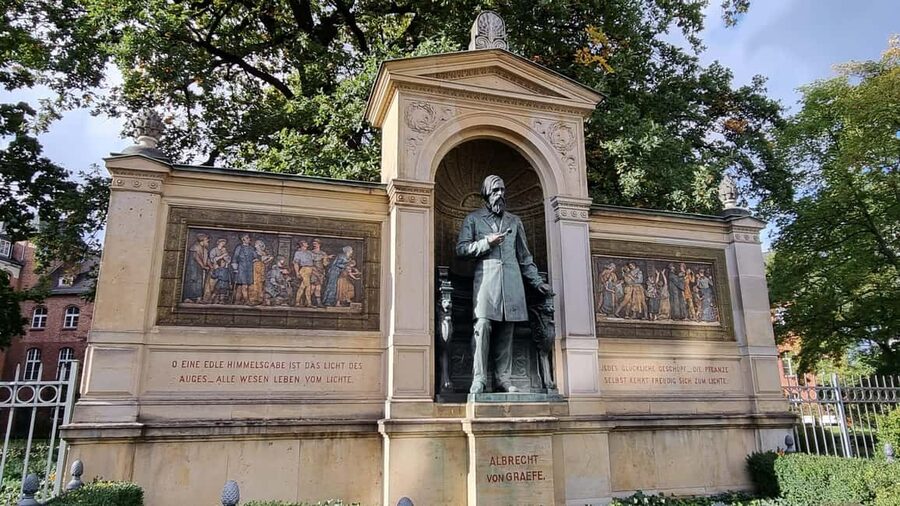
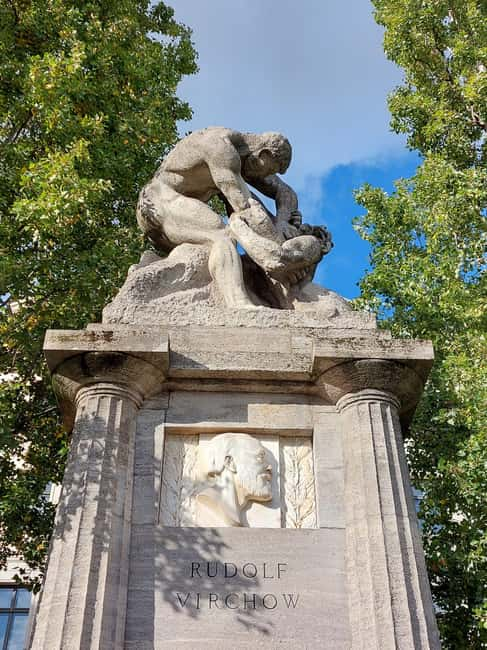
Two major names linked with Charité are Robert Koch and Rudolf Virchow. Their presence helps explain why the hospital became important in the history of medicine, but the tour does not treat famous doctors as isolated geniuses working outside society.
That approach is one of the strongest parts of the experience. You learn about medical careers, discoveries, and the conditions that allowed certain ideas to gain influence. The focus is not only on what these doctors found, but also on how their work fitted into the institution around them.
The explanations are designed for a general audience rather than only for medical professionals. One guide, Martina, has been praised for combining medical knowledge with a clear and engaging presentation. That balance matters here. You get useful background without needing to arrive with a working knowledge of bacteriology or hospital history.
The tour also connects the real people and events at Charité with the television series about the hospital. If you watched the series, the walk can add context to its characters and settings. If you did not, the material still works on its own. You do not need prior knowledge of the show to follow the tour.
Rachel Hirsch and the slow change for women in medicine
The story of Rachel Hirsch adds welcome depth to the walk. In 1913, she became the first woman to hold a medical professorship in Prussia. That appointment marked a major change, but it did not mean that women were suddenly accepted on equal terms.
The tour presents her progress alongside the resistance she faced within the institution. I find that especially useful because it keeps the story from becoming a simple celebration. A professional title can signal change while the workplace remains difficult and unfair.
Her experience also makes the campus relevant to a broader history of education and employment. You are not only following laboratory breakthroughs. You are seeing who was allowed to study, teach, lead, and receive public recognition.
This part should appeal to anyone interested in the history of women in science. It also gives the tour a human scale. Famous discoveries can feel remote, while Hirsch’s career shows how institutional change affected one person’s daily professional life.
Charité under the Nazi regime
The darkest section concerns Charité during the Nazi period. Medical ethics were pushed aside, and racial hygiene became official policy. Some doctors remained silent, while others helped organize the killing of psychiatric patients.
This is difficult material, and the tour is best suited to adults and older teenagers who can engage with it seriously. The subject is not treated as a quick footnote. It is part of the institution’s story, and leaving it out would give you a false picture of Charité.
I value the way this section asks you to consider professional responsibility. Doctors did not operate in a political vacuum. Their training and authority could be used to protect people, to stay quiet, or to support state violence. The tour shows how medical language can be twisted into a tool of persecution.
You should not book this expecting a light sightseeing walk with a few colorful anecdotes. The architecture is attractive, but the history includes suffering, complicity, and institutional failure. That contrast is exactly what gives the tour its weight.
East German Charité and a divided city
The story continues after 1945, when East Germany took pride in Charité’s medical achievements. At the same time, the hospital’s physical relationship with the divided city revealed the politics of the Cold War.
Some windows facing the capitalist West were bricked up. It is a small physical detail, but it makes the division of Berlin easier to picture. Political borders were not only marked on maps. They affected what people could see from a hospital building.
This section adds a different kind of tension from the Nazi-era material. The earlier chapter concerns the misuse of medicine and the destruction of ethics. The East German chapter shows how an institution could be celebrated for scientific success while also operating within a tightly controlled political system.
For me, this is where the tour becomes a lesson in Berlin itself. Charité reflects the city’s changing governments, borders, and public ideals. The hospital is one place, but the meaning of that place keeps changing.
The pace, guide style, and outdoor conditions
The walk is described as informative but also short on dull stretches. That matters because two hours of medical and political history can become tiring if the guide delivers a long lecture without connecting it to the buildings around you.
The most praised qualities are the guide’s clear explanations, medical background, and ability to keep the material moving. Martina, in particular, has been noted for presenting the campus history in an impressive but accessible way. The strongest guide style here seems to be thoughtful rather than theatrical.
You will walk and stand for approximately two hours. Bring water and wear comfortable shoes. In cold weather, dress warmly, since most of the experience takes place outside. A damp winter day can make even a good tour feel harder, so gloves, a warm coat, and weatherproof footwear are sensible additions.
The tour is wheelchair accessible according to the activity information. Still, because you are moving through a historic campus and visiting a building that can have access limits, it is wise to confirm any specific mobility needs when booking.
The guides speak German or English. Select the language that lets you follow complex subjects without strain. This is not a tour where you want to catch only half of the explanation.
Is $29 a fair price?
At $29 per person, the tour offers solid value for a two-hour guided experience in central Berlin. The price includes a local guide and admission to the Veterinary Anatomy Theatre, the one named paid-style stop. You are also paying for interpretation, which is the main reason to take the tour.
You could walk around the Charité area alone and read up on Koch, Virchow, Hirsch, and the hospital’s political history. But you would need to organize the story yourself and understand which buildings and sites matter. The guide joins those pieces into one route.
The price is less appealing if you mainly want indoor access to hospital buildings. That is not included, and university and medical areas remain restricted. You are paying for a carefully explained outdoor history walk with one important interior visit.
The flexible booking terms also help if your Berlin schedule is unsettled. You can reserve and pay later, and cancellation is available up to 24 hours in advance for a full refund. Those policies are useful, but the main value still comes from the quality of the historical explanation.
Who should book this Charité tour?
I would recommend it to you if you enjoy:
- Medical history explained for a general audience
- Berlin’s Nazi and East German past
- Architecture with a strong human story behind it
- The history of women in science and medicine
- Small details that show how politics shaped daily life
- Serious tours that still keep a steady, approachable pace
It is a particularly good choice if you have already seen Berlin’s main landmarks and want a less familiar subject. The tour also works well near the start of a city break, since it gives you a new way to read Berlin’s institutions and political past.
I would be more cautious if you dislike outdoor walking, standing, or difficult historical topics. The tour does not offer a broad tour of hospital interiors, and the Veterinary Anatomy Theatre may occasionally be closed. Children under 14 are not considered suitable for the content.
The route finishes at Alexanderufer, close to Berlin Central Station. That makes it easy to continue toward another part of central Berlin, catch a train, or plan the walk as a morning or afternoon activity.
Should you book the Charité Hospital walking tour?
Book it if you want serious history in a compact format, especially if medicine, science, or Berlin’s political past interests you. The combination of the Veterinary Anatomy Theatre, neo-gothic campus, major doctors, Rachel Hirsch’s career, Nazi medical crimes, and East German history gives the two hours real substance.
Skip it if you want a warm indoor museum visit or a broad overview of Berlin’s top sights. This is more focused, and the outdoor setting demands suitable clothing. At $29, though, it is a strong choice for curious adults and older teenagers who want a clear, human account of how one hospital changed with the city around it.
FAQ
Where does the Charité Hospital walking tour begin?
The tour begins at Robert-Koch-Platz, by the Robert Koch statue. Look for the guide holding an orange umbrella.
Where does the tour finish?
The tour finishes at Alexanderufer, 10117 Berlin, near Berlin Central Station.
How long does the tour last?
The walking tour lasts approximately two hours.
Is the Veterinary Anatomy Theatre included?
Yes. The tour includes admission to the Veterinary Anatomy Theatre. The building can occasionally be closed because of internal events or public holidays.
What languages are available?
The tour is offered in German and English.
Is the tour suitable for children?
The recommended age is 14 and up because of the historical depth and difficult subject matter. All minors must be accompanied by an adult.
What should I bring?
Bring comfortable shoes and water. Dress warmly in cold weather because most of the tour takes place outside.
New routes in Berlin
- Small Group Walking Tour: “Wild Kreuzberg”★ 4.8 · 199 reviews
- Sachsenhausen Memorial: Walking Tour from Berlin★ 4.7 · 132 reviews
- Berlin: Prenzlauer Berg District Guided Walking Tour★ 4.9 · 316 reviews
- Berlin: 2.5-Hour Walking Tour through Kreuzberg 61★ 4.9 · 525 reviews
- From Berlin: Potsdam & Sanssouci half day Walking Tour★ 4.9 · 85 reviews
- Explore Berlin: Walking Tour of All The Iconic Sites★ 4.9 · 855 reviews
- East Berlin and the Wall: Walking Tour★ 4.9 · 407 reviews
- Cold War, Berlin Wall, Spies and the East Side Gallery★ 4.8 · 254 reviews
Berlin Walking Tours, compared.

Berlin City walk Government District and Places of Democracy
Read our review →

Berlin’s Best: 2 Hour Walking Tour Third Reich and the Cold War
Read our review →
Explore Berlin: See All The Iconic Sights & Some Hidden Gems
Read our review →
Third Reich Berlin: Hitler and WWII Walking Tour
Read our review →
Berlin Center Food Tour with 8+ Authentic Local Tastings
Read our review →
Browse the lists this tour appears in