
Review · BERLIN
East Berlin and the Wall: Walking Tour
Berlin’s Wall is not just a strip of concrete to photograph. It was a working border, a death zone, and a daily fact of life. This tour makes that clear by linking the former ghost station at Nordbahnhof, the Bernauer Strasse Memorial, Alexanderplatz, and the East Side Gallery into one story. I especially like the original Wall remains and death strip at Bernauer Strasse, plus the way the tour explains ordinary East Berlin life rather than focusing only on famous escape stories.
I also like the use of Berlin’s S-Bahn and subway, since the city itself becomes part of the lesson. Guides such as Paolo, Elisa, Claudia, Catherine, and Paul have been praised for clear, lively storytelling, with Catherine adding a personal family connection. The main drawback is practical: you must buy your own AB public transport ticket, and the tour covers a lot of ground in a little over three hours.
Key points to know before you book
- Bernauer Strasse gives you the clearest view of the border system, including original sections of the Wall and the former death strip.
- The route connects several different chapters of East Berlin, from postwar division and failed escapes to peaceful protests and reunification.
- Nordbahnhof was once a ghost station, closed for nearly 30 years after the Wall went up.
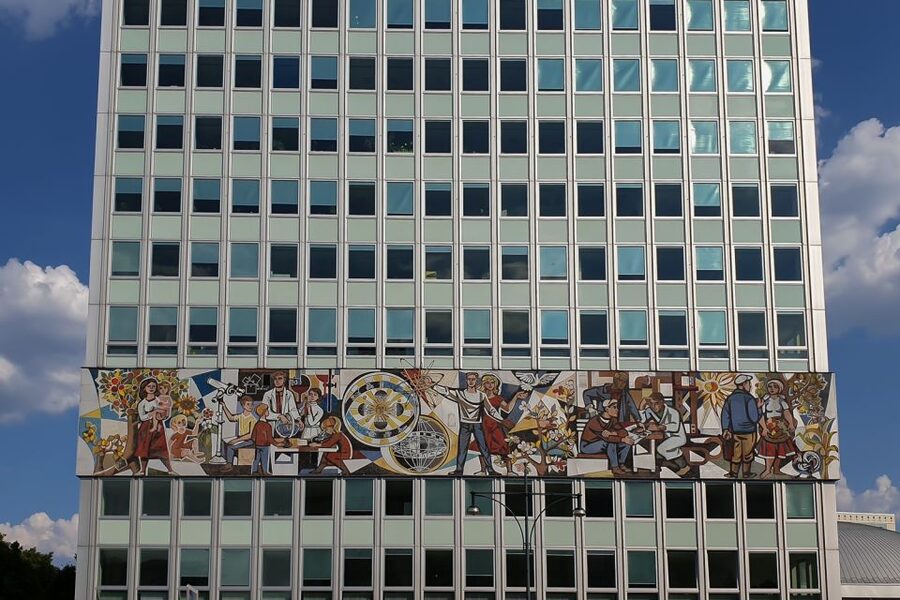
- Alexanderplatz adds the human side of political change, with its socialist architecture and links to the demonstrations that challenged STASI rule.
- The tour ends at the East Side Gallery, where 104 murals include the famous Brezhnev-Honecker kiss.
- A private group can include up to six people for $351, making the price more reasonable for a small party than for one or two people.
Why this route tells Berlin’s divided story well
I like this tour because it does not treat the Berlin Wall as a single sight. You move through several places that show how the border worked, how it affected families, and how East German rule eventually lost its grip.
The route begins at Potsdamer Platz, a useful starting point because it helps you picture how divided Berlin once was. The area is now modern and rebuilt, but the tour uses it as the first chapter in a story about a city split after World War II into sharply different political and economic systems.
From there, you take the S-Bahn for about eight minutes to Nordbahnhof. That short train ride matters. Berlin’s public transport network once crossed borders that were invisible to many passengers but very real to the government. Nordbahnhof became one of Berlin’s ghost stations after the Wall was built, closed for almost three decades as trains passed through East Berlin without stopping.
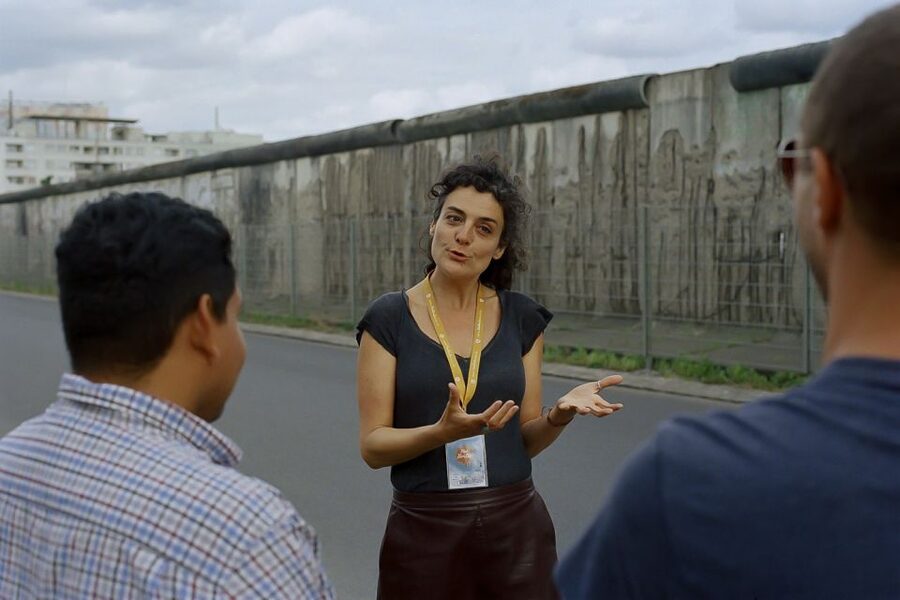
You then walk through the city with a guide who explains how communist Berlin worked. The focus is not only on government buildings or political leaders. You hear about customs, restrictions, daily routines, and the pressure created by STASI surveillance. That wider view helps you understand why the Wall shaped even the most ordinary parts of life.
More Walking Tours in Berlin:
- Discover Berlin Half-Day Walking Tour
★ 5.0 · 9,624 reviews - Berlin City walk Government District and Places of Democracy
★ 4.7 · 8,467 reviews - Berlin: Third Reich & Cold War Guided Walking Tour
★ 4.9 · 8,378 reviews
Bernauer Strasse and the Wall’s most sobering remains
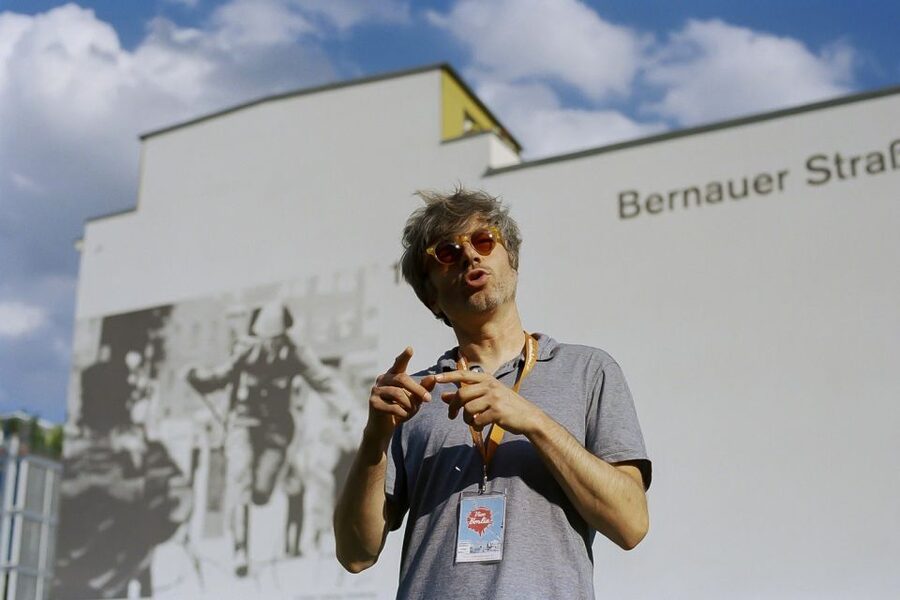
The longest stop is the Berlin Wall Memorial at Bernauer Strasse, with about 50 minutes of guided explanation. This is the emotional center of the route, and I would give it your full attention.
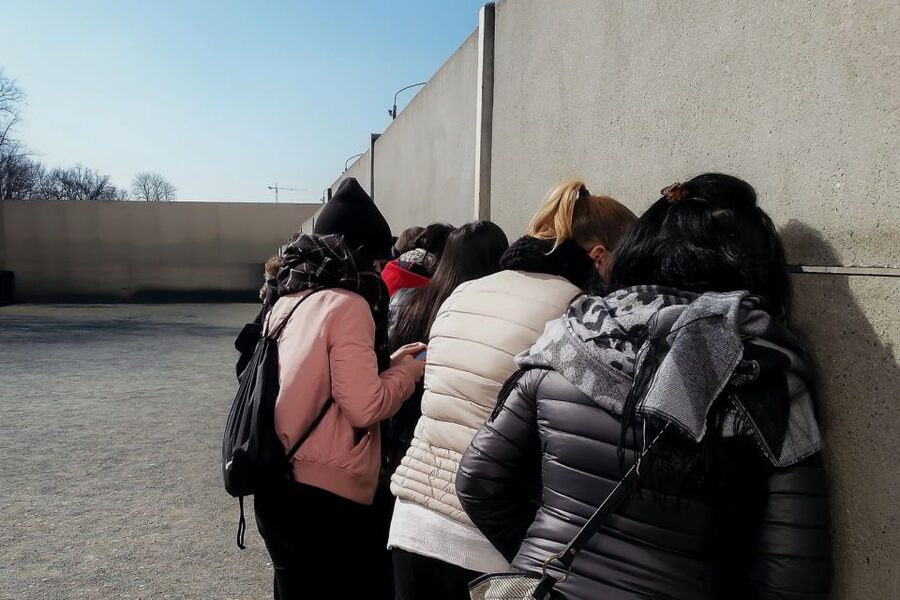
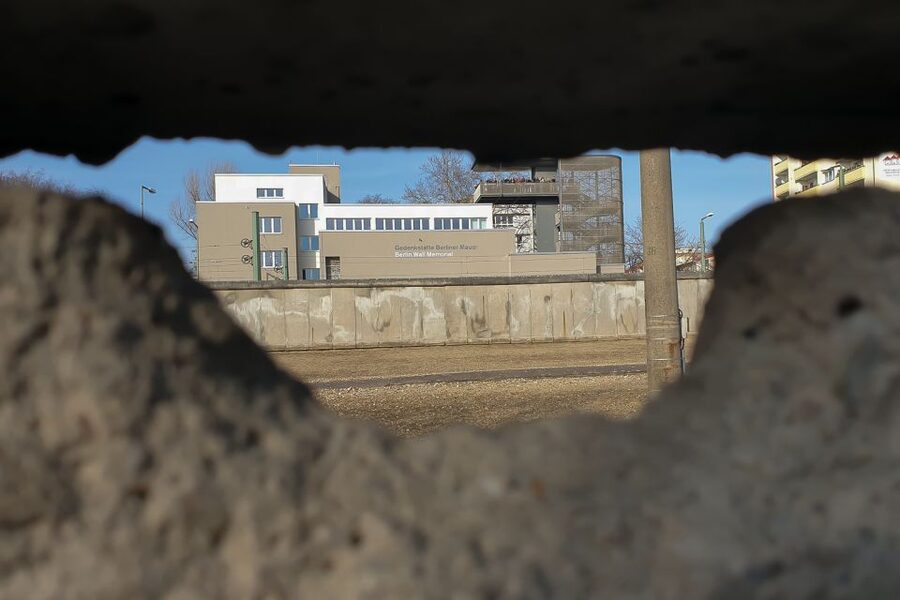
Bernauer Strasse became famous because the Wall ran directly through a built-up neighborhood. Homes, sidewalks, streets, and family lives were split apart. The memorial preserves original portions of the border area, including sections of the former death strip. Here, the Wall feels less like a piece of public art and more like the dangerous military barrier it was.
Your guide explains attempts to escape from East to West, along with the tragic stories of people who died trying to cross. You may hear about tunnels, improvised plans, and the risks faced by anyone caught near the border. The point is not to turn these stories into adventure tales. The memorial shows how desperate and deadly the system could be.
I appreciate that this stop leaves room for the physical site to do some of the teaching. Concrete, open ground, watchtowers, and preserved border structures say more than a quick photograph can. Wear comfortable shoes, since the day includes walking across several city areas and moving between public transport stops.
The limitation is time. Fifty minutes is enough for a guided introduction and the main memorial features, but not for every display or every story connected with Bernauer Strasse. If you want a slow museum visit, you should return on your own after the tour.
Alexanderplatz shows how East Berlin looked and felt
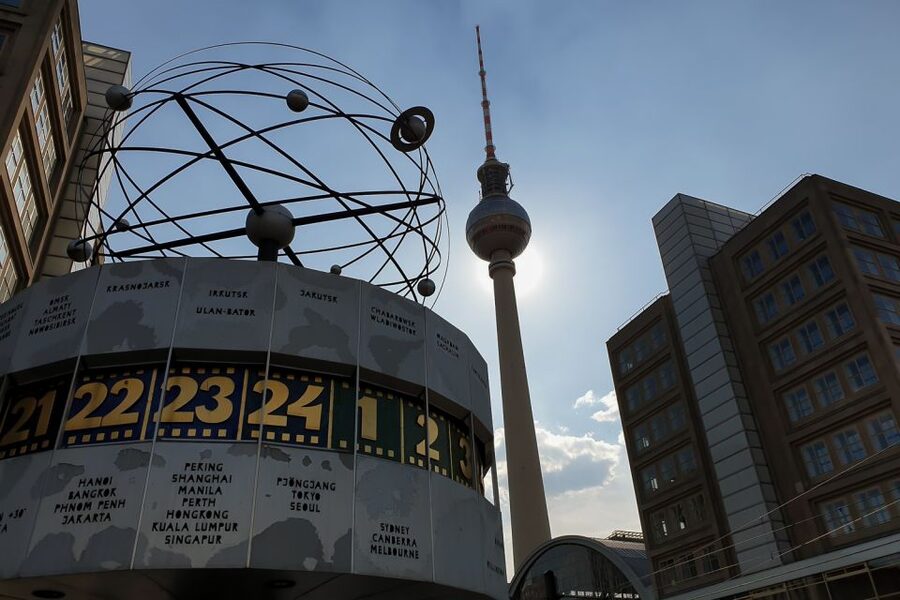
After Bernauer Strasse, the group takes the subway for about 10 minutes to Alexanderplatz. This part of the route changes the mood. At the Wall Memorial, you focus on separation and escape. At Alexanderplatz, you look at the political setting that helped keep East Germany in place, and at the public protests that eventually broke through it.
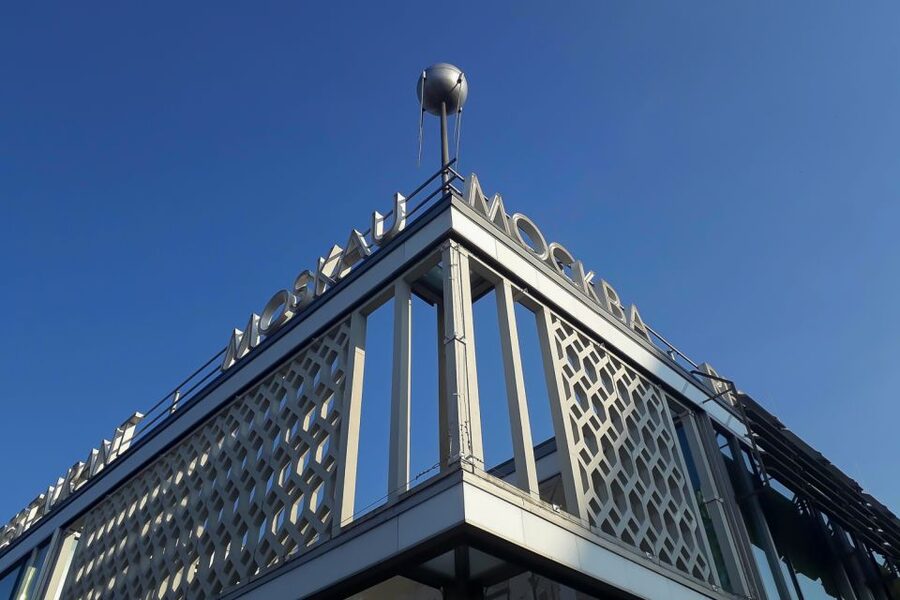
The square is surrounded by socialist-era architecture, giving you a sense of the official image East Germany wanted to project. Wide public spaces and monumental buildings were meant to express order, power, and modernity. Your guide explains how the area became linked with peaceful demonstrations against political repression and STASI control.
The stop here lasts about 10 minutes, so expect a focused explanation rather than a long architectural walk. I find that useful because Alexanderplatz works best as part of the larger story. You are not simply looking at old buildings. You are considering how public space could become a place for protest.
The nearby TV Tower receives another 10-minute guided stop. It is one of Berlin’s best-known landmarks and an important symbol of East Berlin. The tower’s presence helps explain the contrast between the government’s public image and the private frustrations of people living under the system.
There is no promise of an interior visit or observation deck access, so do not book this tour expecting a tower climb. You will learn about the landmark as part of the walking route.
The East Side Gallery provides a brighter final chapter
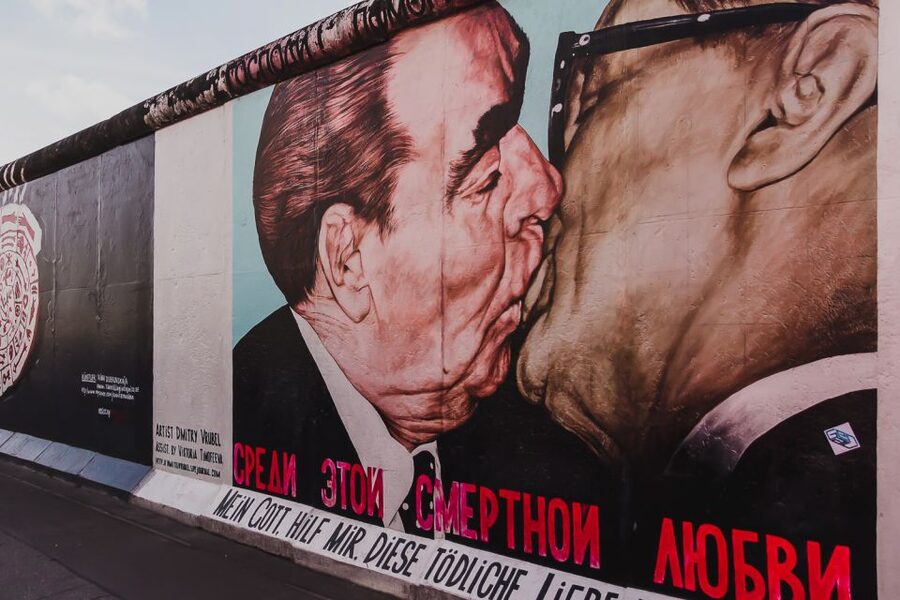
The last subway ride takes about 10 minutes, followed by the East Side Gallery. This famous section of the Wall is covered with 104 murals, including the well-known image of Leonid Brezhnev and Erich Honecker kissing.
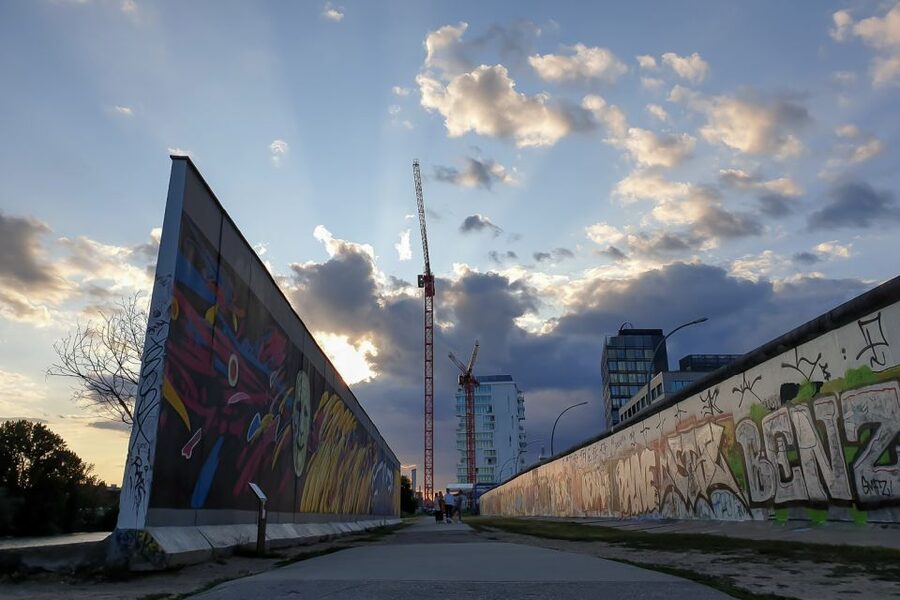
After the difficult material at Bernauer Strasse, the gallery gives the tour a different ending. The Wall is no longer presented only as a barrier. It has become a long public canvas, carrying political jokes, hopeful messages, and memories of the system that once divided the city.
Your guide spends about 15 minutes here, enough to explain the gallery and point out major images. You can expect a concise final stop rather than a slow art tour. If you want time to study every mural or take photographs, plan to stay after the official tour ends.
I like this ending because it shows how Berlin has reused a painful object. The Wall’s meaning has changed, but the paintings do not erase what happened there. They sit on a structure built for control, which makes the gallery more powerful than a normal outdoor art display.
Same streets, a different guide:
- Berlin: Discover Berlin Walking Tour
★ 4.9 · 5,998 reviews - Berlin’s Best: 2 Hour Walking Tour Third Reich and the Cold War
★ 5.0 · 5,486 reviews - Berlin: Hidden Backyards Guided Walking Tour
★ 4.8 · 5,360 reviews - Explore Berlin: See All The Iconic Sights & Some Hidden Gems
★ 5.0 · 4,429 reviews
The guides bring different voices to the subject
The quality of a Wall tour depends heavily on the guide. Dates and buildings give you a framework, but clear storytelling makes the connections stick.
Guides who have led this experience include Paolo, Elisa, Claudia, Catherine, and Paul. The strongest descriptions of their work point to a few useful traits: clear explanations, strong preparation, warmth, and the ability to keep a group engaged for the full route.
Catherine has included personal testimony connected with her family, which can add a human layer to the political story. Paolo has been praised for an engaging style, while Elisa has been described as organized and enthusiastic. Claudia has guided Italian-speaking groups, and Paul has been noted for adding interesting anecdotes.
You should not assume you will receive a particular guide unless the provider confirms it. Still, the range of languages is a real advantage. Live guiding is offered in English, German, French, Italian, and Spanish, and the experience is especially useful if you want difficult political material explained in your strongest language.
A good guide also knows when to keep moving. This route has several transfers and fixed stops, so the best experience balances detail with momentum. You will hear plenty about the GDR, but you should not expect an academic seminar on every aspect of Cold War Berlin.
What the $351 group price really means
The advertised price is $351 per group of up to six people. That is a high total for one or two people, but the calculation changes when you fill the group.
At six people, the price works out to $58.50 per person before transport costs. At three people, it is $117 each. For a couple, it is $175.50 per person, so a standard group tour may offer better value if available.
The price makes the most sense for a family or friend group that wants a private experience. A private guide can adjust the pace, explain terms in your preferred language, and respond to your group’s questions without competing with a large crowd. The private option is not available with less than 72 hours of notice, so plan ahead.
Transport is not included. You need a valid AB ticket for the day, covering the public transport used during the tour. The listed route includes an S-Bahn ride of about eight minutes and two subway rides of about 10 minutes each. Buying the correct ticket before you start keeps the tour moving.
Food and drinks are also not included. The experience lasts three to three and a half hours, so eat beforehand or plan a stop after the East Side Gallery. The route is built around history, not a café break.
Timing, pickup, and what to bring
The total duration is listed as three to three and a half hours. That includes transport, guided stops, and walking between locations. The starting point depends on the option you book.
Hotel pickup may be available for a private booking. If you choose it, include your hotel name and address, wait in the lobby 10 minutes before the scheduled pickup, and contact the provider to confirm the details. You can also choose the departure time for the tour, but private arrangements require planning.
Wear comfortable shoes. This sounds basic, but the tour moves through several neighborhoods and includes outdoor stops. Berlin weather can change quickly, and the memorial and gallery are open-air experiences, so dress for the forecast.
The route is not designed for a leisurely pace at every stop. You need to be ready to walk, board public transport, listen while standing outdoors, and move on when the group does. That is part of the trade-off for covering so many important sites in one morning or afternoon.
Free cancellation is available up to 24 hours before the start for a full refund, and you can reserve now and pay later. Those terms are useful if your Berlin plans are still shifting.
Who will get the most from this tour
I would recommend this experience if you are visiting Berlin for the first time and want a connected explanation of the Wall rather than a collection of unrelated photo stops.
It suits you especially well if you:
- Want East Berlin explained through both politics and ordinary life
- Prefer a small group or private guide
- Need guiding in English, German, French, Italian, or Spanish
- Want to see Bernauer Strasse and the East Side Gallery in one outing
- Enjoy using public transport as part of the city experience
- Have roughly half a day for the subject
Families with older children may find the route useful, though the material at Bernauer Strasse is serious. History students and anyone interested in the Cold War will get a strong overview, while visitors with limited time will appreciate the efficient route.
I would hesitate if you dislike public transport, need long breaks between stops, or want to spend hours inside museums. The tour is also less attractive financially for one or two people at the full private-group price.
My call: book it for a connected Wall story
I would book this tour if you want the Berlin Wall explained as a system that affected streets, trains, families, and public life. Bernauer Strasse supplies the clearest physical evidence, Alexanderplatz links the story to protest and political change, and the East Side Gallery shows how Berlin remembers the past today.
The best value comes when four to six people share the private price. If you are traveling alone or as a couple, compare the cost carefully. Either way, bring an AB transport ticket, wear good shoes, and allow extra time at the East Side Gallery if the murals interest you.
The high rating of 4.9 from 407 completed bookings fits the experience’s strongest feature: guides who explain a difficult subject in plain language and keep the route engaging. Names such as Paolo, Elisa, Claudia, Catherine, and Paul are associated with especially warm and lively guiding. Book it for the stories and the sense of place, not simply to collect Wall photographs.
FAQ
How long does the East Berlin and the Wall walking tour last?
The tour lasts approximately three to three and a half hours, including walking, guided stops, and public transport between locations.
Which places does the tour visit?
The route includes Potsdamer Platz, Nordbahnhof, the Berlin Wall Memorial at Bernauer Strasse, Alexanderplatz, the TV Tower area, and the East Side Gallery.
Is public transportation included?
No. You need a valid AB public transport ticket for the day. The tour uses the S-Bahn and subway during the route.
What languages are available?
Live guiding is available in Italian, French, English, Spanish, and German.
Can I book a private group?
Yes. A private group option is available, with the advertised group price covering up to six people.
Is hotel pickup available?
Pickup may be available with the appropriate private tour option. You should provide your hotel name and address, wait in the lobby 10 minutes before pickup, and confirm the details with the provider.
What should I bring?
Bring comfortable shoes and a valid AB public transport ticket. Food and drinks are not included.
New routes in Berlin
- Small Group Walking Tour: “Wild Kreuzberg”★ 4.8 · 199 reviews
- Sachsenhausen Memorial: Walking Tour from Berlin★ 4.7 · 132 reviews
- Berlin: Prenzlauer Berg District Guided Walking Tour★ 4.9 · 316 reviews
- Berlin: 2.5-Hour Walking Tour through Kreuzberg 61★ 4.9 · 525 reviews
- From Berlin: Potsdam & Sanssouci half day Walking Tour★ 4.9 · 85 reviews
- Explore Berlin: Walking Tour of All The Iconic Sites★ 4.9 · 855 reviews
- Cold War, Berlin Wall, Spies and the East Side Gallery★ 4.8 · 254 reviews
- Berlin: The Time of National Socialism Walking Tour★ 5.0 · 220 reviews
Berlin Walking Tours, compared.
Berlin City walk Government District and Places of Democracy
Read our review →
Berlin’s Best: 2 Hour Walking Tour Third Reich and the Cold War
Read our review →
Explore Berlin: See All The Iconic Sights & Some Hidden Gems
Read our review →
Third Reich Berlin: Hitler and WWII Walking Tour
Read our review →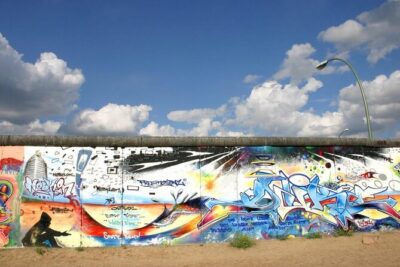
Berlin Center Food Tour with 8+ Authentic Local Tastings
Read our review →
Browse the lists this tour appears in