
Review · KYOTO
Gion Walking Tour by Night
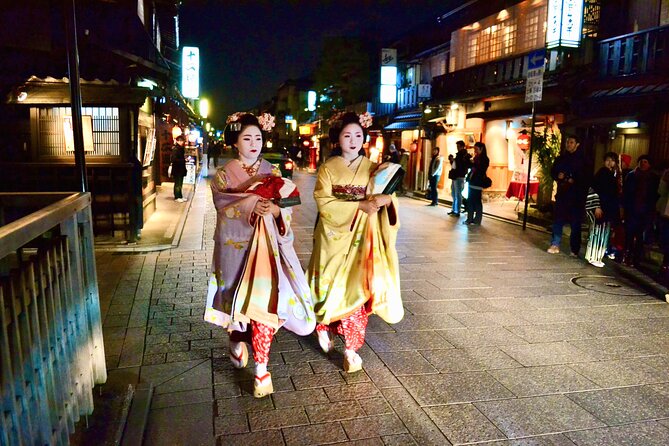
Gion after dark is Kyoto at its most atmospheric. Lantern-lit lanes, wooden tea houses, and the Shirakawa River create the setting, while a guide leads you through streets that are easy to miss or confuse. I especially like the clear introduction to Geiko and Maiko life and the chance to see the district at the time when performers may be heading to evening appointments.
The two-hour route also gives you a useful first look at Gion’s film locations and quiet side streets, rather than only its best-known road. The main point to consider is group size. The standard tour can be fairly large, so book the small-group or private version if you want more chances to ask questions.
Key points to know
- Gion after sunset: Walk beside the Shirakawa River and through traditional lanes when the district’s lanterns are lit.
- Geiko and Maiko explained: Learn about kimono, hair, makeup, training, tea houses, house mothers, and daily routines.
- English-speaking local guides: Guides including Mia, Mai, Cheko, and Mae have led tours praised for clear explanations and humor.
- Film connections: See areas associated with Memoirs of a Geisha, including the classic streets along the river.
- Good value at $19.82: The price is modest for a two-hour guided introduction, especially on a first Kyoto evening.
- Watch the timing and group size: Reception begins at 5:00 pm, the walk starts at 5:30 pm, and late arrivals cannot be accommodated.
Why Gion Works Best After Sunset
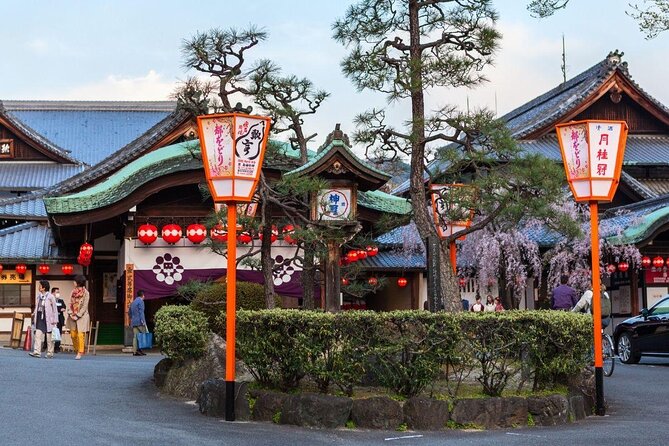
Gion is not a single attraction with a gate and a ticket. It is a district of lanes, riverside paths, tea houses, shrines, restaurants, and private buildings. Its appeal comes from how these pieces fit together, and that can be hard to grasp during a rushed daytime walk.
This tour begins at 5:30 pm and uses the evening light well. The streets beside the Shirakawa River are especially atmospheric after dark, with traditional buildings and lanterns reflected in the water. You are walking through an active part of Kyoto, not a staged show, so the mood can change from quiet to busy from one lane to the next.
I like this timing for a first night in Kyoto. You get a gentle introduction to the city, then finish near the area’s restaurants and bars. The tour itself does not include dinner, transportation, or hotel pickup, so plan your own meal and route afterward.
The route lasts about two hours. That is long enough to explain the district without turning the evening into a tiring march. One person found the pace too fast and the explanations too general, so this is not the right choice if you want a slow photographic walk at every corner. It is better suited to someone who wants a clear overview and a local guide to provide context.
More Night Walking Tours in Kyoto
- Kyoto: Gion Magical Night Walking Tour with Geisha Trivia
★ 4.9 · 2,393 reviews - Night Walk in Gion: Kyoto’s Geisha District
★ 4.5 · 2,003 reviews - Kyoto Gion Night Walk & Geisha District Guided Tour
★ 5.0 · 786 reviews
Following the Shirakawa River Through Gion
The walk’s most scenic section follows the Shirakawa River along cobblestone streets. This is the part associated with Memoirs of a Geisha, and the setting helps explain why the area has appeared in books and films. You will have time to take in the traditional buildings, narrow waterway, and small bridges while the guide explains what you are seeing.
The film connection is a pleasant extra, but it should not be the main reason you book. This is not a film-location tour in the narrow sense. The bigger value lies in seeing how Gion’s streets work and learning why certain buildings and lanes matter.
Your guide also points out less obvious streets that you could easily pass without noticing. There are no large signs telling you where to go, and Gion’s narrow layout can be confusing after dark. A guide removes that small but real nuisance, especially when you are still learning Kyoto’s street pattern.
The route ends back at the meeting point. Since transportation is not included, you should check your onward route before arriving. The activity is near public transportation, but the supplied details do not identify the exact station or provide hotel transfers.
What You Learn About Geiko and Maiko
The strongest part of the walk is the explanation of Geiko and Maiko culture. Your guide explains the difference between the terms and gives context for the clothing, hairstyle, makeup, and rules that shape their public appearance.
You can also learn about:
- The training and education of Maiko
- The work of Geiko
- The role of house mothers
- How tea houses operate
- Traditional kimono and hairstyles
- Makeup and changing appearance over time
- Daily life and the rules of the profession
This matters because it keeps the experience from becoming a simple search for women in traditional dress. The guides emphasize respectful behavior and explain that Geiko and Maiko are working professionals, not performers placed on the street for photographs.
A guide such as Mia, Mai, Cheko, or Mae can add personal stories and answer questions in English. Several guides have been praised for humor as well as clear cultural explanations. That combination is useful in Gion, where a dry list of dates would miss the human side of the district.
The tour cannot promise a sighting of a Geiko or Maiko. Some evenings have included several sightings, and some participants were lucky enough to see both a Geiko and a Maiko on their way to evening appointments. Treat that as a bonus, not part of the admission value.
If you do see one, your guide can help you understand what is happening and how to behave. You should not block a narrow lane, chase anyone, or treat a private working moment as a public show. The cultural explanation is more valuable than a rushed photograph.
The Guides Make the Biggest Difference
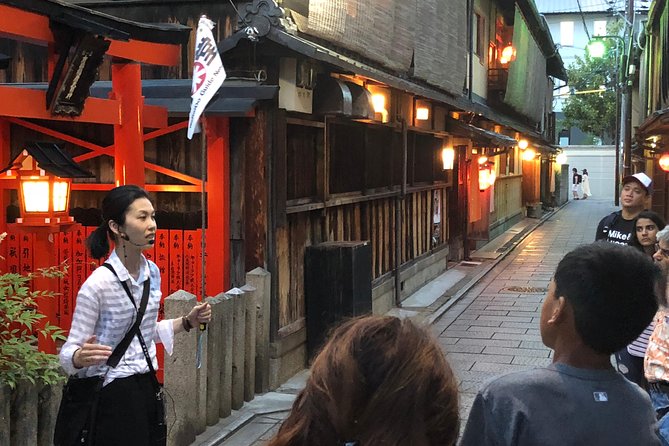
The guide is the main reason to choose this tour over walking Gion alone. The district itself is free to enter, and you can certainly follow a map through its better-known streets. What you pay for here is interpretation, navigation, and the chance to ask questions as you go.
Mia is repeatedly singled out for her humor, strong English, and detailed explanations. Mai is praised for making the subject engaging and for explaining Geiko and Maiko culture in a way that feels personal. Cheko has also led walks that gave visitors a clear sense of Gion’s history and traditions. Mae is mentioned as another guide who made the evening especially enjoyable.
Guide quality can vary from one departure to another, as it does on any group walk. Still, the pattern is clear: the best guides combine local knowledge with a friendly, lively style. That is important because the material can otherwise feel technical.
You may hear explanations about tea houses, training, clothing, social rules, and the relationship between the district and its performers. The tour is aimed at a general audience, so it does not promise academic research or access inside private tea houses. For most first-time visitors, that level is appropriate.
Same streets, a different guide:
- Kyoto Geisha Walking Tour: Gion District & Hidden Gems
★ 4.7 · 3,273 reviews - Kyoto: Gion Geisha District Walking Tour – Stories of Geisha
★ 4.7 · 2,187 reviews - Best of Kyoto: Gion, Geisha, Pagodas & Cobblestones
★ 4.9 · 2,058 reviews - Kyoto Gion Geisha District Walking Tour – The Stories of Geisha
★ 5.0 · 1,441 reviews
Group Size, Pace, and the Small-Group Choice

The standard booking allows up to 15 passengers per booking, while the overall activity may include up to 20 people. The supplied information also refers to a small-group option with fewer than 12 people guaranteed. Because the stated limits are not perfectly consistent, I would confirm the group size when booking.
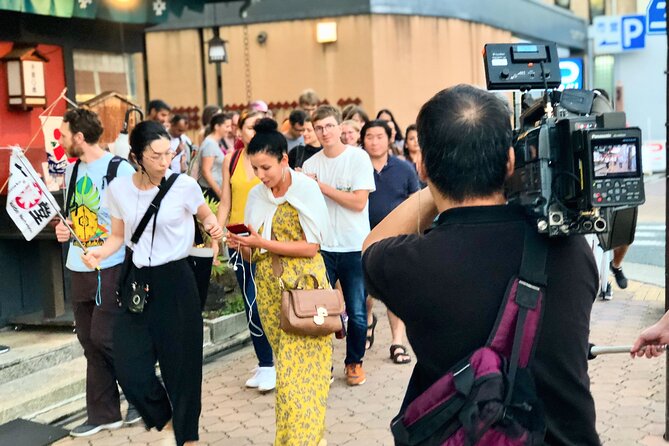
This detail matters in Gion. Narrow lanes make it harder for a large group to stay together, and a guide may need to repeat information at several stops. One account describes a group larger than 20, although everyone could still hear by standing close to the guide. That should not be ignored if you dislike crowded walks.
The standard group remains a reasonable choice for budget-conscious visitors. At $19.82 per person, it costs little compared with many guided cultural activities in Kyoto. You get two hours, an English-speaking professional guide, and a structured route through an area that can be confusing on your own.
The small-group upgrade makes sense for couples, families, and anyone who wants to ask many questions. It is also the better pick if you care about hearing every explanation rather than simply following the group. A private tour goes further still, with more personal attention and a closer look at Geiko culture.
Children must be accompanied by an adult. The walk requires moderate physical fitness, so you should be comfortable walking for roughly two hours on city streets and cobblestones. Comfortable shoes are a sensible choice.
The $19.82 Price and What It Buys
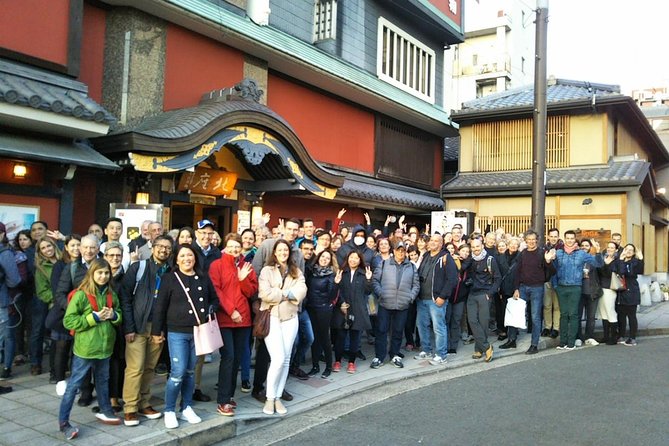
The price is one of this experience’s strongest points. Gion itself is free, but a map will not explain the difference between Geiko and Maiko, point out the less obvious lanes, or help you understand the customs connected with the district.
At $19.82, I see this as an inexpensive orientation walk. It is especially good value if you have just arrived in Kyoto and want a guided introduction before exploring Gion on your own. The tour also gives you practical bearings for a later return visit.
The price does not include transportation, food, drinks, hotel pickup, or entry to another attraction. The walking tour has no admission ticket charge at the stop itself. You are paying for the guide and the organized route.
If you are already familiar with Gion and Japanese performance traditions, you may find the tour less essential. One participant felt the area could be explored independently at a personal pace. That is fair. The value depends on how much you want cultural explanation rather than simply the freedom to wander.
Meeting at 5:30 pm Without a Late Arrival Safety Net
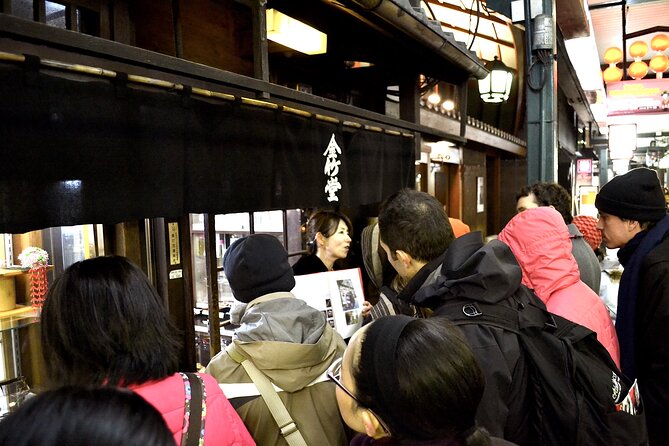
The meeting point is 178 Tokiwacho, Higashiyama Ward, Kyoto 605-0079, Japan. Reception starts at 5:00 pm, and the walk begins at 5:30 pm. The operator states that the group cannot wait for late arrivals or respond to those who miss the start.
This deserves careful attention. One missed departure resulted from confusion over the start time, while the operator stated that a revised 5:30 pm time had already been sent through the booking messages. The practical lesson is simple: check your confirmation and messages on the day, then arrive early.
I would aim to be at the meeting point by 5:00 pm. That gives you time to identify the guide, confirm the group, and avoid trying to find an unmarked alley while the tour is leaving. Do not rely on an old itinerary, a search result, or a remembered 6:00 pm start.
The tour ends back at the meeting point. Free cancellation is available up to 24 hours before the local start time. Inside 24 hours, the payment is not refunded, and changes are not accepted. If poor weather causes the operator to cancel, you are offered another date or a full refund.
What the Experience Does Not Include
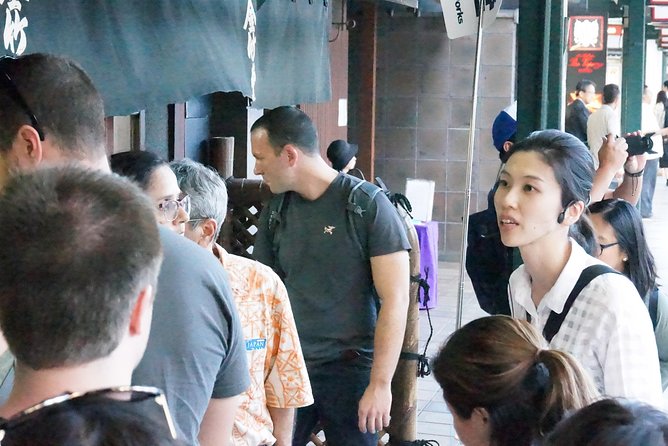
This is a walking introduction, not a full evening of entertainment. You will not enter a tea house as part of the standard route, and there is no included meal, performance, hotel transfer, or guaranteed meeting with a Geiko or Maiko.
That is not a flaw, but it helps set the right expectations. The tour gives you the background to understand Gion. If you want a private conversation or dinner with a Maiko, the longer private option is the more suitable upgrade, subject to its own arrangements and price.
You should also respect the district as a living neighborhood. The guide’s explanations about traditional rules and daily life are a reminder that Gion is not a theme park. Keep your voice down near private buildings, listen when the guide explains local customs, and avoid treating working performers as photo props.
Who Should Book This Gion Walk?
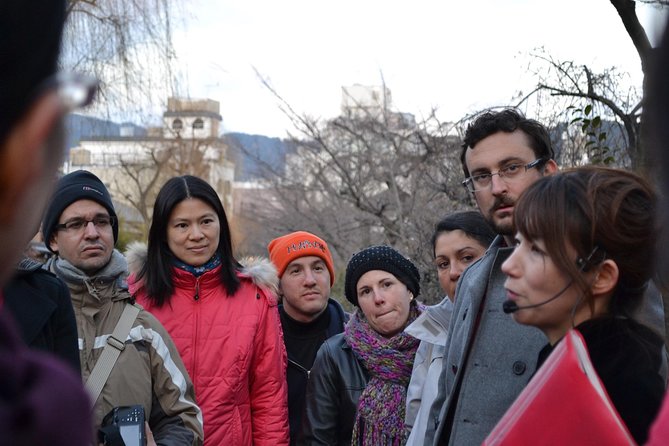
I would recommend it to a first-time Kyoto visitor who wants a friendly introduction to Gion without paying for a long or elaborate experience. The two-hour length fits neatly into an evening, and the $19.82 price leaves room in your budget for dinner afterward.
It also suits you if you are curious about Geiko and Maiko but do not know the difference between them. The guide gives you enough background to make later visits to Gion more meaningful.
Families can book it, provided children are accompanied by an adult and can manage the walk. Couples may prefer the small-group or private option if they want a quieter pace. Photography-minded visitors should know that the route offers attractive streets and river views, but the guide’s explanations, not unlimited time for pictures, shape the evening.
I would skip the standard group if you strongly dislike crowds, need an especially slow pace, or already know Gion well. In those cases, choose the smaller option or explore independently with a guidebook.
Should You Book the Gion Walking Tour by Night?
Book it if you want low-cost cultural context, evening scenery, and a guide who can make sense of Gion’s narrow streets. The strongest parts are the Shirakawa River walk, the explanations of Geiko and Maiko life, and the chance to learn respectful behavior in a working district.
Choose the small-group or private version if personal attention matters to you. Otherwise, the standard tour is a sound first-night activity at $19.82. Arrive early, wear comfortable shoes, confirm the 5:30 pm start, and regard a Geiko or Maiko sighting as a lucky extra rather than a promise.
FAQ
How long is the Gion Walking Tour by Night?
The tour lasts approximately two hours.
What time does the tour start?
The tour starts at 5:30 pm. Reception begins at 5:00 pm, and late arrivals cannot be accommodated.
Where does the tour meet?
The meeting point is 178 Tokiwacho, Higashiyama Ward, Kyoto 605-0079, Japan. The tour ends back at the meeting point.
Is the tour conducted in English?
Yes. A professional, English-speaking guide leads the walking tour.
Is seeing a Geiko or Maiko guaranteed?
No. You may see Geiko or Maiko during the walk, but sightings are not guaranteed.
Can I cancel for a full refund?
Yes, if you cancel at least 24 hours before the local start time. Cancellations or changes made within 24 hours are not refunded or accepted.
New routes in Kyoto
- Kyoto : Private Custom Walking Tour With A Local Guide★ 4.6 · 144 reviews
- Kyoto: Private 2.5 Hour Historical Walking Tour★ 4.9 · 121 reviews
- Kyoto: Gion Walking Tour★ 5.0 · 195 reviews
- Kyoto: Izakaya Bars Guided Walking Tour★ 4.9 · 815 reviews
- Kyoto: Gion Sunset Walking Tour with Local Guide★ 4.7 · 351 reviews
- Kyoto: Private Walking Tour with a Local★ 4.6 · 118 reviews
- Kyoto: Imperial Palace & Nijo Castle Guided Walking Tour★ 4.7 · 453 reviews
- Kyoto Fushimi-Inari Night Walking Tour★ 4.8 · 171 reviews
Kyoto Walking Tours, compared.
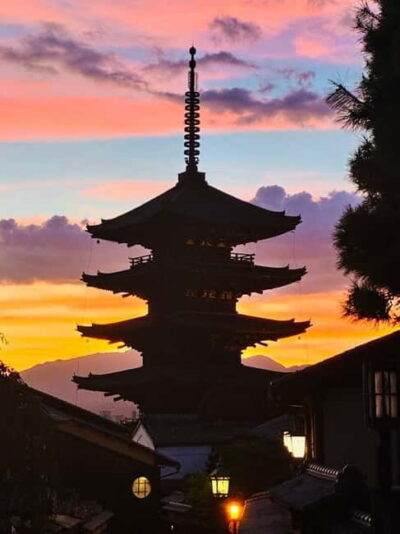
Kyoto Geisha Walking Tour: Gion District & Hidden Gems
Read our review →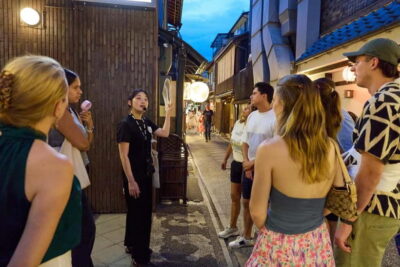
Gion Geisha District Walking Tour – Stories of Geisha
Read our review →
Best of Kyoto: Gion, Geisha, Pagodas & Cobblestones
Read our review →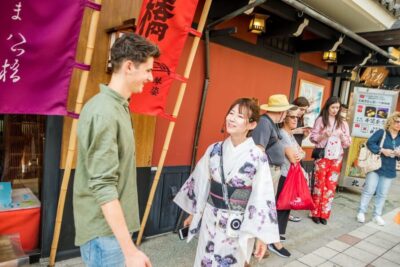
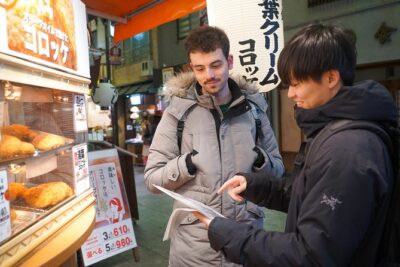
Nishiki Market Brunch Walking Tour (7 Tastings + Brunch)
Read our review →
Kyoto Arashiyama Walking Tour: Bamboo, Monkeys, Gardens & Secrets
Read our review →
Kyoto Gion: 2-Hour Geisha Culture & History Walking Tour
Read our review →
Browse the lists this tour appears in