

Review · KYOTO
Kyoto : Private Custom Walking Tour With A Local Guide
Kyoto is easier to understand when someone helps you connect the dots. On this private, flexible walk, you can pair famous places such as Fushimi Inari and Kiyomizu-dera with quieter streets, a coffee stop, a museum, or a bowl of ramen chosen to suit your interests.
I like the freedom to choose between a quick two-hour introduction and a full eight-hour day. I also like the practical help: guides such as Jerome, Kevin, Terry, and Wajid have adjusted routes for children, heat, photography, food, and different walking speeds. The main catch is that tickets, food, and local transport are extra, so the $62 starting price is not your final cost if you add several paid sights.
Key points to know before booking
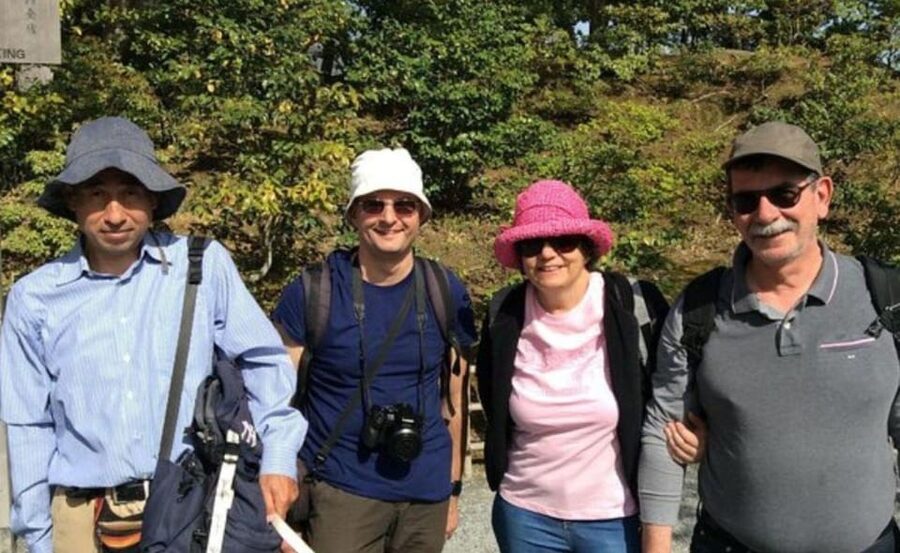
- Your route is built around you: Ask for Gion, temples, food, museums, architecture, local neighborhoods, or a mix.
- Two hours can set up your whole stay: A short introduction can help you understand Kyoto’s districts and plan later days.
- The full-day option covers real ground: Guides have combined shrines, temples, quiet riverside walks, sake, cafés, and local meals.
- Families get a useful advantage: Guides have adapted walks for children and changed plans to cope with Kyoto’s summer heat.
- You meet a private guide, not a fixed group: That makes it easier to pause, ask questions, take photos, or change direction.
- Budget for extras: Attraction tickets, meals, drinks, and local transportation are not included.
Why a private Kyoto walk helps
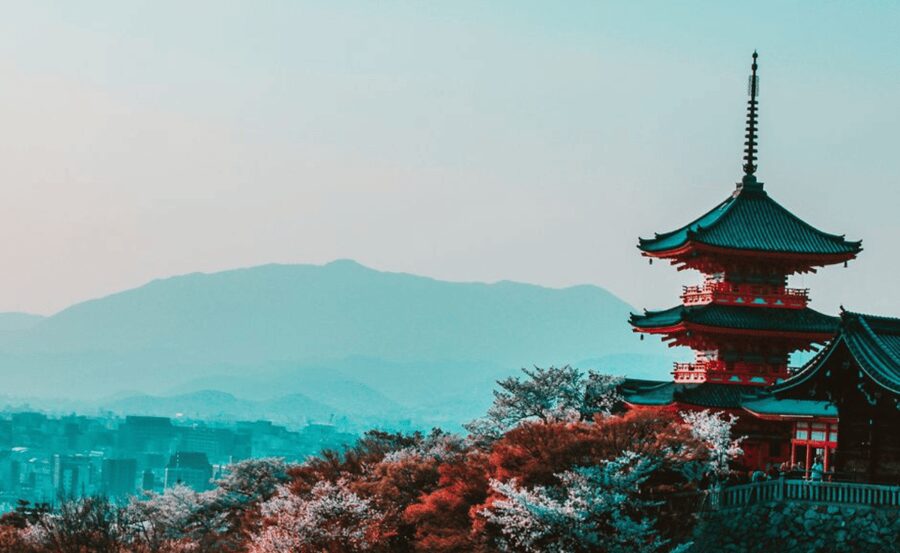
Kyoto offers too many choices at once. One district may contain a major temple, a small shrine, a shopping street, a garden, and three places you had not planned to see. A guide gives those places order and explains what matters, rather than leaving you to read signs while trying to keep moving.
This is not a coach tour. It is a walking appointment with a private guide, starting from your accommodation in Kyoto when it is within the city. The route can cover the exterior of monuments and museums, and you can request a museum visit in advance so the guide has time to shape the plan.
I see the greatest value in using this experience at the start of a Kyoto stay. A two-hour walk can introduce the city and give you suggestions for later meals and sightseeing. A longer day can take on a whole theme, such as traditional neighborhoods, temples and shrines, architecture, family sightseeing, or food.
The guide languages are English, Spanish, French, and Italian. The tour is wheelchair accessible, though you should discuss the exact route before booking because a walking day through old districts may include uneven streets, steps, or hills depending on your choices.
More Private Walking Tours in Japan
- Kyoto: Private Customized Walking Tour with a Local Insider
★ 4.8 · 383 reviews - Kyoto: Private 2.5 Hour Historical Walking Tour
★ 4.9 · 121 reviews - Kyoto: Private Walking Tour with a Local
★ 4.6 · 118 reviews
Choosing two hours, half a day, or eight hours
The duration can range from two to eight hours. That makes this experience more useful than a fixed half-day tour, but it also means you need to be clear about what you want before meeting your guide.
A two-hour tour works best as an orientation. You could focus on one compact area, such as Gion, or use the time to learn how Kyoto’s shrines and temples differ. Ian helped one couple see the places they requested in only two hours, but the experience left them wishing they had booked longer. That is a fair warning: two hours passes quickly once you include introductions, walking, photos, and questions.
A four-hour walk gives you room for a main district plus a few nearby sights. This is a sensible choice if you want a useful introduction without committing to a full day on foot. You can ask the guide to keep the pace gentle or to cover more ground.
An eight-hour day suits you if you want a broad first look at Kyoto. One full-day route combined temples, shrines, a quiet river walk, a sake visit and tasting, pizza, and ramen. That sort of day is less about ticking off every famous sight and more about seeing how Kyoto works as a place where worship, food, craft, and daily life sit close together.
Remember that the walking time is real. Local transport may be used as part of the arrangement, but car transportation is not included. Ask your guide to build in breaks if you are visiting during the hotter months.
Starting in Gion, where old Kyoto feels close
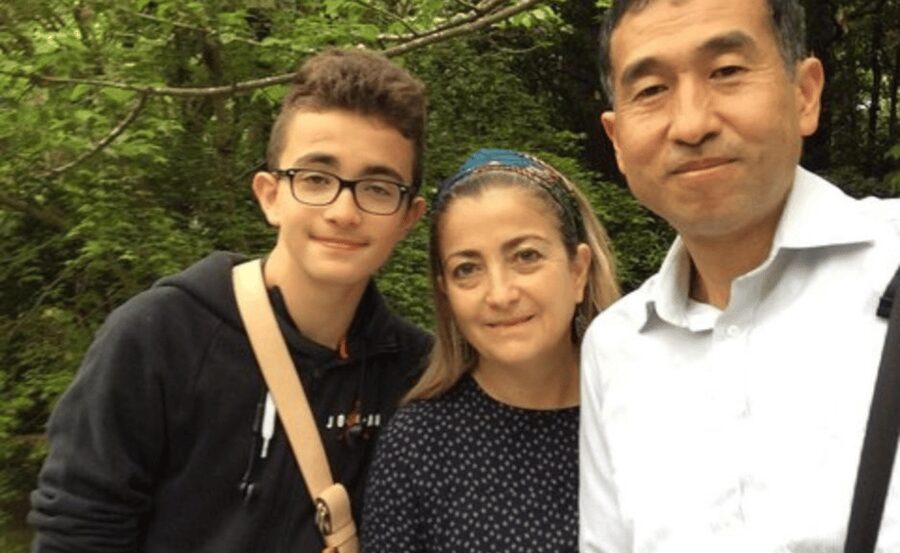
Gion is one of the most natural areas for a first walk. Its traditional streets, teahouse architecture, shrines, and links to geisha culture offer a quick lesson in how Kyoto presents its past alongside modern life.
A Gion route is particularly good if you have limited time. You can ask your guide to explain the customs connected with shrines and temples, point out architectural details, and help you take respectful photographs without treating the district like a film set.
Jerome adapted a Gion walk for children, which matters because younger family members may not want a long lecture at every stop. A good private guide can shorten explanations, vary the pace, and keep the route moving.
Gion can also become crowded, especially around its best-known lanes. A private guide cannot remove the crowds, but can help you avoid spending your entire visit following the same obvious path. Ask in advance for a route that balances familiar sights with quieter nearby streets.
Fushimi Inari and Kiyomizu-dera, two very different icons
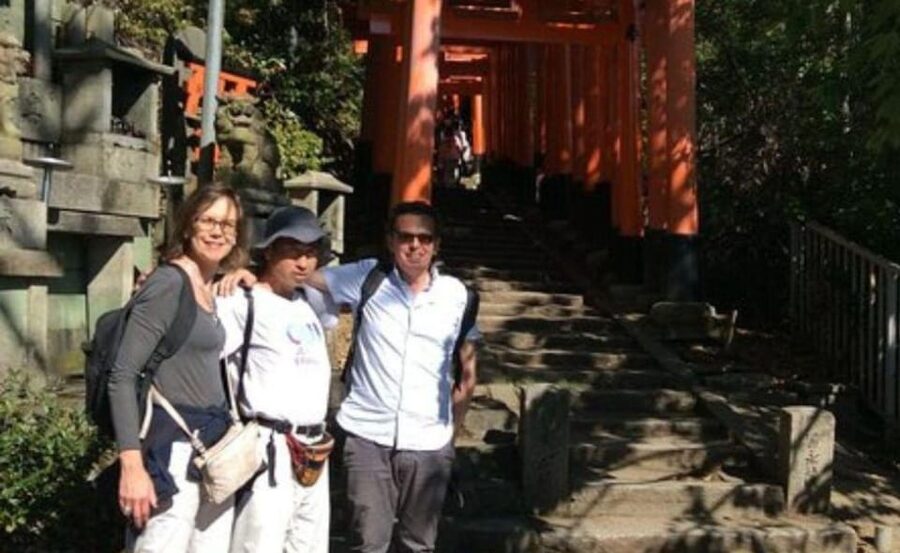
You can request Kyoto’s best-known religious sights, including Fushimi Inari Shrine and Kiyomizu-dera. They reward explanation because the visual experience alone does not tell you how the places function.
At Fushimi Inari, the long series of orange torii gates creates one of Kyoto’s most recognizable walks. Wajid guided a route through the gates and connected the setting with the shrine’s religious meaning. The main issue is stamina: the full climb takes time, so tell your guide if you want only an introductory section rather than a long uphill walk.
Kiyomizu-dera offers a different experience, with a major temple setting and broad city views. The approach through Sannenzaka and Ninenzaka adds traditional streets, shops, photo stops, and small details that are easy to miss when you rush toward the temple itself.
A guide can help you decide how much time to give the temple and how much to reserve for the surrounding lanes. Wajid also connected Kiyomizu-dera with Sanjusangendo Temple, where the rows of 1,001 Buddha statues provide a quieter, more focused visit. These places work well together if you want both a grand viewpoint and a detailed cultural stop.
Tickets are not included. If you want to enter several paid attractions, ask the guide or the booking team to help arrange tickets ahead of time. That assistance is included, but the admission fees are yours to pay.
More Private Walking Tours in Kyoto:
- Beijing: Forbidden City Tour(Group/Private)-Tickets Included
★ 4.8 · 7,974 reviews - Private Walking Grand Tour of Copenhagen
★ 5.0 · 3,953 reviews - Private 3 hrs Venice Tour: St Mark’s, Walking tour & Boat tour
★ 4.0 · 3,372 reviews - Private Street Food Evening Walking Tour in Ho Chi Minh City
★ 5.0 · 3,175 reviews
Philosophers Path, Ginkakuji, and a cooler pace
Not every worthwhile Kyoto walk needs a long list of major monuments. A route along the Philosophers Path can provide a calmer contrast to Gion or Fushimi Inari, particularly when combined with Ginkakuji, often called the Silver Pavilion.
Kevin led one route that began with coffee in Sakyo, continued up Daimonji, then came down toward the Philosophers Path and Ginkakuji. The coffee stop and mountain walk show how much control you have over the day. You can ask for a more local rhythm, with time to sit, talk, and notice the surroundings, rather than moving from gate to gate.
Daimonji adds exercise and views, but it is not the right choice for everyone. In hot weather, an uphill section can quickly become the hardest part of the tour. Kevin adjusted the plan around the heat, and other guides have done the same for families. Tell your guide about fitness, age, and weather concerns before the walk begins.
Ginkakuji and the Philosophers Path are a good match if you prefer gardens, architecture, and a slower route. They may not satisfy you if your main goal is to see as many famous landmarks as possible in a short time.
Temples, shrines, and the questions you would not ask alone
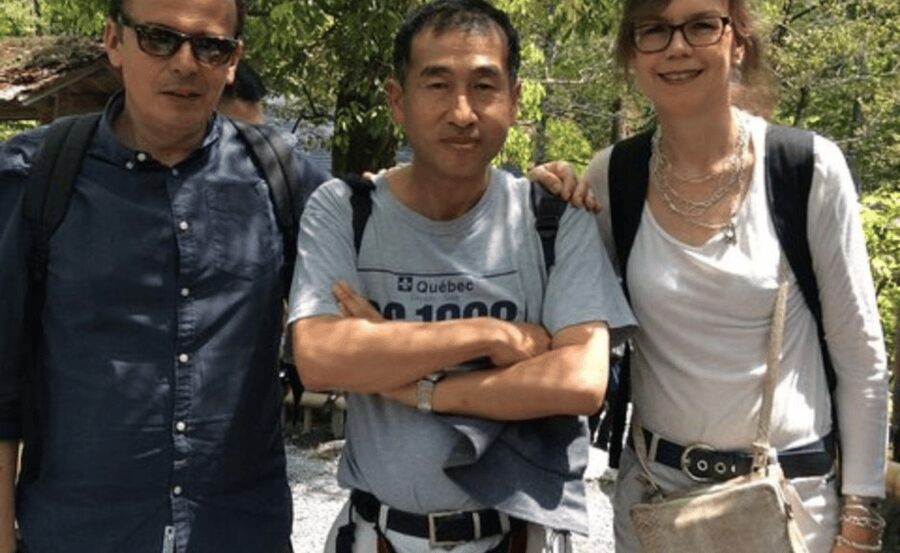
Many first-time visitors know a temple from a shrine by appearance, but not by purpose. A private guide can explain the difference while you are standing in front of the buildings, which makes the information easier to remember.
The strongest part of this experience is often the conversation. You can ask why a gate looks a certain way, what a ritual means, how a district developed, or why one site is treated differently from another. Terry helped one parent and son understand the temples and shrines they visited, turning a series of beautiful buildings into a more meaningful look at Kyoto.
The guides also bring different backgrounds. Maria has lived in Japan for more than 25 years and is a licensed guide. Gef combines an interest in Japan and architecture with a relaxed approach. Those details matter if you want more than a list of dates and names.
Do not expect every guide to offer exactly the same route or style. That is part of the nature of a private-guide service. Some guides may focus on history, others on practical transport, photography, food, or family pacing. Put your priorities in the booking notes and repeat them when you are contacted.
Food, coffee, sake, and useful local advice
Food is not included, but it can be part of the shape of the day. One route included coffee, a frozen apple pie stop, sake tasting, pizza, and ramen. Another guide finished by taking the group to an udon restaurant he recommended.
This is valuable because food advice is often more useful after your guide has learned what you like and how much you want to spend. You can ask for suggestions for the rest of your stay, too. Kevin gave advice for later days in Kyoto, while other guides recommended specific meals at the end of the walk.
You pay for any food or drink yourself. That keeps the tour flexible, but it means you should not mistake a café or restaurant stop for an included meal. If you have allergies, dietary needs, or a strong food preference, tell the guide before the tour.
Coffee breaks can also make a long walking day more comfortable. Sophie’s route began with iced coffee during hot weather and included another café later. For families, older adults, or anyone visiting in summer, these pauses are not wasted time. They help you enjoy the next sight rather than merely endure it.
How the tour handles heat, children, and different paces

Kyoto can be hot in summer, and many of its most appealing areas require walking between stops. Several guides have adjusted their routes to keep families comfortable, shorten uphill sections, and hold children’s attention.
Mary Candice’s guide kept her twin boys cool and entertained. Jerome adapted a Gion route for children. Those examples suggest a useful booking strategy: do not simply say you are a family. Tell the guide the children’s ages, the sort of places they enjoy, and how long they can comfortably walk.
A private tour also helps couples and solo visitors. You can stop for photos without delaying anyone else, ask detailed questions, or switch from temples to food if your interests change. Solo visitors may especially value the practical advice about getting around and choosing places for later in the trip.
The tour is not a substitute for planning your physical limits. You are still walking, and local transport is not included as a separate car service. Wear comfortable shoes, carry water, and choose a shorter route if the weather is poor.
What the $62 price really buys you
At $62 per person, this experience is reasonably priced for a private guide, especially if two or more people share the booking. The value comes from personalization, not from included attractions. You are paying for a person who can arrange the day around your interests, explain what you are seeing, and help you use the rest of your time in Kyoto better.
For one person, the price is less of a bargain than for a couple or family because the cost is charged per person. Still, a two-hour introduction can be worthwhile if it prevents poor route choices or helps you understand where to spend the next several days.
The price does not cover attraction tickets, food, drinks, or local transportation around the city. You should add those costs before comparing this with a fixed sightseeing package. The guide can help the team book tickets for desired visits, but admission remains separate.
Free cancellation is available up to 24 hours before the start for a full refund, and you can reserve now and pay later. That gives you flexibility while you work out your Kyoto plans.
Who should book this Kyoto experience?
I would consider this tour a strong fit for a first visit, especially if Kyoto feels confusing or you want help choosing between many districts. It is also well suited to families, couples, solo visitors, and anyone who wants to ask questions without holding up a group.
Book it if you want:
- A route built around your interests
- Help understanding temples, shrines, architecture, and local customs
- A flexible pace for children or hot weather
- Food and neighborhood advice for the rest of your stay
- A mix of major sights and less obvious stops
- A private guide in English, Spanish, French, or Italian
Think twice if you want every admission fee included, door-to-door car transport, or a fixed sightseeing schedule with no planning required. You will need to communicate your priorities, and you should expect a genuine walking day rather than a ride between landmarks.
My booking advice
I would book this early in a Kyoto visit and request a two-hour orientation if you are unsure about the city. Ask for help with neighborhoods, shrine and temple etiquette, food, and the best use of your later days.
If you already know you want Fushimi Inari, Kiyomizu-dera, Gion, a museum, or a food-focused route, give those details before the meeting. For a family, mention the children’s ages and walking limits. For summer, ask the guide to limit steep sections and build in café or rest stops.
The tour is worth booking when you value conversation and flexibility more than a checklist. It is less suitable when you simply want transportation or a low-cost group outing. For most first-time visitors, the private format and practical advice make the price fair, provided you budget separately for tickets, meals, and transport.
FAQ
Where does the tour take place?
The experience takes place in Kyoto on Honshu, Japan. The route is customized around the areas and sights you want to visit.
How long does the tour last?
You can choose a duration from two to eight hours. Starting times depend on availability.
Is the tour private?
Yes. It is offered for a private group rather than as a shared group tour.
Can the guide meet me at my hotel?
Hotel pickup is available when your accommodation is located within Kyoto city. You meet the guide at your accommodation.
Which languages are available?
The live guides speak English, Spanish, French, or Italian.
Can I request a museum visit?
Yes. The guide can adapt the route to include a museum, but you should mention this ahead of time.
Are attraction tickets included?
No. Tickets to attractions are not included. The team can help book tickets for the visits you want.
Is food or drink included?
No. Food and drinks are not included. Café, restaurant, and tasting stops may be part of a customized route, but you pay for them separately.
Is transportation included?
The experience is a walking tour and may use public transport. Car transportation is not included, and local transportation costs around the city are not included.
Is the tour wheelchair accessible?
Yes, the activity is listed as wheelchair accessible. Discuss your preferred sights and route in advance so the guide can plan appropriately.
Can I cancel the booking?
Yes. You can cancel up to 24 hours in advance for a full refund. You can also reserve now and pay later.
New routes in Kyoto
- Kyoto: Private 2.5 Hour Historical Walking Tour★ 4.9 · 121 reviews
- Kyoto: Gion Walking Tour★ 5.0 · 195 reviews
- Kyoto: Gion Sunset Walking Tour with Local Guide★ 4.7 · 351 reviews
- Kyoto: Private Walking Tour with a Local★ 4.6 · 118 reviews
- Kyoto: Izakaya Bars Guided Walking Tour★ 4.9 · 815 reviews
- Kyoto Fushimi-Inari Night Walking Tour★ 4.8 · 171 reviews
- Kyoto Gion Cultural Walk & Geisha Show with Dining Options★ 5.0 · 518 reviews
- Kyoto: Imperial Palace & Nijo Castle Guided Walking Tour★ 4.7 · 453 reviews
Kyoto Walking Tours, compared.
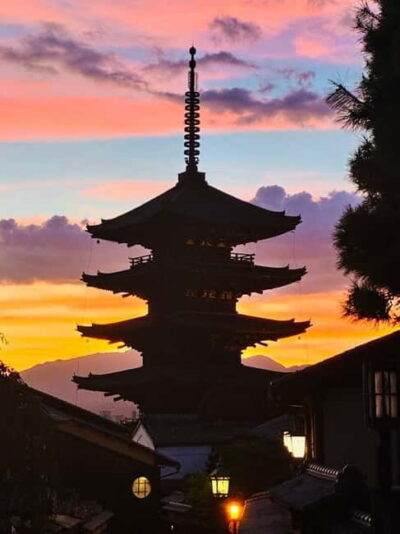
Kyoto Geisha Walking Tour: Gion District & Hidden Gems
Read our review →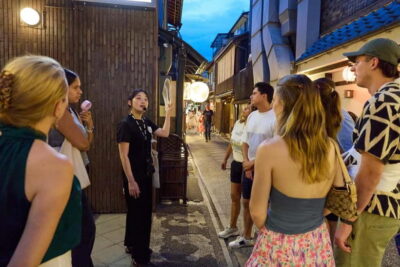
Gion Geisha District Walking Tour – Stories of Geisha
Read our review →
Best of Kyoto: Gion, Geisha, Pagodas & Cobblestones
Read our review →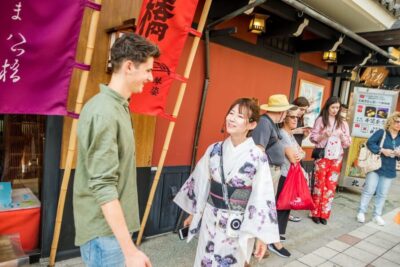
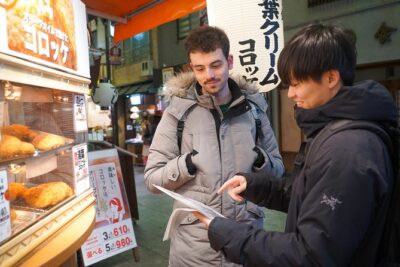
Nishiki Market Brunch Walking Tour (7 Tastings + Brunch)
Read our review →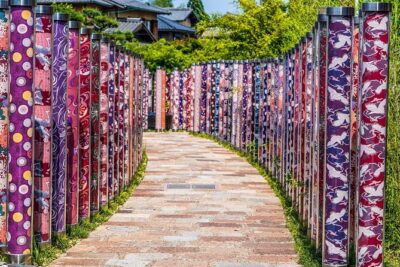
Kyoto Arashiyama Walking Tour: Bamboo, Monkeys, Gardens & Secrets
Read our review →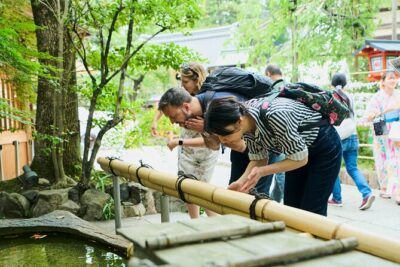
Kyoto Gion: 2-Hour Geisha Culture & History Walking Tour
Read our review →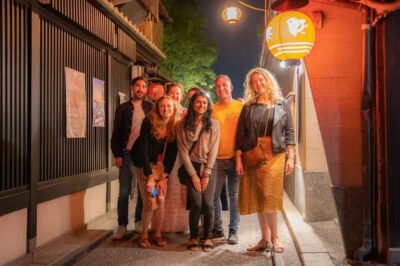
Browse the lists this tour appears in