
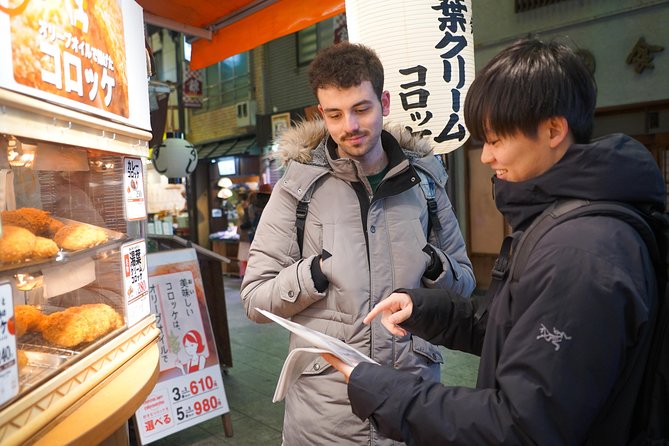
Review · KYOTO
Nishiki Market Brunch Walking Tour (7 Tastings + Brunch)
Kyoto’s Nishiki Market is easy to enter and surprisingly easy to misunderstand. This tour gives you a guide, a planned route, seven food tastings, and a sit-down brunch, so you can focus on trying unfamiliar Japanese foods instead of guessing what each stall sells. The small-group format, advertised for up to six people though the booking information also allows as many as ten, should make it easier to ask questions and keep up in the narrow market lanes.
I like the mix of food and local sights, especially the walk through Pontocho and the stop at Nishiki Tenmangu before the market. I also like the practical help from guides such as Yuki, Yusuke, Chie, Aki, Hikaru, and Reiki, who have been praised for clear English, cultural explanations, and food advice for the rest of a Kyoto visit.
The main consideration is value. Some tastings may be small vendor samples, and the brunch options can be limited depending on the day. If you are happy to browse Nishiki Market on your own and spend your money on full-size dishes, this may feel expensive. If you want an easy introduction with context and a meal built in, the $68.31 price is more reasonable.
Key points to know before booking
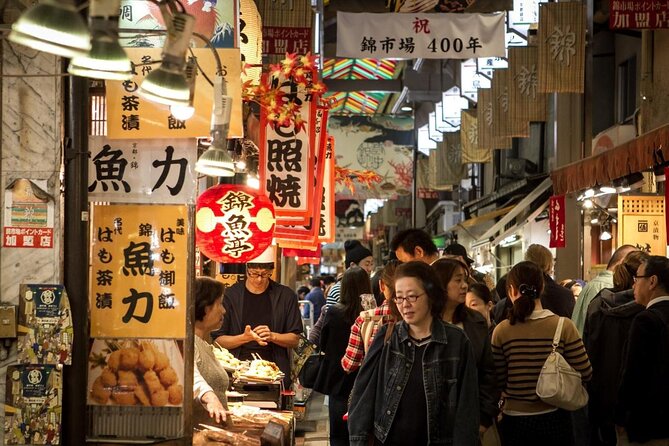
- Seven tastings plus brunch: You get a planned food experience rather than only a walk through the stalls.
- A useful first stop in Kyoto: The guide can explain food customs, local culture, Gion, and the market before you explore alone.
- Three hours on foot: Wear comfortable shoes and prepare for a crowded market, stairs or uneven walking surfaces, and changing weather.
- Small-group attention: The tour is promoted as a maximum of six, although the additional information gives a maximum of ten.
- Brunch is not fixed in detail: Past experiences have included different restaurant or cafe arrangements, with some guests finding the meal excellent and others finding the choices modest.
- Dietary limits matter: Gluten-free requests cannot be accommodated, and allergy-free food is not guaranteed.
Starting beside Shijo Bridge
The meeting point is at the Statue of Izumo-no-Okuni in Kawabatacho, near Shijo Bridge. The opening stop is brief, around five minutes, but it places the tour in a useful part of central Kyoto, close to public transportation and the eastern side of the Kamo River.
Shijo Bridge is more than a place to gather. It gives you an early look at the city’s movement between the river, Gion, and the shopping streets. Your guide may also use this first moment to set the tone for the morning and explain where the walking route is headed.
The meeting point is worth checking carefully before you leave. The tour finishes at Nishiki Market, not back at the start, so you can continue shopping or sightseeing in central Kyoto afterward. That one-way layout is handy if you plan to visit the market, Teramachi, or nearby department stores later.
More Food Walking Tours in Japan
- Tokyo Tsukiji Fish Market Food and Culture Walking Tour
★ 5.0 · 3,184 reviews - Tokyo: Tsukiji Fish Market Food and Walking tour
★ 5.0 · 1,724 reviews - Osaka Local Foodie Walking Tour in Dotonbori and Shinsekai
★ 5.0 · 985 reviews
Pontocho, Kyoto’s narrow dining lane
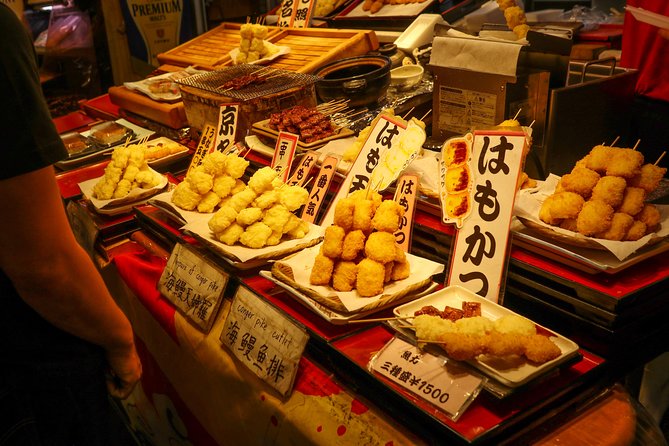
From the bridge, the route continues toward Pontocho District for about fifteen minutes. Pontocho is a narrow traditional lane known for restaurants and evening dining, and it gives you a quick look at one of Kyoto’s most atmospheric streets.
Do not expect a long restaurant tour here. This is a short walk and a visual introduction before the food portion takes over. The stop works best when your guide explains how the district fits into Kyoto’s dining culture and the nearby Gion area.
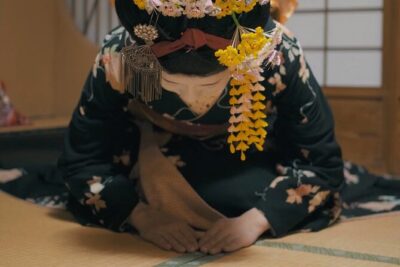
Several people who enjoyed the tour especially valued the cultural side of the commentary, including explanations of geisha culture and the relationship between Shinto and Buddhism in Kyoto. That kind of background can make the later food stops more meaningful. It also gives you something beyond a simple list of snacks.
The possible drawback is pacing. If you have already taken a Gion or Pontocho walking tour, some of this first section may repeat information you know. One past experience found the walk interesting but less useful after taking other Kyoto tours. I would book this route for its food introduction first, with the neighborhood walk as a pleasant extra.
Nishiki Tenmangu before the market crowds
The next stop is Nishiki Tenmangu, a small shrine visited for about fifteen minutes. It offers a change of mood before you enter the food market. Bright shrine details, religious customs, and the compact urban setting give your guide a chance to explain a side of Kyoto that you could easily pass without noticing.
This stop helps explain why the tour is not simply seven bites in a shopping street. The morning connects food with neighborhood life, local beliefs, and the old center of Kyoto. You may already know some of the basic material if you have taken several cultural tours, but a good guide can tie it directly to what you are about to eat.
Guides named in the experience feedback include Yutaka, Yuki, Jimmy, Emi, and Rakel, along with several others. The strongest praise centers on guides who make the explanations friendly and useful rather than formal. Rakel, for example, was praised for connecting with a 14-year-old, which matters if you are bringing a family member who may not care about a long lecture.
Two hours inside Nishiki Market
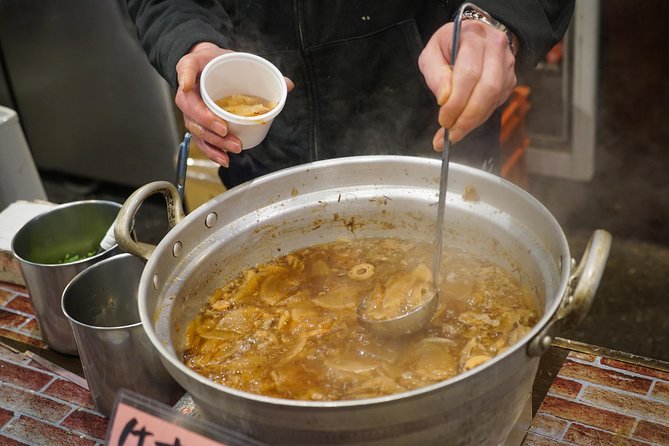
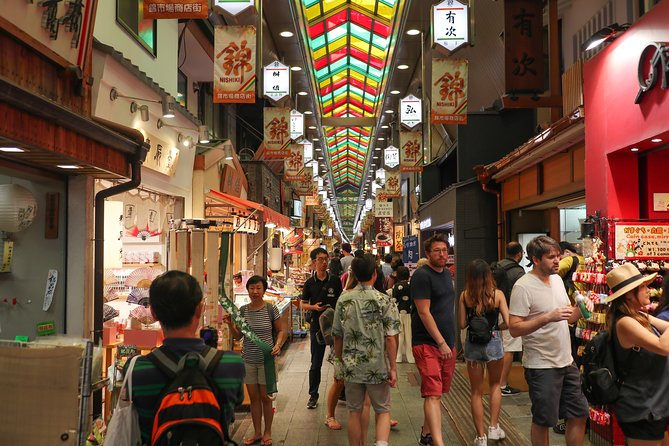
The largest part of the tour, about two hours and fifteen minutes, takes place in Nishiki Market Shopping District. This is the heart of the experience. Nishiki is often called the kitchen of Kyoto, and the covered market brings together seafood, pickles, sweets, produce, prepared foods, tea, and other ingredients tied to local eating.
The guide’s main job here is not simply to point at stalls. It is to help you understand what you are seeing, explain how foods are eaten, and steer you toward samples you may overlook. That is especially useful if you do not read Japanese or feel uncertain about ordering from a crowded counter.
You will receive seven kinds of tastings, followed by brunch. The exact foods can change, and the supplied information does not promise a fixed menu. Past food stops have included a range of local samples, and some people found the variety excellent. Others felt that several portions were very small, especially when the tasting was a free sample offered by a market vendor.
That distinction matters. A food tour can mean seven carefully chosen restaurant portions, or it can mean a mixture of paid tastings and tiny market samples. This experience appears to be closer to the second model, with the added benefit of a proper meal at the end. You should not arrive expecting seven full dishes.
The market can also be crowded. Keep your group together, watch your footing, and expect the pace to slow when the lanes fill. A guide is useful here because you do not need to stop at every stall or work out the route alone. You can ask about ingredients, preparation, and which foods are worth seeking out later.
The strongest food experiences came from guides who added recommendations and answered questions. Takaya was praised for offering food tips, while Chie was described as funny and helpful with ideas for the rest of a Kyoto visit. If you get a guide who takes that role seriously, the value continues after the tour ends.
More Market Walking Tours in Japan
- Tokyo: Tsukiji Fish Market Guided Walking Tour
★ 4.9 · 1,397 reviews - Tsukiji Fish Market Small-Group Food Walking Tour
★ 5.0 · 621 reviews - Osaka: Kuromon Market Food Walking Tour (6 stops, 6 tastes)
★ 4.6 · 272 reviews - Kyoto: Nishiki Market Brunch Walking Tour-7 Tastings+Brunch
★ 4.8 · 197 reviews
What the brunch adds to the morning
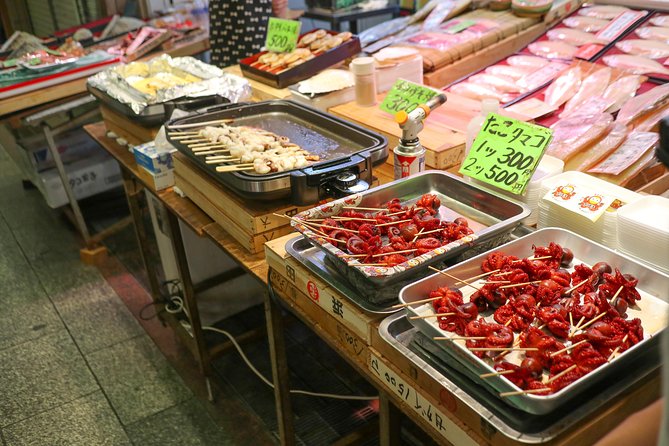
Brunch is included at a restaurant, though the exact location and meal format are not fully fixed. Some people had a very good meal with several choices, while others found the brunch limited, served at a cafe connected with a bookstore, or less substantial than expected.
You should think of brunch as a useful finishing meal rather than the main reason to book. The seven tastings introduce you to market foods, and brunch gives you a place to sit, eat more calmly, and compare what you have tried. One praised experience specifically enjoyed the sit-down meal and steamed dumplings. Another found the meal among the weaker food experiences in Kyoto.
The difference may come from the particular venue, available menu, or personal expectations. If you want drinks, generous restaurant portions, and a long lunch, this may disappoint. Additional food and drinks are not included, though you can buy them separately.
The description also advises eating a light breakfast before you go. That sounds counterintuitive for a brunch tour, but it is sensible. The morning includes walking, waiting for samples, and food portions that may vary. A small breakfast gives you energy without taking away your appetite.
The guides are a major part of the value
The food is important, but the guide can make or break this experience. The tour is operated by MagicalTrip and includes a certified guide. Past guides named in the feedback include Yuki, Yusuke, Takaya, Jimmy, Hikaru, Aki, Reiki, Chie, Yutaka, Emi, Rakel, and Aina.
The most successful guiding style seems clear: explain the food in plain English, keep the group moving, answer questions, and add practical advice for the rest of Kyoto. Yusuke received praise for combining food with Japanese culture. Hikaru was noted for a strong personality and useful explanations. Reiki was praised for excellent English and thorough guidance.
There is also a real warning here. One poor experience described long pauses, unclear explanations, weak recommendations, and disorganization. Another found that the group could have explored the market alone. That means the tour’s value depends heavily on how actively the guide leads.
The company acknowledged this kind of problem and said it would work on communication and guidance. You cannot choose your guide in advance from the information provided, so consider the tour a structured introduction rather than a guaranteed private food expert.
Is $68.31 a fair price?
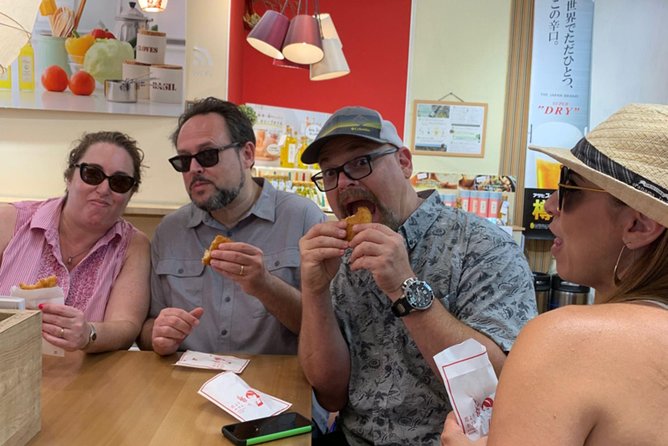
At $68.31 per person, the tour costs more than simply walking through Nishiki Market and buying a few snacks. You are paying for the route, a certified guide, seven tastings, brunch, and photos taken during the tour.
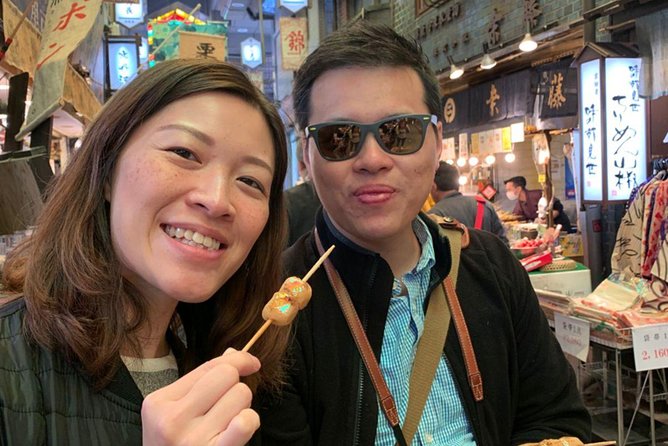
The photos are a small but unusual touch. You are encouraged to put your camera away and pay attention to the food and explanations, while the tour provides photos afterward. That can be helpful in a crowded market where stopping to photograph every plate can make you miss the guide.
The price makes the most sense for a first visit to Kyoto, especially if you are nervous about ordering unfamiliar food. It also works well for families and small groups that want a morning plan without spending time researching individual stalls.
The price is less convincing if you already know Nishiki Market, prefer to choose your own meals, or expect large portions at every stop. The mixed brunch experiences also mean you should not treat the meal as a premium restaurant booking.
Weather, walking, and dietary concerns
Kyoto can be difficult in extreme weather. Summer temperatures may reach 40°C, while winter temperatures can fall to -5°C. Dress for the forecast, bring water, and wear shoes you can walk in for three hours.
The market itself is covered, but the tour includes outdoor walking between Shijo Bridge, Pontocho, Nishiki Tenmangu, and Nishiki Market. The experience requires good weather and may be canceled if conditions are poor, with a different date or full refund offered.
Dietary planning deserves careful attention. Gluten-free requests cannot be accommodated. Allergy-free food is not guaranteed because the food is prepared in kitchens outside the tour company’s control, and substitutions may not be possible at every stop.
Tell the operator about allergies or dietary requests at least one day before the tour. The company will try to compensate at other stops, but you should not book this as a safe choice for strict dietary needs.
Who should book this Kyoto food walk?
I would choose this tour if you want a friendly introduction to Nishiki Market, prefer having food explained before you buy it, and enjoy a mix of neighborhood sights and tasting stops. It is especially useful early in a Kyoto visit because your guide may give you ideas for meals and markets later in the trip.
It also suits families and small groups. The route is short enough to manage, the food offers variety, and guides such as Rakel have shown they can keep younger participants involved.
I would skip it if your main goal is a large meal, a fixed tasting menu, or a long restaurant lunch. I would also skip it if you are comfortable exploring markets alone and would rather spend $68.31 directly on food.
Should you book it?
Book this Nishiki Market Brunch Walking Tour if you want structure, cultural context, and a guide to help you try foods you might otherwise pass by. The best version of the tour offers warm guiding, useful Kyoto advice, seven varied samples, and a satisfying brunch.
Go in with sensible expectations. Portions may be small, brunch choices may be limited, and the experience is not fully controlled for allergies. For a first-time visitor who wants an easy morning introduction to Kyoto’s food culture, it is a good choice. For an experienced Japan eater who wants serious restaurant portions, explore Nishiki independently and spend the money on dishes you choose yourself.
FAQ
How long does the Nishiki Market Brunch Walking Tour last?
The tour lasts approximately three hours, including the neighborhood walk, shrine visit, market tastings, and brunch.
How many food tastings are included?
Seven kinds of tastings are included, along with brunch at a restaurant.
Is brunch included in the price?
Yes. Brunch is included, but additional food and drinks are available for purchase.
Where does the tour start?
It starts at the Statue of Izumo-no-Okuni in Kawabatacho, Higashiyama Ward, near Shijo Bridge.
Where does the tour end?
The tour ends at Nishiki Market in Higashiuoyacho, Nakagyo Ward.
How large is the group?
The highlights describe a maximum of six people, while the additional information states that the activity may have a maximum of ten participants.
Can the tour accommodate gluten-free requests?
No. Gluten-free requests cannot be accommodated on this tour.
Can the tour guarantee allergy-free food?
No. Allergy-free food cannot be guaranteed because the food is prepared in kitchens that do not belong to MagicalTrip. You should share allergy information at least one day before the tour.
Can I cancel for a full refund?
Yes. You can cancel at least 24 hours before the local start time for a full refund. Cancellations or changes made less than 24 hours in advance are not refunded or accepted.
More Market Walking Tours in Kyoto
- Bangkok: City Highlights Temple and Market Walking Tour
★ 4.5 · 3,990 reviews - London Bridge & Borough Market Food Tour with 7 Authentic Dishes
★ 5.0 · 1,972 reviews - Air Raid Shelter + St. Nicholas Market Walking Tour
★ 5.0 · 1,950 reviews - Bologna Food & Market Tour with 6 Tastings, Pasta, Wines & More
★ 5.0 · 1,328 reviews
More Food Walking Tours in Kyoto
- Reykjavik Food Walk – Local Foodie Adventure in Iceland
★ 5.0 · 18,952 reviews - Ho Chi Minh City Street Food Tour & Sightseeing By Motorbike
★ 5.0 · 9,413 reviews - Little Havana Food and Walking Tour in Miami
★ 5.0 · 8,882 reviews - New Orleans Food Walking Tour of the French Quarter with Small-Group Option
★ 5.0 · 6,118 reviews
New routes in Kyoto
- Kyoto : Private Custom Walking Tour With A Local Guide★ 4.6 · 144 reviews
- Kyoto: Private 2.5 Hour Historical Walking Tour★ 4.9 · 121 reviews
- Kyoto: Gion Walking Tour★ 5.0 · 195 reviews
- Kyoto: Gion Sunset Walking Tour with Local Guide★ 4.7 · 351 reviews
- Kyoto: Private Walking Tour with a Local★ 4.6 · 118 reviews
- Kyoto: Izakaya Bars Guided Walking Tour★ 4.9 · 815 reviews
- Kyoto Fushimi-Inari Night Walking Tour★ 4.8 · 171 reviews
- Kyoto Gion Cultural Walk & Geisha Show with Dining Options★ 5.0 · 518 reviews
Kyoto Walking Tours, compared.
Kyoto Geisha Walking Tour: Gion District & Hidden Gems
Read our review →
Gion Geisha District Walking Tour – Stories of Geisha
Read our review →
Best of Kyoto: Gion, Geisha, Pagodas & Cobblestones
Read our review →
Kyoto Arashiyama Walking Tour: Bamboo, Monkeys, Gardens & Secrets
Read our review →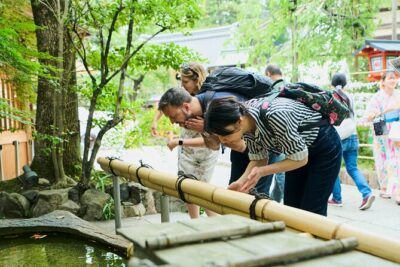
Kyoto Gion: 2-Hour Geisha Culture & History Walking Tour
Read our review →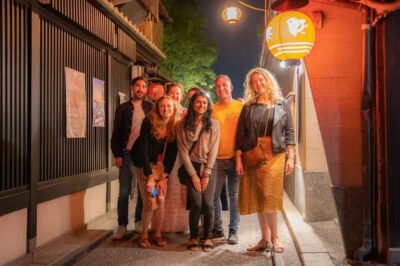
Kyoto Gion Cultural Walk & Geisha Show with Dining Options
Read our review →Browse the lists this tour appears in