
Review · TOKYO
Tokyo: Tsukiji Fish Market Food and Walking tour
Tsukiji is easiest to enjoy when someone else handles the maze. This two-hour walk pairs Tsukiji Hongwanji Temple with the market’s food stalls, giving you a gentle introduction before the eating begins. Guides such as Rie, Haydn, Jim, Minori, and Sayaka have helped visitors find good stalls and avoid poor-value purchases.
I like the choose-your-own-food format, since you pay only for what you want to try. I also like the small-group limit of 10, which makes it easier to ask questions and move through crowded lanes. The main drawback is that food costs extra, and some people may prefer to spend the first part at the market instead of visiting the temple.
Key points to know before you book
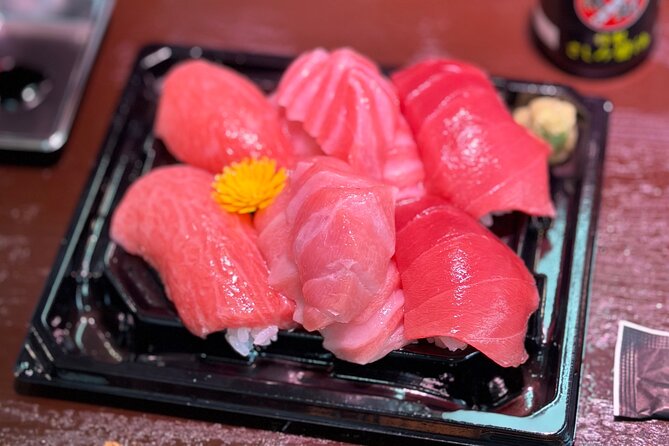
- You choose every bite: Try seafood, sushi, fruit, Japanese omelets, fish cakes, eel, sea urchin, or wagyu beef according to your appetite and budget.
- The temple comes first: About 30 minutes are spent at Tsukiji Hongwanji Temple before the market walk begins.
- Food is not included: Bring cash in Japanese yen. A practical budget is around ¥10,000 if you plan to sample several items.
- The guide makes the market easier: The lanes can be confusing, and guides such as Rie and Haydn are praised for pointing out worthwhile stalls and lower-priced options.
- The group stays small: The maximum is 10 people, a useful size for a food walk in a crowded market.
- The tour returns to its starting point: Meet at the Starbucks near Tsukiji Station and finish back there after about two hours.
Why a guide helps at Tsukiji
Tsukiji is not just one market building. It is a district of food shops, counters, stalls, suppliers, and small streets around the former inner market site. The famous wholesale tuna auctions moved to Toyosu, but Tsukiji’s outer market remains a major stop for Japanese food.
That layout can make a first visit confusing. You may see a line at one stall and have no idea what it sells, how much it costs, or how to eat it. A local guide gives the walk a purpose. Instead of simply wandering past rows of seafood, you can ask what an ingredient is, how it is used, and whether it is worth buying.
The guide also helps with the social rules of a food market. You may be standing in narrow lanes near people carrying boxes or working behind counters. A guide can keep the group moving and help you avoid blocking shop entrances. That practical help is one of the strongest reasons to book.
The group size is capped at 10 people. That is not a private tour, but it is small enough for the guide to hear questions and keep the group together. A smaller group also matters when buying food, since everyone needs room to stop, order, and eat.
More Food Walking Tours in Japan
- Tokyo Tsukiji Fish Market Food and Culture Walking Tour
★ 5.0 · 3,184 reviews - Tsukiji Fish Market Small-Group Food Walking Tour
★ 5.0 · 621 reviews - Shinjuku: Food Tour – 15 Dishes at 4 Eateries
★ 5.0 · 493 reviews
Starting with Tsukiji Hongwanji Temple
The meeting point is the Starbucks Coffee near Tsukiji Station, at Tsukiji 2-chome in Chuo City. From there, the walk begins at Tsukiji Hongwanji Temple, about 30 minutes into the experience.
The temple is an unusual sight in Tokyo. Its architecture is distinctive, and the stop gives the guide a chance to explain local customs and the setting before you enter the market lanes. It is a calmer beginning than jumping straight into food stalls.
I see this opening as useful if you want more than a snack crawl. You get some cultural context and a sense of the neighborhood before the market takes over. Guides including Haydn have received strong praise for making this part clear and interesting.
Still, this stop is not for everyone. If your only goal is eating, 30 minutes at a temple may feel like time taken away from the market. One participant specifically wished the walk had skipped this part. Read the description carefully and decide what you want most. This is a food and culture walk, not a nonstop tasting session.
Walking through Tsukiji Fish Market
The central market portion lasts about an hour. Here, the guide explains Tsukiji’s role in Tokyo’s food culture and takes you through the areas associated with seafood trading and preparation.
The old wholesale tuna auctions are no longer held here, so it is important to set your expectations. This is not a behind-the-scenes visit to an active auction floor. Instead, you explore the market district and its food businesses, with a guide explaining what you are seeing.
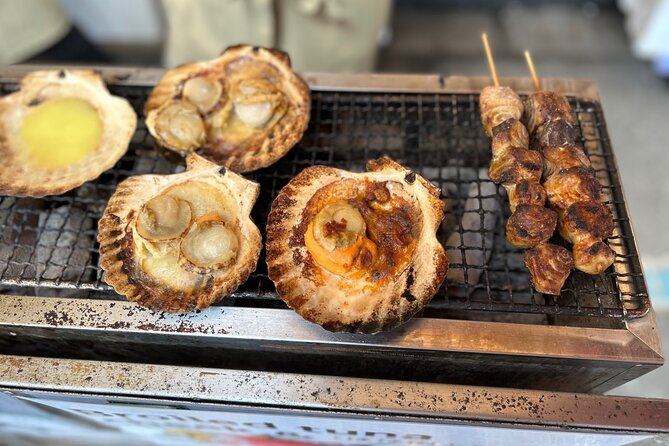
That distinction does not make the visit less worthwhile. Tsukiji still offers a close look at ingredients that are central to Japanese cooking. You may see seafood being prepared, products used for sushi, Japanese omelets, fried fish cakes, fruit, and other food sold for quick eating or home kitchens.
The guide’s role is especially useful when you want to try something unfamiliar. Rie is praised for encouraging people to sample sea urchin and eel, while other guides have pointed out sushi, wagyu beef, and other specialties. You are not forced into a set menu. If raw seafood is not your thing, you can choose fruit, cooked items, or simply watch the food preparation.
I like this arrangement because it keeps the cost under your control. A fixed food tour can leave you paying for dishes you do not want. Here, you decide what to buy. The tradeoff is that the advertised price covers the guide and market walk, not the food itself.
Tsukiji Jogai Market and the best use of two hours
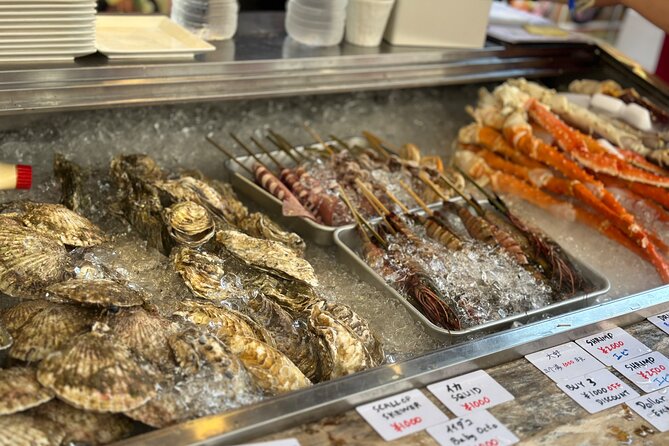
The final 30 minutes take place in Tsukiji Jogai Market, the outer market area packed with food shops and small counters. This is where the tour’s flexible format matters most.
The guide can suggest places based on what the group wants to try. If your group is curious about fresh fish, the walk can focus there. If you want small bites and cooked snacks, Japanese omelets and fried fish cakes may be better choices. Fruit and other market foods give you a break from seafood.
The word flexible should not be misunderstood. You are still working within a two-hour schedule, and the group needs to stay together. You will not have unlimited time at every stall. But the guides do appear to adjust the pace and food stops to suit the group, rather than marching everyone through a rigid menu.
A guide can also help you compare prices. Haydn is praised for pointing out what seemed like a good deal and what was not worth the cost. Rie is praised for steering people away from tourist-priced products and toward similar items at a lower price. That kind of advice can quickly cover part of the tour fee if you plan to shop.
Same streets, a different guide:
- Tokyo: Imperial Palace and Shogun Historical Walking Tour
★ 5.0 · 2,251 reviews - Tokyo: Shinjuku Local Bar and Izakaya Guided Walking Tour
★ 4.9 · 1,794 reviews - Tokyo: Asakusa Walking Tour with Sensoji Temple Visit
★ 4.8 · 1,583 reviews - Tokyo: Tsukiji Fish Market Guided Walking Tour
★ 4.9 · 1,397 reviews
What you may eat, and what you must pay for
The food is the heart of this experience, but it is also the part that requires the clearest budget. Food and drinks are not included. You choose and pay for your own purchases at the market.
Possible tastes include:
- Fresh seafood and sushi
- Japanese omelets
- Fried fish cakes
- Fruit
- Eel
- Sea urchin
- Wagyu beef
- Other local snacks sold at the market
You do not need to order every example. The point is to sample selectively, based on your appetite, dietary preferences, and budget.
Bring Japanese yen in cash. One practical estimate from the tour experience is about ¥10,000 for food, though your actual spending can be lower or higher. A person who chooses only one or two small items will spend less than someone sampling sushi, beef, seafood, and dessert-style fruit.
The separate food cost is both a benefit and a limitation. It is a benefit if you dislike paying for a fixed menu or have strong food preferences. It is a limitation if you expect a $30 tour to include tastings. At $30 per person, the price is reasonable for a small-group guided walk, but you should treat your food budget as a separate expense.
The guides make the difference
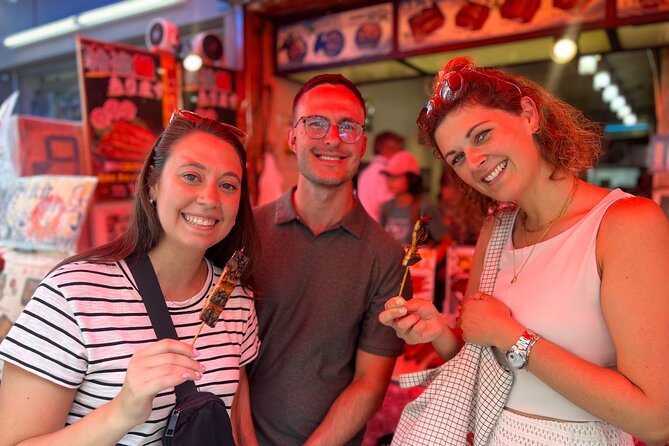
The guide is the main variable in any walking tour, and this one has several names that have drawn especially strong praise.
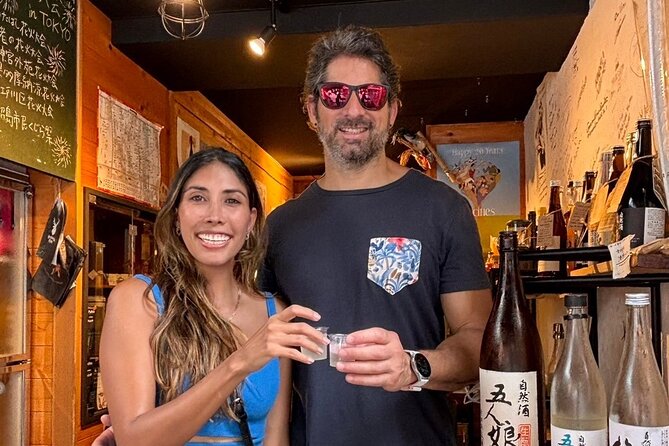
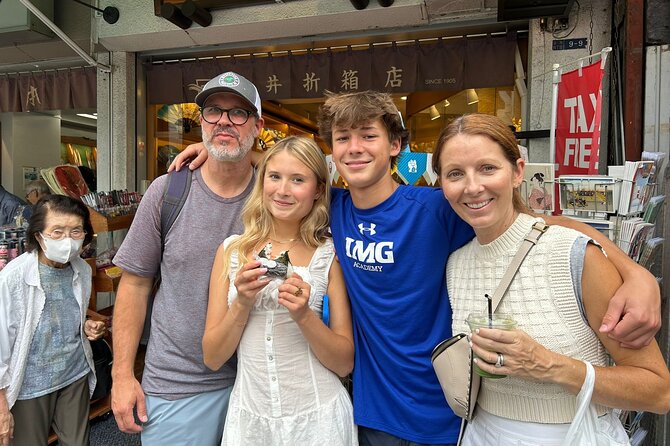
Rie is described as energetic, attentive, and good at finding worthwhile stalls. She encouraged people to try foods they might otherwise skip and helped them avoid paying too much for similar products. Haydn is praised for guiding people through the market with ease and for making the experience comfortable for families.
Jim Allen brings an interest in Japanese culture and history, adding context beyond the food. Minori is praised for explaining local customs and knowing good places to eat. Sayaka is described as funny and kind, while Yayoi is noted for her lively approach to food and the market.
Other named guides include Nicolas, Nicholas, Shino, and Joe. The exact personality of your tour will depend on who leads it, but the overall pattern is clear: the guide matters most when the market feels confusing or you want help making food choices.
There is one caution. One person found the walk poorly organized and felt that the market history was not explained in enough detail. That criticism is useful because it points to the main risk: two hours is a short time, and the quality of the experience depends heavily on the guide’s pacing and communication.
How active is the walk?
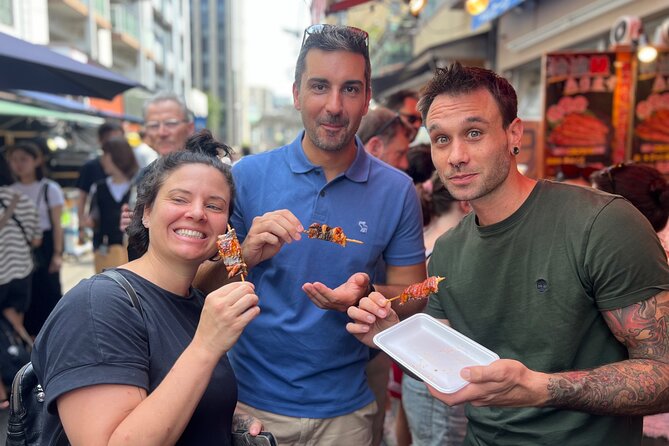
This is a walking and standing experience. The route covers the temple, the fish market area, and the outer market, with time spent stopping at stalls and counters.
It is not described as especially strenuous. Still, you should expect crowded lanes, periods on your feet, and frequent stops. Comfortable shoes will make sense, though the tour information does not specify a dress requirement.
The market can be difficult for anyone who dislikes crowds or narrow spaces. The guide helps with navigation, but cannot remove the noise, activity, or limited room around the stalls. Families can take part, and the experience is suitable for most people, but very young children may find the standing and food-focused pace less appealing.
Service animals are allowed, and the meeting point is near public transportation. The activity begins and ends at the same Starbucks near Tsukiji Station, which makes it easier to plan your next stop in Tokyo.
Who will get the most from this tour?
I would recommend this walk to first-time visitors to Tsukiji who want help choosing food and understanding the market’s layout. It is also a good fit if you are curious about Japanese ingredients but do not know what to order.
Food-focused visitors will appreciate the freedom to choose. Families may like the ability to select familiar foods for children while adults try seafood or other specialties. The small group and English-speaking guide also make it easier to ask questions without slowing down a large crowd.
This may not be the right choice if you want a full meal included in the price. It is also less suitable if you only want the wholesale fish auction experience, since the famous auctions are no longer held at Tsukiji. And if your priority is spending every minute at food stalls, the temple stop may feel unnecessary.
The tour works best early in your Tokyo stay. That way, you can return to Tsukiji later with a better sense of where to shop and what you want to try. Even if you buy only a few items during the walk, the orientation can help you explore with more confidence afterward.
Is the $30 price good value?
At $30 per person, the fee pays for a local English-speaking guide and about two hours of walking around the temple and market district. It does not pay for food or drinks.
For me, the value depends on your comfort level. If you are happy to wander, point at food, and make purchases without much context, you can visit Tsukiji on your own. If the market feels confusing, a guide can save time and reduce the chance of buying something overpriced or missing a food you would have enjoyed.
The strongest value comes from the practical help: finding stalls, explaining ingredients, offering advice on portions and prices, and keeping you moving through a crowded area. The food bill is yours to control, which is helpful for some people and inconvenient for others.
Free cancellation is available if you cancel at least 24 hours before the start time. Changes or cancellations inside that window are not accepted for a refund.
Should you book this Tsukiji walk?
Book it if you want a friendly introduction to Tsukiji, prefer choosing your own food, and like having a local guide explain what you are seeing. Bring cash, allow room in your budget for food, and expect a mix of temple culture, market history, and small tastings rather than a fixed meal.
Skip it if you want the old tuna auction, a food bill included in the tour price, or a nonstop market visit with no temple stop. For most first visits, though, the two-hour format offers a useful balance. You get oriented, try a few foods that catch your eye, and leave knowing how to return to Tsukiji on your own.
FAQ
How long does the Tsukiji food and walking tour last?
The tour lasts approximately two hours.
Where does the tour meet?
It meets at Starbucks Coffee near Tsukiji Station in Tsukiji 2-chome, Chuo City, Tokyo.
Where does the tour end?
The activity ends back at the meeting point.
Is food included in the tour price?
No. Food and drinks are not included. You choose and pay for the dishes you want to eat.
How much cash should I bring for food?
Bring Japanese yen in cash. About ¥10,000 is a practical amount if you plan to sample several foods, though your spending depends on what you choose.
What places are included in the walk?
The route includes Tsukiji Hongwanji Temple, Tsukiji Fish Market, and Tsukiji Jogai Market.
How many people can join the tour?
The maximum group size is 10 people.
Can I cancel for a full refund?
Yes. You can cancel for a full refund up to 24 hours before the experience start time. Cancellations or changes made less than 24 hours in advance are not accepted for a refund.
More Food Walking Tours in Tokyo
- Reykjavik Food Walk – Local Foodie Adventure in Iceland
★ 5.0 · 18,952 reviews - Ho Chi Minh City Street Food Tour & Sightseeing By Motorbike
★ 5.0 · 9,413 reviews - Little Havana Food and Walking Tour in Miami
★ 5.0 · 8,882 reviews - New Orleans Food Walking Tour of the French Quarter with Small-Group Option
★ 5.0 · 6,118 reviews
More Market Walking Tours in Japan
- Tokyo: Guided Walking Tour of Tsukiji Market with Breakfast
★ 4.4 · 134 reviews - Tokyo: Tsukiji Market Walking Tour & Sushi Cooking Class
★ 4.6 · 122 reviews - Nishiki Market Brunch Walking Tour (7 Tastings + Brunch)
★ 5.0 · 1,355 reviews - Osaka: Kuromon Market Food Walking Tour (6 stops, 6 tastes)
★ 4.6 · 272 reviews
New routes in Tokyo
- Tokyo: Tsukiji Market Walking Tour & Sushi Cooking Class★ 4.6 · 122 reviews
- Tokyo: Shinjuku Nightlife & Secret Backstreets Walking Tour★ 4.8 · 229 reviews
- Tokyo: Shinjuku Bar Hopping & Night Walking Tour★ 4.6 · 137 reviews
- Tokyo: Dark Side of Tokyo Shinjuku Red Light Walking Tour★ 4.7 · 862 reviews
- Tokyo: Shibuya Highlights Walking Tour★ 4.8 · 601 reviews
- Tokyo: Shibuya Crossing & Hidden Streets Walking Tour★ 4.8 · 128 reviews
- Tokyo: Shibuya Highlights Walking Tour & Secret View Spot★ 4.9 · 196 reviews
- Tokyo: Private Custom Walking Tour with Local Guide★ 4.9 · 350 reviews
Tokyo Walking Tours, compared.
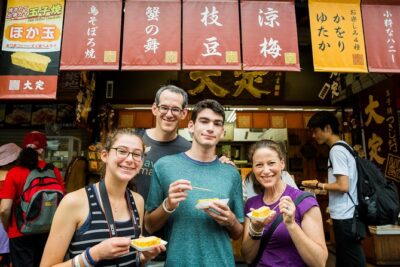
Tokyo Tsukiji Fish Market Food and Culture Walking Tour
Read our review →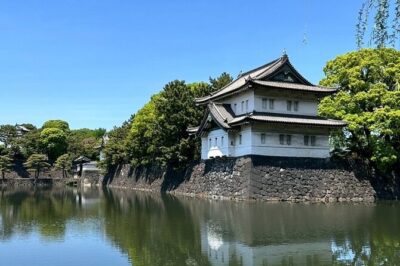
Imperial Palace and Shogun Historical Walking Tour
Read our review →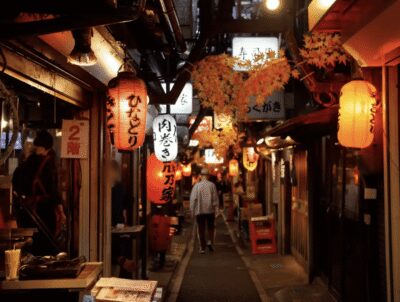
Shinjuku Local Bar and Izakaya Guided Walking Tour
Read our review →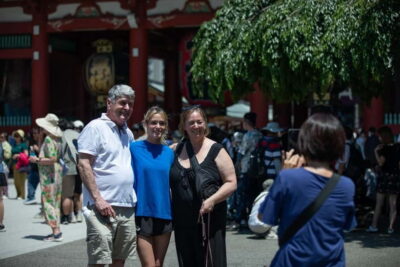
Asakusa Walking Tour with Sensoji Temple Visit
Read our review →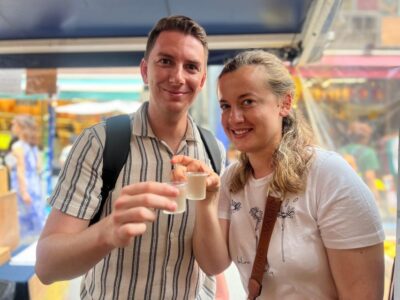
Tokyo Castle & Imperial PalaceーShogun Walking Tour
Read our review →
Shibuya Meltdown Nightlife Tour: All-You-Can-Drink Bar Hopping
Read our review →
Browse the lists this tour appears in