
Review · TOKYO
Tokyo Castle & Imperial PalaceーShogun Walking Tour
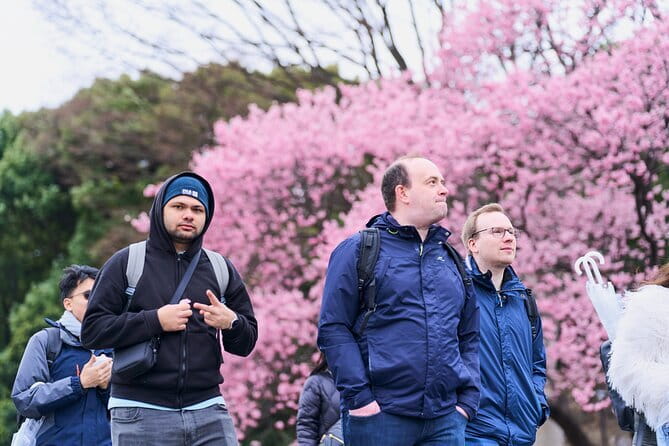
Edo Castle once covered a huge part of central Tokyo, and this tour helps you see the old fortress beneath the modern city. You’ll trace massive moats, stone walls, and guarded gates, then connect the shogun’s 260-year peace to Japan’s continuing imperial system.
I like the small group size, capped at 10, and the way the guide turns plain-looking walls into clues about power and defense. I also like the calm finish in the Imperial Palace East Gardens, where koi, old trees, and a miniature palace structure add a gentler side to the story. The main drawback is simple: much of the two hours is outdoors, and the tour does not offer Japanese-language support.
Key points to know before you book
- Edo Castle is the real subject: You see surviving moats, gates, stonework, and ruins rather than a fully preserved castle building.
- Small groups help: With no more than 10 people, it is easier to hear the guide and ask questions.
- The guides make the difference: Anju, Fuma, Yuuka, Tomo, Kosei, Keiko, and others have been praised for clear explanations, friendly energy, and good pacing.
- The East Gardens soften the history lesson: Expect seasonal plantings, special koi, varied trees from across Japan, and quiet paths.
- The tour is outdoors: Wear weather-ready clothing and comfortable shoes, and expect a security check before entering the palace grounds.
- At $23, you pay mainly for interpretation: The gardens and grounds may not require a separate admission fee, but the guide supplies the context that is easy to miss alone.
Why Edo Castle makes a better history lesson than a picture stop
Tokyo’s Imperial Palace can seem difficult to understand at first. You see broad lawns, formal gates, stone walls, and a few carefully framed views, but the original castle is no longer sitting there in full form. The tour solves that problem by showing you how to read the remains.
Edo Castle was once Japan’s largest castle. Its moats and layered defenses were not decoration. They controlled movement, slowed attackers, and protected the shogun’s center of power. As you walk, your guide explains how the castle worked and how its position helped support the long period of peace under the shogunate.
That context matters. Without it, a moat is just a moat. With it, the water, walls, gates, and raised ground become part of a carefully planned military system.
The tour also links two different centers of authority. Edo Castle was the seat of the shogun, while the emperor represented a much older imperial tradition. The experience presents Japan’s imperial system as a 2,600-year legacy and asks how it survived through major changes in government and society.
You should not expect a visit inside the emperor’s private residence. This is a walking tour of the accessible grounds, former castle remains, and East Gardens. The value comes from seeing the setting and hearing how the shogun, his retainers, the imperial family, and modern Tokyo fit into one long story.
More Castle and Palace Walking Tours in Tokyo:
- Tokyo: Imperial Palace and Shogun Historical Walking Tour
★ 5.0 · 2,251 reviews - Tokyo: Imperial Palace Japanese History Walking Tour
★ 4.9 · 987 reviews - Tokyo: Imperial Palace and Shogun Walking Tour
★ 4.9 · 935 reviews
Meeting at Wadakura Fountain Park
The meeting point is in front of Starbucks Coffee Kōkyo Gaien Wadakura Fountain Park Store, at 3-1 Kōkyo Gaien, Chiyoda City, Tokyo. Your guide holds a sign marked Local Guide Stars.
This is a useful meeting spot because the tour begins and ends there, so you do not need to arrange a second pickup point. Still, give yourself time to locate the correct Starbucks. The store name is long, and the Japanese address can be more useful when checking your map.
The route is a walking loop, not a bus tour. At only two hours, the pace is generally manageable, and the guides have been praised for keeping the walk relaxed while still covering several important stops. If you arrive late, you risk missing the opening explanation and the group may already be moving through the palace grounds.
The group limit of 10 is one of the better features for this price. A large group can turn palace walls into a lecture at the back of a crowd. Here, you have a better chance of hearing details, asking about samurai life, and getting help with photographs.
Sakurada Tatsumi Yagura: a first look at the defenses
The first stop is Sakurada Tatsumi Yagura, a traditional corner turret and an early visual clue to Edo Castle’s scale. The stop is short, about five minutes, so expect a photo opportunity and an introduction rather than a long talk.
This is where the guide begins to shift your attention from modern Tokyo to the castle that once controlled the area. The turret helps you picture how watch points and fortified corners worked within the wider defensive plan.
Because the stop is brief, listen for the broad idea rather than expecting every architectural detail. The tour has several short stops, and the story builds as you move. That format works well if you want a clear overview, but it may feel too quick if you prefer to study one structure at length.
Ote-Mon Gate shows how power controlled entry

Ote-Mon Gate receives about 15 minutes, making it one of the more substantial early stops. Gates were practical pressure points in a castle. They regulated who entered, slowed unwanted movement, and gave defenders an advantage.
Here, the guide explains the layered defenses and the way the castle protected its inner areas. One participant specifically praised the explanation of how the defenses were arranged, which is exactly the sort of detail that can disappear when you walk through on your own.
I find this part especially useful for first-time visitors because it gives you a way to read the rest of the grounds. You begin to notice the relationship between water, stone, narrow passages, gates, and open areas. The tour is not simply pointing out old structures. It is explaining the decisions behind them.
More Walking Tours in Tokyo:
- Tokyo Tsukiji Fish Market Food and Culture Walking Tour
★ 5.0 · 3,184 reviews - Tokyo: Shinjuku Local Bar and Izakaya Guided Walking Tour
★ 4.9 · 1,794 reviews - Tokyo: Tsukiji Fish Market Food and Walking tour
★ 5.0 · 1,724 reviews - Tokyo: Asakusa Walking Tour with Sensoji Temple Visit
★ 4.8 · 1,583 reviews
The Imperial Palace grounds connect old rule with present Japan
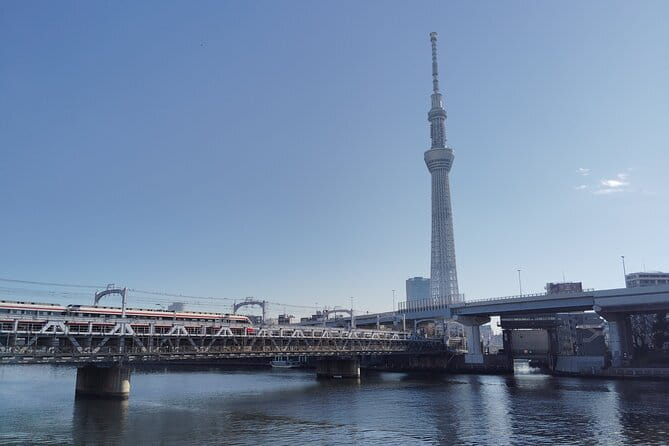
The stop labeled Tokyo Imperial Palace lasts about 20 minutes. Here, the focus shifts from Edo Castle as a military headquarters to the modern imperial setting.
The palace grounds carry a special tension. They are formal and carefully maintained, yet much of what you see also belongs to the vanished castle city of the shogun. Your guide explains how the site changed over time and how the imperial system continued into the present.
This is one of the strongest parts of the tour for anyone who wants more than samurai stories. The experience places the emperor and shogun in the same physical setting without treating them as interchangeable. The guide also explains the development of Tokyo, helping you connect the former castle town with the capital you see today.
You should keep your expectations realistic. The tour is not an interior palace visit, and access can be controlled. A security check is required when entering the Imperial Palace grounds, so do not bring knives or alcohol.
Ninomaru Garden brings the shogun’s world down to human scale
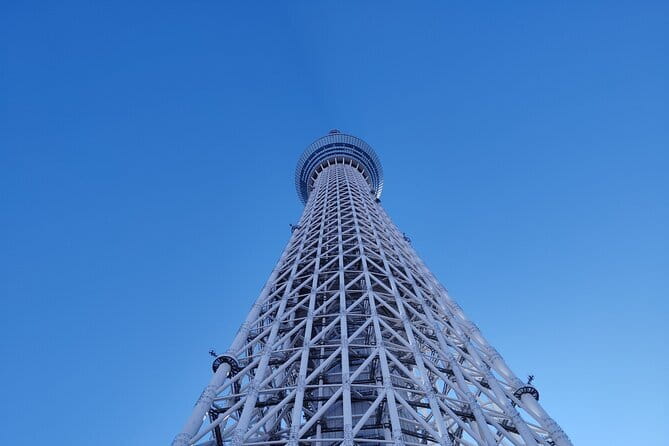
After the imposing gates and walls, Ninomaru Garden offers a change of mood. The scheduled visit lasts about 15 minutes, with time to see the garden and hear how it fits into the former castle grounds.
Gardens help make the old political world easier to imagine. The castle was not only walls, guards, and official business. It was also a place where people lived, received visitors, moved through formal spaces, and paid close attention to seasons and design.
The garden is a good place for photographs, especially if you like details rather than grand monuments. You might find that the quieter setting makes the stories easier to absorb. It also gives the group a chance to slow down after walking through the more defensive parts of the route.
Do not expect a long garden-design workshop. The tour has to keep moving, and this is one stop within a compact route. The guide’s interpretation is the main reason to include it.
Edo Castle Ruins reveal what has disappeared
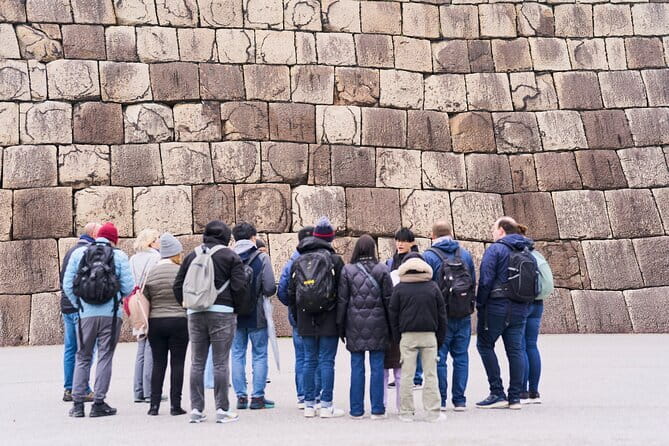
The Edo Castle Ruins stop lasts about 10 minutes. The remains are important partly because they are incomplete. You are asked to imagine the enormous castle that once occupied this area, using surviving stonework and the guide’s explanation to fill in the gaps.
That can be more rewarding than viewing a perfectly rebuilt structure. Reconstruction gives you a clear picture, while ruins make you think about scale, loss, and change. The guide explains what the castle used to look like and how the site functioned during the Edo period.
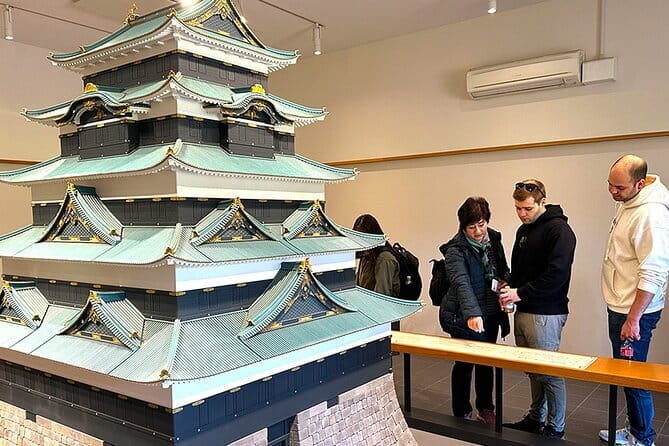
A miniature structure of the former palace is included during the experience. This is a useful aid because it gives you a visual sense of the buildings that no longer exist at full size. It also helps you understand the relationship between the castle’s central buildings and its protective outer works.
If you want a complete castle interior with rooms, armor, and reconstructed halls, this is not that kind of visit. If you want to understand how an absent castle shaped Tokyo, the ruins are a strong part of the route.
Imperial Palace East Gardens finish the walk on a peaceful note
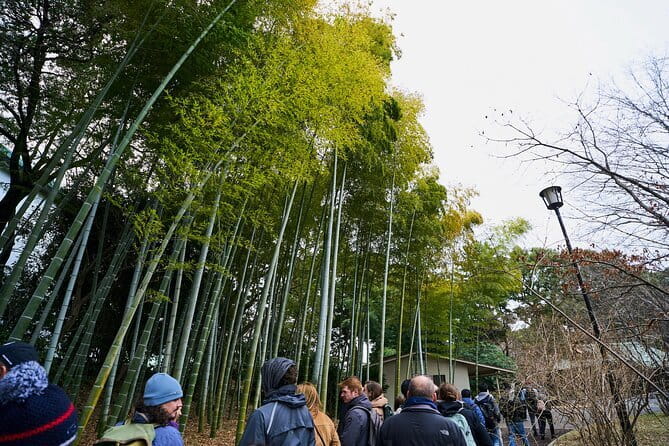
The East Gardens receive about 20 minutes, making them the final major stop before returning to the Starbucks meeting point. The gardens include seasonal plantings, old trees from across Japan, and special koi.
This is where the tour feels least like a military history lesson and most like a quiet walk through a carefully maintained public space. You can take photographs, look for changes in the plants, and enjoy a slower final stretch.
The koi and varied trees give the guide extra material to work with. Instead of seeing a generic park, you get small connections between the garden, the imperial setting, and Japanese appreciation of nature. The garden also provides a pleasant contrast to the stone defenses and formal gates earlier in the tour.
Weather will shape this part of the experience. On a clear day, it may be the most enjoyable section. In rain or intense heat, the outdoor nature of the route becomes more demanding. Dress for the forecast rather than for the formality of the palace name.
The guides are the tour’s greatest strength
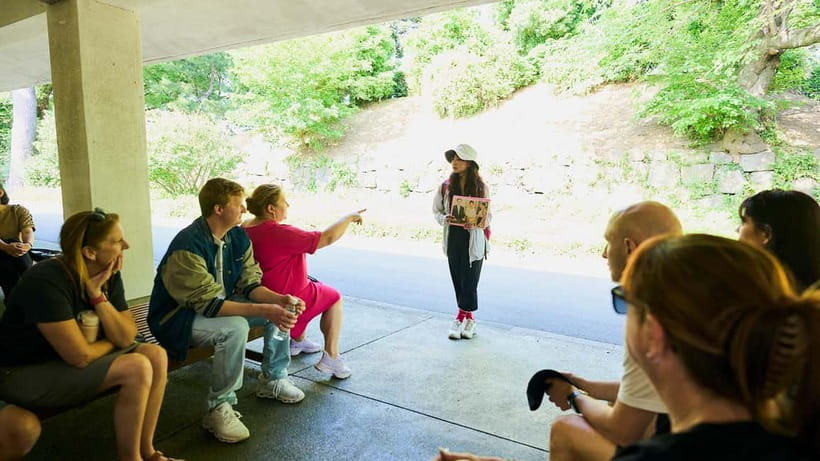
The guide matters more here than at a site with a large number of surviving buildings. You need someone who can explain what is missing, not just point to what remains.
Anju is repeatedly praised for clear explanations, patience, and enthusiasm. Fuma is described as warm, engaging, and good at adding fun facts. Yuuka is noted for answering questions and taking photographs, while Tomo is praised for a friendly manner and a steady pace.
Other guides named in the feedback include Kosei, Keiko, Ai, Kazuki, Koyo, Mai, Nana, Xin Yan, and Yuki. Their backgrounds and presentation styles may differ, but the consistent strengths are easy-to-understand English, a welcoming manner, and an ability to connect Edo-period history with modern Japan.
Kosei, in particular, brought an international perspective after living abroad, which can help explain old Japanese customs in terms that make sense to visitors from other countries. Several guides are young, including university students, but that does not prevent them from presenting the material with confidence and energy.
The tour is conducted in English only. Japanese language support is not available, so you should be comfortable following a spoken English explanation for two hours. The small group makes questions easier, and the guides have been praised for inviting them rather than rushing through a script.
Is $23 a fair price for two hours?
At $23 per person, the tour is reasonably priced for a small-group experience in central Tokyo. You are not paying for an expensive attraction ticket or a long excursion. You are paying for access to a guide who gives meaning to a large, open historic site.
The gardens and palace grounds may not involve a separate admission charge, so a visitor focused only on entry cost could find the tour slightly expensive. One useful way to judge the price is to ask how much you would learn by walking the same route alone.
If you already know Edo-period history, Japanese castle design, and the imperial system, you may prefer a self-guided visit. If you see only walls and gardens without context, the $23 adds real value. The guide explains the defenses, the vanished buildings, the change from shogun rule to modern imperial life, and the role of the site in Tokyo’s development.
Free cancellation up to 24 hours before the start and reserve-now, pay-later booking also reduce the risk if your plans are not fixed. The tour lasts two hours, so it fits well into a day of sightseeing without taking over your schedule.
Practical advice for a comfortable visit
Wear comfortable shoes and clothing suited to the day. A large part of the route is outside, and the palace grounds include slopes. The site is generally accessible to wheelchair users, and wheelchairs can be used within the Imperial Palace grounds, but some slopes and areas still require walking or moving downhill on foot.
Bring a camera. Photography is encouraged, and the route includes turrets, gates, moats, gardens, stone walls, koi, and views across the grounds.
Keep your bag free of prohibited items. Knives and alcohol should not be brought because of the security check at the Imperial Palace entrance.
I would choose this tour early in a Tokyo stay if you want a historical frame for the city. The guide can also provide recommendations for the rest of your visit, and several guides have been praised for doing so.
Who should book this Imperial Palace walk?
This is a good choice for first-time visitors, history fans, and anyone whose interest in samurai culture began with books, films, or television. It suits you if you want a clear explanation without committing to a full-day museum visit.
It also works for families and mixed-interest groups because the route combines stories, gardens, photographs, and open-air walking. The relaxed pace and small group make it less intimidating than a large organized tour.
You may want to skip it if you need a fully indoor activity, dislike walking in uncertain weather, or expect to enter the emperor’s residence. You may also prefer a self-guided visit if you want to linger at each garden or ruin without following a schedule.
Should you book the Tokyo Castle and Imperial Palace Shogun Walking Tour?
Book it if you want to understand what Edo Castle meant, not just take a photo beside its remaining walls. For $23, the small group, English-speaking guide, and carefully connected route offer good value, especially for first-time visitors.
The biggest reason to go is the interpretation. Anju, Fuma, Yuuka, Tomo, Kosei, and the other guides have earned strong praise for warmth, clear storytelling, and a comfortable pace. Just plan for outdoor conditions, bring only permitted belongings, and remember that you are exploring palace grounds and castle remains rather than touring a complete historic castle interior.
FAQ
How long does the Tokyo Castle and Imperial Palace tour last?
The tour lasts two hours and returns to the Starbucks Coffee Kōkyo Gaien Wadakura Fountain Park Store.
How much does the tour cost?
The listed price is $23 per person.
Where does the tour meet?
Meet in front of Starbucks Coffee Kōkyo Gaien Wadakura Fountain Park Store at 3-1 Kōkyo Gaien, Chiyoda City, Tokyo.
How will I recognize the guide?
The guide will hold a sign that says Local Guide Stars.
What language is the tour conducted in?
The tour is conducted in English only. Japanese-language support is not available.
How many people can join the group?
The group is limited to 10 participants.
Does the tour enter the Imperial Palace?
The tour visits the Imperial Palace grounds and the Imperial Palace East Gardens. The provided details do not describe entry into the emperor’s residence or palace interiors.
What places are included in the walk?
The route includes Sakurada Tatsumi Yagura, Ote-Mon Gate, the Tokyo Imperial Palace grounds, Ninomaru Garden, Edo Castle Ruins, and the Imperial Palace East Gardens.
Is there a security check?
Yes. You must pass a security check when entering the Imperial Palace. Knives and alcohol are not permitted.
Is the tour suitable for wheelchair users?
Wheelchairs are available and can be used within the Imperial Palace grounds. Some slopes and areas still require walking or going downhill on foot.
Can I cancel the booking?
You can cancel up to 24 hours in advance for a full refund. Reserve-now, pay-later booking is also available.
New routes in Tokyo
- Tokyo: Tsukiji Market Walking Tour & Sushi Cooking Class★ 4.6 · 122 reviews
- Tokyo: Shinjuku Nightlife & Secret Backstreets Walking Tour★ 4.8 · 229 reviews
- Tokyo: Shinjuku Bar Hopping & Night Walking Tour★ 4.6 · 137 reviews
- Tokyo: Dark Side of Tokyo Shinjuku Red Light Walking Tour★ 4.7 · 862 reviews
- Tokyo: Shibuya Highlights Walking Tour★ 4.8 · 601 reviews
- Tokyo: Shibuya Highlights Walking Tour & Secret View Spot★ 4.9 · 196 reviews
- Tokyo: Shibuya Crossing & Hidden Streets Walking Tour★ 4.8 · 128 reviews
- Tokyo: Private Custom Walking Tour with Local Guide★ 4.9 · 350 reviews
Tokyo Walking Tours, compared.
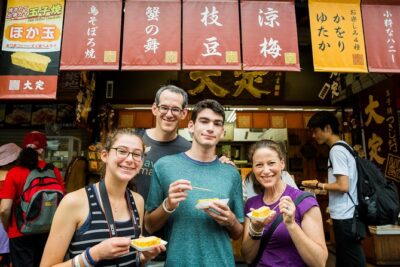
Tokyo Tsukiji Fish Market Food and Culture Walking Tour
Read our review →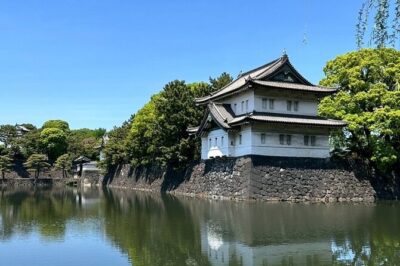
Imperial Palace and Shogun Historical Walking Tour
Read our review →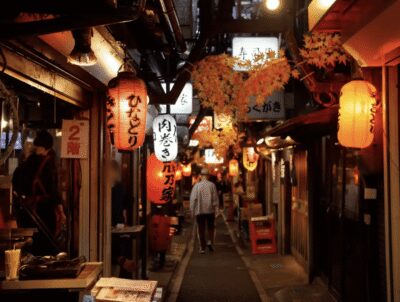
Shinjuku Local Bar and Izakaya Guided Walking Tour
Read our review →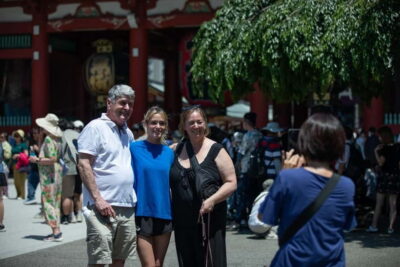
Asakusa Walking Tour with Sensoji Temple Visit
Read our review →

Shibuya Meltdown Nightlife Tour: All-You-Can-Drink Bar Hopping
Read our review →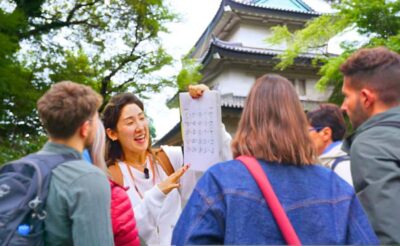

Tokyo Drift: GT-R Car Club R35 Liberty Walk Daikoku meeting
Read our review →Browse the lists this tour appears in