
Review · TOKYO
Tokyo: Imperial Palace Japanese History Walking Tour
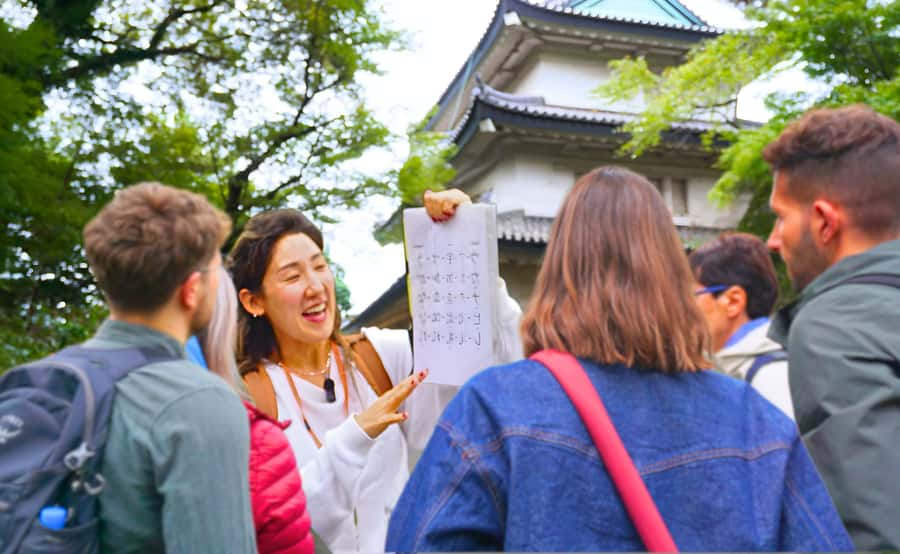
The old power center of Japan is hiding in plain sight in central Tokyo. This walking tour leads you through the Eastern Gardens of the Imperial Palace, where Edo Castle once housed the shogun and where the Tokugawa era helped shape modern Japan. You will see stone defenses, garden paths, a castle model, samurai-era remains, and the place where an emperor’s palace replaced a military stronghold.
I like two things especially. First, the guide turns dates and titles into a story you can follow, from farmer and samurai to daimyo and shogun, then from shogun rule to the Meiji period. Second, the route includes small pleasures beyond the history lesson: a bamboo grove, royal koi fish, old trees gifted to the emperor, and good spots for photos. The main drawback is practical rather than cultural: this is a walking tour in an outdoor setting, and Tokyo heat, rain, mosquitoes, and uneven ground can make it tiring.
Key points at a glance
- Edo Castle becomes the central story: You learn why the castle disappeared and how the site became an imperial residence.
- The guides make the past easy to follow: Mika, Natsumi, Lakki, Nico, and others have been praised for clear explanations, humor, patience, and local tips.
- Otemon Gate gives the tour a proper sense of arrival: You enter through a major historic gateway rather than simply wandering into a park.
- The gardens offer more than monuments: Look for bamboo, koi, shade trees from across Japan, and quiet corners for photographs.
- It costs $32 per person: That is fair value if you want context, questions answered, and a route you might not build on your own.
- The tour is weather-dependent: Wear suitable clothing, bring water, and expect walking in sun or rain.
Why Edo Castle matters to Tokyo today
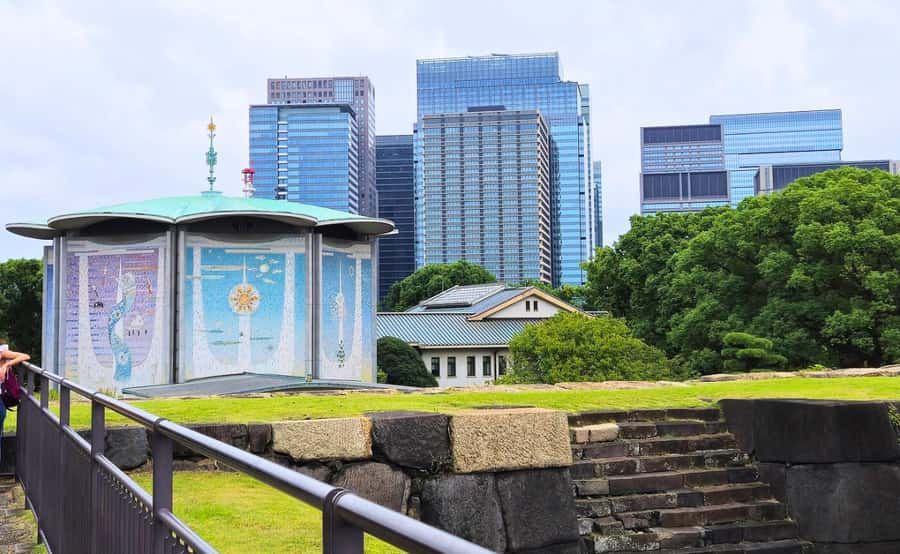
The most useful thing this tour does is connect the palace grounds to the city outside. Tokyo can feel modern at every turn, but beneath the office towers is the former seat of the Tokugawa shoguns, the military rulers who governed Japan for more than two and a half centuries.
Your guide explains the old ranking system and the roles of farmers, samurai, daimyo, and shogun. That framework helps you understand why Edo Castle was so important. The castle was not simply a residence. It was the center of political power, ceremony, military control, and social order.
The story then moves toward the emperor. The castle itself is gone, but the grounds changed function as Japan moved from shogun rule to imperial government. This makes the walk useful for first-time visitors who want more than pretty gardens. You begin to see modern Japan as the result of political change, not just rapid technology and city growth.
I would choose this tour early in a Tokyo visit. It gives you a basic timeline that can make later visits to temples, castles, museums, and historic neighborhoods easier to understand.
More History Walking Tours in Japan
- Tokyo: Imperial Palace and Shogun Historical Walking Tour
★ 5.0 · 2,251 reviews - Asakusa: A Big-picture History Walk to Know Japan
★ 4.6 · 77 reviews - Kyoto Gion: 2-Hour Geisha Culture & History Walking Tour
★ 5.0 · 1,186 reviews
Meeting at Wadakuramon fountain
The tour begins near Tokyo Station or Otemachi Station. From either station, allow about five to ten minutes to walk to Wadakuramon fountain park. Your guide waits near the Starbucks by the fountain and carries a Sunrise Adventure sign.
This meeting point is practical, but do not rush it. Tokyo Station and Otemachi are large, busy areas, and the palace grounds are spread out. Arrive early enough to find the fountain without starting your morning flustered. The sign is an important detail, especially if several groups are meeting in the same general area.
Guides may include Mika, Natsumi, Lakki, Nico, Alexandre, Arief, Hugo, or other members of the team. The guide assigned to you can vary, but the strongest pattern is clear: you can expect a friendly host who explains the route, answers questions, and often offers Tokyo suggestions after the walk.
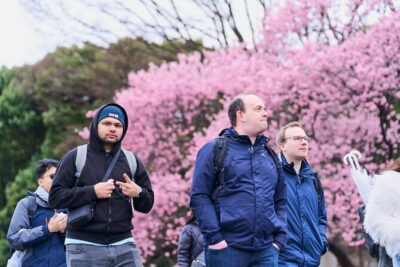
Several guides have also helped with photographs. That matters here because the gardens provide attractive backgrounds, and it is much nicer to have a proper group picture than a collection of hurried self-timer shots.
Walking toward Otemon Gate
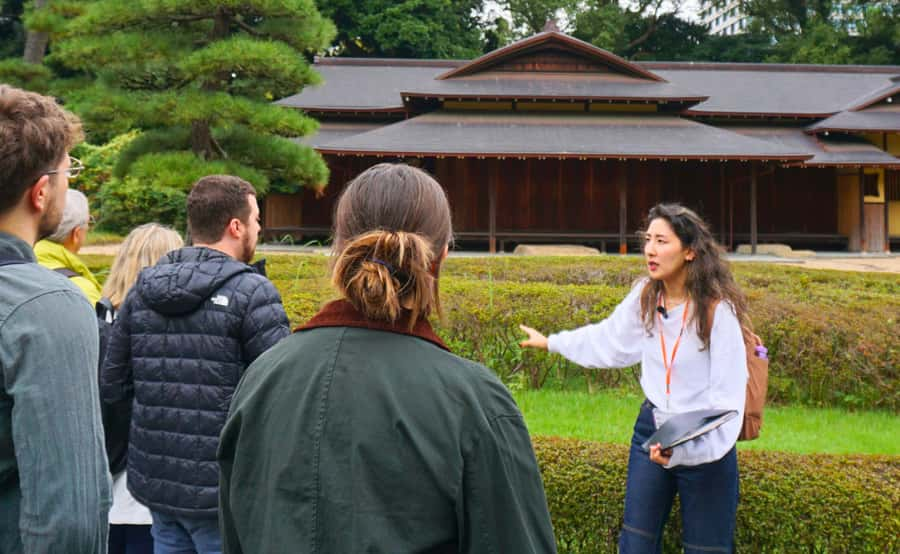
From the fountain, you walk together toward Otemon Gate, one of the main entrances to the former castle grounds. The gate gives the experience a stronger opening than simply arriving inside a public garden. You are following the same basic route into an area that once controlled access to the shogun’s castle.
At this point, your guide begins placing the buildings and stones into context. The original castle is no longer standing, so do not book this expecting to enter a preserved Japanese castle with towers and interior rooms. Instead, the tour shows you what remains and explains what vanished.
That distinction is important. The Imperial Palace is still an active royal site, but the inner palace is not open to the public. This activity visits the Eastern Gardens and former castle grounds, not the private inner palace. The experience is about historic traces, gardens, walls, models, and interpretation.
Seeing the castle through a miniature model

One useful stop is a miniature model showing what the castle looked like in the past. For many people, this is the moment when the scattered ruins begin to make sense. Without a visual guide, a stone base or open lawn can be hard to read. The model helps you picture the scale and arrangement of the old complex.
Your guide also explains why the original castle is gone. The supplied details do not give one single cause in full, so you should expect an explanation of the site’s change rather than a complete architectural reconstruction. The value lies in connecting the model with the walls, foundations, and open spaces around you.
I like this part because it keeps the tour from becoming a list of names and dates. You can look at the ground beneath your feet and compare it with the larger castle shown by the model. That makes the past more physical and easier to remember.
More Castle and Palace Walking Tours in Tokyo:
- Tokyo Castle & Imperial PalaceーShogun Walking Tour
★ 4.7 · 1,068 reviews - Tokyo: Imperial Palace and Shogun Walking Tour
★ 4.9 · 935 reviews - Edinburgh Castle: Guided Walking Tour with Entry Ticket
★ 4.7 · 11,699 reviews - Venice: Doge’s Palace and St Mark’s Basilica Walking Tour
★ 4.4 · 6,291 reviews
Samurai remains and the old social order
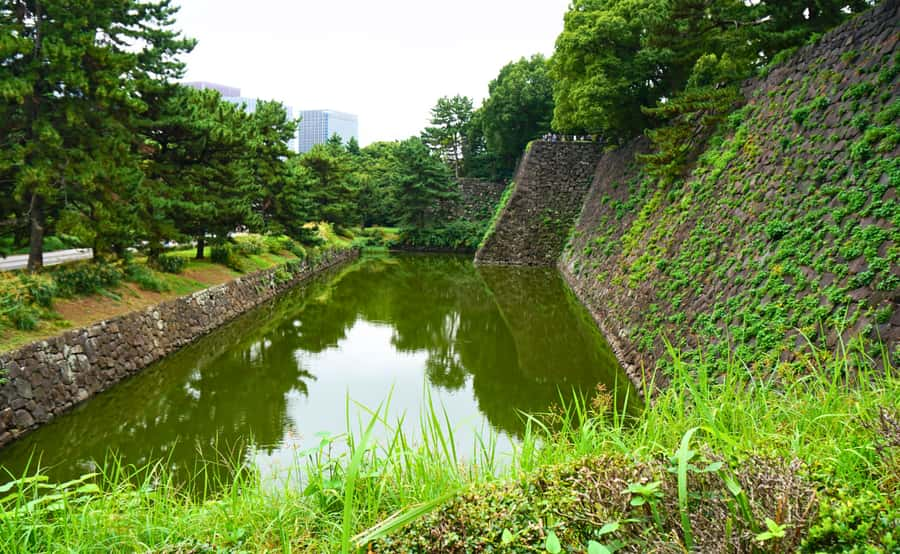
The walk includes old samurai house remains and other traces of the former castle complex. These are not grand indoor displays. They are pieces of a much larger system, and the guide’s explanation is what gives them meaning.
You will hear about the social order that placed farmers, samurai, daimyo, and the shogun into distinct ranks. The exact details can be difficult to absorb from a book, but they become more approachable when tied to the place where the hierarchy operated.
Guides have also explained the Edo and Meiji eras, the responsibilities of samurai, and the way Tokyo developed into the city you see now. Natsumi, Mika, Lakki, and Alexandre have been singled out for making these subjects clear and engaging. Some guides use questions and interaction, which can help children and adults stay involved.
If you already know Japanese history, you may find the basic overview familiar. Still, the walk adds location and scale. If you are new to the subject, this is exactly the right level for a first introduction.
Gardens, bamboo, and royal koi
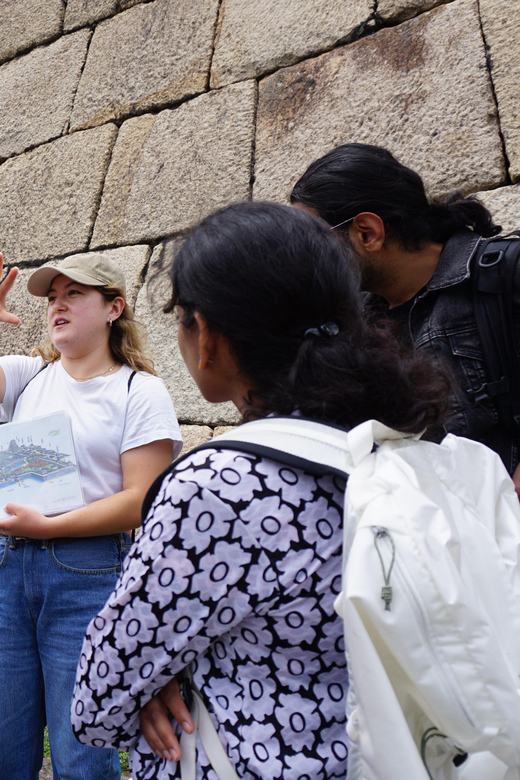
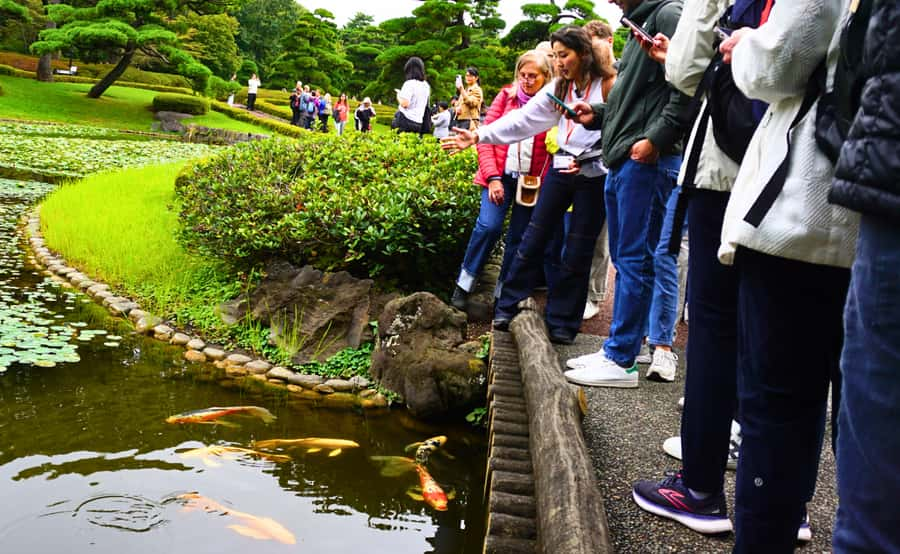
The historical stops are balanced with garden scenery. You pass through attractive planted areas, see bamboo, and look for royal koi fish. The koi are a small but memorable part of the route, especially after the heavier discussion of military and political history.
Trees from different parts of Japan were given to the emperor many years ago. Your guide points out these plantings and explains their connection to the imperial grounds. This detail gives the gardens a national character. You are not simply walking through a pleasant green space. You are seeing plants and design elements connected to the imperial role.
The garden also gives you a break from standing in one place while listening. You keep moving, take photographs, and shift between ruins, water, shade, and paths. That variety helps the tour feel like an outing rather than a classroom lecture.
Do not expect a wilderness walk. This is a managed historic garden in the center of Tokyo. Its appeal comes from the contrast between calm planted spaces and the city beyond the palace walls.
A guide-led visit makes the difference
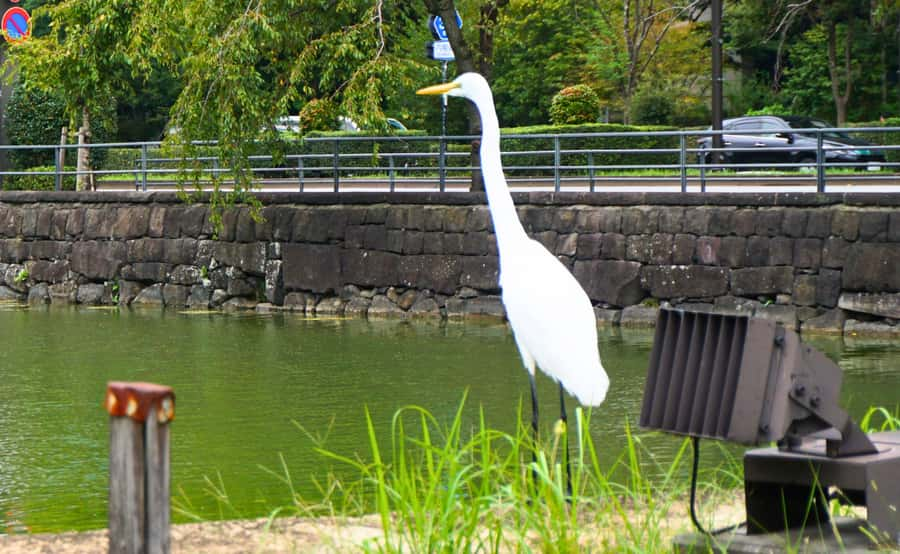
The price covers more than access to a garden. You can enter and walk around parts of the grounds without paying for a guide, but the $32 fee buys a clear route and a running explanation of what you are seeing.
The best guides use plain English, speak loudly enough for the group, and leave room for questions. Mika has been praised for answering many questions and adjusting to the group’s needs. Natsumi is often described as a strong storyteller who explains the Edo period, palace design, and Tokyo’s growth in a clear way. Lakki brings energy and patience, while Nico has offered extra cultural help and, in one case, the option of a private tour with a tea ceremony.
The French-language option is also worth noting. Alexandre has led the tour in French, while English is the main choice for many departures. If language matters to you, check the available departure before booking.
The guides also give restaurant and sightseeing suggestions. That is useful at the start of a Tokyo trip, when you may still be deciding where to eat or what district to visit next. These recommendations are an added benefit, though the core value remains the palace history.
Heat, rain, mosquitoes, and the walking conditions
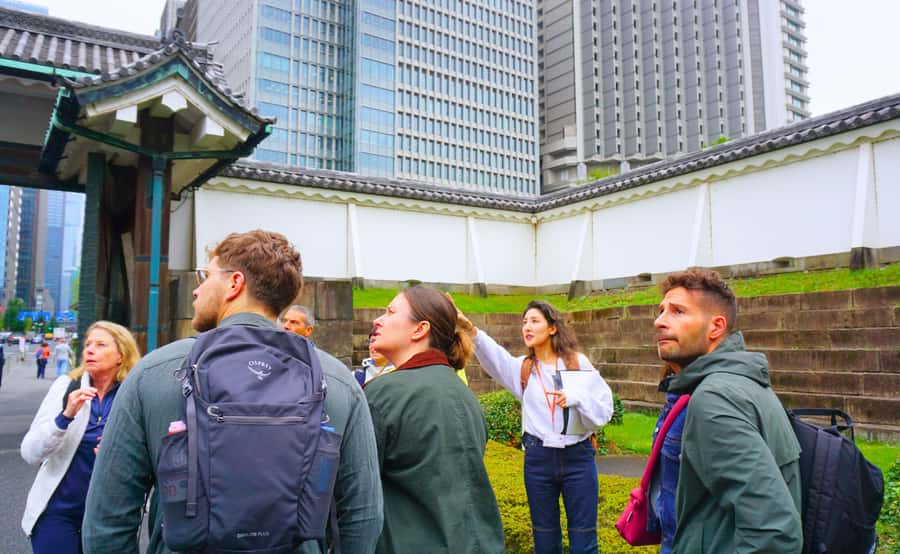
This is an outdoor walking tour that runs rain or shine. Tokyo summers can be very hot, and one group found the heat challenging even with welcome stops in the shade. The trees help, but you will not be shaded for every minute.
Mosquito spray has been provided on some departures, which tells you something useful about the setting. The palace gardens contain plenty of nature, so insects are possible. I would still bring your own repellent if you are sensitive to bites.
Wear shoes and clothing suited to a walk. Bring water, use sun protection, and check the forecast before leaving your hotel. Rain does not automatically cancel the activity, so a lightweight rain layer is sensible during wet weather.
The activity is not suitable for wheelchair users or people with mobility impairments, back problems, heart problems, recent surgery, low fitness, or pregnancy. Skateboards, drones, weapons, sharp objects, smoking, alcohol, drugs, and making fires are not allowed. These restrictions are straightforward, but the fitness warning deserves attention because the tour is on foot and outdoors.
Is $32 a fair price?

At $32 per person, this is a reasonable purchase if you want the palace grounds explained rather than simply photographed. You receive a guided walk, historic interpretation, photo opportunities, garden scenery, and the chance to ask questions throughout the visit.
The value is strongest for first-time visitors and anyone who wants a quick historical foundation. You are paying for the guide’s preparation and judgment: where to stop, what details to point out, and how to connect a vanished castle with modern Tokyo.
The value is less clear if you prefer to wander alone, read every sign yourself, or already know the history well. You may also feel the price more sharply if the heat limits your enjoyment. Still, the tour lasts about two hours and ends back at the original meeting point, making it easy to fit into a morning or afternoon plan.
A flexible booking option lets you reserve and pay later, and cancellation is allowed up to 24 hours before the tour for a full refund. That is useful when Tokyo plans are still shifting.
Who should book this palace walk?
I would recommend it to you if you enjoy history but do not want a long museum visit. It also suits families who need a guide to keep children involved, especially when the guide uses questions and interactive explanations.
It is a good choice for a first day in Tokyo because the route is central and the subject gives you a starting point for understanding Japan. It can also work well for repeat visitors who want to see the palace grounds with more context.
I would think twice if you have difficulty walking, dislike outdoor heat, or expect to enter the working palace. The inner palace is not included, and the experience cannot promise a complete castle reconstruction. You are visiting an historic site through its remaining gates, walls, gardens, models, and stories.
Should you book it?
Book this tour if you want the Imperial Palace to make sense, not just look attractive in photographs. The combination of Edo Castle remains, the shogun-to-emperor story, bamboo, koi, and a personable guide gives you a useful two-hour introduction to Tokyo’s past.
The strongest reason to go is the guide. Mika, Natsumi, Lakki, Alexandre, and the rest of the team have shown the ability to explain difficult subjects in an approachable way, answer questions, help with photographs, and offer practical Tokyo advice. Just prepare for weather, mosquitoes, and a fair amount of walking.
FAQ
Where does the Imperial Palace walking tour begin?
It begins near the Starbucks by the fountain in Wadakuramon fountain park. Tokyo Station and Otemachi Station are both about a five to ten minute walk away.
How do I recognize the guide?
The guide waits near the fountain and holds a sign with the Sunrise Adventure logo.
Where does the activity end?
The tour ends back at the original meeting point.
Is the inner palace included?
No. The inner palace is not open to the public and is not part of this activity.
What languages are available?
The tour is offered in English and French.
How much does the tour cost?
The listed price is $32 per person.
Does the tour run in bad weather?
Yes. The activity takes place rain or shine, so you should wear clothing suited to the forecast.
Can I cancel for a refund?
You can cancel up to 24 hours in advance for a full refund.
More History Walking Tours in Tokyo
- History and Hauntings of Salem Guided Walking Tour
★ 5.0 · 14,564 reviews - Lisbon: History, Stories and Lifestyle Walking Tour
★ 4.8 · 10,902 reviews - Boston: Freedom Trail History Small Group Walking Tour
★ 5.0 · 6,450 reviews - Historic Charleston Guided Sightseeing Walking Tour
★ 5.0 · 6,216 reviews
New routes in Tokyo
- Tokyo: Tsukiji Market Walking Tour & Sushi Cooking Class★ 4.6 · 122 reviews
- Tokyo: Shinjuku Nightlife & Secret Backstreets Walking Tour★ 4.8 · 229 reviews
- Tokyo: Shinjuku Bar Hopping & Night Walking Tour★ 4.6 · 137 reviews
- Tokyo: Dark Side of Tokyo Shinjuku Red Light Walking Tour★ 4.7 · 862 reviews
- Tokyo: Shibuya Highlights Walking Tour★ 4.8 · 601 reviews
- Tokyo: Shibuya Highlights Walking Tour & Secret View Spot★ 4.9 · 196 reviews
- Tokyo: Shibuya Crossing & Hidden Streets Walking Tour★ 4.8 · 128 reviews
- Tokyo: Private Custom Walking Tour with Local Guide★ 4.9 · 350 reviews
Tokyo Walking Tours, compared.
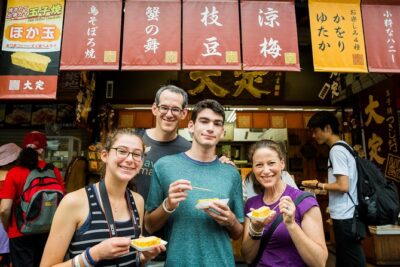
Tokyo Tsukiji Fish Market Food and Culture Walking Tour
Read our review →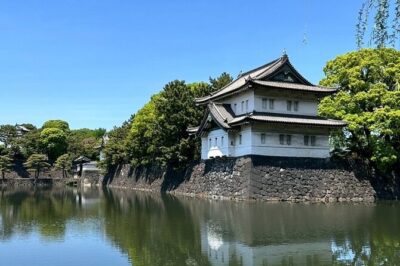
Imperial Palace and Shogun Historical Walking Tour
Read our review →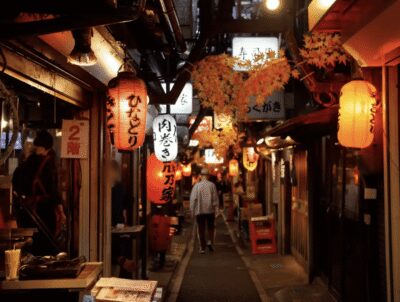
Shinjuku Local Bar and Izakaya Guided Walking Tour
Read our review →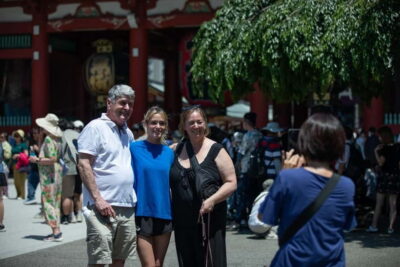
Asakusa Walking Tour with Sensoji Temple Visit
Read our review →
Tokyo Castle & Imperial PalaceーShogun Walking Tour
Read our review →
Shibuya Meltdown Nightlife Tour: All-You-Can-Drink Bar Hopping
Read our review →
Tokyo Drift: GT-R Car Club R35 Liberty Walk Daikoku meeting
Read our review →Browse the lists this tour appears in