
Review · TOKYO
Tokyo: Shibuya Highlights Walking Tour & Secret View Spot
Shibuya’s famous crossing is only the opening act. This 90-minute walking tour takes you from Hachiko and the giant pedestrian scramble into back streets, food alleys, a youth hangout, and a view from above. I like the mix of famous sights and places you could easily miss, and I like that local guides such as Mao, Sakura, Ayaka, Noa, Sota, and Yuki explain the district in plain, useful terms.
I also like the tour’s practical side. Guides have helped with ramen choices, train navigation, Japanese customs, and taking photos at the best spots. The main drawback is that Shibuya is crowded and hilly in places, and 90 minutes goes by quickly, so this is an introduction rather than a full tour of the district.
Key points at a glance
- Start beside Hachiko: Meet near the JR Shibuya Station Hachiko Gate and Tokyo Metro Exit A8, then begin with one of Tokyo’s most recognizable meeting places.
- Cross the famous scramble: Walk through Shibuya Crossing and learn why this patch of pavement became a symbol of modern Tokyo.
- See Shibuya from above: The route includes Shibuya Scramble Square and Shibuya Mark City, with opportunities for a different view of the crossing.
- Find a quieter side: Nonbei Yokocho and Miyashita Park show a less obvious side of the district, away from the main crush of people.
- Get useful local advice: Guides often share suggestions for food, shopping, train travel, etiquette, and places to return after the tour.
- Good value for a first visit: At $23 per person, you pay for a local guide and a focused introduction without adding transport or meal costs.
Why this Shibuya walk works well
Shibuya can feel like several cities packed into one district. There is the giant station, a forest of signs, department stores, narrow drinking alleys, high-rise shopping, and a steady stream of young people moving between them. If you explore alone, you can certainly see the major signs and cross the famous intersection, but you may not understand how the pieces fit together.
That is where this tour earns its modest price. You get a guide who can explain what you are looking at while moving through the district, rather than stopping only for a photo. The best guides also adapt to the group. Ayaka has adjusted the walk to suit preferences, Sota has explained both Shibuya and wider Japanese customs, and Yuki has been especially helpful with photos and directions.
I would book this near the beginning of a Tokyo stay. The route gives you a useful map in your head, and the food and transport advice can help with the rest of your visit. It is also a sensible first activity after arriving in Tokyo, when Shibuya’s signs and station exits can feel like a test you did not study for.
The tour costs $23 per person. That is fair for 90 minutes with a live local guide, especially if you use the advice afterward to find dinner or return to a street that caught your eye. Food, drinks, transport, and hotel pickup are not included, so the price is for orientation and interpretation, not an all-inclusive outing.
More Hidden Gems Walking Tours in Tokyo:
- Tokyo: Shinjuku Nightlife & Secret Backstreets Walking Tour
★ 4.8 · 229 reviews - Dublin Highlights and Hidden Gems Guided Walking Tour
★ 5.0 · 6,020 reviews - Explore Berlin: See All The Iconic Sights & Some Hidden Gems
★ 5.0 · 4,429 reviews
Meeting Hachiko near the station
The meeting point is in front of SHIBU HACHI BOX, at 2-1-1 Dogenzaka, Shibuya-ku. It is near the JR Shibuya Station Hachiko Gate and Tokyo Metro Exit A8. Look for a guide holding a Local Guide Stars sign.
This area is crowded, so give yourself time to reach it. The station has several exits and large flows of people, and a small delay can make the meeting point harder to find. One practical weakness is that the guide’s sign may not be distinctive enough in a thick crowd, so check the exact meeting details before leaving your hotel and keep your phone available.
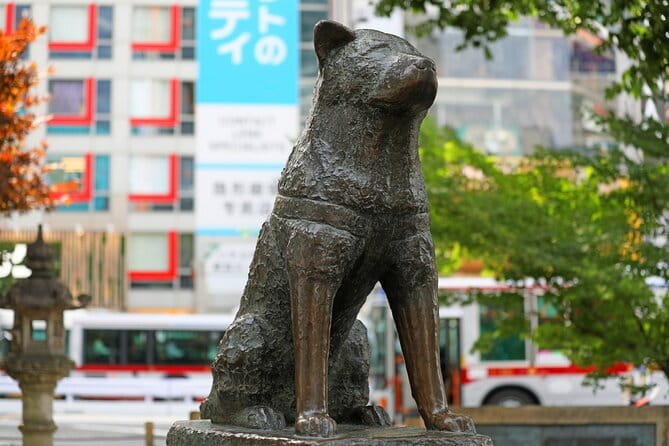
The tour begins by Hachiko, the statue of the loyal dog that has become Shibuya’s classic meeting spot. Your guide uses it as a starting point for local history and for explaining how the area developed around its station. It is a short stop, but a useful one because you immediately learn why people refer to this corner when arranging to meet in Shibuya.
Crossing Shibuya’s famous scramble
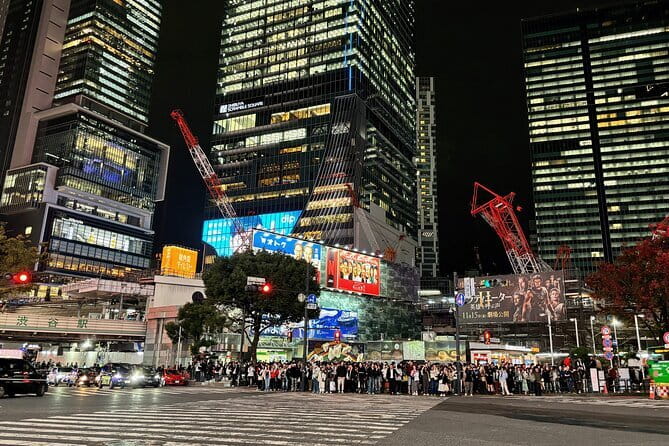
From Hachiko, you walk to Shibuya Crossing. When the traffic stops, pedestrians move across from several directions at once. It is a quick walk, but the scene makes an excellent first lesson in Shibuya: controlled, crowded, highly organized, and designed for spectacle.
You should expect other people to be taking photos and moving in every direction. Stay with your guide and avoid stopping in the middle of the crossing. If you want photos, the guide may help you find a better angle or take a picture for you, a small service that several guides have offered during the walk.
The crossing itself does not require a long explanation. Its value comes from seeing it in context. Your guide can point out how the surrounding shops, station, screens, and elevated viewpoints turn an ordinary road junction into one of Tokyo’s best-known urban scenes.
Scramble Square and the view from above
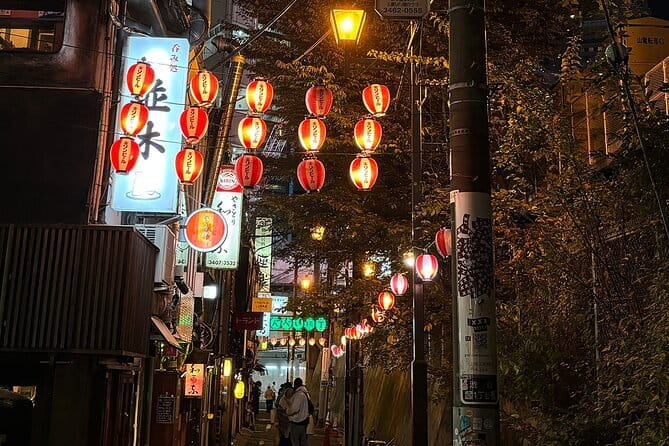
Shibuya Scramble Square brings you close to the district’s newer high-rise face. The stop lasts about 10 minutes, and the main point is to change your perspective. From above, you can understand the size of the crossing and see how the station and surrounding streets connect.
The exact view can depend on the route and access on the day. Some guides have shown visitors the crossing from above without a long wait, while others have used nearby vantage points. That is part of the appeal of having a local guide: you are not left guessing which building or corner offers the best look.
Do not expect a long observatory visit as part of this short walk. This is a quick view stop within a larger route. If you want a dedicated Tokyo skyline experience, you would need separate time and likely a separate ticket. For a first look at Shibuya, though, the change in height adds real value.
More City Highlights Walking Tours in Tokyo:
- Tokyo: Shibuya Highlights Walking Tour
★ 4.8 · 601 reviews - Ho Chi Minh City Street Food Tour & Sightseeing By Motorbike
★ 5.0 · 9,413 reviews - Historic Charleston Guided Sightseeing Walking Tour
★ 5.0 · 6,216 reviews - Vienna: Guided Walking Tour of City Center Highlights
★ 4.7 · 4,989 reviews
Nonbei Yokocho and Shibuya’s older mood

Nonbei Yokocho, often translated as Drunkard’s Alley, provides a sharp contrast to the broad roads and huge signs around the station. Its narrow lanes and small local eateries give you a glimpse of an older, more intimate drinking district.
The stop is brief, around 10 minutes, so you should think of it as an introduction rather than a meal visit. Food and drinks are not included, and the tour does not turn into a tasting walk. Still, your guide can explain the feel of the area and point out why these compact alleys matter in a district otherwise known for giant stores and digital screens.
This is one of the places you may value most if you want to see more than the standard Shibuya photo stops. It also gives you a useful restaurant idea for later. If you plan to return at night, remember that the atmosphere may change and the narrow lanes may feel even more crowded.
Miyashita Park, a modern urban pause
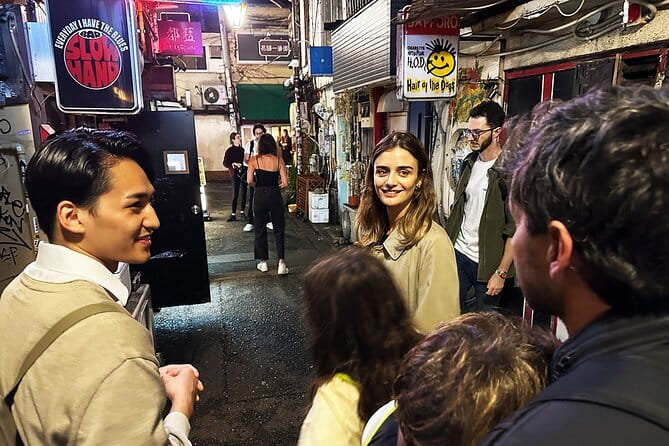
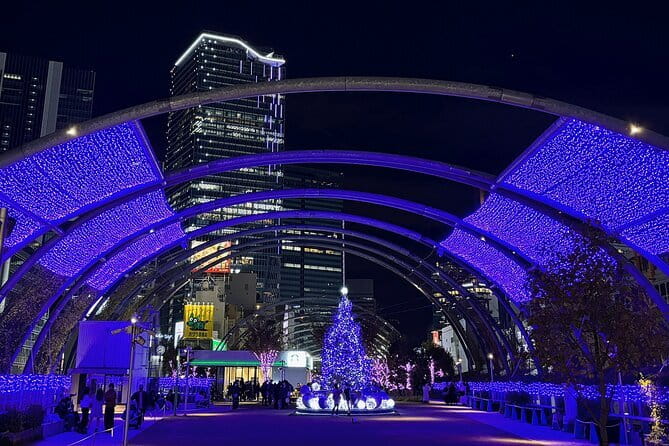
Miyashita Park receives about 20 minutes, making it one of the longer stops. It offers a break from the station area and shows how Shibuya has made room for recreation, shops, restaurants, and social life within a dense city district.
The park is popular with young people, and it helps explain why Shibuya is more than a shopping center. Here, the guide can talk about the area’s changing design and how locals use this newer public space. The setting also gives the group a chance to slow down after the crossing and station streets.
I like this stop because it prevents the tour from becoming a parade of signs. You see how people spend time in Shibuya, not just how visitors photograph it. On a hot day, the changes between indoor and outdoor spaces can also make the pace more comfortable. Sota, for example, has been praised for moving between air-conditioned places and the open air during warm weather.
Center-Gai and the district’s youthful energy
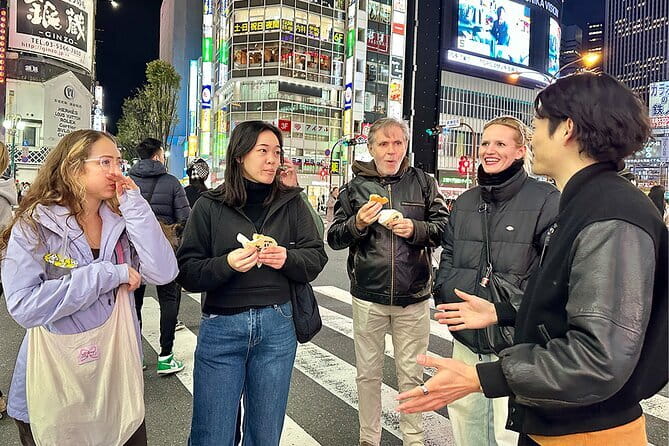
Shibuya Center-Gai is the district’s loud, bright core. The street is lined with restaurants, shops, bars, and signs, and it is especially energetic later in the day. Your guide can explain the fashion, food choices, and youth culture that give Shibuya its reputation as one of Tokyo’s trendiest areas.
This is a good place to ask questions. You might want to know where to eat, what kind of shop fits your budget, how late the area stays active, or how Japanese customers handle restaurants and bars. Guides including Noa and Mao have given direct suggestions for ramen, shopping, and places to return after the walk.
There is a tradeoff here. Center-Gai is loud and packed, and some people may find the crowds tiring. The route does not give you much time to browse shops or sit down for food. Think of it as a guided orientation. You can return later with a clearer idea of where you want to spend time.
Mark City and the final return to the station
The last major stop is Shibuya Mark City, with roughly 20 minutes in the route. It brings you back toward the station and offers another chance to view the district from a different angle. It is also a practical ending point because you finish where you started, near the Hachiko area.
The route’s stop times add up to a fast-moving walk, even though the advertised duration is 90 minutes. You will cover a lot of ground and hear short explanations at several locations. That pace suits you if you want a broad first look, but it may feel quick if you prefer long historical talks or extended photo stops.
The tour ends at SHIBU HACHI BOX. From there, you can continue into Center-Gai, return to the station, find dinner, or follow a recommendation from your guide. Some guides have stayed on briefly to help with directions or suggest a restaurant, but extra help should be treated as a kind bonus rather than a promised part of the service.
The guides make the difference
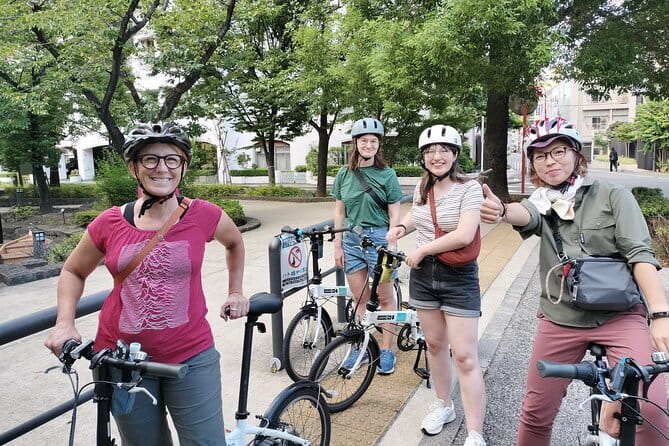
The experience depends heavily on the individual guide. The strongest examples include Sakura’s friendly explanations and humor, Mao’s help with food, customs, and train travel, Ayaka’s photo assistance and flexible approach, and Sota’s personal understanding of the area and fluent English.
Noa has been especially useful for local food and small streets, while Yuki has made an effort to take photos and help people continue to their next destination. Hannah, Tomo, Naito, Akira, Chichiro, and others have also led groups through the district. The common thread is a conversational style rather than a formal lecture.
English and Japanese tours are available. If you have questions about Japanese etiquette or want advice on ordering food, ask early. A 90-minute walk gives you enough time for useful answers, but not enough time to cover every subject in detail.
How the pace and weather affect the experience
This is a walking tour in a crowded city center. Wear comfortable shoes and expect frequent stops, street crossings, station areas, and changes between open air and indoor spaces. The walk is listed as wheelchair accessible, but you should still allow extra time around crowded pedestrian areas and station entrances.
The tour runs rain or shine. Bring an umbrella or raincoat if the forecast calls for rain. Wet pavement, umbrellas, and dense crowds can make Shibuya harder to navigate, but the route still works because the district has plenty of covered and indoor sections.
Night can be a good time for the restaurants, bars, and neon signs, while daytime may make it easier to see the district’s layout. The available starting times vary, so check the schedule that suits your plans. Since food and drinks are not included, you can decide afterward if you want a proper meal in one of the areas you have just seen.
Who should book this Shibuya tour?
I would recommend it to first-time visitors, solo travelers who want local orientation, families, and anyone who wants a quick introduction before exploring alone. It is also useful for people who want practical help with the station, restaurants, photos, and Japanese customs rather than a long academic talk.
It suits you less if you already know Shibuya well or want a relaxed food tour. You will not have time to sit down for a meal, shop at length, or study every landmark. The route is designed to show you the district’s main character and give you enough information to return confidently.
The tour is wheelchair accessible and offered in English or Japanese. Free cancellation is available up to 24 hours before the start, and you can reserve now and pay later. Those terms make it easier to fit the walk into a changing Tokyo schedule.
Should you book it?
Book this tour if Shibuya is new to you and you want more than a quick crossing photo. For $23, you get a focused walk through the station area, a high view, an old-style food alley, a modern park, Center-Gai, and local advice that can save you time later.
Skip it if your main goal is a long visit to an observation deck, a full meal, or detailed shopping time. For most first visits, though, the combination of famous sights, less obvious streets, and practical guidance makes this a sensible early-Tokyo activity. Try to book near the start of your stay, then use the rest of the trip to return to the places that caught your eye.
FAQ
How long is the Shibuya walking tour?
The tour lasts 90 minutes.
Where does the tour meet?
Meet in front of SHIBU HACHI BOX, near the JR Shibuya Station Hachiko Gate and Tokyo Metro Exit A8, at 2-1-1 Dogenzaka, Shibuya-ku, Tokyo 150-0043. The guide will hold a Local Guide Stars sign.
Which languages are available?
Live guides are available in English and Japanese.
What locations are included?
The route includes Shibuya Crossing, Shibuya Scramble Square, Nonbei Yokocho, Miyashita Park, Shibuya Center-Gai, and Shibuya Mark City. It begins and ends at SHIBU HACHI BOX.
Are food, drinks, or transport included?
No. The tour includes the walking tour and local guide, but food, drinks, transportation, and hotel pickup and drop-off are not included.
What happens if it rains?
The tour runs rain or shine. Bring an umbrella or raincoat if rain is expected.
New routes in Tokyo
- Tokyo: Tsukiji Market Walking Tour & Sushi Cooking Class★ 4.6 · 122 reviews
- Tokyo: Shinjuku Nightlife & Secret Backstreets Walking Tour★ 4.8 · 229 reviews
- Tokyo: Shinjuku Bar Hopping & Night Walking Tour★ 4.6 · 137 reviews
- Tokyo: Dark Side of Tokyo Shinjuku Red Light Walking Tour★ 4.7 · 862 reviews
- Tokyo: Shibuya Highlights Walking Tour★ 4.8 · 601 reviews
- Tokyo: Shibuya Crossing & Hidden Streets Walking Tour★ 4.8 · 128 reviews
- Tokyo: Private Custom Walking Tour with Local Guide★ 4.9 · 350 reviews
- Tokyo: Meiji Shrine Walking Tour — Shinto & Imperial System★ 4.9 · 266 reviews
Tokyo Walking Tours, compared.
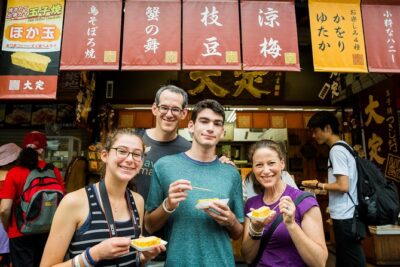
Tokyo Tsukiji Fish Market Food and Culture Walking Tour
Read our review →
Imperial Palace and Shogun Historical Walking Tour
Read our review →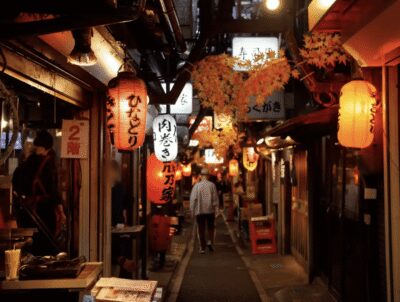
Shinjuku Local Bar and Izakaya Guided Walking Tour
Read our review →
Asakusa Walking Tour with Sensoji Temple Visit
Read our review →
Tokyo Castle & Imperial PalaceーShogun Walking Tour
Read our review →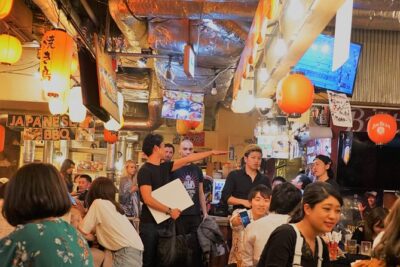
Shibuya Meltdown Nightlife Tour: All-You-Can-Drink Bar Hopping
Read our review →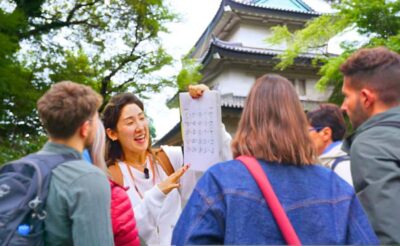
Browse the lists this tour appears in