
Review · KYOTO
Kyoto Gion Night Walk & Geisha District Guided Tour
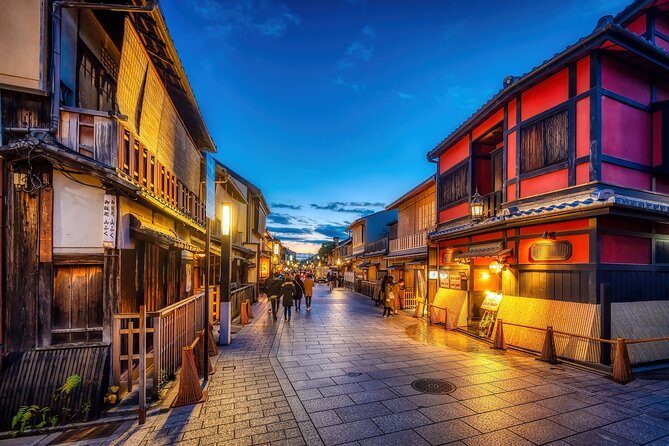
Gion is at its most atmospheric after sunset, when paper lanterns glow outside teahouses and the narrow lanes take on a quieter, more mysterious feel. This three-hour walk takes you past Hanamikoji Street, Yasaka Shrine, small temples, and tucked-away corners that are easy to miss on your own.
I like the small-group format, with outings advertised at no more than nine people, and I like the guides’ personal touch. Guides such as Naoki, Jasmine, Miyake, Raphael, and Shingo have earned praise for clear explanations, local suggestions, and patient answers. The main drawback is simple: you walk for a long time, often around dinner hours, and seeing a geisha or maiko is never guaranteed.
Key points to know before booking
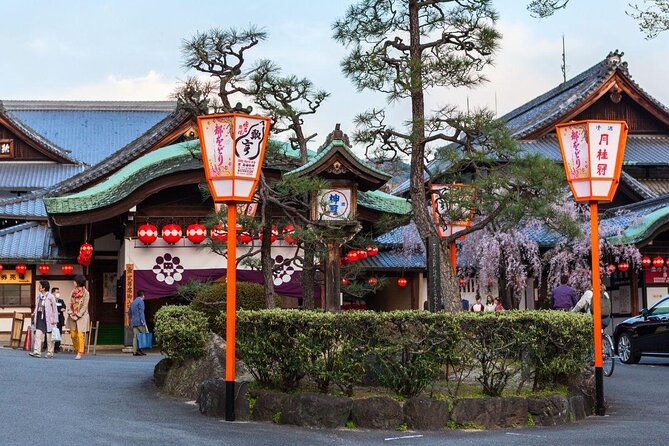
- Gion after dark: Lanterns, traditional restaurants, teahouses, and quiet lanes create the tour’s main appeal.
- Three useful stops: The route focuses on Gion, Hanamikoji Street, and Yasaka Shrine.
- Small-group choice: The outing is advertised for no more than nine people, with a private upgrade available.
- Strong guide element: The experience depends heavily on your guide, with Naoki, Jasmine, Miyake, Raphael, Shingo, and others praised for history and cultural explanations.
- Steady walking: Expect about three hours on foot, limited breaks, and some time outside in cold weather.
- Modest price: At $18 per person, the tour offers good value if you want context and orientation rather than a guaranteed geisha sighting.
Why Gion is best after sunset
Kyoto’s Gion district can feel quite different at night. Daytime brings shoppers, sightseeing groups, and plenty of camera activity. After sunset, the lanterns come on, restaurants and teahouses take center stage, and the old wooden streets feel more connected to the district’s traditional purpose.
That atmosphere is the reason to book this walk. You are not simply checking off a shrine. You are seeing how the neighborhood looks when its lights, restaurants, and evening customs become the focus.
The tour does not promise access to private teahouses or entertainment venues. That is important. Gion is a working neighborhood, and many of its traditional establishments are private businesses. A good guide helps you understand the setting without treating it like a stage set.
You might see a geisha or maiko near Hanamikoji Street, but that depends entirely on timing and chance. One outing included sightings of one geisha and two maiko, while other outings passed through Gion without seeing any. I would book this for the streets, customs, and stories first. Treat a sighting as a bonus.
More Night Walking Tours in Kyoto
- Kyoto: Gion Magical Night Walking Tour with Geisha Trivia
★ 4.9 · 2,393 reviews - Night Walk in Gion: Kyoto’s Geisha District
★ 4.5 · 2,003 reviews - Gion Walking Tour by Night
★ 4.5 · 429 reviews
Starting near Kyoto Kawaramachi Garden
The meeting point is Kyoto Kawaramachi Garden at 68 Shinchō in Shimogyo Ward. This is near public transportation, and buses make the area fairly easy to reach. Still, the meeting point can feel confusing because several guides and groups may gather on a busy street.
Give yourself extra time to locate the guide. The confirmation is sent when you book, so keep the meeting information handy and check the exact wording before leaving your hotel. One guide, Miyake, even helped a participant who became lost on the way, but it is better not to rely on last-minute rescue.
The tour ends at Sanjō Ōhashi Bridge in Nakagyo Ward. That is useful for continuing into central Kyoto, but it is not Kyoto Station. One important practical detail is that some booking information elsewhere may give a different end point, so confirm the final location attached to your reservation.
The first two hours through Gion
The main Gion portion lasts about two hours. This is where the guide can add the most value, since the district is made up of small lanes, traditional buildings, shrines, restaurants, and customs that are easy to pass without context.
Expect a walking route through the illuminated streets rather than a formal indoor performance. The guide explains the area’s past, architecture, geisha culture, and local etiquette as you go. The best guides keep the group moving while pausing long enough for questions and photographs.
Naoki has been praised for connecting Gion to wider Japanese culture and for adding useful food suggestions. Jasmine is known for including everyone in the group and answering questions carefully. Guides such as Miyake and Raphael have also been praised for their history and humor.
The quality of the experience can vary with the individual guide. Several guides have been described as warm, patient, and easy to talk with, while one outing was criticized because explanations were unclear and the route felt disconnected. That makes the guide a bigger part of the value than the $18 price might suggest.
You may also encounter small extras that are not obvious from the basic route. One guide added a short side activity involving a magic rock, and another tailored the conversation toward samurai history and the Shinsengumi. These moments will depend on the guide and the night, so do not treat them as guaranteed stops.
Hanamikoji Street and the rules of respectful sightseeing
Hanamikoji Street receives about 30 minutes of the route. It is one of Gion’s best-preserved historic streets, with traditional facades and a strong connection to the district’s teahouse culture.
This is likely the tour’s most photogenic section, especially under the evening lights. Your guide can explain what you are seeing instead of leaving you with a row of attractive buildings and no context.
It is also the place where respectful behavior matters most. Do not block doorways, follow performers, or photograph people without permission. A geisha or maiko is a person going to work, not a public attraction placed there for cameras.
The tour may point out teahouses, but you should not assume you can enter them. One disappointing outing involved a recommendation to visit a teahouse that turned out to be private, which made the situation uncomfortable. Use the guide’s suggestions as cultural background unless the guide clearly confirms that a place is open to the public.
Same streets, a different guide:
- Kyoto Geisha Walking Tour: Gion District & Hidden Gems
★ 4.7 · 3,273 reviews - Kyoto: Gion Geisha District Walking Tour – Stories of Geisha
★ 4.7 · 2,187 reviews - Best of Kyoto: Gion, Geisha, Pagodas & Cobblestones
★ 4.9 · 2,058 reviews - Kyoto Gion Geisha District Walking Tour – The Stories of Geisha
★ 5.0 · 1,441 reviews
Yasaka Shrine and the final half hour
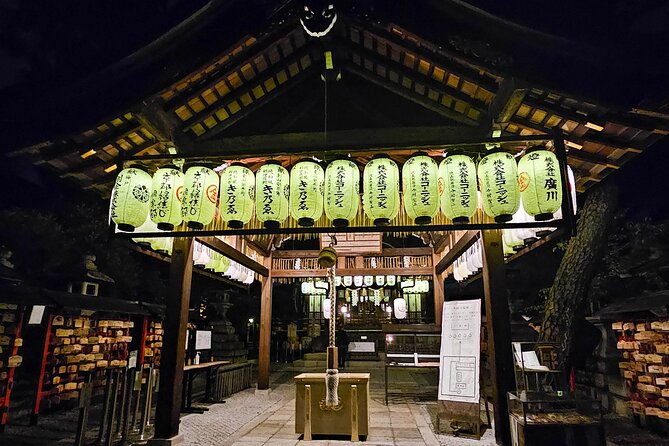
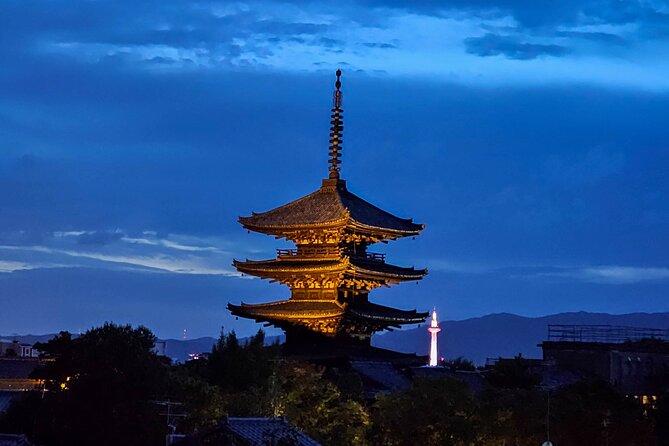
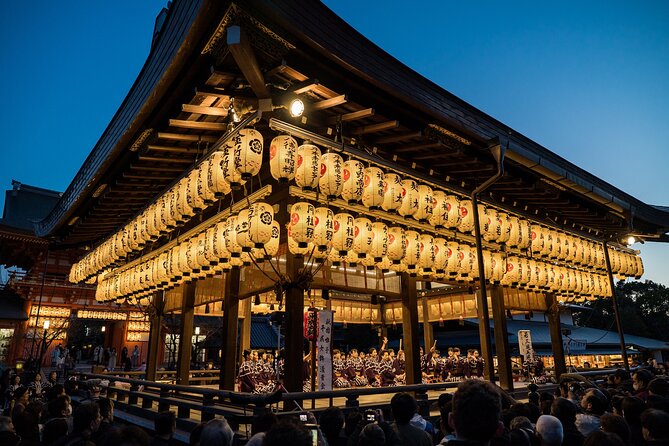
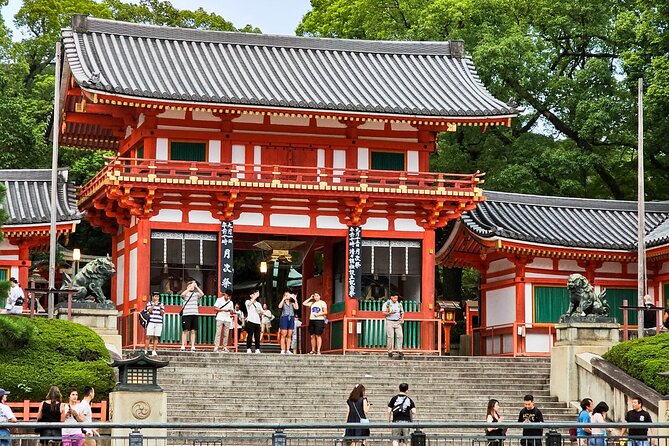
The final listed stop is Yasaka Shrine, also called Gion Shrine, with about 30 minutes set aside for the visit. The shrine gives the walk a useful change of pace. After the narrow streets and teahouse lanes, you get a more open religious setting where the guide can explain architecture, customs, and the area’s connection to Kyoto.
Yasaka Shrine is not just a convenient landmark at the edge of Gion. It helps explain how religious life and entertainment districts developed side by side in old Kyoto. A well-organized explanation here can pull together the separate pieces of the walk: shrines, festivals, architecture, local traditions, and the role of Gion today.
Some people felt the tour offered many interesting facts without forming one clear story. If you prefer a tightly structured historical lecture, ask questions along the way and tell the guide what interests you. If you enjoy learning in short pieces while walking, the format should work better.
What the three-hour pace feels like
The route is around three hours, and the distance is not trivial. You will spend most of the time standing or walking, with limited breaks. One guide kept the pace comfortable for the group, but the overall experience still requires more stamina than a short evening stroll.
Wear comfortable shoes. In winter, dress warmly, since you may be outside for the whole route. One family found the timing difficult because the tour overlapped with dinner and ended with everyone hungry and cold. I would eat beforehand or carry a small snack, especially if you are traveling with children.
The tour can work for older adults, but the pace and length deserve attention. A guide helped one participant’s elderly mother, showing that the right guide can be attentive and flexible. Still, the activity is not described as a seated or low-mobility tour.
Families with older children can enjoy it. A group with children aged 12 to 16 found the lanes and cultural details engaging. Younger children may find three hours of walking and listening tiring, particularly if the evening meal is delayed.
Group size, private upgrades, and language choices
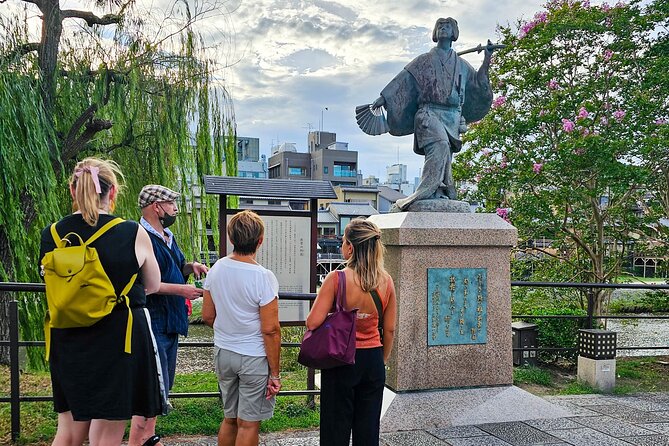
The tour is promoted as a small-group outing with no more than nine people. That size is a real advantage in Gion. A guide can answer questions, keep the group together in narrow streets, and avoid the feel of a large flag-following procession.
There is also a private Kyoto walking tour upgrade, available in multiple languages. The private option makes sense if your group has a specific interest, such as Japanese history, geisha culture, food, or photography. It may also help families who need a slower pace.
There is one detail to check carefully before booking. The additional information gives a maximum of 25 participants, while the main description promises no more than nine people per outing. The difference may relate to different booking categories or departure arrangements. Confirm the group size for the exact option and date you select.
The standard inclusions clearly name an English-speaking guide and the walking tour. A snack is specifically listed for the Premium Group and Private Tour options. The general description also refers to a snack and water, so check what is included in your chosen fare rather than assuming the basic $18 option includes both.
Is $18 good value for Kyoto?
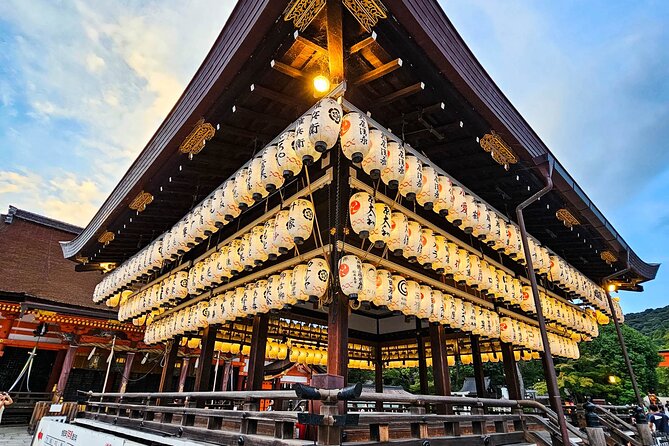
At $18 per person, this is a low-cost way to get an introduction to one of Kyoto’s most distinctive districts. You are paying for a guide, not admission to a show or private teahouse. There are no major entrance tickets built into the experience, so the value comes from the route, explanations, and local orientation.
I think the price works especially well at the start of a Kyoto stay. You can learn how Gion fits together, ask about customs, and collect restaurant suggestions for later. Guides have recommended places to eat, and that practical advice can be worth as much as the historical commentary.
The value is weaker if you mainly want a guaranteed geisha encounter. No walking tour can promise that. It is also weaker if you dislike long walks, need frequent sitting breaks, or want a polished performance instead of neighborhood interpretation.
A private upgrade costs more, though the exact amount is not provided. I would consider it for a special occasion, a group with mixed interests, or anyone who wants a language other than English. For most first-time visitors, the small-group version should offer the best balance of price and personal attention.
How the guides shape the experience
The strongest part of this outing is the human element. Naoki has been praised for his warmth and wide-ranging explanations. Jasmine is especially good at including every member of the group, answering questions, and adding restaurant advice. Miyake combines detailed historical knowledge with patience and humor.
Raphael and Vincent have also been praised for explaining Kyoto, Japanese history, and the geisha district in clear English. Shingo is described as pleasant and able to take visitors to places they might not find alone. Eloise received praise for being engaging and for teaching more than the visible sights alone.
These names are not a promise that you will receive a particular guide. They do show the kind of experience the operator can provide when the match is right. Your enjoyment will depend on the guide’s communication style, your group’s questions, and how well the evening’s pace suits you.
If your guide’s explanation feels scattered, ask for the larger picture. Useful questions include how Gion developed, how geisha and maiko differ, what role Yasaka Shrine plays, and which streets are public. That can turn separate facts into a clearer understanding of the district.
Booking, cancellation, and weather details
You receive confirmation at booking, and last-minute reservations are accepted when space is available. Since the meeting area can be busy, save the address and allow time to find the group.
Free cancellation is available up to 24 hours before the start time for a full refund. Changes or cancellations made less than 24 hours before the start time are not accepted for a refund, and the cut-off follows Kyoto local time.
The activity requires good weather. If poor weather causes cancellation, you are offered another date or a full refund. Since the tour is outdoors, this policy matters more than it would for an indoor attraction.
Who should book this Gion walk?
I would recommend it to a first-time Kyoto visitor who wants an evening introduction to Gion without paying for a formal cultural show. It also suits curious couples, families with older children, and anyone who likes asking questions while walking.
It is a good choice if you want restaurant tips, historical background, shrine customs, and a look at side streets that you might otherwise pass. The small-group option is particularly appealing if you value conversation over a scripted talk.
Think twice if you need a short route, guaranteed seating, or a fixed meal schedule. You should also skip it if your main goal is photographing a geisha. Gion is an active neighborhood, and respectful sightseeing means accepting that some doors remain closed and some encounters will not happen.
Final verdict: book it for the setting and stories
Yes, I would book the Kyoto Gion Night Walk if you want context for the streets you are seeing and can handle three hours on foot. At $18, it is a sensible introduction to Gion, especially early in your Kyoto visit.
Go with realistic expectations. The lantern-lit lanes, Hanamikoji Street, and Yasaka Shrine are the dependable highlights. A geisha or maiko sighting is luck, the snack may depend on your fare, and the guide’s communication style can shape the evening.
Choose the private option for language needs or a more tailored route. Otherwise, select the small-group tour, eat before you go, dress for the weather, and arrive early at the meeting point.
FAQ
How long does the Kyoto Gion night walk last?
The experience lasts approximately three hours. The route includes about two hours in Gion, 30 minutes on Hanamikoji Street, and 30 minutes at Yasaka Shrine.
Where does the tour begin?
The meeting point is Kyoto Kawaramachi Garden, 68 Shinchō, Shimogyo Ward, Kyoto, 600-8001, Japan.
Where does the tour finish?
The stated end point is Sanjō Ōhashi Bridge, Ohashicho, Nakagyo Ward, Kyoto, 604-8004, Japan.
Is the tour conducted in English?
The standard tour includes an English-speaking guide. A private Kyoto walking tour upgrade is available in multiple languages.
Is a geisha or maiko sighting guaranteed?
No. You might see a geisha or maiko, particularly near Hanamikoji Street, but sightings depend on chance and timing.
What is included in the tour price?
The standard inclusions are an English-speaking guide and the walking tour. A snack is specifically included with the Premium Group and Private Tour options. Hotel transfers, meals, other drinks, and personal expenses are not included.
How many people are in each group?
The experience is promoted as having no more than nine people per outing. The additional booking information also gives a maximum of 25 participants, so confirm the group size for your selected option.
Is the tour suitable for most people?
Most people can participate, but you should expect about three hours of walking with limited breaks. The tour is near public transportation, and families with older children can take part.
What is the cancellation policy?
You can cancel at least 24 hours before the start time for a full refund. Cancellations or changes made less than 24 hours before the start time are not accepted for a refund. If poor weather cancels the activity, you can choose another date or receive a full refund.
New routes in Kyoto
- Kyoto : Private Custom Walking Tour With A Local Guide★ 4.6 · 144 reviews
- Kyoto: Private 2.5 Hour Historical Walking Tour★ 4.9 · 121 reviews
- Kyoto: Gion Walking Tour★ 5.0 · 195 reviews
- Kyoto: Gion Sunset Walking Tour with Local Guide★ 4.7 · 351 reviews
- Kyoto: Private Walking Tour with a Local★ 4.6 · 118 reviews
- Kyoto: Izakaya Bars Guided Walking Tour★ 4.9 · 815 reviews
- Kyoto Fushimi-Inari Night Walking Tour★ 4.8 · 171 reviews
- Kyoto Gion Cultural Walk & Geisha Show with Dining Options★ 5.0 · 518 reviews
Kyoto Walking Tours, compared.
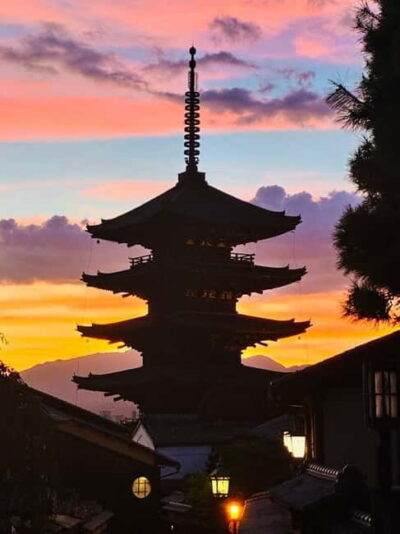
Kyoto Geisha Walking Tour: Gion District & Hidden Gems
Read our review →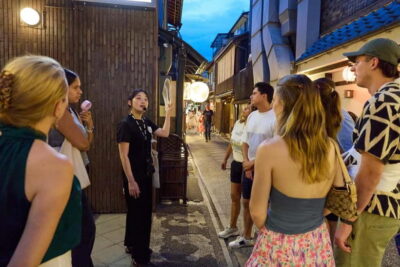
Gion Geisha District Walking Tour – Stories of Geisha
Read our review →
Best of Kyoto: Gion, Geisha, Pagodas & Cobblestones
Read our review →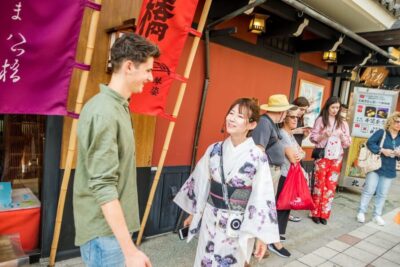
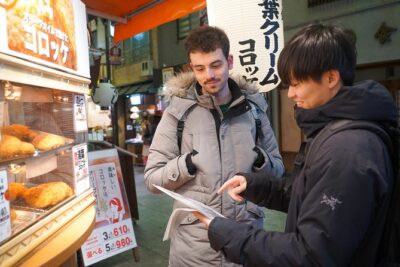
Nishiki Market Brunch Walking Tour (7 Tastings + Brunch)
Read our review →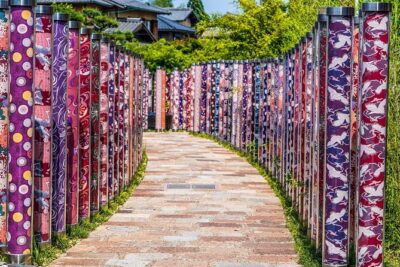
Kyoto Arashiyama Walking Tour: Bamboo, Monkeys, Gardens & Secrets
Read our review →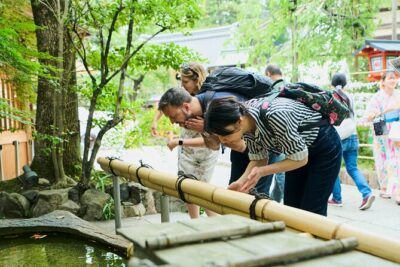
Kyoto Gion: 2-Hour Geisha Culture & History Walking Tour
Read our review →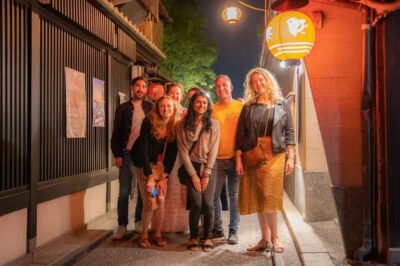
Browse the lists this tour appears in