
Review · BERLIN
Berlin: Hidden Backyards Guided Walking Tour
Berlin’s best stories are often tucked behind an ordinary doorway. This two-hour walk through Spandauer Vorstadt leads you into courtyards where artists work, residents pass through, and layers of Jewish, industrial, wartime, and modern Berlin history sit side by side.
I like the mix of architecture and social history, especially around the New Synagogue and the courtyards of Haus Schwarzenberg and Heckmann Höfe. I also like that guides such as Nick, Nicolas, Susanne, Lydia, and Alex have brought a personal, story-filled style to the route. The main caution is language: English and German are listed, but some departures have been conducted in German only, so confirm before booking if English is essential.
Key points at a glance
- Back-door Berlin: Enter courtyards and passageways that are easy to miss from the main streets.
- Jewish Mitte: Learn how the area around the New Synagogue became a center of Jewish life.
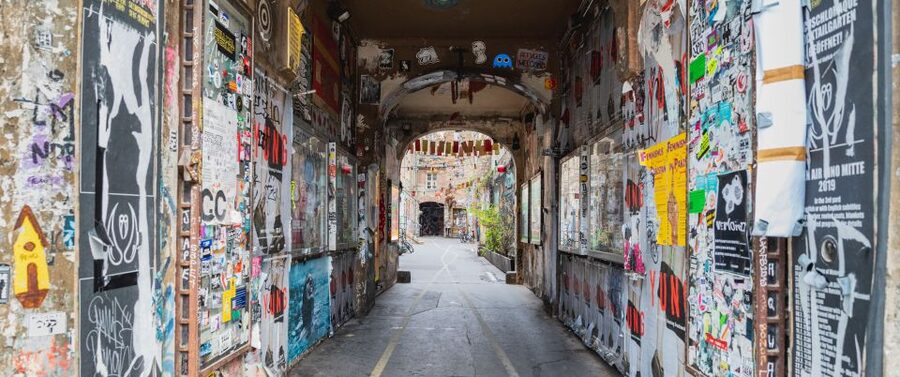
- Haus Schwarzenberg: See street art, historic walls, art studios, and creative spaces in a rough-edged courtyard.
- Heckmann Höfe: Pause in a leafy 19th-century courtyard with colorful façades and local cafés or businesses nearby.
- History with a human scale: The guide connects architecture with changing ways of living and working.
- Good value at $23: Two hours with a live guide costs less than many larger Berlin sightseeing experiences.
Why Berlin’s courtyards tell a better story
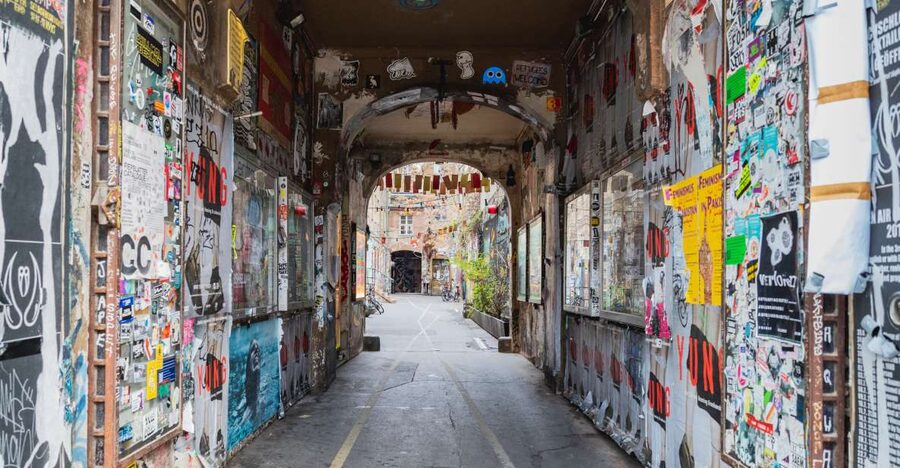
The streets around Hackescher Markt can feel polished, busy, and designed for a quick photograph. The courtyards tell a less tidy story. Behind the grand façades, you find workspaces, apartments, art, old brick, repaired walls, and signs of the many groups that have shaped central Berlin.
That is the real appeal here. You are not simply looking at attractive buildings. You are learning why these buildings were made, how their uses changed, and what happened when Berlin’s political and economic life shifted around them.
The walk focuses on Spandauer Vorstadt in Berlin-Mitte. The district became closely linked with Jewish life around the New Synagogue, then passed through periods of war, division, decline, artistic reuse, and international renewal. A good guide helps you connect those chapters instead of treating each courtyard as an isolated sight.
I especially like the way this route puts everyday spaces at the center. You are not spending two hours only at famous monuments. You are seeing where people lived, worked, made things, gathered, and built new lives.
The tour is rated 4.8 out of 5 from more than 5,000 bookings, and the strongest pattern in the feedback is clear: guides are praised for turning architecture into stories. Nick is repeatedly singled out for an informal and engaging style, while Susanne, Lydia, Alex, and Nicolas are also noted for bringing energy and strong local context.
More Guided Walks in Berlin:
- Berlin: Third Reich & Cold War Guided Walking Tour
★ 4.9 · 8,378 reviews - Berlin: City Street Art Guided Walking Tour
★ 4.8 · 1,051 reviews - Berlin: History of the Third Reich Guided Walking Tour
★ 4.7 · 791 reviews
Starting at Hackescher Markt
Meet your guide in front of the BUTLERS shop at Hackescher Markt 4. This is a practical starting point because Hackescher Markt is easy to reach and already places you at the edge of one of Berlin-Mitte’s best-known courtyard districts.
Do not expect a long formal introduction followed by a rigid march. The route is a walking conversation, with stops at buildings and passageways that require explanation. The guide’s job is to make you look twice at places you might otherwise pass without noticing.
The walk lasts two hours. That is long enough to build a clear picture of the quarter, but short enough to fit into a busy Berlin day. You will be on your feet throughout, and the route takes place rain or shine. Bring suitable shoes and a coat or umbrella if the forecast looks uncertain.
The tour is listed as wheelchair accessible. Since the experience moves through several courtyards and passageways, it is still sensible to confirm current access details when booking, particularly if you need specific assistance.
Haus Schwarzenberg and the rough edges of Berlin
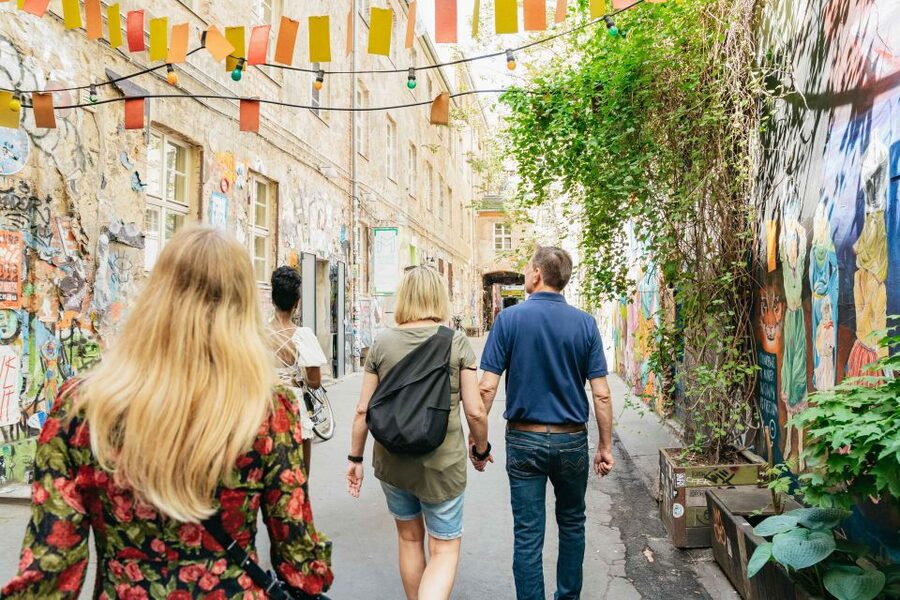
Haus Schwarzenberg is one of the most memorable stops because it looks and feels different from the carefully restored courtyards nearby. Its walls carry layers of street art, and the courtyard is home to art studios and creative spaces.
This is not polished Berlin. That is precisely why it matters. The site gives you a glimpse of how old buildings can survive by taking on new uses. Instead of being frozen as historical monuments, the buildings remain active places for making and showing art.
The guide explains how the property has served different purposes over time. That change is central to understanding Berlin. Buildings in this city have often been reused because of political upheaval, economic hardship, war damage, changing ownership, or the need for affordable work space.
You should allow yourself time to look at the walls here. The street art is not just decoration. It helps create the feel of a courtyard that belongs to working artists and independent cultural groups rather than to a formal museum.
If you prefer pristine façades and carefully arranged exhibits, Haus Schwarzenberg may feel untidy. If you want to see a living piece of Berlin’s creative side, it is one of the strongest parts of the tour.
Hackesche Höfe and the polished side of the district
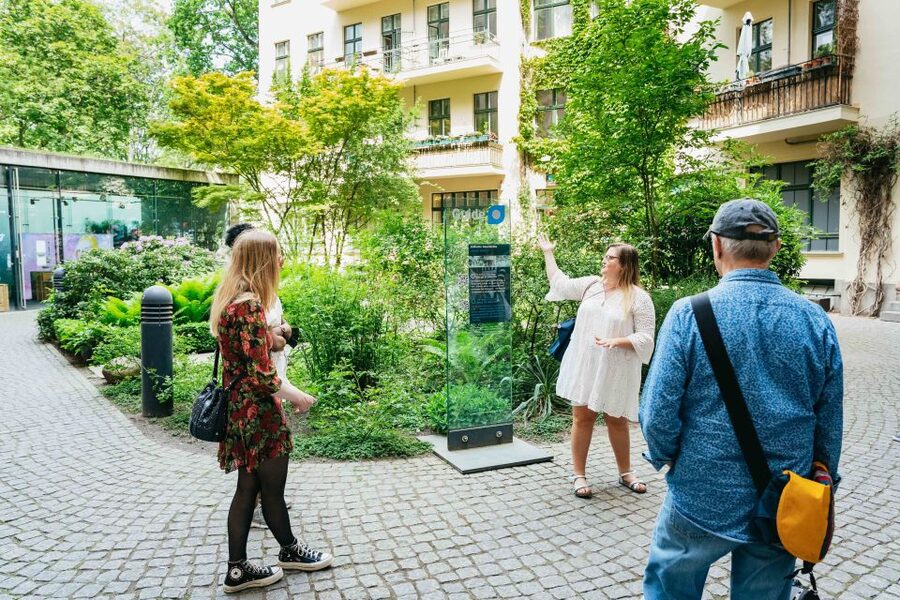
Hackesche Höfe gives you a different version of courtyard Berlin. The complex is more finished and decorative, with architectural details that show how attractive urban courtyards could be made when design and commerce worked together.
The contrast with Haus Schwarzenberg is useful. One courtyard feels improvised and raw, while the other presents a more refined urban face. Seeing both helps you understand that Berlin’s courtyards are not one single style.
The route does not ask you to admire architecture without context. It places these courtyards within the development of the quarter, explaining how the area grew and how its uses changed. The city’s architecture becomes easier to read when you know who the buildings served and why their design mattered.
Hackesche Höfe can be busy, particularly because it is a popular stop in central Berlin. A guide adds value here by directing your attention beyond the obvious details and explaining the wider district instead of leaving you to take photographs and move on.
More Walking Tours in Berlin:
- Discover Berlin Half-Day Walking Tour
★ 5.0 · 9,624 reviews - Berlin City walk Government District and Places of Democracy
★ 4.7 · 8,467 reviews - Berlin: Discover Berlin Walking Tour
★ 4.9 · 5,998 reviews - Berlin’s Best: 2 Hour Walking Tour Third Reich and the Cold War
★ 5.0 · 5,486 reviews
Rosenhöfe, Sophienkirche, and the slower pace of Mitte
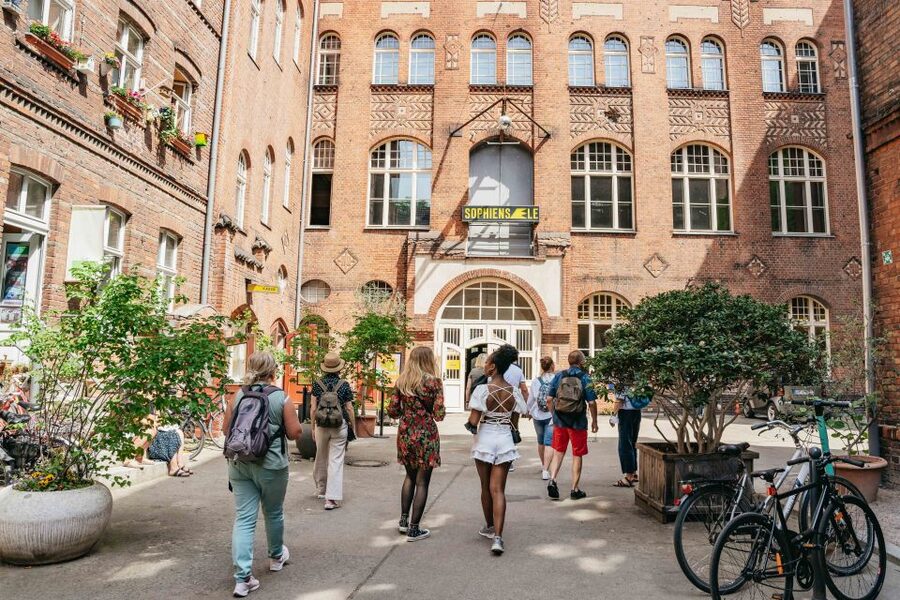
Rosenhöfe adds another courtyard to the comparison. Each hof has its own proportions, materials, and mood, and the point of the route is to notice those differences.
You may not remember every architectural term after the walk, but you will come away with a better sense of how Berlin’s inner districts were organized. The courtyards were not simply decorative spaces. They were tied to housing, work, trade, and the practical demands of a growing city.
The walk continues to Sophienkirche, bringing a religious and neighborhood landmark into the story. This helps widen the focus beyond courtyards. The route is about the quarter as a whole, including faith, community, architecture, and the political changes that altered daily life.
This is one reason the tour works well for people who have already seen Berlin’s major sights. You get a different scale of history. Instead of only learning about presidents, wars, and famous buildings, you see how large events affected streets and properties.
Auguststraße and the Jewish quarter
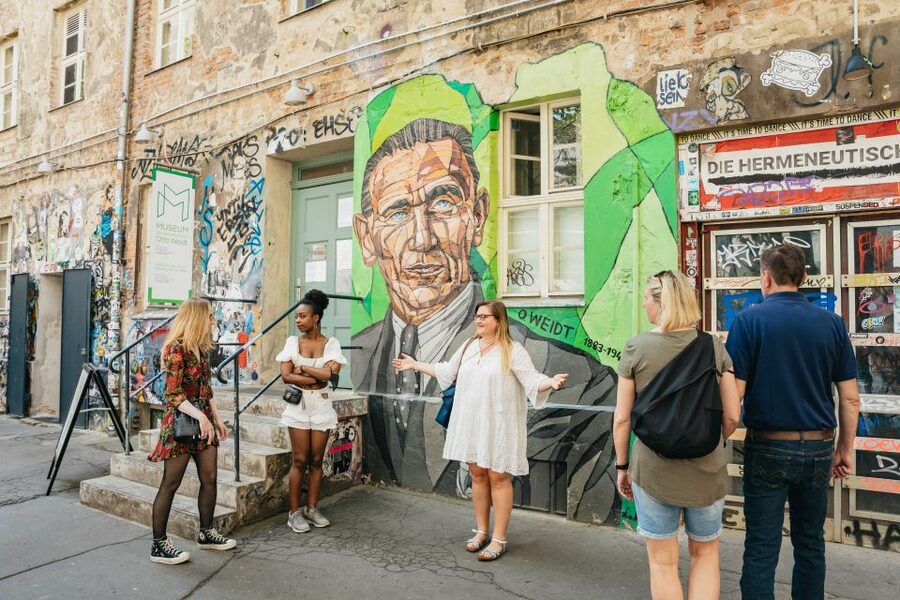
Auguststraße and the streets around the New Synagogue are among the most important parts of the experience. The guide explains how this section of Berlin became a center of Jewish life and how that identity shaped the neighborhood.
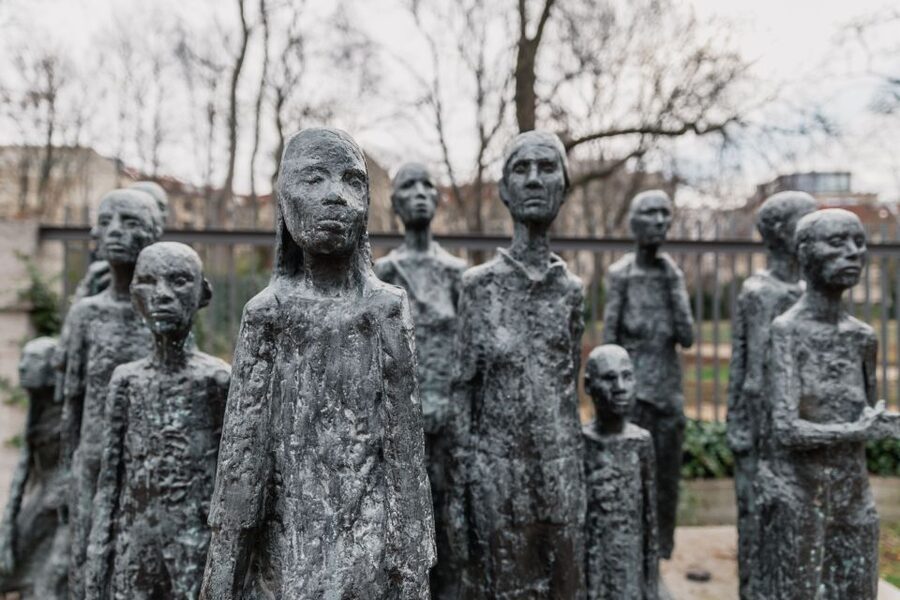
The subject requires care. The tour is not simply a celebration of attractive architecture. It deals with the growth and transformation of Jewish Berlin, including the forces that changed the area over time. The best guides place the buildings within that difficult history without reducing the district to a single tragic chapter.
A review of the walk noted stories such as the first female rabbi, an example of the small human details that can make a historical district more memorable. Details like this give you a better sense of people and institutions, not just dates and façades.
The New Synagogue is an important reference point, even when the walk’s main focus is the surrounding streets and courtyards. You begin to see why this part of Mitte attracted Jewish residents, businesses, religious life, and cultural activity.
If you have a particular interest in Jewish Berlin, this tour can provide useful local context. It is not presented as a specialist synagogue tour, so you should not expect a detailed interior visit or a full account of Berlin’s Jewish history. Instead, the subject is woven into the wider story of the neighborhood.
Heckmann Höfe, a leafy pause behind Oranienburger Straße
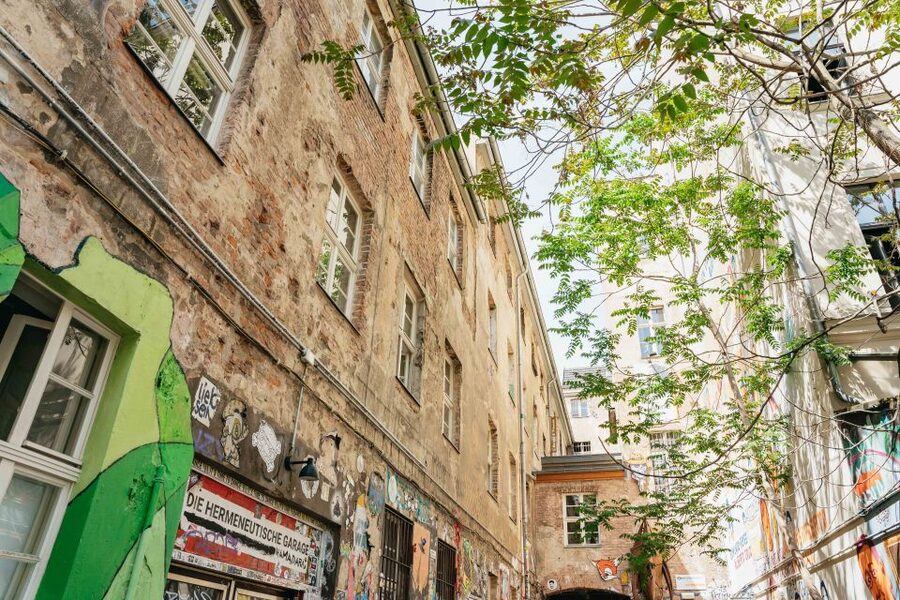
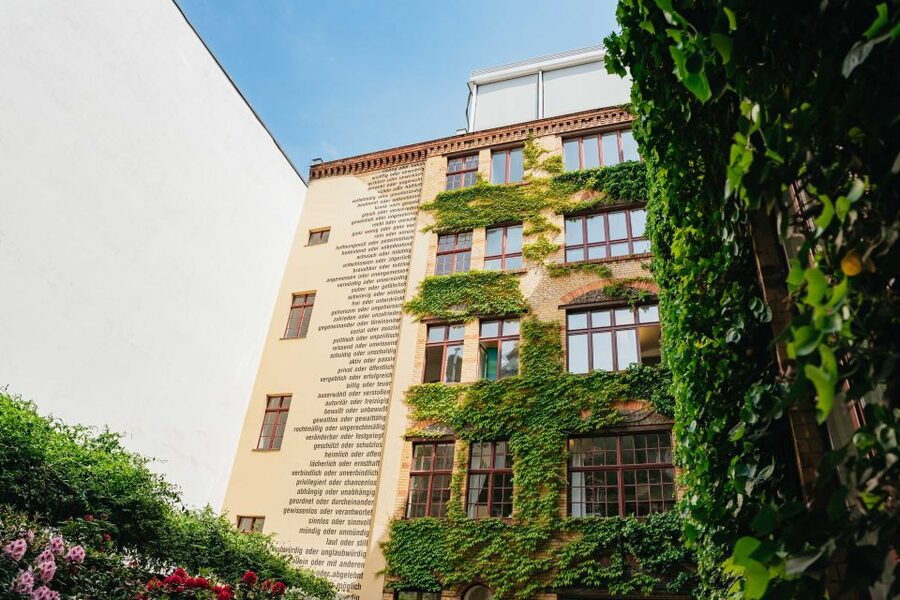
Heckmann Höfe provides the route’s most relaxed finish. This 19th-century courtyard is described as colorful, shaded, and lined with trees and ivy-covered buildings. It feels like a quiet pocket behind the busy streets of Berlin.
The setting gives you a chance to slow down and absorb the contrast between the city outside and the enclosed courtyard inside. Shops, creative spaces, and places to sit help explain why these courtyards remain useful rather than merely historic.
This is also a good place to think about the district’s recent transformation. Areas that once served practical urban needs can become cultural and social spaces without losing every trace of their past. The courtyard’s appeal comes from that overlap of old structure and current use.
The walk ends with drop-off points on Oranienburger Straße. That is convenient if you want to continue toward the New Synagogue, find a meal, or explore more of Mitte on foot. Food and drinks are not included, but the ending location gives you plenty of options nearby.
What the guides add to the experience
The guide is the make-or-break element here. Courtyards are interesting, but without explanation they can look like a series of attractive passages. The guide connects the sites into a story about architecture, religion, economics, art, and urban change.
Nick receives especially warm praise for his historical range and friendly delivery. Several bookings describe his approach as informal, clear, and full of anecdotes. Nicolas is also praised for speaking as if addressing friends, which can make a two-hour history walk feel relaxed rather than academic.
Other guides named in feedback include Susanne, Lydia, and Alex. Susanne is described as a dynamic presenter, while Lydia is praised for explaining both the courtyards and the wider history around them. The exact guide is not guaranteed, but the consistent theme is an enthusiastic, personal presentation.
The language point deserves attention. The activity is offered in English and German, but some departures have been conducted in German only. One person with intermediate German found the tour manageable because the guide checked that the material was understood. That will not be enough for everyone, so confirm the language for your selected time before paying.
Is two hours enough for the price?
At $23 per person, this is strong value if you want a guided introduction to central Berlin beyond the main monuments. You receive two hours of live commentary and visits to several courtyards and historic locations. There is no food, drink, transport, or admission package included, but the core cost is the guide’s local interpretation.
I would not compare this directly with a large bus tour. The value is different. A bus can cover more distance, while this walk gives you access to spaces and details that are easier to miss from the road.
The route also saves research time. You could find Hackesche Höfe and Heckmann Höfe independently, but you would not automatically understand how they fit into the development of Spandauer Vorstadt or why Haus Schwarzenberg looks so different.
Reserve now and pay later is available, and cancellation is free up to 24 hours before the start for a full refund. Those terms are useful if your Berlin schedule is still moving, though you should still check the exact conditions at booking.
Who should book this Berlin walk?
I would choose this tour for a first or second visit to Berlin, especially if you have already seen the Brandenburg Gate, Museum Island, and the major memorials. It gives you a more local-scale view of Mitte without taking up half a day.
It suits visitors who enjoy:
- Architecture with a social story behind it
- Jewish history connected to a real neighborhood
- Street art and working creative spaces
- Informal guides and historical anecdotes
- Easy urban walks with several short stops
- Finding places you would not think to enter alone
It may be less suitable if you want a fast list of major monuments, a dedicated food tour, or a long specialist lecture focused on one subject. The route covers many topics, so the experience is broad rather than narrowly academic.
Rain will not cancel the tour, and the walk has taken place in heavy rain and bitter cold. That does not make bad weather pleasant, but it does mean you should dress for the forecast rather than assume Berlin will provide a sunny courtyard stroll.
Should you book the Hidden Backyards tour?
Book it if you want Berlin to feel less like a checklist of famous sights and more like a city of layered neighborhoods. The combination of Haus Schwarzenberg, the Jewish quarter, Hackesche Höfe, Rosenhöfe, Sophienkirche, Auguststraße, and Heckmann Höfe gives you a well-shaped introduction to Spandauer Vorstadt.
The strongest reason to go is the guide. With someone like Nick, Nicolas, Susanne, Lydia, or Alex leading the walk, ordinary walls and passageways become part of a larger story. Confirm the language first, wear comfortable shoes, and keep your schedule flexible enough for rain.
At $23 for two hours, I consider it a smart choice for curious visitors who want history, architecture, and a look behind Berlin’s grand street façades.
FAQ
Where does the tour start?
Meet your guide in front of the BUTLERS shop at Hackescher Markt 4 in Berlin.
How long does the tour last?
The walking tour lasts two hours.
What language is the tour offered in?
The activity is offered with a live guide in English or German. Some departures have been conducted in German only, so confirm the language for your chosen time.
Is the tour wheelchair accessible?
The tour is listed as wheelchair accessible.
What locations are included?
The route includes Haus Schwarzenberg, Hackesche Höfe, Rosenhöfe, Sophienkirche, Auguststraße, and Heckmann Höfe.
Does the tour visit the New Synagogue?
The walk explores the neighborhood around the New Synagogue and explains its connection to Jewish life in the area. The provided information does not specify an interior visit.
Where does the tour finish?
The tour has two drop-off points on Oranienburger Straße.
Are food and drinks included?
No. Food and drinks are not included in the tour price.
Does the tour operate in bad weather?
Yes. The tour takes place rain or shine.
Can I cancel for a full refund?
You can cancel up to 24 hours in advance for a full refund. Reserve now and pay later is also available.
New routes in Berlin
- Small Group Walking Tour: “Wild Kreuzberg”★ 4.8 · 199 reviews
- Sachsenhausen Memorial: Walking Tour from Berlin★ 4.7 · 132 reviews
- Berlin: Prenzlauer Berg District Guided Walking Tour★ 4.9 · 316 reviews
- Berlin: 2.5-Hour Walking Tour through Kreuzberg 61★ 4.9 · 525 reviews
- From Berlin: Potsdam & Sanssouci half day Walking Tour★ 4.9 · 85 reviews
- Explore Berlin: Walking Tour of All The Iconic Sites★ 4.9 · 855 reviews
- East Berlin and the Wall: Walking Tour★ 4.9 · 407 reviews
- Cold War, Berlin Wall, Spies and the East Side Gallery★ 4.8 · 254 reviews
Berlin Walking Tours, compared.
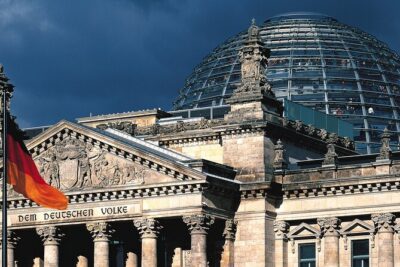
Berlin City walk Government District and Places of Democracy
Read our review →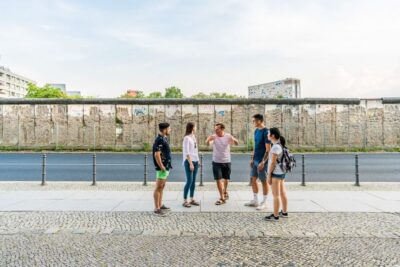
Berlin’s Best: 2 Hour Walking Tour Third Reich and the Cold War
Read our review →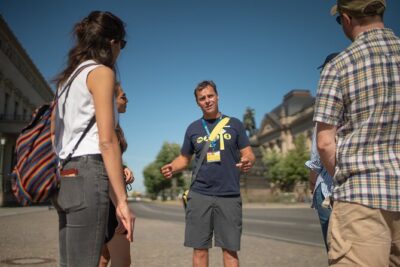
Explore Berlin: See All The Iconic Sights & Some Hidden Gems
Read our review →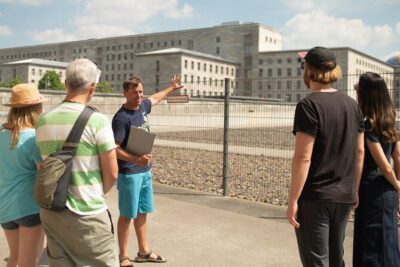
Third Reich Berlin: Hitler and WWII Walking Tour
Read our review →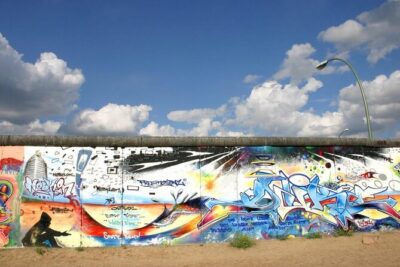
Berlin Center Food Tour with 8+ Authentic Local Tastings
Read our review →
Browse the lists this tour appears in