
Review · KYOTO
Kyoto Geisha Walking Tour: Gion District & Hidden Gems
Gion is best understood on foot, and this two-hour walk gives you more than a photo stop beside a pretty teahouse. You’ll learn how geiko and maiko fit into Kyoto society, see old machiya townhouses, and follow lanes where evening lanterns give the district its famous glow. Guides including Michael, Anton, Yuri, and Ikuro are praised for clear explanations, humor, and useful advice beyond the route.
I like two things right away: the price is only $25, and the tour gives you a useful first look at several major Gion sights without asking you to commit half a day. I also like the practical finish, when your guide shares personal suggestions for restaurants, bars, shops, and other places to visit.
The main caution is simple: a geiko or maiko sighting is possible, not promised. You’ll also be walking for two hours on streets and temple grounds, and there is no stated refreshment stop, so cold-weather visitors should dress warmly and bring water.
Key Points to Know Before You Book
- Geiko culture explained clearly: Learn about the origins, training, work, and modern role of Kyoto’s geiko and maiko.
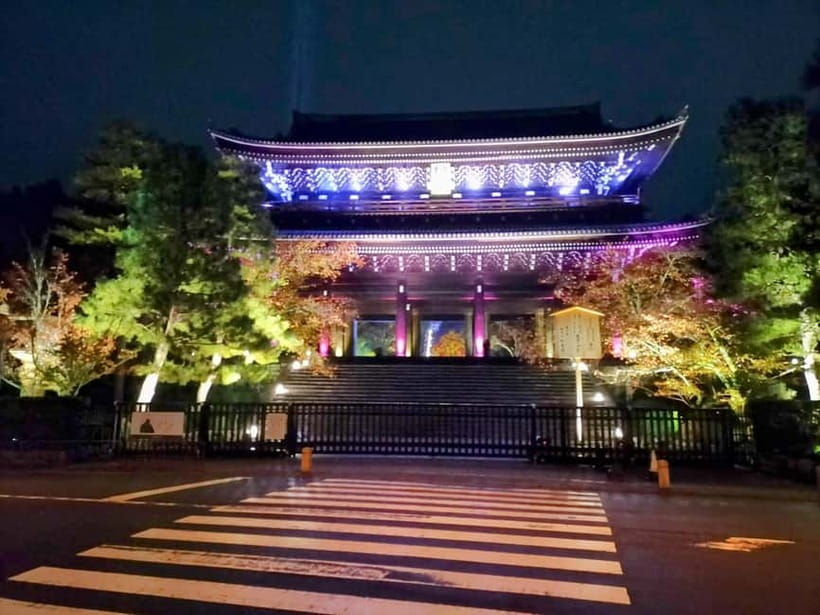
- A useful Gion overview: See teahouses, machiya houses, Hokan-ji Pagoda, Kennin-ji Temple, and Chion-in.
- Guides with personality: Michael receives especially frequent praise, while Anton, Yuri, Ikuro, and others also lead tours.
- Sightings are a bonus: You may see geiko or maiko walking to appointments, but the tour is worthwhile even without one.
- Excellent trip-planning help: Save time after the walk by asking about food, shopping, attractions, pottery, or perfume-making activities.
- Low-cost, short commitment: At $25 for two hours, it works well as an introduction early in your Kyoto stay.
Starting Beside Hotel Alza Kyoto
The meeting point is on the side street next to Hotel Alza Kyoto. Look for the red parasol or umbrellas with marble seats underneath. That detail matters in Gion, where narrow lanes and busy streets can make a vague meeting point frustrating.
I recommend arriving with a few minutes to spare. The tour is conducted in English, and the guide will lead you through a district where the best details are often easy to miss: a discreet entrance, a preserved wooden facade, or a lane that looks ordinary until you know what it once represented.
The meeting point also puts you close to the heart of the action. You are not spending the first part of the tour on a long transfer. The walk begins in the historic Gion area and quickly shifts from street orientation to stories about Kyoto, architecture, and geiko life.
More Hidden Gems Walking Tours in Kyoto:
- Kyoto Arashiyama Walking Tour: Bamboo, Monkeys, Gardens & Secrets
★ 5.0 · 1,216 reviews - Kyoto: Gion Hidden Gems & Geisha Culture Tour
★ 4.9 · 126 reviews - Dublin Highlights and Hidden Gems Guided Walking Tour
★ 5.0 · 6,020 reviews
Gion’s Wooden Lanes and Teahouse Tradition
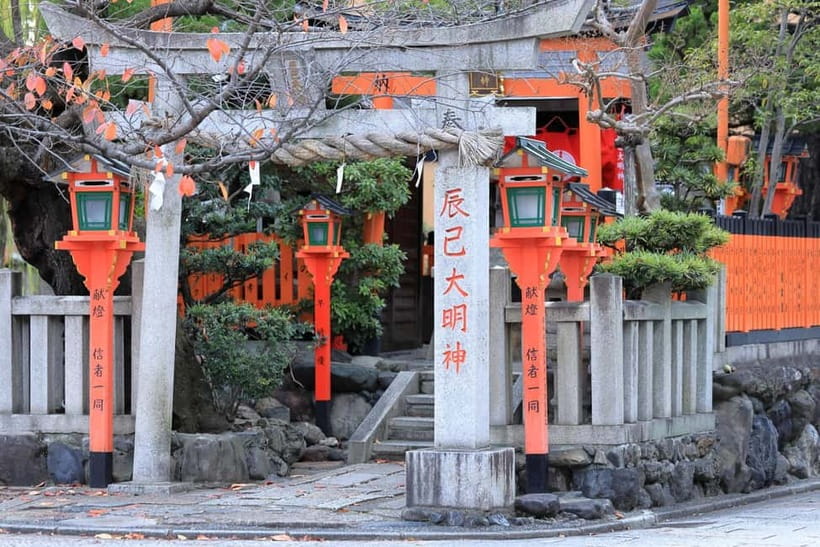
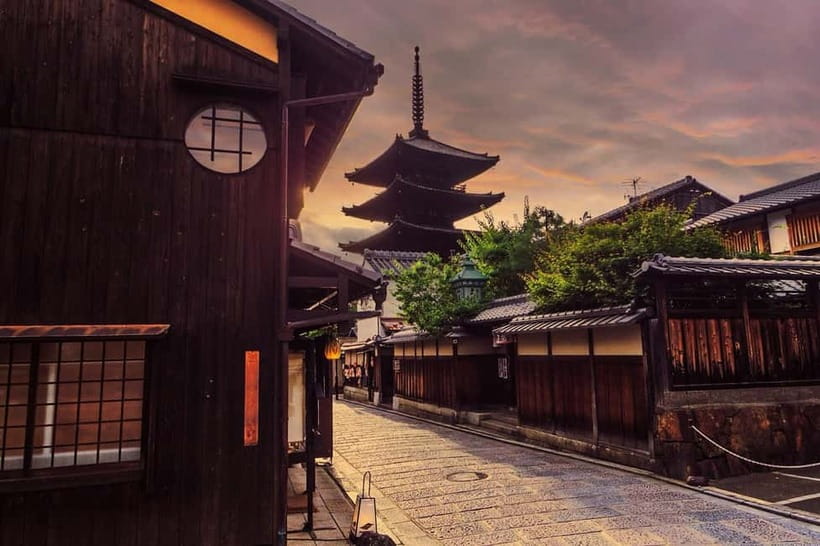
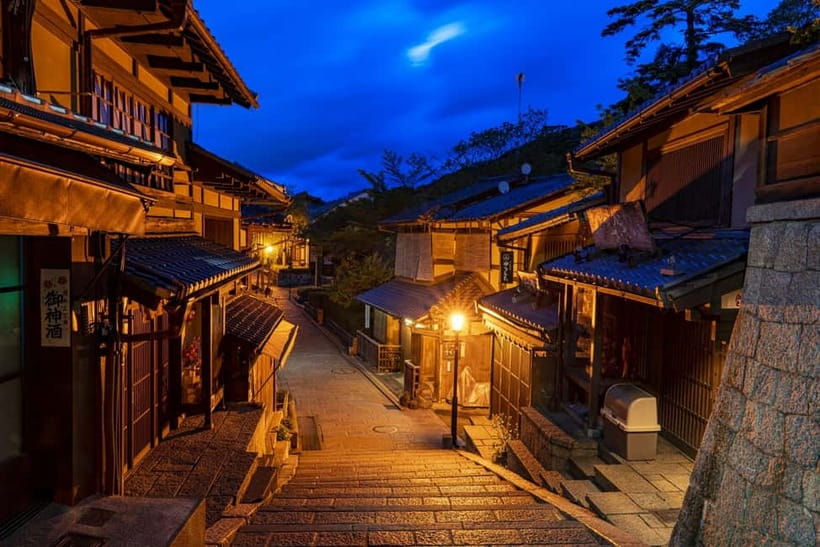
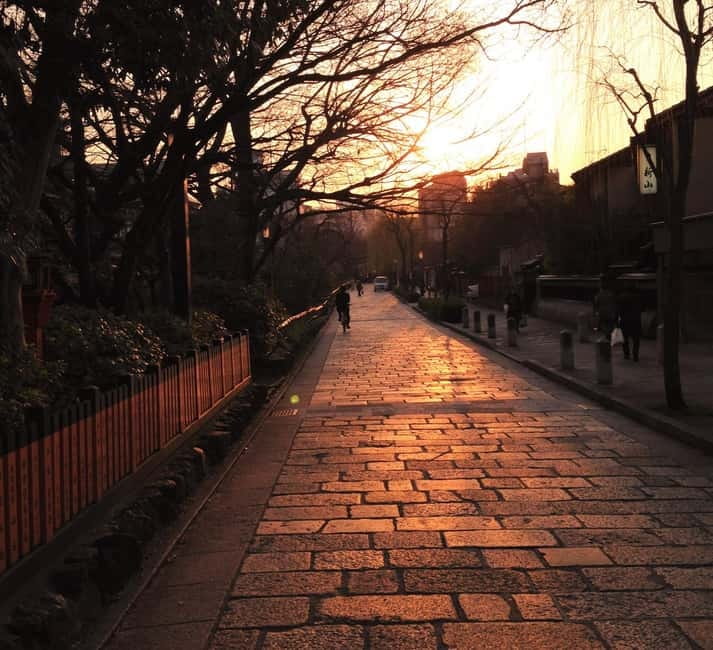
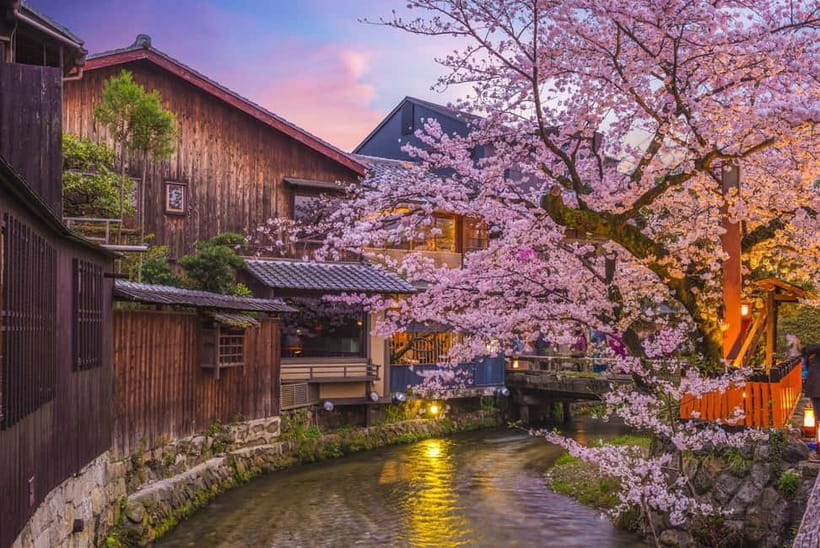
Gion’s appeal is not based on one monument. It comes from the way the streets work together: dark timber, tiled roofs, narrow entrances, lanterns, and small businesses tucked behind understated facades. A guide helps you read this setting instead of simply photographing it.
You’ll pass traditional machiya townhouses, the long, narrow homes and shops that give old Kyoto much of its character. Your guide explains how the district developed and how its teahouses operate. Some teahouses host private performances for wealthy clients, so you should not expect to walk in casually or watch a show as part of this tour.
That limitation is useful context. Gion is not a theme park built for public viewing. Much of its culture happens behind closed doors, and the tour explains why the visible street scene is only one small part of the story.
You’ll also see boutique-style souvenir shops and quieter side streets. These stops are good for photographs, but the bigger value is learning how to distinguish a working neighborhood from a staged attraction. The area can feel dreamlike in the evening, though it is still a real part of Kyoto with residents, businesses, and rules about respectful behavior.
Geiko and Maiko: What You Can Really Expect
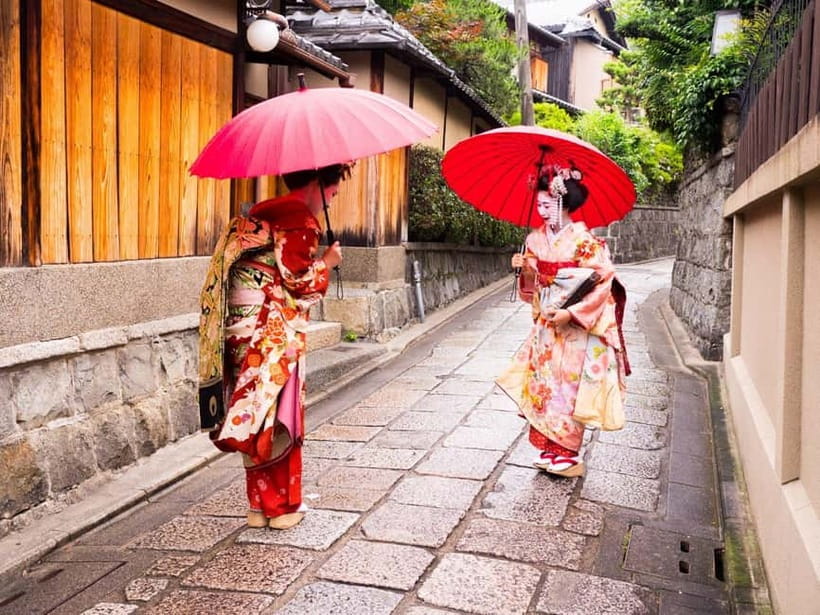
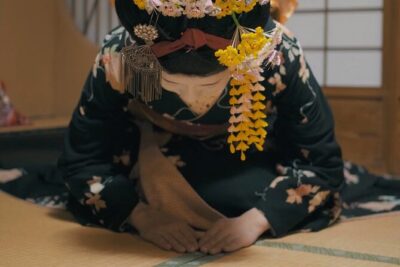
The chance to see an elegantly dressed geiko or maiko heading to an appointment is one of the tour’s main draws. Some participants do see one, while others complete the walk without a sighting. Plan around the history and setting, not around a guaranteed encounter.
A guide can help you understand what you are seeing. The tour covers the origins of geiko culture, the meaning of the clothing and presentation, and the place of these performers in modern Kyoto. It also helps separate real practice from the simplified version often presented in popular entertainment.
You’ll hear the terms geiko and maiko used in Kyoto. Geiko is the local word commonly used for an accomplished geisha, while maiko are apprentices. The exact details of their work and training are best explained by your guide on the day, but the tour gives you a much clearer framework than a quick internet search or a hurried photograph.
Good manners matter here. If you see a geiko or maiko, keep your distance and follow the guide’s instructions. Do not treat someone on the way to work as a public performer. The possibility of a sighting adds excitement, but respectful observation is more important than getting a perfect picture.
Hokan-ji Pagoda and Gion’s Best Photo Stops
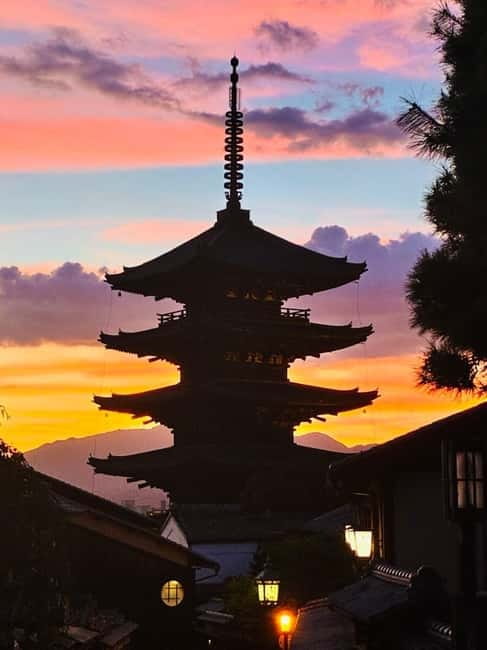
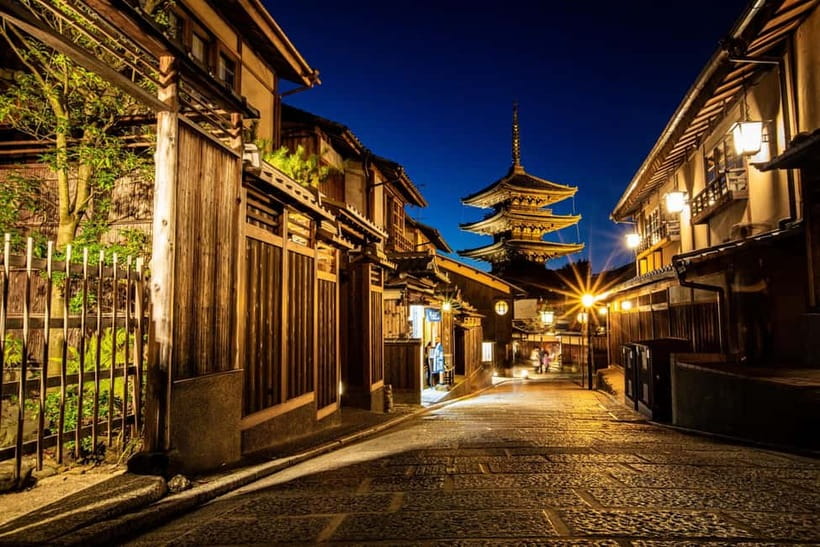
Hokan-ji Pagoda is one of the route’s most recognizable views. Its shape provides a strong visual link between modern Kyoto and the city’s older religious and architectural traditions. It is also one of the places where the guide can point out how streets, rooflines, and temple structures frame one another.
The tour includes photo opportunities at less obvious spots, not only the most familiar viewpoints. That helps if you want pictures that show more than a packed street and a famous building. Guides can suggest where to stand and what details deserve attention, though the experience is still a walking tour rather than a dedicated photography session.
Keep your expectations realistic about access. The supplied information identifies Hokan-ji as a sight along the route, not as a promise of an interior visit. The value here is seeing the pagoda in its neighborhood setting and understanding how it relates to Gion’s older streets.
More Walking Tours in Kyoto:
- Kyoto: Gion Magical Night Walking Tour with Geisha Trivia
★ 4.9 · 2,393 reviews - Kyoto: Gion Geisha District Walking Tour – Stories of Geisha
★ 4.7 · 2,187 reviews - Night Walk in Gion: Kyoto’s Geisha District
★ 4.5 · 2,003 reviews - Kyoto Gion Geisha District Walking Tour – The Stories of Geisha
★ 5.0 · 1,441 reviews
Kennin-ji, Kyoto’s Oldest Zen Temple
Kennin-ji is described as the oldest Zen temple in Kyoto, and it gives the tour a calmer change of pace after the lanes of Gion. The temple’s quiet atmosphere helps you see another side of the district. Gion is not only about nightlife, costumes, and teahouses. It also sits beside important religious sites.
Your guide shares background on the temple and the surrounding area, connecting architecture and religious tradition to the wider story of Kyoto. This is where the walk becomes more than a search for geiko. You begin to see how entertainment districts, temples, homes, and shopping streets occupy the same compact part of the city.
As with Hokan-ji, do not assume every interior or paid temple area is included. The activity promises a guided walk and views of the sites, not a full temple admission program. If you want a detailed temple visit, leave extra time elsewhere in your schedule.
Chion-in and the Quieter Side of the Route
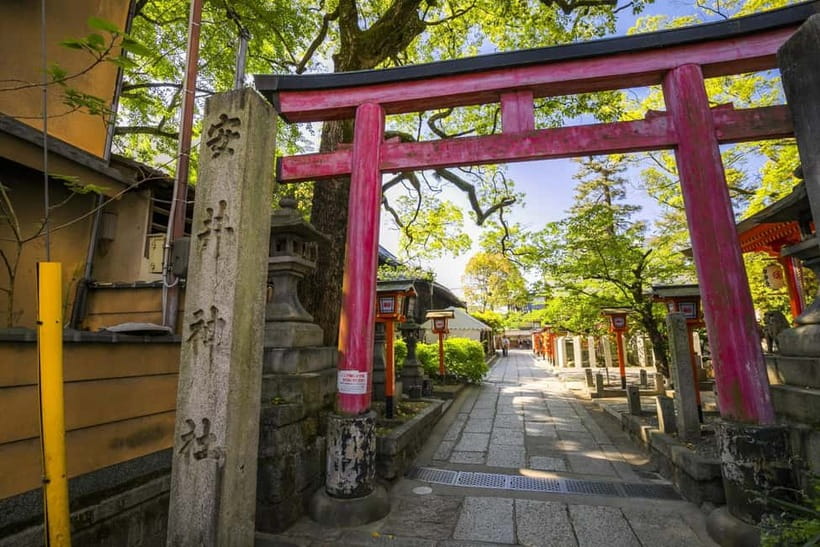
Chion-in is another important stop, and the tour presents it as a place many people overlook. Its large grounds provide a sense of scale that the tight lanes of Gion cannot. The setting is picturesque and gives you room to pause, look around, and connect the district to Kyoto’s broader religious life.
The temple is home to three designated national treasures. That makes it a substantial cultural stop, not just a quick backdrop for photos. Your guide explains the site’s importance while pointing out details you might pass without context.
This part of the route may appeal most to people who want more than geiko folklore. You get a wider picture of Kyoto, one that includes faith, architecture, historic neighborhoods, and the long development of the city. It also gives the walk some variety, so the two hours do not feel like a repeated circuit of teahouses.
Evening Gion and the Value of Timing
As daylight fades, lanterns change the mood of Gion. The wooden facades and narrow lanes take on a softer appearance, and the district feels more atmospheric than it does in bright afternoon light. Several people have found the 6 p.m. time slot especially pleasant because the area can be quieter and there is more time to take in the surroundings.
An earlier 3 p.m. start has a different advantage. You get more daylight for seeing architecture and taking photographs. One useful piece of advice is to consider the season: winter afternoons lose light quickly, so an early start may suit photographers, while an evening start may suit people focused on atmosphere.
There is no single best departure time for everyone. If seeing geiko or maiko is your top hope, ask the operator which available time tends to fit the district’s evening activity, but remember that no time guarantees a sighting. If you dislike cold, winter evening walks can be uncomfortable. One participant specifically wished for a warm-up stop during freezing weather, so bring suitable layers.
The Guide Makes the Difference
The route covers a lot for two hours, so the guide’s ability to explain and pace the walk matters. Michael receives especially strong praise for his history, humor, friendly manner, and willingness to answer questions. His language skills include English, French, Japanese, and some Arabic.
Anton is also described as relaxed, clear, and well informed. Yuri and Ikuro are named as engaging guides, and other guides may lead the departure you book. You should not assume a specific guide unless the booking details confirm one, but the repeated focus on guide quality is important when comparing a low-cost walking tour with a self-guided visit.
The best guides do not simply point at a building and recite a date. They explain why the site matters, answer questions, and connect the pieces. That seems to be the strength of this experience. Several participants found the walk particularly useful as their first activity in Kyoto because it helped them understand what they were seeing during the rest of their stay.
The pace is generally described as comfortable, though this remains a two-hour walk. Families can enjoy it, and one guide was specifically praised for working well with children. Still, the activity is not suitable for wheelchair users or people with mobility impairments.
The Recommendations You Get After the Walk
A useful extra is the guide’s list of personal suggestions for the rest of your trip. You can ask about restaurants, bars, shops, nearby attractions, and activities such as making perfume or pottery. This advice can be worth almost as much as the tour itself if you take it early in your Kyoto visit.
I would schedule this walk near the beginning of your stay rather than the final evening. That gives you time to use the restaurant suggestions and return to places that caught your attention. It also helps you decide which parts of Gion deserve a slower second visit.
The food advice is not a formal meal or tasting, so do not book the tour expecting lunch or dinner to be included. A smart plan is to finish the walk with an open meal schedule. The guide can suggest options, and you can continue exploring while the district is lit up.
Is $25 Good Value for Two Hours?
At $25 per person, this is a strong value if you want orientation, cultural context, and a short walk through one of Kyoto’s most famous areas. A private guide would normally cost much more, while a self-guided stroll would give you the streets but not the explanations about geiko culture, teahouse customs, and local history.
The tour also covers several different types of sights: traditional homes, entertainment streets, a pagoda, a Zen temple, and Chion-in. That range makes the price easier to justify. You are not paying only for the possibility of spotting a geiko.
The tradeoff is depth. Two hours can introduce you to Gion, but it cannot explain every temple, tradition, and architectural detail. If you want long temple visits, extended photography, or a private geiko performance, you need a different type of activity.
Free cancellation up to 24 hours before the start and the option to reserve now and pay later make the booking relatively flexible. Check the available start times when you reserve, since the duration is fixed at two hours.
Who Should Book This Gion Walk?
I would choose this tour if you want a clear introduction to Gion without spending a full day on organized sightseeing. It suits first-time visitors, history fans, culture-focused visitors, families able to walk for two hours, and anyone who wants useful local suggestions for the rest of a Kyoto stay.
It is also a good fit if you are curious about geiko culture but want a grounded explanation rather than a costume photo session. The route shows the setting and explains the traditions while treating the people who work there with respect.
I would look elsewhere if mobility is a concern, if you need a guaranteed geiko encounter, or if you want a performance included. You should also reconsider an evening departure in very cold weather unless you are prepared with warm clothing.
FAQ
How long is the Kyoto Geisha Walking Tour?
The tour lasts two hours and is conducted on foot through Gion and nearby areas.
How much does the tour cost?
The listed price is $25 per person.
Is the tour conducted in English?
Yes. The live tour guide language is English.
Can I definitely see a geiko or maiko?
No. The tour gives you an opportunity to spot geiko and maiko as they travel to appointments, but sightings are not guaranteed.
Where does the tour meet?
Meet on the side street next to Hotel Alza Kyoto. Look for the red parasol or umbrellas with marble seats underneath.
Is the tour suitable for wheelchair users?
No. The activity is not suitable for wheelchair users or people with mobility impairments.
Should You Book It?
Book this tour if you want an affordable, well-explained first look at Gion and plan to use local food and sightseeing advice afterward. Its best feature is not a guaranteed geiko sighting. It is the combination of clear cultural background, varied historic stops, a manageable two-hour route, and guides such as Michael who make the information easy to follow.
Go in expecting an introduction, not an exhaustive study of Kyoto. If you can walk comfortably and keep your expectations realistic, $25 buys a useful start to your time in the city.
New routes in Kyoto
- Kyoto : Private Custom Walking Tour With A Local Guide★ 4.6 · 144 reviews
- Kyoto: Gion Walking Tour★ 5.0 · 195 reviews
- Kyoto: Private 2.5 Hour Historical Walking Tour★ 4.9 · 121 reviews
- Kyoto: Izakaya Bars Guided Walking Tour★ 4.9 · 815 reviews
- Kyoto: Gion Sunset Walking Tour with Local Guide★ 4.7 · 351 reviews
- Kyoto: Private Walking Tour with a Local★ 4.6 · 118 reviews
- Kyoto Fushimi-Inari Night Walking Tour★ 4.8 · 171 reviews
- Kyoto Gion Cultural Walk & Geisha Show with Dining Options★ 5.0 · 518 reviews
Kyoto Walking Tours, compared.
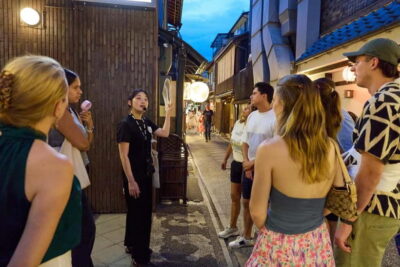
Gion Geisha District Walking Tour – Stories of Geisha
Read our review →
Best of Kyoto: Gion, Geisha, Pagodas & Cobblestones
Read our review →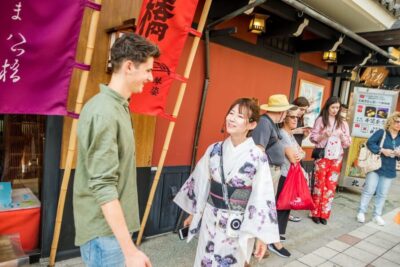
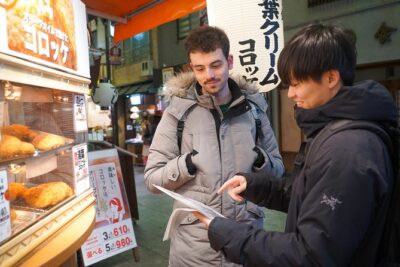
Nishiki Market Brunch Walking Tour (7 Tastings + Brunch)
Read our review →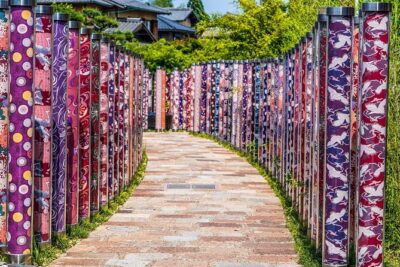
Kyoto Arashiyama Walking Tour: Bamboo, Monkeys, Gardens & Secrets
Read our review →
Kyoto Gion: 2-Hour Geisha Culture & History Walking Tour
Read our review →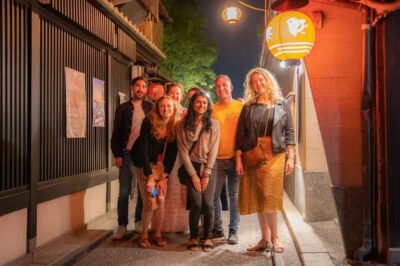
Kyoto Gion Cultural Walk & Geisha Show with Dining Options
Read our review →Browse the lists this tour appears in