
Review · KYOTO
Cool Kyoto: 5-Hour Walking Tour with the Last Samurai
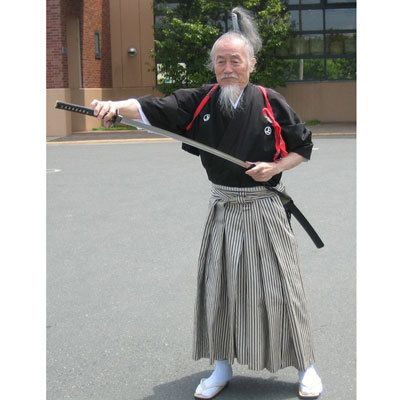
Kyoto’s most unusual walking tour pairs small local shops and old religious sites with Samurai Joe Okada, an English-speaking guide known for his sharp humor, local friendships, and katana skills. The day is less about checking off famous sights and more about meeting the people and traditions behind them.
I like the personal introductions to craftspeople, along with the chance to sample local foods instead of simply looking at them. I also like the mix of a Buddhist temple, Shinto shrine, and Kyoto Imperial Palace Forest. The tradeoff is that the outing can feel shop-focused, and the $491 price makes the most sense for a full group of five.
Key points to know before booking
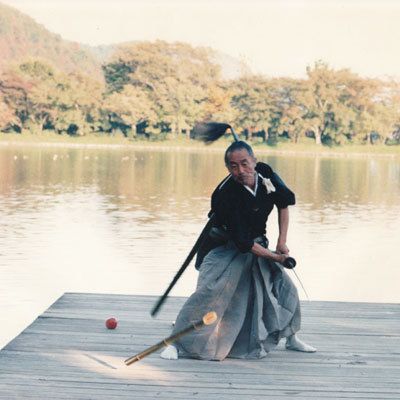
- Samurai Joe Okada leads the walk: He guides in English, shares stories about Kyoto, and adds plenty of humor.
- Local crafts take center stage: Expect stops involving wood engraving, brushes and ink, calligraphy, sake, sweets, and other traditional goods.
- The Imperial Palace Forest adds open space: The tour moves from narrow streets and shops into one of Kyoto’s grand historic areas.
- Food is part of the route: You receive local delicacies, market samples, and a light lunch that may include sushi and other small dishes.
- The sword demonstration is the finale: Joe shows controlled katana techniques and invites a volunteer to participate.
- Plan for a real walk: Comfortable shoes matter, and the meeting point at Kyoto City Hall Plaza can be slightly hard to pinpoint.
Kyoto through the eyes of Samurai Joe
This is not a standard temple circuit. You do not spend five hours moving from one major monument to the next while listening to a prepared speech. Instead, Samurai Joe leads you through central Kyoto with the ease of someone introducing you to old friends.
That personal connection is the heart of the tour. Joe introduces you to shop owners and helps explain what you are seeing, tasting, or trying. His English is strong enough for jokes, wordplay, and long conversations about Japanese customs. He also brings a lively personality, so the walk feels social rather than formal.
The tour begins at Kyoto City Hall Plaza. Look for Joe in his Samurai kimono and distinctive hairstyle. The meeting spot is central, but one person found the exact morning meeting point a little difficult to locate, so arrive early and allow time to orient yourself.
The experience is sold as a private group for up to five people at $491. For five, that works out to about $98 per person before any separate travel costs, a reasonable figure for a five-hour private guide with food and a special demonstration. For one or two people, the cost is much harder to justify unless the personal attention and sword display are central to your Kyoto plans.
More Walking Tours in Kyoto:
- Kyoto Geisha Walking Tour: Gion District & Hidden Gems
★ 4.7 · 3,273 reviews - Kyoto: Gion Magical Night Walking Tour with Geisha Trivia
★ 4.9 · 2,393 reviews - Kyoto: Gion Geisha District Walking Tour – Stories of Geisha
★ 4.7 · 2,187 reviews
Craft shops instead of the usual sightseeing loop
The first part of the walk takes you through traditional arts and crafts shops. This is where the tour earns its local feel.
You may visit a wood engraver and a brush and ink maker, with the chance to see how everyday Japanese objects connect to older skills. A calligraphy stop may let you write your name in Japanese characters. That small activity works well for families, since children can take part rather than simply watch.
Other stops can include an old bookstore, a sake shop, sweet shops, and stores selling handmade goods. You may sample sugary treats, rice-based sweets, fried snacks, or a pastry from a bakery. The exact order and selection can vary, but food is woven into the walking route rather than saved for one formal restaurant meal.
I like this part because it gives you useful context for Kyoto’s traditional culture. You see the objects in the places where they are made or sold, and Joe can explain how they fit into local life. It is also a good chance to buy something small and meaningful, such as calligraphy or paper goods.
The limitation is clear: if you do not enjoy browsing shops, this opening stretch may feel slow. One account described the day as more of a shop tour than a historical tour. That is a fair warning. The stores are not just filler, but they are a major part of the experience.
A Buddhist temple and Shinto shrine
The route also includes a Buddhist temple and a Shinto shrine. This pairing is useful because it gives you a basic way to notice the difference between two major strands of Japanese religious life.
Joe explains the details as you go, rather than expecting you to arrive with background knowledge. The stops are not presented as lengthy museum lectures. They are short, practical visits within a broader walk through Kyoto.
For a first day in the city, this can be especially helpful. You begin to recognize the visual and cultural differences between temple and shrine spaces, and you can ask questions while standing in the setting itself. If you have already spent several days visiting Kyoto’s major religious sites, these stops may feel less important than the craft shops and the sword display.
The tour’s strength is its combination of subjects. You are not spending all day on religion, all day shopping, or all day hearing about samurai. Each part breaks up the next.
Walking through the Kyoto Imperial Palace Forest
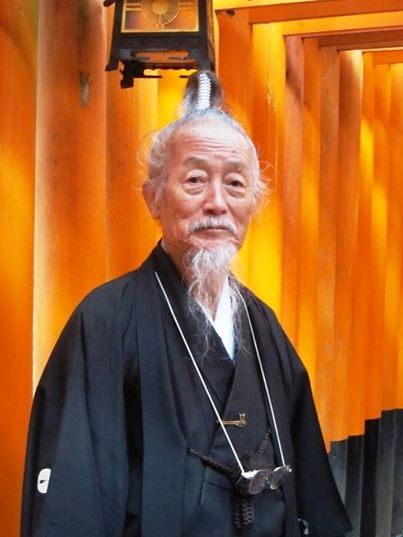
The Kyoto Imperial Palace Forest offers a change of pace after the narrow streets and compact shops. This broad, wooded area connects the walk to Kyoto’s imperial past and gives Joe room to explain the city’s long role as Japan’s imperial capital.
Kyoto served as Japan’s capital from 794 to 1868, and the tour places that period in the setting of the former imperial center. Joe discusses the legacy of the emperors and shoguns while pointing out how older Kyoto exists beside the modern city.
Do not expect a full palace tour based on the information provided. The listed experience is a visit to the Imperial Palace Forest, not an all-day exploration of every palace building. The value comes from walking through the area with someone who can connect the grounds to Kyoto’s political and cultural past.
Bring comfortable shoes. Five hours on foot, with repeated stops, is a different proposition from a short guided visit. One account also warned about mosquitoes in the forest, so insect repellent may be sensible during warmer months. That is a practical detail worth taking seriously if you react badly to bites.
Same streets, a different guide:
- Best of Kyoto: Gion, Geisha, Pagodas & Cobblestones
★ 4.9 · 2,058 reviews - Night Walk in Gion: Kyoto’s Geisha District
★ 4.5 · 2,003 reviews - Kyoto Gion Geisha District Walking Tour – The Stories of Geisha
★ 5.0 · 1,441 reviews - Nishiki Market Brunch Walking Tour (7 Tastings + Brunch)
★ 5.0 · 1,355 reviews
Market food and a light local lunch
Later, Joe takes you to a typical Japanese market where you can sample local produce and eat a light lunch. Descriptions of the food include sushi, tofu, fried chicken, snacks, and a drink, with other tastings such as sake and sweets appearing along the route.
The food is not simply a break in the schedule. It gives you a direct way to explore Kyoto’s everyday flavors, and Joe can help you understand what you are trying. The meal is described as light, but the number of tastings can add up. Some people found themselves quite full by the end.
This is a useful feature for anyone who wants help ordering or trying unfamiliar foods. You do not have to decode every market counter on your own, and Joe’s relationships with local people make the stops feel more relaxed.
Still, keep your expectations measured. This is not a dedicated food tour, and the lunch is not presented as a seated gourmet meal. It is a collection of local samples within a walking day. If food is your main reason for booking, Kyoto offers more focused culinary tours.
The katana demonstration and volunteer section
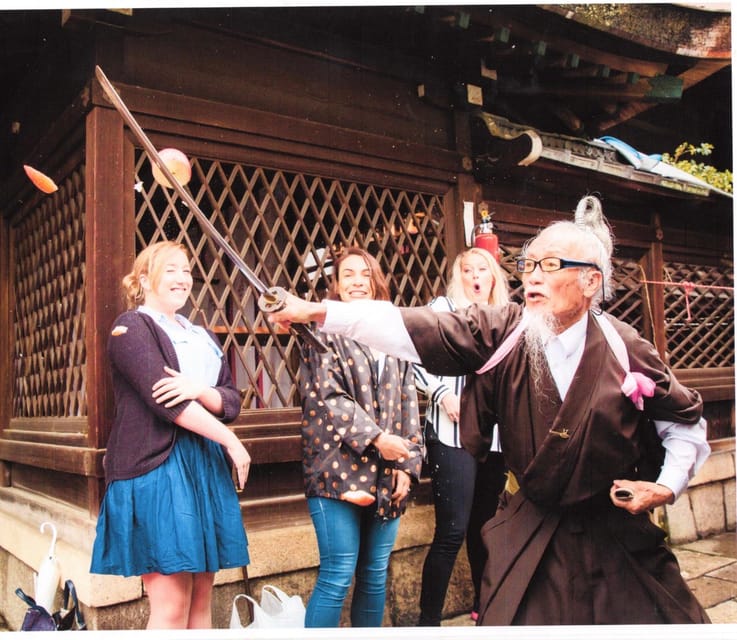
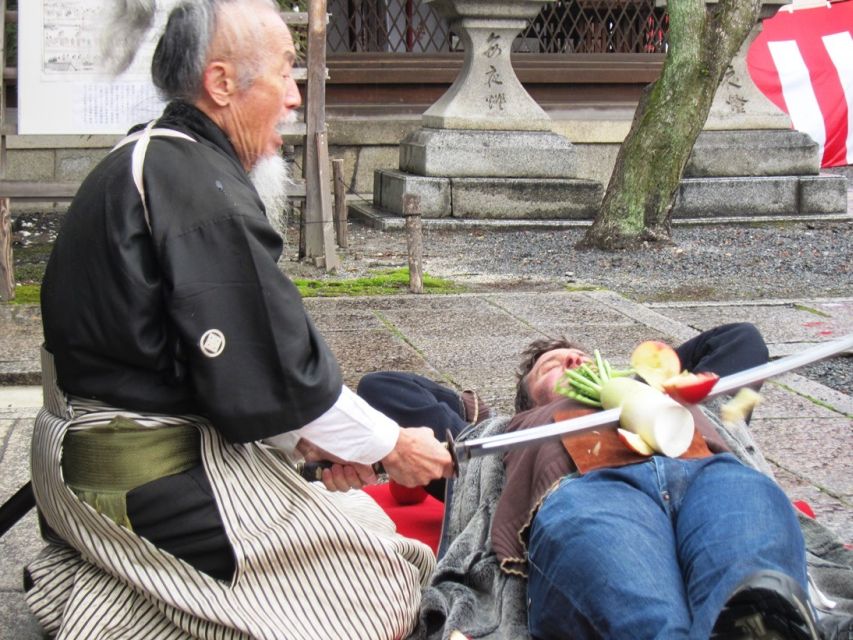
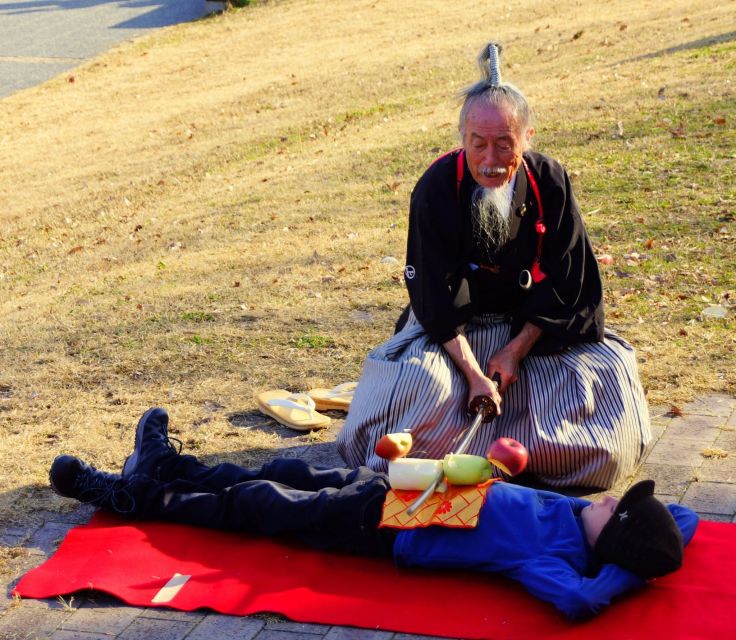
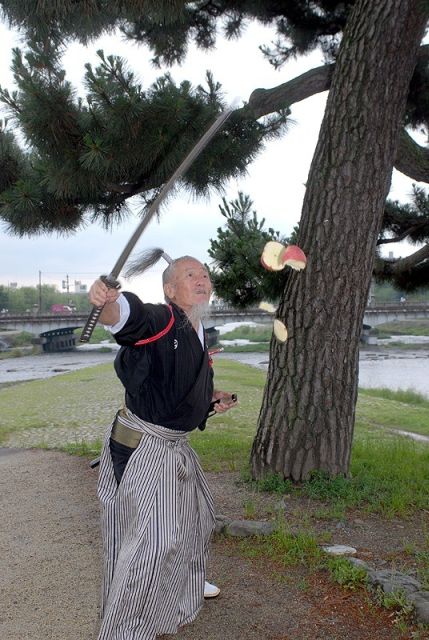
The final sword demonstration is the part that gives this walk its unusual identity. Joe shows his handling of a katana and demonstrates precision cuts, including cuts involving fruit and other targets. A volunteer is invited to help, and some participants may get a chance to hold or use a sword under Joe’s instruction.
This is more than a quick photo opportunity. The demonstration is designed as a performance, with Joe explaining techniques and engaging the group. Families with older children and teenagers may find this especially memorable, since young participants can take part rather than watch from the sidelines.
The volunteer element is also worth considering before you book. You may prefer to observe, or you may be keen to join in. The activity is framed as a demonstration with Joe guiding the participant, but the exact role for each volunteer can vary.
Joe’s age has not stopped the sword display from being a major part of the experience. His precision and confidence are central to the show, and his humor keeps the finale from feeling stiff. If the phrase last samurai is what first catches your attention, this is the section most likely to meet that expectation.
At the same time, do not mistake the tour for a formal martial arts course. You receive a demonstration and some participation, not a structured series of lessons or a certificate.
The personality factor matters here
Samurai Joe is not a neutral guide who simply moves you from stop to stop. His character shapes the whole day.
He tells stories about Japanese life, past and present, and uses humor throughout. He may compare older living conditions with modern homes, discuss traditions, or share personal memories. His easy conversation is one reason the tour works well for families and small groups who want contact with a real local personality.
Joe also helps bridge the gap between you and the people you meet. Introductions at shops and food stops can make an ordinary purchase or tasting more meaningful. You get a better sense of how Kyoto’s traditions continue in daily business.
This style will not suit everyone. If you want a quiet, tightly timed itinerary with only major landmarks, Joe’s spontaneous approach may feel loose. If you enjoy individual characters, conversation, and local encounters, it is likely to be the main reason you remember the day.
How the value works at $491
The price is $491 per group of up to five, with a five-hour duration. That includes the light lunch of local delicacies and the Samurai demonstration.
For a group of five, the per-person cost is fairly easy to defend. You are paying for a private English-speaking guide, a full half-day walk, food samples, introductions to small shops, temple and shrine visits, the Imperial Palace Forest, and a specialized performance. It can also save you the work of planning several separate activities.
For two people, the cost rises to about $245.50 each. At that level, you should be certain that the personal guiding and sword display match your interests. The tour is not the best value if you mainly want to see famous temples, since Kyoto has many lower-cost ways to do that.
The private format is useful for families and friends who want to move at their own pace. It also gives you a better chance to ask questions and take part in the demonstration. Confirm the final arrangements by email, since this activity is not instant confirmation and the provider sends confirmation within 48 hours.
Cancellation is free up to 24 hours before the activity for a full refund. Starting times vary, so check availability for your date.
Who should book this Kyoto walk
I would point this tour toward people who want a personal introduction to Kyoto rather than a standard list of landmarks.
It is a strong fit for:
- Families with children or teenagers who will enjoy calligraphy, snacks, and the sword demonstration
- First-time visitors who want help understanding temples, shrines, crafts, and local food
- Small groups who can share the $491 price
- People who enjoy guides with strong personalities and plenty of conversation
- Visitors who want to meet shop owners and see areas beyond the busiest sightseeing route
I would be more cautious if you dislike shopping stops, have difficulty walking for several hours, or want a detailed tour of the Imperial Palace buildings. The tour includes the palace forest, but its central theme is the combination of local shops, cultural explanations, food, and Joe’s performance.
Also note that the tour can run longer than five hours in some circumstances. One account described a six-hour outing, so avoid scheduling a tight train departure or another fixed appointment immediately afterward.
My verdict on the Last Samurai Kyoto tour
Book it if you want Kyoto presented through one memorable local guide. Samurai Joe’s humor, introductions, food stops, and katana display give the day a character that a standard sightseeing walk cannot easily match.
Skip it if you want maximum monument time or a purely historical tour. The craft shops take up a large part of the route, and the high total price needs to be shared by a group for the best value.
For the right group, this is less a checklist tour than a lively personal welcome to Kyoto. You leave with a better sense of local crafts, food, religious traditions, and the city’s imperial past, plus the unusual memory of watching Joe handle a samurai sword.
FAQ
Where does the tour start and finish?
The tour starts at Kyoto City Hall Plaza and ends back at the same meeting point. Look for Joe in his Samurai kimono and distinctive hairstyle.
How long does the tour last?
The scheduled duration is five hours. One description of the experience ran to six hours, so leave some flexibility after the tour.
Is the tour conducted in English?
Yes. The live guide language is English, and Samurai Joe Okada leads the experience.
What food is included?
A light lunch of local delicacies is included. The route can also include market samples, sushi, tofu, fried chicken, sweets, pastries, sake, and other snacks.
Is the sword demonstration included?
Yes. A Samurai demonstration is included, and a volunteer may be invited to participate.
How much does the tour cost?
The price is $491 per group of up to five people. It is offered as a private group experience.
New routes in Kyoto
- Kyoto : Private Custom Walking Tour With A Local Guide★ 4.6 · 144 reviews
- Kyoto: Gion Walking Tour★ 5.0 · 195 reviews
- Kyoto: Private 2.5 Hour Historical Walking Tour★ 4.9 · 121 reviews
- Kyoto: Izakaya Bars Guided Walking Tour★ 4.9 · 815 reviews
- Kyoto: Gion Sunset Walking Tour with Local Guide★ 4.7 · 351 reviews
- Kyoto: Private Walking Tour with a Local★ 4.6 · 118 reviews
- Kyoto Fushimi-Inari Night Walking Tour★ 4.8 · 171 reviews
- Kyoto Gion Cultural Walk & Geisha Show with Dining Options★ 5.0 · 518 reviews
Kyoto Walking Tours, compared.
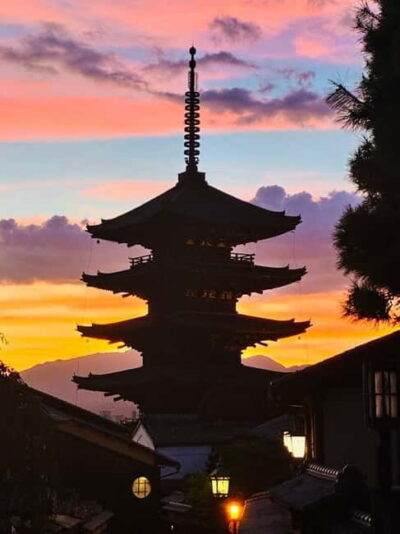
Kyoto Geisha Walking Tour: Gion District & Hidden Gems
Read our review →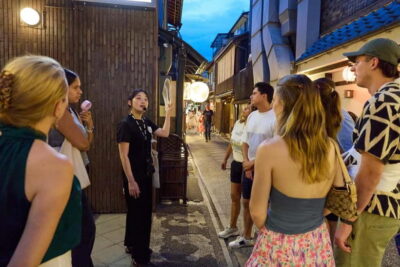
Gion Geisha District Walking Tour – Stories of Geisha
Read our review →
Best of Kyoto: Gion, Geisha, Pagodas & Cobblestones
Read our review →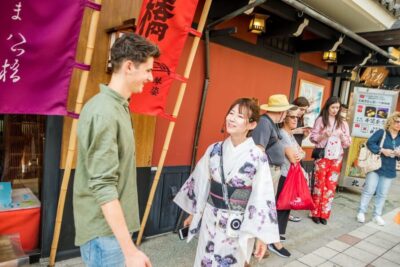
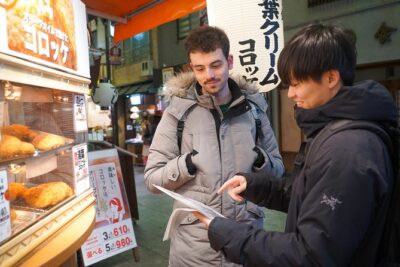
Nishiki Market Brunch Walking Tour (7 Tastings + Brunch)
Read our review →
Kyoto Arashiyama Walking Tour: Bamboo, Monkeys, Gardens & Secrets
Read our review →
Kyoto Gion: 2-Hour Geisha Culture & History Walking Tour
Read our review →
Browse the lists this tour appears in