
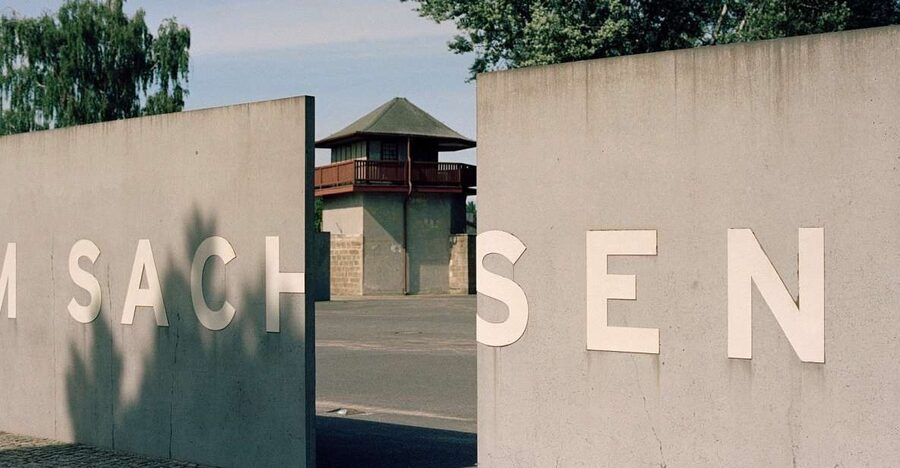
Review · BERLIN
Sachsenhausen Memorial: Walking Tour from Berlin
Sachsenhausen is not a sightseeing stop in the usual sense. It is a carefully preserved place of terror, built close to Nazi Berlin to show how a concentration camp could be planned, controlled, and copied elsewhere. I like the way this tour connects the buildings to the wider system, especially the role of forced labor, SS training, private industry, and propaganda.
I also like the three-hour guided visit and the shared train journey from Berlin, which keeps the day focused rather than leaving you to piece together a difficult site alone. Guides such as Fabio, Soleil, Lorenzo, Sueli, and Andrea have been praised for clear, compassionate storytelling. The main drawback is practical: you will walk a lot, eat no lunch at the memorial, and need to arrive early enough to catch the train.
Key points at a glance
- Sachsenhausen was built in 1936 as a model camp, designed to reflect SS control through its layout and architecture.
- The three-hour memorial visit covers major sites, including Tower A, the roll-call square, prison barracks, medical rooms, the former kitchen, and Station Z.
- The tour begins with a 40-minute train ride from Berlin, followed by a guided walk to the memorial.
- Guides bring the history to life through survivor testimony, daily-life accounts, resistance, death marches, and the camp’s postwar use.
- You need an ABC transport ticket and €3 in cash, plus comfortable shoes, food, and weatherproof clothing.
- The $511 price is for a group of up to six, so the value depends heavily on how many people share the cost.
Why Sachsenhausen Belongs on a Berlin History Day
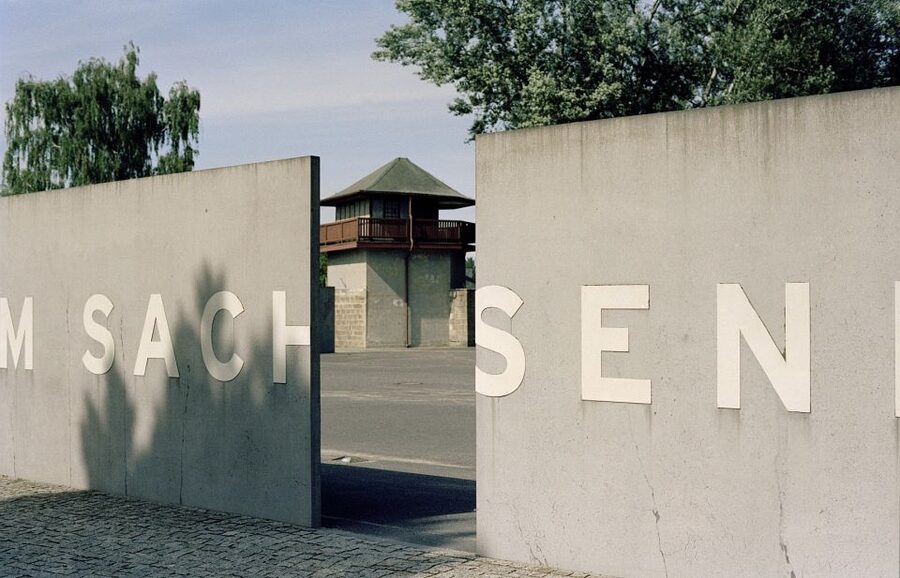
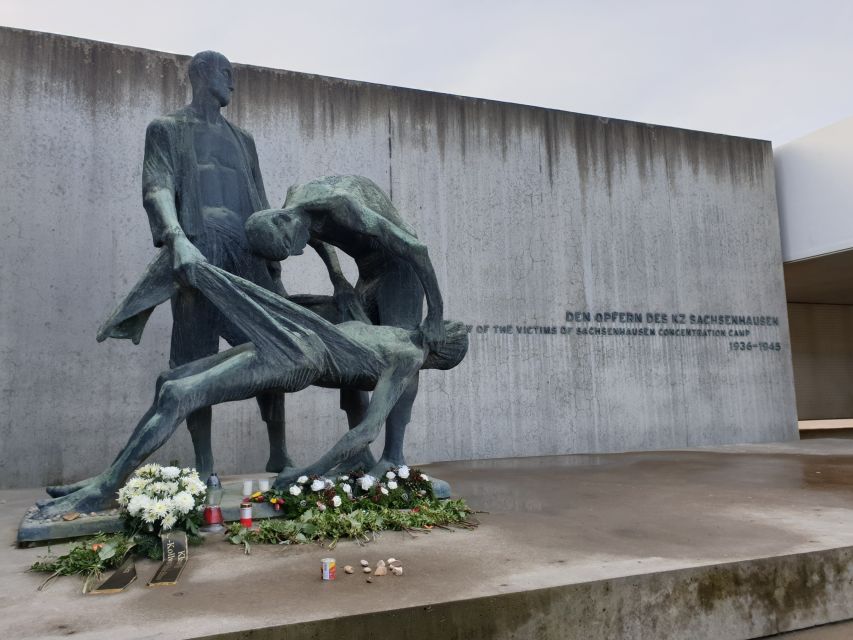
Sachsenhausen was built in 1936, only a few kilometers north of Berlin, and served as one of the Nazi regime’s early concentration camps. It was not simply a place to imprison political opponents. Over time, Sinti and Roma, Jews, prisoners of war, and Jehovah’s Witnesses were also held there.
More than 40,000 people died at Sachsenhausen under starvation, disease, forced labor, executions, and other brutal conditions. The memorial makes clear that the camp was part of a larger system, not an isolated prison hidden far from public life.
I find the site especially important because it was designed as a model SS concentration camp. Its arrangement helped the SS control prisoners and served as a template for other camps. Your guide explains how sightlines, movement routes, guard positions, and the central roll-call area turned physical space into an instrument of power.
That architectural point gives the visit more meaning. You are not only looking at old barracks. You are learning how a dictatorship used design, rules, labor, punishment, and bureaucracy to strip people of freedom and identity.
More Walking Tours in Berlin:
- Discover Berlin Half-Day Walking Tour
★ 5.0 · 9,624 reviews - Berlin City walk Government District and Places of Democracy
★ 4.7 · 8,467 reviews - Berlin: Third Reich & Cold War Guided Walking Tour
★ 4.9 · 8,378 reviews
From Berlin to Oranienburg by S-Bahn
The day begins in Berlin, with the exact meeting point depending on the option you book. You then travel by public transport to Oranienburg, the closest station to the memorial. The train journey takes about 40 minutes.
You need an ABC public transport ticket, and a 24-hour ticket for the Berlin ABC zones is recommended. This cost is not included, so plan for it before meeting the group. Bring the ticket with you rather than assuming the guide will provide one.
The group most likely catches a train departing about five minutes after the official tour start. That makes punctuality more important than it might seem. Arrive at least 15 minutes early, because the group cannot wait for late arrivals once the train leaves.
The ride gives you time to prepare for the visit. You can also eat during the train journey, which matters because food is not permitted inside the memorial and there is no lunch stop during the activity. Bring your own lunch or a substantial snack for the journey.
From Oranienburg, the itinerary includes about 20 minutes on foot to Sachsenhausen. This is not a quick taxi-style arrival. You should expect a full day of walking, public transport, and standing.
Tower A and the Roll-Call Square
The guided visit inside the memorial lasts about three to three and a half hours, depending on the precise timing of the day. One of the first important areas is Tower A and the roll-call square.
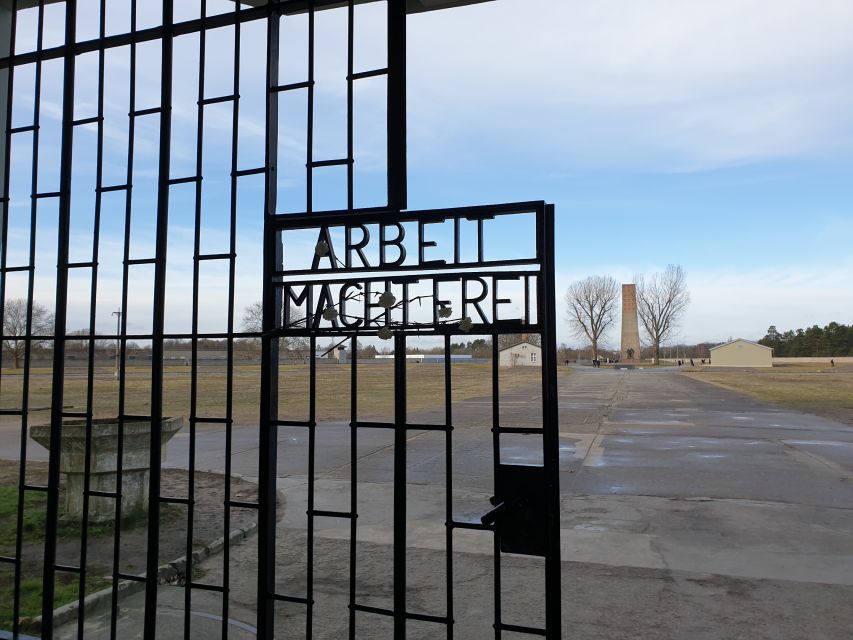
The entrance and central grounds help you understand the camp’s planned geometry. The roll-call square was used to assemble prisoners for counts, announcements, and punishment. A simple open space became part of the daily system of control.
Your guide places this area within the camp’s wider purpose. Sachsenhausen was also a training center for SS guards, so what happened here helped shape practices used across Nazi-occupied Europe. You learn not only what prisoners endured, but how the SS organized authority and made cruelty routine.
This is one reason a guided visit is useful. Without context, the open spaces and reconstructed buildings can feel hard to read. With a guide, the layout becomes evidence. You begin to see how the camp’s structure forced prisoners into exposed, controlled movement.
Forced Labor, Punishment, and Prison Barracks
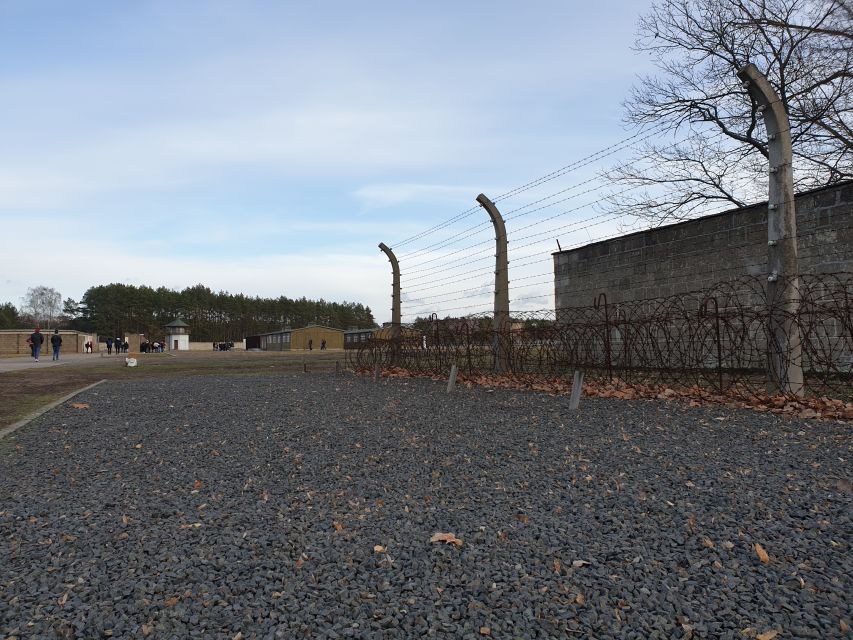
The tour then examines forced labor and punishment. Prisoners were exploited for work in a system that connected the camp to industry and the wider Nazi economy.
The guide also explains how private companies benefited from this labor. That part of the history can be uncomfortable, but it matters. Sachsenhausen was not separate from the economic life around it. The camp formed part of a machinery in which businesses, government bodies, guards, and administrators could all play a role.
You also visit prison barracks and areas connected to medical experimentation. These locations help you understand that imprisonment involved more than confinement. Prisoners faced violence, disease, exhaustion, medical abuse, and deliberate deprivation.
The tour uses historical research and survivor testimony to discuss daily life. You hear about the attempt to maintain dignity and resistance under conditions designed to crush both. The guide also covers prisoner groups and the different ways the Nazi system classified and persecuted them.
Expect this part of the tour to be emotionally difficult. The subject is not softened for easy consumption, but the guide’s tone is intended to remain clear and respectful. Names including Fabio, Soleil, Lorenzo, Sueli, and Andrea have been associated with especially strong explanations, empathy, and involvement. Your actual guide will depend on the date and language option.
Same streets, a different guide:
- Berlin: Discover Berlin Walking Tour
★ 4.9 · 5,998 reviews - Berlin’s Best: 2 Hour Walking Tour Third Reich and the Cold War
★ 5.0 · 5,486 reviews - Berlin: Hidden Backyards Guided Walking Tour
★ 4.8 · 5,360 reviews - Explore Berlin: See All The Iconic Sights & Some Hidden Gems
★ 5.0 · 4,429 reviews
The Former Kitchen and Station Z
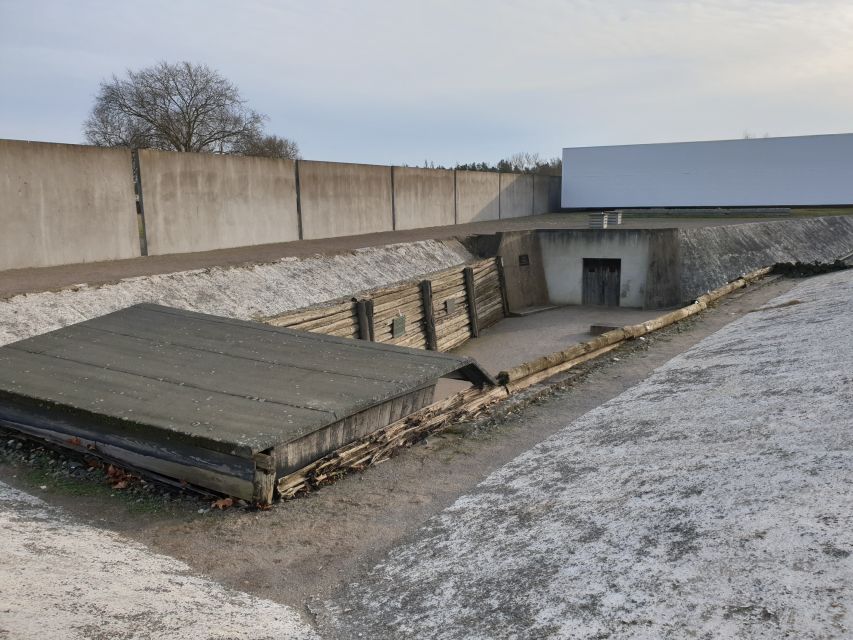
The former kitchen now houses a museum, giving the tour a place to examine camp administration, prisoner life, and the way the system operated. Kitchen buildings can sound ordinary, but here the setting helps explain the control of basic needs such as food and nourishment.
The final major location is Station Z, where the crematoriums and gas chamber once stood. This is among the hardest parts of the visit. The name itself reflects the cold administrative language used by the SS, with the camp entrance symbolically called Tower A and the killing facility placed at Station Z.
The guide explains what happened at this location and how it fits into the camp’s role within Nazi persecution. You should not expect a simple memorial display or a quick photo stop. This is a place for quiet attention.
Photography rules and memorial etiquette should be taken seriously, even though the supplied activity information does not list detailed photography restrictions. Smoking, alcohol, and drugs are not allowed, and nudity is prohibited. Keep your behavior restrained throughout the grounds.
The Camp’s Final Months and the Soviet Special Camp
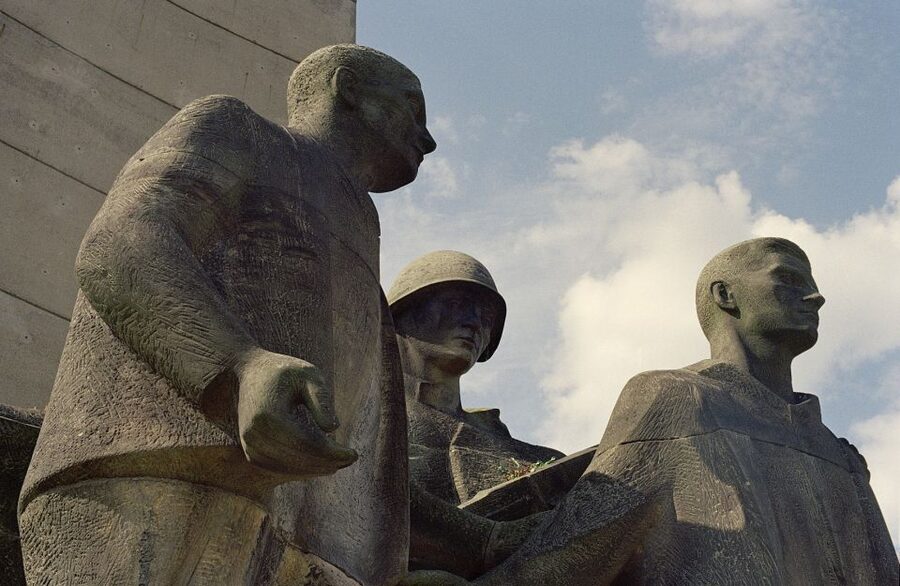
The tour does not end in 1945. You also learn about the death marches at the end of the war and the site’s later use under Soviet occupation.
After the war, Sachsenhausen operated as a Soviet special camp. Thousands of people, including former Nazis, political opponents, and civilians, were detained there. Many died from hunger and disease.
This postwar chapter is valuable because it prevents the site from becoming a single-period story. The memorial shows how the grounds continued to be used for detention after the Nazi camp closed. That history does not erase the Nazi crimes, nor does it make the two systems identical. It adds another layer that you might miss on a shorter, self-guided visit.
Your guide’s account of the site’s changing use also helps you think about memory. The buildings were not frozen in 1945. They continued to carry political meaning, and the way the site is presented today reflects several periods of German and European history.
What the Guide Adds
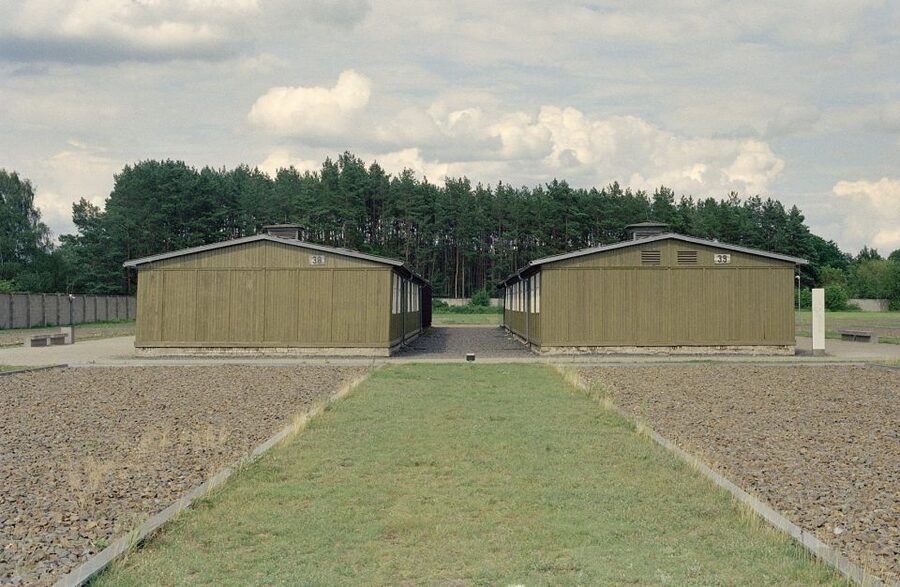
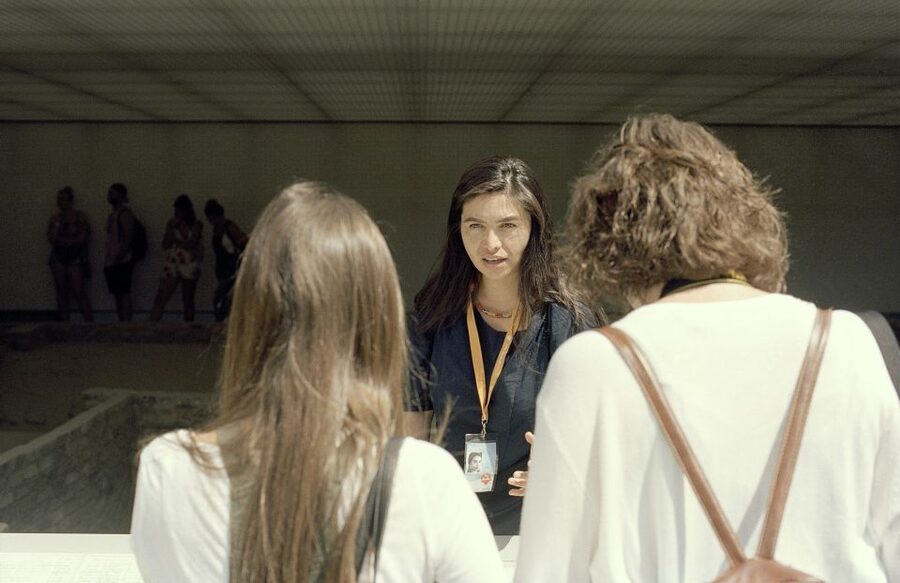
This tour is built around explanation rather than simply transport to a memorial. The guide leads the walking route, identifies the major locations, and connects them to survivor testimony and historical research.
The most highly praised feature is the guide’s handling of difficult material. Fabio was described as bringing the group fully into the story through passion and detail. Lorenzo was praised for dates, facts, and the wider picture. Soleil and Sueli were singled out for making the visit more interesting, personal, and respectful. Andrea was noted for clear and involving storytelling.
Those comments point to what you should look for in a good guide: accurate information, control of the pace, and the ability to discuss mass violence without turning it into spectacle. The tour is offered in English, French, and Italian, with the activity details also referring to Italian or Spanish options in some places. Check the exact language before booking, since the information is not perfectly consistent on this point.
Groups can be as large as 25 people, while a private group is also available. A larger group may feel less personal and can make it harder to hear in open areas. The private option costs more, but for a family or group of friends, it may offer a calmer pace and easier questions.
Is $511 a Fair Price?
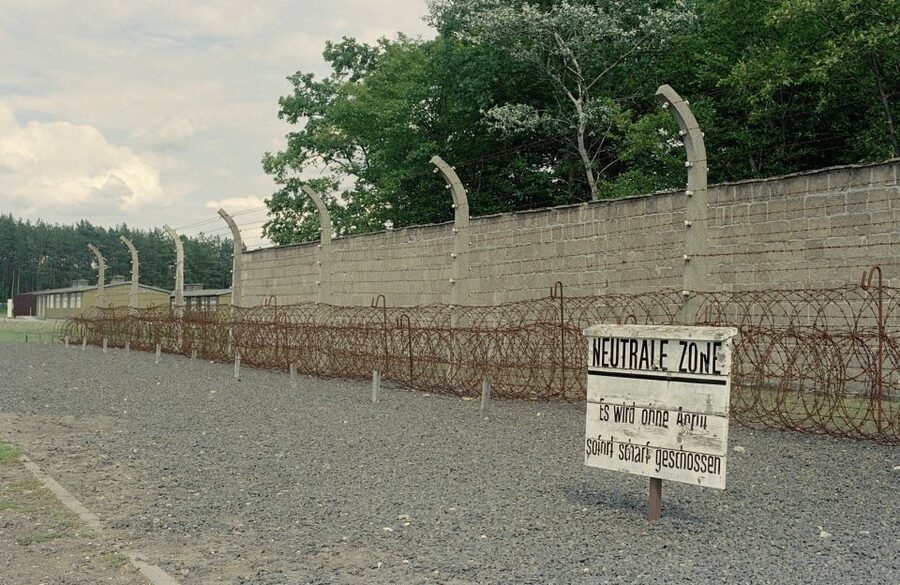
The listed price is $511 per group of up to six, not per person. If six people share the cost, that works out to roughly $85 per person before transport tickets and the memorial donation. For two people, the individual cost is much higher.
The price includes the walking tour and guide, but not ABC transport tickets or the required €3 cash donation per participant. The donation goes to the memorial, so treat it as a necessary contribution rather than an optional extra.
I think the price can make sense for a full private group that wants door-to-door guidance from the Berlin meeting point and a structured visit with a specialist guide. It is harder to justify for a small party if you are comfortable using public transport and arranging an independent visit.
The value also depends on what you want from Sachsenhausen. If you mainly want to see the grounds, self-guided entry may cost less. If you want the camp’s design, forced labor system, prisoner experience, SS training role, private industry connections, death marches, and Soviet history explained in one organized day, the guided format gives you more structure.
Free cancellation up to 24 hours before departure and reserve-now, pay-later booking add useful flexibility. Still, the transport and timing rules are firm on the day itself.
Walking, Weather, and Emotional Preparation
Wear comfortable shoes. You will walk from the train station, across the memorial grounds, between buildings, and back through the transport route. The activity runs in all weather, so bring clothing suited to rain, cold, heat, or wind.
You should also prepare yourself mentally. Sachsenhausen is a place of political and racist terror, and the tour deals directly with imprisonment, forced labor, medical experimentation, mass death, and crematoria. It is appropriate for people who want to confront this history, but it may not suit anyone looking for a light half-day outing.
Eating is not allowed inside the memorial, and there is no lunch break during the activity. Bring food and drinks for the train journey, but do not count on a restaurant stop. Water is especially sensible on a warm day, since the visit lasts several hours.
After the guided tour, you can return to Berlin with the group or stay longer at the memorial to explore on your own. The return train takes about 40 minutes. Drop-off points are listed at Potsdamer Platz 10 and Friedrichstraße 141, though the exact return arrangement can depend on the booking option.
Who Should Book This Sachsenhausen Tour?
I would choose this tour if you want a serious, guided history day outside central Berlin and prefer not to manage the public transport connection and memorial route alone.
It suits:
- First-time visitors to a concentration camp memorial
- People interested in Nazi Germany, political repression, and Holocaust history
- Families or friends who can share the private-group price
- Visitors who want survivor testimony and wider historical context
- People comfortable with several hours of walking and emotionally hard subject matter
I would think twice if you want a quick visit, dislike group transport, or need a guaranteed meal break. The schedule is fixed, late arrivals cannot be accommodated, and the memorial demands attention rather than casual sightseeing.
Should You Book It?
Book this Sachsenhausen tour if a guide’s interpretation is central to your visit. The strongest part is the way the tour links the camp’s physical design to the Nazi system of control, then continues through forced labor, prisoner life, Station Z, the death marches, and the Soviet special camp.
The $511 price is most attractive when shared by six people. For a smaller party, compare it with the cost and effort of visiting independently. Either way, bring an ABC ticket, €3 in cash, lunch for the train, and shoes that can handle a long walk.
If you are ready for a difficult but important day, this tour gives you a clear route through one of Europe’s most serious memorial sites and the historical tools to understand what you are seeing.
FAQ
How long does the Sachsenhausen tour take?
The full activity lasts about six hours, including the train journeys, walking from Oranienburg, and the guided visit inside the memorial.
How do I get from Berlin to Sachsenhausen?
You travel with the group by S-Bahn from Berlin to Oranienburg, a journey of about 40 minutes. From Oranienburg, the memorial is reached on foot in about 20 minutes.
Do I need to buy a public transport ticket?
Yes. ABC public transport tickets are not included. A 24-hour ticket for Berlin’s ABC zones is recommended.
Is there an extra memorial fee?
Yes. Each participant must pay a €3 donation in cash at the meeting point. The full amount is donated to the Sachsenhausen Memorial.
What languages are available?
The activity lists English, French, and Italian live guides. Other details refer to Italian or Spanish-speaking guides for some options, so confirm the language when booking.
Can I eat lunch at Sachsenhausen?
No. Eating is not permitted on the memorial site, and there is no lunch stop during the activity. Bring your own food and drinks for the train journey.
Can I stay at the memorial after the guided tour?
Yes. You are welcome to remain longer and explore on your own before returning to Berlin.
New routes in Berlin
- Small Group Walking Tour: “Wild Kreuzberg”★ 4.8 · 199 reviews
- Berlin: Prenzlauer Berg District Guided Walking Tour★ 4.9 · 316 reviews
- Berlin: 2.5-Hour Walking Tour through Kreuzberg 61★ 4.9 · 525 reviews
- From Berlin: Potsdam & Sanssouci half day Walking Tour★ 4.9 · 85 reviews
- Explore Berlin: Walking Tour of All The Iconic Sites★ 4.9 · 855 reviews
- East Berlin and the Wall: Walking Tour★ 4.9 · 407 reviews
- Cold War, Berlin Wall, Spies and the East Side Gallery★ 4.8 · 254 reviews
- Berlin: Sightseeing Walking Tour of the Top 20 Attractions★ 4.5 · 196 reviews
Berlin Walking Tours, compared.
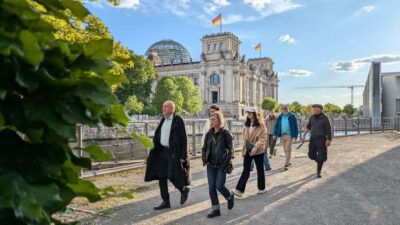
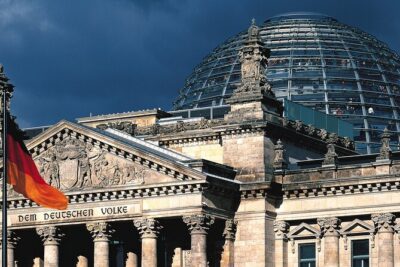
Berlin City walk Government District and Places of Democracy
Read our review →
Berlin’s Best: 2 Hour Walking Tour Third Reich and the Cold War
Read our review →
Explore Berlin: See All The Iconic Sights & Some Hidden Gems
Read our review →
Third Reich Berlin: Hitler and WWII Walking Tour
Read our review →
Berlin Center Food Tour with 8+ Authentic Local Tastings
Read our review →
Browse the lists this tour appears in