
Review · BERLIN
Berlin: Prenzlauer Berg District Guided Walking Tour
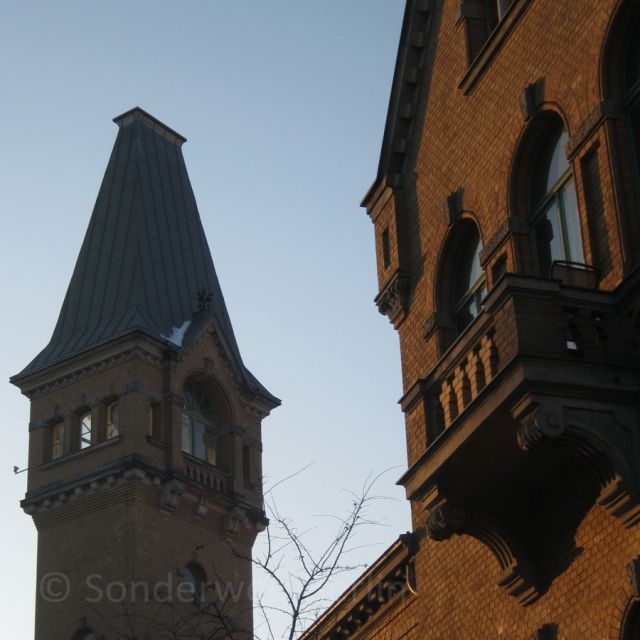
Prenzlauer Berg is best understood on foot, one block and one past life at a time. This 2.5-hour walk takes you from the Jewish Cemetery and old Wasserturm to Mauerpark, Rykestraße, and the streets where former East Berlin character now meets cafés, families, and rising property prices. The big appeal is context, not just a checklist of sights.
I like the walk for two reasons: it connects history with present-day change, and it explores both sides of Schönhauser Allee rather than sticking to the postcard streets. A possible drawback is the amount of walking, with no food or drinks included and a meeting point that can vary by booking option.
Key points at a glance

- See Prenzlauer Berg beyond its cafés: The route includes the Jewish Cemetery, Wasserturm, Mauerpark, Rykestraße Synagogue, and the Oderberger Straße public pool.
- Follow the district’s sharp change: Your guide explains how a rougher East Berlin neighborhood became one of the city’s most sought-after areas.
- Walk with historical depth: Guides such as Tobias have used museum and history backgrounds to explain architecture, politics, urban planning, and daily life.
- Get both major sights and small details: The route includes well-known places along with buildings and corners that are easy to miss on your own.
- Plan for a steady 2.5-hour stroll: Wear comfortable shoes and remember that food and drinks are not part of the price.
- Good value at $23: You get a live guide in German or English, a focused district tour, and more local context than a quick self-guided walk.
Why Prenzlauer Berg rewards a walking tour
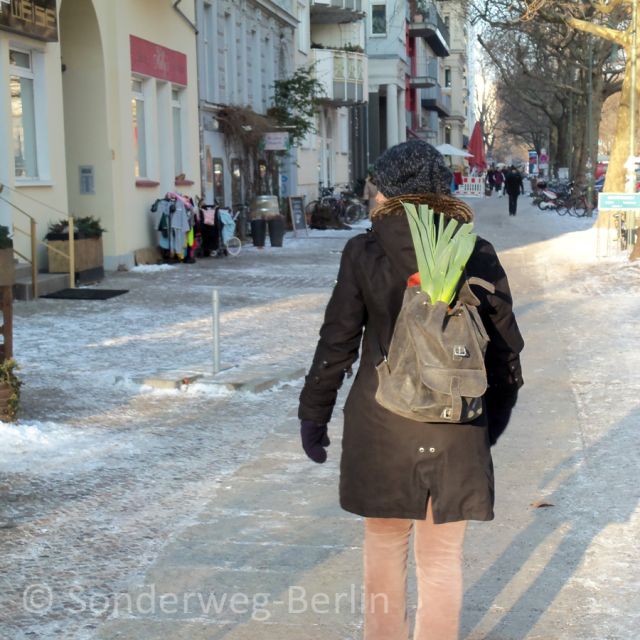
Prenzlauer Berg can look easy to understand at first. You see handsome old buildings, leafy squares, restaurants, and busy sidewalks. But its current image tells only part of the story.
The district’s past is more complicated. Its streets have seen Jewish life, industrial growth, war, division, East German rule, reunification, and rapid redevelopment. A guide can point out where those layers meet, which is difficult to grasp from a casual stroll.
That is the real value here. You are not simply walking from one attraction to the next. You are learning why the neighborhood looks the way it does, and why some residents see its changes as welcome renewal while others see the loss of an older community character.
The tour is also a useful choice if you have already seen Berlin’s major sights. The Brandenburg Gate, Berlin Wall Memorial, and Museum Island explain the city’s broad story. Prenzlauer Berg gives you a closer look at neighborhood life, housing, religious buildings, public spaces, and local identity.
More Guided Walks in Berlin:
- Berlin: Third Reich & Cold War Guided Walking Tour
★ 4.9 · 8,378 reviews - Berlin: Hidden Backyards Guided Walking Tour
★ 4.8 · 5,360 reviews - Berlin: City Street Art Guided Walking Tour
★ 4.8 · 1,051 reviews
Starting near Schönhauser Allee
The walk begins in the heart of Prenzlauer Berg, though the exact meeting point depends on the option you book. From there, the route moves east and west of Schönhauser Allee, the district’s main street.
That direction matters. Schönhauser Allee is not just a road to cross on the way to another sight. It helps divide and connect different parts of the neighborhood. As you move away from it, the character of the streets shifts, and your guide can explain how the district developed around its transport routes, older housing, and public institutions.
This is a tour where listening matters as much as looking. You will pass ordinary façades and corners that may seem unremarkable until someone explains their use, age, or place in Berlin’s past. Bring questions. The strongest experiences described by past participants came from conversation, especially when the guide moved beyond prepared facts into Berlin’s politics, planning, residents, and changing identity.
The small-group atmosphere may vary. One past outing had only two people and felt almost private, while another had about 40 participants. That means your experience can depend partly on the date and group size. A large group may be less intimate, but the guide has handled sizable groups successfully.
The Jewish Cemetery on Schönhauser Allee
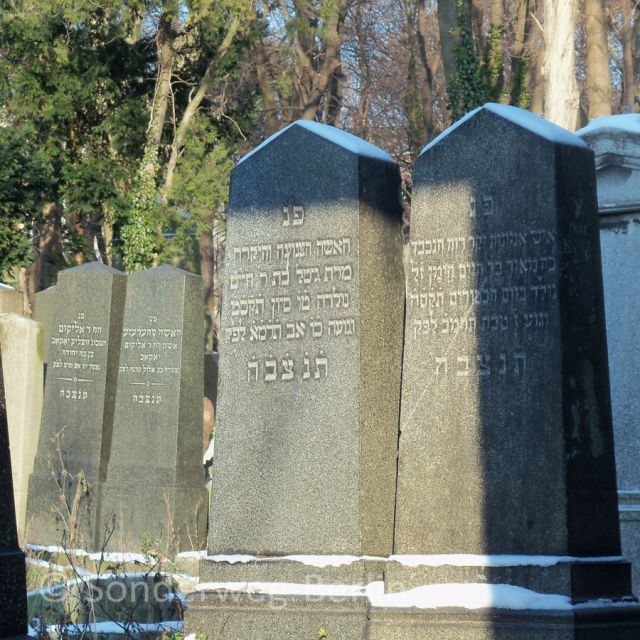
The Jewish Cemetery is one of the route’s most important stops because it gives the walk a quiet, serious center. It is not simply another old site to photograph. It points to the Jewish presence in Berlin and to the violence and disruption that shaped the city in the 20th century.
Your guide can help you read the cemetery as part of Prenzlauer Berg’s wider story. It connects religious life, local memory, and the district’s changing population. You may find the stop especially useful if you want to understand Berlin through individual neighborhoods rather than only through national monuments.
As with any cemetery, this part of the tour calls for respect. It is a place for careful observation and questions, not hurried sightseeing. The stop also breaks up the more energetic parts of the walk, giving the tour a different pace before it moves toward the Wasserturm and Mauerpark.
The Wasserturm and the older district
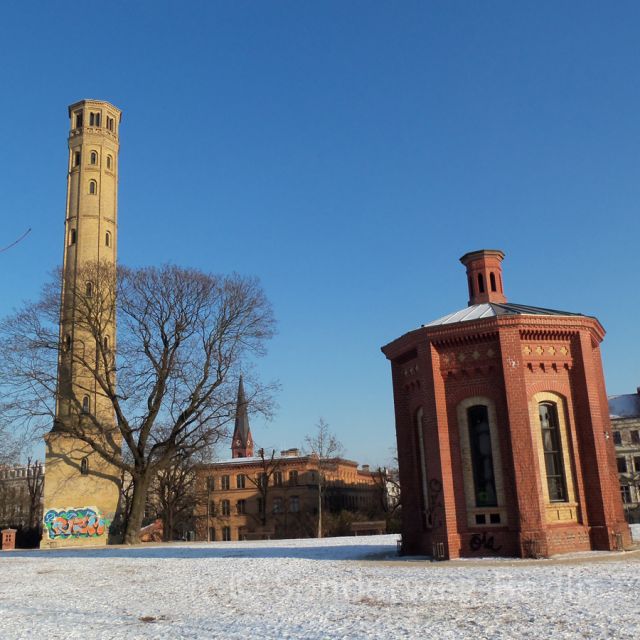
The Wasserturm, or Water Tower, is one of Prenzlauer Berg’s most recognizable landmarks. Its practical purpose tells you something about the district’s growth and infrastructure. A water tower is not a royal monument or grand museum, but it reveals how a city supported expanding neighborhoods and urban life.
The site also helps set up the tour’s broader theme: Berlin’s past is often visible in everyday structures. You do not need to be an architecture specialist to appreciate the stop. Your guide explains what you are seeing and why it mattered, making the tower useful as more than a quick photo opportunity.
From here, the walk can move between public history and street-level detail. You might notice building façades, courtyards, street layouts, and signs of reuse that are easy to pass without comment. This is where the guide’s interpretation earns its keep. At $23, the price is modest if you would otherwise spend several hours researching the district on your own.
More Walking Tours in Berlin:
- Discover Berlin Half-Day Walking Tour
★ 5.0 · 9,624 reviews - Berlin City walk Government District and Places of Democracy
★ 4.7 · 8,467 reviews - Berlin: Discover Berlin Walking Tour
★ 4.9 · 5,998 reviews - Berlin’s Best: 2 Hour Walking Tour Third Reich and the Cold War
★ 5.0 · 5,486 reviews
Kollwitzplatz and the district’s polished side
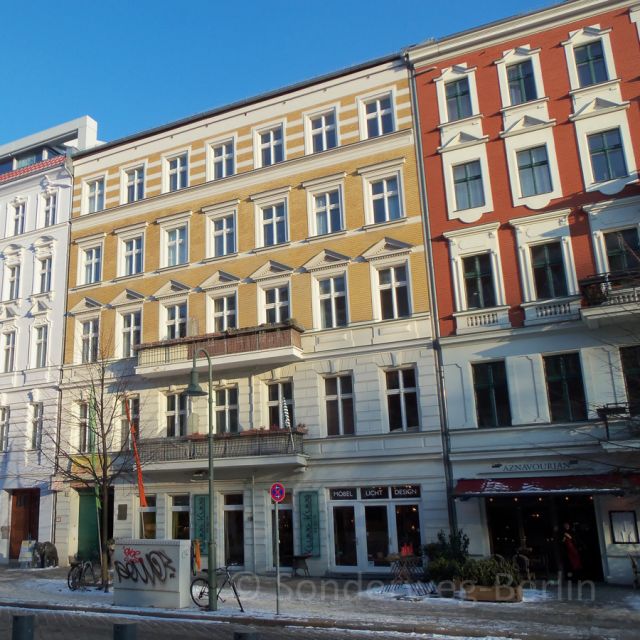
Kollwitzplatz shows the Prenzlauer Berg that many people now know: attractive streets, pleasant public space, and a more comfortable, polished feel. It helps you see why the district became so popular.
But the tour does not treat this area as a simple success story. The point is to compare the neighborhood’s current appearance with its earlier character. Prenzlauer Berg has gained prosperity and diversity, yet those gains have also brought pressure and change. A good guide gives you room to consider both sides.
This is one reason the tour suits curious repeat visitors. You can admire the square and still ask what has disappeared, who can afford to live nearby, and how the area’s social mix has shifted. The tour is not presented as a sales pitch for Berlin’s trendiest district. It gives you the background needed to make your own judgment.
Mauerpark, from border zone to public meeting place
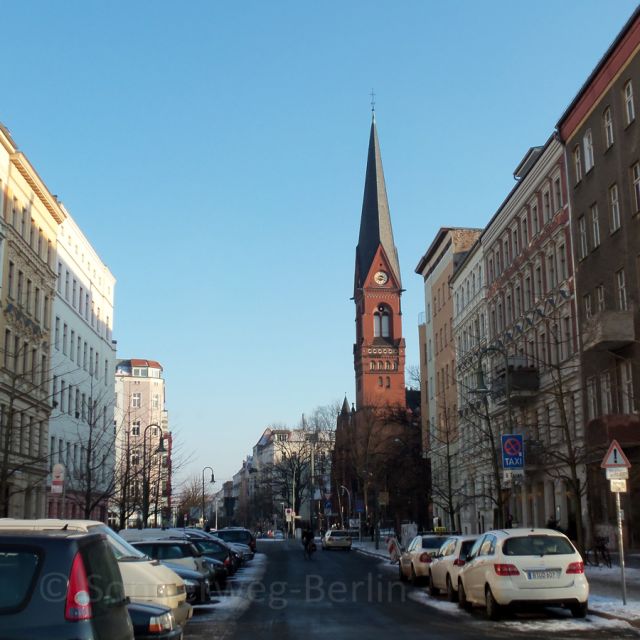
Mauerpark is the route’s liveliest stop, especially if you visit on a Sunday. The park is famous for its flea market and live music shows, so it offers a different kind of Berlin history from the cemetery or water tower.
Its past is tied to the Berlin Wall and the division of the city. Its current life is tied to open public space, secondhand shopping, music, and informal gatherings. That contrast makes Mauerpark a useful place to discuss how Berlin has reused spaces shaped by division.
You should keep expectations realistic. The tour does not include food, drinks, or shopping time, so you are seeing Mauerpark as part of a guided route rather than spending a full Sunday there. If the flea market or live performances are your main goal, you will want to check the day and timing separately.
Even with limited time, the stop gives you a feel for the park’s role in local life. You see how a former border area became a place where people meet, browse, perform, and spend time outdoors. It is a strong example of the tour’s main idea: places change, but their earlier uses still shape how we understand them.
Bernauer Straße and the Messel House
The walk continues along Bernauer Straße to see the Messel House. Bernauer Straße is closely linked with Berlin’s divided past, so this section adds another layer to the discussion of Mauerpark and the former border area.
The Messel House is a more specific architectural point, and it gives the guide a chance to move from major political events to the design and use of individual buildings. This mix is helpful. Berlin’s story is not only about walls, governments, and wars. It is also about homes, institutions, construction, and the people who used them.
You may find this part less immediately dramatic than Mauerpark, but that is exactly why a guided walk works well. The route encourages you to notice places that would otherwise pass in the background. If you enjoy architecture, city planning, or the way ordinary buildings record social change, pay close attention here.
Rykestraße Synagogue and Oderberger Straße pool
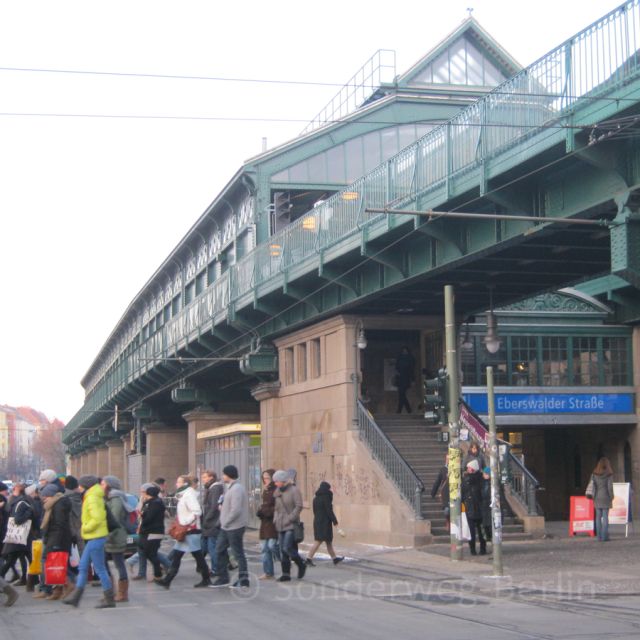
The grand synagogue on Rykestraße is another major stop. Its presence adds religious and architectural depth to the walk, while also returning to the subject of Jewish life in Berlin. After the cemetery, the synagogue helps connect remembrance with an active place of worship and neighborhood identity.
The public pool on Oderberger Straße offers a different window onto city life. Public facilities may seem less dramatic than a synagogue or cemetery, but they show how neighborhoods serve residents. The pool also fits the tour’s interest in how older buildings and institutions continue to shape Prenzlauer Berg’s appeal.
These stops are useful for people who prefer a city tour with variety. You are not spending the entire time on one theme or in one type of place. The route moves among religion, infrastructure, leisure, architecture, urban change, and local politics.
Do not expect entry into every site. The supplied details describe a walking route with stops in front of or around notable buildings, and food and drinks are not included. The main experience is the guide’s explanation and the chance to see the district in context.
What makes the guide important
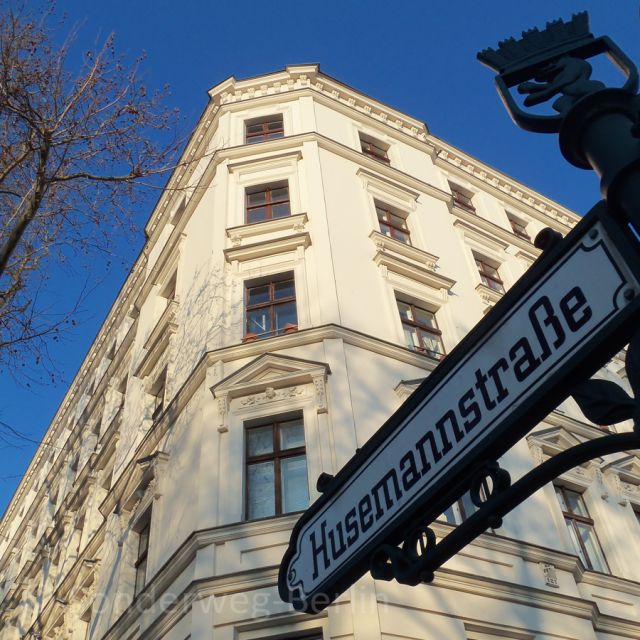
The guide can make or break a neighborhood tour. Prenzlauer Berg has enough attractive streets to fill a walk, but pretty buildings alone do not explain the area.
Tobias is one guide associated with this experience. His background in museums and history has helped him cover the district with unusual depth, including Berlin’s urban planning, politics, residents, and social changes. He is also described as humorous and willing to answer questions, which matters during a long walking route.
Guide assignments can vary, so you should not assume Tobias will lead every departure. Still, the tour’s strongest quality is clear: it depends on a guide who can connect facts rather than recite isolated dates.
I would arrive ready to ask about the things that interest you. Ask how the district changed after reunification, what happened to older residents, how the former East Berlin identity survives, or why certain public buildings matter. The format allows that kind of exchange, and several departures have worked well for people seeking something more detailed than a river cruise or a museum visit.
Is $23 a fair price?
At $23 per person, this is good value if you want a focused introduction to one Berlin district. The tour lasts 2.5 hours and includes a live guide in German or English. You are paying for interpretation, route planning, and local context rather than admissions or refreshments.
That distinction matters. If you prefer to move quickly and take only photographs, you may find a self-guided walk more flexible. You can also spend less by wandering on your own, though you will miss much of the explanation connecting the sights.
The price works especially well for a first day in Prenzlauer Berg. You can use the walk to decide where you want to return later, perhaps to Mauerpark, Kollwitzplatz, or one of the streets around Rykestraße and Oderberger Straße.
The tour offers free cancellation up to 24 hours before the start, and you can reserve now and pay later. Those terms help if your Berlin plans are still shifting. Check the start time and meeting point for your chosen option, since both can vary.
Who should book this walk?
I would choose this tour if you want:
- A neighborhood-focused experience instead of another central Berlin highlights tour
- Historical context mixed with architecture and present-day city life
- A guided walk that welcomes questions
- An introduction to Prenzlauer Berg before exploring it on your own
- A useful activity for a repeat visit to Berlin
- A balanced look at gentrification, prosperity, memory, and local change
You should think twice if you dislike walking for 2.5 hours or want a tour centered on food, nightlife, or museum interiors. Nothing indicates that food, drinks, or admission tickets are included, so budget separately if you plan to continue your outing at the market or in a café.
The walk can also suit families with older children who are comfortable listening while walking, though the supplied details do not specify a minimum age or family program. If you need a fully private experience, ask about group arrangements rather than assuming a small party. Group size has varied from two people to around 40.
Final call: book it for the story behind the streets
Book the Prenzlauer Berg walking tour if you want Berlin to make more sense at neighborhood level. You will see well-known places such as Mauerpark and the Wasserturm, but the better reason to go is the connection among them.
The tour earns its 4.9 rating from 316 reviews through strong guiding, clear explanations, humor, and the chance to ask real questions. Tobias has been especially praised for turning the area into more than a collection of sights, though your guide may be someone else.
For $23, I think it is a smart choice for history fans, architecture lovers, repeat visitors, and anyone curious about how a once rougher East Berlin district became one of the city’s most desirable addresses. Bring comfortable shoes, an open mind, and enough time afterward to explore the places that catch your attention.
FAQ
How long does the Prenzlauer Berg walking tour last?
The tour lasts 2.5 hours.
What language is the tour offered in?
A live guide is available in German or English.
How much does the tour cost?
The listed price is $23 per person.
What places are included on the route?
The route includes the Jewish Cemetery on Schönhauser Allee, the Wasserturm, Kollwitzplatz, Mauerpark, Bernauer Straße, the Messel House, Rykestraße Synagogue, and the public pool on Oderberger Straße.
Are food and drinks included?
No. Food and drinks are not included in the tour price.
Where does the tour meet?
The meeting point can vary depending on the option booked. Check the details for your selected option before setting out.
Can I cancel the booking?
Yes. You can cancel up to 24 hours in advance for a full refund. You can also reserve now and pay later.
New routes in Berlin
- Small Group Walking Tour: “Wild Kreuzberg”★ 4.8 · 199 reviews
- Sachsenhausen Memorial: Walking Tour from Berlin★ 4.7 · 132 reviews
- Berlin: 2.5-Hour Walking Tour through Kreuzberg 61★ 4.9 · 525 reviews
- From Berlin: Potsdam & Sanssouci half day Walking Tour★ 4.9 · 85 reviews
- Explore Berlin: Walking Tour of All The Iconic Sites★ 4.9 · 855 reviews
- East Berlin and the Wall: Walking Tour★ 4.9 · 407 reviews
- Cold War, Berlin Wall, Spies and the East Side Gallery★ 4.8 · 254 reviews
- Berlin: The Time of National Socialism Walking Tour★ 5.0 · 220 reviews
Berlin Walking Tours, compared.
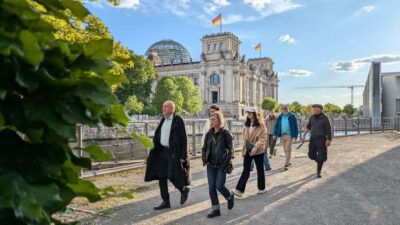
Berlin City walk Government District and Places of Democracy
Read our review →
Berlin’s Best: 2 Hour Walking Tour Third Reich and the Cold War
Read our review →
Explore Berlin: See All The Iconic Sights & Some Hidden Gems
Read our review →
Third Reich Berlin: Hitler and WWII Walking Tour
Read our review →
Berlin Center Food Tour with 8+ Authentic Local Tastings
Read our review →
Browse the lists this tour appears in