
Review · OSAKA
Osaka: Main Sights and Hidden Spots Guided Walking Tour
Osaka reveals itself in layers on this tour. You begin with the grand stone walls of Osaka Castle, then move through Korea Town, department-store food halls, old Shinsekai, and the neon streets of Dotonbori. It is a fast, useful way to see how Osaka shifted from castle city to merchant capital to modern food-and-entertainment center.
I like the wide mix of neighborhoods and the guides’ ability to connect them. Kevin, Ferdinand, Oisin, Bryan, and others are repeatedly praised for explaining history in plain English, helping with photos, and offering practical food and sightseeing tips. I also like that the route uses public transport instead of pretending every major sight is within an easy walk.
The catch is the pace. Four hours covers a lot, but you will walk more than 10,000 steps according to one guest, use trains, and keep moving. There are no planned food stops, so bring water and buy snacks along the way. The tour runs rain or shine.
Key points at a glance
- Osaka Castle Park: Learn how Osaka’s castle shaped Japanese politics while viewing the exterior and surrounding grounds, without entering the castle.
- Korea Town in Tsuruhashi: Walk narrow pre-war streets and see a side of Osaka most first-time visitors miss.
- Harukas and the food hall: Get a high view of the city, then inspect premium foods such as puffer fish and Kobe beef below.
- Shinsekai to Namba: Move from an older entertainment district into Osaka’s present-day shopping and dining center.
- Dotonbori, Kuromon, and Doguyasuji: Finish among famous signs, a long-running fish market, kitchen goods, wax food models, and giant pottery.
- Four hours for $59: The price is strong if you value local transport guidance, context, and an efficient first look at Osaka.
Osaka in four hours, from castle walls to neon streets
This is not a gentle stroll around one compact district. It is a city sampler, with the guide leading you between several areas by subway and on foot. That structure is the main reason to book it. You see parts of Osaka that would take more planning to connect on your own.
The route begins at Tanimachiyonchome Station Exit 2 and ends in Namba. That direction makes sense for a first day: start with Osaka’s political past, pass through local neighborhoods, and finish where the city’s restaurants, signs, markets, and shopping streets are at full volume.
At $59 per person, the value depends on what you want. Your fee covers the guide and walking tour, but not subway fares, food, drinks, or hotel pickup. If you already enjoy researching train routes and historical sites, you could recreate much of the day for less. If you want a local person to explain what you are seeing and keep the route moving, the price is fair.
The tour has earned a 4.9 rating from 702 reviews, and the praise is unusually consistent about three things: strong historical explanations, friendly guides, and access to districts that are easy to skip. That does not remove the practical limits, but it tells you where the experience is strongest.
More Guided Walks in Japan:
- Tokyo: Shinjuku Local Bar and Izakaya Guided Walking Tour
★ 4.9 · 1,794 reviews - Tokyo: Tsukiji Fish Market Guided Walking Tour
★ 4.9 · 1,397 reviews - Kyoto: Izakaya Bars Guided Walking Tour
★ 4.9 · 815 reviews
Osaka Castle Park and the struggle for power
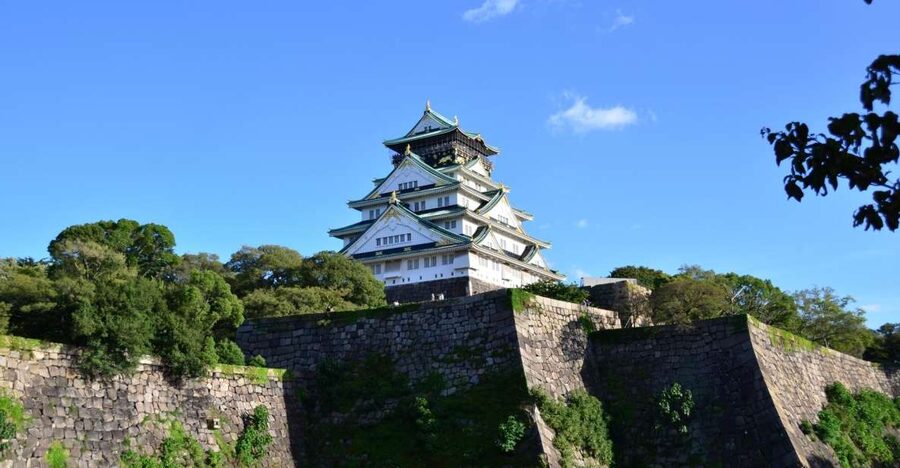
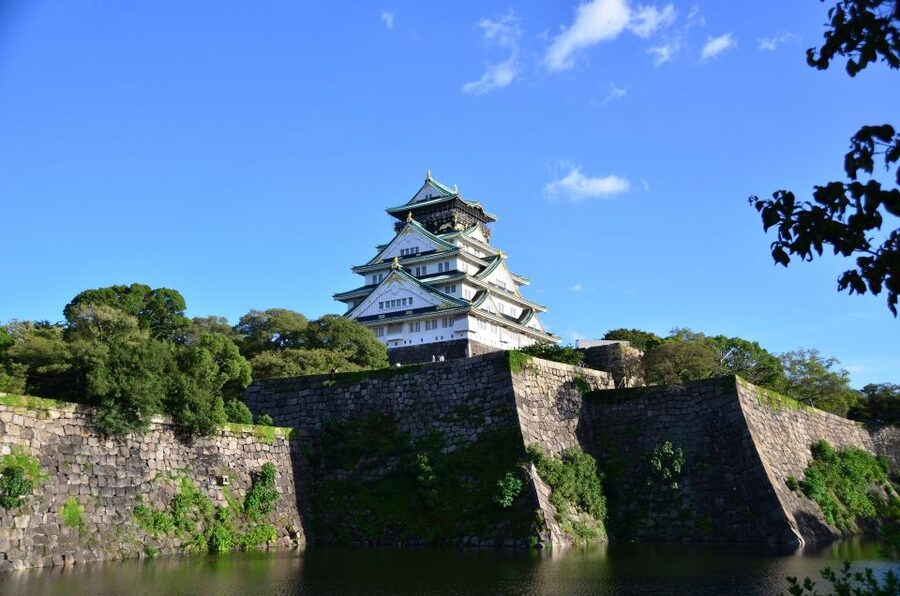
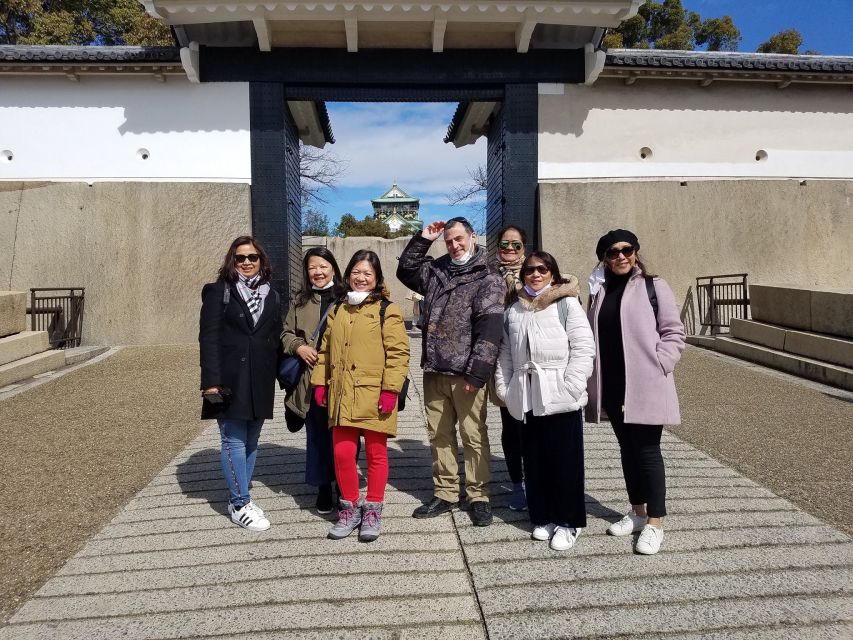
The first major stop is Osaka Castle Park, with about 75 minutes set aside for a guided visit and sightseeing. You do not go inside the castle. Instead, you admire its imposing exterior and walk through the broad park around it.
That distinction matters. If your main goal is to see the castle museum or climb inside the tower, this tour will not meet that goal. If you want the setting, the walls, the scale, and the story, the stop gives you a useful beginning.
The guide explains Osaka’s role during the shogun period and how the city was nearly taken from Japan about 400 years ago. Ferdinand has been singled out for turning this part of the day into a clear story rather than a list of dates. Other guides, including Kevin and Oisin, also bring in politics, religion, and the way Osaka developed.
I like starting here because the castle gives the day a frame. Osaka can look like one huge shopping and restaurant district when you first arrive. The park reminds you that this city was once a center of military power and national ambition.
Bring comfortable shoes. The grounds are spacious, and the first section alone takes over an hour. In warm weather, the open park can also make the day feel more demanding than the schedule suggests.
Tsuruhashi and Osaka’s Korean neighborhood
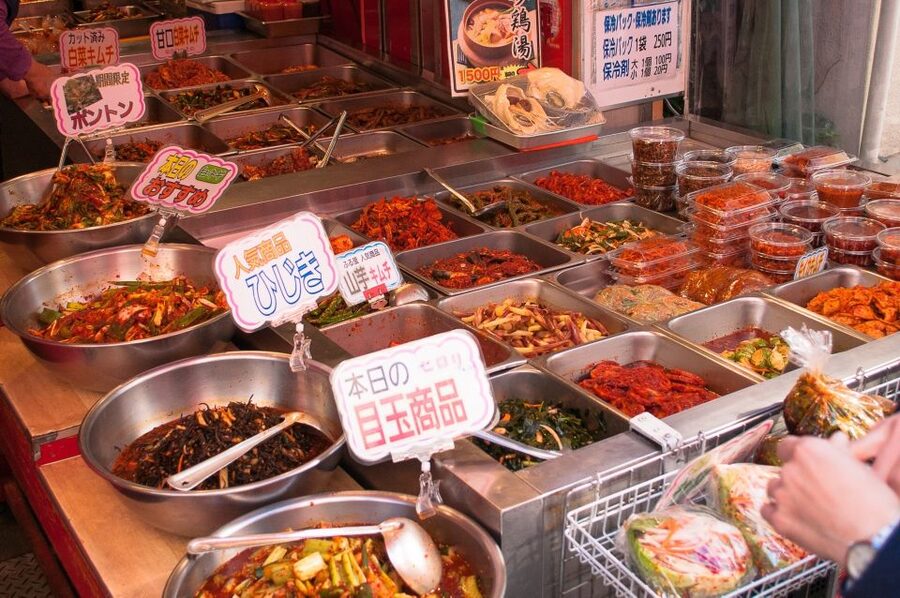
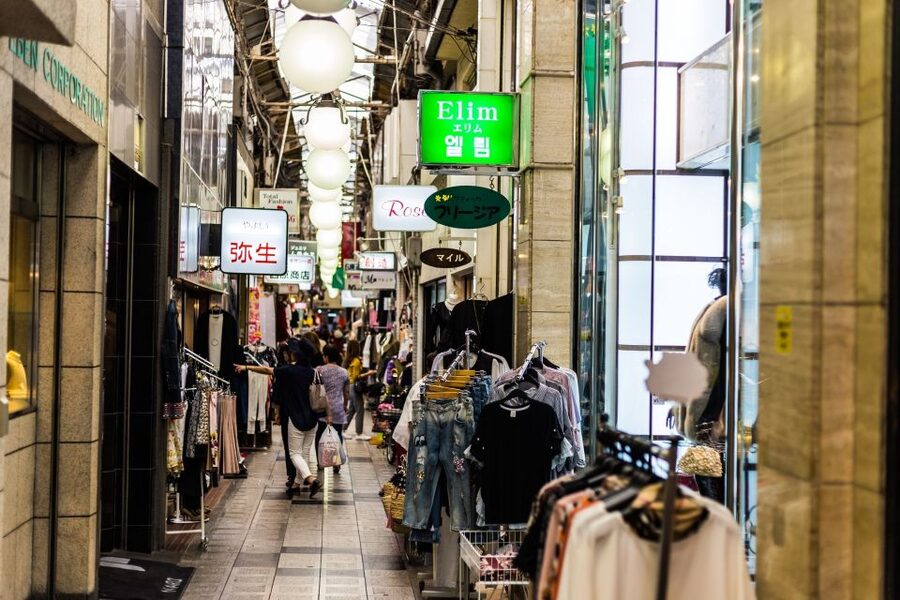
A short train ride brings you to Tsuruhashi, where the tour enters the maze of Korea Town. The 45-minute stop focuses on narrow streets and alleys in a commercial district that dates to before the war.
This is one of the most useful parts of the experience because it broadens your idea of Osaka. You are not just seeing famous Japanese sights. You are looking at the city’s Korean community, food culture, and changing social makeup.
The streets are tighter and less polished than the castle grounds or major shopping areas. That is part of the appeal. The route has a local, everyday feel, with small businesses and food shops packed close together. One guest specifically enjoyed a kimchi pancake during the outing, though food is not included and no meal stop is promised.
Your guide can add context about how different communities interact in Japan. Kevin was praised for explaining these cultural connections, while other guides used the district to show how Osaka’s old and new identities sit side by side.
This stop is also a reminder to stay close to the group. Alleys can be confusing, and the tour moves on a schedule. If you want an hour to browse every shop, you will need to return on your own later.
Harukas, city views, and a department-store food hall
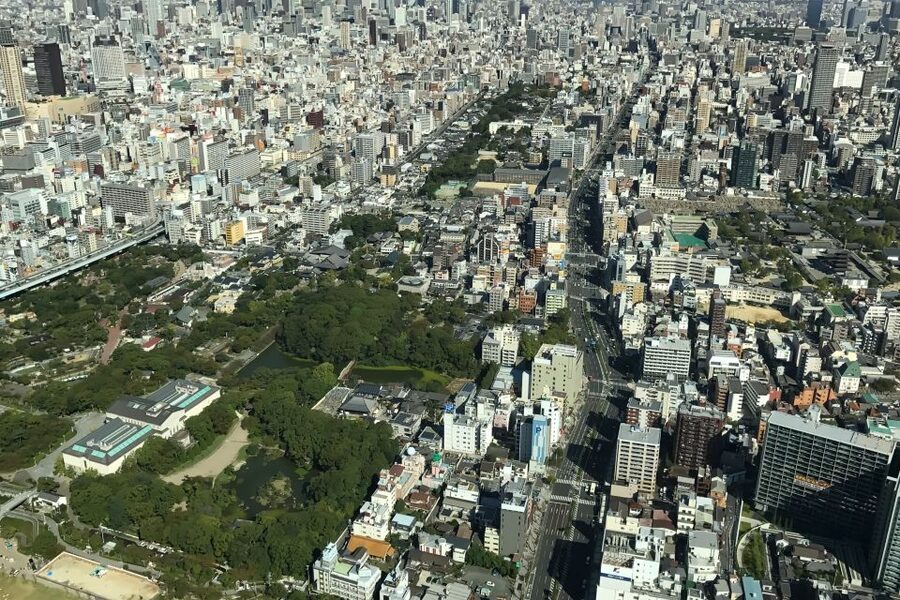
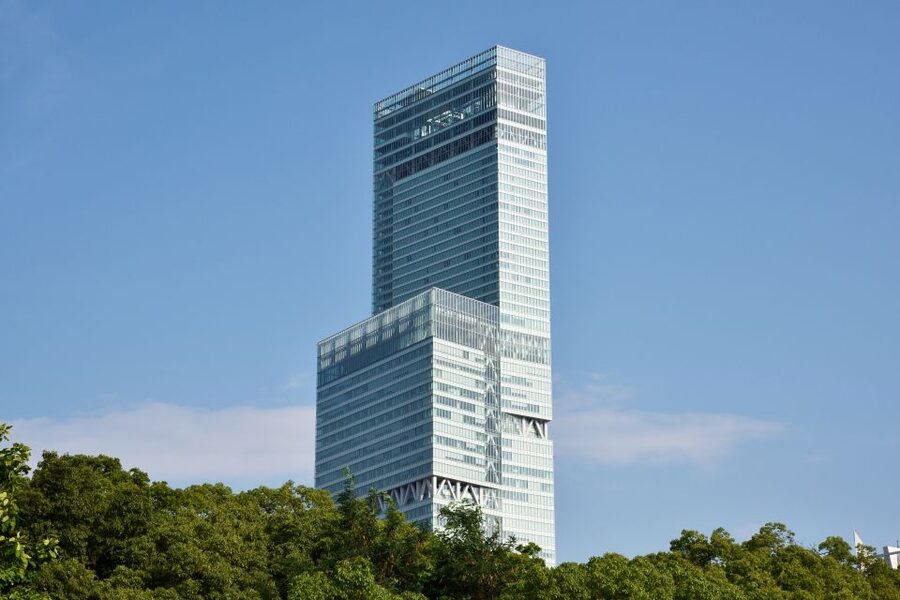
The next transfer takes you to Abeno Harukas 300, Osaka’s tall modern building. The tour allows about 30 minutes for a high-floor view, followed by time underground in the department store food hall.
The view gives you a quick sense of Osaka’s size and density. From above, the city’s separate districts begin to make more sense, especially after you have already walked through the castle area and Tsuruhashi.
You do not need to treat this as a long observation-deck visit. Thirty minutes is enough for a look, some photographs, and a change of pace. The real surprise comes below, where the food hall displays high-quality products such as puffer fish and Kobe beef.
I like this pairing. The upper floor shows modern Osaka as a large, built-up city, while the food hall shows the care and presentation that go into Japanese food shopping. You can buy snacks here if you are hungry, but the tour does not cover the cost.
The stop can feel brief if you want a relaxed meal or a long city view. Think of it as an introduction, not a full Harukas visit. You may want to return independently if the building becomes a favorite.
More Walking Tours in Japan:
- Kyoto Geisha Walking Tour: Gion District & Hidden Gems
★ 4.7 · 3,273 reviews - Tokyo Tsukiji Fish Market Food and Culture Walking Tour
★ 5.0 · 3,184 reviews - Kyoto: Gion Magical Night Walking Tour with Geisha Trivia
★ 4.9 · 2,393 reviews - Tokyo: Imperial Palace and Shogun Historical Walking Tour
★ 5.0 · 2,251 reviews
Shinsekai and an older side of Osaka
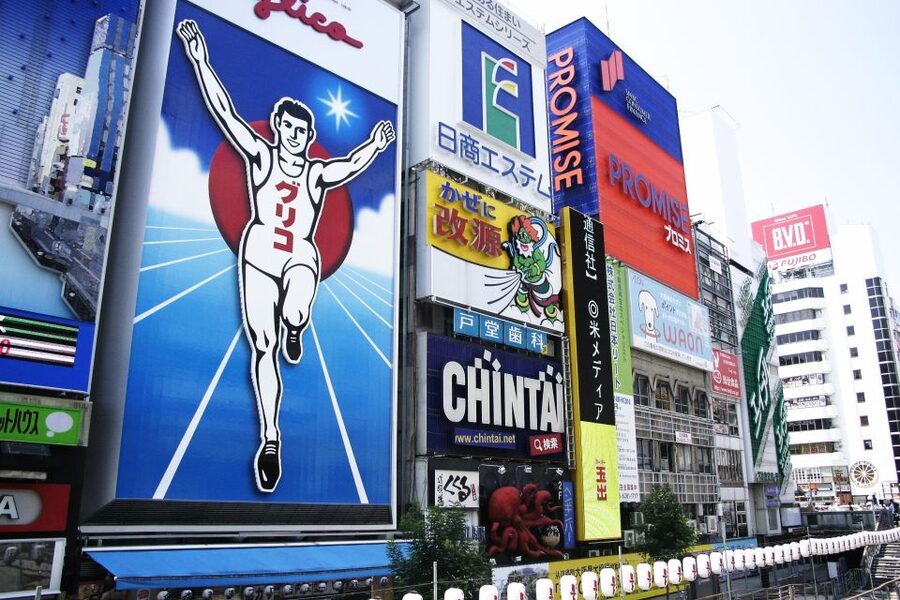
Not far from Harukas is Shinsekai, a traditional district described as slightly worn and largely frozen in time. The tour spends about 30 minutes here.
Shinsekai gives you a sharp contrast with Harukas. In a short walk, you move from a tall modern building and polished food displays into an older entertainment area with a more weathered appearance. That contrast is one of the day’s best lessons. Osaka is not a single polished postcard. Its character comes from the meeting of grand, modern, ordinary, and slightly scruffy places.
The guide explains the district and its place in Osaka’s social past. One guest described it as a former leisure, yakuza, and gay district, while the tour description presents it as a traditional area with local highlights preserved over time. This is a good place to listen carefully and ask questions, since the meaning of the neighborhood goes beyond its appearance.
Thirty minutes gives you an overview, not a full exploration. You will see the main feel of the district before continuing to Namba. If you want to stop for food or linger at individual sights, the group schedule may feel tight.
Namba, Dotonbori, and Osaka’s present-day energy
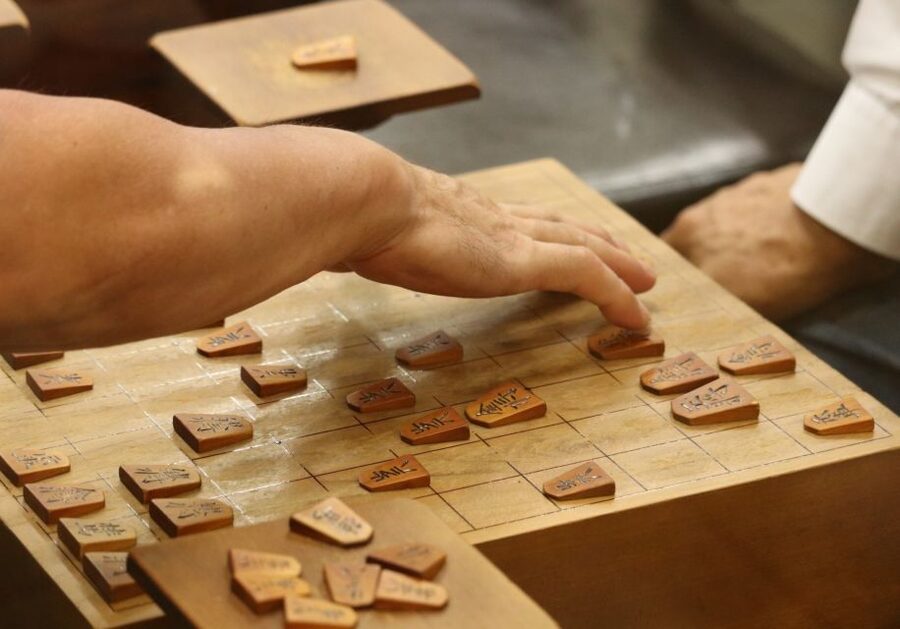
The route then heads to Namba, the center of Osaka’s current shopping, dining, and entertainment culture. From here, the tour reaches Dotonbori, often compared with Times Square because of its huge signs, crowds, and constant visual noise.
Dotonbori is the part of Osaka many people picture before arriving. The canal, bright advertisements, restaurant signs, and famous photo spots make it easy to enjoy, but it is also easy to wander without understanding the area. A guide helps you notice the smaller lanes and the different character just beyond the main strip.
You will visit quirky back streets where each lane has its own feel. Guides also help with photos. Kevin and Bryan have been praised for taking good family pictures, and one guide even waited with a group at a ramen shop to help them use the ordering machine. Those small acts can be useful in Osaka, where restaurant systems are not always obvious to first-time visitors.
Dotonbori is also where the tour’s lack of an included meal becomes most noticeable. You will have chances to buy food, but you choose and pay for it yourself. That is not necessarily a flaw. It lets you decide between a quick snack and a proper meal later, but you should not arrive expecting a scheduled tasting tour.
Kuromon Ichiba and Doguyasuji’s oversized kitchen goods
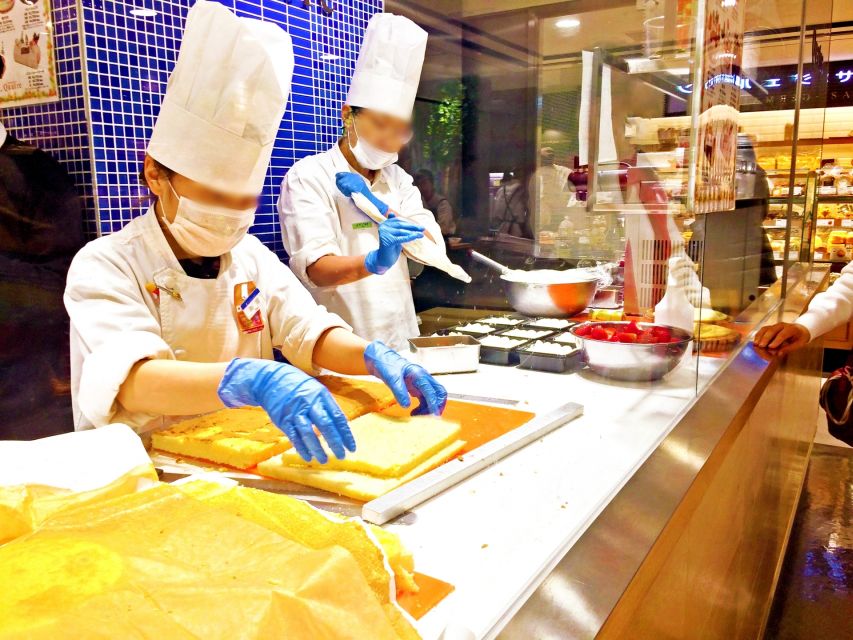
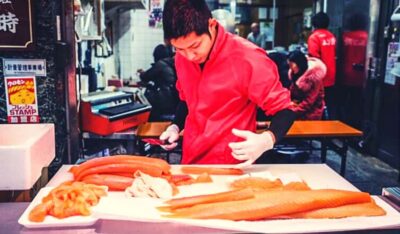
Kuromon Ichiba is a fresh fish market with more than 150 years of importance to Osaka’s food culture. The tour treats it as part of the city’s commercial story, not simply as a place to take food photographs.
Expect displays of seafood and other market products, with opportunities to buy snacks if something catches your eye. The market can be busy, so stay aware of the group and watch your step while looking at stalls.
The final part of the route reaches Doguyasuji, a kitchen and cooking district. Here, you can see wax food models, Japanese noren curtains, and giant pottery pieces. It is a fun stop, but it also explains something about Osaka’s restaurant culture: much of the equipment, decoration, and food presentation is available in specialist shops.
The finish is at 1-chome-4-2 Nanba, within easy reach of Namba’s shopping and dining areas. That is convenient because you can continue exploring, eat dinner, or return to your hotel after the tour. The end point is not the same as the starting point, so plan your return route rather than assuming you will walk back to the station where you began.
What the guides add to the day
The guide is the main reason to choose this tour over a self-guided route. The strongest feedback centers on clear storytelling, cultural context, and practical help.
Ferdinand is often praised for his explanations of Osaka Castle, Japanese history, and modern culture. Kevin is noted for broad knowledge, patience, food suggestions, and helping families take photographs. Oisin is described as good at giving the larger picture without burying you in details. Bryan has helped families navigate the city and kept teenagers interested. Other named guides include Jamie, Hugo, Ethan, Andrew, Joshua, and Lito.
Guide quality can vary from person to person, but the repeated strengths are useful: history explained in a conversational way, answers to questions, help with local customs, and advice for the rest of your Osaka stay. One guest used the tour to plan the next few days, while another called it a strong introduction to Japan.
Private and small-group options are available, and the tour can be given in English, French, or Spanish. If your group has different ages or energy levels, mention that when booking. One guide adjusted the route for a group with older people during hot weather, but you should still expect a physically active half-day.
Walking, transport, weather, and the solo supplement
You should buy a subway day pass and use public transport to reach the meeting point and during the tour. Transportation is not included in the $59 price. The meeting point is above ground at Exit 2 of Tanimachiyonchome Station. If you arrive by taxi, use the Tanimachi 3-chome intersection, written 谷3交差点.
The activity is listed as wheelchair accessible, but it is not suitable for people with mobility impairments. That may seem inconsistent, so ask the provider for current details if you use a wheelchair or have difficulty with extended walking, stairs, transfers, or uneven streets. Comfortable shoes are essential for everyone.
The tour runs rain or shine. Carry weather protection, water, and enough money for snacks, transport, and any food you want. Hotel pickup is not included, but central Osaka hotel pickup and Tempozan port pickup can be arranged for 5,000 yen, payable in cash to the guide or through a secure payment link.
The operator aims not to charge solo visitors more, but the tour needs at least two guests to run at the advertised price. If that minimum is not met, you may be offered another date, a 4,000 yen solo supplement, or a full refund. That is worth checking before you build a tight schedule around it.
Who should book this Osaka walking tour?
Book it if you want a strong first look at Osaka and prefer a guide to explain the city as you move through it. It works especially well for first-time visitors, families, short stays, and anyone who wants both major sights and less obvious neighborhoods in one outing.
I would also recommend it for people who want help with context. Osaka Castle, Korea Town, Shinsekai, Dotonbori, Kuromon, and Doguyasuji can all be visited independently, but the connections between them are less clear without someone explaining the city’s political, social, and commercial past.
Skip it if you want a slow food tour, a full interior visit to Osaka Castle, or long stretches of free time at each stop. The route is active, the transport is extra, and the schedule gives you an overview rather than deep time in one district.
You can cancel up to 24 hours ahead for a full refund, and reserve now with payment later. For $59, I think the tour earns its price when you treat it as an orientation to Osaka, not as a series of private admissions. It gives you a map in your head, several places to return to, and practical advice for the rest of your stay.
FAQ
How long does the Osaka walking tour last?
The tour lasts four hours.
Where does the tour begin?
Meet above ground at Exit 2 of Tanimachiyonchome Station. If you arrive by taxi, use the Tanimachi 3-chome intersection, written 谷3交差点.
Where does the tour finish?
The tour finishes at 1-chome-4-2 Nanba, Chuo-ku, Osaka, 542-0076, Japan.
Does the tour enter Osaka Castle?
No. You view the castle exterior and explore the surrounding park, with the guide explaining its history.
Is transportation included in the price?
No. You should buy a subway day pass and use it to reach the meeting point and during the tour.
Is food included?
No. Food and drinks are not included, and there is no planned food stop. You can buy snacks along the route.
What languages are available?
The tour is available with a live guide in English, French, or Spanish.
Is hotel pickup available?
Hotel pickup is available for an additional 5,000 yen in central Osaka. Port pickup is available at the Tempozan Ferris wheel.
Is the tour suitable for people with mobility impairments?
The activity is listed as wheelchair accessible but is also marked as not suitable for people with mobility impairments. Ask the provider for current route details if mobility is a concern.
New routes in Japan
- Tokyo: Asakusa & Sensoji ー Oldest Temple Walking Tour (2hrs)★ 5.0 · 213 reviews
- Asakusa Cultural Walk & Matcha Making Tour★ 5.0 · 245 reviews
- Asakusa Senso-ji Temple and Old Tokyo Walking Tour★ 5.0 · 560 reviews
- Tokyo: Tsukiji Market Walking Tour & Sushi Cooking Class★ 4.6 · 122 reviews
- Tokyo: Shinjuku Nightlife & Secret Backstreets Walking Tour★ 4.8 · 229 reviews
- Tokyo: Shinjuku Bar Hopping & Night Walking Tour★ 4.6 · 137 reviews
- Tokyo: Dark Side of Tokyo Shinjuku Red Light Walking Tour★ 4.7 · 862 reviews
- Tokyo: Shibuya Highlights Walking Tour★ 4.8 · 601 reviews
Osaka Walking Tours, compared.
Hotspots & Hidden Gems Walking Tour Private or Group
Read our review →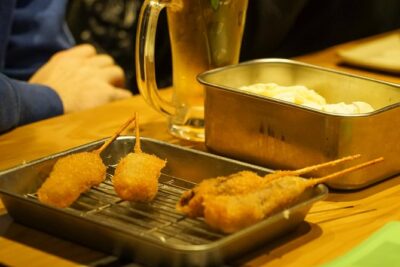
Osaka Local Foodie Walking Tour in Dotonbori and Shinsekai
Read our review →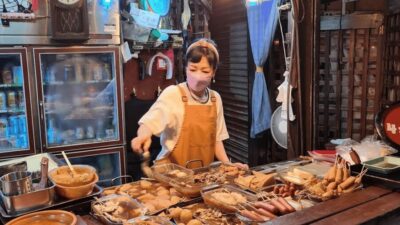
Deep Backstreets Walking Tour with Dinner Option
Read our review →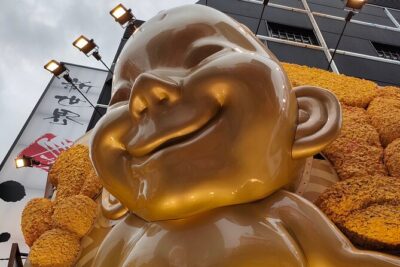
Ultimate Osaka Walking Tour: Castle, Dotonbori & Hidden Gems
Read our review →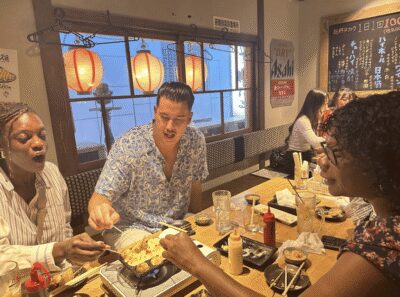
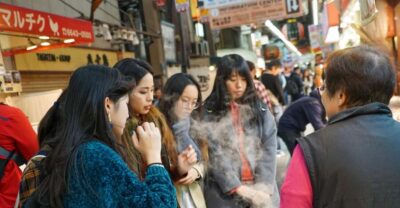
Kuromon Market Food Walking Tour (6 stops, 6 tastes)
Read our review →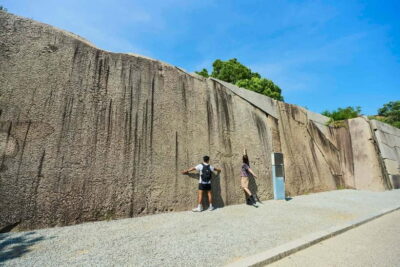
Castle History Walking Tour / Castle Tower Admission
Read our review →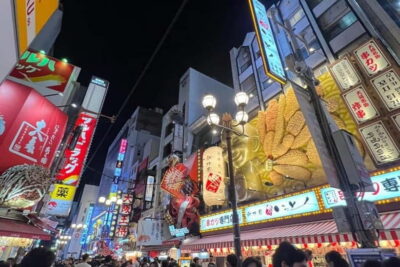
Browse the lists this tour appears in