
Review · JAPAN
Asakusa Cultural Walk & Matcha Making Tour
Asakusa is one of the best places in Tokyo to connect temples, old shopping streets, street food, and everyday customs in one compact outing. This tour adds two hands-on treats: making matcha and cooking your own okonomiyaki or monja-yaki at lunch.
I like the small group size, capped at seven, and the way the tour mixes sightseeing with food instead of keeping you on your feet for three straight hours. I also like the guides’ personal touch. Guides such as Aoi, Mai, Mihori, Hana, and Yuki have been praised for clear English, useful cultural explanations, and taking photos along the way. The main drawback is that Asakusa can be packed, especially around Senso-ji, and the tour cannot handle gluten-free requests or guarantee an allergy-safe meal.
Key points to know before booking
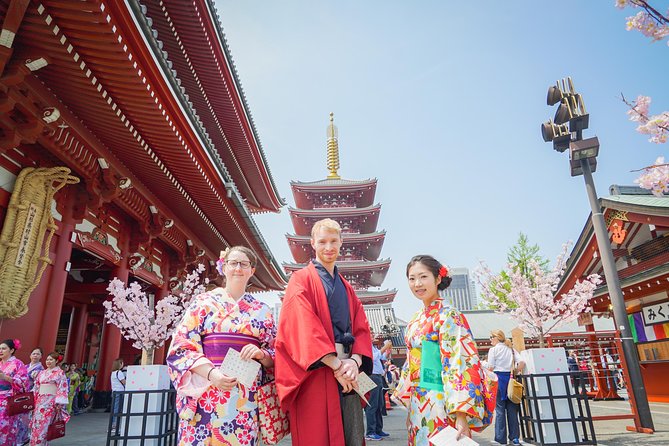
- Rickshaw views of Asakusa: The tour gives you a comfortable look at the district before you continue on foot.
- Four major Asakusa sights: You visit Nakamise Shopping Street, Kaminarimon, Senso-ji Temple, and Asakusa Shrine.
- Food is part of the lesson: Japanese sweets and snacks come before a cooked lunch of okonomiyaki or monja-yaki.
- Matcha is hands-on: You make and taste matcha rather than simply ordering a cup at a café.
- Small group, capped at seven: On quieter dates, the group may feel almost private.
- Three hours at $90.86: The price includes food, lunch, one drink, matcha, a guide, and tour photos, which makes it a reasonable introduction to Asakusa.
Why this tour works well for a first Tokyo morning
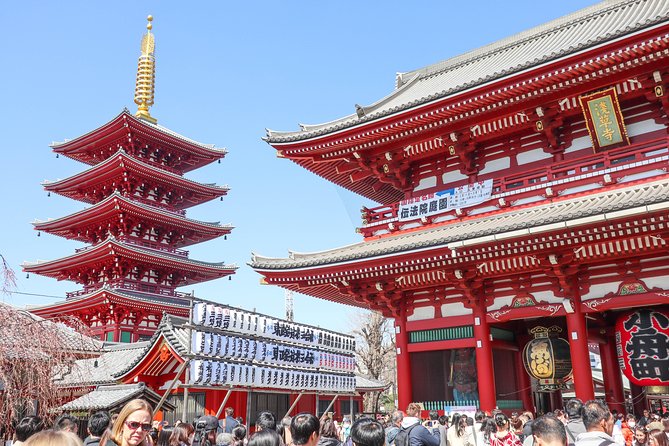
The tour starts at 11:00 a.m. near the Kaminarimon Police Box, at 1-chōme-3-1 Asakusa. That location puts you right in the middle of the district, so you do not spend your paid tour time getting across Tokyo.
I see this as a useful first or second-day activity. Asakusa introduces several parts of Japanese life at once: how to approach a temple, how to browse a traditional shopping street, how matcha is prepared, and how a shared meal is cooked at the table.
The three-hour length is another strength. You get enough time for several stops and a proper meal, but the day does not become an exhausting march. One family with teenagers found the variety helpful because the temples, shopping, tea, and lunch kept changing the pace.
The seven-person limit matters. A guide can answer questions, help with food preparation, translate when needed, and take group photos without losing half the group. On days with only two people booked, the experience has felt close to a private tour. That is not guaranteed, but the small limit gives you a better chance of personal attention than a large bus outing.
More Cultural Walking Tours in Japan:
- Tokyo Tsukiji Fish Market Food and Culture Walking Tour
★ 5.0 · 3,184 reviews - Kyoto Gion: 2-Hour Geisha Culture & History Walking Tour
★ 5.0 · 1,186 reviews - Kyoto Gion Cultural Walk & Geisha Show with Dining Options
★ 5.0 · 518 reviews
A rickshaw introduction to Asakusa
The tour overview includes a rickshaw ride through Asakusa, followed by time on foot. This is a smart way to begin because you see more of the district before slowing down at the temples and shops.
A rickshaw also gives the guide a natural chance to point out local details and explain how the area fits into old Tokyo. The supplied schedule does not give a precise ride length, so you should think of it as one part of a varied tour rather than a long separate excursion.
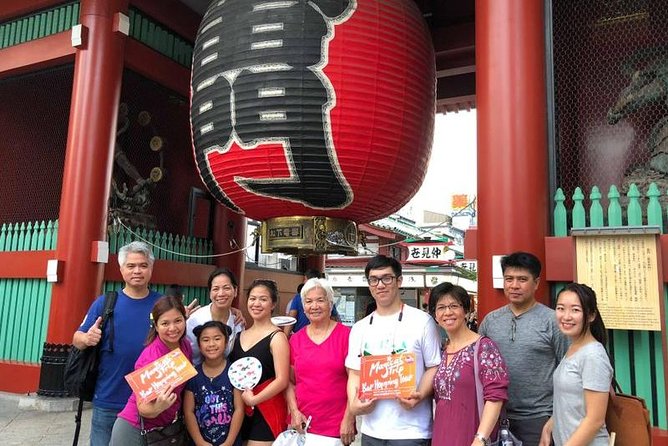
The route then moves toward the shopping streets around Kaminarimon. Kaminarimon means Thunder Gate, and its large lantern is one of Asakusa’s most familiar sights. The gate makes an easy meeting landmark, but it also attracts crowds, so keep your group and guide in sight.
Nakamise Street and traditional Japanese sweets
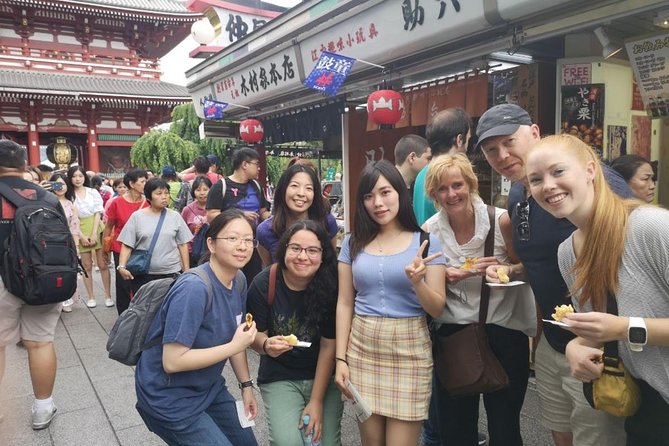
Nakamise Shopping Street leads toward Senso-ji and is lined with shops selling souvenirs, sweets, and small traditional goods. You have about 20 minutes here and sample Japanese snacks and sweets as you walk.
This is more useful than simply being told where to shop. Your guide can explain what you are tasting and help you recognize the difference between a snack meant to eat immediately and a packaged item suited for a gift.
The shopping time is brief, so do not expect a long buying session. You may have a chance to pick up souvenirs, but you will need to keep an eye on the clock. One guide was especially helpful with giving people time to shop, but the route still has several fixed stops.
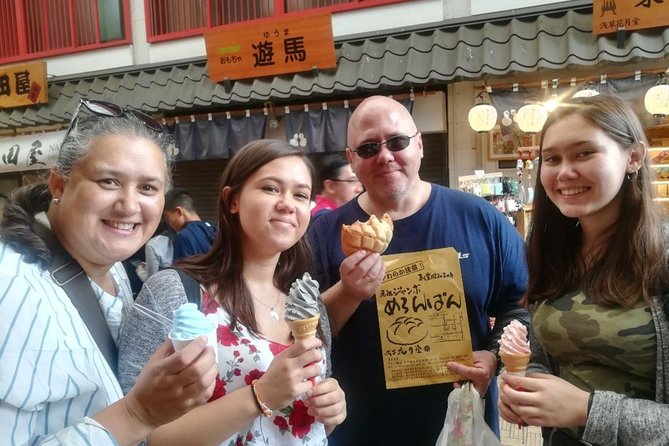
The food tastings are a pleasant part of the price. You do not need to guess which stall is worth trying, and you can sample something without committing to a full serving. Since additional food and drinks are not included, bring a little extra money if you want to buy more.
Kaminarimon and the approach to Senso-ji
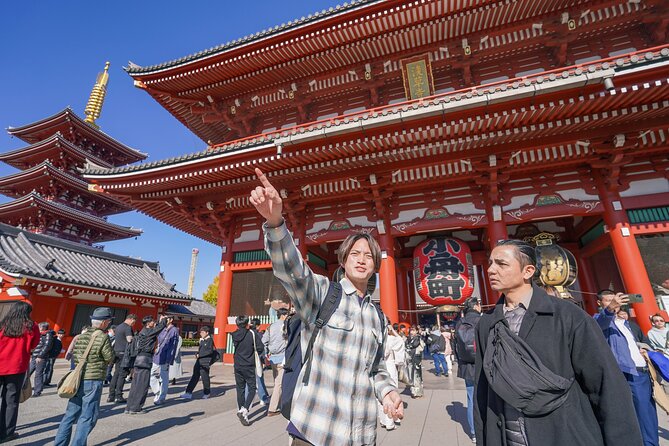
The stop at Asakusa Kaminarimondori Shopping Street lasts about 15 minutes. Here, you see Kaminarimon and the approach toward the temple district.
This part is less about checking off another attraction and more about learning how the area is organized. The gate, street, shops, and temple grounds form a clear sequence, and the guide helps connect them.
Crowds are the main issue. Late May has been especially busy around the temple, and peak periods can make it harder to hear explanations or move at a relaxed pace. If you dislike packed streets, keep your expectations realistic. This is central Asakusa, not a quiet side street.
The tour format helps, but it cannot remove the crowds. Stay close to the guide, and expect occasional pauses while the group moves through busy areas.
More Walking Tours in Japan:
- Kyoto Geisha Walking Tour: Gion District & Hidden Gems
★ 4.7 · 3,273 reviews - Kyoto: Gion Magical Night Walking Tour with Geisha Trivia
★ 4.9 · 2,393 reviews - Tokyo: Imperial Palace and Shogun Historical Walking Tour
★ 5.0 · 2,251 reviews - Kyoto: Gion Geisha District Walking Tour – Stories of Geisha
★ 4.7 · 2,187 reviews
Senso-ji: customs you can use beyond this tour
You get about 30 minutes at Senso-ji Temple, Tokyo’s best-known Buddhist temple complex. The useful part is not only seeing the buildings. You also learn what to do at a Japanese temple.
The guide explains customs such as praying, fortune-telling, and using the incense burner. You may learn to toss a coin before praying, and you can fan incense smoke toward yourself because it is believed to have healing powers.
That practical instruction is valuable. Many first-time visitors hesitate at a temple because they do not know the sequence or worry about doing something wrong. A good guide removes that uncertainty while explaining the meaning behind the actions.
The amount of historical detail can vary by guide. One person wanted a little more background on Senso-ji itself, while others praised guides such as Meg and Mihori for explaining the temple and its customs in clear detail. If history is your main reason for booking, ask questions as you walk. The guides appear willing to expand on the basic explanation.
Asakusa Shrine beside the temple
Asakusa Shrine sits next to Senso-ji, and the tour spends roughly 30 minutes exploring it. Visiting both places in one outing helps you notice the difference between Buddhist and Shinto traditions without needing to arrange separate visits.
This is one of the strongest parts of the route for anyone who wants cultural context, not just photographs. Your guide can point out the customs and explain what Japanese people do at each site.
The stop also provides a change from the main temple approach. Senso-ji draws most of the attention, while Asakusa Shrine gives you another place to pause and ask questions. The exact balance between the two depends on the pace of the group and the crowd level.
Wear comfortable shoes. The tour combines the rickshaw ride with several walking stops, and you will spend time standing at temple grounds, streets, and food venues.
Matcha making and tasting
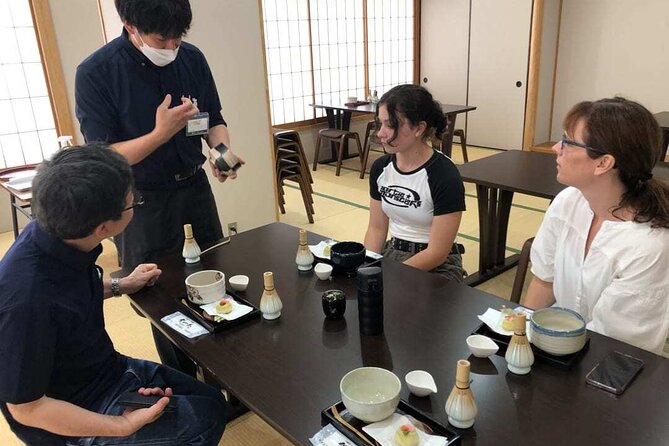
The matcha experience is one of the tour’s more unusual features. Instead of only stopping for tea, you learn about matcha preparation and make and taste it yourself.
The exact format can vary by venue, but the experience has included an explanation of how matcha is processed, a tea-making lesson, and a tea ceremony-style presentation. This gives you a better feel for the care behind the drink than a quick café stop would.
Several guides have been praised for making this part easy to follow. The experience can feel especially personal when the group is small, and it gives you a quiet break after the busy shopping streets and temple grounds.
If you already know a great deal about tea, the lesson may feel introductory. For most first-time visitors, though, the hands-on element adds real value. You leave with a clearer sense of how matcha differs from ordinary brewed tea and why its preparation matters.
Cooking okonomiyaki or monja-yaki for lunch
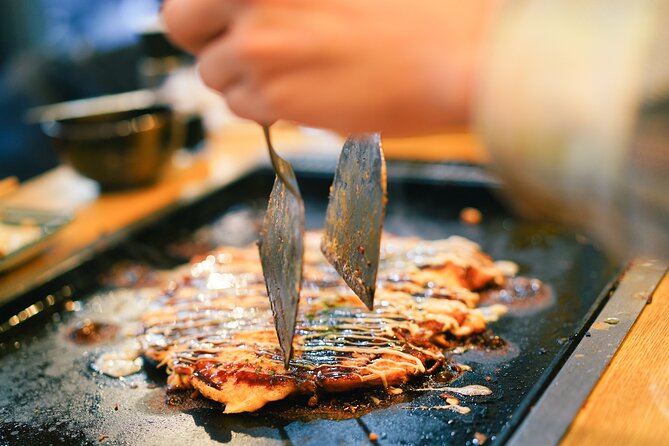
The tour finishes with lunch at a traditional restaurant. You receive either okonomiyaki or monja-yaki, plus one drink, and prepare the meal yourself on a table griddle. Vegetarian food is available, but the experience is not suitable for vegans or people who need gluten-free meals.
Okonomiyaki is a savory pancake cooked with mixed ingredients. Monja-yaki is softer and more spreadable, with a different texture and cooking method. The guide helps you understand what is happening, which is useful if you have never cooked either dish.
This is a social meal, not a fast restaurant stop. You get to take part in preparing the food, and the cooking makes a memorable finish to the morning. One group had an upstairs restaurant space to itself, but that arrangement should not be treated as guaranteed.
The lunch is a strong part of the value. At $90.86, the tour includes snacks, lunch, a drink, matcha, guiding, and photos. You are paying more than you would for a simple temple walk, but you are also receiving several separate activities and food stops in a single booking.
Be realistic about dietary limits. The food is prepared in kitchens outside the tour company’s control. Substitutions may not be possible at every stop, and the operator cannot promise an allergy-free meal. If you have a serious allergy or strict dietary requirement, this is probably not the right food tour.
Guides, photos, and the small-group feel
The guide is central to this experience. Aoi has been praised for kindness, cultural explanations, and taking good photos. Yuki was noted for strong English and for suggesting other things to do in Japan. Hana helped with restaurant communication and reservations, while Mai was praised for her history explanations and friendly manner.
Names and assignments can change, so you should not book expecting one particular guide unless the operator confirms it. The consistent pattern is more important: the tour depends on a guide who can explain customs, manage the meal, and answer practical questions.
Tour photos are included. That matters because you are often busy cooking, tasting, or moving through the streets, and the guide can capture moments you might otherwise miss. The photo service is a useful extra, especially for couples or families who find it hard to get a good group picture.
The small group also helps with communication. A guide can hear your questions, show you temple procedures, and assist with translation at the restaurant. On a full group of seven, it will not feel private, but it should still feel manageable.
Weather, crowds, and practical timing
The meeting point is close to public transportation, but you should allow enough time to find the Kaminarimon Police Box. The activity ends back at the same meeting point, which makes it easy to continue sightseeing in Asakusa afterward.
Summer in Tokyo can be very hot and humid. Bring water and wear a hat, especially because the route includes outdoor streets and temple grounds. The advice is simple but important: heat can turn a pleasant walking tour into hard work.
Rain and traffic can slow you down. One guide waited for a late arrival in poor weather, but you should not count on that. Arrive before 11:00 a.m. and keep the confirmation details available on your phone.
The activity has a 4.9 rating from 245 reviews, with 98 percent recommending it. That is a strong record, but one serious weakness has appeared: a cancellation the day before left one person without time to find another booking. The operator has said it is working to improve venue availability, but last-minute changes are still worth considering when planning a tightly scheduled Tokyo visit.
Free cancellation is available up to 24 hours before the start time for a full refund. Changes or cancellations inside that window are not accepted for a refund.
Is the $90.86 price fair?
I think the price is fair if you want a guided introduction rather than a simple walk around Asakusa. You receive Japanese sweets and snack samples, a rickshaw segment, temple and shrine visits, a matcha activity, lunch, one drink, photos, and a certified guide.
The value is strongest for first-time visitors, families, and people who want help with cultural customs and food. You also save the work of choosing a restaurant, finding a matcha class, and figuring out what to sample on Nakamise Street.
The price is less appealing if you already know Asakusa well, prefer to eat independently, or want a long historical lecture at Senso-ji. You could visit the temples and shopping streets cheaply on your own, but you would lose the guided explanations, organized tastings, and hands-on meal.
Who should book this Asakusa experience?
Book it if you want several easy-to-understand Tokyo experiences packed into half a day. It suits first-time visitors, families with older children or teenagers, couples, and anyone who likes food to be part of a sightseeing day.
It is also a good choice for people who feel unsure about temple manners or Japanese dishes. The guide gives you context at the moment you need it, then helps you put that context into practice.
Think twice if you need gluten-free food, strict allergy control, or vegan lunch. You should also reconsider if you dislike crowds, hot weather, or activities with a fixed schedule.
For most visitors who want a friendly introduction to Asakusa, I would book it. The best reason is the combination of places and activities: you see the famous sights, taste local snacks, make matcha, and cook lunch instead of spending the whole morning looking at temples from the outside.
FAQ
How long is the Asakusa Cultural Walk and Matcha Making Tour?
The tour lasts approximately three hours and starts at 11:00 a.m.
Where does the tour begin?
The meeting point is the Kaminarimon Police Box at 1-chōme-3-1 Asakusa, Taito City, Tokyo 111-0032, Japan.
Where does the tour end?
The activity ends back at the meeting point.
What food is included?
You receive Japanese snack and sweet samples, plus lunch of okonomiyaki or monja-yaki and one drink.
Is vegetarian food available?
Yes. A vegetarian menu is available, but the tour cannot accommodate vegan or gluten-free requests.
Is the tour suitable for people with food allergies?
The operator cannot guarantee an allergy-free meal because food is prepared in kitchens outside its control. Substitutions may not be possible at every stop.
How large is the group?
The group has a maximum of seven participants. On some dates, only two people may book, making the experience feel close to private.
What is the cancellation policy?
You can cancel at least 24 hours before the start time for a full refund. Cancellations or changes made less than 24 hours before the start time are not accepted for a refund.
New routes in Japan
- Tokyo: Asakusa & Sensoji ー Oldest Temple Walking Tour (2hrs)★ 5.0 · 213 reviews
- Asakusa Senso-ji Temple and Old Tokyo Walking Tour★ 5.0 · 560 reviews
- Tokyo: Tsukiji Market Walking Tour & Sushi Cooking Class★ 4.6 · 122 reviews
- Tokyo: Shinjuku Nightlife & Secret Backstreets Walking Tour★ 4.8 · 229 reviews
- Tokyo: Shinjuku Bar Hopping & Night Walking Tour★ 4.6 · 137 reviews
- Tokyo: Dark Side of Tokyo Shinjuku Red Light Walking Tour★ 4.7 · 862 reviews
- Tokyo: Shibuya Highlights Walking Tour★ 4.8 · 601 reviews
- Tokyo: Shibuya Highlights Walking Tour & Secret View Spot★ 4.9 · 196 reviews
Japan Walking Tours, compared.
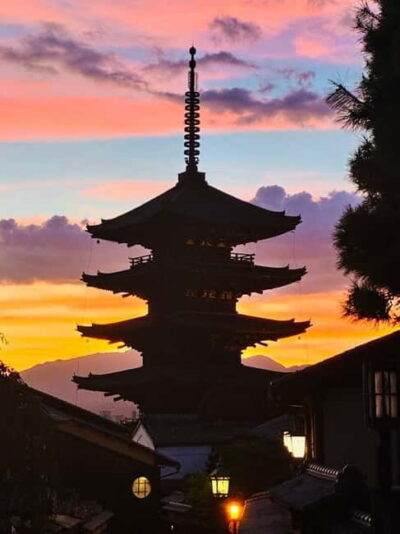
Kyoto Geisha Walking Tour: Gion District & Hidden Gems
Read our review →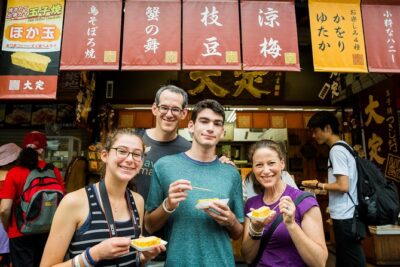
Tokyo Tsukiji Fish Market Food and Culture Walking Tour
Read our review →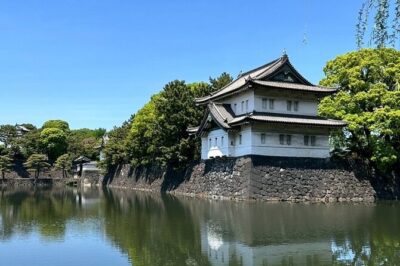
Imperial Palace and Shogun Historical Walking Tour
Read our review →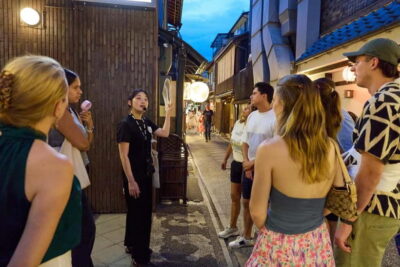
Gion Geisha District Walking Tour – Stories of Geisha
Read our review →
Best of Kyoto: Gion, Geisha, Pagodas & Cobblestones
Read our review →
Shinjuku Local Bar and Izakaya Guided Walking Tour
Read our review →
Asakusa Walking Tour with Sensoji Temple Visit
Read our review →Browse the lists this tour appears in