
Review · JAPAN
Tokyo: Asakusa & Sensoji ー Oldest Temple Walking Tour (2hrs)
Asakusa gives you an unusually clear look at old Tokyo in a compact area. In two hours, this tour takes you from the giant red Thunder Gate to Sensoji Temple, then through snack streets, traditional shops, a local supermarket, and corners where daytime drinking and Edo-era crafts still feel part of daily life.
I like the way the tour explains customs instead of simply pointing at buildings. You can learn how to wash your hands, use incense, draw a fortune, and offer a Buddhist prayer. I also like the food angle, from melon bread and fried cutlets to matcha sweets and Japanese groceries.
The main caution is that the food tasting may vary. One booking included no tasting, even though it was part of the advertised experience, so treat the food stops as opportunities rather than a guaranteed meal. At $19.90, the tour is still strong value if your main goal is context, orientation, and local recommendations.
Key points at a glance
- Kaminarimon sets the scene: Learn the real name and symbolism of Asakusa’s famous Thunder Gate before entering the temple district.
- Sensoji customs become easier: Your guide can show you the proper sequence for water purification, incense, fortunes, and prayer.
- The route mixes sacred and everyday Asakusa: Temple grounds lead into food stalls, retro streets, sword shops, kimono stores, and a neighborhood supermarket.
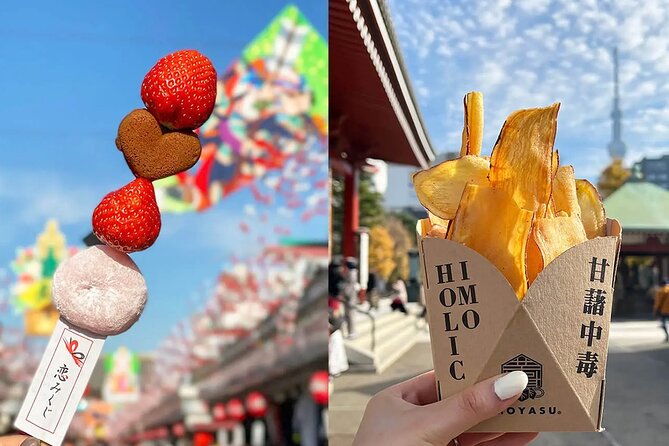
- Food is part of the appeal: Look for melon bread, menchi-katsu, skewers, matcha desserts, and seasonal sweets, though tasting is not guaranteed every time.
- Small groups suit questions: The maximum group size is 15, and some bookings have been private or nearly private.
- Guide quality matters: Keiko, Yui, Josh, Nono, Nanami, Naoto, Naruto, and Aiko have all been praised for clear explanations, patience, and thoughtful local advice.
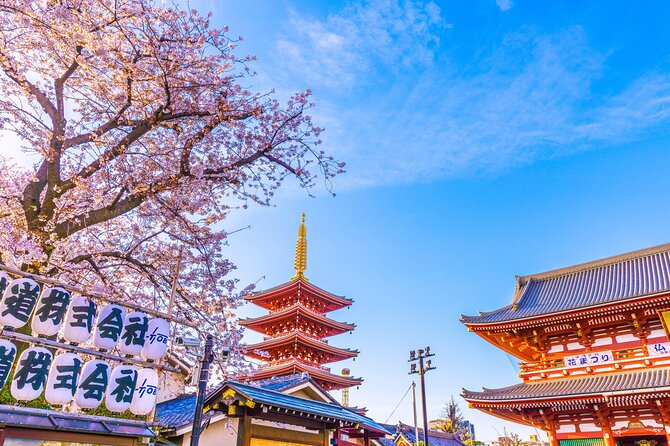
Starting beneath the Kaminarimon lantern
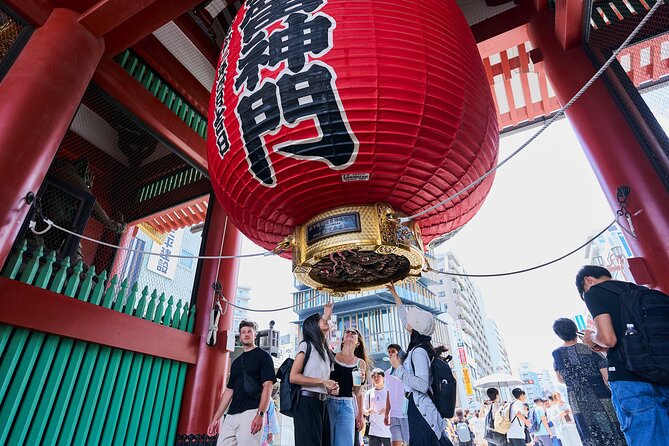
Meet your guide at the Kaminarimon Police Box, at 1-chome-3-1 Asakusa. This is a practical meeting point because the enormous gate is hard to miss, though the police box itself gives you a precise landmark in a busy district.
Kaminarimon means Thunder Gate, but your guide will explain its formal name and the meaning behind its huge lantern and guardian figures. That short introduction matters. Without it, many people snap a photo and hurry through. With it, the gate becomes the opening page of Asakusa’s religious and commercial story.
Allow about 20 minutes here. The stop is free, and the emphasis is on explanation rather than formal entry or a long lecture. Josh has been singled out for speaking clear English while keeping the walk easy, and guides such as Keiko and Yui have added small touches that help families and first-time visitors stay engaged.
More Walking Tours in Japan:
- Kyoto Geisha Walking Tour: Gion District & Hidden Gems
★ 4.7 · 3,273 reviews - Tokyo Tsukiji Fish Market Food and Culture Walking Tour
★ 5.0 · 3,184 reviews - Kyoto: Gion Magical Night Walking Tour with Geisha Trivia
★ 4.9 · 2,393 reviews
Nakamise Street, where souvenirs meet snacks
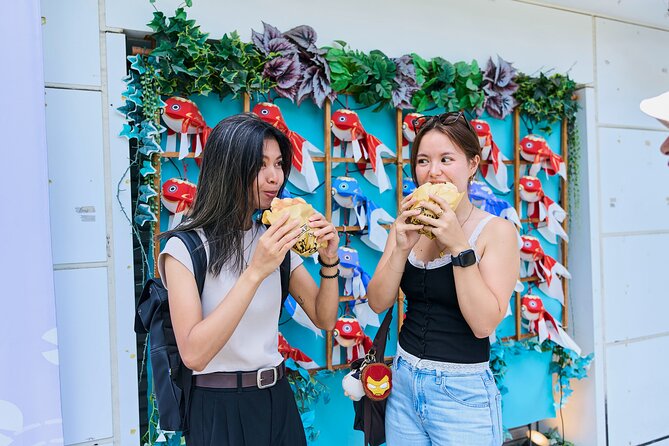
From Kaminarimon, you walk along Nakamise Street toward Sensoji. This is the classic souvenir lane, lined with small shops selling traditional goods, sweets, clothing, toys, and other Tokyo keepsakes.
You get about 20 minutes to browse and eat. That sounds brief, but it is enough to understand the street and mark places you may want to revisit later. Do not expect a quiet shopping lane. This is one of Asakusa’s main approaches to the temple, so the crowds and shop traffic are part of the experience.
The food is one of the tour’s strongest practical features. You might encounter melon bread, skewers, and other snacks as you move through the area. Some guides have also handed out simple cards showing food items to try, a useful idea if you are traveling with children or are unsure what to order.
Keep your expectations sensible. The tour description includes food tasting, but at least one booking did not receive it. Your guide can point out good choices and explain what you are seeing, but the exact snack may depend on the day, shop conditions, and route.
Sensoji Temple and the small rituals that make sense of it
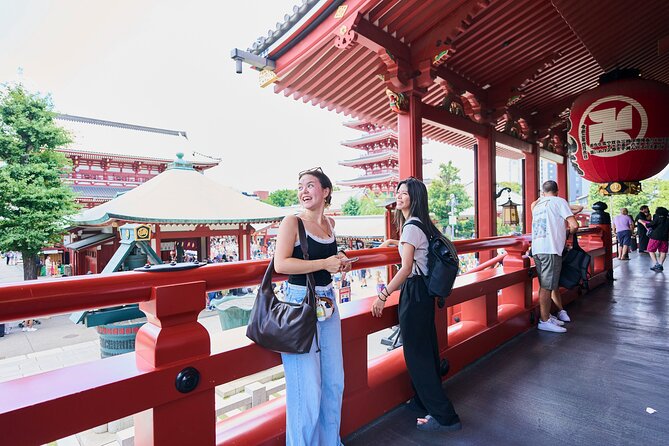
Sensoji is Tokyo’s oldest temple and the central stop on the walk. You get about 20 minutes inside the main temple area, enough for the basic customs without turning the visit into a long formal tour.
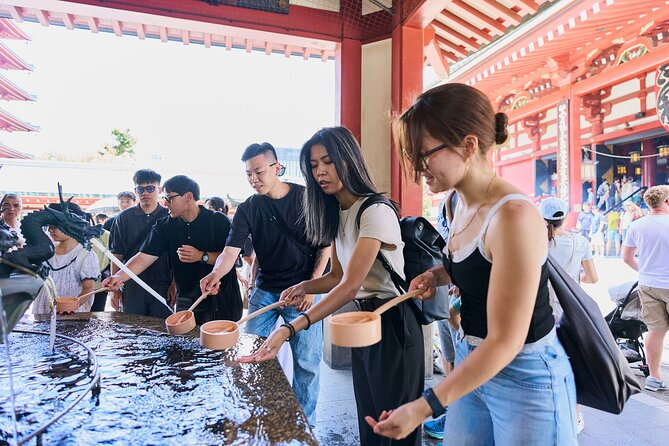
Your guide can show you how to purify your hands with water, use the incense smoke, draw a fortune, and offer a traditional prayer. These actions can seem confusing when you first arrive in Japan. A short explanation helps you participate respectfully instead of copying the nearest person and hoping for the best.
You may also learn how to handle an unlucky fortune if you draw one. The important value here is not just the temple’s age. It is the chance to understand how a living place of worship works while you are standing inside it.
The temple grounds can be crowded, especially around the main approach. A guide cannot remove the crowds, but can help you focus on the details that are easy to miss. The experience is best for people who want cultural explanation, not just a quick photograph of a famous building.
Yogodo, koi, Jizo statues, and a quieter photo stop
A short five-minute stop at Sensoji’s Yogodo area adds a different mood. Here you can see the goshuin desk, where temple seals are collected, a pond with koi, and rows of Jizo statues.
The Jizo figures come with a well-known local story that your guide can explain. This is also a popular place for photographs, but the value is more than scenery. You get a glimpse of the smaller devotional details that sit beyond the main temple route.
The stop is short, so do not count on a long visit to the seal desk or a detailed lesson in temple collecting. If goshuin interests you, ask your guide how the desk works and how much time you have.
Same streets, a different guide:
- Tokyo: Imperial Palace and Shogun Historical Walking Tour
★ 5.0 · 2,251 reviews - Kyoto: Gion Geisha District Walking Tour – Stories of Geisha
★ 4.7 · 2,187 reviews - Best of Kyoto: Gion, Geisha, Pagodas & Cobblestones
★ 4.9 · 2,058 reviews - Night Walk in Gion: Kyoto’s Geisha District
★ 4.5 · 2,003 reviews
Matcha at Kaminari Issa
Kaminari Issa is a local sweets shop focused on matcha. You might find matcha soft serve, matcha truffles, and seasonal desserts.
This five-minute pause gives the tour a welcome change of pace after the temple. It is also a simple way to try a Japanese flavor in a form that is easy for most people to enjoy. Matcha sweets can range from mild and creamy to sharply bitter, so this is a useful stop if you want to test your preference before buying a larger dessert.
The short timing is the limitation. You may have time for a small treat and a quick look, but not a leisurely café visit. Also, seasonal choices can change, so the exact dessert is not fixed.
Hoppy Street and the everyday side of Asakusa
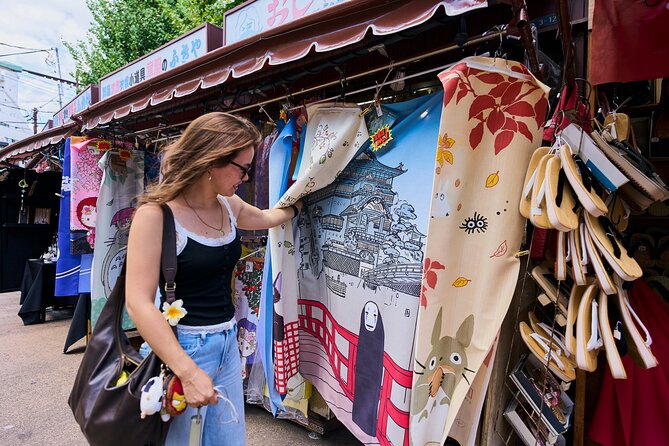
Hoppy Street shows you an Asakusa that is less polished and more local. The name comes from Hoppy, a low-alcohol drink often enjoyed with food, and the street is known for daytime drinking spots.
You spend about 10 minutes here, watching local life and looking at shops connected to old Tokyo trades. The route can include sword stores and kimono shops, some of which have continued in Asakusa for generations. The point is not to turn the tour into a shopping spree. It is to show you that the neighborhood is more than temples and souvenir stalls.
This section will appeal to anyone curious about ordinary street life. It may be less interesting if you want a long stop in each shop, since the tour keeps moving and covers several different kinds of places.
Another local lane brings retro storefronts, playful displays, unusual vending machines, and more food stalls. Look for menchi-katsu, a fried minced-meat cutlet, along with skewers and other quick bites.
These streets help connect the grand temple district with modern daily routines. You can move from a sacred gate to a fried snack, a sword display, and a vending machine within minutes. That contrast is one of the best reasons to choose this walk instead of visiting Sensoji alone.
A supermarket finish with practical souvenirs
The tour ends at Ozeki Asakusa Kaminarimon Grocery and Supermarket, then returns to the meeting point. The stop lasts about 10 minutes and gives you a look at ordinary Japanese groceries rather than only items made for tourists.
I like this ending because it is useful. You can browse packaged foods and pick up souvenirs that people in Japan actually buy for daily life. It also gives your guide a chance to suggest items you might have missed in the temple shopping streets.
The stop is not a full shopping session. If you want to compare many products or buy a large supply of snacks, you will need extra time after the tour. Still, the supermarket helps round out the experience by showing both the historic and practical sides of Asakusa.
Optional knife and sword-shop interest
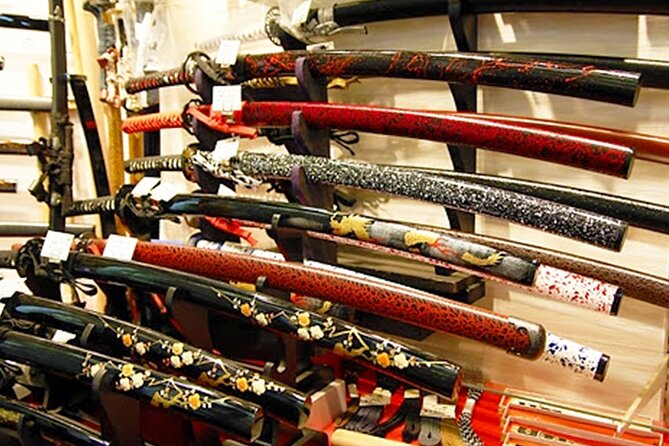
The route may also include an introduction to a local knife shop, where you might see traditional sharpening in action. Japanese kitchen knives are known for precise cutting and careful craftsmanship, making this a worthwhile extra for cooks and anyone interested in hand skills.
The information provided does not promise a fixed knife-shop demonstration on every departure, so ask your guide early if this matters to you. The same applies to the samurai sword and ninja gear shop mentioned in the tour highlights. These are distinctive stops, but the exact time available can depend on the walking pace and the day’s route.
Do not assume you must buy anything. Seeing the sharpening work and learning how Japanese knives are made can be the entire point. If you are considering a purchase, ask about care, sharpening, and any restrictions that may affect taking the knife home.
What the $19.90 price really buys
At $19.90 per person, this is not a ticketed attraction package. The temple, street, and shopping stops are free, so you are paying mainly for a guide’s time and local interpretation.
That makes the value depend on what you want. If you already know Asakusa, understand Buddhist and Shinto customs, and are comfortable choosing food on your own, you can walk this area without help. If this is your first visit, the price is modest for two hours of orientation, especially when the guide can connect temple rituals, food, shops, and neighborhood history.
The maximum group size is 15, which is small enough for questions but not necessarily intimate. Some bookings have been private or nearly private, and guides have sometimes continued with a very small group rather than canceling. You should not count on a private tour, but a small departure is possible.
The tour is mobile-ticket based, close to public transportation, and suitable for most people. It involves walking and standing through temple grounds and shopping streets, so comfortable shoes make sense. The route is not described as physically demanding, and one guide successfully adjusted the pace for a parent and daughter dealing with jet lag.
The guides make the difference
The strongest part of this experience is the human element. Keiko has been praised for making the walk fun for children and adding handwritten food cards and stickers. Yui has been valued for detailed temple explanations and useful food suggestions.
Josh brings local insight and clear English, while Nono has been especially attentive when visitors were tired and not feeling their best. Nanami has been praised for showing the authentic restaurant and shrine side of the area. Naoto has been described as professional, engaging, and good at making a private-feeling walk through beautiful sites.
Naruto and Aiko have also been noted for being kind and helpful. Since guides can vary, you should think of the tour as a good route led by a local person rather than a scripted performance. The best guide for you will be the one who answers questions and adjusts the balance between history, food, shopping, and photos.
Who should book this Asakusa walk?
I would choose this tour if you have only a short time in Tokyo and want a clear introduction to Asakusa. It works well for first-time visitors, families, people interested in Japanese customs, and anyone who wants food suggestions without planning every stop alone.
It is also a good fit if you are jet-lagged. The route is not overloaded with walking, and an attentive guide can slow down or adjust the focus. The small group limit helps, though you should still expect public streets and temple crowds.
You may want to skip it if you prefer exploring independently or if guaranteed food tasting is essential. The tour includes food-related stops, but the tasting element can be inconsistent. You should also choose another activity if your main aim is a long, scholarly temple visit, since this walk spreads its time across food, shopping, local streets, and the supermarket.
Final verdict: a smart first look at old Tokyo
Book this tour if you want Sensoji explained in plain language and want to see more than the main temple gate. The best parts are the practical ritual guidance, the mix of sacred and everyday Asakusa, and the chance to ask a local guide where to eat and what to buy.
At $19.90, it offers solid value for a two-hour introduction. Just keep the food promise flexible, arrive ready to walk, and tell your guide what interests you most. If you want temples, snacks, local shops, and a few old Tokyo surprises in one compact outing, this is a sensible choice.
FAQ
How long is the Asakusa and Sensoji walking tour?
The tour lasts approximately two hours.
Where does the tour begin?
It begins at the Kaminarimon Police Box at 1-chome-3-1 Asakusa, Taito City, Tokyo 111-0032, Japan.
Where does the tour end?
The activity ends back at the meeting point.
Is admission to the stops included?
The listed stops have no admission charge. The tour price covers the guided experience, while food and shopping purchases may cost extra.
Is food tasting guaranteed?
No. Food tasting is part of the advertised experience, but it may not take place on every departure. The route includes food shops and opportunities to see or buy local snacks.
How large can the group be?
The maximum group size is 15 people.
Is the tour suitable for most people?
The activity information says most people can participate. It takes place near public transportation and includes walking through temple grounds, shopping streets, and local lanes.
What is the cancellation policy?
You can cancel up to 24 hours before the start time for a full refund. Cancellations or changes made less than 24 hours before the start time are not accepted and are not refundable.
New routes in Japan
- Asakusa Cultural Walk & Matcha Making Tour★ 5.0 · 245 reviews
- Asakusa Senso-ji Temple and Old Tokyo Walking Tour★ 5.0 · 560 reviews
- Tokyo: Tsukiji Market Walking Tour & Sushi Cooking Class★ 4.6 · 122 reviews
- Tokyo: Shinjuku Nightlife & Secret Backstreets Walking Tour★ 4.8 · 229 reviews
- Tokyo: Shinjuku Bar Hopping & Night Walking Tour★ 4.6 · 137 reviews
- Tokyo: Dark Side of Tokyo Shinjuku Red Light Walking Tour★ 4.7 · 862 reviews
- Tokyo: Shibuya Highlights Walking Tour★ 4.8 · 601 reviews
- Tokyo: Shibuya Highlights Walking Tour & Secret View Spot★ 4.9 · 196 reviews
Japan Walking Tours, compared.
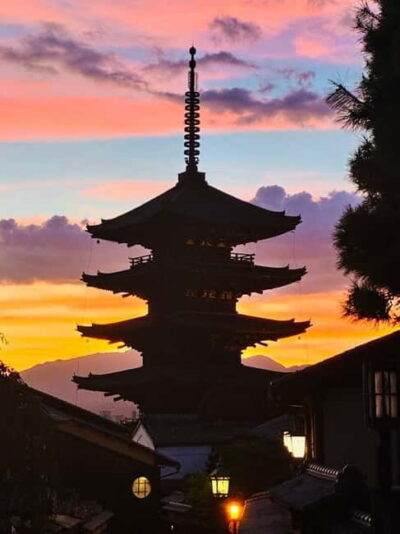
Kyoto Geisha Walking Tour: Gion District & Hidden Gems
Read our review →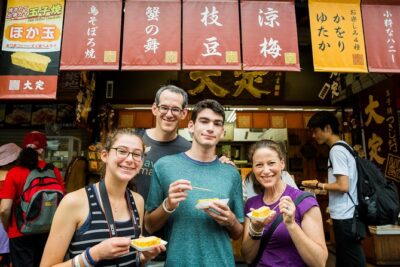
Tokyo Tsukiji Fish Market Food and Culture Walking Tour
Read our review →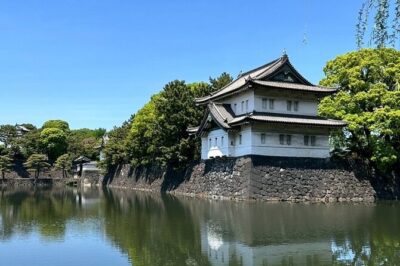
Imperial Palace and Shogun Historical Walking Tour
Read our review →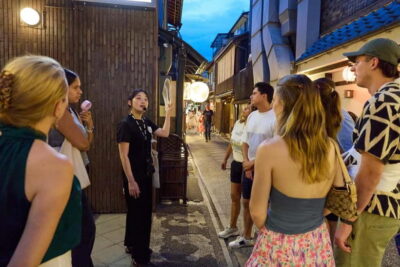
Gion Geisha District Walking Tour – Stories of Geisha
Read our review →
Best of Kyoto: Gion, Geisha, Pagodas & Cobblestones
Read our review →
Shinjuku Local Bar and Izakaya Guided Walking Tour
Read our review →
Asakusa Walking Tour with Sensoji Temple Visit
Read our review →Browse the lists this tour appears in