
Review · OSAKA
Osaka: Dark Side of Osaka Night Walking Tour
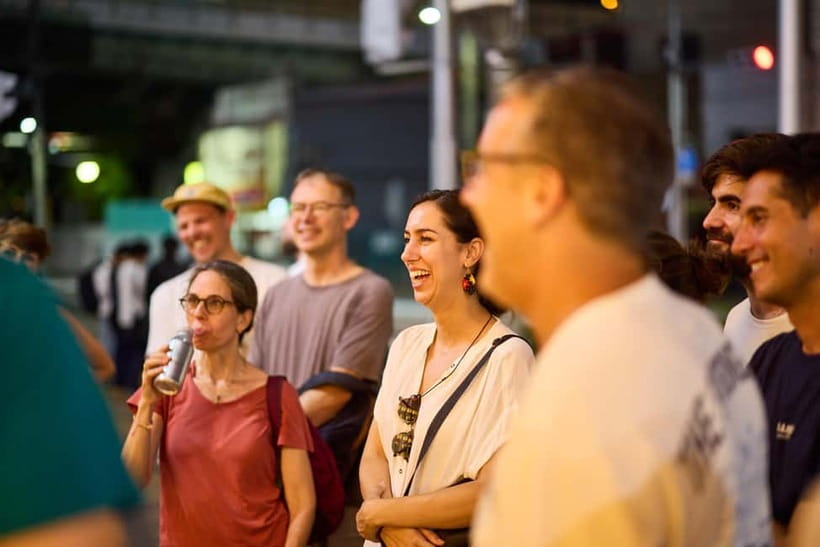
Osaka’s shadowed social history comes into focus on this night walk through Shinsekai, Nishinari, and Tobita Shinchi. You’ll see retro entertainment streets, the Tsutenkaku Tower area, and Japan’s largest red-light district while your guide explains how poverty, labor, nightlife, and changing city life fit together.
I like the tour’s honest context and its manageable two-hour length. I also like the practical local touch: guides such as Jay, Rico, and Matt have been praised for answering questions, adapting to rain, and offering food suggestions. The drawback is clear: some subjects and sights may feel confronting, and the tour is not for children under 18 or wheelchair users.
Key points to know before you book
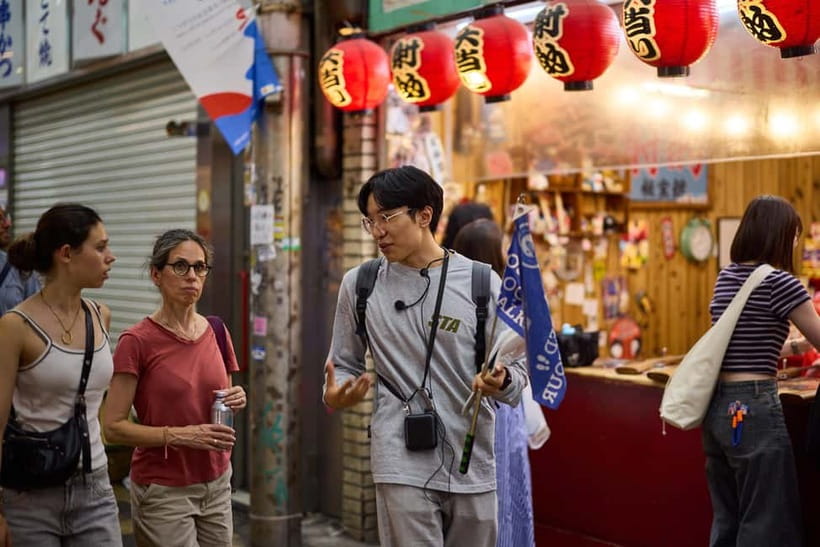
- Shinsekai began as a planned entertainment district: Its southern section drew inspiration from Paris, while the northern side looked toward New York’s Coney Island.
- Tobita Shinchi is viewed from the public streets: The tour offers social and historical context without suggesting that you enter private establishments.
- Guides shape the experience: Jay, Rico, and Matt are among the named guides praised for their history knowledge, warmth, and thoughtful handling of sensitive topics.
- Jyanjyan Yokocho adds a lighter finish: This narrow dining and shopping lane brings retro Osaka atmosphere and may help you choose where to eat afterward.
- The walk costs $25 per person: For two hours with a live English-speaking guide, that is a reasonable price if you want explanation rather than a simple neighborhood stroll.
- Wear good shoes and expect outdoor conditions: The tour runs at night on foot and does not include food, drinks, or hotel transport.
Why this Osaka walk is different
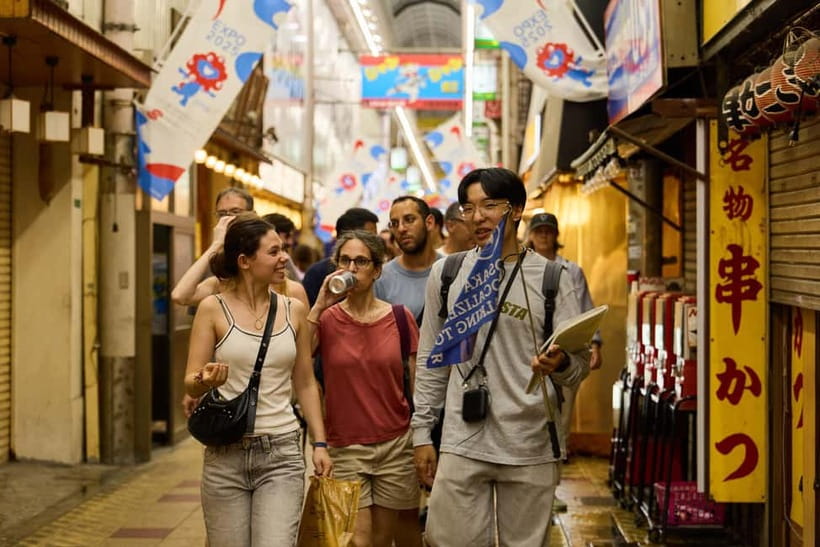
Most first visits to Osaka focus on bright signs, major shopping streets, castle views, and famous food. This tour takes another route. It asks you to look at parts of the city shaped by working-class life, day labor, poverty, entertainment, and social rules that are not usually explained in a standard sightseeing circuit.
That does not mean the walk is designed only for shock value. Its real purpose is to add context. Shinsekai can look like a colorful retro district, but its past is tied to ambitious plans for a modern entertainment quarter. Nishinari has a harder edge and a long connection with day laborers. Tobita Shinchi is a discreet and tightly regulated red-light district with more than a century of history.
I appreciate that the experience connects these places instead of treating them as isolated oddities. You get a sense of how Osaka’s older districts changed, what remains, and why some parts of the city attract budget visitors and urban explorers today.
The tone depends heavily on your guide. Jay is praised for warmth and clear explanations. Rico is described as engaging and good at placing current life beside the past. Matt is noted for his careful treatment of people and circumstances connected to the tour. These details matter because this is not a walk where a guide can simply point at a building and move on. The subject calls for tact.
More Night Walking Tours in Japan:
- Kyoto: Gion Magical Night Walking Tour with Geisha Trivia
★ 4.9 · 2,393 reviews - Night Walk in Gion: Kyoto’s Geisha District
★ 4.5 · 2,003 reviews - Osaka Bar Hopping Night Walking Tour in Namba (3 bars, 6 tastes)
★ 5.0 · 958 reviews
Meeting beneath the giant penguin
The meeting point is easy to identify: under the giant penguin outside MEGA Don Quijote Shinsekai. Your English-speaking guide will hold a GetYourGuide sign.
This is a useful starting point because the store is a prominent landmark in Shinsekai. Still, give yourself enough time to find the exact meeting spot. The tour does not include hotel pickup, so you are responsible for getting there.
From the beginning, expect a walking tour rather than a ride between stops. Comfortable shoes are essential. You should also prepare for rain, heat, or cool evening air, since the experience takes place outdoors and continues in changing street conditions.
Smoking is not allowed, and alcoholic drinks are not allowed in a vehicle. The second rule is less central here because this is a walking experience, but you should still follow the stated restrictions and respect local customs.
Shinsekai and the story behind New World
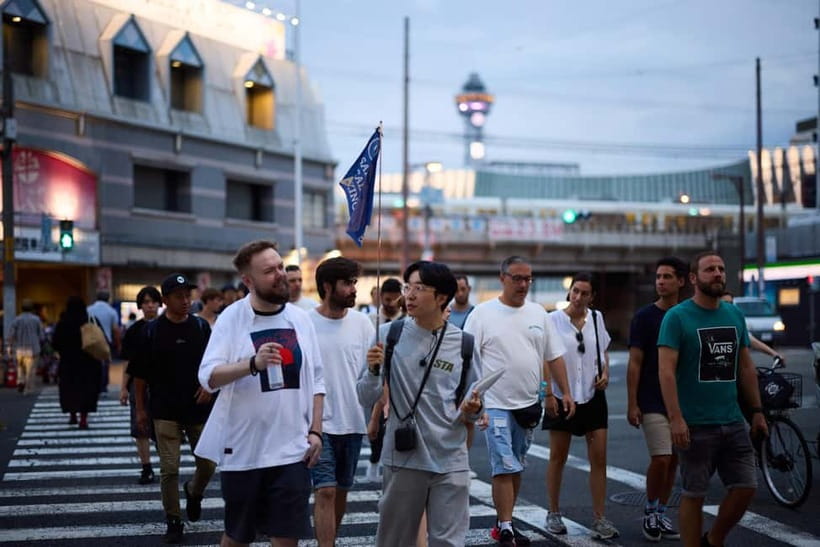
The first major stop is Shinsekai, whose name means New World. The district was created in 1912 as an entertainment area with an intentionally international flavor.
The planning idea is one of the most interesting parts of the tour. The southern section was modeled after Paris, while the northern section took inspiration from Coney Island in New York. That blend helps explain Shinsekai’s unusual look and its long association with amusement, restaurants, spectacle, and nightlife.
The grand plan did not remain grand forever. Yet the area kept its odd, nostalgic personality. You’ll see a district that feels different from polished central Osaka, with older streets and a local atmosphere that can be both cheerful and worn.
Your guide’s explanation is especially useful here. Without context, Shinsekai can seem like a collection of colorful signs, food spots, and old buildings. With context, you begin to see the gap between the district’s original modern image and its later reputation.
This part of the walk should suit you if you like cities in transition. It is less about perfect architecture and more about how an urban neighborhood changes over time.
Tsutenkaku Tower and the changing face of Osaka
Tsutenkaku Tower is one of Shinsekai’s most recognizable landmarks and the visual anchor for much of the district. The tour includes sightseeing around the tower and finishes nearby, so you will have a strong sense of where the walk ends.
The tower matters less as a lookout on this experience than as a symbol of Shinsekai. It helps you understand how the neighborhood developed around entertainment and public attractions. Its presence also makes the area easy to recognize during an evening walk.
Do not expect this tour to be a tower admission experience. The information provided describes a guided street walk, not an ascent or a ticketed visit inside Tsutenkaku. If you want to go up the tower separately, treat that as another activity and check its opening arrangements on your own.
The guide may also point out details that are easy to miss, including local signs and small clues about street behavior. One memorable example from the tour’s style of observation is the explanation that a torii painted on a wall can mean please do not urinate here. It is an unusual detail, but it shows how a guide can explain the practical codes of a neighborhood rather than only its headline sights.
More Walking Tours in Japan:
- Kyoto Geisha Walking Tour: Gion District & Hidden Gems
★ 4.7 · 3,273 reviews - Tokyo Tsukiji Fish Market Food and Culture Walking Tour
★ 5.0 · 3,184 reviews - Tokyo: Imperial Palace and Shogun Historical Walking Tour
★ 5.0 · 2,251 reviews - Kyoto: Gion Geisha District Walking Tour – Stories of Geisha
★ 4.7 · 2,187 reviews
Nishinari and the human side of the city
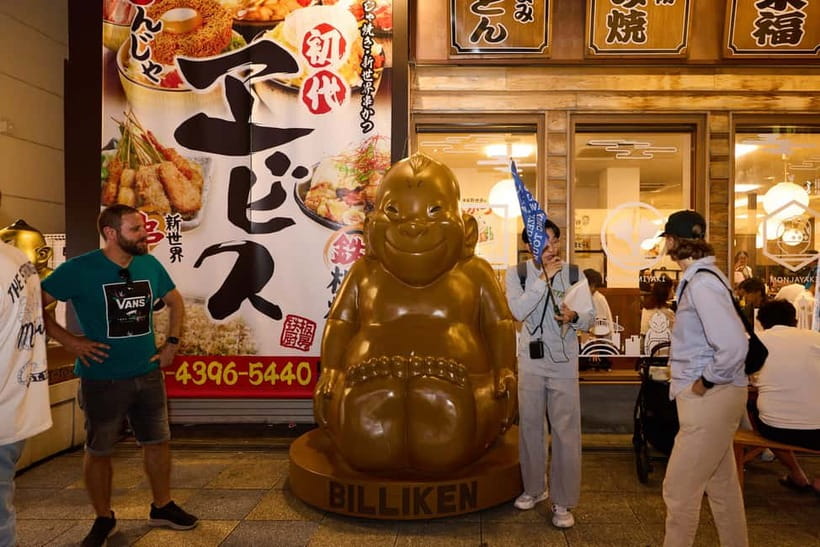
The walk continues into Nishinari, a southern Osaka district with a strong connection to working-class life and day labor. This is where the tour becomes more serious.
Nishinari has long been associated with people seeking temporary labor and inexpensive accommodation. In recent years, it has also attracted budget visitors and people curious about its rougher reputation. That change is part of the story, but it should not erase the people who live and work there.
A good guide can help you avoid the easy mistake of treating the area as an urban curiosity. Matt, for example, is praised for speaking respectfully about the people and life circumstances connected with the tour. That approach is important. You are looking at a real neighborhood, not a theme park built around hardship.
The pace is one of the tour’s strengths. The walk lasts two hours, with the stops divided into blocks of roughly 30 minutes, 30 minutes, 10 minutes, 20 minutes, and 20 minutes. Exact timing may vary, but the structure gives you enough room to listen and ask questions without turning the outing into an all-night lecture.
You should be ready for frank discussion. The tour deals with poverty, social exclusion, labor, and adult entertainment. If you want only light sightseeing, this is probably not your best Osaka evening. If you want a clearer picture of how different groups have experienced the city, the subject matter gives the tour real value.
Jyanjyan Yokocho for retro Osaka atmosphere
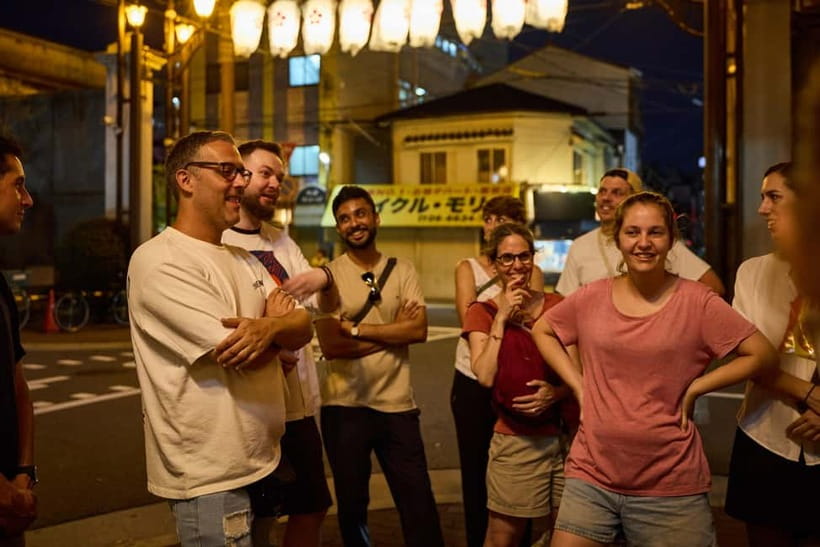
Jyanjyan Yokocho is a narrow shopping and dining street near Tsutenkaku Tower. It is known for old-style eateries, bars, and shops, and it brings the walk back toward the everyday pleasures of Osaka.
The lane has a mid-20th-century feel. You can expect a compact street scene rather than a grand attraction. That is the point. The charm comes from the signs, small storefronts, and places where people eat and meet.
This is also the most useful part of the tour for planning the rest of your evening. Food and drinks are not included, but the walk may leave you in a good position to choose a meal in Shinsekai. One participant specifically appreciated ending in the area and trying local food, while several guides offered restaurant suggestions.
Do not assume the guide will provide a meal or organize a tasting. This is not a food tour. Think of Jyanjyan Yokocho as both a sightseeing stop and a practical introduction to one of Osaka’s old dining quarters.
Tobita Shinchi and the limits of sightseeing
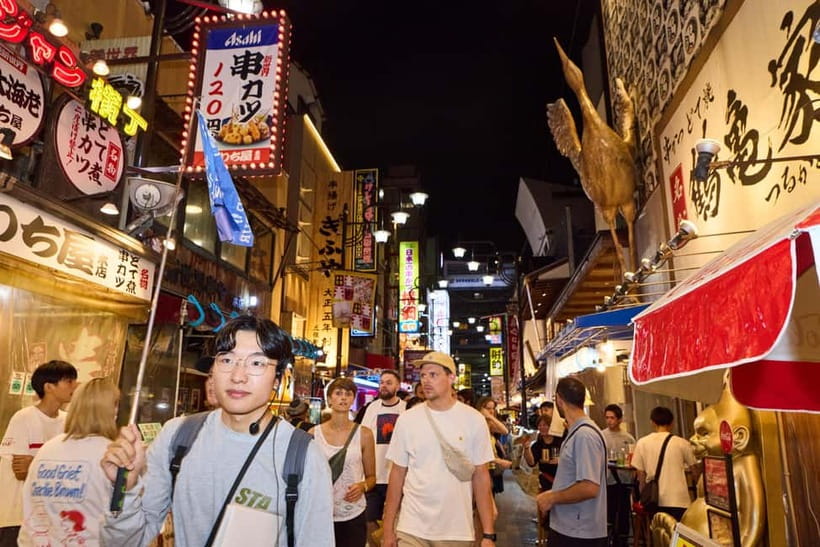
Tobita Shinchi is the most sensitive stop. It is Osaka’s largest and most famous red-light district, with a history going back more than a century.
The area is known for its distinctive architecture, discreet presentation, and tightly regulated environment. The tour gives you a chance to understand how this part of Osaka fits into the city’s urban culture, but you should behave carefully. Keep your voice down, do not photograph people or private activity without permission, and follow your guide’s instructions.
This is not a stop for casual joking or gawking. The value lies in learning how an adult entertainment district can operate within strict local customs and public discretion. The subject may challenge assumptions you bring about Japan, which is why the guide’s tone matters so much.
The tour information does not promise entry into establishments, and you should not expect it. You are walking through the area and learning about its history and social setting from public spaces.
If you have a thin skin for difficult subjects, think twice before booking. One especially direct assessment of the experience warned against bringing young children or choosing this tour if confronting material will make you uncomfortable. That is fair advice.
How much value do you get for $25?
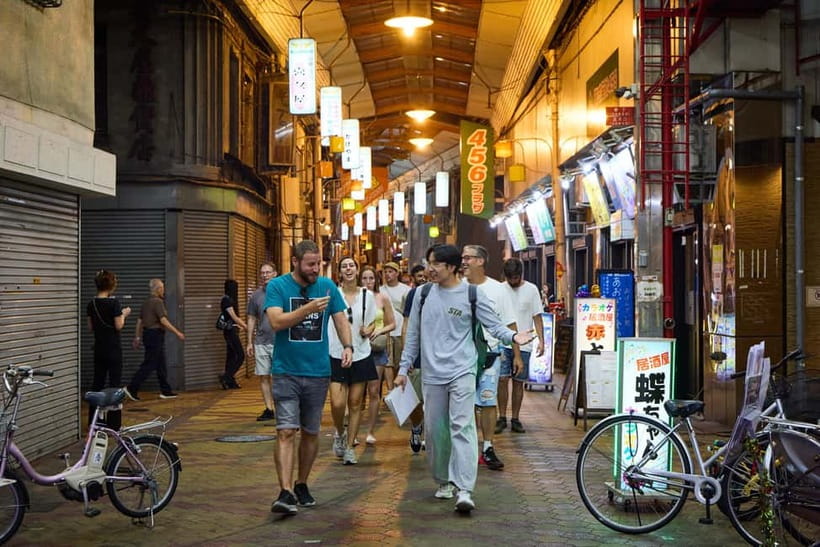
At $25 per person, this is an inexpensive guided experience by Osaka standards. You receive two hours with a live English-speaking guide and a route through several districts that can be difficult to understand from a guidebook alone.
The value comes from interpretation, not admission tickets. You are not paying for a tower ascent, a meal, or private transport. You are paying for a person who can explain why these neighborhoods look and feel the way they do, answer questions, and connect local details with wider Japanese social history.
I consider the price fair if you are curious about modern Osaka and willing to listen. It is less compelling if you plan to rush from landmark to landmark or want entertainment without serious discussion.
The experience also has the practical benefit of saving you research time. A guide can explain sensitive places in a responsible way and help you see details you might otherwise miss. Several guides are praised for local tips, including restaurant suggestions, which adds a little extra value after the official walk ends.
Group comfort, language, and physical demands
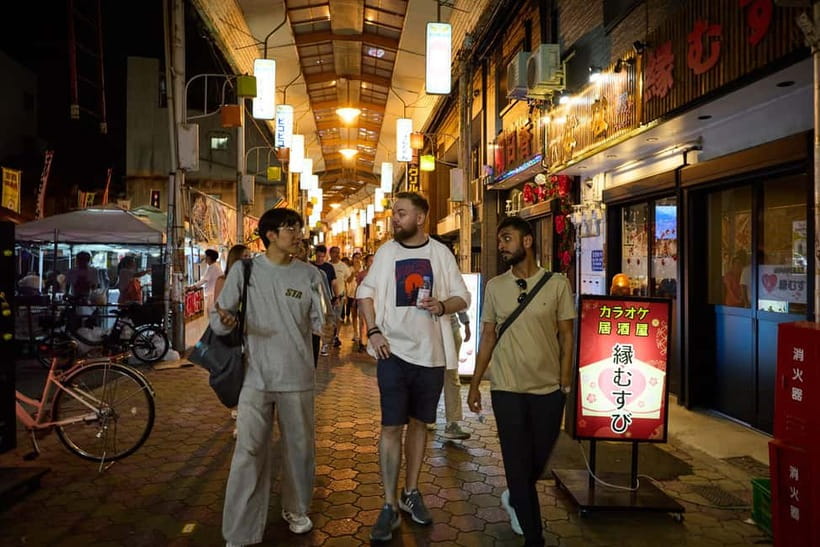
The tour is conducted in English. You should be comfortable listening to spoken English for two hours, especially when the guide covers historical and social subjects. One note worth considering is that Matt is described as speaking quickly. That may be fine for strong English speakers, but it could be tiring if English is not your first language.
The listed duration is two hours. The route is long enough to require steady walking but short enough to fit neatly into an evening in Osaka. There are several stops for explanation, so you are not walking without pause.
The experience is not suitable for wheelchair users. The information does not provide a detailed accessibility assessment, so anyone with mobility concerns should not assume the route will be easy.
It is also restricted to adults, with children under 18 not permitted. That rule fits the subject matter and the visit to Tobita Shinchi.
Who should book this tour?
I would choose this walk if you have already seen Osaka’s main sights and want social history, local context, and a less polished view of the city. It is also a good fit if you enjoy asking questions and prefer a guide who can explain difficult topics without turning them into spectacle.
You will likely get the most from it if you:
- Want to understand Shinsekai beyond its food signs and retro appearance
- Are curious about Nishinari’s working-class history
- Can listen respectfully during discussions of poverty and adult entertainment
- Enjoy small details, local customs, and practical food suggestions
- Are comfortable walking outdoors for two hours
- Are at least 18 and do not need wheelchair access
I would skip it if you want a family outing, a relaxed food crawl, or a conventional sightseeing tour. The subject matter is not softened, and the experience may feel uncomfortable at points.
The tour offers free cancellation up to 24 hours before departure, and you can reserve now and pay later. Check the available starting times when booking, since the exact departure schedule is not fixed in the information provided.
Final verdict: an honest look at Osaka after dark
The Dark Side of Osaka Night Walking Tour is worthwhile because it treats Shinsekai, Nishinari, and Tobita Shinchi as real parts of Osaka rather than odd side shows. Its best feature is the guide-led explanation, especially when guides such as Jay, Rico, and Matt bring history, personal observations, and care to sensitive subjects.
Book it if you want a candid, adult-oriented walk that explains how poverty, labor, nightlife, and urban change shaped southern Osaka. Skip it if you want only food, bright signs, and easy sightseeing. At $25, it offers strong value for curious adults who want to see more than the standard Osaka postcard.
FAQ
How long does the Dark Side of Osaka Night Walking Tour last?
The tour lasts two hours.
What is the price?
The listed price is $25 per person.
Where does the tour start?
The meeting point is under the giant penguin outside MEGA Don Quijote Shinsekai.
Where does the tour finish?
The tour finishes at Tsutenkaku Tower.
What language is the tour conducted in?
The live tour guide speaks English.
Which districts are included?
The route includes Shinsekai, Nishinari, Jyanjyan Yokocho, and Tobita Shinchi, along with sightseeing near Tsutenkaku Tower.
Is food included?
No. Food and drinks are not included.
Can children join the tour?
No. The experience is not suitable for children under 18.
Is the tour wheelchair accessible?
No. The experience is not suitable for wheelchair users.
New routes in Japan
- Tokyo: Asakusa & Sensoji ー Oldest Temple Walking Tour (2hrs)★ 5.0 · 213 reviews
- Asakusa Cultural Walk & Matcha Making Tour★ 5.0 · 245 reviews
- Asakusa Senso-ji Temple and Old Tokyo Walking Tour★ 5.0 · 560 reviews
- Tokyo: Tsukiji Market Walking Tour & Sushi Cooking Class★ 4.6 · 122 reviews
- Tokyo: Shinjuku Nightlife & Secret Backstreets Walking Tour★ 4.8 · 229 reviews
- Tokyo: Shinjuku Bar Hopping & Night Walking Tour★ 4.6 · 137 reviews
- Tokyo: Dark Side of Tokyo Shinjuku Red Light Walking Tour★ 4.7 · 862 reviews
- Tokyo: Shibuya Highlights Walking Tour★ 4.8 · 601 reviews
Osaka Walking Tours, compared.

Hotspots & Hidden Gems Walking Tour Private or Group
Read our review →
Osaka Local Foodie Walking Tour in Dotonbori and Shinsekai
Read our review →
Deep Backstreets Walking Tour with Dinner Option
Read our review →
Ultimate Osaka Walking Tour: Castle, Dotonbori & Hidden Gems
Read our review →
Main Sights and Hidden Spots Guided Walking Tour
Read our review →
Kuromon Market Food Walking Tour (6 stops, 6 tastes)
Read our review →
Castle History Walking Tour / Castle Tower Admission
Read our review →Browse the lists this tour appears in