

Review · LISBON
Lisbon: Food and Culture 3-Hour Walking Tour
Lisbon’s food makes more sense when you follow it through the city’s past. This three-hour walk links cod, bread, aromatic herbs, beer, custard pastries, and cherry liqueur to old taverns, a former monastery, a palace, and cafés that have served locals for generations. I especially like the mix of small traditional stops and the chance to sit inside Casa do Alentejo, a grand 17th-century Moorish palace.
I also like that the meal is not just a string of tastings. Your guide, including guides such as Claudio, Nina, or Fatima, explains how Lisbon’s history shaped what appears on the plate and points you toward other shops and restaurants. The main consideration is mobility: this is a walking tour through central Lisbon and is not suitable for people with mobility impairments.
Key points to know before booking
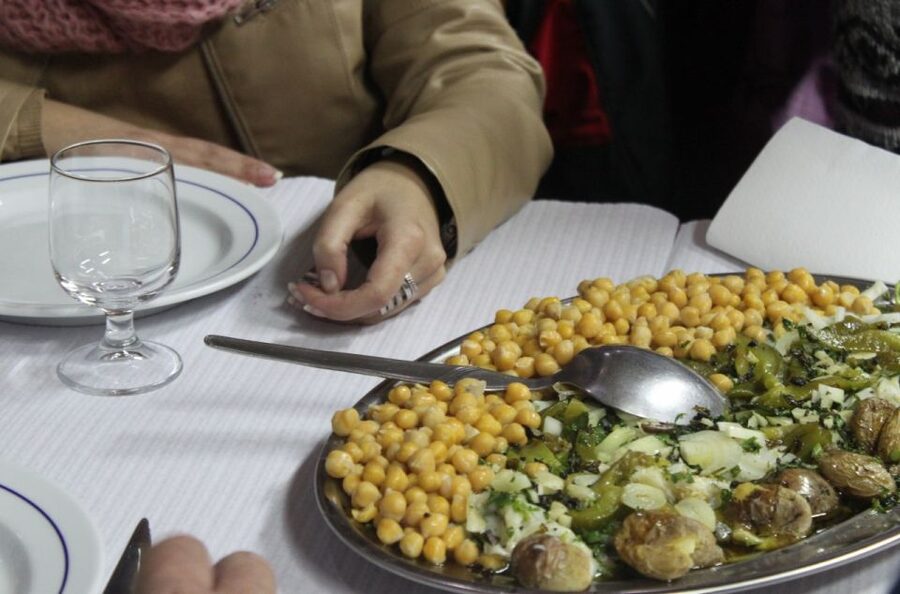
- Up to five food stops: Visit taverns, breweries, cafés, and restaurants during one three-hour walk.
- A full meal in small portions: Lunch or dinner and four food tastings are included, and the food is substantial enough that you may not need breakfast beforehand.
- Historic places with a purpose: The route includes a former monastery brewery, a 17th-century palace, and Lisbon’s oldest confectionery.
- Portuguese flavors beyond pastel de nata: Expect cod, tuna, pork liver, octopus, chickpeas, bread, herbs, pastries, coffee, and possibly ginjinha.
- Guides who add local direction: Claudio, Nina, and Fatima have received particular praise for their storytelling, warmth, and useful tips for other cafés and shops.
- Central meeting point: Start at Café A Brasileira in Chiado, close to the Baixa-Chiado metro station.
Lisbon’s food story begins in Chiado
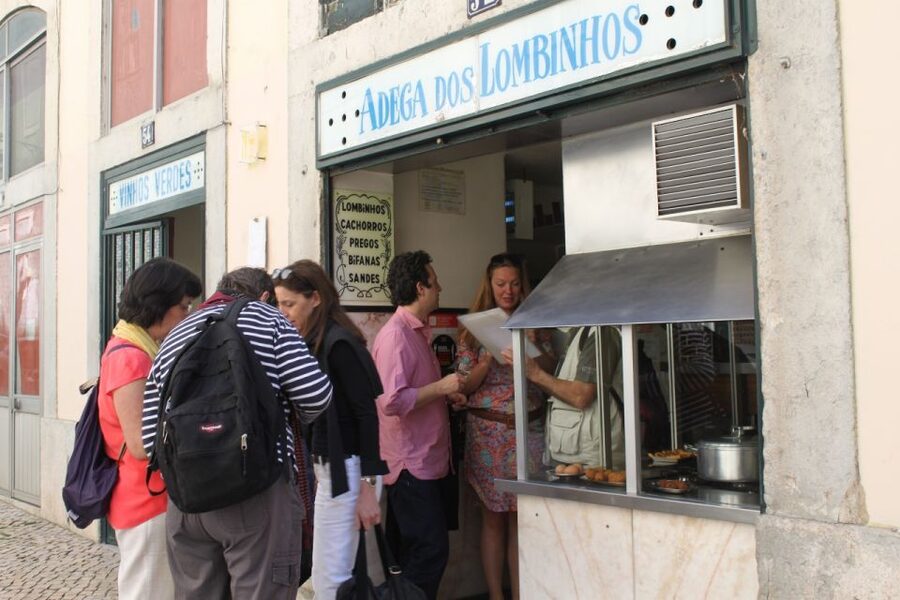
The tour starts at Café A Brasileira, at Rua Garrett 120 in Largo do Chiado. This gives you a handy central meeting point near Baixa-Chiado metro station, though transfers to and from the meeting point are not included.
From here, the walk uses food to explain Lisbon rather than treating the city as a backdrop. That approach suits me. You are not simply told that Portuguese cooking is traditional. You taste the ingredients and dishes that show why bread, cod, fish, herbs, pastries, and drinks matter so much in daily life.
The route is designed around up to five venues. The exact final stop can vary, since the description gives two possible endings: Confeitaria Nacional or the tavern Amigos da Severa. It is worth asking your guide at the start which version you will follow.
The guides work in English or German. Previous guide names include Claudio, Nina, and Fatima. Their strengths, based on the feedback attached to the experience, are personal storytelling and practical advice. One German-speaking participant described Fatima as feeling like a much-loved relative showing someone around her home city. Another praised Claudio for creating an easy connection while still offering plenty of food and information.
You should not expect a large lecture. The appeal is a conversation while moving between places, with room to ask about dishes, restaurants, and shops. An American family particularly valued being able to ask questions about the area and its history, which is useful if you want more than a fixed script.
More Food Walking Tours in Lisbon
- Lisbon: Food and Wine Small Group Walking Tour
★ 4.9 · 4,082 reviews - Lisbon Food Tour with 10+ Tastings of Local Delicacies & Wines
★ 5.0 · 1,339 reviews - Lisbon Roots – Small group Food & Culture Walking Tour w/tastings
★ 5.0 · 910 reviews
Rua das Flores Tavern and the flavors of a Lisbon table
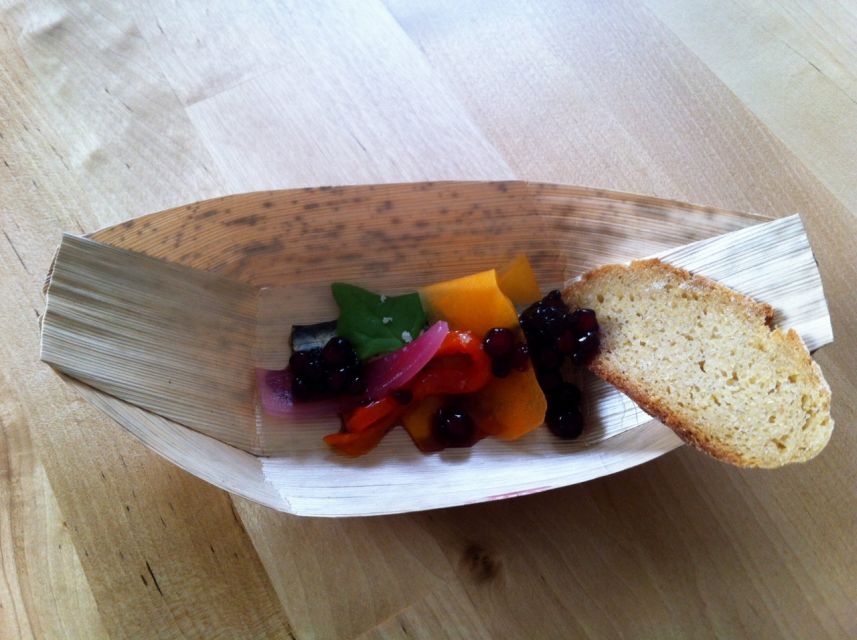
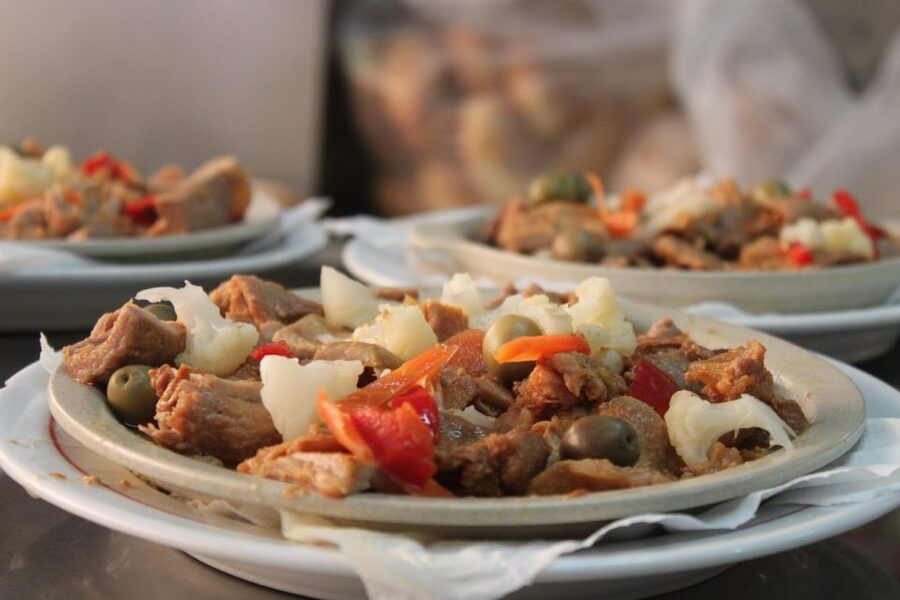
One early stop is Rua das Flores Tavern, an old-style place with a short seasonal menu. The dishes named for this stop include cod, tuna, and iscas, a Portuguese preparation made with pork liver.
A short menu is a good sign for this kind of outing. It suggests that the food follows what the kitchen is serving that day rather than presenting a long list built for visitors. You taste the menu of the day, so you should be ready for some variation instead of expecting every dish to appear on every tour.
The pork liver is the boldest choice for many diners. If you prefer mild food, it may be the stop that tests you most. Still, that is part of the point. This tour does not limit itself to the safest pastry and a small piece of cod. It gives you a look at dishes that are part of Portuguese cooking but may not appear on a first-time visitor’s shortlist.
The stop also helps explain the tour’s connection between food and local life. Cod is one of Portugal’s best-known foods, but the experience places it alongside tuna and iscas, giving you a broader view of what people actually eat. The portions are tastings, yet the meal is described as generous enough to leave you well fed.
Trindade brewery, a former monastery, and Lisbon snacks
Next comes Trindade beerhouse, located in a former monastery. The site was later converted into a restaurant and is linked with the first Portuguese brewery. You learn how the place changed use over time while trying one of Lisbon’s famous snack combinations with a beer.
The food here includes octopus and cod mixed with chickpeas, along with the item described as spat. The wording of the menu can vary, so ask your guide to identify each bite as it arrives. That is especially helpful if you want to remember the dishes and order them again later.
This is one of the most useful parts of the walk for anyone who plans to eat independently in Lisbon. You get an example of how fish and pulses work together in Portuguese cooking, rather than tasting isolated ingredients. The beer also breaks up the sweeter and more delicate stops later in the route.
The historic building adds interest, but the setting can be as important as the snack. You are eating in a place that has changed from religious use to brewing to dining. It gives the guide a natural way to explain how Lisbon’s buildings and eating habits have shifted over time.
Café Lisboa and the pleasure of a crumbly pastry
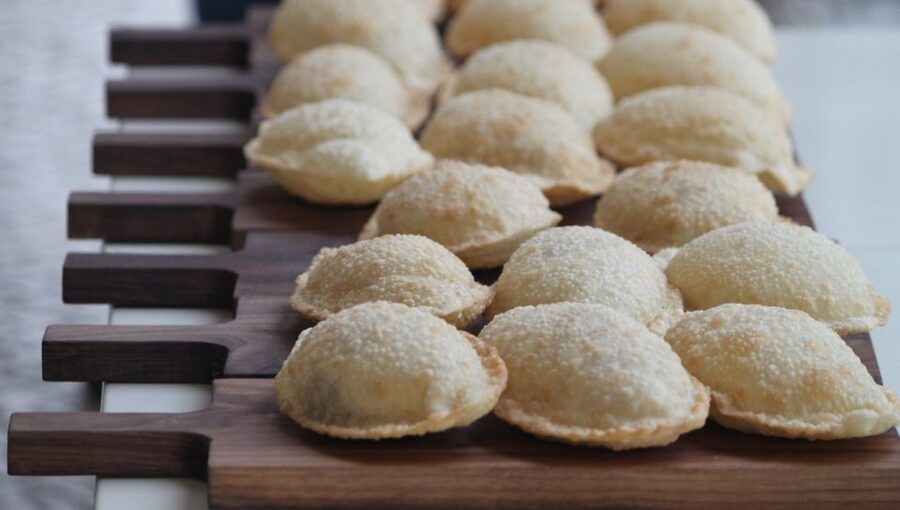
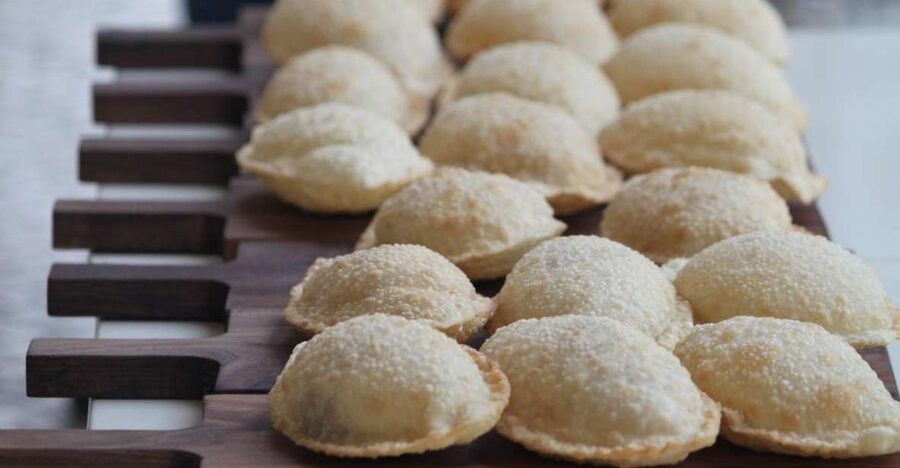
At Café Lisboa, you try a pastel Lisboa, described as irresistibly crumbly. This is a pastry stop rather than a full plate, but it matters because Portuguese food culture is strongly tied to cafés and baked goods.
You may know the more familiar pastel de nata, but the name used here is Pastel Lisboa or pastéis Lisboa. Ask the guide what makes this version different and how it fits into Lisbon’s pastry tradition. That simple question can turn a quick sweet into a useful lesson.
The café setting also changes the rhythm of the tour. After savory dishes and beer, a crumbly pastry offers a lighter pause. Bring a little patience and care to this stop: crumbly pastries are delicious but not always tidy while walking.
I like this part because it keeps the experience grounded in ordinary café life. Not every food experience needs a grand restaurant. A pastry eaten with a short explanation about local habits can tell you as much about a city’s daily routine as a formal meal.
More Food Walking Tours in Portugal
- Lisbon Private Food Tour – Taste 10+ Local Dishes & Wines
★ 5.0 · 896 reviews - Eat & Walk Through Lisbon: A Local Food & Wine Experience
★ 4.9 · 458 reviews - Lisbon: Baixa Food Walking Tour with Drinks
★ 4.9 · 354 reviews - Lisbon: Food & Wine Walking Tour Through Baixa
★ 4.9 · 287 reviews
Casa do Alentejo, where southern Portugal comes to the table
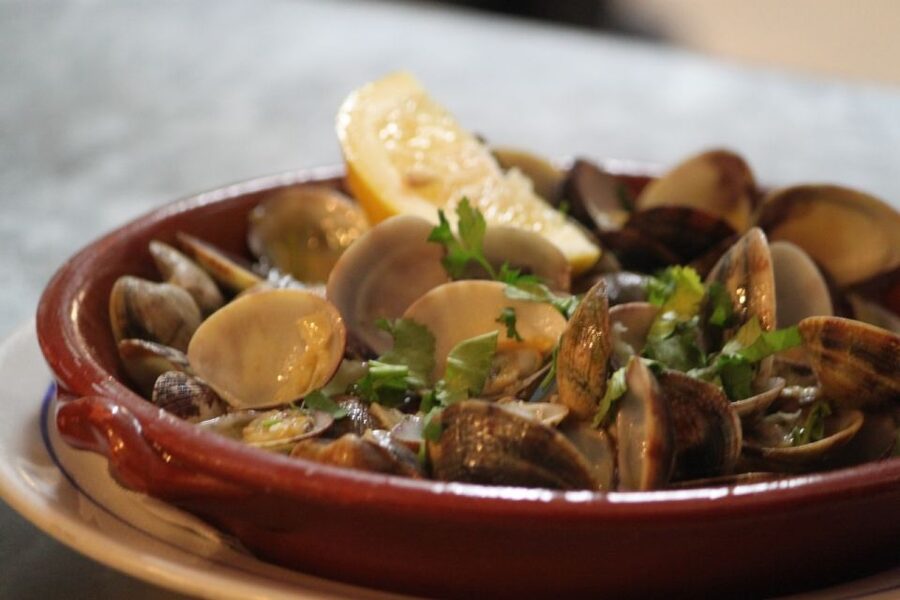
The most dramatic stop is Casa do Alentejo, housed in an ornate 17th-century Moorish palace. The building is now one of Lisbon’s most exquisite restaurants, and the setting gives the tour a change of scale after the smaller taverns and cafés.
Here, the food represents southern Portugal, especially the Alentejo region. The key ingredients are bread and aromatic herbs. That combination may sound simple, but it shows how a few well-used ingredients can shape a regional cuisine.
You should pay attention to the contrast between the grand interior and the plain, practical foundation of the food. Bread and herbs are not presented as luxury ingredients. They point to a cooking tradition built around making satisfying food from staples, with flavor coming from careful seasoning and preparation.
This stop is also valuable for people who want to see a beautiful interior without arranging a separate restaurant visit. You get both the room and a taste of southern Portuguese cooking in one stop. The tradeoff is that a three-hour route cannot give you a full meal from every region of Portugal. Consider this a focused introduction, not a complete survey of national cuisine.
Two possible finishes: pastry and coffee or fado and ginjinha
The final part can take one of two forms. One option is Confeitaria Nacional, identified as Lisbon’s oldest establishment of its kind. It is known for traditional cakes and pastries, and you sample a custard tartlet with coffee.
This ending is ideal if you want a classic café experience and another chance to ask about Portuguese pastries. Coffee and a custard tart make a gentle finish after the savory food earlier in the route. Since the tour includes four food tastings, your guide can clarify how the pastry stop fits into the total count.
The other option is Amigos da Severa, an old tavern where you may hear live fado music and try Lisbon’s best-known ginjinha, a cherry liqueur. Fado gives the final stop a cultural layer that food alone cannot provide. It is especially appealing if you want to connect Lisbon’s eating and drinking traditions with music.
Because the description presents these as alternatives, do not assume both Confeitaria Nacional and Amigos da Severa are included in the same outing. If one matters more to you, ask about the day’s route before you book or at the meeting point.
Ginjinha is a small drink, but it can be a strong one. If you do not drink alcohol, ask your guide what nonalcoholic alternative is available. The supplied details do not specify one, so it is better to check rather than count on it.
What four tastings and a meal mean for the price
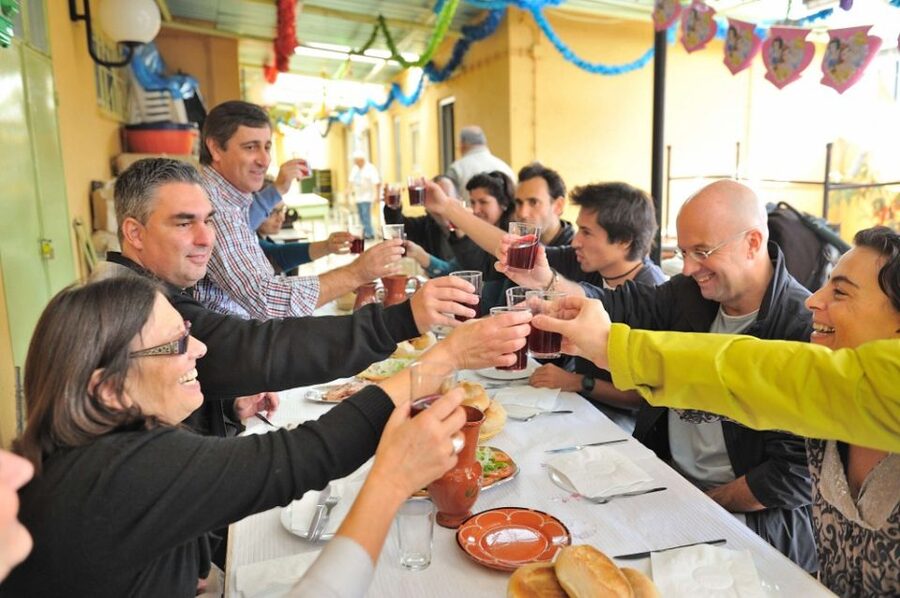
The cost is $93 per person. That is not a cheap snack walk, but it includes a guide, lunch or dinner, and four food tastings over three hours. The value depends on what you want from the outing.
If you only want a few pastries, you can spend less by visiting cafés on your own. This experience earns its price through the combination of food, access to several established venues, historical context, and the guide’s help in choosing what to eat later.
The meal portion is important. One participant noted that the servings were plentiful enough to feel full even without breakfast. That does not mean you should treat the tour as an unlimited meal, but you can reasonably plan it as a substantial lunch or dinner rather than a light tasting session.
You also save the effort of deciding where to go in a city with many tempting restaurants. Claudio, Nina, and Fatima have been praised for sharing suggestions for other places and shops. Those tips can add value beyond the three-hour route, especially if this is your first stay in Lisbon.
Still, food preferences matter. The route includes fish, pork liver, shellfish or octopus, dairy or pastry items, beer, coffee, and possibly cherry liqueur. If you have allergies, dietary restrictions, or strong dislikes, contact the provider before booking. The supplied details do not promise substitutions.
Who will get the most from this walk
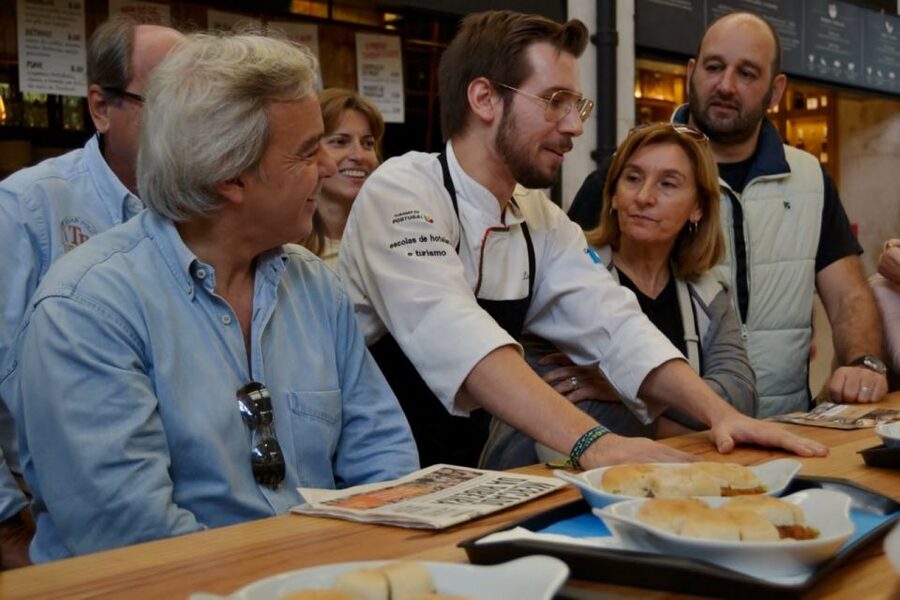
I would choose this tour for a first or early visit to Lisbon, when you want food to help you understand the city. It suits curious eaters who enjoy trying dishes they might not order alone, especially cod, iscas, octopus, chickpeas, and regional southern food.
It also suits families and small groups who like to ask questions. The experience is more useful when you speak up. Ask about the origin of a dish, the difference between pastry names, and which restaurants or shops your guide recommends for the rest of your stay.
The tour is less suitable if you want a relaxed sit-down meal in one restaurant. You will move between up to five places, so the pace includes walking, entering, tasting, and listening. Wear comfortable clothes and shoes, and expect the route to feel active rather than leisurely.
People with mobility impairments should note that the experience is specifically marked as unsuitable for them. The exact walking distance and number of steps are not provided, so anyone with limited mobility should ask the operator for more detail before booking.
The group size is not stated. A private-feeling outing can happen by chance, as it did for one participant who had the guide to themselves, but you should not assume that will be standard. Ask about group size if personal attention is important to you.
Practical details that affect your day
Plan to arrive at Café A Brasileira in good time. The meeting point is at Rua Garrett 120, Largo do Chiado, near Baixa-Chiado metro station. Transport to and from the meeting point is your responsibility.
The tour lasts three hours, with starting times available according to the date you select. It is offered in English and German. Guide quality can shape the experience, and the named guides praised in the feedback include Claudio, Nina, and Fatima, but the assigned guide depends on the booking.
The tour allows free cancellation up to 24 hours before departure for a full refund. You can also reserve now and pay later, which helps if your Lisbon schedule is still changing.
I would avoid booking it immediately after a major meal. The food is described as plentiful, and the route includes lunch or dinner plus four tastings. Come hungry, but not so hungry that you rush the explanations.
Should you book this Lisbon food tour?
Book it if you want history served with your food, not just a list of dishes. The former monastery brewery, Casa do Alentejo palace, old tavern, cafés, and possible fado stop give the meal a strong sense of place.
The $93 price makes the most sense if you value a guided introduction, several tastings, and practical advice for eating on your own afterward. Skip it if you prefer to choose every dish yourself, need guaranteed dietary substitutions, or have trouble walking between venues.
For most curious first-time visitors, this is a useful way to get oriented to Lisbon’s food culture in one afternoon or evening. Just confirm the final stop, mention any dietary needs, and wear comfortable clothes.
FAQ
Where does the Lisbon food tour meet?
The meeting point is Café A Brasileira at Rua Garrett 120, Largo do Chiado, Lisbon. It is near the Baixa-Chiado metro station.
How long does the tour last?
The walking tour lasts three hours.
How many places will the tour visit?
The route visits up to five different venues, including an old brewery and a famous café.
What food and drinks are included?
The experience includes lunch or dinner and four food tastings. Foods may include cod, tuna, pork liver, octopus, chickpeas, Pastel Lisboa, southern Portuguese dishes based on bread and aromatic herbs, custard tartlets, coffee, beer, and possibly ginjinha.
Is Casa do Alentejo part of the route?
Yes. The tour includes a visit to Casa do Alentejo, a 17th-century Moorish palace that now houses a restaurant serving traditional food from southern Portugal.
Which languages are available?
The tour is offered in English and German.
Is the tour suitable for people with mobility impairments?
No. The experience is marked as unsuitable for people with mobility impairments. Comfortable clothing is recommended, and you should ask the provider for more route details if walking ability is a concern.
More Three-Hour Walks in Lisbon
- Lisbon: 3-Hour The Slave Trade – An Historical Walking Tour
★ 4.9 · 179 reviews - Prague: 3-Hour Walking Tour of Old Town & Prague Castle
★ 4.7 · 5,696 reviews - Eat Like a Local: Venice 3-Hour Small-Group Food Tasting Tour
★ 5.0 · 3,137 reviews - Experience Porto’s Charm: 3-Hour Guided Walking Tour
★ 5.0 · 2,432 reviews
More Cultural Walking Tours in Lisbon
- Savannah First Squares Culinary & Cultural Walking Food Tour
★ 5.0 · 3,229 reviews - Tokyo Tsukiji Fish Market Food and Culture Walking Tour
★ 5.0 · 3,184 reviews - New Orleans French Quarter, Voodoo and Culture Walking Tour
★ 4.5 · 2,961 reviews - Amsterdam: Cultural Highlights Walking Tour
★ 4.9 · 2,629 reviews
New routes in Lisbon
- Small Group Walking Tour of Belém★ 4.9 · 80 reviews
- Lisbon: Walking Tour in the Center (Max 12 Participants)★ 5.0 · 741 reviews
- Lisbon Through the Eyes of a Local – Food and Walking Tour★ 4.9 · 141 reviews
- Lisbon: Street Art Walk★ 5.0 · 79 reviews
- Lisbon Tram No. 28 Ride & Walking Tour★ 4.1 · 766 reviews
- Lisbon: Private Boat Trip, Guided Walking Tour, Bike & Tram★ 4.8 · 116 reviews
- Lisbon: Jewish Walking Tour★ 4.9 · 96 reviews
- Lisbon: Helicopter Ride, Boat Trip, & Old Town Walking Tour★ 4.7 · 480 reviews
Lisbon Walking Tours, compared.
Best of Lisbon Small-Group Guided Walking Tour
Read our review →
Best of Lisbon Walking Tour: Rossio, Chiado & Alfama
Read our review →
Lisbon Food Tour with 10+ Tastings of Local Delicacies & Wines
Read our review →
Sintra & Cascais Day Tour with Pena Palace Entry and Gardens Walk
Read our review →
Lisbon Roots – Small group Food & Culture Walking Tour w/tastings
Read our review →Browse the lists this tour appears in