
Review · LISBON
Best of Lisbon Walking Tour: Rossio, Chiado & Alfama
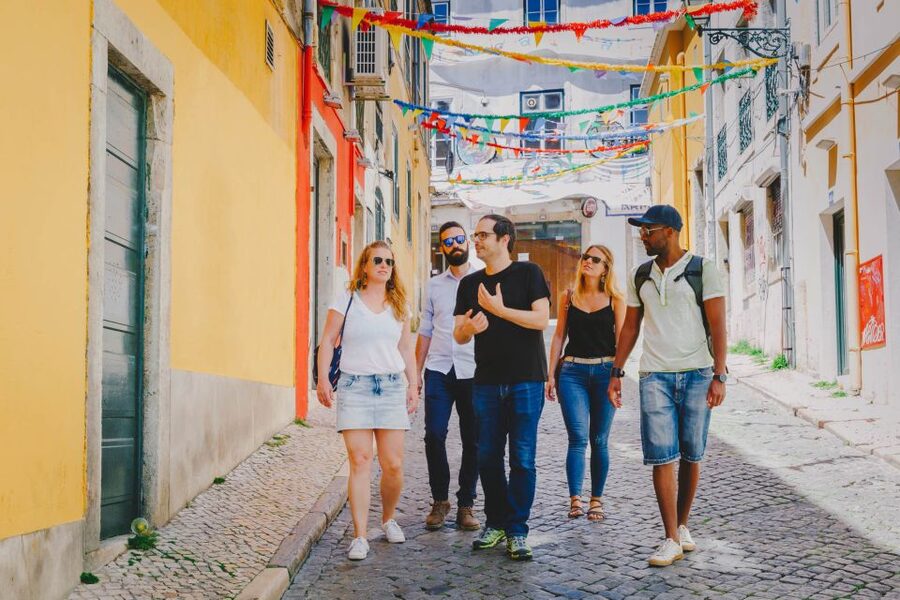
Lisbon’s story comes into focus on foot, from the grand plazas of Baixa to the crooked lanes of Alfama. I like that this tour links earthquake-era city planning with the Carnation Revolution, then adds a pastel de nata, a local snack, and wine rather than treating Lisbon as a string of photo stops. I also like the finish at Praça do Comércio, where the walk ends at the city’s old river entrance. The main consideration is the terrain: three hours of walking, hills, cobbles, and winding streets call for sturdy shoes and a reasonable level of comfort on foot.
Guides are a major part of the experience. Filipa, Daniel, Maria, Carlos, Martin, Joana, and others have been praised for warmth, humor, clear explanations, and useful restaurant or sightseeing advice. Your exact guide will vary, but the format favors conversation and questions rather than a nonstop lecture.
Key points at a glance
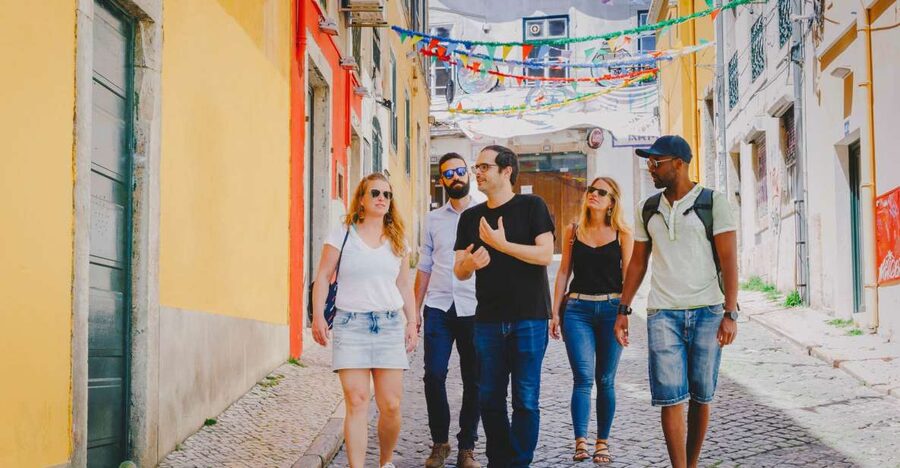
- Rossio to Alfama in three hours: Cover Lisbon’s central districts without spending the day on a bus.
- A useful history lesson: Connect the Restoration of Independence, the 1755 earthquake, and the 1974 Carnation Revolution.
- Three tasting moments: Expect one pastel de nata, one local snack, and one wine tasting.
- Strong city orientation: Finish knowing how Rossio, Chiado, Baixa, Alfama, and Praça do Comércio fit together.
- Guides with local character: Guides including Filipa, Daniel, Maria, Carlos, and Martin are praised for humor, warmth, and practical advice.
- A walking tour with hills: Wear comfortable shoes and clothing. Pets are not allowed.
Starting at Rossio, Lisbon’s central stage
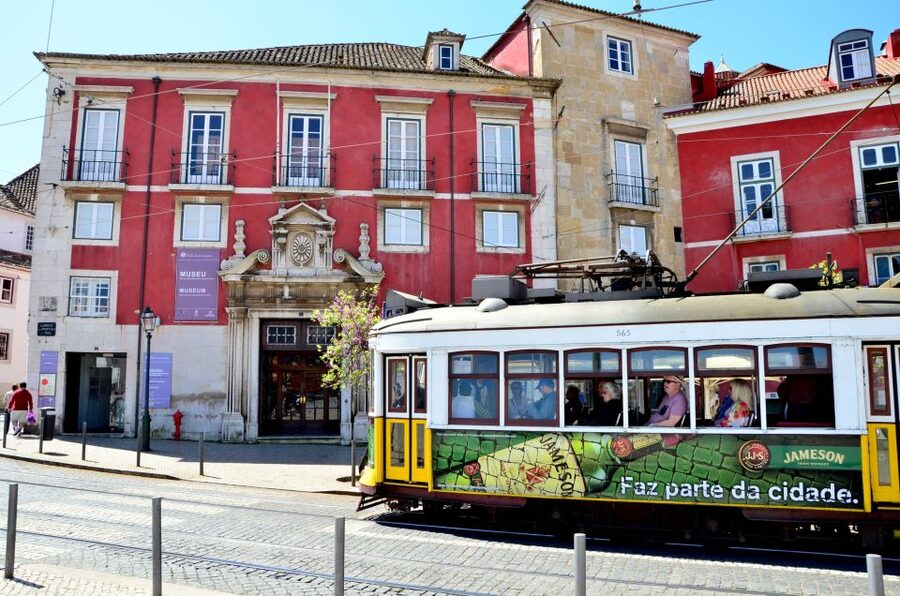
Meet near the statue of Dom Pedro IV in Rossio Square. This is a sensible starting point because Rossio links old Lisbon with the rebuilt downtown and is easy to recognize once you reach the square.
The opening stop sets the tone. You’ll look across Rossio’s broad pavement, see the wave-patterned stone underfoot, and hear how the square functions as a central meeting place. The tour then moves toward St. Dominic’s Square, a smaller site with a darker historical story, before reaching Rossio Railway Station.
The station is worth a pause even if you never board a train. Its neo-Manueline facade uses the ornate arches and decorative forms associated with Portugal’s national architectural style. The guide’s job here is not just to point out a pretty building, but to help you notice how Lisbon mixes grand monuments with ordinary city life.
I like this first section because it gives you a practical map. Rossio is not an isolated attraction. It is your reference point for finding Chiado, Baixa, and the routes toward Alfama later in the day.
More Walking Tours in Lisbon:
- Lisbon: History, Stories and Lifestyle Walking Tour
★ 4.8 · 10,902 reviews - Best of Lisbon Small-Group Guided Walking Tour
★ 5.0 · 4,869 reviews - Lisbon: Food and Wine Small Group Walking Tour
★ 4.9 · 4,082 reviews
Restauradores and the story of national independence
From Rossio, the walk reaches Restauradores Square. At its center is an obelisk marking Portugal’s restoration of independence from Spain. The monument gives the guide a clear opening to explain a major turning point in Portuguese history.
You do not need a long political lecture to appreciate the stop. The value is in seeing how a square, a monument, and a national memory fit together. The tour keeps moving, so you get context without losing the street-level feel of the walk.
This is also where a local guide can add useful perspective. Several guides, including Martin, Daniel, and Maria, are praised for making historical material lively and easy to follow. That matters on a walking tour. Lisbon has plenty of dates, rulers, disasters, and political changes, but the best explanations help you connect those events to the places beneath your feet.
Carmo Square and the Carnation Revolution
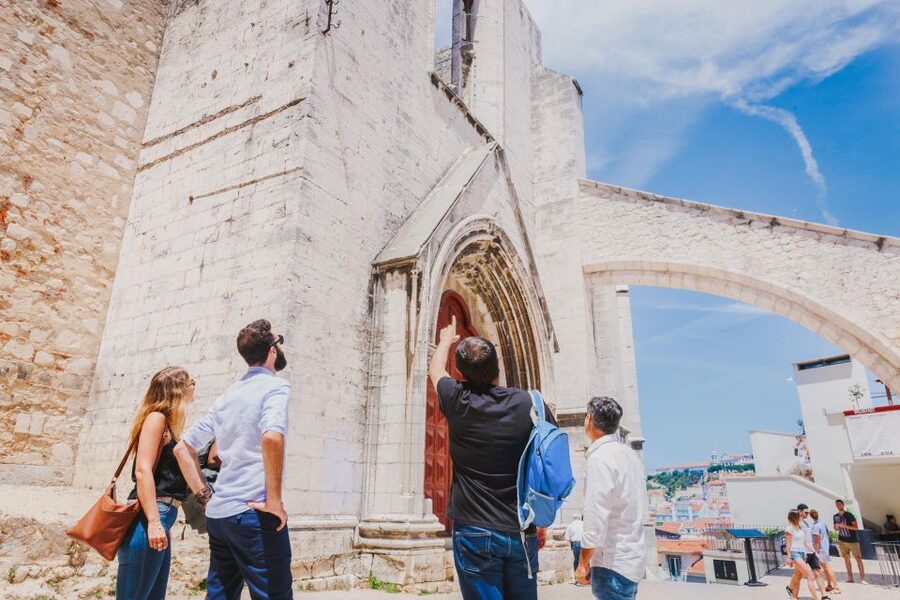
Carmo Square is one of the most important stops because it brings Lisbon’s recent political past into the route. Here you’ll learn about the Carnation Revolution of 1974, the peaceful military-led uprising that ended 48 years of dictatorship.
The setting helps make the story memorable. Carmo is an elegant square, and the surrounding area gives you a pause from the heavier traffic of the lower city. The guide explains how this place fits into Portugal’s move toward democracy, adding modern history to the older stories of monarchy, empire, and earthquake reconstruction.
I especially value this stop for first-time visitors who want more than postcard Lisbon. The tour does not present the city as a museum piece. It connects old streets with the country’s 20th-century political life and present-day identity.
The square is also listed as a photo stop and viewpoint. Expect time to look around and take pictures, but do not expect a long indoor visit or an included entrance to a museum or monument. Entrance fees and guiding inside attractions are not part of the tour.
Chiado, where Lisbon gets literary and stylish
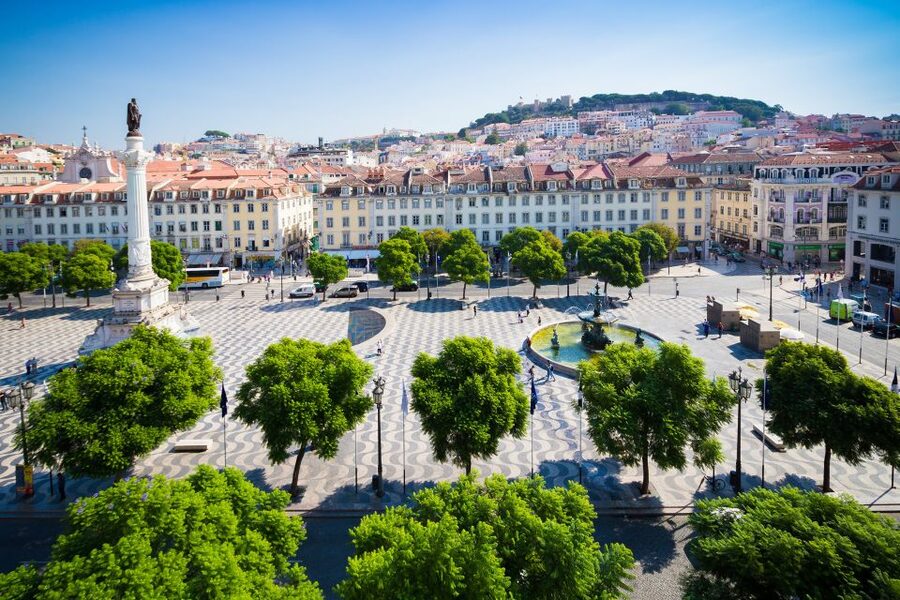
The route continues through Chiado, one of central Lisbon’s most elegant districts. You’ll pass old cafés, theatres, boutiques, and bookstores, with the guide explaining how this part of the city developed its refined character.
Chiado works well in the middle of the tour because it changes the mood. Rossio and Restauradores feel open and monumental. Chiado is more about streets, storefronts, café culture, and the details of everyday city life.
Your guide may also offer recommendations for restaurants and places to explore later. Diane specifically appreciated advice on restaurants and shortcuts up Lisbon’s hills, while several others found the local tips useful for planning the rest of their stay. These suggestions can be one of the tour’s practical rewards, especially if you take it near the beginning of your visit.
The route passes through the district rather than offering a dedicated shopping or café break. If you want time to browse bookstores or sit down for coffee, save Chiado for a return visit.
Same streets, a different guide:
- Age of Discoveries Walking Tour in Belém
★ 5.0 · 1,513 reviews - Lisbon Food Tour with 10+ Tastings of Local Delicacies & Wines
★ 5.0 · 1,339 reviews - Sintra & Cascais Day Tour with Pena Palace Entry and Gardens Walk
★ 5.0 · 962 reviews - Lisbon Roots – Small group Food & Culture Walking Tour w/tastings
★ 5.0 · 910 reviews
Baixa and the city rebuilt after disaster
Baixa is the architectural center of the walk. This lower district was rebuilt after the 18th-century earthquake according to new rules of urban planning. The streets are more orderly here than in Alfama, and the layout reflects an effort to make the rebuilt city more controlled and safer.
The guide helps you read Baixa as a planned response to catastrophe. You will hear about the new urban rules and the design principles used to rebuild Lisbon. That turns a simple walk through straight streets into a lesson in how cities respond after disaster.
This is one of the tour’s strongest educational sections because the evidence is all around you. You do not have to imagine the difference between old and new Lisbon. You can see it as the route moves from the planned geometry of Baixa toward the irregular lanes of Alfama.
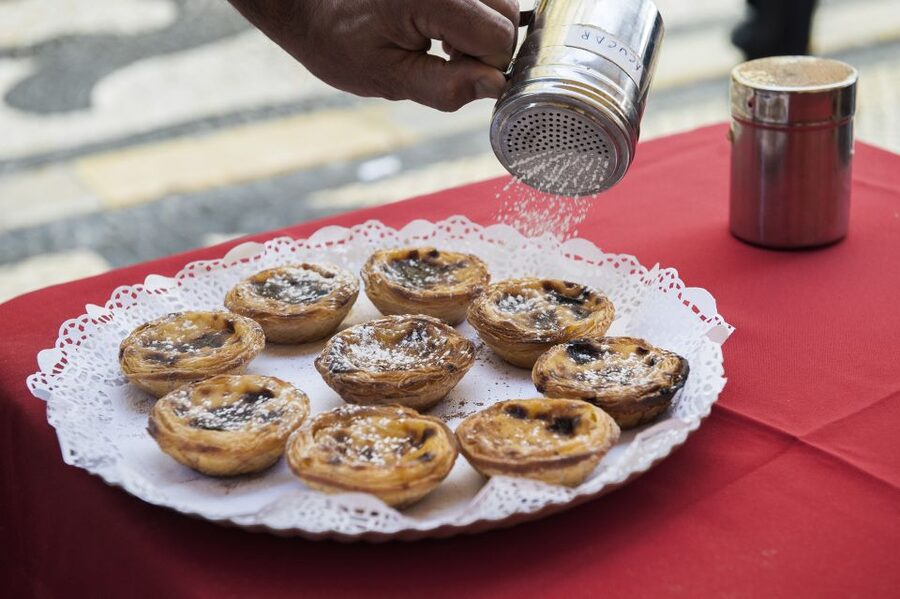
Baixa is also where the food tasting begins. The included pastel de nata gives you a small but welcome break. It is one Portuguese custard tart, not a full snack stop, but it adds flavor and local context to the history.
The tour materials also mention an additional snack and wine tasting later in Alfama. Past visitors have described the snack as a codfish cake and the wine as green wine, though the exact offering can vary. Treat these as tasting portions, not lunch. If you need a proper meal, plan one after the walk.
Views from Lisbon’s hills
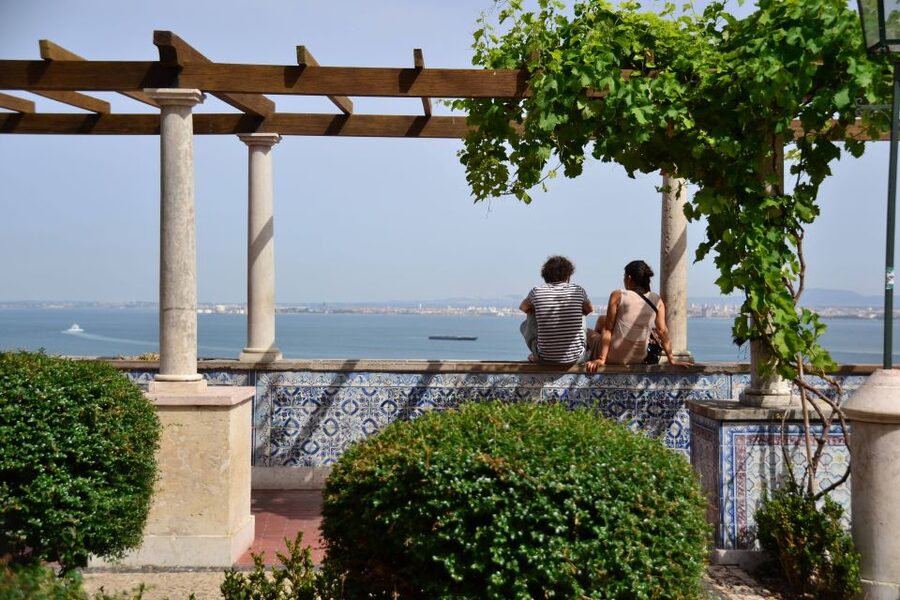
The itinerary includes two viewpoint stops. These breaks matter because Lisbon’s hills can make the city feel confusing when you first arrive. A high view helps you understand the relationship between the central districts, the rooftops, and the riverfront.
The viewpoints are listed for photographs, sightseeing, and guided explanation. The exact view depends on the route and conditions, but you can expect a chance to pause and look across the city rather than simply power uphill.
Do not mistake the viewpoints for free time at a major attraction. They are part of the walking route, with limited time at each stop. Still, they give the tour a welcome rhythm: history in a square, architecture on a street, then a broad view that helps the pieces fit together.
Alfama, Lisbon’s oldest-feeling quarter
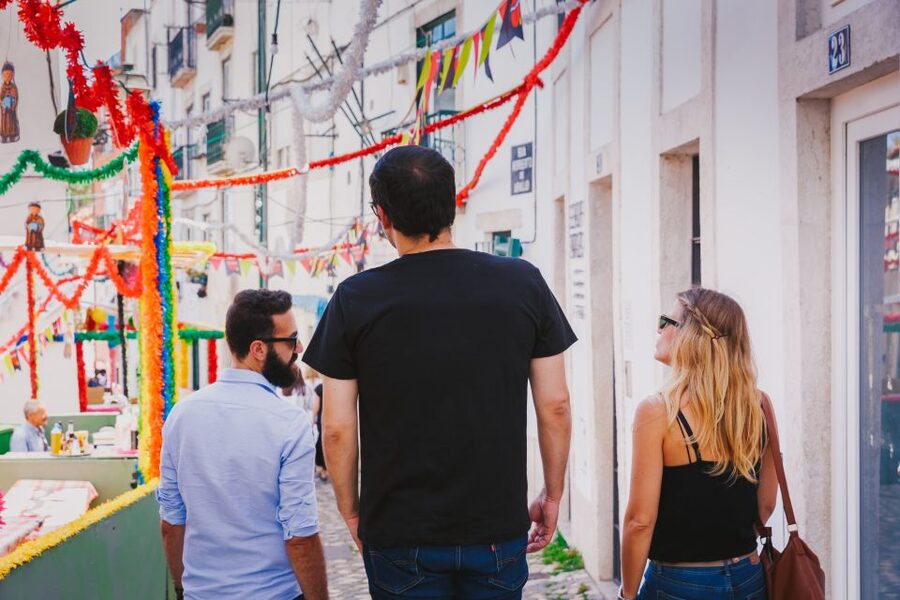
The walk reaches Alfama for its longest section. This is where Lisbon becomes narrow, crooked, and intimate. You’ll move through alleys and winding streets while the guide discusses the Moorish character of the neighborhood and points out the details that make it different from Baixa.
Alfama is the part of the tour most likely to reward slow looking. Facades, tiled walls, steep passages, and small corners carry more visual interest than grand scale. One useful question to ask your guide is why so many Alfama buildings have tiled facades. A past visitor singled out this detail as a particularly good topic, and it is exactly the sort of question that can turn a passing observation into a better understanding of Lisbon.
The tour also introduces Fado, Lisbon’s distinctive musical tradition. You will hear about the art form and its place in Alfama, but this is not advertised as a live Fado performance. That distinction matters. You are getting cultural context on the walk, not an evening concert.
The food and wine tasting takes place in this neighborhood. A local snack and a glass of wine make a pleasant pause among the lanes, and the informal setting helps the cultural discussion feel connected to daily life. The portions are modest, so think of this as a tasting rather than a meal.
Alfama is also the route’s main physical challenge. The streets are winding, and Lisbon’s terrain is not flat. The tour may suit you well if you enjoy walking and want to learn the city through its neighborhoods. If hills or uneven paving are difficult, consider this carefully before booking.
Ending at Praça do Comércio
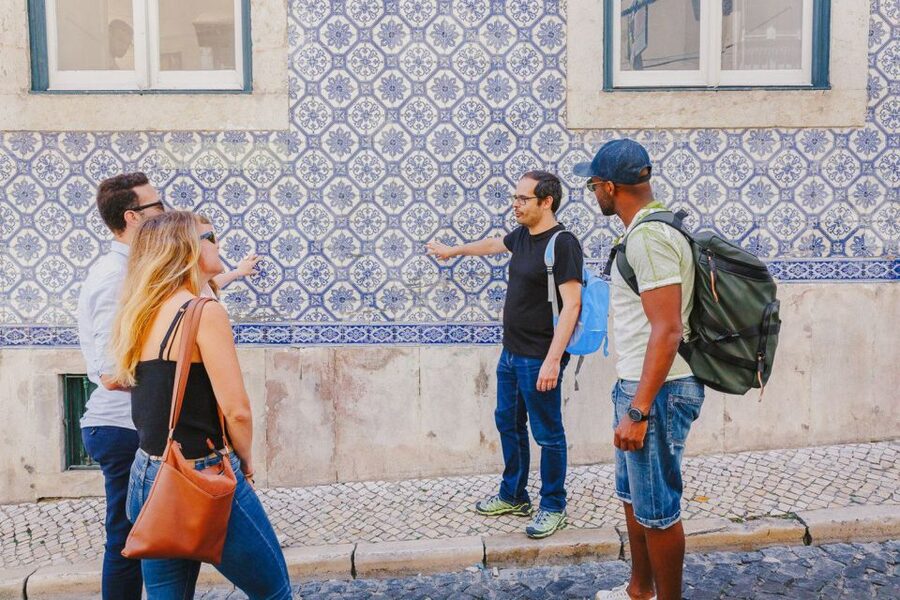
The tour ends at Terreiro do Paço, also called Praça do Comércio. This grand riverfront square was once the entrance hall of Lisbon, and it makes a fitting final stop after the tighter streets of Alfama.
The ending gives you a useful next move. From here, you can continue exploring the waterfront, return toward Baixa, or use the guide’s suggestions for food and sightseeing. Several guides are praised for helping people plan the rest of their time, so keep a small list of questions ready before the tour ends.
I like the route’s direction. It begins in the central city, climbs through historic districts, and finishes in a wide open square. You get a clear sense of Lisbon’s changing scale, from Rossio’s urban center to Alfama’s lanes and the riverfront’s broad expanse.
What $23 buys you
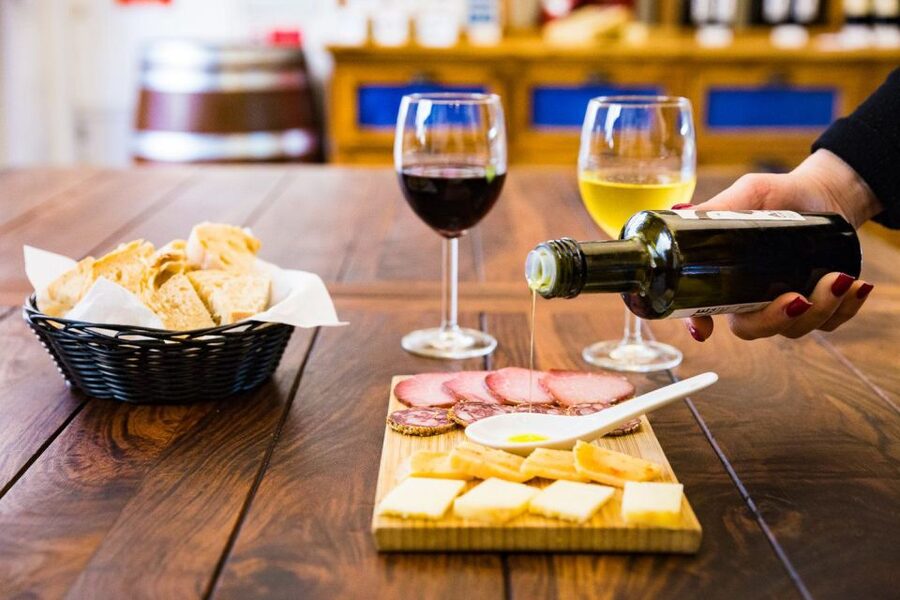
At $23 per person, this is a strong-value introduction to Lisbon if you want orientation, history, and a few tastes in one outing. The price includes the English-speaking local guide, the walking tour, one pastel de nata, one snack tasting, and one wine tasting.
The value is not in the amount of food. You are not buying lunch for $23. You are paying for three hours of organized context across several districts, with a guide who can explain what you are seeing and help you plan the rest of your stay.
The tour also avoids extra entrance fees because it focuses on streets, squares, viewpoints, and exterior sights. That keeps the price down, but it means you should not expect guided access inside attractions. If your priority is museum interiors or a single major monument, choose a more specialized tour.
The high overall rating is supported by repeated praise for the guides’ humor, patience, warmth, and ability to explain without overloading the group. Names that appear often in strong recommendations include Filipa, Daniel, Maria, Carlos, Martin, Joana, Guilherme, Natalia, and Jose. Your guide will be assigned rather than selected, so treat those names as examples of the guiding style, not a guarantee.
Timing, comfort, and the best way to use it
The advertised duration is three hours, though some outings can run longer when the guide allows extra questions or the group moves at a relaxed pace. One reported walk lasted more than three hours, while another guide was praised for keeping the pace comfortable without rushing.
Wear shoes with good support. Lisbon’s hills and paving are part of the experience, but they can be tiring. Comfortable clothing is also requested, and you should bring enough water for a three-hour walk, though water is not listed as an inclusion.
I would book this early in a Lisbon visit. The route gives you a working map of the center, introduces the main districts, and helps you recognize places you may want to revisit. It can also save time later because your guide may point out routes, restaurants, shortcuts, and neighborhoods worth returning to.
The tour is conducted in English, and pets are not allowed. Cancellation is free up to 24 hours in advance, and you can reserve now and pay later, which helps if your plans are still shifting.
Who should book this walking tour?
I recommend it for first-time Lisbon visitors who want a broad introduction without spending a full day on a formal sightseeing program. It is also useful for repeat visitors who have seen the main squares but want more context about the city’s political past, earthquake reconstruction, Alfama, and Fado.
It suits people who learn best by walking through real neighborhoods. Families with older children, couples, solo visitors, and small groups can all get value from it, provided everyone is comfortable on hills and uneven streets.
I would choose something else if you want a slow food tour, a dedicated Fado show, extensive museum time, or a completely flat route. The tastings are pleasant additions, but they are not the main event. The main event is Lisbon itself, explained by a local guide while you move through it.
Should you book it?
Book this tour if you want to get your bearings fast and understand how Rossio, Chiado, Baixa, Alfama, and the riverfront connect. The combination of landmark squares, modern political history, earthquake-era planning, viewpoints, Fado context, and small tastings makes $23 a sensible price.
Skip it only if you dislike hills, prefer independent wandering, or need long visits inside monuments. For most first visits, especially near the start of a Lisbon stay, this is a practical and personable way to begin.
FAQ
How long is the Best of Lisbon Walking Tour?
The advertised duration is three hours. Some tours may last longer if the guide allows extra questions or takes a relaxed pace.
Where does the tour start?
The meeting point is Rossio Square, near the statue of Dom Pedro IV.
Where does the tour finish?
The tour finishes at Terreiro do Paço, also known as Praça do Comércio.
Which Lisbon neighborhoods does the tour visit?
The route includes Rossio, Restauradores, Chiado, Baixa, and Alfama, with stops at several squares, viewpoints, and central landmarks.
What food and drink are included?
The tour includes one pastel de nata, one snack tasting, and one wine tasting.
Is the tour conducted in English?
Yes. The activity includes a live English-speaking guide.
New routes in Lisbon
- Small Group Walking Tour of Belém★ 4.9 · 80 reviews
- Lisbon: Walking Tour in the Center (Max 12 Participants)★ 5.0 · 741 reviews
- Lisbon Through the Eyes of a Local – Food and Walking Tour★ 4.9 · 141 reviews
- Lisbon: Street Art Walk★ 5.0 · 79 reviews
- Lisbon: Food and Culture 3-Hour Walking Tour★ 4.7 · 95 reviews
- Lisbon Tram No. 28 Ride & Walking Tour★ 4.1 · 766 reviews
- Lisbon: Private Boat Trip, Guided Walking Tour, Bike & Tram★ 4.8 · 116 reviews
- Lisbon: Jewish Walking Tour★ 4.9 · 96 reviews
Lisbon Walking Tours, compared.
Best of Lisbon Small-Group Guided Walking Tour
Read our review →


Lisbon Food Tour with 10+ Tastings of Local Delicacies & Wines
Read our review →
Sintra & Cascais Day Tour with Pena Palace Entry and Gardens Walk
Read our review →
Lisbon Roots – Small group Food & Culture Walking Tour w/tastings
Read our review →
Lisbon Private Food Tour – Taste 10+ Local Dishes & Wines
Read our review →Browse the lists this tour appears in