
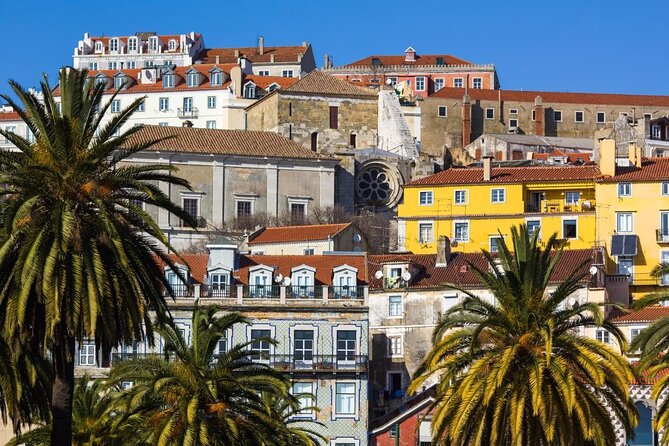
Review · LISBON
Best of Lisbon Small-Group Guided Walking Tour
Lisbon reveals itself best on foot, and this tour packs the city’s central story into one lively morning or afternoon. In roughly four hours, you move from Rossio’s grand squares through Chiado and earthquake-rebuilt Baixa, then up into old Alfama before finishing beside the Tagus at Praça do Comércio. The route gives you a quick working map of Lisbon, not just a string of photo stops.
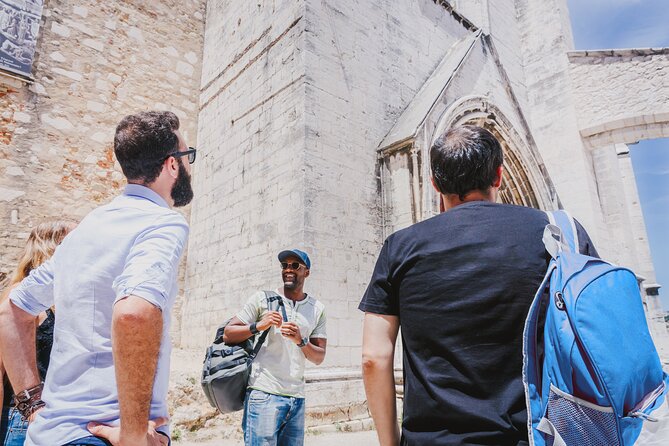
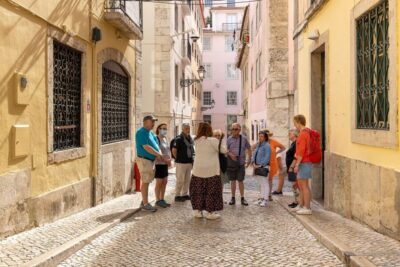
I especially like the small maximum of 14 people, which gives guides such as José, Maria, Felipe, and Joana room to answer questions and keep an eye on the group. I also like the edible breaks: a pastel de nata, wine tasting, and tapa make the history easier to remember. The main consideration is the walking. Lisbon’s center is manageable, but Alfama brings hills, uneven streets, and steps, so comfortable shoes and moderate fitness matter.
Key points to know before booking
- A strong first-day route: Rossio, Restauradores, Chiado, Baixa, Alfama, and Praça do Comércio give you a useful first look at central Lisbon.
- Small-group format: The group is limited to 14 people, a good size for questions and personal attention.
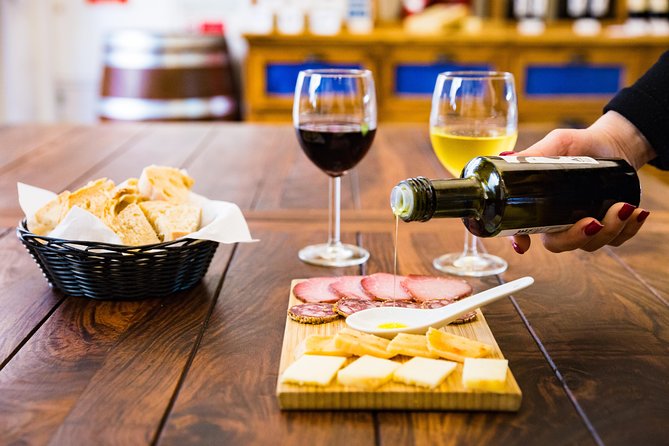
- Three local tastes included: You receive a pastel de nata, wine tasting, and tapa, while other food and drinks are not included.
- History with a clear timeline: The guide connects Portugal’s independence, the 1755 earthquake, the dictatorship, and the 1974 Carnation Revolution.
- A real walking workout: The route is about three to four hours, with hills and uneven pavement in parts of Alfama.
- No monument admissions: You see major buildings and squares from the outside, but museum and monument entry fees are separate.
Why this route works as your Lisbon introduction
At $23.94 per person, this is priced as an accessible orientation walk rather than a full-day sightseeing package. You are paying for a local guide, a compact group, and a route that would take time to organize on your own. The included pastry, wine, and tapa add a little more value, though you should not expect a meal or museum admissions.
I would book it early in a short Lisbon visit, ideally near the start of your stay. The route helps you understand how the center fits together, and guides regularly offer suggestions for restaurants and other places to visit. If you already know central Lisbon well, the tour may feel familiar. Its strength is explanation and orientation, not rare access or little-visited monuments.
The group meets at Praça Dom Pedro IV, usually called Rossio Square, and ends at Praça do Comércio. That one-way plan is useful. You finish near the river with the rest of the day open, instead of returning to the starting point. Hotel pickup and drop-off are not included, so plan your own way to Rossio.
More Small-Group Walking Tours in Lisbon:
- Lisbon: Food and Wine Small Group Walking Tour
★ 4.9 · 4,082 reviews - Lisbon Roots – Small group Food & Culture Walking Tour w/tastings
★ 5.0 · 910 reviews - Small Group Walking Tour of Belém
★ 4.9 · 80 reviews
Rossio Square begins with Lisbon’s big picture
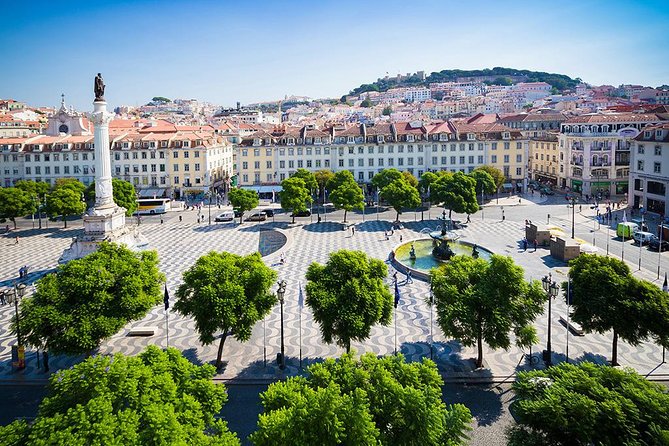
Rossio is a smart starting point because it is one of Lisbon’s main urban rooms. The official name is Praça D. Pedro IV, but locals commonly call it Rossio. The square sits in Baixa and gives your guide plenty of material on city life, Portuguese paving, and the way Lisbon’s streets connect.
One of the first details is the wave pattern made from Portuguese stones. The pavement was laid to suggest the nearby ocean, a small design choice that says a lot about Lisbon’s relationship with the sea. The stop itself is brief, about 10 minutes, but it gives you a visual clue to watch for throughout the city.
You then visit Igreja de São Domingos, a church on the nearby square. This is a short stop, around five minutes, so expect context rather than a long interior visit. That pace is typical of the tour: you cover a lot of ground, but you do not linger at every building.
From Restauradores to Rossio Station
The route continues toward Restauradores Square, where an obelisk recalls Portugal’s restoration of independence from Spain in 1640. The monument carries the names and dates of battles from the Portuguese Restoration War. It is a useful stop because your guide can connect a simple square monument to a major turning point in the country’s past.
The itinerary also passes along Lisbon’s grandest, most expensive avenue. The supplied route does not give this stop a formal name or duration, so treat it as a passing look rather than a guaranteed extended visit. Your guide may use the walk to point out the contrast between formal central avenues and the older lanes ahead.
Rossio Station is one of the prettiest buildings in the historic center. Its exterior takes inspiration from 16th-century Manueline architecture, with ornate stonework and distinctive entrances. You may hear a train heading toward the tunnel for Sintra, which gives the stop a practical connection to one of Lisbon’s most popular day trips.
The station is also a reminder that Lisbon’s transport history is part of its sightseeing. The stop lasts about five minutes, so you will mainly hear the story and admire the exterior rather than take a long station tour.
Carmo and the story of modern Portugal
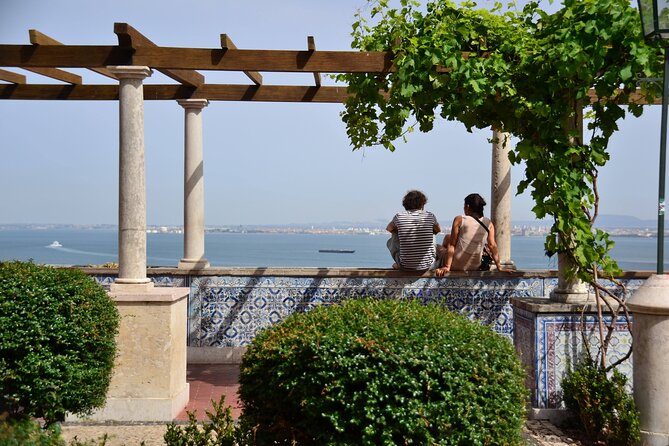
At Largo do Carmo, the tour shifts from royal and engineering history to political history. The square is linked both to the old Carmo convent and to the 1974 Carnation Revolution, when Portugal’s long dictatorship collapsed after 48 years.
This is one of the tour’s most useful history stops because the setting is calm and attractive, while the story is dramatic. Your guide explains how the revolution unfolded and why it matters to Portugal today. Guides such as José are especially praised for bringing together historic facts and contemporary life, rather than treating the city like a museum display.
Nearby, you see the Santa Justa Lift, one of central Lisbon’s most recognizable monuments. It offers a striking view over the city, but admission to monuments is not included. The walking tour may use public elevators or escalators where available, and the route can include a viewpoint, but you should not book this experience expecting a full ride or dedicated visit inside every attraction.
That distinction matters. The tour is designed to show you how the city works from the street. If riding Santa Justa is high on your list, plan to return separately and check the entry arrangements on your own.
More Guided Walks in Lisbon:
- Lisbon: City Highlights Guided Walking Tour
★ 4.7 · 168 reviews - Lisbon: Private Boat Trip, Guided Walking Tour, Bike & Tram
★ 4.8 · 116 reviews - Lisbon by Night: Guided Walking Tour – The Unholy Secrets
★ 4.8 · 93 reviews - Lisbon: City of Spies Guided Walking Tour
★ 4.7 · 81 reviews
Chiado brings cafés, shops, and city style

Chiado feels more polished than Alfama, with boutiques, theaters, bookstores, and old cafés lining elegant streets. The neighborhood developed in the 19th century for Lisbon’s intellectual and wealthy circles, and the façades still give you a sense of that era.
I like this section because it prevents the tour from becoming only a parade of old churches and monuments. You see a living commercial neighborhood, where Lisbon’s literary, theatrical, and café traditions meet modern shopping.
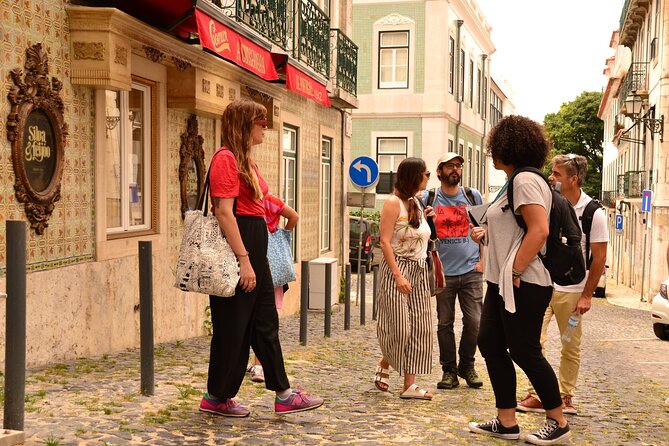
The stop is about 10 minutes, though the route through the area takes longer. This is a place to look up as you walk. Shopfronts, tiled façades, balconies, and café signs reward attention, even when the guide is talking about broader events.
Baixa explains the 1755 earthquake
Rua Augusta leads you into Baixa, Lisbon’s downtown and the structural heart of the tour. The district was rebuilt after the 18th-century earthquake, following new urban rules and anti-seismic ideas. The broad streets and regular blocks feel very different from Alfama’s twisting lanes, and that contrast makes the city easier to understand.
Your guide explains how the rebuilding changed Lisbon. Instead of simply describing the earthquake as a disaster, the tour shows how the city responded with new planning methods and practical construction solutions. The Baixa stop lasts around 15 minutes, enough time to notice the straight streets, open squares, and organized blocks.
Rua Augusta itself is Lisbon’s main central street. It leads toward the river and the arch at Praça do Comércio, so you gradually begin to see the city’s grand axis. The street can be busy, and you are walking through an active shopping area, not a quiet historic lane. Stay close to the guide and allow extra time if you want photographs.
A viewpoint before old Alfama
At Miradouro Chão do Loureiro, you pause for a panoramic view. The stop lasts only about five minutes, but it breaks up the walking and gives you a chance to see Lisbon from above.
This is where a guide can help you read the city rather than simply snap a picture. You begin to understand the change in height between Baixa and the older districts, along with the way Lisbon rises away from the river.
The route is not flat from start to finish. Baixa is relatively easy, but Lisbon’s hills begin to matter as you move toward Alfama. One guide, Felipe, was praised for making good use of public elevators and escalators when available, while other groups appreciated guides who set a steady pace and allowed time for the hills. That makes the group leader important. The route is not a race, but it is still active.
Alfama brings narrow streets and fado
Alfama is the oldest neighborhood on the route and one of the most atmospheric. The streets wind through narrow passages, with fado restaurants tucked between the lanes. Fado is Portugal’s famous melancholic music, and the guide uses the neighborhood to explain how music, place, and daily life connect.
The Alfama section lasts about 20 minutes as a listed stop, though you will spend additional time walking through the district. This is the part where sturdy shoes matter most. Pavement can be uneven, and the hills require more effort than the broad streets of Baixa.
I would not describe this as a fado performance tour. You learn about the music and see places connected with it, but a concert is not included. That is helpful to know if you want a full evening of fado later. Ask your guide for suggestions, since the guides are also a useful source of practical ideas for the rest of your visit.
The route includes several scenic corners and small details that are easy to miss when you explore alone. You may find yourself pausing for tiled walls, old doorways, and views between buildings. At the same time, the short stop means you should not expect a detailed tour of every lane in Alfama.
Praça do Comércio closes the historical arc
The final stop is Praça do Comércio, the large riverside square once known as Terreiro do Paço. The name reflects its earlier role as the site of the Royal Ribeira Palace, which was destroyed in the 1755 earthquake.
The square was rebuilt as part of the Pombaline reconstruction of downtown Lisbon. Your guide explains how the space welcomed people arriving from the Atlantic and why its open scale differs so sharply from Alfama. The tour finishes here after about 10 minutes at the square, leaving you beside the Tagus with plenty of options for the rest of your day.
This ending works well because it brings the route back to the river. You have moved through royal history, independence, dictatorship, urban planning, commerce, and fado, then arrive at the waterfront where Lisbon’s wider maritime story makes sense.
What the guide adds to the walk
The quality of this tour depends heavily on the guide, and the named guides praised most often include José, Maria, Felipe, Joana, Catarina, Filipa, Franco, Carlos, and others. The strongest guide style combines facts with humor, answers questions directly, and gives practical suggestions for food and further sightseeing.
José, for example, is noted for making solo participants feel included and for keeping the group engaged even in rain. Maria is described as passionate, funny, and especially good at presenting Lisbon’s past in an easy-to-follow way. Felipe is praised for a sensible pace and for helping the group manage the city’s vertical streets.
Names and guide assignments can change, so you cannot book a particular personality based on the published information. Still, the repeated pattern is useful: this experience works best when you ask questions. Ask about restaurants, viewpoints, transport, fado, and which areas deserve more of your time.
Food stops are small but worthwhile
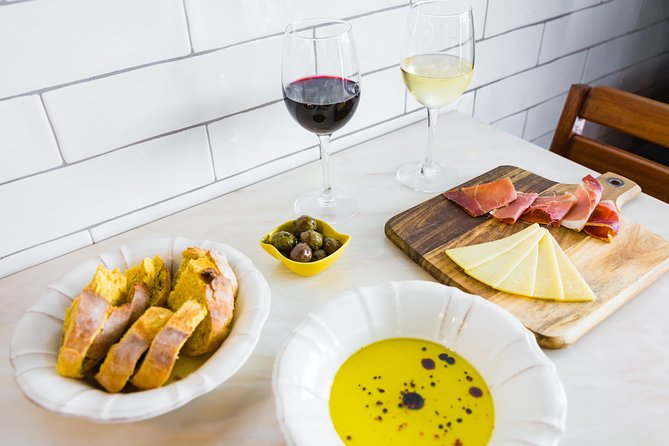
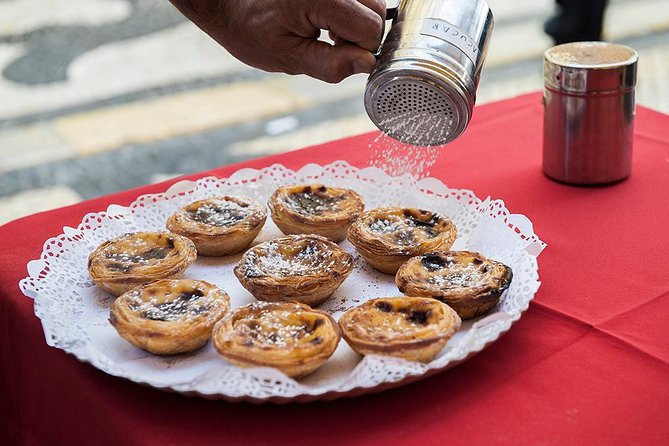
The included pastel de nata gives you a classic Portuguese taste without turning the tour into a food crawl. You also receive a wine tasting and tapa. These are modest additions, not substitutes for lunch, but they create natural pauses and let the guide connect food with local habits.
Dietary needs should be raised when booking or at the start of the tour. One participant received accommodation for a vegetarian request, but the available information does not promise a set menu for every dietary need. Other food and drinks are not included, so carry water and plan for your own meal afterward.
Who should book this Lisbon walk?
I would recommend it most strongly to first-time visitors, people on a short stay, and anyone who wants a clear introduction before exploring alone. It also suits solo visitors who like company without joining a huge group, since the maximum is 14 people.
It is less suitable if you want extensive interior visits, a dedicated fado show, or specialist architecture coverage. You also may not love it if you already know Rossio, Baixa, Chiado, and Alfama and want lesser-known corners instead. One participant felt the route focused on familiar sights, which is a fair criticism for repeat visitors.
The tour requires moderate physical fitness. Wear comfortable shoes, expect hills, and be prepared to walk for three to four hours. Service animals are allowed, and the meeting point is near public transport, but hotel pickup is not provided.
Free cancellation is available up to 24 hours before the start time for a full refund. Changes or cancellations inside that window are not refunded, and the activity may be rescheduled or refunded if the minimum group size is not met.
Should you book it?
Book this tour if you want a well-paced first look at central Lisbon, especially early in your trip. The route covers more ground than most self-guided first walks, and the history gives meaning to places you might otherwise photograph and forget.
At $23.94, the combination of a small group, local guide, three food and drink touches, and a three to four-hour route is good value. Just keep your expectations in the right place: this is an outdoor city orientation with stories and viewpoints, not an admissions-based museum tour. If you can handle the hills and want Lisbon to make sense quickly, I would book it.
FAQ
How long does the Best of Lisbon walking tour last?
The tour lasts approximately three to four hours.
Where does the tour start and finish?
It starts at Praça Dom Pedro IV, also called Rossio Square, and ends at Praça do Comércio.
How large is the tour group?
The maximum group size is 14 travelers.
What food and drink are included?
The tour includes a pastel de nata pastry, a wine tasting, and a tapa. Other food and drinks are not included unless specifically stated.
Are museum and monument entry fees included?
No. Entry to museums and monuments is not included in the tour price.
Is the tour suitable for anyone with limited mobility?
The tour requires a moderate level of physical fitness and includes considerable walking, along with hills and uneven streets, particularly around Alfama.
New routes in Lisbon
- Small Group Walking Tour of Belém★ 4.9 · 80 reviews
- Lisbon: Walking Tour in the Center (Max 12 Participants)★ 5.0 · 741 reviews
- Lisbon Through the Eyes of a Local – Food and Walking Tour★ 4.9 · 141 reviews
- Lisbon Tram No. 28 Ride & Walking Tour★ 4.1 · 766 reviews
- Lisbon: Street Art Walk★ 5.0 · 79 reviews
- Lisbon: Food and Culture 3-Hour Walking Tour★ 4.7 · 95 reviews
- Lisbon: Private Boat Trip, Guided Walking Tour, Bike & Tram★ 4.8 · 116 reviews
- Lisbon: Jewish Walking Tour★ 4.9 · 96 reviews
Lisbon Walking Tours, compared.

Best of Lisbon Walking Tour: Rossio, Chiado & Alfama
Read our review →

Lisbon Food Tour with 10+ Tastings of Local Delicacies & Wines
Read our review →
Sintra & Cascais Day Tour with Pena Palace Entry and Gardens Walk
Read our review →
Lisbon Roots – Small group Food & Culture Walking Tour w/tastings
Read our review →
Lisbon Private Food Tour – Taste 10+ Local Dishes & Wines
Read our review →Browse the lists this tour appears in