
Review · DINNER EXPERIENCES
Kyoto: Geisha Dinner & Gion Cultural Walk
Kyoto’s geisha world is best understood over dinner, not through a hurried photo stop. This three-hour evening pairs a Gion walk with time beside a geiko or maiko, including dance, conversation, music, and traditional games.
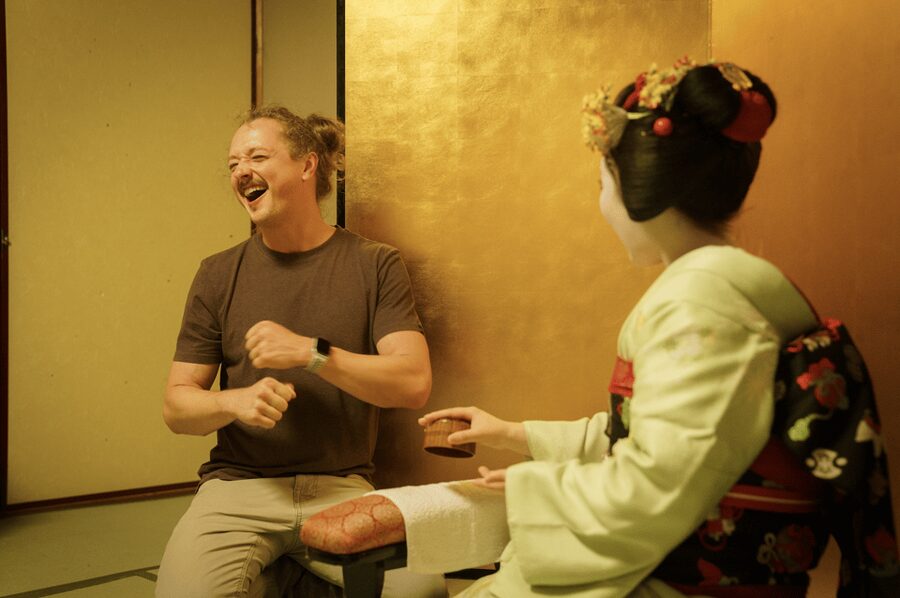
I like the way the guide supplies the cultural context before dinner, and I like the relaxed access to the performer. Guides such as Andi, Taiga, Takuma, and Tomoko have been especially good at explaining customs and helping with translation. The meal, flowing sake, and intimate setting add real value.
The main thing to consider is the price: $257 per person is a serious dinner bill. The tour also requires at least four participants to operate, and a geiko or maiko may not be available on every date.
Key points at a glance
- Gion comes first: A roughly 40-minute walk gives you a useful introduction to Kyoto’s historic entertainment district.
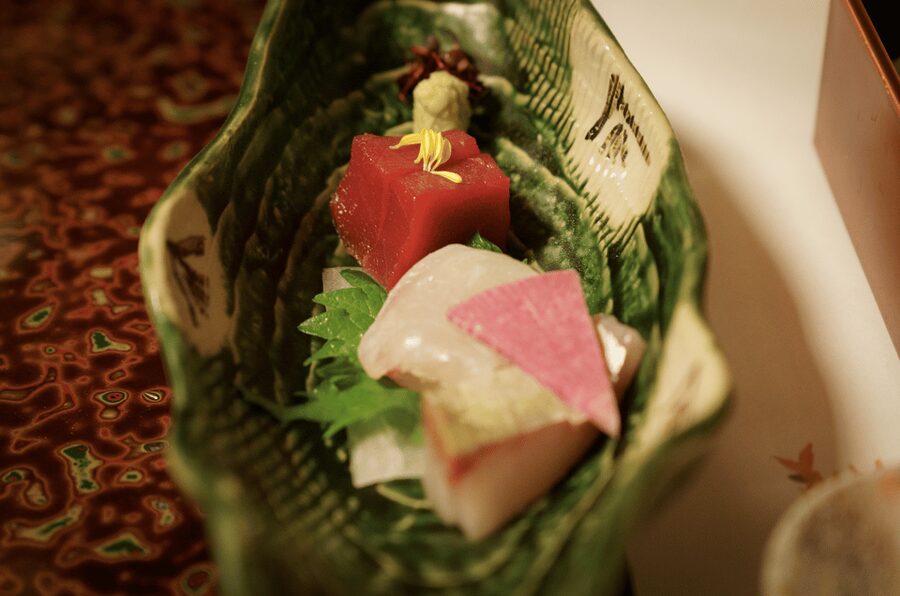
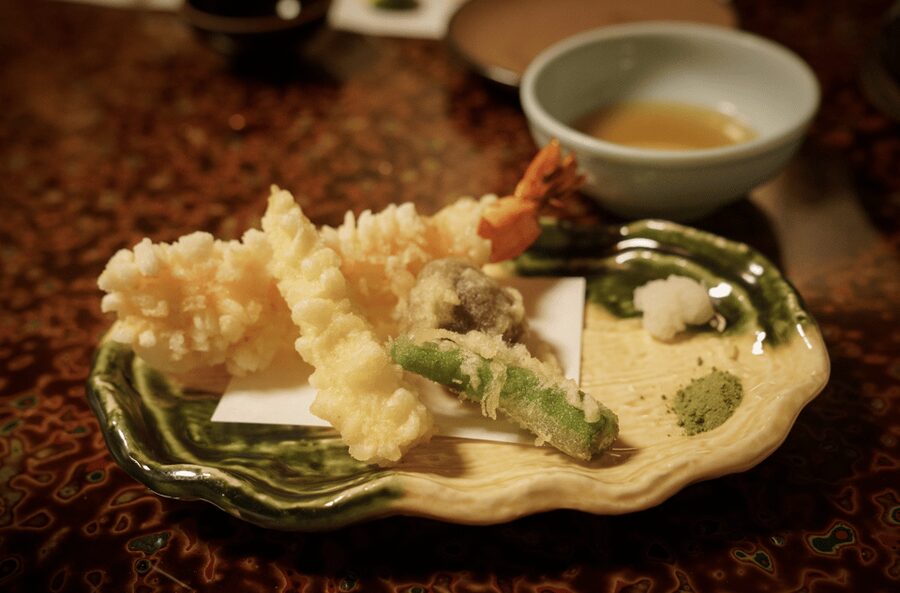
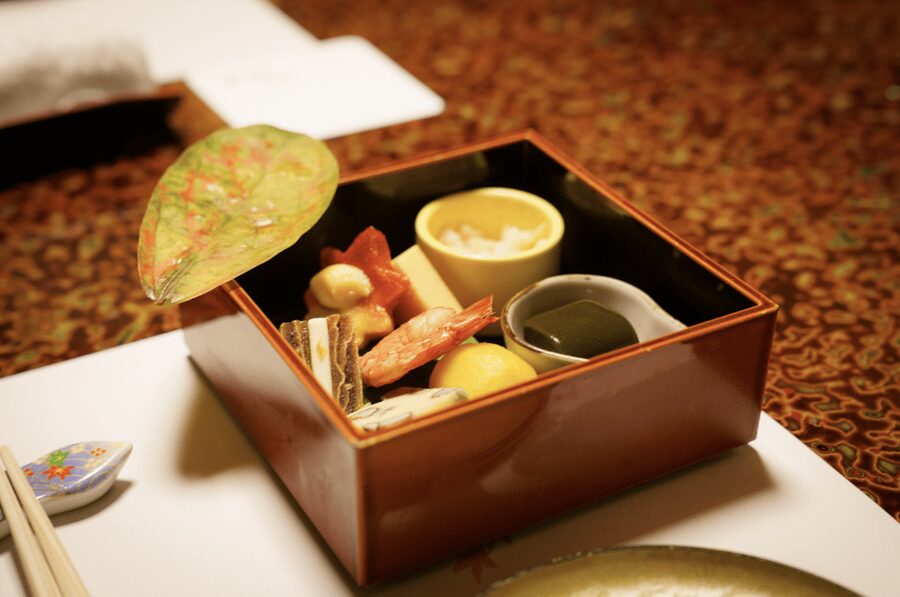
- The dinner is the main event: You receive a kaiseki-style meal in a local restaurant or tea-house setting.
- A geiko or maiko joins you: Expect traditional dancing, conversation, questions, and sometimes a Japanese game such as Konpira.
- English support matters: Guides including Andi, Taiga, Takuma, Tomoko, and others explain customs and translate during dinner.
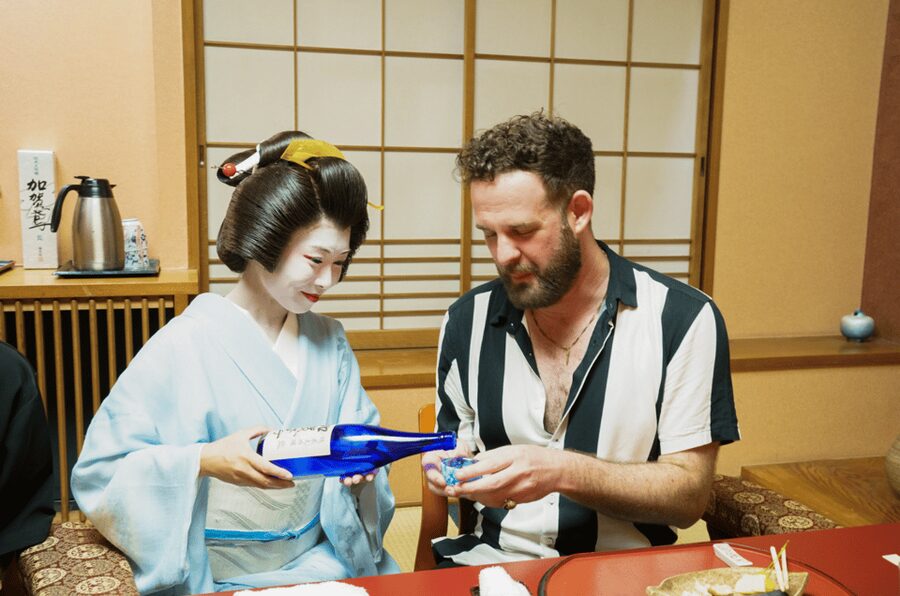
- Sake is included: Unlimited sake comes with the experience, while extra food and other drinks cost more.
- The group minimum matters: At least four participants are required, and the evening depends on performer availability.
Why this dinner offers more than a photo opportunity
Many visitors first meet the geisha tradition from a distance, perhaps through a glimpse of a kimono on a Gion street. This experience gives you a fuller picture. You begin by learning about the district, then sit down for a meal where a geiko or maiko can explain her work in person.
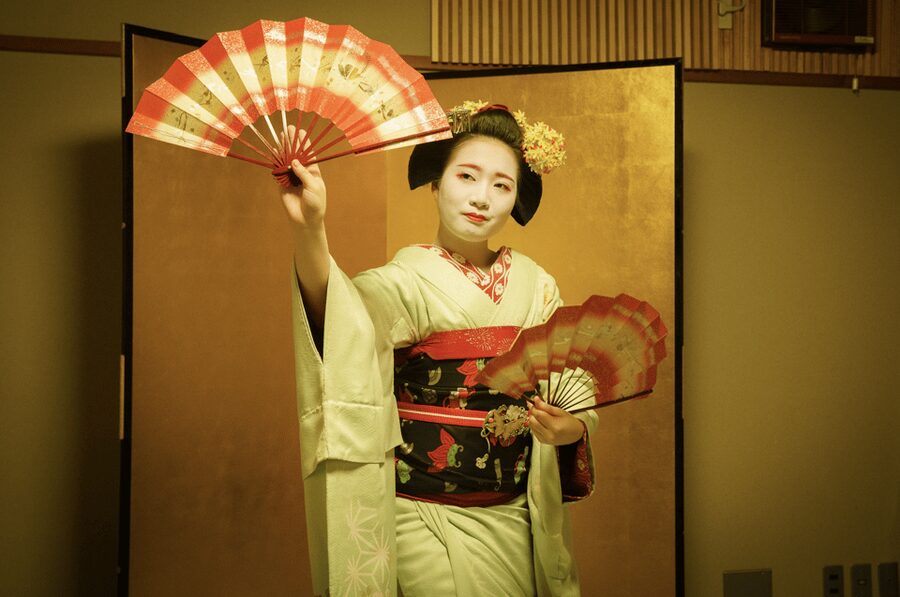
The terms matter. In Kyoto, an experienced performer is commonly called a geiko, while a trainee is called a maiko. The evening may feature either one, depending on availability. You should think of the performer as a professional artist and host, not as a costumed attraction brought in for a quick photograph.
The structure helps. Your guide sets the scene before you meet her, explaining the demanding training, work schedules, customs, and place of geiko and maiko in Kyoto culture. That preparation makes the dinner more meaningful because you understand something about the person and tradition in front of you.
The strongest part of this experience is the chance to ask questions. The geiko or maiko may discuss her perspective, perform one or more dances, and take part in a game. Past evenings have included two dances and a turn playing Konpira, giving the group more to do than simply sit and watch.
More Cultural Walking Tours in Kyoto:
- Kyoto Gion: 2-Hour Geisha Culture & History Walking Tour
★ 5.0 · 1,186 reviews - Kyoto Gion Cultural Walk & Geisha Show with Dining Options
★ 5.0 · 518 reviews - Kyoto: Gion Hidden Gems & Geisha Culture Tour
★ 4.9 · 126 reviews
Meeting at Cacao Market by MarieBelle Kyoto
The starting point is CACAO MARKET by MARIEBELLE KYOTO. This is a clear meeting point in the Gion area, and your guide meets you there before the walk.
Allow a little time to locate the meeting spot. The activity information gives the starting point, but it does not provide a hotel pickup service. You are responsible for reaching the location on time.
The guides are one of the tour’s best assets. Andi is praised for combining kindness, humor, and strong cultural explanations. Taiga is described as energetic and warm, while Takuma has been particularly appreciated for his clear English and lively manner. Tomoko has helped with translation during the dinner itself.
Your guide’s role is more than pointing out buildings. You can expect an explanation of Gion, Kyoto customs, and the geiko world. One useful detail shared during an evening was the class timetable followed by geisha performers, which helped explain how much training takes place behind the finished performance.
Walking through Gion for about 40 minutes
The walk through Gion lasts about 40 minutes. That is not long enough for an exhaustive tour of the district, but it is a sensible introduction before dinner.
Gion matters because it is one of the areas most closely connected with Kyoto’s traditional entertainment culture. Your guide helps you look beyond the picturesque lanes and understand why the district has such a strong connection to geiko and maiko life.
I would treat this section as a cultural orientation rather than a major sightseeing walk. The focus is on customs, history, and the world you are about to enter. You may not cover every corner of Gion, and the walking portion can feel brief if you hoped for a long neighborhood tour.
That short length may suit you if the dinner is your main goal. You get context without spending most of the evening on foot. It also means comfortable shoes are still sensible, but this is not a demanding walking excursion.
The walk can help you notice how much care goes into the district’s atmosphere. You will not simply be handed facts about geiko. You will hear about the connection between Kyoto, Gion, performance, training, and social custom.
A kaiseki-style dinner at a local restaurant
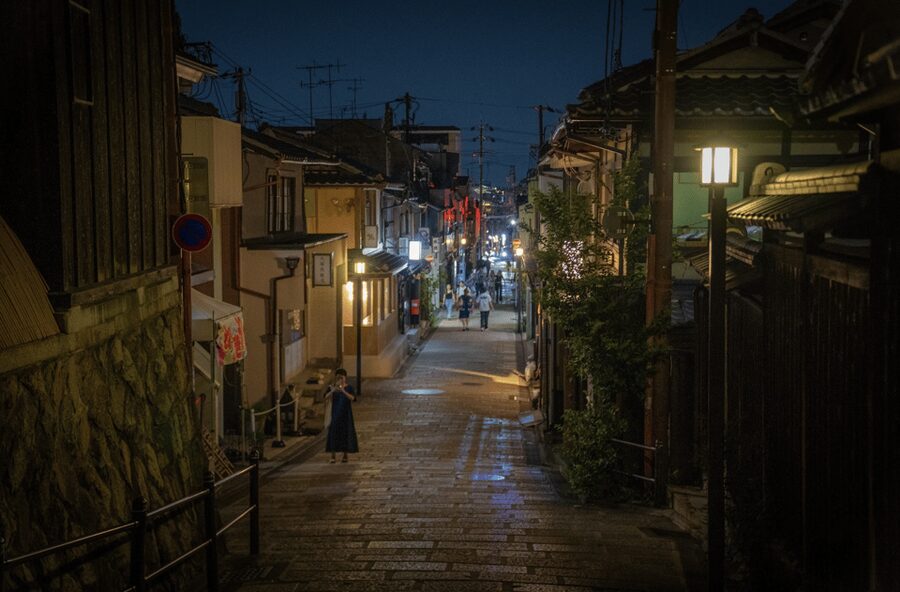
After the walk, you continue to a local restaurant for the meal and the main cultural program. The dinner is described as kaiseki style, so you should expect a series of traditional Japanese dishes rather than one large plate.
The food is included, and several accounts describe it as delicious, attractive, and filling. One useful point is that the meal may not always be explained dish by dish. If you want to know what you are eating, ask your guide. That is exactly the kind of question the English-speaking guide is there to handle.
The restaurant setting also adds to the evening. The experience has been held in a tea-house-style environment, with staff who help create a welcoming mood. The setting is more intimate than a large public show, which allows the performer to speak with the group instead of presenting a fixed stage performance alone.
Sake is included without a stated limit. Extra food and other drinks are not included, so you should budget separately if you want something beyond the supplied dinner and sake. The unlimited sake is a meaningful part of the value, but drink responsibly. A cultural evening becomes less enjoyable if you rush through the pours.
The meal takes up much of the three-hour experience. The stated schedule gives about 2.5 hours for the local restaurant, while the walking segment is listed at about 40 minutes. In practice, timing can vary, so do not plan a tightly timed activity immediately afterward.
More Evening Meals on the Route in Kyoto:
- Osaka: Deep Backstreets Walking Tour with Dinner Option
★ 4.9 · 902 reviews - Marrakech: Authentic Moroccan Food Walking Tour & Dinner
★ 4.8 · 261 reviews - Athens at Night Small-Group Walking Tour with Dinner
★ 5.0 · 230 reviews - Hiroshima: Food and Culture Guided Walking Tour with Dinner
★ 4.9 · 212 reviews
Time with a geiko or maiko
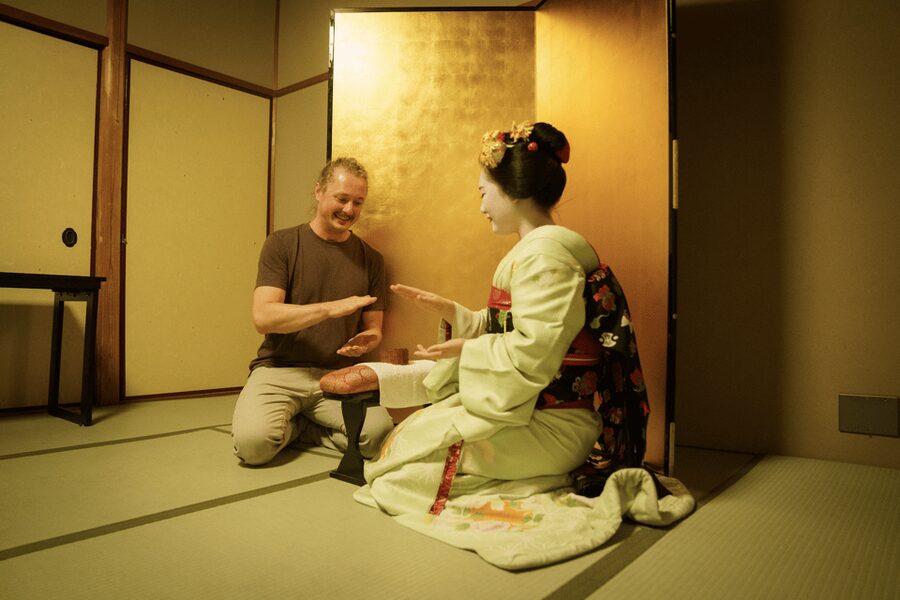
The performer’s visit is scheduled for about two hours. This is the part that separates the tour from a standard Gion orientation.
You may see traditional dances, hear music, ask questions, and enjoy conversation. Past evenings have included a geiko or maiko answering questions openly, explaining her perspective, and joining the group in a game. One evening included two dances, while another included a dance and Konpira, a traditional game that gave everyone a chance to take part.
You should not expect the exact same program every night. The performer, group size, conversation, and available time can change. That is not a flaw. A live cultural meeting has some natural variation, and the best moments often come from the questions your group asks.
The guide is important here. English is the tour language, and the guide may translate between you, the performer, and restaurant staff. Tomoko was especially helpful with translation during one dinner, while Andi has been praised for helping visitors understand both the words and the customs behind them.
Good questions will improve your evening. Ask about training, daily schedules, performance, Kyoto, or the difference between a geiko and a maiko. Your guide can help you ask in a respectful way, and the performer can offer a personal view that a textbook cannot provide.
The tone is welcoming and relaxed. You are not expected to know Japanese etiquette in advance. Still, basic courtesy matters. Listen carefully, avoid treating the performer as a novelty, and let your guide explain when a custom is unfamiliar.
What the strongest guide experiences have in common
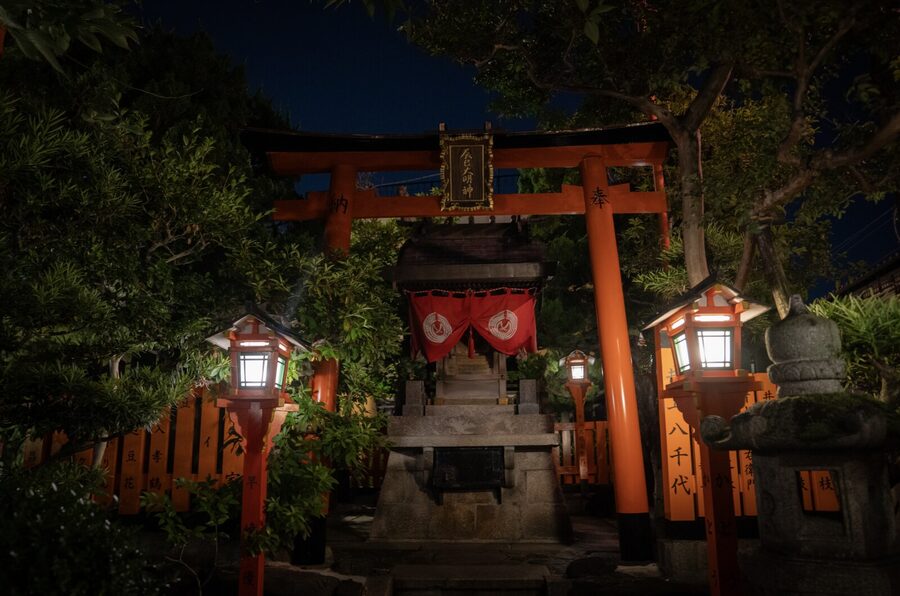
The guide can make or break a cultural tour. Here, the most praised guides share three useful traits: clear English, warmth, and respect for the tradition.
Andi has been described as especially strong at explaining the geiko world, Gion, and Japanese culture more broadly. Her combination of humor and kindness suits an evening that could otherwise feel formal or intimidating.
Taiga has received praise for his enthusiasm, politeness, and ability to make the walk interesting. Takuma is another strong choice if you value an energetic guide who can explain Kyoto customs clearly. Soma and Moto have also been singled out for answering questions and keeping the evening well organized.
You cannot always choose your guide when booking. Still, these names give you a sense of the staff’s strengths. The guide is not an interpreter added as an afterthought. The guide connects the walk, meal, performer, and questions into one understandable evening.
Is $257 a fair price?
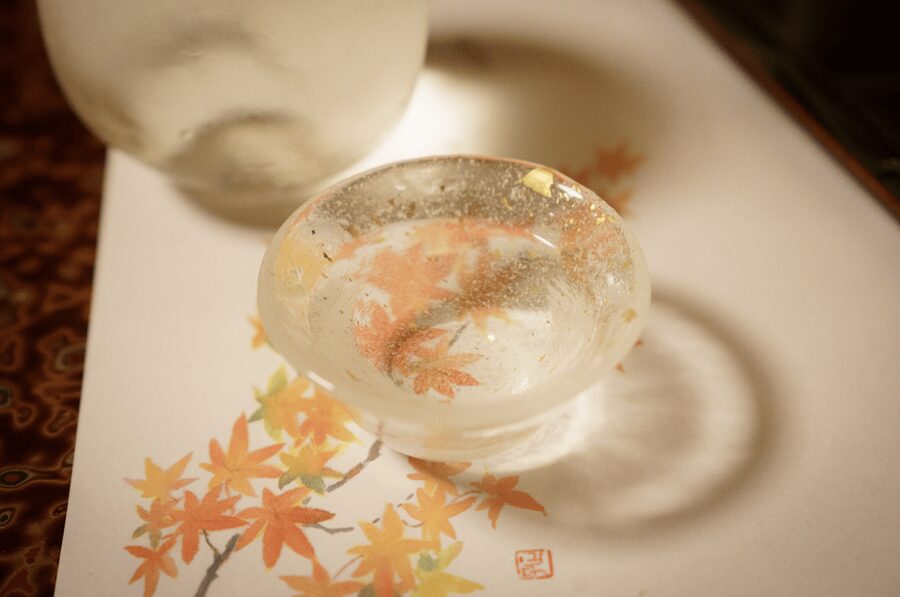
At $257 per person, this is not a budget dinner. You are paying for more than food. The price covers the Gion walk, a local English-speaking guide, a kaiseki-style meal, approximately two hours with a geiko or maiko, and unlimited sake.
The biggest value comes from access. A regular restaurant meal may give you excellent food, but it will not normally include a private cultural presentation, conversation, traditional dance, and translation help. A standard walking tour may explain Gion, but it will not take you inside for this kind of meeting.
The price makes more sense if this is a top priority for your Kyoto visit. It is less attractive if you mainly want a cheap meal or a long sightseeing walk. You should also remember that extra food and drinks outside the included meal and sake are not covered.
For a special occasion, anniversary, or once-in-a-trip cultural experience, the cost may feel justified. For a solo budget visitor, it is a major splurge. The private group option may appeal to families or friends who want more control over the evening, though the supplied information does not give a separate price for that arrangement.
Important limits before you book
The group must reach a minimum of four participants. If fewer than four people are booked as the date approaches, the operator may have difficulty running the tour.
Performer availability is another condition. A geiko or maiko may not be available on every date. If the performer cannot attend, you should be informed as early as possible, but you should not book this experience assuming that a particular named performer will appear.
The tour is offered in English and is listed as wheelchair accessible. A private group is available. The duration is three hours, with starting times varying by date, so you need to check availability before booking.
Cancellation is free up to 14 days in advance for a full refund. That is helpful for a complex Japan itinerary, but the 14-day cutoff is firm enough that you should check your plans carefully.
Who will enjoy this Kyoto evening?
I would recommend this experience to you if you want cultural explanation along with dinner. It suits first-time visitors who know little about geiko and maiko life, as well as repeat visitors who want a more personal look at Kyoto tradition.
It is also a good choice for people who prefer conversation and participation over a large stage show. The ability to ask questions, play a game, and hear personal answers gives the evening a human scale.
Families and couples may enjoy the relaxed setting, provided everyone is comfortable with a formal meal and respectful cultural exchange. The private group option may make the experience easier for a group traveling together.
I would hesitate if you dislike scheduled group activities, cannot commit to a $257 dinner, or mainly want to explore Gion independently. The walk is fairly short, and the heart of the evening is the hosted dinner, not an extended neighborhood tour.
My call on the Geisha Dinner and Gion Cultural Walk
This is a strong splurge for a meaningful Kyoto night. I like the balance of a short Gion introduction, a proper Japanese meal, live traditional performance, and time for questions. The best guides add real value by explaining what you are seeing and translating when needed.
Book it if meeting a geiko or maiko is high on your Kyoto list, and if you value direct contact over a low-cost meal. Before paying, confirm that the date has enough participants and that performer arrangements are still possible. If those conditions work for you, this can be one of the most memorable cultural evenings in Kyoto.
FAQ
How long does the Kyoto geisha dinner tour last?
The experience lasts about three hours. The planned route includes roughly 40 minutes walking through Gion and about 2.5 hours at a local restaurant, with around two hours accompanying a geiko or maiko.
Where does the tour start?
The meeting point is CACAO MARKET by MARIEBELLE KYOTO.
Where does the tour finish?
The tour finishes at FamilyMart.
Is the tour conducted in English?
Yes. The live tour guide language is English, and guides help explain the cultural background and translate during the dinner when needed.
Is dinner included?
Yes. A kaiseki-style dinner is included in the price.
Is sake included?
Yes. Unlimited sake is included. Extra drinks and additional food are not included.
Will a geiko or maiko attend every tour?
Attendance depends on availability. The operator may not be able to arrange a geiko or maiko for every date and will provide notice as early as possible if this happens.
How many people are needed for the group tour to operate?
At least four participants are required for the group tour.
Is the activity wheelchair accessible?
Yes. The activity is listed as wheelchair accessible.
Can I cancel for a full refund?
Yes. You can cancel up to 14 days in advance for a full refund.
More Walks That End at the Table in Kyoto
- Naples: Street Food Experience With 6 Stops
★ 4.7 · 392 reviews - Tirana: Local food experience & walking tour
★ 5.0 · 154 reviews - Bologna: Dinner, Wine & Tastings Walking Tour
★ 4.8 · 109 reviews
New routes in Kyoto
- Kyoto : Private Custom Walking Tour With A Local Guide★ 4.6 · 144 reviews
- Kyoto: Private 2.5 Hour Historical Walking Tour★ 4.9 · 121 reviews
- Kyoto: Gion Walking Tour★ 5.0 · 195 reviews
- Kyoto: Private Walking Tour with a Local★ 4.6 · 118 reviews
- Kyoto: Izakaya Bars Guided Walking Tour★ 4.9 · 815 reviews
- Kyoto: Gion Sunset Walking Tour with Local Guide★ 4.7 · 351 reviews
- Kyoto Fushimi-Inari Night Walking Tour★ 4.8 · 171 reviews
- Kyoto Gion Cultural Walk & Geisha Show with Dining Options★ 5.0 · 518 reviews
Dinner Experiences, compared.
Deep Backstreets Walking Tour with Dinner Option
Read our review →
Kyoto Gion Cultural Walk & Geisha Show with Dining Options
Read our review →
Athens at Night Small-Group Walking Tour with Dinner
Read our review →
Hiroshima: Food and Culture Guided Walking Tour with Dinner
Read our review →
Browse the lists this tour appears in