
Review · DINING EXPERIENCES
Tirana: Local food experience & walking tour
Tirana’s best food stories are found away from polished restaurant menus. This three-hour walk takes you from a small byrek shop to Çam Bazaar, neighborhood markets, a traditional meal, and a final glass of grape raki. The food is the hook, but the real value is seeing how everyday Tirana works.
I like the way the tastings are spaced between walks, so you are not simply sitting down for one long meal. I also like the local focus: seasonal produce, cheese, honey, olive oil, second-hand goods, and cafés that you might easily miss on your own. The main drawback is simple: this is a food-heavy tour, and the walking can stretch beyond three hours or cover more than 5 kilometers.
Key points to know before booking
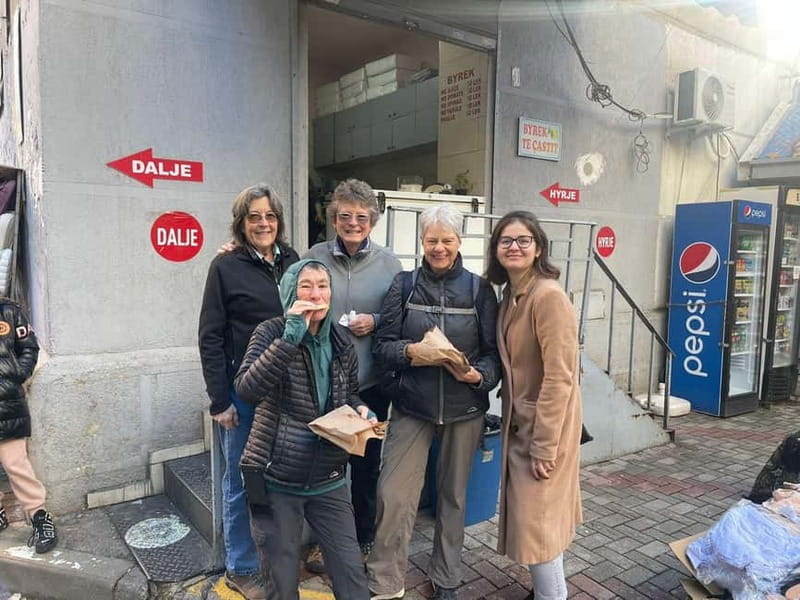
- Start with byrek: This flaky Albanian pastry may be filled with cheese, meat, spinach, or other ingredients, and it is served at a small local stop.
- See everyday Tirana: The route includes Çam Bazaar, neighborhood streets, produce stalls, cafés, and a second-hand market.
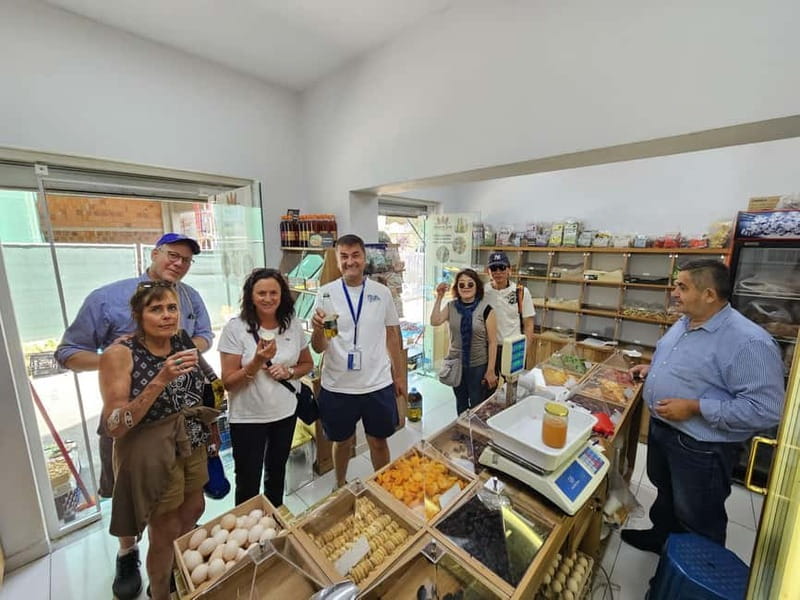
- Expect almost two meals: Tastings build from fruit, vegetables, cheese, nuts, honey, and olive oil to a full traditional Albanian meal.
- Guides add history: Markel, Ervis, and Brikena have led this experience, with a focus on Albanian food, culture, politics, and the city’s past.
- Finish with grape raki: The final drink is included, but it is strong enough to surprise anyone who is not used to it.
- Come hungry and ready to walk: The pace is generally comfortable, but summer heat and the amount of food matter.
Why this food walk is a smart first look at Tirana
At $53 per person, this is priced above a simple market visit but below what you might spend piecing together several meals, tastings, and a private city walk. The fee includes a local guide, byrek, seasonal fruit and vegetables, local cheeses, olive oil, honey, dessert, a traditional Albanian meal, and one glass of grape raki.
I see the value in the combination. You are not paying only for food. You are also paying for the route, translation, cultural context, and the chance to enter places that can be hard to identify from a standard sightseeing map. Several guides also add stories about Albania’s history and political past, which gives the meal stops more meaning.
This is particularly useful at the start of a Tirana visit. You get a practical introduction to local eating habits, learn which ingredients matter, and see several parts of the city before deciding where to return later. If you book it near the beginning of your stay, ask your guide for ideas for later meals and cafés.
The experience is available as a private or small-group tour. That matters here because market visits and food tastings work better when you can ask questions without holding up a large crowd. The exact group size is not given, so check that point when booking if a quiet, personal outing is important to you.
More Food Walking Tours in the world:
- Reykjavik Food Walk – Local Foodie Adventure in Iceland
★ 5.0 · 18,952 reviews - Ho Chi Minh City Street Food Tour & Sightseeing By Motorbike
★ 5.0 · 9,413 reviews - Little Havana Food and Walking Tour in Miami
★ 5.0 · 8,882 reviews
Byrek first, with a taste of Albanian comfort food
The opening stop is at a small local place known for byrek. This is a classic Albanian pastry made from thin layers of dough, with fillings that can include cheese, meat, spinach, or other ingredients. It is a useful first bite because it introduces a common everyday food rather than a dish designed only for visitors.
You may encounter byrek as breakfast or a snack, and the tour places it near the start of the route. That is a good choice. The pastry gives you something substantial before the walking begins, but it also leaves room for the produce and meal stops later.
I would not expect a formal tasting menu with every filling listed in advance. The food is local and practical, and the exact selection can vary. If you have dietary restrictions, ask before booking because the supplied information does not specify vegetarian, vegan, gluten-free, or allergy arrangements.
The advice to arrive hungry is not a throwaway line. The tour includes several separate tastings before the main meal, and the portions add up. Eat lightly beforehand, especially if you plan to accept every sample.
Çam Bazaar and the useful side of local shopping
The walk then leads toward Çam Bazaar, a working market where you can find goods ranging from clothing to kitchen equipment. This is not only a food stop. It gives you a look at the practical side of city life, with sellers, bargaining, and the kind of everyday shopping that rarely appears on a classic monument route.
You can bargain for a lower price, but keep it friendly and sensible. The point is to look, ask, and understand how the market works, not to turn every purchase into a contest. The tour does not include souvenirs or personal spending, so bring some money if you want to buy something.
The market setting also helps explain why this tour feels broader than a restaurant crawl. You are moving through places where people shop, meet, and work. Food becomes part of a larger picture of Tirana rather than an isolated series of bites.
Your guide is useful here because market goods and customs may not be obvious at first glance. A local companion can explain what is worth noticing, help with language, and point you toward stalls you might otherwise pass without a second look.
Seasonal produce, cheese, honey, and olive oil
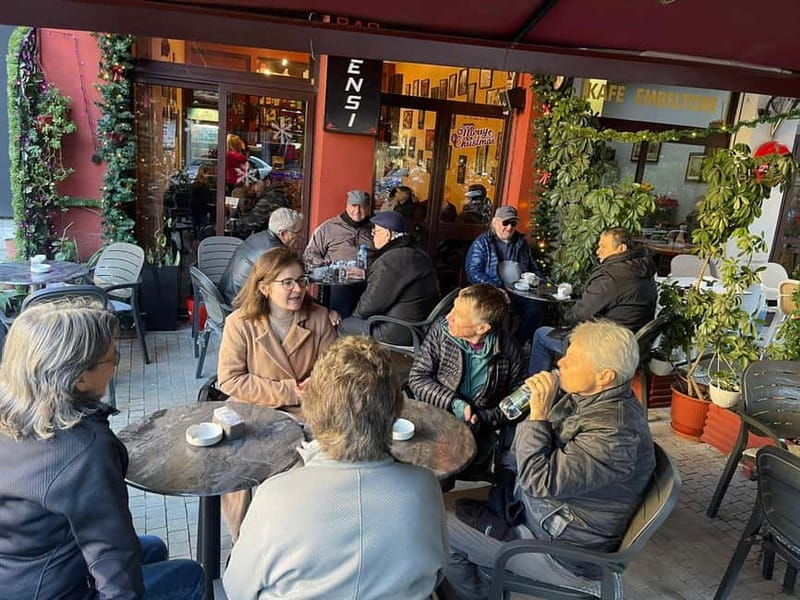
The route includes tastings of seasonal fruit and vegetables, along with local cheese varieties, olive oil, honey, and other local flavors. These are small foods, but they tell you a lot about the way Albanian meals are built.
Fresh produce is especially important because it gives the tour a direct connection to local agriculture. You are not only hearing that ingredients are seasonal. You are tasting them in the market setting. The selection will naturally change with the time of year, so do not expect a fixed menu.
The cheese, olive oil, and honey stops are also helpful if you want to shop later. You can ask your guide how locals use them, what flavors to notice, and which products make useful gifts. The tour does not include purchases, so any market buying is extra.
One practical detail from the experience is that the guide may help wash fruit and make sure the group is comfortable before tasting. That kind of small care matters in a market environment, especially when you are trying produce directly from stalls.
Coffee is also part of the food culture presented along the way. Some outings include a taste of Turkish coffee or another local coffee style. The coffee component is listed as part of the wider walk, but the exact serving can depend on the route and timing.
More Walks That End at the Table in the world:
- Osaka: Deep Backstreets Walking Tour with Dinner Option
★ 4.9 · 902 reviews - Kyoto Gion Cultural Walk & Geisha Show with Dining Options
★ 5.0 · 518 reviews - Naples: Street Food Experience With 6 Stops
★ 4.7 · 392 reviews - Marrakech: Authentic Moroccan Food Walking Tour & Dinner
★ 4.8 · 261 reviews
Neighborhood streets that show another side of Tirana
Between food stops, you walk through Tirana neighborhoods, alleyways, and streets lined with colorful buildings. The appeal here is not a single famous sight. It is the chance to see the city as a place where people live, shop, drink coffee, and go about ordinary routines.
Your guide may point out architecture from different periods and explain how Albania and Tirana changed over time. The history discussion can include the communist period, modern politics, and the country’s wider cultural development. Markel in particular has been praised for answering questions about history and politics as well as food.
That makes the walking portion more useful than a simple transfer between restaurants. You get context while moving through the city, and you can ask questions as something catches your eye. The pace has been described as comfortable, though one outing covered more than 5 kilometers and others lasted longer than the stated three hours.
This is where the tour can suit families and older visitors, but conditions still matter. August heat has made the walk demanding, including for groups with children. Rain has also occurred on tour days. Choose a suitable time of day when possible, wear comfortable shoes, and carry water even though drinks and snacks beyond the included items are your responsibility.
A second-hand market with room to browse
Another stop is a lively market selling second-hand goods of many types. You are invited to explore and look for pre-loved items that catch your eye. This gives the route a playful change of pace after the produce and food tastings.
The market is worth treating as a browse rather than a planned shopping stop. The information does not promise a particular item or seller, and stock will change. If you enjoy flea-market hunting, you may find this one of the most entertaining parts. If you prefer a tightly timed sightseeing route, the market may feel less essential.
I like that the tour leaves room for this kind of unscripted looking. It shows a side of Tirana that a list of monuments misses. At the same time, remember that every extra purchase is separate from the $53 price.
New Bazaar and the proper Albanian meal
The food walk continues to Tirana’s New Bazaar, where you sit down for a traditional Albanian meal prepared with regional specialties. This is the point where the earlier tastes come together in a more complete meal.
The exact dishes are not fixed in the information provided, so you should expect a traditional selection rather than a guaranteed named menu. That is useful for flexibility, but less useful if you need to plan around a particular dish or ingredient. Ask your guide what is being served when you sit down.
The meal is a major reason to avoid eating before the tour. Byrek comes first, then fruit, vegetables, cheese, honey, oil, and other snacks, followed by the main meal and dessert. One outing was described as providing close to two meals, so small appetites may need to pace themselves.
Some guides have taken groups to Gjelltore Dibra for Albanian cooking. That stop has been especially appreciated as a place to experience traditional food, though the precise restaurant sequence may vary. The important point is that the meal is intended to feel local and filling, not like a quick sample plate.
Dessert is included as well. The supplied details do not name the dessert, so consider it a seasonal or venue-based part of the meal rather than a guaranteed specialty. If you enjoy sweets, this final course helps round out the food story.
Raki at the end, with no need to prove anything
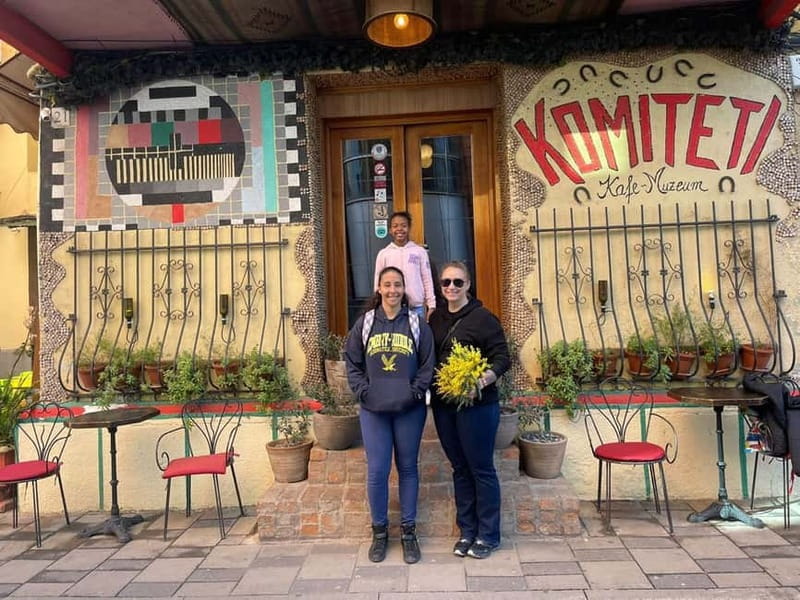
The last food-and-drink moment is one glass of Albanian grape raki. In Albania, raki carries social meaning and often appears at the end of a meal or during a visit with friends. The guide explains its place in local culture, and the tasting gives you a chance to try it in context rather than ordering it without knowing what to expect.
Raki is strong. One participant described the final drink as tough on the stomach, so do not feel obliged to finish it if spirits are not your thing. The included amount is one glass, and other drinks are not included.
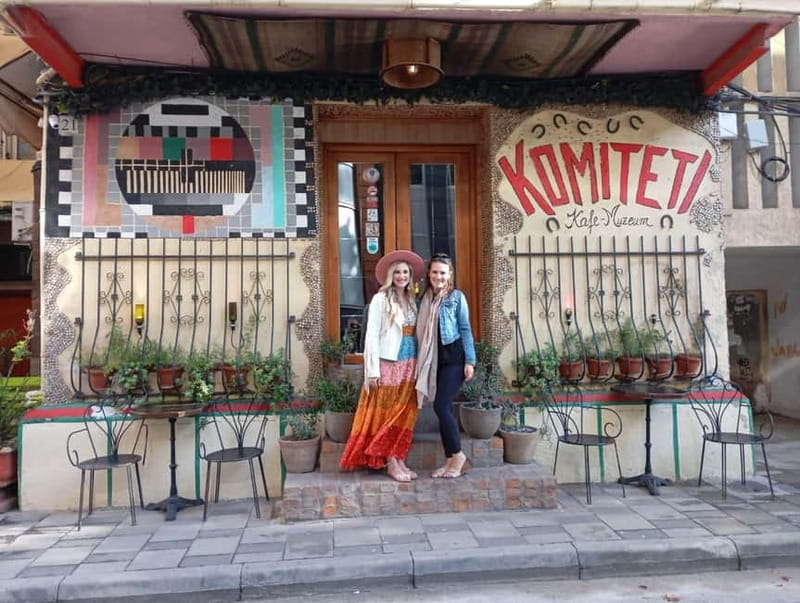
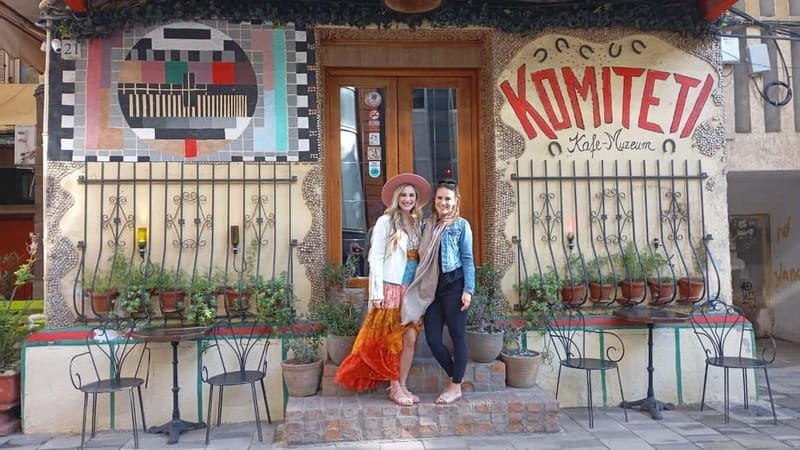
Komiteti, a bar associated with communist-era objects and atmosphere, has been used for the closing raki tasting on some outings. That makes a fitting final stop because the drink, the setting, and the discussion of Albania’s past can come together in one place.
I would treat the raki as a cultural tasting, not a drinking challenge. The walking and food already make a full afternoon or evening. Enjoy it slowly, and tell the guide if you prefer to skip alcohol.
The guides shape the experience
Markel is the guide most often associated with this experience. He is described as friendly, funny, warm, and passionate about Albanian food and culture. His strongest contribution is the way he connects each tasting to history, local customs, architecture, and modern life.
Ervis also leads the tour and has been praised for a fun approach and strong knowledge of Tirana’s food culture. Brikena has guided private outings and is described as flexible, attentive, and willing to spend extra time answering questions.
The guide makes a bigger difference here than it would on a simple restaurant reservation. Markets can be confusing, food names may be unfamiliar, and Albania’s recent past raises questions that a menu cannot answer. An English-speaking guide helps turn those details into a coherent city introduction.
The language listed is English. If you book, you may receive Markel, Ervis, Brikena, or another member of the team. The exact guide is not guaranteed, but the experience clearly depends on an engaging local host rather than a recorded script.
Who will get the most from this $53 tour
I would recommend this experience if you want food and city orientation in the same outing. It suits first-time visitors, curious eaters, couples, families with older children, and anyone who prefers local markets to formal sightseeing alone.
It is also a good choice if you want to ask questions. The history and culture component can be as important as the food, and the private or small-group format gives you more room to shape the conversation.
You may want to choose another activity if you dislike walking, avoid alcohol, have strict dietary needs, or prefer a precise list of dishes before booking. The route can be long, the food is plentiful, and the raki is not optional in the standard plan unless you choose not to drink it.
The meeting point is outside the Amo sushi restaurant on the ground floor of Tower 2 at the Twin Towers on Bulevardi Dëshmorët e Kombit. The towers are opposite the Pyramid of Tirana, and the tour returns there. Free cancellation is available up to 24 hours before the start, and you can reserve now and pay later.
Should you book this Tirana food walk?
Book it if you want your first hours in Tirana to include real food, local shopping, neighborhood streets, and a guide who can explain Albania beyond the postcard view. The strongest features are the variety of stops, the generous amount of food, and the guides’ ability to link cuisine with history and daily life.
Go in hungry, wear good walking shoes, and allow some flexibility in your schedule. If you can handle a full meal spread and a strong final drink, the $53 price offers a useful introduction to Tirana that is hard to reproduce by simply visiting restaurants on your own.
FAQ
Where does the Tirana food tour begin?
Meet at the BKT ATM at the Twin Towers, Tower 2, on Bulevardi Dëshmorët e Kombit. Wait outside the Amo sushi restaurant on the ground floor. The Twin Towers are opposite the Pyramid of Tirana.
How long does the experience last?
The stated duration is three hours. Some outings have lasted longer, especially when the group had many questions or additional places to explore.
What food is included?
The tour includes byrek, seasonal fruit, seasonal vegetables, local cheese varieties, olive oil, honey, a traditional dessert, and a traditional Albanian meal.
Is a drink included?
One glass of Albanian grape raki is included. Other drinks and snacks are not included.
What language is the tour offered in?
The listed tour language is English.
Can I book a private tour or small-group experience?
Yes. Private and small-group options are available.
Can I cancel the booking?
You can cancel up to 24 hours in advance for a full refund. The reserve-now, pay-later option is also available.
New routes in the world
- Baltimore Walking Foodie Tour in Fells Point★ 5.0 · 182 reviews
- Baku Oil Heritage & Old Town Walking Tour★ 5.0 · 232 reviews
- Baku Walking Tour (Old City)★ 5.0 · 127 reviews
- The Madam’s Curse Walking Ghost Tour★ 4.5 · 103 reviews
- Austin Small Group Morning Walk★ 5.0 · 412 reviews
- Austin Haunted Pub Crawl Walking Tour★ 4.5 · 232 reviews
- Austin Downtown Private Walking Food Tour With Secret Food Tours★ 5.0 · 71 reviews
- Austin Murder Walk★ 5.0 · 310 reviews
Dining Experiences, compared.
Deep Backstreets Walking Tour with Dinner Option
Read our review →
Kyoto Gion Cultural Walk & Geisha Show with Dining Options
Read our review →
Athens at Night Small-Group Walking Tour with Dinner
Read our review →
Hiroshima: Food and Culture Guided Walking Tour with Dinner
Read our review →

Browse the lists this tour appears in