
Review · JAPAN
Nara: Half-Day UNESCO Heritage & Local Culture Walking Tour
Nara’s best feature is not one grand sight, but the way sacred deer, Buddhist temples, Shinto shrines, and old merchant streets fit into one walk. This five-hour tour gives you the famous sights, then cuts onto quieter paths and finishes with a local meal.
I like the small-group feel, which gives you time to ask questions and lets the guide adjust the pace. I also like the lunch and the local details, from old latticework to the proper way to pray. The drawback is clear: you walk a lot, and summer heat, rain, or tired legs can change the mood.
Key points at a glance
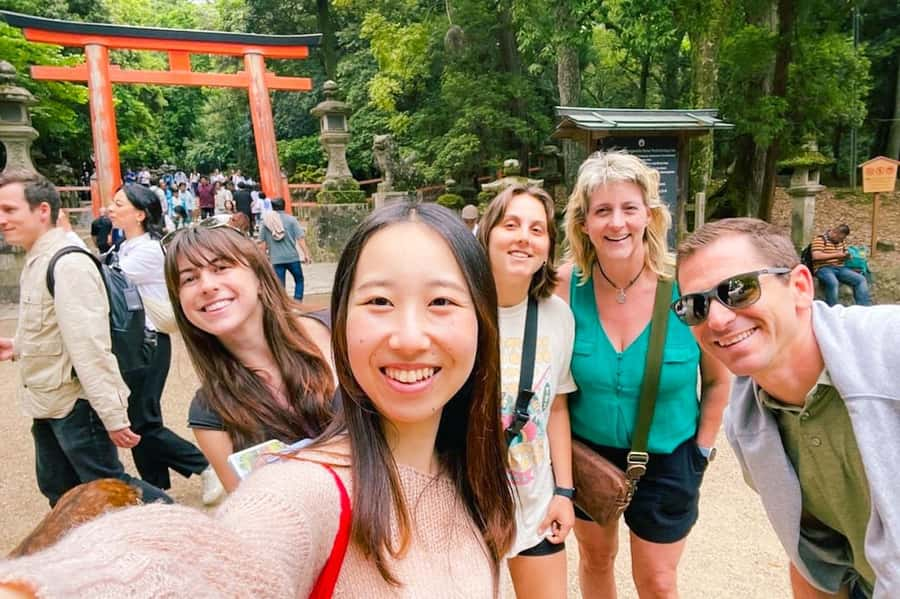
- Todai-ji and Kasuga Taisha in one morning or afternoon: You visit Nara’s two major UNESCO World Heritage sites with admission included.
- A guide-led look at religious culture: Learn how Buddhist temples and Shinto shrines differ, and how both traditions shape daily life in Japan.
- Deer crackers included: You can feed Nara’s famous deer and learn why they have been treated as sacred messengers for more than 1,200 years.
- Old Nara beyond the park: See a traditional merchant’s house, a quiet pyramid-shaped structure, and the lanes of Naramachi.
- A proper local lunch: The meal uses Nara vegetables and fresh meat, with dietary requests possible if arranged by the day before.
- Good use of a short visit: The route covers major sights, smaller cultural stops, and food without requiring you to plan the day yourself.
Why this Nara walking tour works
Nara can look simple on a map. The station, park, temples, and old town all appear close together. On foot, though, the distances add up, and the meaning of each place is not always obvious. This tour gives you a useful thread through the city, starting at Kintetsu Nara Station and looping back to the same point.
The route combines the sights most first-time visitors want with details you could easily miss alone. You see Kofuku-ji, Todai-ji, and Kasuga Taisha, but you also enter a traditional merchant’s house and walk along the Shimononegi-michi Pathway. That mix matters. Nara is more than deer and one enormous Buddha.
The English-speaking guides vary by departure. Names that appear among the strongest guide experiences include Miyabi, Matthew, Peco, Yuki, Eri, Nobu, Shin, and Yucci. The guide assigned to your date may be different, but the pattern is consistent: clear explanations, a friendly pace, help with photos, and time for questions.
The tour is listed at $102 per person. That is not the cheapest way to see Nara, especially if you only want to stroll through the park. But the price includes temple and shrine admissions, lunch, deer crackers, and five hours with a guide. Add the value of not having to work out the route or interpret religious customs, and the cost is reasonable for a first visit.
More History Walking Tours in Japan
- Tokyo: Imperial Palace and Shogun Historical Walking Tour
★ 5.0 · 2,251 reviews - Kyoto Gion: 2-Hour Geisha Culture & History Walking Tour
★ 5.0 · 1,186 reviews - Tokyo: Imperial Palace Japanese History Walking Tour
★ 4.9 · 987 reviews
Meeting at Kintetsu Nara Station
You meet in front of the Gyoki Bosatsu statue near Exit 2 or the East Exit of Kintetsu Nara Station. This detail matters because JR Nara Station is a different station. Go to Kintetsu, not JR, and arrive at least 10 minutes early.
Look for a guide holding a Magical Trip board. The tour starts on time, so a late arrival can cause trouble for the whole group. Kintetsu is also a practical starting point for a day in Nara, since you finish back at the same statue rather than being left at an unfamiliar part of town.
The exact start time varies, so check availability when booking. You may choose a private or small-group departure. A small group is especially useful here because the route includes temple courtyards, narrow streets, deer areas, and busy public spaces where it is easy to lose sight of a large party.
Kofuku-ji sets the religious stage
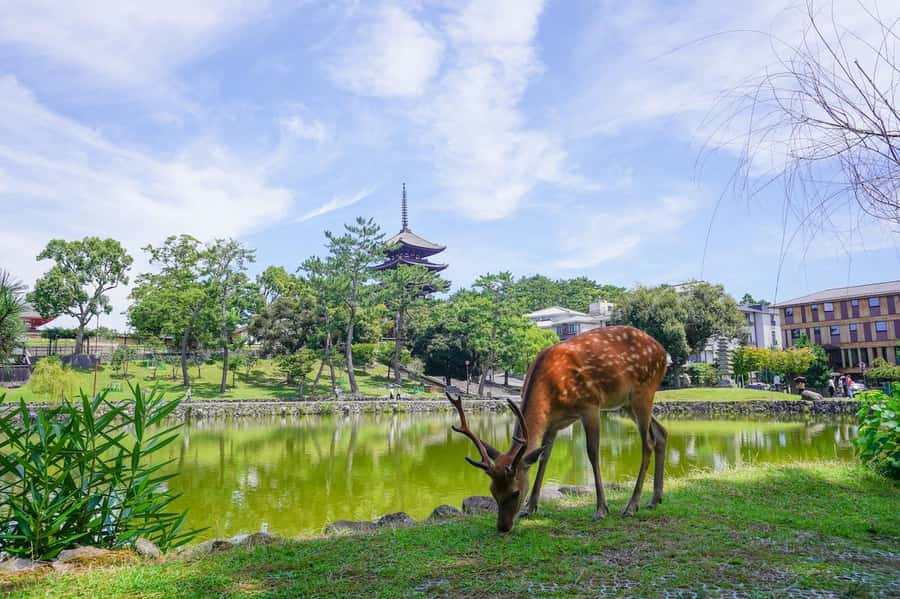
The first formal stop is Kofuku-ji, where you spend about 25 minutes. It is a useful opening because the guide can explain the role of Buddhist temples before you reach Todai-ji.
Do not expect a long, detailed visit at this point. The stop is short, and the larger blocks of time come later. Still, it helps you notice the difference between a temple complex and the Shinto shrine that follows. The guide can also answer practical questions about statues, prayer customs, and the meanings behind the buildings.
This is one reason I prefer the guided route to a quick solo visit. Without context, you may see beautiful structures but miss the clues that tell you what kind of religious site you are standing in.
Todai-ji and the Great Buddha
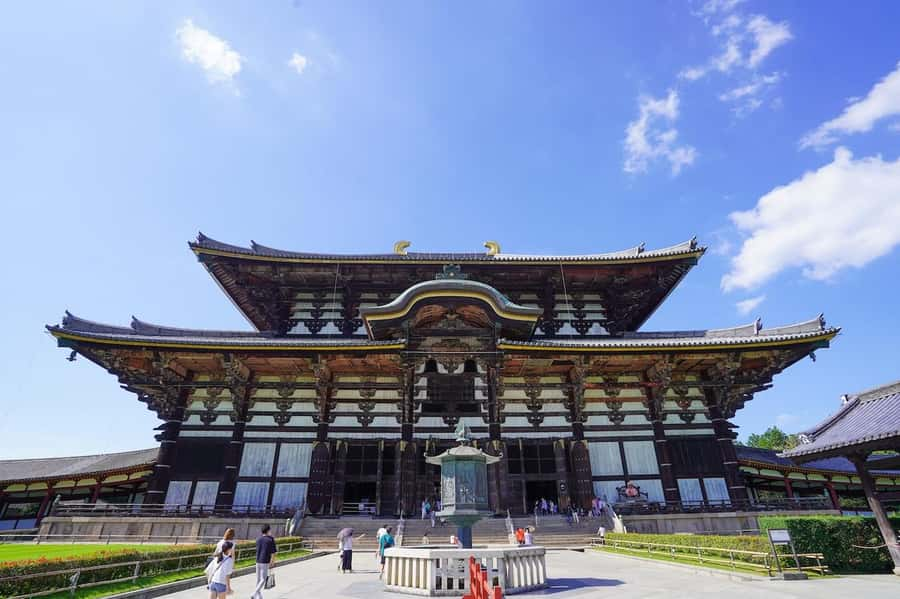
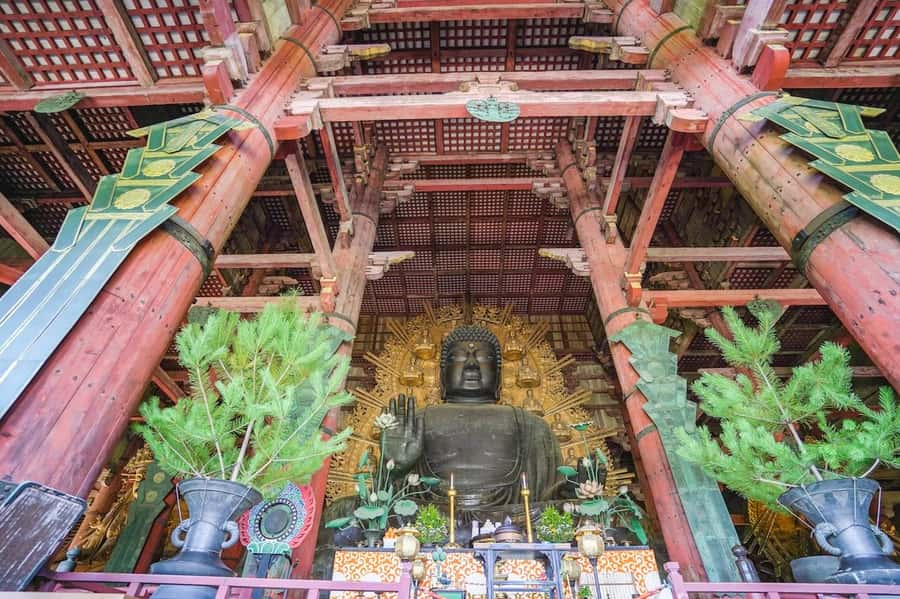
Todai-ji receives the largest share of the itinerary, about two hours. That is appropriate. The temple is a major reason people come to Nara, and rushing through it would leave little time to understand what you are seeing.
The enormous temple hall and Great Buddha create the tour’s biggest visual moment. Your guide explains the religious background and points out details that can disappear beneath the sheer size of the building. You get time to look, listen, ask questions, and take photographs instead of simply passing through with a crowd.
Two hours sounds generous, but it includes walking around the temple area and moving toward the deer park. The actual time inside any one building may vary with the group and the day. The guide keeps the route moving while allowing short breaks, a balance several participants appreciated.
Todai-ji can be busy, especially during popular sightseeing hours. A guide cannot remove the crowds, but a small group can make the visit less awkward than trying to keep a large family or party together. You should also expect plenty of walking on hard surfaces, so comfortable shoes are essential.
Same streets, a different guide:
- Kyoto Geisha Walking Tour: Gion District & Hidden Gems
★ 4.7 · 3,273 reviews - Tokyo Tsukiji Fish Market Food and Culture Walking Tour
★ 5.0 · 3,184 reviews - Kyoto: Gion Magical Night Walking Tour with Geisha Trivia
★ 4.9 · 2,393 reviews - Kyoto: Gion Geisha District Walking Tour – Stories of Geisha
★ 4.7 · 2,187 reviews
Feeding Nara’s sacred deer
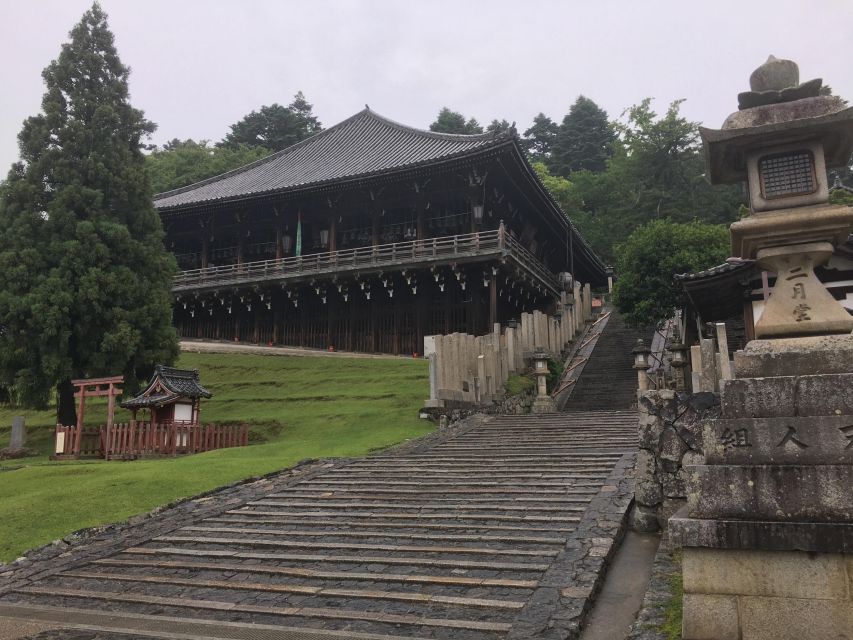
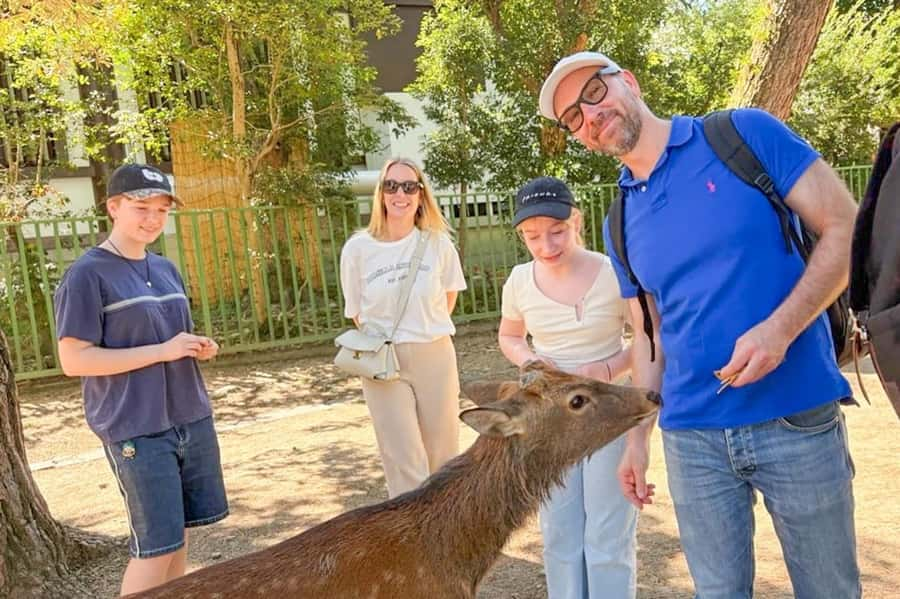
The deer are not an extra decoration added to the temple visit. They are part of Nara’s religious identity. Local belief has treated them as sacred divine messengers for more than 1,200 years, and the guide explains that connection as you meet them in Nara Park.
The tour includes one packet of crackers. This gives you a simple, memorable interaction without making you buy food immediately. You can watch the deer approach, offer the crackers, and see their famous head bows. They are entertaining, but they are still animals, so follow the guide’s instructions and finish the crackers before putting your hands out.
If you plan to stay in the park after the tour, buy extra crackers early. They can sell out at nearby shops, leaving you to walk back toward the original area to find more. That is a small but useful planning tip.
The deer encounter is particularly good for families and solo visitors. Guides such as Peco have helped with photos, and several guides take pictures for the group or share them later. Still, do not make the deer the whole reason to book. The animals are a highlight, but the tour’s value comes from connecting them to Nara’s temples and traditions.
Lunch with Nara ingredients
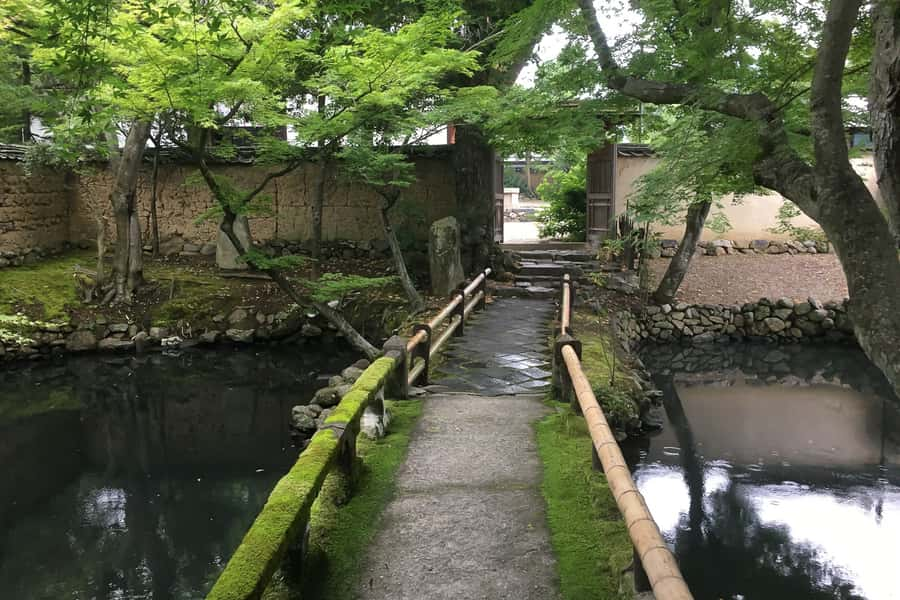
Lunch takes about 45 minutes at a local restaurant. The meal uses local Nara vegetables and fresh meat, rather than being a quick snack between sights. Many participants found the food one of the strongest parts of the day, and the meal has been described as home-style, well-presented, and generous enough to feel like a real break.
This pause also gives your feet a rest. Five hours on foot can feel long, so sitting down in the middle of the route is welcome. It is a chance to ask the guide more informal questions and compare what you have seen so far.
Dietary planning is important. Vegetarian and gluten-free requests must be sent to the local partner by the day before. Vegan travelers and people with gluten intolerance are listed as unsuitable for this activity, so do not assume the restaurant can change the meal at the last minute. You do not pay for the guide’s food or drinks, while any extra food and drinks for you are your own expense. Bring some cash for those purchases.
A quiet pyramid and a hilltop view
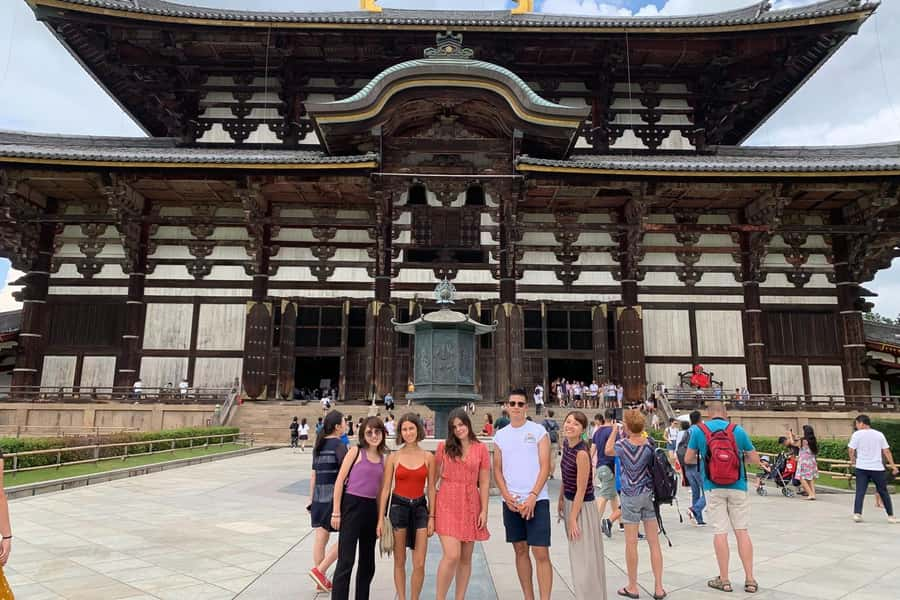
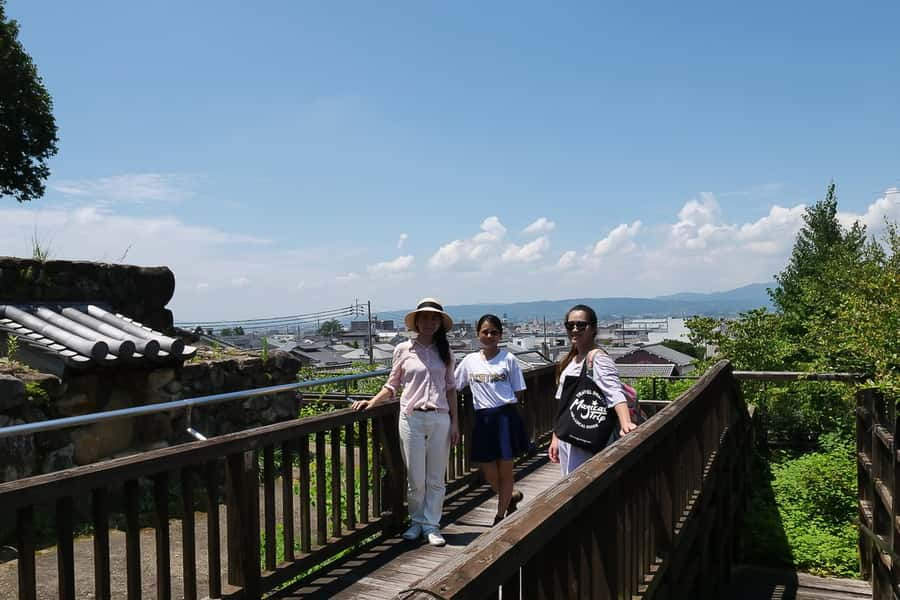
One of the tour’s more unusual stops is at 110 Zoshicho, where you pause for about 15 minutes to look at a mysterious pyramid-shaped structure in a quiet part of town. This is not the kind of place most people associate with a quick Nara visit, which is exactly why it adds character.
You also get a view of Nara from a hill. The stop breaks up the temple sequence and shows the city from a different angle. It is a short visit rather than a major attraction, so keep your expectations in proportion. You are getting a local curiosity and a change of pace, not a long museum-style explanation.
This is the kind of stop that benefits most from a guide. A sign or structure can be easy to pass without a second thought. With someone explaining why it matters, an odd-looking landmark becomes part of the city’s story.
Kasuga Taisha and its lanterns
The route then reaches Kasuga Taisha, with about 40 minutes for the visit. This UNESCO World Heritage shrine offers a strong contrast to Todai-ji. Instead of one vast Buddhist hall and a giant Buddha, you see a Shinto site known for its atmosphere, architecture, and hundreds of lanterns.
Your guide explains Japanese religious culture in practical terms, including how temple and shrine customs differ. You may also learn how to pray properly and where to obtain goshuin stamps, a detail that one guide helped a participant arrange at several sites.
Forty minutes is enough to understand the shrine and enjoy the lanterns, but not enough for every corner of the wider area. That is a fair trade on a half-day route. If Kasuga Taisha becomes your favorite place, you may want to return later with more time.
The paths around this part of Nara can feel calmer than the main approaches. Guides sometimes take the group away from the heaviest traffic, though conditions and crowd levels change. The route remains active and outdoors, so rain protection and sensible shoes matter.
Shimononegi-michi and old Naramachi
The 20-minute walk along Shimononegi-michi Pathway gives you a quieter stretch between the major sights. It is a chance to notice the transition from park and shrine grounds back into the city.
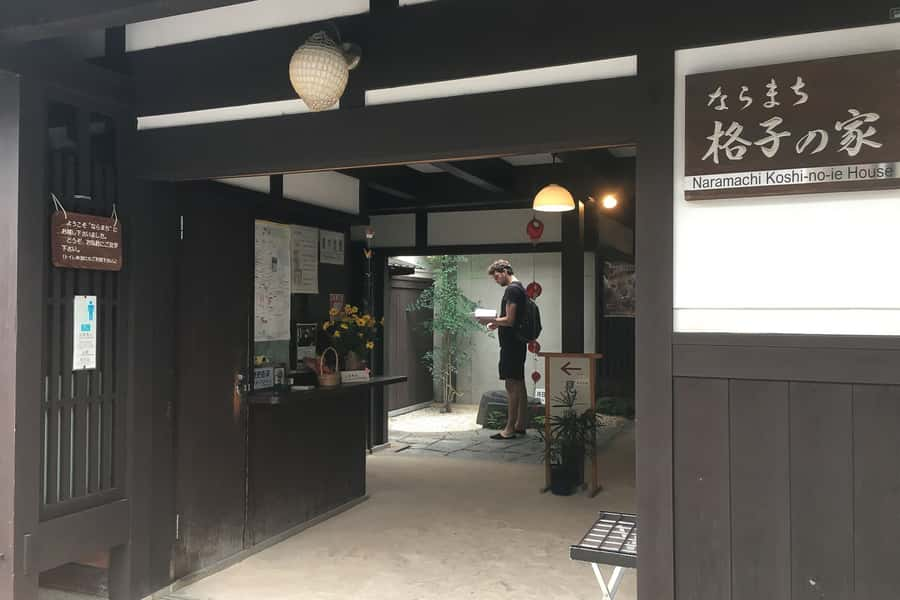
The final cultural stop is Naramachi Nigiwai-no-le, with about 20 minutes to explore. Here you visit a traditional merchant’s house and see how people lived in the past. This is where the tour moves away from grand religious buildings and into ordinary urban life.
Look for the details in the old buildings. Guides have explained how latticework could provide clues about the goods a merchant sold. That sort of observation gives you something to watch for as you continue through Japan, instead of leaving you with only a list of famous names.
Naramachi is also a good reminder that Nara is not simply an open-air park. It is a living town with old streets, homes, shops, and local food. The stop is brief, but it rounds out the day.
The walking pace and group size
The itinerary covers a lot of ground in five hours. One participant called it a long walking tour but still found the pace enjoyable in good weather. That is the right way to think about it: the tour is not a gentle ride between attractions.
There are short breaks, and the guide can usually adjust the pace to the group. Guides such as Matthew, Eri, Peco, and Miyabi have been praised for keeping people together without making the day feel rushed. A small group also gives you room to ask unusual questions, take photos, and pause for temple stamps or souvenirs.
Heat is the biggest seasonal concern. Summer departures can be demanding, even when the guide keeps a sensible speed. Rain does not cancel the cultural value, but it makes the long outdoor stretches less comfortable. Bring comfortable shoes, water, and weather-appropriate clothing.
People with a health concern should tell the local partner before the tour. The walk includes several stops, but it is still a walking tour with extended time outdoors.
Who should book it
I would choose this tour if you have one day in Nara and want the main sights explained rather than simply photographed. It is also a good fit if you want local food, help with religious customs, and a route that includes old Naramachi as well as Nara Park.
Families can benefit from the deer crackers and the varied stops. Solo visitors may appreciate guides who take group photos and create an easy social rhythm. Couples and small groups get the convenience of a planned route without being locked into a large bus excursion.
I would hesitate if you dislike walking, want a slow visit to each temple, or need a fully vegan or gluten-free meal. The five-hour schedule is well packed, and the most important sites receive solid attention rather than unlimited time.
Should you book this Nara tour?
Book it if you want a well-paced introduction to Nara’s sacred sites, deer, old streets, and food in one half-day. The strongest parts are the guides, the clear cultural explanations, the included lunch, and the route beyond the obvious deer photos.
Skip it if you already know Nara well or prefer to wander alone at a slower pace. For a first visit, though, $102 is fair when you count admissions, lunch, deer crackers, and five hours of help from an English-speaking local guide. Just arrive at Kintetsu Nara Station early, prepare for plenty of walking, and arrange dietary needs before the day of the tour.
FAQ
Where does the Nara walking tour begin?
It begins in front of the Gyoki Bosatsu statue near Exit 2 or the East Exit of Kintetsu Nara Station.
Should I go to JR Nara Station?
No. The meeting point is at Kintetsu Nara Station, not JR Nara Station.
How early should I arrive?
Arrive 10 minutes before the activity starts. The tour must begin on time.
How long does the tour last?
The walking tour lasts five hours.
What language is the tour conducted in?
The tour is conducted in English.
Are Todai-ji and Kasuga Taisha included?
Yes. Entrance fees to all temples and shrines visited are included, including Todai-ji and Kasuga Taisha.
Is lunch included?
Yes. Lunch is included and uses local Nara vegetables and fresh meat.
Can I request a vegetarian or gluten-free lunch?
You must contact the local partner by the day before the tour. Requests cannot be accepted on the day itself. Vegan guests and people with gluten intolerance are listed as unsuitable for this activity.
Are deer crackers included?
Yes. The tour includes one packet of crackers for feeding the deer.
Can I cancel the booking for a refund?
You can cancel at least 24 hours before the starting time for a full refund. Free date or time changes are also possible up to 24 hours beforehand, depending on availability.
More Half-Day Walks in Japan
- Hiroshima: Miyajima Half-day Historical Walking Tour
★ 4.7 · 100 reviews - Discover Berlin Half-Day Walking Tour
★ 5.0 · 9,624 reviews - Rio De Janeiro: Half-Day Rocinha Favela Walking Tour
★ 4.7 · 2,272 reviews - Istanbul: Fener Balat Half-day Guided Walking Tour
★ 4.9 · 1,711 reviews
More Cultural Walking Tours in Japan
- Tokyo Tsukiji Fish Market Food and Culture Walking Tour
★ 5.0 · 3,184 reviews - Kyoto Gion Cultural Walk & Geisha Show with Dining Options
★ 5.0 · 518 reviews - Asakusa Cultural Walk & Matcha Making Tour
★ 5.0 · 245 reviews - Tokyo: Meiji Jingu Shrine and Shinto Culture Walking Tour
★ 5.0 · 245 reviews
New routes in Japan
- Tokyo: Asakusa & Sensoji ー Oldest Temple Walking Tour (2hrs)★ 5.0 · 213 reviews
- Asakusa Cultural Walk & Matcha Making Tour★ 5.0 · 245 reviews
- Asakusa Senso-ji Temple and Old Tokyo Walking Tour★ 5.0 · 560 reviews
- Tokyo: Tsukiji Market Walking Tour & Sushi Cooking Class★ 4.6 · 122 reviews
- Tokyo: Shinjuku Nightlife & Secret Backstreets Walking Tour★ 4.8 · 229 reviews
- Tokyo: Shinjuku Bar Hopping & Night Walking Tour★ 4.6 · 137 reviews
- Tokyo: Dark Side of Tokyo Shinjuku Red Light Walking Tour★ 4.7 · 862 reviews
- Tokyo: Shibuya Highlights Walking Tour★ 4.8 · 601 reviews
Japan Walking Tours, compared.
Kyoto Geisha Walking Tour: Gion District & Hidden Gems
Read our review →
Tokyo Tsukiji Fish Market Food and Culture Walking Tour
Read our review →
Imperial Palace and Shogun Historical Walking Tour
Read our review →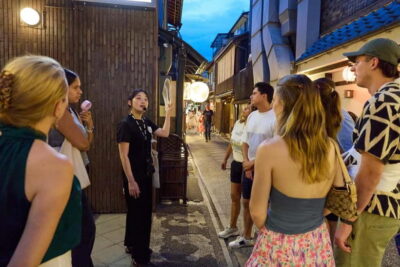
Gion Geisha District Walking Tour – Stories of Geisha
Read our review →
Best of Kyoto: Gion, Geisha, Pagodas & Cobblestones
Read our review →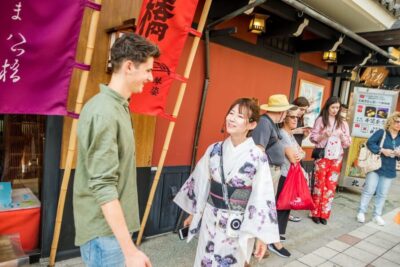
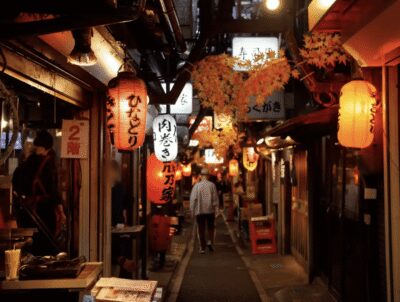
Shinjuku Local Bar and Izakaya Guided Walking Tour
Read our review →
Asakusa Walking Tour with Sensoji Temple Visit
Read our review →Browse the lists this tour appears in