
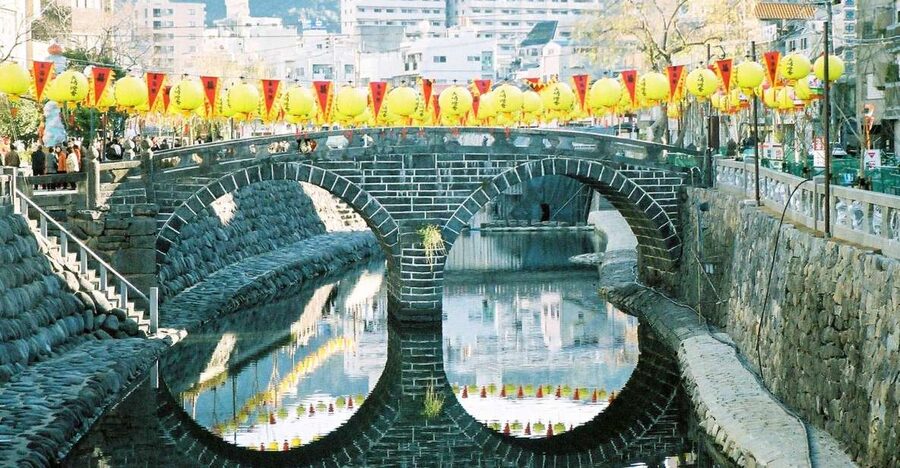
Review · JAPAN
Nagasaki: Private Walking Tour with a Local
Nagasaki is a city where a good local guide can save you time and add meaning to every turn. This private walking tour lets you choose between major sights such as the Atomic Bomb Museum and Peace Park, or a looser day of cafés, food, shopping, and local neighborhoods. Guides including Yuki, Senyo, Masaaki, and Jun have shaped very different outings around each guest.
I like the one-to-one format, especially for cruise passengers and first-time visitors who need a quick plan. I also like the human side: Yuki shared her favorite places, Senyo handled difficult historical subjects with care, and Jun helped an unplanned morning come together. The tradeoff is simple: with no fixed route, you need to give your guide some direction, or you may spend valuable time deciding what to do.
Key points at a glance
- A route built around you: Choose major sights, food, shopping, local streets, or a mix of all four.
- Useful for cruise calls: Pickup can be arranged near the city center, and one guide met a guest at the cruise terminal.
- Strong on peace history: The Atomic Bomb Museum and Peace Park can form the heart of a thoughtful three-hour visit.
- Local food advice: Guides can point you toward places to eat, including a lunch stop that earned especially high praise.
- Flexible city movement: Walking can be balanced with public transport or taxis, though those costs are extra.
- A real planning issue: You get freedom, not a ready-made sightseeing program, so arrive with at least a few interests.
The real value is a local who can change the day
At $82 per person, this is not the cheapest way to see Nagasaki. It is also not a standard bus tour where everyone follows the same flag through the same stops. You are paying for private time, local judgment, and the ability to reshape the outing as the day develops.
That matters in Nagasaki. The city’s sights are spread across different areas, and your interests may pull in several directions. You may want the Atomic Bomb Museum and Peace Park, then Dejima, then lunch, then a scenic ride. Or you may care less about a checklist and more about finding a café, a shopping street, or a neighborhood you would not have picked alone.
The strongest part of this experience is the guide-to-guest connection. Yuki prepared carefully and added personal stories to the city’s past. Senyo received repeated praise for his handling of the Atomic Bomb Museum and Peace Park. Masaaki helped explain places that could be difficult to navigate independently. Those details show what you are buying: not just directions, but a human filter for Nagasaki.
More Private Walking Tours in Japan
- Osaka: Hotspots & Hidden Gems Walking Tour Private or Group
★ 4.9 · 1,300 reviews - Nara Half Day Trip Walking Tour (Private Option Available)
★ 5.0 · 937 reviews - Tokyo: Private Custom Walking Tour with Local Guide
★ 4.8 · 533 reviews
Starting points around the city
You can request a meeting location in or near central Nagasaki. That may be your hotel, a well-known landmark, or a quiet café. Two listed meeting choices are the Statue of Dr. Sun Yat-sen, Umeya Shōkichi and Toku, and the Nagasaki Atomic Bomb Museum.
For a first visit, the museum area is a practical starting point if peace history is your priority. It puts you near the museum and Peace Park, allowing the guide to explain the area before you decide how much time to spend inside. The statue meeting point may suit you better if you are already exploring that part of town or want to begin from a recognizable landmark.
Cruise passengers should pay close attention to pickup planning. One guide came to the cruise terminal, and another helped a guest return to the ship after the tour. Pickup is not a promise of transport everywhere, but it shows why you should state your arrival and departure needs before the day begins.
A small warning: confirm the exact meeting place and timing in advance. A private tour has fewer built-in safety nets than a large group excursion. Your guide can adapt, but only if the plan is clear.
Atomic Bomb Museum and Peace Park
For many people, these are the most important stops in Nagasaki. The Atomic Bomb Museum presents the bombing and its consequences, while Peace Park provides a quieter public setting for reflection. A guide can help you understand the place without turning it into a string of dates and names.
Senyo received especially strong praise for explaining the historical significance of both sites. Masaaki also included the museum and Peace Park during a three-hour outing, adding help with navigating the city and the sites. That practical support is useful because the subject can be emotionally heavy, and the museum is best approached with enough time rather than squeezed into a rushed photo stop.
You should tell your guide how much time you want here. If the museum is your main reason for booking, it may take up most of the tour. If you have already visited it, the guide can place more weight on the surrounding area, another district, food, or a scenic stop.
Admission is not included. If you ask the guide to enter an attraction with you, you also cover the guide’s admission cost. That is an important budget detail, particularly for a private tour priced per person.
Dejima and Nagasaki’s international connections
One outing included a tram ride to Dejima after the Atomic Bomb Museum and Peace Park. That combination makes sense for a visitor who wants both modern history and the city’s earlier role as a gateway for international trade.
The tour does not guarantee Dejima, but it is a good example of how the route can be adjusted. Mention it before the tour if you want it included. Your guide can then judge how it fits with opening times, walking distance, and your other priorities.
The same applies to the Nagasaki Ropeway. Masaaki included it during a three-hour tour, giving his guest scenic views as well as historical sites. The ropeway is not part of every route, and any optional activity costs are extra, but it shows that this experience need not stay at street level the entire time.
Same streets, a different guide:
- Kyoto Geisha Walking Tour: Gion District & Hidden Gems
★ 4.7 · 3,273 reviews - Tokyo Tsukiji Fish Market Food and Culture Walking Tour
★ 5.0 · 3,184 reviews - Kyoto: Gion Magical Night Walking Tour with Geisha Trivia
★ 4.9 · 2,393 reviews - Tokyo: Imperial Palace and Shogun Historical Walking Tour
★ 5.0 · 2,251 reviews
Local streets, cafés, shopping, and food
The most appealing part of a personalized walk may be what is not printed on a standard sightseeing list. Your guide might take you to a courtyard café, point out street art, or show you a favorite area for shopping. The exact places depend on your interests and the guide you meet.
Food is another reason to choose this format. One guest especially enjoyed the lunch stop, while another was shown the best places in Nagasaki by a friendly guide. Meals and drinks are not included, so you pay for your own food, but the advice can be worth more than a generic restaurant list.
Be specific if food matters to you. Say whether you want a quick local meal, a relaxed lunch, seafood, sweets, or a place near your final stop. The guide cannot read your mind, and the open format works best when you offer a few clues.
This is also where the tour can feel different from a conventional historical walk. You are not only looking at buildings. You are asking a person who lives in or knows the city well how they spend time there. That can lead to a more useful afternoon after the official tour ends.
How the three to six hours really work
The advertised length ranges from three to six hours. That is a wide window, and it changes the value of the $82 price.
A three-hour tour is enough for a focused plan. You could concentrate on the Atomic Bomb Museum and Peace Park, combine one major area with a food stop, or use the time as a city orientation. Several successful outings took about three hours, including one that added the ropeway and another that covered the two peace sites and Dejima.
A longer session gives you room to combine districts and interests. You might begin with history, stop for lunch, then continue to shopping or a scenic viewpoint. The guide can also spend more time answering questions instead of hurrying from stop to stop.
Do not assume six hours means six hours of nonstop walking. The format is a walking tour, but one guide balanced walking with public transport and taxis. Local transportation is not included, so you should budget separately if you want to cover more ground or reduce walking.
Comfortable shoes are essential. Nagasaki is a city where a flexible route can involve hills, uneven streets, and changes in pace, though the activity is listed as wheelchair accessible. If mobility is a concern, discuss the route before booking rather than leaving the issue to the day itself.
The guides make or break the experience
The guide is the main variable here. That is true of any private local tour, but it matters even more when the company does not impose a fixed script.
Yuki appears especially strong at preparation and customization. She planned around individual interests, shared less obvious places, communicated before the tour, and was able to adjust the day. She also speaks several languages, though English is the listed language for this activity.
Senyo is a good choice in spirit for visitors focused on Nagasaki’s wartime past. His explanations of the Atomic Bomb Museum and Peace Park received repeated praise, along with his friendly manner.
Masaaki handled a broad mix of sights and practical orientation. Jun showed flexibility when a guest had no plan and needed to reach a destination before returning to a ship. Other guides, including Suniff, Rem, Ren, Muhammad, Gloria, Luis, and Meg, were also singled out for friendliness, preparation, or local insight.
There is one useful caution. One guest felt the company should provide guides with more shared background material and suggested sample routes. That is fair. Some guides may give you a polished historical explanation, while others may work best as a local companion who helps you make choices. If you want a structured history lesson, say so clearly when you book.
What $82 buys you
The price makes the most sense for couples, families, or small private groups who value time and flexibility. A private guide can avoid the slow pace of a large group and adjust the day when weather, energy, or interest changes.
For a solo visitor, $82 is a bigger decision. You are paying for personal attention, not a long list of included attractions. If all you need is a map and a few facts, you can spend less by exploring independently. If you want help with orientation, local food, difficult historical sites, or a short port visit, the cost can be reasonable.
Remember the extras:
- Attraction admission is not included.
- You pay for the guide’s admission when you ask the guide to enter with you.
- Meals and drinks are extra.
- Public transport and taxis are extra.
- Optional activities, such as the ropeway, are extra.
Free cancellation is available up to 24 hours before the tour for a full refund. Children under three join free, and children aged three to twelve receive a 50 percent discount.
Who should book this Nagasaki walk
I would recommend it to a first-time visitor who wants orientation without surrendering control. It also suits repeat visitors looking for a local angle, families who need a slower or more adaptable plan, and cruise passengers working within a tight port schedule.
It is particularly useful if you have strong interests but do not know how to connect them. History, food, shopping, scenic views, and neighborhood wandering can all fit, provided you tell the guide what matters.
I would be more cautious if you want a fixed, fully researched itinerary with guaranteed stops and a formal lecture. The open format can feel like too much responsibility. One guest specifically wished for suggested routes and more consistent historical material. That is the clearest limitation of the experience.
FAQ
How long is the Nagasaki private walking tour?
The tour lasts between 3 and 6 hours. Available starting times can be checked when booking, and you can request a specific start time.
Where can the guide meet me?
The guide can meet you at your hotel, an iconic landmark, or a quiet café, as long as the location is in or near central Nagasaki. Listed meeting choices include the Statue of Dr. Sun Yat-sen, Umeya Shōkichi and Toku, and the Nagasaki Atomic Bomb Museum.
Is the tour private?
Yes. The experience is for a private group, with a route customized to your interests rather than a fixed group itinerary.
Is the tour offered in English?
Yes. The listed live tour language is English.
Are entrance fees included?
No. Entrance fees are not included. If you want the guide to enter an attraction with you, you must also pay the guide’s admission fee.
Are meals and transportation included?
No. Meals, drinks, local transportation, taxis, and optional activity costs are extra. The guide may help balance walking with public transport or taxis, depending on your plan.
Is the tour suitable for children and wheelchair users?
The activity is listed as wheelchair accessible. Children under three join free, while children aged three to twelve receive a 50 percent discount. Comfortable shoes are recommended because this is a walking tour.
Should you book it?
Book this tour if you want Nagasaki to fit your interests rather than a preset route. It is a strong choice for a first visit centered on the Atomic Bomb Museum and Peace Park, a cruise stop that needs careful timing, or a flexible day that mixes history with food and local neighborhoods.
Before booking, send the guide a short wish list. Name your must-see sights, how much walking you want, your food interests, and your departure deadline. If you do that, the private format can work very well. If you prefer a ready-made itinerary and a formal historical presentation, choose a more structured tour instead.
New routes in Japan
- Tokyo: Asakusa & Sensoji ー Oldest Temple Walking Tour (2hrs)★ 5.0 · 213 reviews
- Asakusa Cultural Walk & Matcha Making Tour★ 5.0 · 245 reviews
- Asakusa Senso-ji Temple and Old Tokyo Walking Tour★ 5.0 · 560 reviews
- Tokyo: Tsukiji Market Walking Tour & Sushi Cooking Class★ 4.6 · 122 reviews
- Tokyo: Shinjuku Nightlife & Secret Backstreets Walking Tour★ 4.8 · 229 reviews
- Tokyo: Shinjuku Bar Hopping & Night Walking Tour★ 4.6 · 137 reviews
- Tokyo: Dark Side of Tokyo Shinjuku Red Light Walking Tour★ 4.7 · 862 reviews
- Tokyo: Shibuya Highlights Walking Tour★ 4.8 · 601 reviews
Japan Walking Tours, compared.
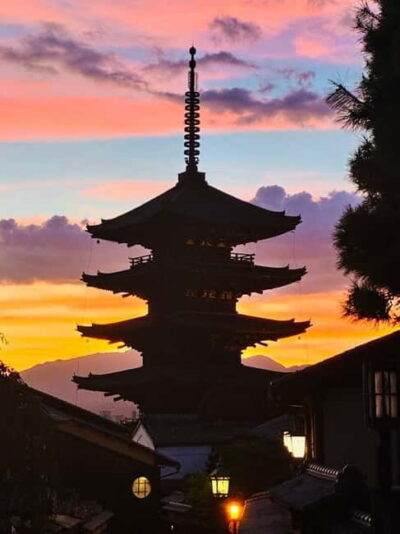
Kyoto Geisha Walking Tour: Gion District & Hidden Gems
Read our review →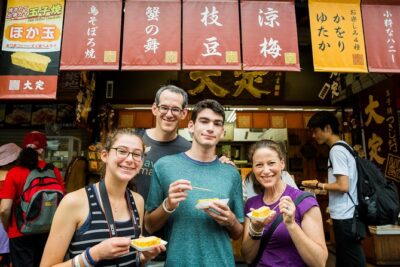
Tokyo Tsukiji Fish Market Food and Culture Walking Tour
Read our review →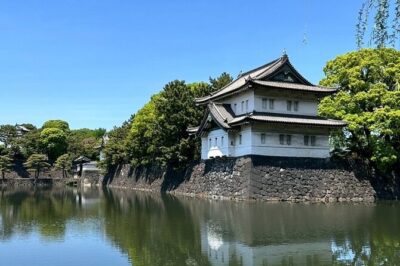
Imperial Palace and Shogun Historical Walking Tour
Read our review →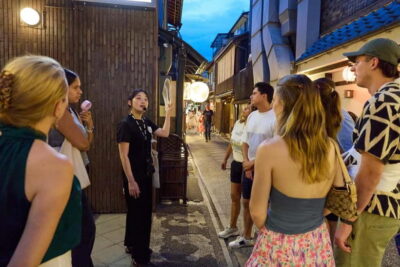
Gion Geisha District Walking Tour – Stories of Geisha
Read our review →
Best of Kyoto: Gion, Geisha, Pagodas & Cobblestones
Read our review →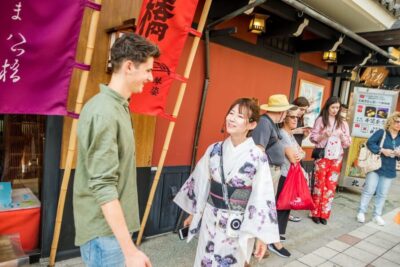
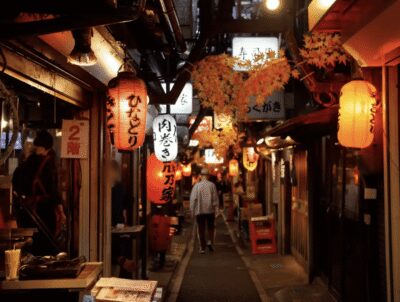
Shinjuku Local Bar and Izakaya Guided Walking Tour
Read our review →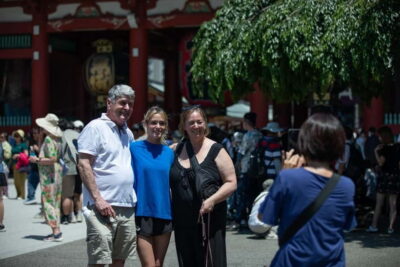
Asakusa Walking Tour with Sensoji Temple Visit
Read our review →Browse the lists this tour appears in