
Review · 1-DAY
Nara Half Day Trip Walking Tour (Private Option Available)
Nara’s famous deer are only the beginning. This five-hour walk links the Great Buddha at Todaiji with Kasuga Taisha, Nara Park, and the old lanes of Naramachi, so you get temples, shrines, food, and local streets in one outing. Guides such as Shin, Yuki, Miyabi, and Eri add useful detail about customs and show you how to approach the deer without being mobbed.
I like the way lunch is part of the plan, not an afterthought, and I like the small maximum of eight people. The route also reaches beyond the headline sights, including a merchant’s house and lesser-known corners that are easy to miss alone.
The main consideration is walking. You will cover several sites over five hours, often outdoors, and Nara’s summer heat can be severe. Dietary requests need advance notice, and gluten-free meals cannot be accommodated.
Key details to know before booking
- See Nara’s major sights in five hours: Kofuku-ji, Todaiji, Kasuga Taisha, Nara Park, and Naramachi all fit into one guided route.
- The Great Buddha is the centerpiece: Todaiji’s main hall and Nandaimon provide the tour’s biggest visual and cultural moment.
- Lunch is included: You eat at a traditional Japanese restaurant in an old town setting, with local dishes served as part of the experience.
- The deer encounter is guided: You receive help with respectful feeding and handling Nara’s sometimes pushy deer.
- The group stays small: The maximum is eight people, and a private option is available.
- The route adds local texture: Naramachi, a former merchant district, gives you a look at old Japanese town life beyond the temple grounds.
Why this five-hour Nara walk works well
Nara can feel scattered at first. The main sights are spread between broad parkland, temple compounds, forest paths, and old commercial streets. This tour gives you a clear route and a local guide to explain what you are seeing as you go.
That matters most at religious sites. Without context, a lantern-lined shrine or a giant wooden hall can become one more beautiful photo stop. A guide can explain how to behave, where to bow, how to make a wish, and why the buildings and objects matter.
The pace is designed for a half-day, but it is not a quick bus tour. You walk between stops, pause for explanations, eat lunch, and have time for photos. The route is suitable for all ages, though you should tell the operator in advance about health concerns or mobility needs.
The small group size is a real plus. Eight people is large enough for a social outing but small enough for questions and minor adjustments. Several guides have tailored the route to a group’s energy or mobility, and some have shared photos after the walk. That kind of personal touch depends on the guide assigned, but it is a useful feature of a small guided tour.
More Private Walking Tours in Japan
- Osaka: Hotspots & Hidden Gems Walking Tour Private or Group
★ 4.9 · 1,300 reviews - Tokyo: Private Custom Walking Tour with Local Guide
★ 4.8 · 533 reviews - Tokyo: Private Walking Tour with a Local Guide
★ 4.9 · 469 reviews
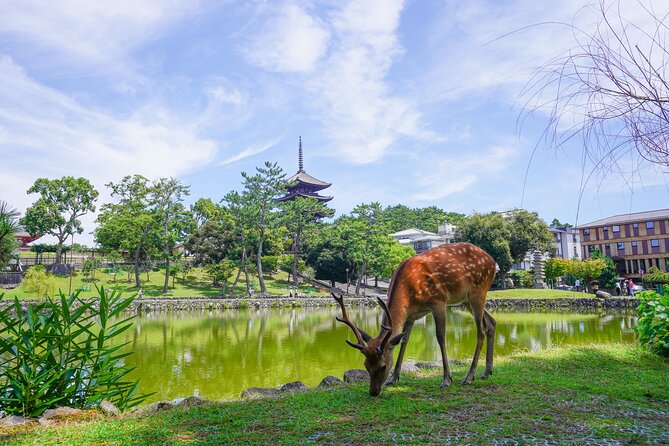
Kofuku-ji and Nara’s five-story pagoda
The walk begins near the Statue of Gyoki-bosatsu in Higashimuki Nakamachi. From there, the first major sight is Kofuku-ji’s five-story pagoda, an instantly recognizable Nara landmark.
The pagoda was built by the Fujiwara clan in 730. Your stop here is brief, about 15 minutes, so think of it as an introduction rather than a full visit to every part of the temple grounds. The ornate structure gives your guide an opening to explain Nara’s role as an old political and religious center.
This is also a good first photo stop. The pagoda is easy to recognize, and you do not need to spend a long time here to appreciate its shape and carved detail. If your main goal is a slow, extended temple visit, the short timing may feel limited. For a half-day overview, it keeps the route moving.
Todaiji and the Great Buddha
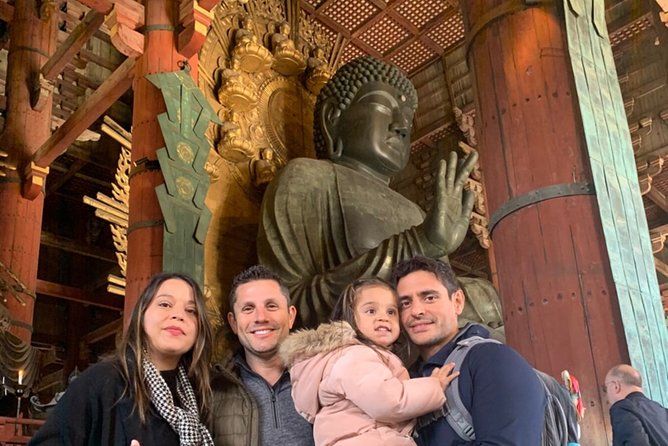
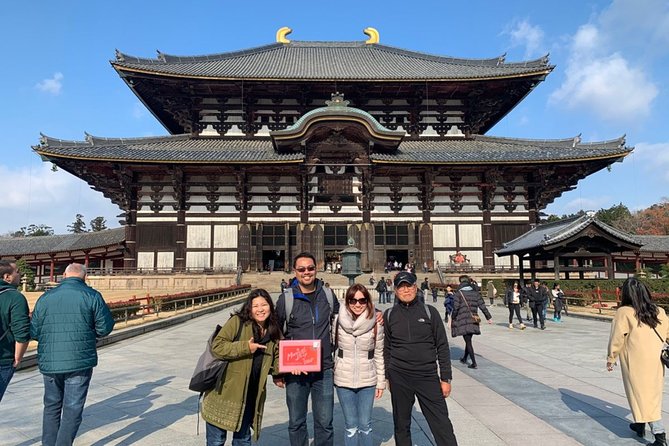
Todaiji is the tour’s major attraction. You enter the temple grounds and see Nandaimon, the great gate guarded by two imposing Kongorikishi statues. These fierce figures were made to protect the temple, and they give you an immediate sense of the scale of the complex.
Inside the main hall, the Great Buddha provides the most memorable moment of the walk. The enormous bronze image is impressive on its own, but a guide can help you understand its place in Japanese Buddhist culture and the importance of Todaiji in Nara.
The scheduled visit is about 30 minutes. That is enough to see the main hall, take in the Buddha, and hear an explanation, but it does not allow for an unhurried examination of every detail. If Todaiji is your personal priority, you may want to return independently after the tour.
Admission to the included shrines and temples is covered, which makes the price easier to judge. You are not simply paying for directions between public streets. The fee includes access to key sites, a guide, lunch, and a planned route through one of Japan’s most visited cultural areas.
Lunch in an old Japanese town
Lunch takes place at a traditional Japanese restaurant in the Zoshicho area. It lasts about 45 minutes and gives your feet a break at the right point in the route.
The meal is described as a spread of local dishes, and several guides have introduced diners to traditional Japanese food during the stop. The format can be especially useful if you want to try a set meal but are unsure what to order or how the dishes fit together.
Food is one of the tour’s strongest features because it connects the sights to daily life. You are not only looking at old buildings. You are sitting down to eat in a traditional setting and learning about the dishes as part of the local experience.
Dietary planning needs care. Requests must be made by the day before, and the operator cannot guarantee an allergy-free meal. Gluten-free requests cannot be accommodated. Vegetarian and vegan meals have been provided on some occasions, and fish allergies have also been handled, but substitutions are not guaranteed at every stop. Contact the operator early and do not wait until the morning of the tour.
You do not need to pay for the guide’s food or drinks. Bring cash if you want extra snacks or beverages.
Same streets, a different guide:
- Kyoto Geisha Walking Tour: Gion District & Hidden Gems
★ 4.7 · 3,273 reviews - Tokyo Tsukiji Fish Market Food and Culture Walking Tour
★ 5.0 · 3,184 reviews - Kyoto: Gion Magical Night Walking Tour with Geisha Trivia
★ 4.9 · 2,393 reviews - Tokyo: Imperial Palace and Shogun Historical Walking Tour
★ 5.0 · 2,251 reviews
Kasuga Taisha and the forest edge
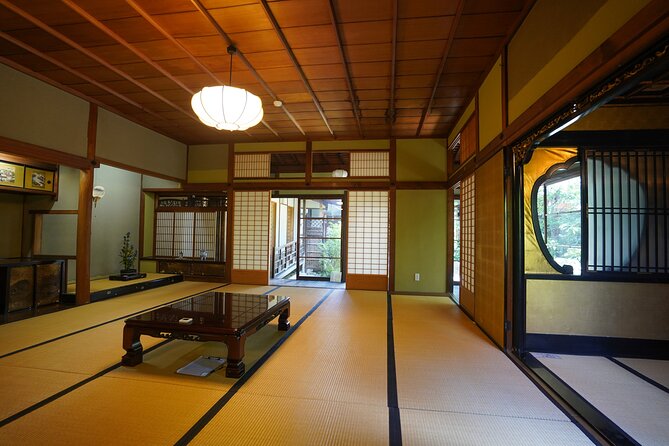
Next comes Kasuga Taisha, one of Nara’s most important Shinto shrines. The visit includes the shrine and the edge of Kasugayama Primeval Forest, giving the route a quieter, more wooded change of scene after the open temple grounds.
Kasuga Taisha is known for its lanterns. The red shrine buildings and rows of stone and hanging lanterns create a very different mood from Todaiji’s massive wooden hall. Your guide can explain basic shrine customs, including how to make a respectful visit and offer a prayer.
The scheduled stop lasts about 30 minutes. This is enough for the main shrine experience, but the forest area may tempt you to stay longer. The tour has a fixed schedule, so you should not expect a long independent forest walk.
The forest setting also helps explain why Nara feels different from a dense city such as Tokyo. The route moves from grand religious architecture into trees, open parkland, and old streets without requiring a separate day trip.
Nara Park and the deer
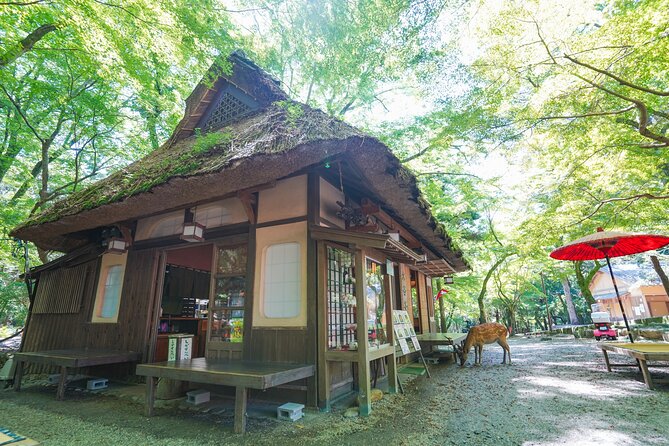
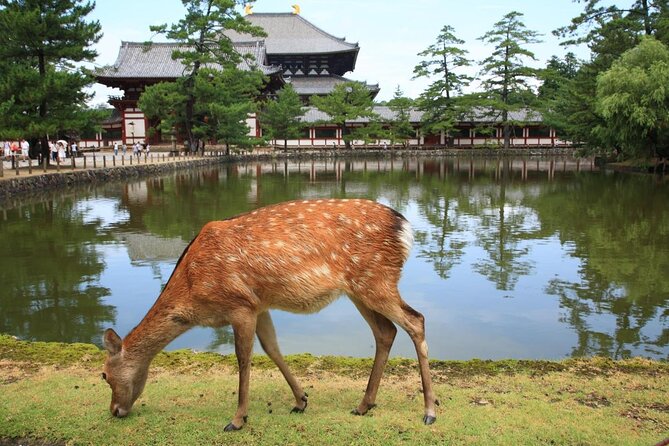
Nara Park is the most playful part of the tour. You walk among the deer that live throughout the park and have time to see them at close range.
The deer are accustomed to people, but they are not all gentle or patient. Some can become pushy, especially when food is present. A guide can show you how to feed them respectfully, when to stop, and how to avoid letting a crowd gather around you.
The deer are famous for bowing, but you should treat that as an animal behavior to enjoy, not a guarantee from every deer. Guides have pointed out quieter areas where younger and gentler deer may be found, and some groups have even seen a fawn.
The park stop lasts about 30 minutes. That is enough for photos and a feeding encounter, but you may wish for more time if you are traveling with children or especially interested in wildlife. Still, the guided approach is valuable because it helps you enjoy the deer without treating them like props.
Keep food away unless you are feeding the deer as instructed. Watch your belongings and give the animals room. The guide’s advice is particularly useful here.
Naramachi and the merchant’s house
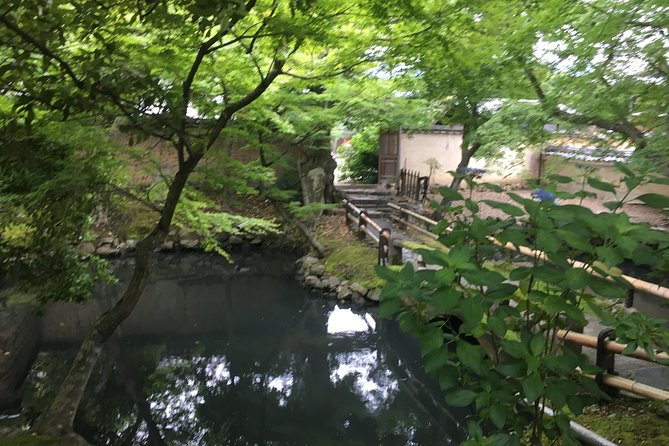
The final major area is Naramachi, an old merchant district with a townscape very different from modern Tokyo. Narrow streets and traditional buildings give you a closer look at how people lived and worked in older Nara.
You enter Naramachi Nigiwai no Ie, a traditional merchant’s house. This is one of the route’s most useful additions because it shifts the focus from temples and shrines to ordinary urban life.
The stop takes about 35 minutes. You can expect your guide to point out building details and explain how the area functioned as a commercial neighborhood. This part of the tour also leaves room for small discoveries, such as local sweets, artisan goods, knives, or traditional crafts, depending on the route and guide.
Some guides have recommended mochi shops, kakigori, restaurants, or local shopping after the formal tour ends. Others have added a sake tasting. These extras are not listed as guaranteed stops, so regard them as possible guide-led suggestions rather than part of the fixed package.
The tour finishes back at the starting point. That makes it easy to continue exploring Naramachi or the nearby shopping streets afterward, though the supplied details do not specify a separate transport transfer.
How much value do you get for $105.45?
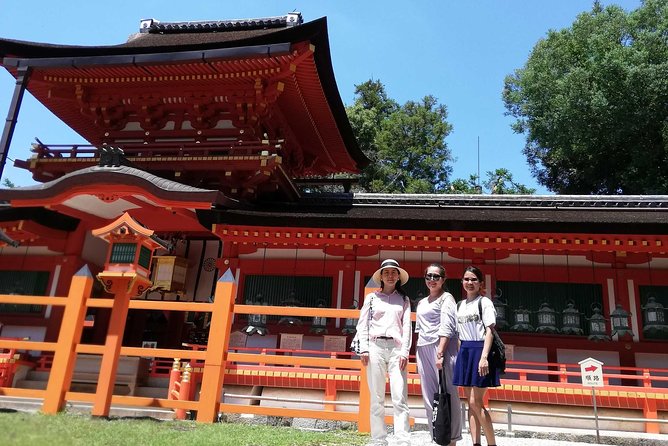
At $105.45 per person, this is not the cheapest way to see Nara. You can walk through parts of Nara Park without paying for a guide, and independent visitors can choose only the admissions and meals they want.
The value comes from combining several useful services in one half-day: an English-speaking local guide, admission tickets, a traditional lunch, a planned route, and help with customs and deer etiquette. You also avoid spending time working out how to connect Kofuku-ji, Todaiji, Kasuga Taisha, and Naramachi.
The price makes the most sense if you are visiting Nara for the first time, have limited time, or want cultural explanation rather than sightseeing alone. It is less compelling if you already know Nara well, prefer long visits at each temple, or want complete control over your meal and schedule.
Group discounts may improve the cost for larger bookings, and a private option is available for people who want a more personal format. The maximum group size is eight, which keeps the standard tour from feeling like a large procession.
Weather, walking, and what to bring
Nara’s weather can change the comfort of this experience. Summer can reach 40°C, with high humidity, so bring water, wear a hat, and plan for heat. Winter temperatures can fall to about -5°C, and cold wind can make the outdoor sections feel sharper than expected.
Comfortable shoes are important. The route includes several temple and shrine areas, park paths, and town streets. Even though there are short breaks and the tour welcomes all ages, this is still a walking activity.
The experience requires good weather. If poor conditions cause cancellation, you are offered another date or a full refund. Normal cancellation allows a full refund if you cancel at least 24 hours before the start time. Changes or cancellations inside that window are not accepted for a refund.
Who should book this Nara tour?
I would choose this tour for a first visit to Nara, especially if you are coming from Kyoto or Osaka with only part of a day available. It gives you the big sights without ignoring food, old streets, and local customs.
Families should find the mix appealing. The deer provide an immediate hit with children, while Todaiji, Kasuga Taisha, and Naramachi give adults plenty to enjoy. The guide can also adjust the route to the group’s energy, though you should mention mobility concerns in advance.
It also suits solo visitors and couples who want company and conversation. A group capped at eight is small enough for questions, and a private option may suit you better if your timing, pace, or interests are specific.
I would think twice if you need a gluten-free meal, have serious food allergies, or dislike walking in heat and cold. I would also skip it if your priority is spending a full morning inside one temple rather than sampling several major sights.
Should you book it?
Book this tour if you want an efficient, well-explained introduction to Nara with lunch and admissions handled for you. The best parts are the Great Buddha, the careful deer guidance, the lantern-filled Kasuga Taisha, and the change of pace in Naramachi.
The tour is not a deep visit to every site, and the five-hour schedule leaves little room for wandering far from the planned route. Still, for a first look, the balance is excellent. You see the famous places, eat a local meal, learn how to behave at shrines, and come away with a clearer sense of Nara beyond its bowing deer.
FAQ
How long does the Nara walking tour last?
The tour lasts approximately five hours.
What sights are included?
The route includes Kofuku-ji Temple’s five-story pagoda, Todaiji Temple, Kasuga Taisha, Nara Park, and Naramachi.
Is lunch included?
Yes. Lunch at a traditional Japanese restaurant is included in the tour price.
Are temple and shrine admission fees included?
Admission tickets to the included shrines and temples are covered.
Where does the tour start and end?
The meeting point is the Statue of Gyoki-bosatsu at 27 Higashimuki Nakamachi, Nara. The tour ends back at the meeting point.
How many people can join the group?
The tour has a maximum of eight participants. A private option is also available.
Can dietary requests be accommodated?
Dietary requests must be made by the day before the tour. Gluten-free requests cannot be accommodated, and allergy-free meals cannot be guaranteed. Vegetarian and other requests may be possible, but substitutions are not guaranteed.
What happens if the weather is poor?
If the tour is canceled because of poor weather, you are offered a different date or a full refund.
More Day-Long Outings in Japan
- Madrid: 6-Hour Day Trip to Toledo with Guided Walking Tour
★ 4.0 · 1,029 reviews - Madrid: Day Trip to Toledo with Walking Tour & Small Group
★ 4.2 · 111 reviews - 1 Day Trekking in Chiang Rai forest (walk only)
★ 4.9 · 95 reviews - Samarkand One Day Tour: one day walking & group tour
★ 4.4 · 87 reviews
New routes in Japan
- Tokyo: Asakusa & Sensoji ー Oldest Temple Walking Tour (2hrs)★ 5.0 · 213 reviews
- Asakusa Cultural Walk & Matcha Making Tour★ 5.0 · 245 reviews
- Asakusa Senso-ji Temple and Old Tokyo Walking Tour★ 5.0 · 560 reviews
- Tokyo: Tsukiji Market Walking Tour & Sushi Cooking Class★ 4.6 · 122 reviews
- Tokyo: Shinjuku Nightlife & Secret Backstreets Walking Tour★ 4.8 · 229 reviews
- Tokyo: Shinjuku Bar Hopping & Night Walking Tour★ 4.6 · 137 reviews
- Tokyo: Dark Side of Tokyo Shinjuku Red Light Walking Tour★ 4.7 · 862 reviews
- Tokyo: Shibuya Highlights Walking Tour★ 4.8 · 601 reviews
1-Day Tours, compared.
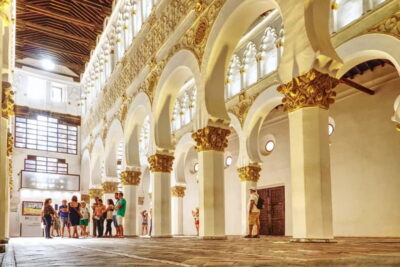
6-Hour Day Trip to Toledo with Guided Walking Tour
Read our review →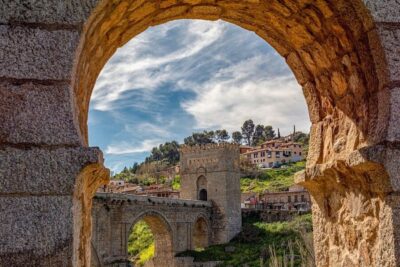
Day Trip to Toledo with Walking Tour & Small Group
Read our review →

Samarkand One Day Tour: one day walking & group tour
Read our review →Browse the lists this tour appears in