
Review · JAPAN
Hiroshima Historical Walking Tour – Why A-Bomb was Dropped
Hiroshima’s past becomes easier to understand when you see its military sites before facing the memorials. This 150-minute walk begins at Gokoku Shrine and Hiroshima Castle, then follows the story toward the Atomic Bomb Dome and Peace Memorial Park, explaining why Hiroshima was selected and what the bombing destroyed.
I like the way the tour builds its story in order, and I like that guides such as Chihiro, Emi, and Thomas bring different perspectives to the subject. Some guides are Hiroshima locals with family connections to the bombing, while others offer an outsider’s view shaped by years in Japan. The main drawback is the emotional weight: this is not a light sightseeing stroll, and the 2.5 hours can feel full if you want lots of time at each monument.
Key points
- Starts at a military and cultural landmark: Gokoku Shrine and Hiroshima Castle set up Hiroshima’s wartime role before the tour reaches the memorial sites.
- Explains the reasons behind the target choice: The guide connects geography, military use, city layout, and wartime planning to the bombing.
- Ends at the Peace Memorial Museum: You finish with the museum directly ahead, a useful arrangement if you want background first.
- Local voices add depth: Guides including Chihiro, Emi, Chisa, and Emmy have shared local knowledge, family stories, and Hiroshima’s continuing peace message.
- Good pace for a heavy subject: The route includes sitting breaks and photo stops, with about 20 to 30 minutes at several major locations.
- Strong value at $35: For a low-cost introduction to Hiroshima’s central historical sights, the guided context is the main reason to book.
Why begin at Gokoku Shrine?
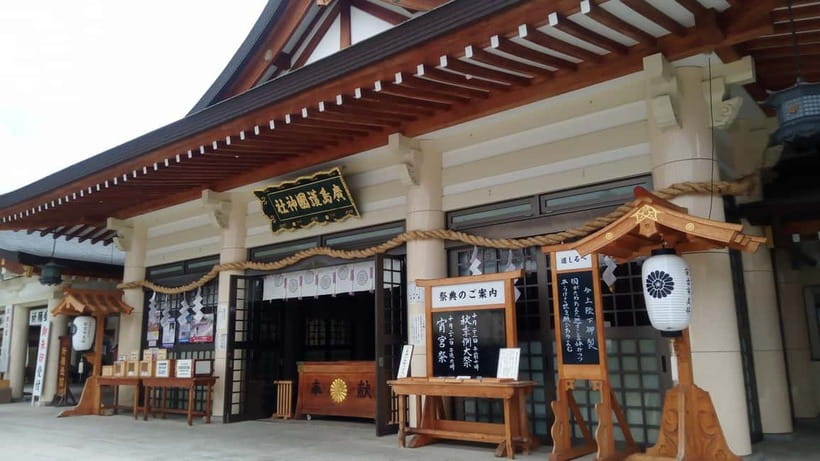
Meet in front of the torii gate at Hiroshima Gokoku Shrine, near the main hall. This is a sensible starting point because the shrine opens the conversation with Japan’s military past rather than beginning immediately with the destruction of 1945.
The setting also gives you a first look at how memory works in Japan. The shrine is connected with fallen soldiers, while the rest of the tour gradually moves toward civilian suffering, international conflict, and the idea of peace. That change in focus matters. You are not simply walking from one monument to another. You are following a shift from military power to human loss.
Your guide may spend more or less time here depending on the group and the day’s pace. Since the tour lasts 150 minutes, this first stop is mainly for orientation. Bring questions early. The guides are used to explaining difficult points and, according to the supplied experiences, are happy to handle side questions rather than stick rigidly to a script.
More History Walking Tours in Japan
- Tokyo: Imperial Palace and Shogun Historical Walking Tour
★ 5.0 · 2,251 reviews - Kyoto Gion: 2-Hour Geisha Culture & History Walking Tour
★ 5.0 · 1,186 reviews - Tokyo: Imperial Palace Japanese History Walking Tour
★ 4.9 · 987 reviews
Hiroshima Castle and the city before 1945
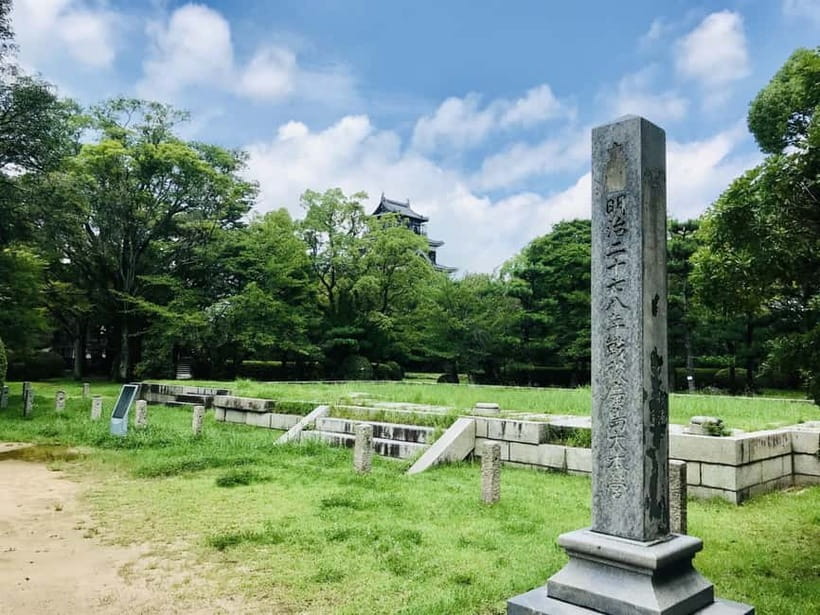
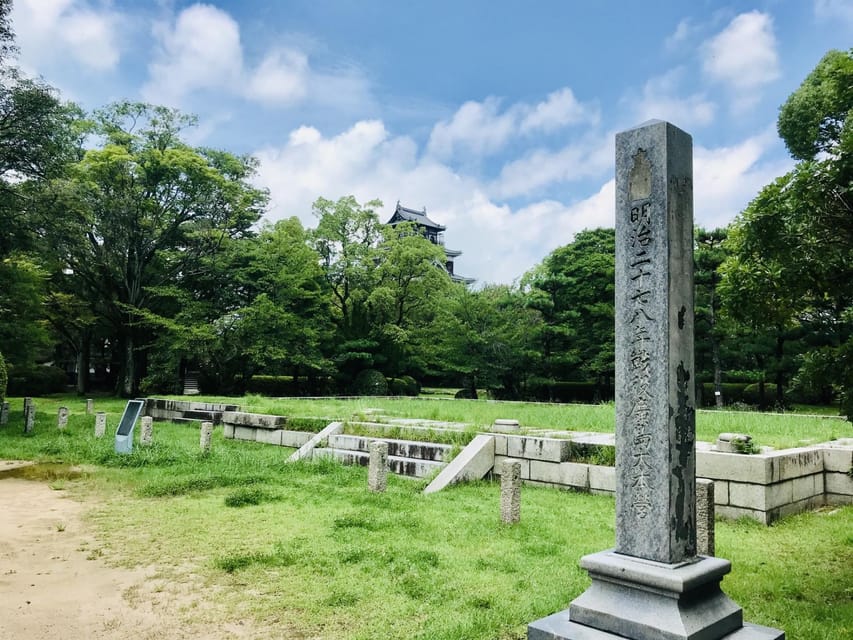
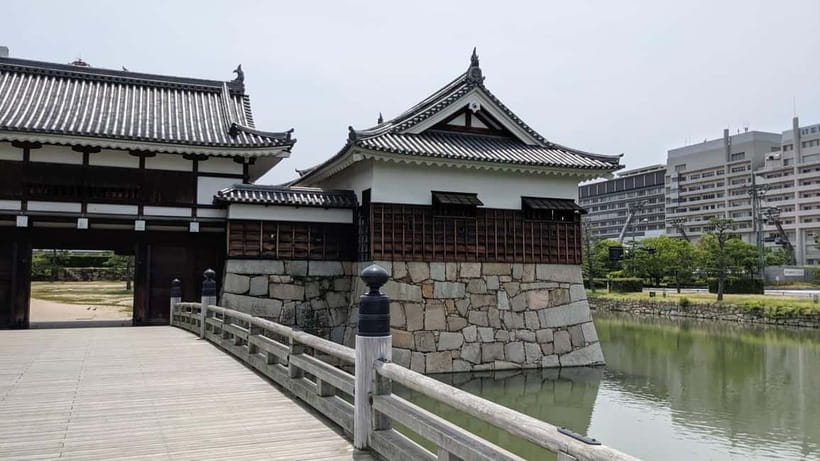
The next major stop is Hiroshima Castle, with about 20 minutes for a visit, guided explanation, and photographs. The castle is important here not only as a historical building but as a clue to Hiroshima’s role as a military center.
Your guide explains how the castle area was tied to military administration and wartime activity. This helps answer the tour’s central question: why Hiroshima, rather than some other Japanese city? The answer was not based on one simple reason. Military facilities, geography, transport links, urban scale, and the city’s relative condition at the time all form part of the explanation.
That context is one of the strongest reasons to take this walk before visiting the museum. If you go straight to the museum, you will see the human evidence first. Here, you get a framework for the military and political decisions that led to the attack. The two experiences work well together.
The castle itself also offers a visual pause. You can take photographs and get your bearings before the tour becomes more solemn. Do not expect a long castle visit or a detailed architectural tour. The castle is used as part of a wider historical argument, not as a separate attraction.
The middle section fills in the missing pieces
The published route includes another short guided visit after Hiroshima Castle, listed at about 10 minutes. The exact name of this stop is not specified in the tour information, and the route can include nearby points connected with Hiroshima’s wartime and cultural story.
Some accounts of the walk also refer to Hiroshima Orizuru Tower and the Hiroshima Prefectural Industrial Promotion Hall. These details suggest that the guide may adapt the route or point out additional sites as the group moves toward the river and memorial district. Ask your guide to clarify the day’s exact stops if a particular building matters to you.
This short middle section is useful because the bombing did not happen in isolation. Hiroshima was a functioning city with schools, homes, offices, military sites, religious buildings, and a strong local identity. The tour gives you a sense of that city before moving into the places most visitors associate with Hiroshima today.
The pace is a practical strength. You walk, stop, listen, and move on instead of standing for a very long lecture in one place. Several experiences describe the route as easy to follow and not overly tiring, though you should still wear comfortable shoes and be ready to spend most of the time outdoors.
Hiroshima Gate Park and the city’s rebuilt identity
Hiroshima Gate Park receives about 30 minutes of guided time. This is a useful point in the route because it links the older military story with the city that exists today.
The park gives your guide space to discuss Hiroshima’s recovery, public memory, and present-day identity. You may also get more local recommendations here. Guides have offered suggestions for restaurants, museums, smoking areas, and other places to visit after the walk. That practical help is a nice bonus, especially if you have only a short stay in the city.
I would pay attention to how the guide talks about rebuilding. Hiroshima is not presented only as a place of tragedy. The tour also shows a city that continued, rebuilt, and turned its experience into a public call for peace. The balance is important. The subject remains serious, but the story does not stop on August 6, 1945.
At this stage, the tour may feel dense. You have already covered military history, the castle, the city before the bombing, and the road toward the memorial district. If you prefer slow photography or long periods of private reflection, you may want to return to Gate Park or the castle area later on your own.
Same streets, a different guide:
- Kyoto Geisha Walking Tour: Gion District & Hidden Gems
★ 4.7 · 3,273 reviews - Tokyo Tsukiji Fish Market Food and Culture Walking Tour
★ 5.0 · 3,184 reviews - Kyoto: Gion Magical Night Walking Tour with Geisha Trivia
★ 4.9 · 2,393 reviews - Kyoto: Gion Geisha District Walking Tour – Stories of Geisha
★ 4.7 · 2,187 reviews
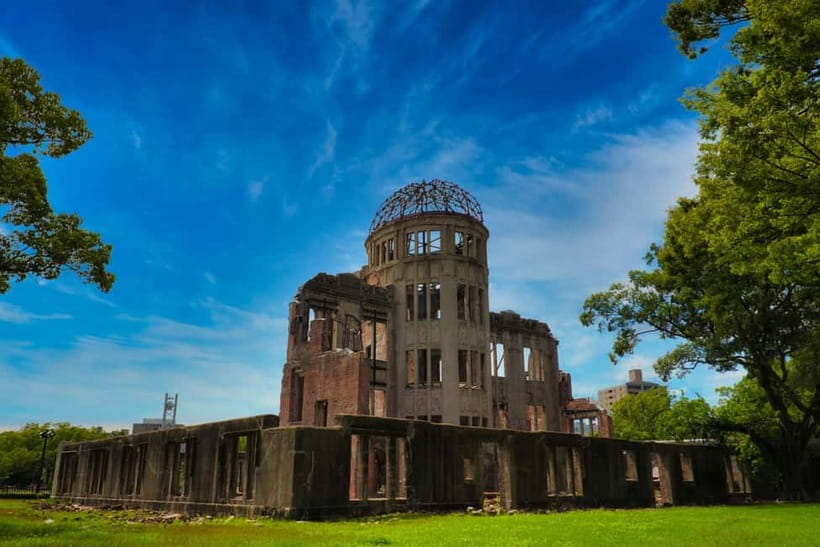
The Atomic Bomb Dome makes history physical
The Atomic Bomb Dome is given about 20 minutes. This is often the moment when the scale of the event becomes physical rather than abstract.
The building’s damaged structure helps you understand the bombing’s location and force in a way that photographs alone cannot. Your guide can explain its place in the city before the bombing and why it became one of Hiroshima’s best-known symbols afterward. The stop is short, but the setting invites you to pause.
This is a photo opportunity, but it should not feel like an ordinary sightseeing stop. Take your photographs quietly and listen to the explanation. The guide’s job here is to connect the remaining structure with the people, businesses, and daily life that once surrounded it.
The Dome also prepares you for the Peace Memorial Park. You are no longer considering the bombing only as a military decision. You are looking at what remained in the city and how that remnant was preserved as a warning.
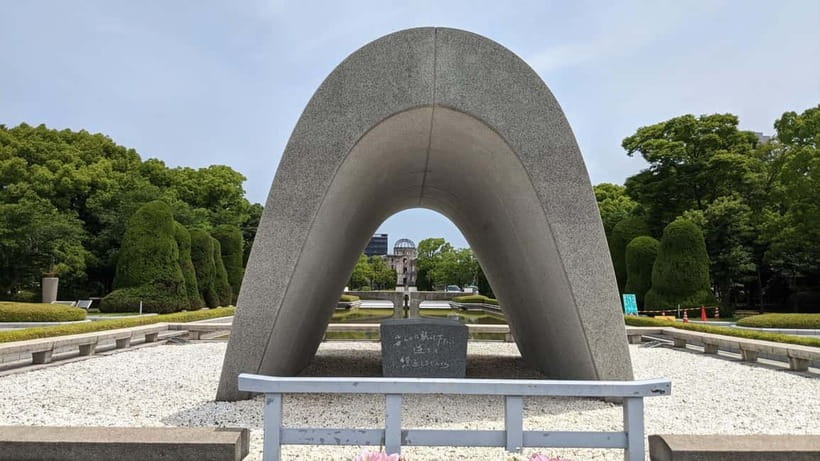
Peace Memorial Park and the meaning of the paper cranes
The tour spends roughly 30 minutes in Hiroshima Peace Memorial Park. This is the emotional center of the walk, with monuments and memorials that shift attention toward victims, families, children, and the continuing peace movement.
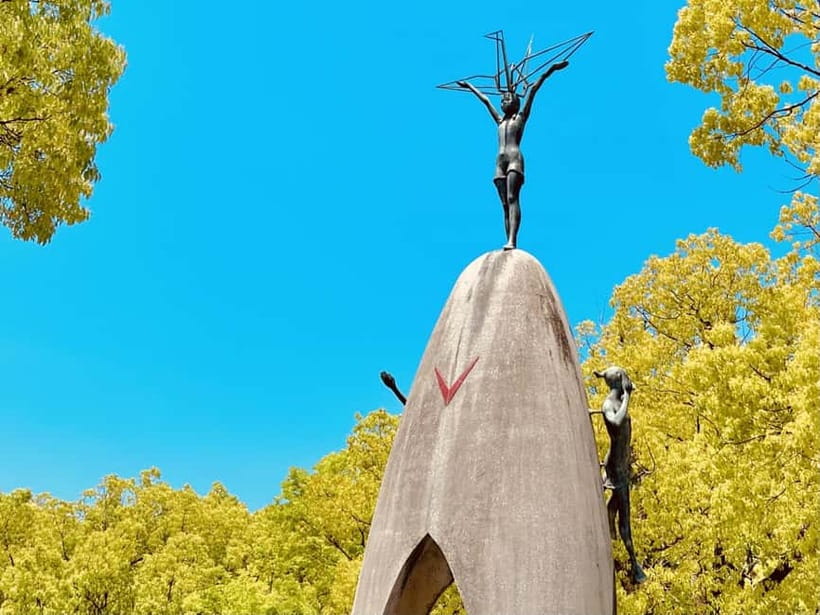
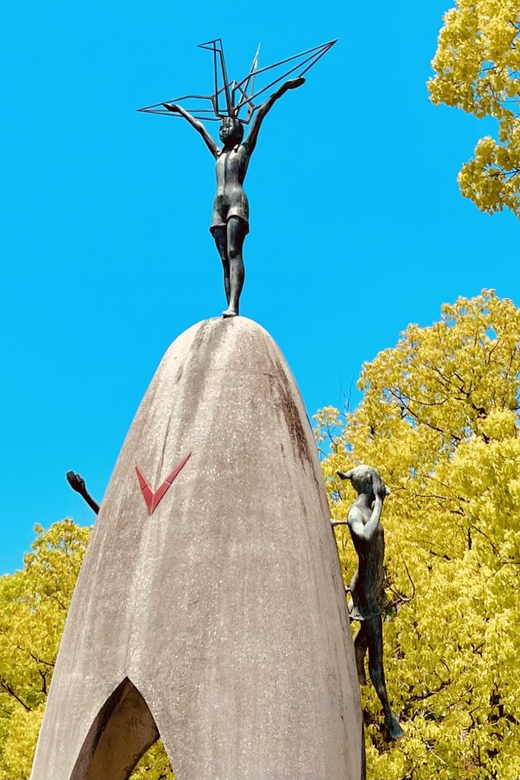
Your guide can explain the meaning behind the park’s memorials and paper cranes. The Children’s Peace Monument is especially moving, with millions of folded cranes representing hope, remembrance, and wishes for peace. One route also includes time at Hiroshima Orizuru Tower, where you may watch origami cranes float down as part of the experience.
The park is large enough that a guide makes a real difference. Without help, you can easily see the major monuments but miss the ideas behind them. A good guide explains why each place matters without turning the walk into a string of dates.
This is also where personal perspective can carry real weight. Chihiro, Emi, Emmy, and other guides have been described as speaking about Hiroshima from local or family viewpoints. Thomas, who has lived in Japan for years, offers a different angle shaped by life in the country without being from Hiroshima. That variety means your guide can affect the tone of the tour, but the common thread is clear English and a serious approach to the subject.
Finish at the Peace Memorial Museum
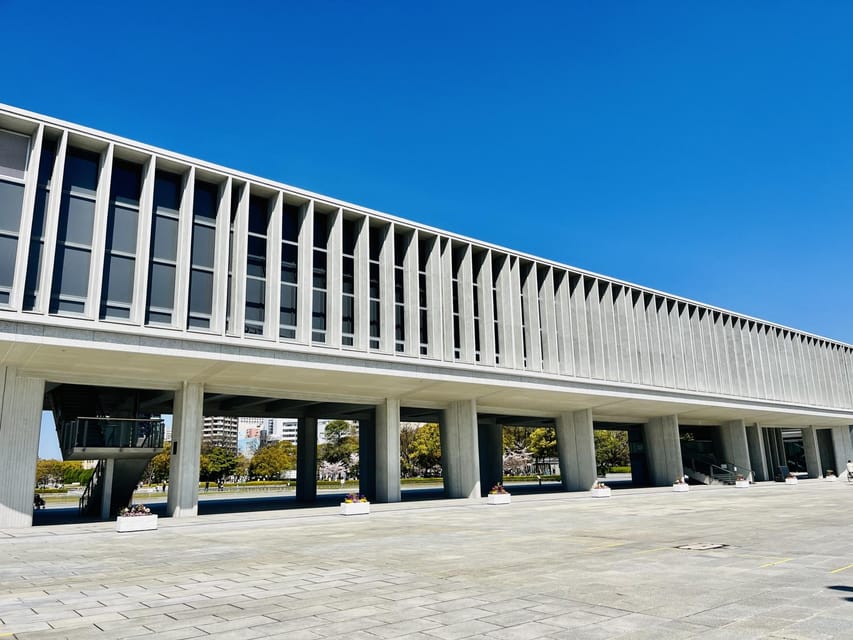
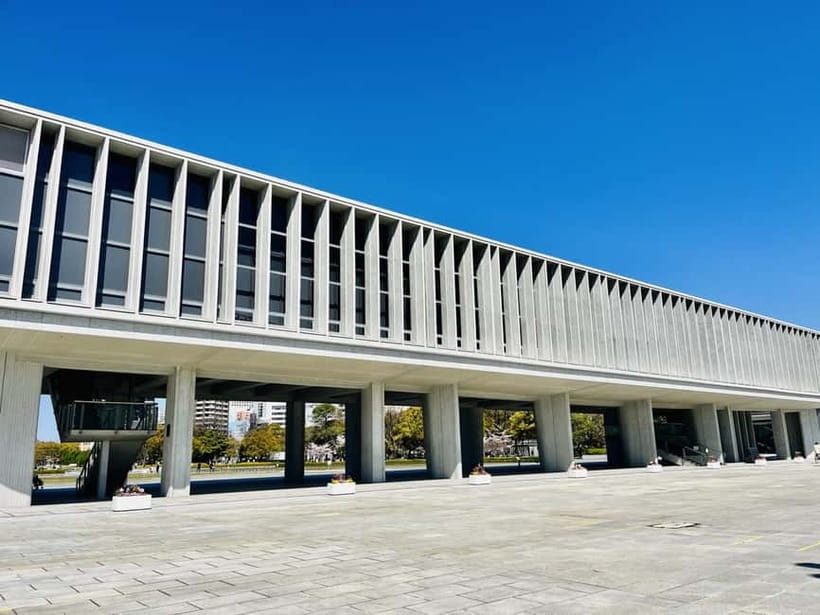
The tour ends at the Hiroshima Peace Memorial Museum, which is one of its best practical features. You receive the historical setup first, then enter the museum with a clearer idea of the decisions, military context, and city life that came before the bombing.
The museum itself is not included as a guided visit in the tour details, so you should plan enough time afterward if you want to go inside. The walking tour finishes at the entrance area, not after a full museum tour.
That order suits many people. The museum’s displays can be confronting, and the guide’s explanation gives you a way to process what you see. You will also be able to ask better questions because you have already heard about Hiroshima’s role before 1945 and the reasons it was considered a target.
I would not schedule a rushed lunch, train, or ferry immediately after the walk. The tour lasts 150 minutes, but your museum visit could add much more time. Give yourself room to slow down.
What the guides add
The strongest part of this experience is the human explanation between the sites. The listed guides include Chihiro, Thomas, Emi, Chisa, Emmy, Katja, and others, so the exact style depends on who leads your group.
Chihiro has been described as a Hiroshima local who brings personal family experience and a strong commitment to peace. Emi and Emmy are praised for clear English, careful storytelling, and an ability to explain a heavy subject without losing warmth. Thomas brings a well-prepared European perspective and has also helped with restaurant ideas and practical questions.
I would not book this expecting every guide to tell the same story word for word. That is part of the character of a live tour. One guide may focus more on family memory, another on military decisions, and another on culture and rebuilding. The common strengths are patience, clear explanations, and room for questions.
The reviews also point to a good balance of seriousness and friendliness. Some guides even manage light moments with families and children without making the subject feel casual. That matters if you are traveling with a 12-year-old or with people who may find a strictly solemn lecture hard to absorb.
Price, pace, and practical value
At $35 per person, this is a strong buy if you want the major Hiroshima sites explained in one compact walk. You are paying mainly for the guide’s time and the structure of the story, not for entrance tickets or transport.
The route lasts 2.5 hours and includes several pauses of around 10, 20, and 30 minutes. It is long enough to give you a real introduction but short enough to fit into a busy Hiroshima day. You should expect regular walking, standing, and outdoor exposure.
The tour is wheelchair accessible, and it is offered in English with a live guide. You can cancel up to 24 hours before the start for a full refund, and the reserve-now-pay-later option helps if your schedule is still changing. Tips are not included, so plan for a separate gratuity if you feel the guide has done a good job.
The main value comes from avoiding a disconnected visit. Gokoku Shrine, Hiroshima Castle, Gate Park, the Atomic Bomb Dome, and Peace Memorial Park can seem like separate sights when visited alone. This walk gives them a shared thread.
Who should book this walk?
I recommend it most for a first visit to Hiroshima, especially if you want to understand the political and military background before entering the Peace Memorial Museum. It also suits people who prefer conversation and questions over reading every sign on their own.
Families can use it well, since several guides have handled children and younger visitors with care. History-minded visitors will appreciate the sequence from the castle and shrine to the memorial district. Food-focused visitors may also value the restaurant tips offered by guides after the tour.
You may want to skip it if you already know Hiroshima’s history in detail, dislike guided groups, or want a slow day spent quietly at each memorial. You can also visit the same central sites independently, but you will need to build the connections yourself.
Final call: book before the museum
Book this tour if you want a clear, human introduction to Hiroshima’s past and plan to visit the Peace Memorial Museum afterward. The route is well timed, the price is modest, and finishing at the museum makes the day easy to organize.
Choose it with realistic expectations. This is a serious walk about military decisions, civilian suffering, memory, and peace. You will not get hours at every monument, and the tone may vary with the guide. Still, a strong guide such as Chihiro, Emi, or Thomas can turn a difficult visit into a clearer and more thoughtful one.
FAQ
Where does the Hiroshima Historical Walking Tour start?
It starts in front of the torii gate at Hiroshima Gokoku Shrine, near the main hall.
Where does the tour finish?
The tour finishes at the Hiroshima Peace Memorial Museum.
How long does the walking tour last?
The experience lasts 150 minutes, or about 2.5 hours.
What language is the tour offered in?
The tour is offered in English with a live guide.
Is the walking tour wheelchair accessible?
Yes, the activity is listed as wheelchair accessible.
Is admission to the Peace Memorial Museum included?
The tour includes a guided walking tour, but museum admission is not listed among the inclusions.
New routes in Japan
- Tokyo: Asakusa & Sensoji ー Oldest Temple Walking Tour (2hrs)★ 5.0 · 213 reviews
- Asakusa Cultural Walk & Matcha Making Tour★ 5.0 · 245 reviews
- Asakusa Senso-ji Temple and Old Tokyo Walking Tour★ 5.0 · 560 reviews
- Tokyo: Tsukiji Market Walking Tour & Sushi Cooking Class★ 4.6 · 122 reviews
- Tokyo: Shinjuku Nightlife & Secret Backstreets Walking Tour★ 4.8 · 229 reviews
- Tokyo: Shinjuku Bar Hopping & Night Walking Tour★ 4.6 · 137 reviews
- Tokyo: Dark Side of Tokyo Shinjuku Red Light Walking Tour★ 4.7 · 862 reviews
- Tokyo: Shibuya Highlights Walking Tour★ 4.8 · 601 reviews
Japan Walking Tours, compared.
Kyoto Geisha Walking Tour: Gion District & Hidden Gems
Read our review →
Tokyo Tsukiji Fish Market Food and Culture Walking Tour
Read our review →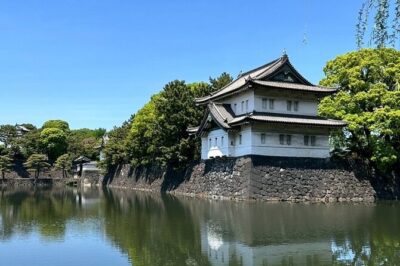
Imperial Palace and Shogun Historical Walking Tour
Read our review →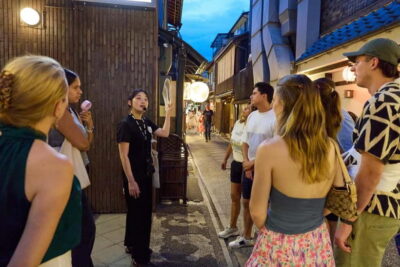
Gion Geisha District Walking Tour – Stories of Geisha
Read our review →
Best of Kyoto: Gion, Geisha, Pagodas & Cobblestones
Read our review →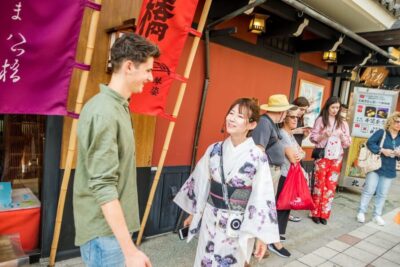
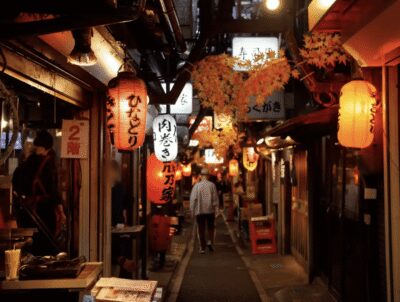
Shinjuku Local Bar and Izakaya Guided Walking Tour
Read our review →
Asakusa Walking Tour with Sensoji Temple Visit
Read our review →Browse the lists this tour appears in