Review · TOKYO
Tokyo Tsukiji Fish Market Food and Culture Walking Tour
Tsukiji is less a single market than a maze of food stalls, small shops, and cooking supplies. This tour helps you get your bearings while you taste your way through it. I especially like the local guide’s navigation and the chance to try foods you might skip on your own, from fish cakes and Japanese omelet to tuna and Wagyu beef.
I also like the cultural layer. Guides such as Kiyo, Naz, Shoko, and Masa explain the market’s past, Japanese ingredients, and everyday food customs. The main caution is simple: do not expect the old wholesale fish market or tuna auction. That operation moved elsewhere, and the tour focuses on the outer market and a smaller wholesale area instead.
Key points to know before you book
- Meet at Tsukiji Honganji Temple: The tour starts at the main front gate, not the back side shown by some map directions.
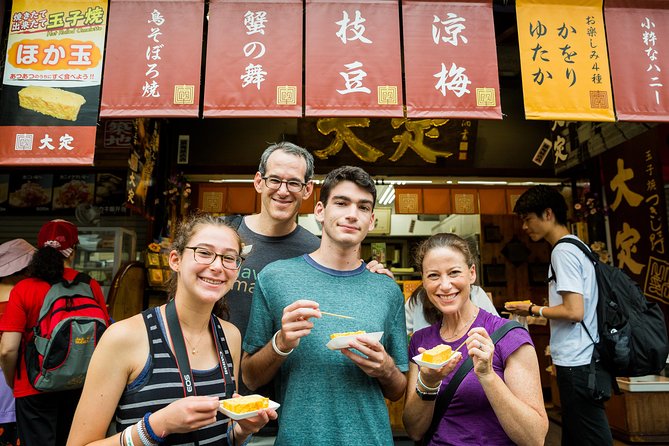
- Taste a broad Japanese menu: Samples can include dashi soup, green tea, tuna, Wagyu beef skewers, fish cakes, Japanese omelet, seasonal fruit, sushi, or a seafood bowl.
- The old wholesale market is not the main stop: You visit the outer Tsukiji Market and Tsukiji Uogashi, but the famous wholesale operation has moved.
- Small groups can make a big difference: The maximum is 20 people, though some departures are much smaller and easier to hear and navigate.
- This is a fish-centered tour: Vegetarian, halal, gluten-free, and allergy-related requests cannot be accommodated, and you cannot join if you cannot eat fish.
- Budget about three hours and wear walking shoes: The route covers crowded lanes, market stalls, and several tasting stops.
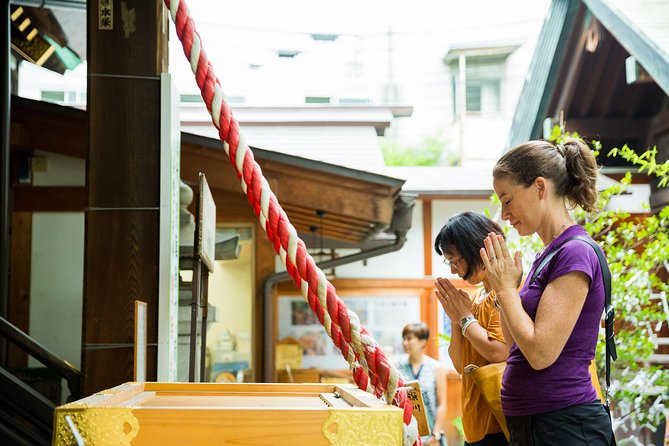
Starting beneath Tsukiji Honganji Temple
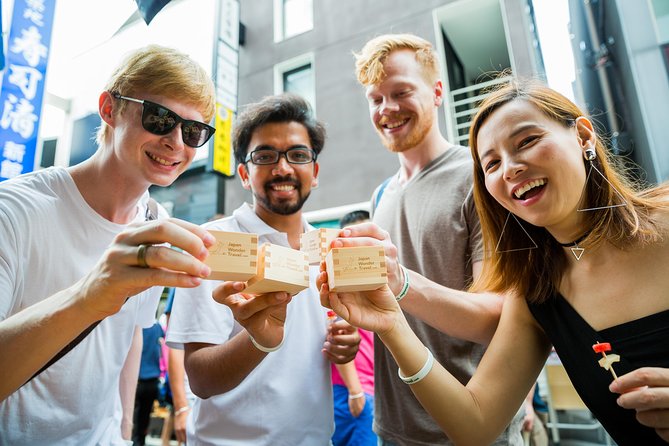
Your meeting point is the main gate of Tsukiji Honganji Temple, at 3-chōme-15-1 Tsukiji. Arrive early. The group leaves at the stated start time, and a late arrival does not extend the tour or qualify for a refund.
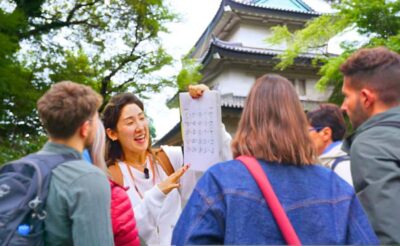
The temple is more than a convenient landmark. It gives the morning a useful cultural opening before you enter the market. Guides may explain the building and its place in the neighborhood, giving you context before the food begins. Several especially well-liked guides, including Kiyo, Yuki, and Masa, have been praised for connecting local customs and history to what you see in the stalls.
Pay close attention to the meeting instructions. Use the front side of the temple, not the rear entrance. This small detail matters in a busy area where a wrong turn can leave you searching for the group.
More Food Walking Tours in Japan
- Tokyo: Tsukiji Fish Market Food and Walking tour
★ 5.0 · 1,724 reviews - Tsukiji Fish Market Small-Group Food Walking Tour
★ 5.0 · 621 reviews - Shinjuku: Food Tour – 15 Dishes at 4 Eateries
★ 5.0 · 493 reviews
Tsukiji Jogai Market: food, noise, and useful orientation
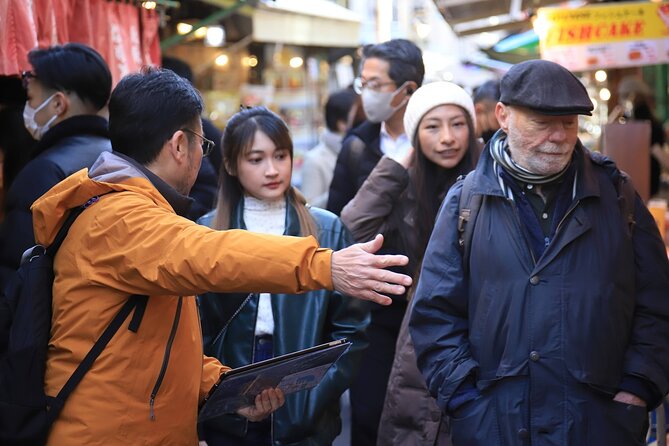
The first and longest portion takes you through Tsukiji Jogai Market, the outer market. Plan on roughly 90 minutes here. This is where the tour earns much of its keep, since the lanes can feel confusing when you first arrive.
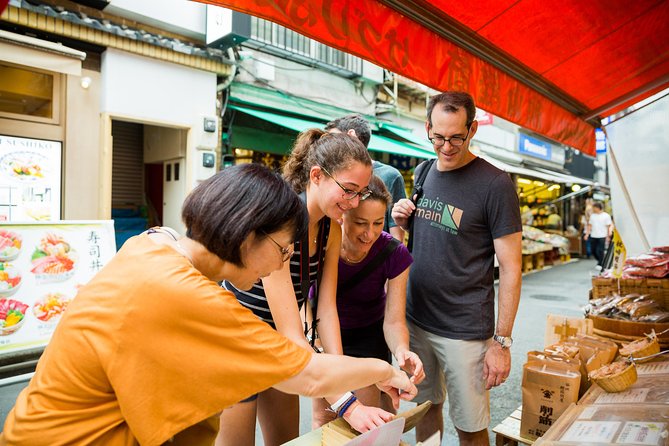
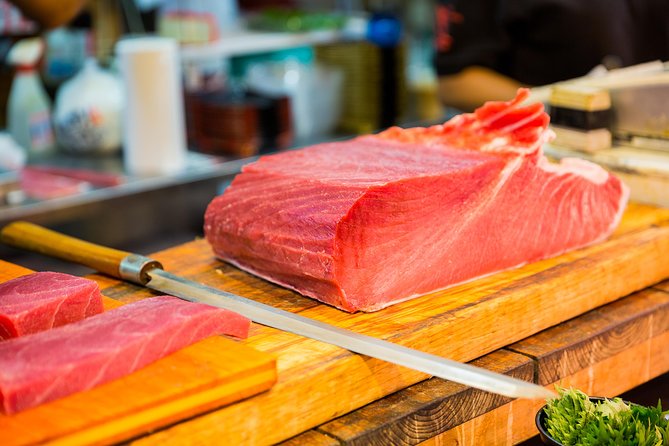
You will pass shops selling seafood, shellfish, dried ingredients, seasonings, cooking tools, and ready-to-eat foods. Depending on the day and the stalls open, you might see trays of sea urchin, tanks holding pufferfish, or workers cutting large bluefin tuna. The market is a working food district, not a polished food hall, so expect tight paths, active vendors, and plenty of people moving with purpose.
Your guide’s job is not simply to point out fish. A good guide explains why Japanese cooks value certain ingredients, how the market serves restaurants, and what local shoppers buy for home meals. Shoko, for example, has helped people choose spices and ingredients to take home, while other guides have pointed out places that are easy to miss if you wander without help.
The early tastings may include dashi soup and green tea, along with small samples from market stalls. These first bites are useful because they introduce flavors that may be unfamiliar. Dashi, the savory stock used in many Japanese dishes, can tell you more about everyday Japanese cooking than a generic snack stop.
You should not think of this part as a full breakfast. The amount of food depends on the day, the open shops, and the pace of the group. One traveler found the food portions too light and felt the experience was more about looking and learning than eating. If you arrive very hungry, consider eating something beforehand or treating the included tastings as a series of samples rather than a large meal.
The old Tsukiji Market and the market’s changing identity
The tour also addresses the old Tsukiji Market, with about 30 minutes devoted to food-related exploration. This is an important point for anyone who remembers images of the enormous inner wholesale market.
The former wholesale operation is no longer where it was. The famous wholesale fish market moved to Toyosu, so this experience does not recreate the old tuna-auction visit. Instead, you explore the outer market, where food shops and small vendors remain active.
That distinction makes the tour description worth reading carefully. If your main goal is to see the old auction floor, this is not the right product. If you want to taste food, learn how ingredients are used, and understand the part of Tsukiji that remains open to the public, the route makes more sense.
This section can also be flexible. Small groups have sometimes had time to shop, and guides may adjust the pace when the crowd allows. Mike, for example, has been praised for helping with an additional shop after the planned tour. Do not count on extra time, but a smaller departure may give you more room for questions and purchases.
Kitchen tools and the practical side of Japanese cooking
If you need a Japanese kitchen tool or simply enjoy browsing cooking shops, the tour may include a stop for kitchen equipment. This is one of the more useful additions because it moves the experience beyond seafood tasting.
You may see knives, utensils, cookware, or other tools used in Japanese kitchens. The tour does not promise a specific item or shop, so think of this as an opportunity rather than a guaranteed shopping session. Ask your guide how an item is used before buying it, especially if you are looking for a practical souvenir.
The same advice applies to packaged foods and seasonings. A guide can help you understand what an ingredient is and how it might fit into home cooking. Shoko’s explanations about using market foods and spices are exactly the sort of practical information that makes a market walk more valuable than a string of unconnected bites.
Same streets, a different guide:
- Tokyo: Imperial Palace and Shogun Historical Walking Tour
★ 5.0 · 2,251 reviews - Tokyo: Shinjuku Local Bar and Izakaya Guided Walking Tour
★ 4.9 · 1,794 reviews - Tokyo: Asakusa Walking Tour with Sensoji Temple Visit
★ 4.8 · 1,583 reviews - Tokyo: Tsukiji Fish Market Guided Walking Tour
★ 4.9 · 1,397 reviews
Tsukiji Uogashi: a smaller wholesale look
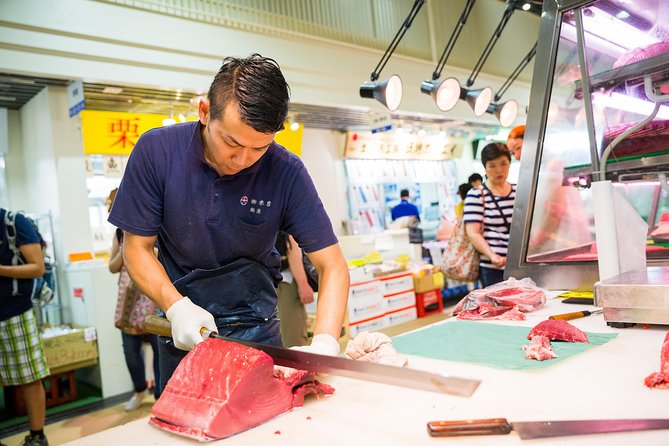
The route includes Tsukiji Uogashi, described as a mini wholesale market with many kinds of fresh fish. The planned visit lasts about 30 minutes.
This stop offers a closer look at the professional side of the neighborhood, but it is not the former wholesale complex. It can also be closed on Wednesdays, Sundays, holidays, and other market closure days. On those days, some advertised tastings, including Japanese omelet, fish cake, and fruit, may not be available.
That schedule issue is important. The overall tour still runs, but the exact mix of foods can change. You may receive an alternative meal if a restaurant suddenly closes, and the final serving can be sushi or a seafood bowl depending on the day and time.
Think of this stop as a bonus for understanding the supply chain rather than the central reason to book. The best part of Tsukiji for most people is the combination of market scenery, small tastes, and explanations. Uogashi adds useful context when it is open.
The tasting menu: what you may actually eat
The food is the main reason to choose this tour, but the menu is not fixed. You may sample:
- Dashi soup and green tea
- Seaweed and fish cakes
- Japanese omelet
- Tuna or other fresh seafood
- Wagyu beef skewers
- Seasonal fruit
- Sushi or a seafood bowl
- Other small market foods
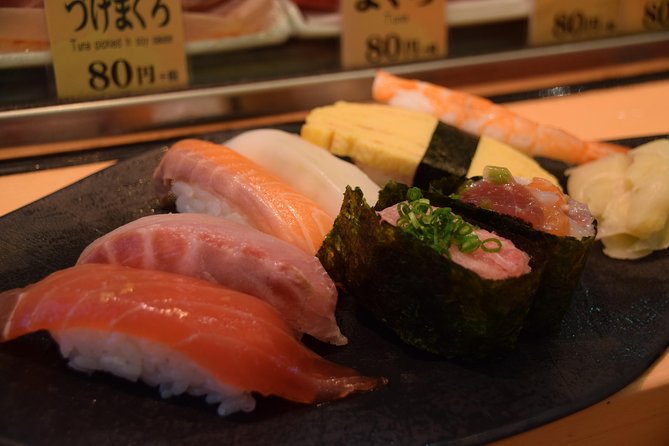
The range is appealing. You get more than raw fish, and the Wagyu skewer, omelet, fish cake, fruit, and tea help break up the seafood. Some people have especially enjoyed squid, eel sushi, tempura, tuna, and the final sashimi meal.
The final meal is usually the most substantial serving. Depending on the day, it is sushi or a seafood bowl. One version of the experience has included watching fish being prepared and making sushi, while another has ended with a sashimi lunch. These details can vary, so do not book expecting one named restaurant or one exact plate.
This variability is both a strength and a weakness. It keeps the tour connected to the market’s daily conditions, but it means you cannot plan around a precise menu. If you have a strict diet or a strong dislike of certain textures, this is not a flexible food tour. The provider does not accommodate vegetarian, halal, gluten-free, or allergy-related requests.
The tour also requires you to eat fish. That includes more than cooked seafood, since sushi, sashimi, fish cakes, and seafood bowls may appear. The minimum drinking age is 20, and anyone under 20 receives another drink instead.
Guides make or break the three-hour walk
The guide is the biggest variable in this experience. Many guides have been praised for clear English, warmth, humor, cultural explanations, and a good feel for the market.
Masa has been described as patient, calm, funny, and full of useful background. Shoko has helped with both market history and ingredient shopping. Yuki has been appreciated for clear explanations and a sushi-making activity. Kiyo, Naz, Mari, Hanako, Joy, Take, Mike, Nick, and others have each been singled out for leading people to worthwhile food stops or making the market easier to understand.
That said, guide quality can vary. A few people found the pace slow, the explanations hard to follow, or the guide short on energy. One person felt that the final restaurant was too tourist-oriented and offered little choice. You should book this knowing that the guide is a major part of the value, but the exact personality and route will depend on who leads your departure.
A small group improves the odds of a good experience. The maximum is 20 people, though some departures have had only four participants. Smaller groups make it easier to hear, ask questions, shop briefly, and move through tight lanes. Larger groups may require more waiting at stalls and less flexibility.
Is $99.49 a fair price?
At $99.49 per person, this is not the cheapest way to eat at Tsukiji. You can walk through the outer market yourself, buy individual snacks, and choose a meal without paying for a guide.
The price becomes easier to justify if you value orientation and explanation. You are paying for three hours of local guidance, a planned sequence of tastings, cultural background, and help navigating a place that can be confusing on a first visit. A guide can also point out ingredients, shops, and customs that you would likely miss on a solo walk.
The value is weaker if you mainly want a large meal. The included food may fill you up, but the experience is built around several samples and a final sushi or seafood bowl rather than an all-you-can-eat feast. One person felt there was not enough food for the cost, while many others found the combination of learning and tasting satisfying.
I would compare it with the cost of three things: a self-guided market visit, a separate seafood meal, and the time you would spend finding good stalls. If you are confident ordering and navigating on your own, skip the tour and spend the money directly at the market. If you want a smoother introduction and do not want to guess what each item is, the fee is more reasonable.
Who will enjoy this Tsukiji experience?
This tour suits first-time visitors to Tokyo who want an easy introduction to Japanese food culture. It also works for adventurous eaters who want to try squid, eel, raw seafood, fish cakes, and less familiar market foods with someone there to explain them.
It can be a good start to a Tokyo day. The tour lasts about three hours, returns to the temple meeting point, and leaves you with a sense of how the market works. Families with older relatives may appreciate a guide who controls the pace, though you should still expect steady walking and crowded lanes.
It is less suitable for anyone seeking the old tuna auction, a quiet shopping trip, or a fully customizable food menu. It is also a poor match if you cannot eat fish or need strict control over ingredients.
Wear comfortable walking shoes. The route is near public transportation, but transportation to and from the meeting point is not included. Free cancellation is available up to 24 hours before the start time. Same-day cancellations and changes made within 24 hours are not accepted.
Should you book the Tsukiji food tour?
Book it if you want help making sense of Tsukiji and enjoy tasting several Japanese foods rather than ordering one meal. The strongest reason to go is the combination of market access, local explanation, and variety. A good guide such as Masa, Shoko, Naz, or Kiyo can turn a confusing morning into a useful lesson in Japanese food.
Skip it if you expect the old wholesale market, a generous restaurant lunch, or guaranteed dishes. You will get more from the $99.49 price if you arrive curious, hungry enough for samples but not starving, and ready to eat fish in several forms.
FAQ
Where does the Tsukiji food tour begin?
It begins at the main gate of Tsukiji Honganji Temple, at 3-chōme-15-1 Tsukiji, Chuo City, Tokyo. Use the front side of the temple, not the back side.
How long does the tour last?
The tour lasts approximately three hours and ends back at the meeting point.
Is lunch included?
Yes. Lunch and snacks are included. The final serving is either sushi or a seafood bowl, depending on the day and time.
What foods might be included?
Possible tastings include dashi soup, green tea, seaweed, fish cakes, Japanese omelet, tuna, Wagyu beef skewers, seasonal fruit, sushi, and a seafood bowl. The exact menu can change.
Can vegetarians or people with food allergies join?
No. Vegetarian, halal, gluten-free, and allergy-related requests cannot be accommodated. You also cannot join if you cannot eat fish.
Is the old Tsukiji wholesale market included?
The tour visits the outer Tsukiji Market and Tsukiji Uogashi, a smaller wholesale market area. The former main wholesale market has moved elsewhere.
What should I wear?
Wear comfortable walking shoes. The tour is mainly on foot and includes crowded market lanes.
More Food Walking Tours in Tokyo
- Reykjavik Food Walk – Local Foodie Adventure in Iceland
★ 5.0 · 18,952 reviews - Ho Chi Minh City Street Food Tour & Sightseeing By Motorbike
★ 5.0 · 9,413 reviews - Little Havana Food and Walking Tour in Miami
★ 5.0 · 8,882 reviews - New Orleans Food Walking Tour of the French Quarter with Small-Group Option
★ 5.0 · 6,118 reviews
More Market Walking Tours in Japan
- Tokyo: Guided Walking Tour of Tsukiji Market with Breakfast
★ 4.4 · 134 reviews - Tokyo: Tsukiji Market Walking Tour & Sushi Cooking Class
★ 4.6 · 122 reviews - Nishiki Market Brunch Walking Tour (7 Tastings + Brunch)
★ 5.0 · 1,355 reviews - Osaka: Kuromon Market Food Walking Tour (6 stops, 6 tastes)
★ 4.6 · 272 reviews
New routes in Tokyo
- Tokyo: Tsukiji Market Walking Tour & Sushi Cooking Class★ 4.6 · 122 reviews
- Tokyo: Shinjuku Nightlife & Secret Backstreets Walking Tour★ 4.8 · 229 reviews
- Tokyo: Shinjuku Bar Hopping & Night Walking Tour★ 4.6 · 137 reviews
- Tokyo: Dark Side of Tokyo Shinjuku Red Light Walking Tour★ 4.7 · 862 reviews
- Tokyo: Shibuya Highlights Walking Tour★ 4.8 · 601 reviews
- Tokyo: Shibuya Highlights Walking Tour & Secret View Spot★ 4.9 · 196 reviews
- Tokyo: Shibuya Crossing & Hidden Streets Walking Tour★ 4.8 · 128 reviews
- Tokyo: Private Custom Walking Tour with Local Guide★ 4.9 · 350 reviews
Tokyo Walking Tours, compared.
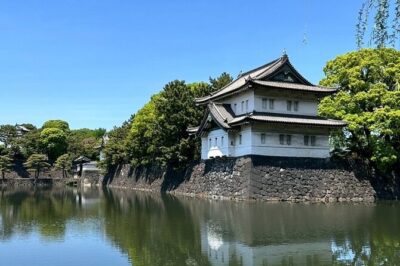
Imperial Palace and Shogun Historical Walking Tour
Read our review →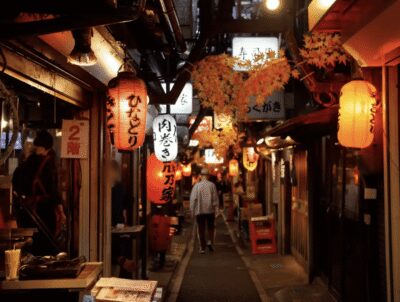
Shinjuku Local Bar and Izakaya Guided Walking Tour
Read our review →
Asakusa Walking Tour with Sensoji Temple Visit
Read our review →
Tokyo Castle & Imperial PalaceーShogun Walking Tour
Read our review →
Shibuya Meltdown Nightlife Tour: All-You-Can-Drink Bar Hopping
Read our review →