
Review · JAPAN
Hiroshima: Miyajima Half-day Historical Walking Tour
Miyajima packs a remarkable amount into one small island: a shrine that rises with the tide, a famous gate offshore, mountain paths, temple statues, friendly deer, and food stalls serving oysters and fried momiji dumplings. This 330-minute walking tour gives you a useful introduction without leaving you to guess what each site means.
I like the small group size, capped at seven, because it makes questions easy and lets the guide adjust the pace. I also like the mix of major sights and everyday culture, from Itsukushima Shrine and Daisho-in to the museum, local lunch, crafts, and stories about island life.
The main caution is the amount of walking. Some paths are uneven, summer can be very hot and humid, and several places are not suitable for wheelchairs or strollers. Food restrictions also require care, since vegetarian and vegan choices are limited and allergy-free meals cannot be guaranteed.
Key points to know before you go
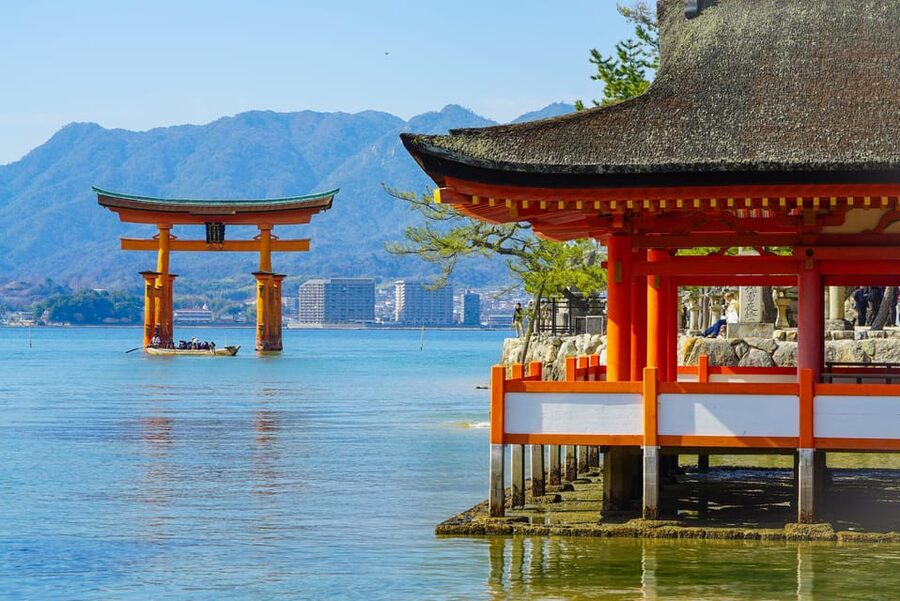
- The ferry ride sets the scene: You cross the Seto Inland Sea with views toward Miyajima and its famous O-Torii Gate.
- Itsukushima Shrine is best understood with a guide: You learn how its Heian-period design works with the changing tides.
- Daisho-in adds a quieter, more spiritual side: Allow about an hour for this old temple complex and its many statues.
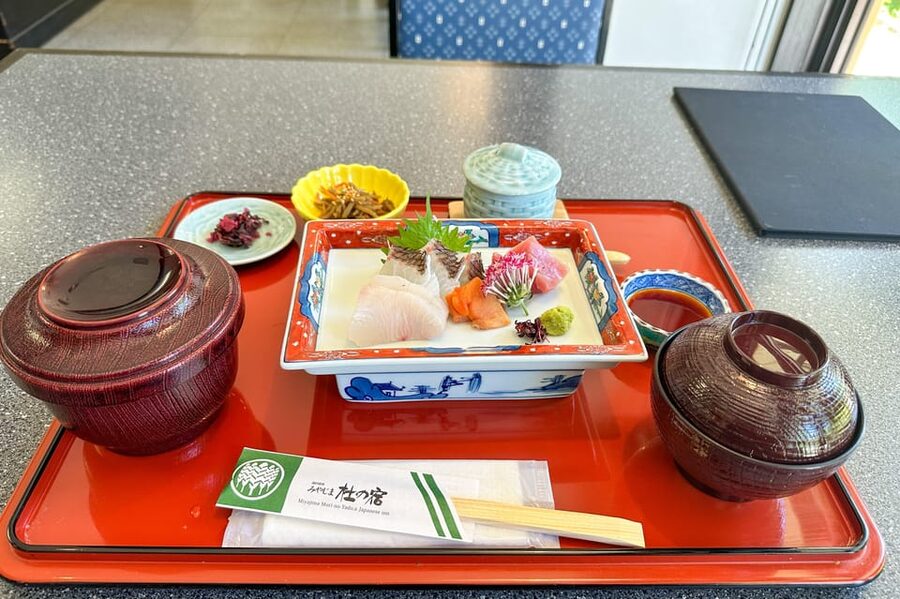
- Lunch is part of the experience: Expect Hiroshima Prefecture ingredients, with oysters and other Miyajima specialties often on the table.
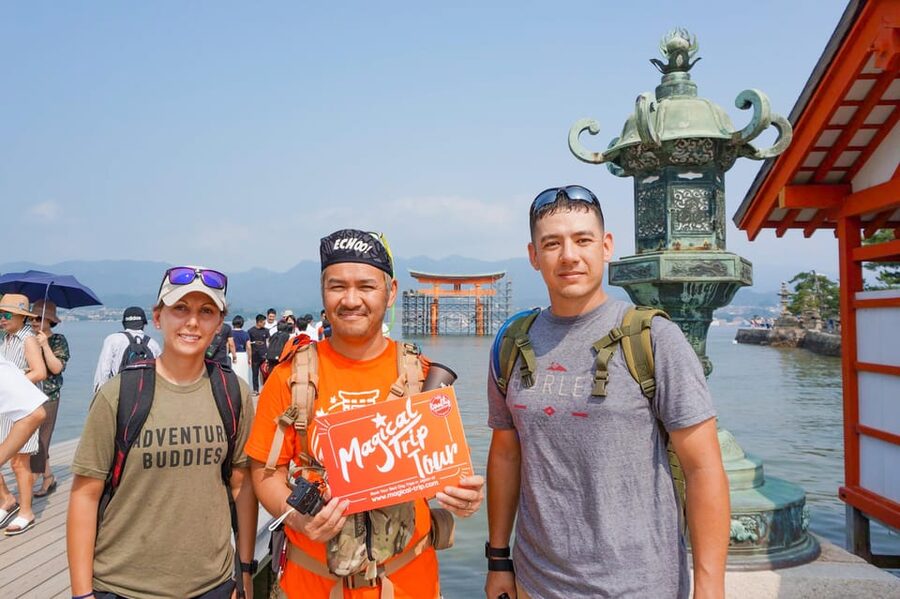
- The group is genuinely small: Up to seven people means a more personal outing than a large coach tour.
- Bring cash and good shoes: The ferry fee is separate, and the walking route can be muddy or tiring in poor weather.
Why this Miyajima tour works well in half a day
Miyajima is easy to visit on your own, but it is also easy to skim past the details. You can photograph the O-Torii, walk through the shrine, buy a snack, and leave without understanding why the island is sacred or how people have lived here for centuries.
This tour gives the day a clear shape. You start at JR Miyajimaguchi Station, cross by ferry, walk through the island’s best-known religious sites, stop for local food, and finish near the shopping street with time for tea or coffee. The route covers famous sights, but it also gives attention to customs, architecture, religion, and ordinary life.
The price is $106 per person. That is not the cheapest way to reach Miyajima, since the island can be visited independently, but the fee includes a local guide, entrance charges for the shrines, temples, and museum, lunch, and tour photographs. For a first visit, the value comes from the explanations and the food stops as much as from the transport and entry tickets.
The outing is limited to seven participants. Some departures may feel almost private, and a solo booking could even result in a one-to-one experience if no one else joins. Guides named in past departures include Yuji, Kiki, Eri, Shun, Hika, Kaz, Hikaru, and others. The strongest feedback consistently points to warm personalities, clear English, cultural explanations, and guides who do not rush every stop.
More History Walking Tours in Japan
- Tokyo: Imperial Palace and Shogun Historical Walking Tour
★ 5.0 · 2,251 reviews - Kyoto Gion: 2-Hour Geisha Culture & History Walking Tour
★ 5.0 · 1,186 reviews - Tokyo: Imperial Palace Japanese History Walking Tour
★ 4.9 · 987 reviews
Meeting at Miyajimaguchi and crossing the Seto Inland Sea
The meeting point is in front of the coin-operated lockers outside JR Miyajimaguchi Station. From JR Hiroshima Station, the train ride takes about 30 minutes on the JR Sanyo Line, so allow time to find the station entrance and the lockers.
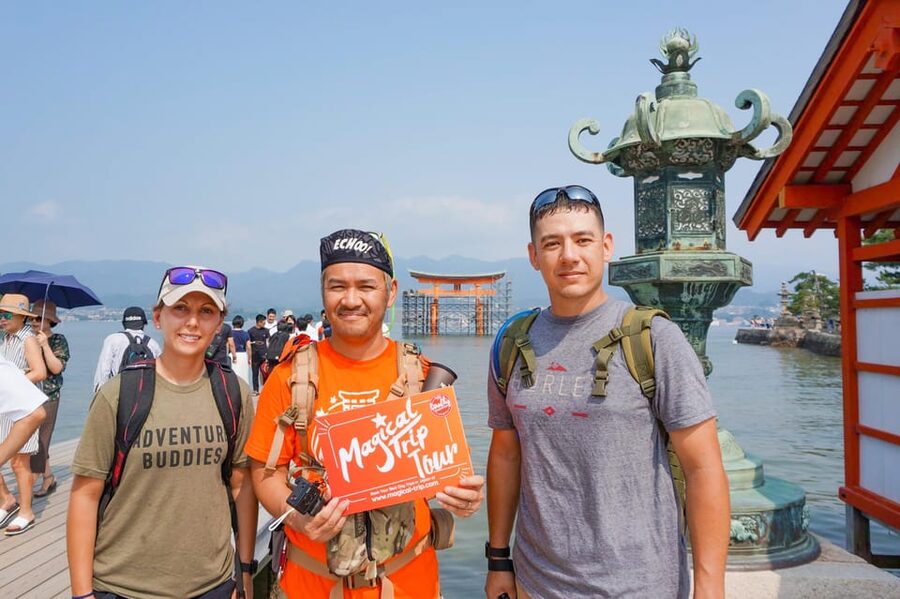
Your guide carries a Magical Trip board. This is a useful detail at a busy station, especially if you arrive close to the start time. From there, you head toward the ferry terminal and cross to Miyajima.
The ferry is not just a transfer. It gives you your first broad view of the island and the Seto Inland Sea, with the O-Torii visible offshore when conditions and tide allow. The gate is Miyajima’s best-known image, but seeing it from the water helps you understand its position in the bay.
The ferry ticket is not included. The tour information gives two different amounts, JP¥500 in one place and JP¥360 in another, so confirm the current fare before you go. Either way, bring cash. You should also carry money for extra drinks and snacks.
As you arrive, deer often wander around the waterfront and town. They are part of the island experience, but keep food and belongings secure. The first stretch is gentle and scenic, though crowds can build around the shrine and main shopping streets.
The O-Torii and Itsukushima Shrine
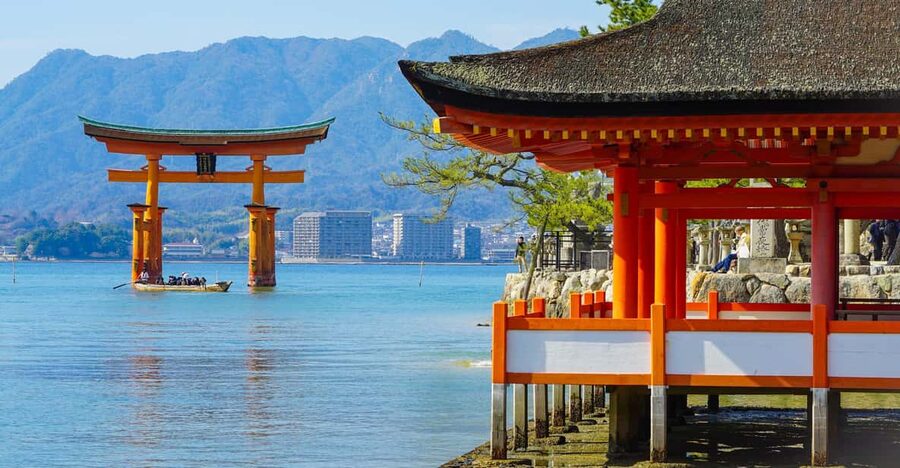
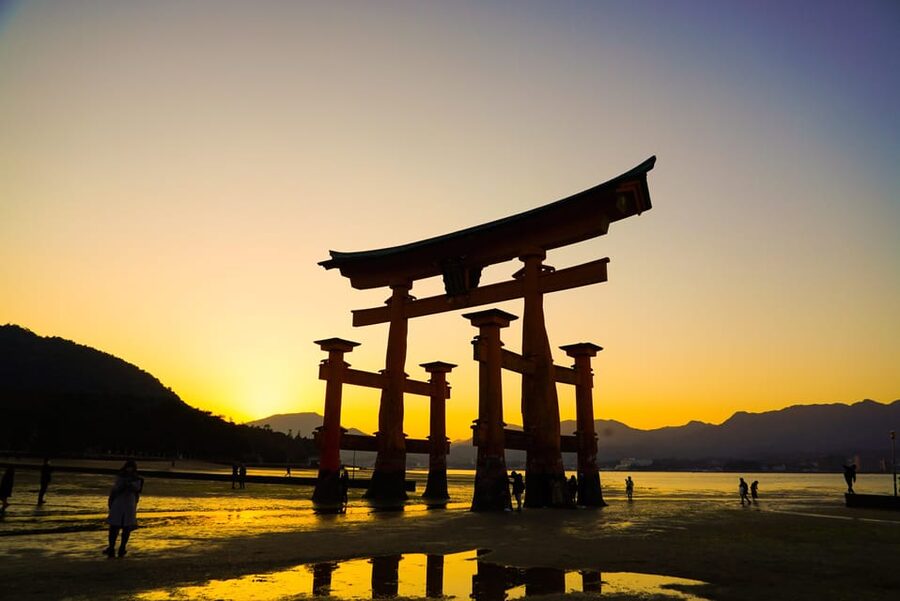
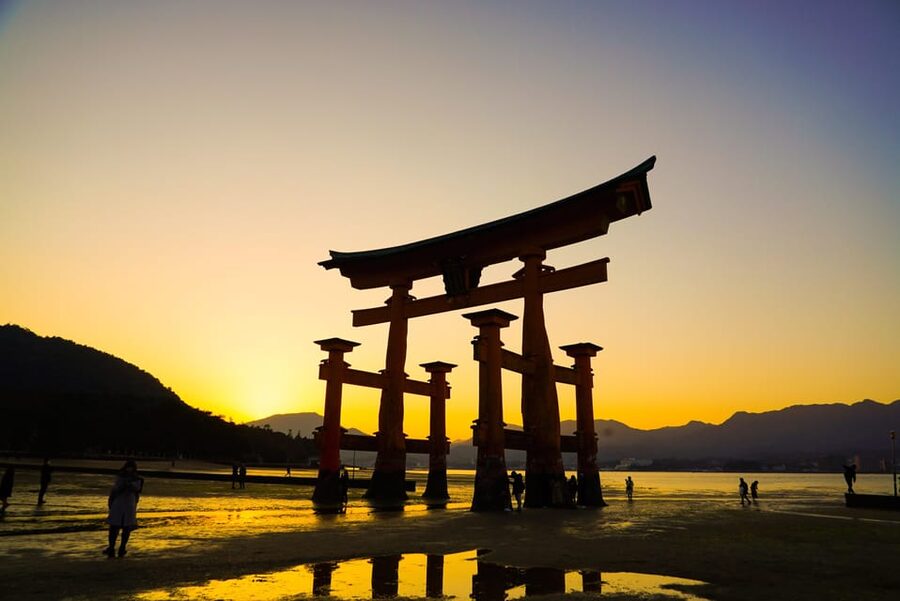
The O-Torii is the visual centerpiece of Miyajima. It sits offshore in front of Itsukushima Shrine, creating the impression that the shrine complex floats on the water. Tide levels change the view considerably. At higher water, the gate appears to rise from the sea. At low tide, you may be able to walk closer to it from the shore.
One useful feature of a guided visit is timing. The tour can show you the gate and shrine in different tidal settings, depending on the schedule. One departure allowed enough time to see the gate and shrine with water around them and again at low tide. That makes the visit more than a quick photograph.
Itsukushima Shrine dates to the Heian period, from 794 to 1192. Your guide explains how its distinctive design responds to the tides rather than fighting them. The long wooden corridors, open views, and placement above the water are easier to appreciate when someone points out how the structure relates to the bay.
You spend about 40 minutes at the shrine. That is enough for an introduction, though not a slow architectural study. The guide helps put Shinto practice, sacred spaces, and local customs into plain terms. Yuji, Eri, Shun, and other guides have been especially praised for connecting the buildings to Japanese religion and daily life rather than reciting dates alone.
The shrine can be crowded. That is not a flaw in the tour, but it is part of visiting Miyajima’s most famous site. A small group helps your guide keep everyone together without making the visit feel like a large procession.
Museum stops and the story of island life
The museum visit adds balance to the religious sites. Instead of looking only at grand buildings, you get a sense of Miyajima as a lived-in community.
The focus includes island life and culture, from the Edo period to the present day. That may include traditional architecture, local crafts, gardens, and the practical ways people have used the island’s natural setting. This portion matters because Miyajima is more than a photogenic shrine and a line of souvenir shops.
The schedule allows about an hour for a less obvious stop, described as a hidden gem in the route. The exact location may vary with the guide and conditions, so do not expect a fixed attraction with a standard presentation. Think of it as time set aside for a quieter or less familiar part of the island.
The best guides use this space well. They answer questions about Japanese customs, religious practice, local food, and life in Hiroshima. Several visitors found that conversations about cultural differences and ordinary Japanese routines became one of the most memorable parts of the day.
Same streets, a different guide:
- Kyoto Geisha Walking Tour: Gion District & Hidden Gems
★ 4.7 · 3,273 reviews - Tokyo Tsukiji Fish Market Food and Culture Walking Tour
★ 5.0 · 3,184 reviews - Kyoto: Gion Magical Night Walking Tour with Geisha Trivia
★ 4.9 · 2,393 reviews - Kyoto: Gion Geisha District Walking Tour – Stories of Geisha
★ 4.7 · 2,187 reviews
Local lunch with oysters and momiji dumplings
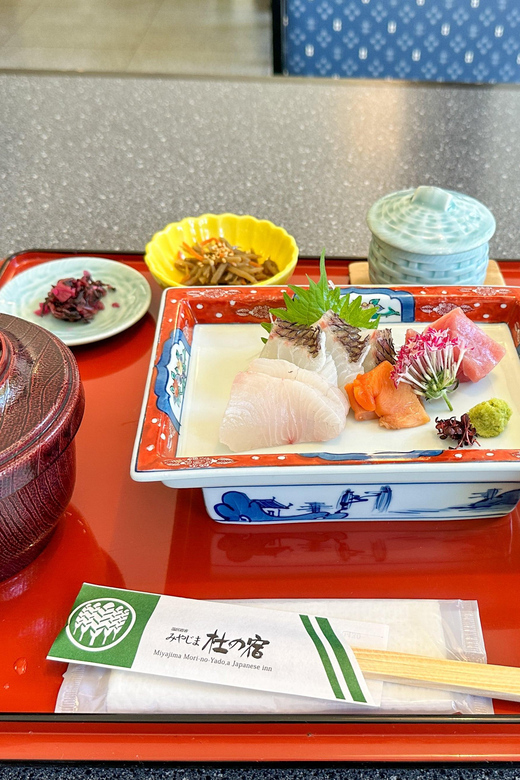
Lunch is included, and it uses ingredients from Hiroshima Prefecture. Miyajima is well known for oysters, so fresh or grilled oysters may be part of the meal. Reviews also specifically mention grilled oysters with butter and soy, a fresh lemon squash, and fried momiji dumplings.
Momiji manju is a maple-leaf-shaped cake associated with Miyajima. The fried version gives it a crisp outside and makes it feel more like a street snack than a formal dessert. You may also have time for ice cream, which one departure included as an extra treat.
The meal is valuable because it gives you a chance to try local specialties without spending time choosing a restaurant in an unfamiliar food district. It also creates a natural pause in a walking-heavy day. Guides can explain how to eat certain dishes and how to finish a Japanese meal politely, as Yuji did for one group.
There are limits. Vegetarian and vegan options exist but are limited. The operator cannot guarantee an allergy-free meal because the food is prepared in kitchens outside its control. Substitutions may not be possible at every stop. If you have serious allergies, gluten intolerance, or strict dietary needs, this tour may not be a safe choice.
Restaurant service can also run late. Staff shortages have affected some restaurants, and a delayed meal may push the tour beyond its planned length. That is worth remembering if you have an evening train, dinner booking, or another timed activity.
Walking to Daisho-in through Miyajima’s quieter side
After lunch, the route turns toward Daisho-in, the island’s oldest temple complex, with about 1,200 years of history. The walk includes a mountain path and forest scenery, giving you a different view of Miyajima after the waterfront crowds.
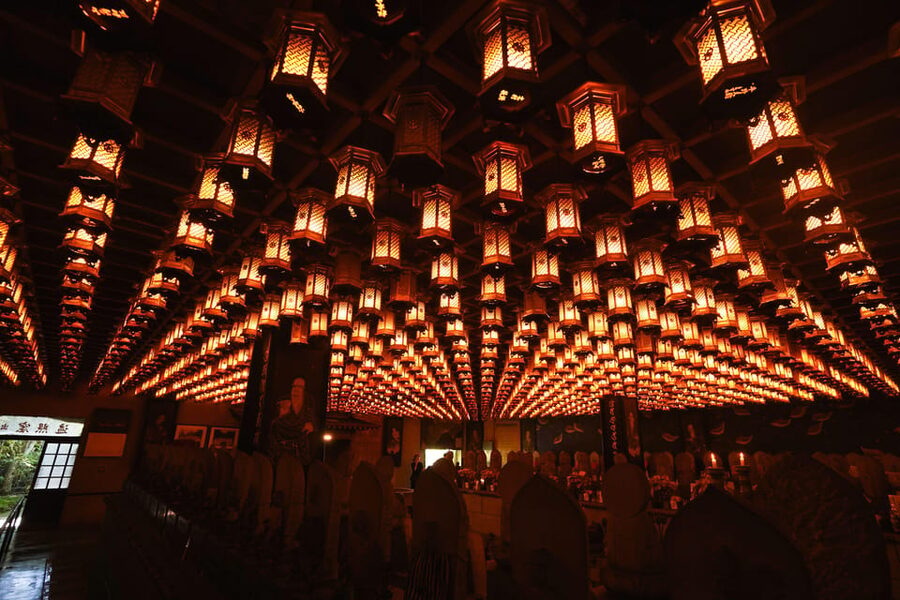
Daisho-in is a major reason to choose this tour instead of a simple shrine visit. Its grounds include several temples, statues, and spaces connected with Buddhist practice. Your guide explains how faith developed on Miyajima and how Buddhism and Shinto have shaped the island together.
You spend about an hour here. That is the longest scheduled stop, and it deserves the time. The complex has enough detail to reward a slower pace, from small statues and religious objects to the setting on the hillside.
The path is picturesque, but it is not effortless. You should wear shoes with a firm grip, especially if rain has made the ground muddy. People with back or heart problems, high or low blood pressure, or a low level of fitness may find this outing demanding. Babies under one year are not considered suitable for the activity.
Guides such as Hika, Hikaru, Kiki, and Eri have been praised for making this section feel personal rather than rushed. That matters at Daisho-in, where the meaning of the statues and rituals can be difficult to understand without context.
Momijidani, Senjokaku, and the final stretch
Momijidani receives about 10 minutes, so treat it as a scenic pause rather than a long visit. The route then includes Senjokaku Pavilion for about 20 minutes.
Senjokaku, also known as the Hall of a Thousand Tatami Mats, gives you another look at Miyajima’s religious and architectural character. The pavilion is less enclosed and formal than the shrine, so it can feel like a welcome change of pace after the temple grounds.
The final hour takes you through a less obvious part of the island before returning toward the souvenir shop street. The day ends with tea or coffee in the calm of Miyajima’s forests and then brings you back toward the commercial center.
This closing stretch is useful. You are not simply dropped at the main shrine after a lecture. You get time to ask final questions, shop, or continue exploring on your own after the official tour ends. Confirm the exact end point with your guide, since the published route returns to the Miyajimaguchi meeting area while the final stop is described near the souvenir street.
What the small group changes
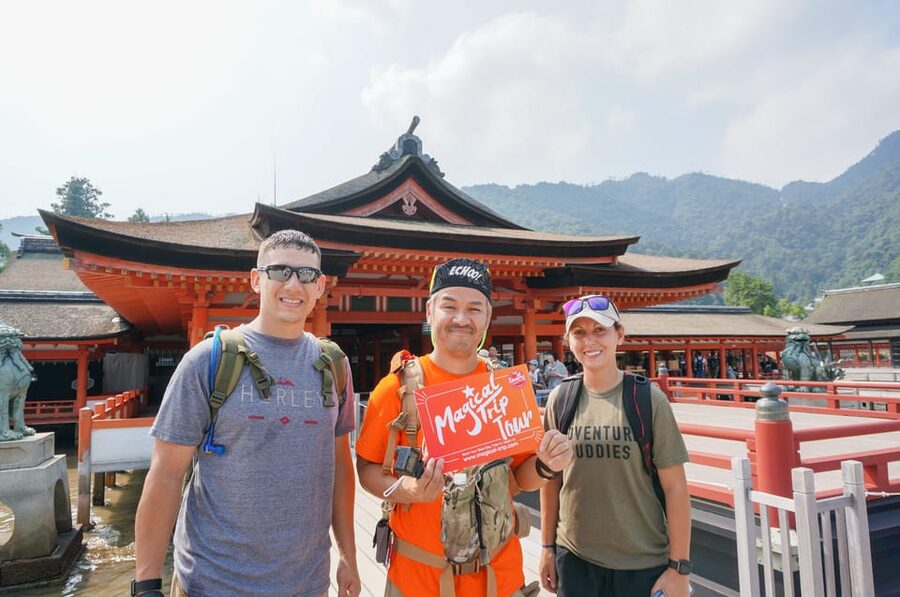
A group of seven or fewer makes a real difference here. Miyajima has narrow paths, busy shrine areas, and many short stops. A large group can spend much of its time waiting for people to catch up. With a small group, the guide can answer questions, take photographs, and pause when someone needs a break.
Past guides have taken many photos, with one guide taking 88 pictures for a group. That is not guaranteed, but it shows how personal the outing can feel. Several guides have also adjusted the pace for individual requests and added rest breaks.
The small size can also work against you if you prefer anonymity. This is a social tour, and lunch is shared with the group. Solo visitors may enjoy the easy conversation, while people wanting a private couple’s day should consider booking a private option if available.
English is the tour language. The quality of the experience depends partly on the guide assigned that day, but the available names and feedback point to a strong bench of guides who explain history, culture, religion, and daily life with ease.
Weather, fitness, and practical planning
Summer in Japan can be hot and humid. Bring water, wear a hat, and expect to sweat on the forest paths. Comfortable walking shoes are essential in every season, especially after rain.
The tour lasts 330 minutes, or five and a half hours, but restaurant delays can extend the day. I would avoid booking a tight connection immediately afterward. The ferry ride, walking, meals, and multiple temple visits give the tour a full pace.
This is not a wheelchair or stroller-friendly route from start to finish. Some places are inaccessible, and the mountain path to Daisho-in requires walking on uneven ground. If mobility is a concern, ask the operator for current route details before booking.
Free cancellation is available up to 24 hours before the start, and you can reserve now and pay later. Those policies help if your Hiroshima plans are still shifting, but the more important decision is physical comfort and dietary suitability.
Should you book the Miyajima walking tour?
I would book this tour if you are visiting Miyajima for the first time and want more than a quick look at the torii gate. The combination of ferry views, Itsukushima Shrine, Daisho-in, museum time, local food, and cultural explanations gives you a well-rounded day.
It is especially good for solo visitors, couples, and families with older children who like asking questions. Guides such as Yuji, Kiki, Eri, Shun, and Hika have helped turn the walk into an easy conversation about Japanese life, not just a checklist of monuments.
I would skip it if you need a fully accessible route, must avoid gluten, have serious food allergies, dislike group meals, or struggle with several hours of walking. Independent visitors can also save money by handling the ferry, food, and entries themselves.
For most first-time visitors to Hiroshima, though, $106 is a fair price for a small-group introduction to Miyajima, especially when lunch, admission fees, photos, and a fluent English-speaking guide are included.
FAQ
How long does the Miyajima tour last?
The scheduled duration is 330 minutes, or five and a half hours. Food service delays may extend the day beyond the planned schedule.
Where does the tour meet?
Meet in front of the coin-operated lockers outside JR Miyajimaguchi Station. The guide holds a Magical Trip board.
How do I reach the meeting point from Hiroshima?
JR Miyajimaguchi Station is about 30 minutes from JR Hiroshima Station on the JR Sanyo Line.
Is the ferry ticket included?
No. The ferry ticket is separate, and the supplied details list the fare as either JP¥360 or JP¥500. Bring cash and confirm the current amount before departure.
Is lunch included?
Yes. Local lunch is included, with Hiroshima Prefecture ingredients and possible Miyajima specialties such as oysters and fried momiji dumplings. Extra food and drinks are not included.
Is the tour suitable for vegetarians or people with allergies?
Vegetarian and vegan choices are available but limited. Allergy-free meals cannot be guaranteed, and substitutions may not be possible at every stop.
More Half-Day Walks in Japan
- Discover Berlin Half-Day Walking Tour
★ 5.0 · 9,624 reviews - Rio De Janeiro: Half-Day Rocinha Favela Walking Tour
★ 4.7 · 2,272 reviews - Istanbul: Fener Balat Half-day Guided Walking Tour
★ 4.9 · 1,711 reviews - La Paz Half-Day Walking Tour
★ 4.8 · 591 reviews
New routes in Japan
- Tokyo: Asakusa & Sensoji ー Oldest Temple Walking Tour (2hrs)★ 5.0 · 213 reviews
- Asakusa Cultural Walk & Matcha Making Tour★ 5.0 · 245 reviews
- Asakusa Senso-ji Temple and Old Tokyo Walking Tour★ 5.0 · 560 reviews
- Tokyo: Tsukiji Market Walking Tour & Sushi Cooking Class★ 4.6 · 122 reviews
- Tokyo: Shinjuku Nightlife & Secret Backstreets Walking Tour★ 4.8 · 229 reviews
- Tokyo: Shinjuku Bar Hopping & Night Walking Tour★ 4.6 · 137 reviews
- Tokyo: Dark Side of Tokyo Shinjuku Red Light Walking Tour★ 4.7 · 862 reviews
- Tokyo: Shibuya Highlights Walking Tour★ 4.8 · 601 reviews
Japan Walking Tours, compared.
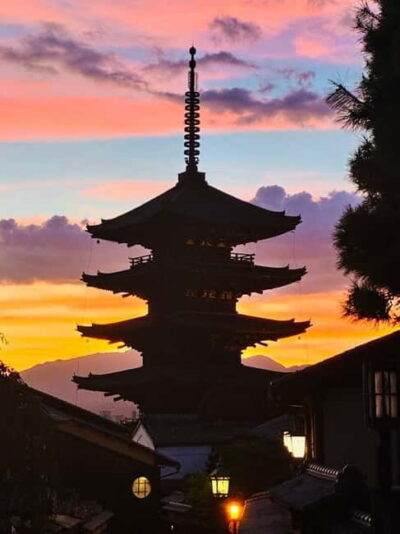
Kyoto Geisha Walking Tour: Gion District & Hidden Gems
Read our review →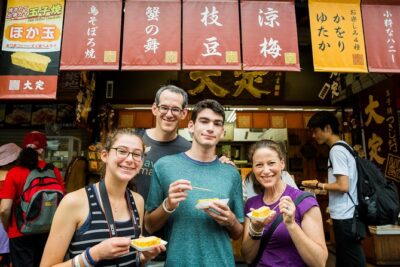
Tokyo Tsukiji Fish Market Food and Culture Walking Tour
Read our review →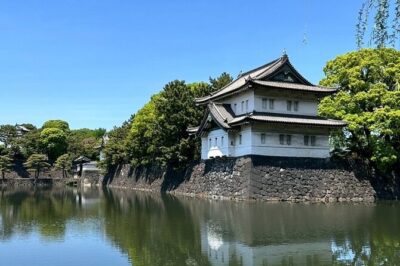
Imperial Palace and Shogun Historical Walking Tour
Read our review →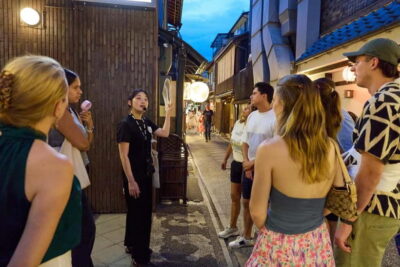
Gion Geisha District Walking Tour – Stories of Geisha
Read our review →
Best of Kyoto: Gion, Geisha, Pagodas & Cobblestones
Read our review →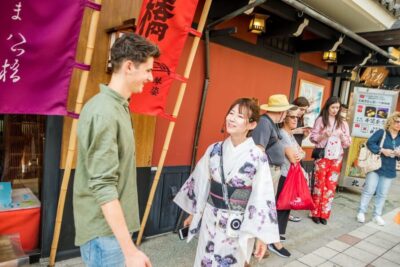
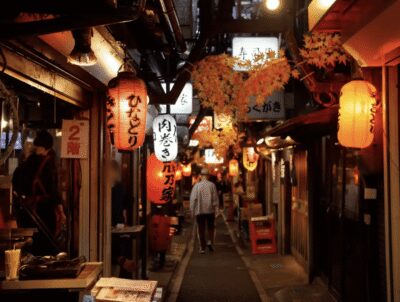
Shinjuku Local Bar and Izakaya Guided Walking Tour
Read our review →
Asakusa Walking Tour with Sensoji Temple Visit
Read our review →Browse the lists this tour appears in