
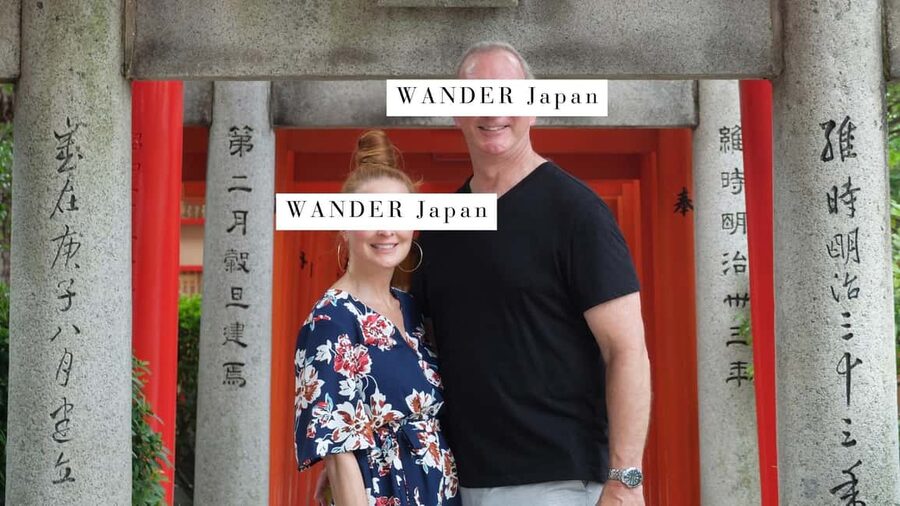
Review · JAPAN
Kanazawa Private/Group Walking Tour: Local & Major Highlight
Kanazawa’s best sights form a remarkably useful walking route: samurai homes, a food market, a castle, one of Japan’s most famous gardens, and a geisha quarter. This tour gives you the backstory that turns each stop from a photo opportunity into part of the city’s story. I especially like the local guide format and the way the route links major sights with everyday culture.
I also like the practical help. Guides such as Emi and Yu Noda have offered restaurant suggestions, helped with bookings, arranged café stops, and adjusted walks for wheelchair users. The main drawback is time: in two or three hours, some stops receive only a short visit, and a 10-minute bus ride or other public transport may cost extra.
Key points at a glance

- Six major sights in one compact route: Visit Nagamachi, Omicho Market, Oyama Shrine, Kanazawa Castle, Kenrokuen Garden, and Higashi Chaya.
- Guides who personalize the day: Emi, Yu Noda, Hirofumi, and Aiko are among the named guides connected with recent bookings.
- Useful local advice: Ask for restaurant ideas, tea stops, and suggestions for the rest of your time in Kanazawa.
- A strong introduction to the city: The tour connects samurai life, religious practice, food, gardens, and traditional entertainment.
- Flexible timing: Choose a 2 to 4 hour option, with private or small-group formats available.
- Good support for varied mobility: The activity is listed as wheelchair accessible, and guides have adjusted routes and transport for wheelchair users.
Why this route works so well in Kanazawa

Kanazawa rewards a first visit with a little structure. Its main sights are close enough to connect on foot, but each belongs to a different part of the city’s past. You move from the homes of samurai families to the city’s food trade, then to a shrine, castle grounds, garden, café, and traditional teahouse district.
I like this arrangement because it gives you more than a checklist. At Nagamachi, you see how samurai families lived. At Omicho Market, you shift to seafood and local food customs. At Kanazawa Castle and Kenrokuen, you see how the ruling family expressed power and taste.
The guides are a large part of the value. Emi is repeatedly praised for her warmth, preparation, and love of Kanazawa. Yu Noda is known for clear English, personal stories, and practical help beyond the walking route. Hirofumi has contacted guests before the tour and shaped the walk around their hotel and later plans.
Guide assignment can vary, so you should not assume you will receive a particular person. Still, the available guide team appears comfortable discussing both formal history and modern life in Japan. That balance is important. A tour that only recites dates can feel flat. This one aims to explain how old customs still affect the city today.
More Private Walking Tours in Japan
- Osaka: Hotspots & Hidden Gems Walking Tour Private or Group
★ 4.9 · 1,300 reviews - Nara Half Day Trip Walking Tour (Private Option Available)
★ 5.0 · 937 reviews - Tokyo: Private Custom Walking Tour with Local Guide
★ 4.8 · 533 reviews
Nagamachi: earthen walls and samurai life
The walk commonly begins in the Nagamachi Samurai District, with about 20 minutes for a guided visit. The area is known for preserved samurai residences and earthen walls, giving you a clear sense of how this part of Kanazawa once looked.
The value here is not simply the architecture. Your guide can explain the social role of samurai families and how the district fitted into the city under the Edo period. Personal stories and smaller details help you picture a lived-in neighborhood rather than a row of old buildings.
Twenty minutes is enough for an introduction and photographs, but not a long museum visit. If samurai homes are your main interest, you may want to return later on your own. During the tour, listen closely and ask questions, since the guide’s explanation is what makes this brief stop worthwhile.
The route may begin elsewhere depending on your booking. A hotel meeting point can be arranged for a central location, which is useful if you are still learning Kanazawa’s layout or carrying luggage from an earlier arrival.
Omicho Market: Kanazawa through food
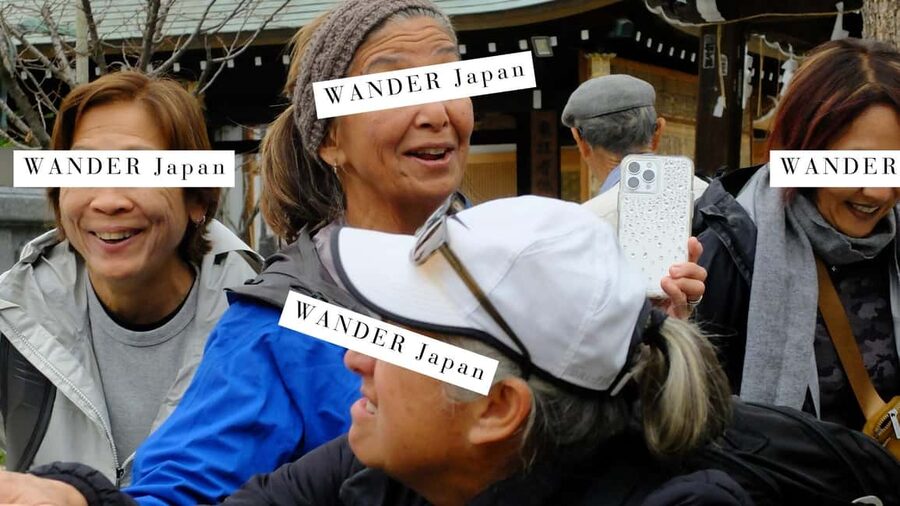
The next stop is Omicho Market, usually with about 20 minutes for a guided visit. This is where the tour shifts from political history to daily life. Seafood and local foods fill the market, and the smells, displays, and narrow walking lanes give you a quick lesson in what people eat and sell in the region.
Food is not included, so bring cash or a credit card if you want to buy something. The tour does not promise a full meal or tasting session. Instead, the guide helps you understand local food traditions and points out places you might return to later.
That distinction matters. Twenty minutes can pass quickly in a market, especially if you stop for photographs or browse the stalls. If you want lunch at Omicho, plan it after the tour or ask your guide for advice. Several guides have helped with restaurant choices, and one suggestion was good enough for a guest to return the next day.
I would treat this stop as a useful orientation rather than a market tour in its own right. You get context, local recommendations, and a look at the food culture. You may need more time later if you want to eat slowly.
Oyama Shrine and the meeting of Shinto and Buddhism
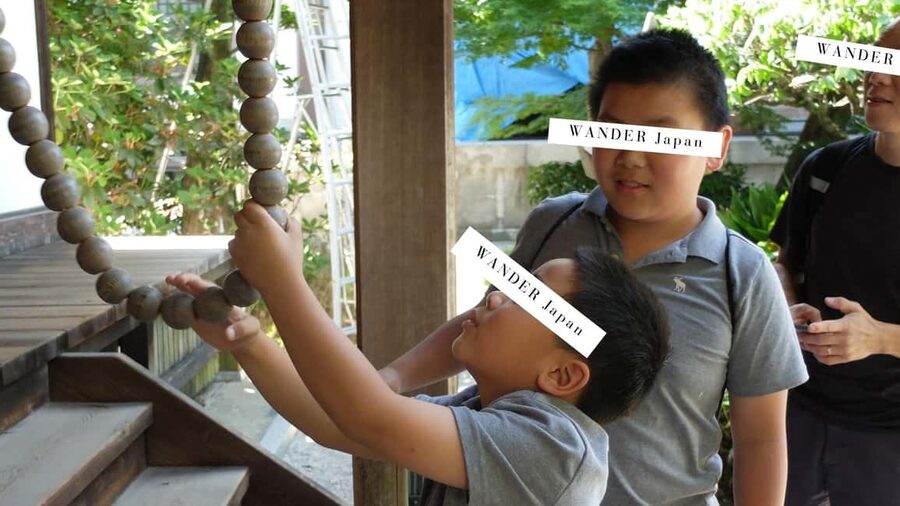
Oyama Shrine receives roughly 20 minutes. It is one of Kanazawa’s best-known shrines and is tied to the Maeda family, the powerful rulers associated with Kanazawa Castle. The stop also provides a chance to discuss the relationship between Shinto and Buddhism in Japan.
That topic is one of the more valuable parts of the route. Visitors often see shrines and temples throughout Japan without understanding how religious practices developed side by side. A local guide can explain the difference in a way that connects the buildings, rituals, and local history.
The shrine is also linked with the story of the samurai leader of Kanazawa Castle and his wife. Ask your guide to explain the people behind the monument, not just the structure itself. With only 20 minutes, the quality of the conversation matters more than the amount of ground covered.
The tour description also refers to seasonal plum blossoms and the atmosphere around shrines. The exact floral display depends on the date, so do not book this solely for blossoms. The religious and historical setting remains the main reason to stop.
Same streets, a different guide:
- Kyoto Geisha Walking Tour: Gion District & Hidden Gems
★ 4.7 · 3,273 reviews - Tokyo Tsukiji Fish Market Food and Culture Walking Tour
★ 5.0 · 3,184 reviews - Kyoto: Gion Magical Night Walking Tour with Geisha Trivia
★ 4.9 · 2,393 reviews - Tokyo: Imperial Palace and Shogun Historical Walking Tour
★ 5.0 · 2,251 reviews
Kanazawa Castle Park: power in timber and stone
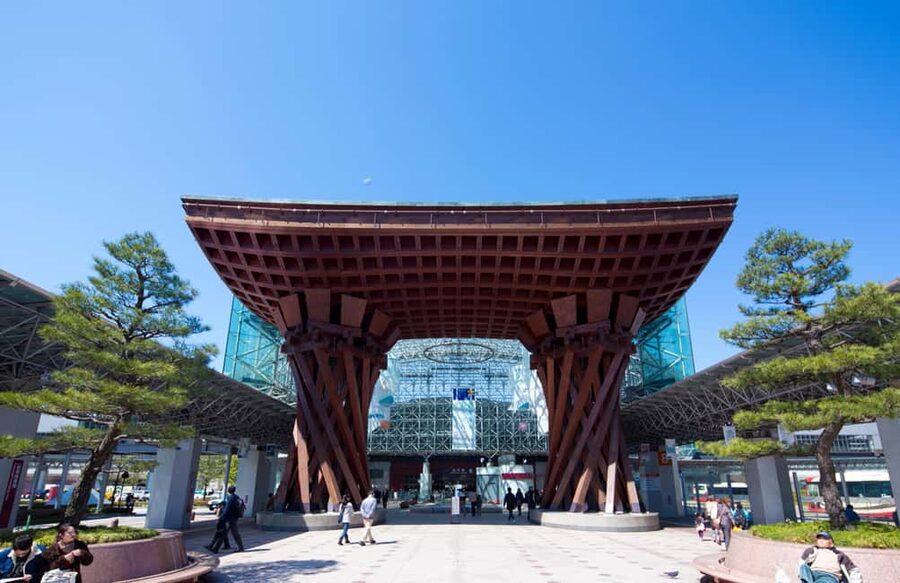
From Oyama Shrine, it is a short walk to Kanazawa Castle Park. The planned visit lasts about 30 minutes, including time to see the castle area and enter the castle if conditions allow.
This is the route’s clearest look at the ruling center of old Kanazawa. The castle buildings and open grounds help you understand the scale and influence of the Maeda family. Your guide can place the architecture within the Edo period and explain why Kanazawa became such an important cultural center.
Thirty minutes gives you a focused visit, not an exhaustive one. You will see key areas, hear the main story, and take photographs, but you should not expect to explore every building at a slow pace. If you love castles, leave time to return independently.
The castle stop also benefits from the walking sequence. You have just heard about the local leader connected with Oyama Shrine, so the castle is not an isolated monument. The story has a human thread, moving from a shrine and family history to the seat of authority.
A local café break with a view

The café stop lasts about 20 minutes. The guide may take you to a favorite local café for tea or coffee, sometimes with a view toward the castle. In some cases, guests have enjoyed matcha or a Sakura latte during this pause.
Drinks and food are not included, so budget separately. The café is less about a formal cultural demonstration and more about slowing the pace, asking questions, and letting the sights settle. That break can make a big difference on a walking tour.
I like this part because it creates room for conversation. Ask about restaurants, later sightseeing, transport, or customs you have noticed in Japan. Guides have also helped with restaurant bookings and recommendations after the tour, which can be especially useful on a holiday when many places are closed.
Do not expect a long café session. Twenty minutes is a short rest, and the route still has Kenrokuen and Higashi Chaya ahead.
Kenrokuen Garden: design, seasons, and quiet corners

Kenrokuen is one of Japan’s three most beautiful gardens, and the tour allows about 30 minutes here. The garden is known for traditional Japanese landscaping, with seasonal changes shaping what you see. Plum blossoms may appear at the right time of year, while other dates bring a different mix of color and texture.
Your guide can explain how the garden’s design reflects careful control of water, plants, paths, and viewpoints. That context helps you notice why the garden feels composed rather than random. You may also hear how the Edo period shaped Kanazawa’s arts and public identity.
Again, 30 minutes is an introduction. Kenrokuen is large enough to reward a return visit, especially if you want to take your time with photographs or sit quietly. The tour gives you the basic orientation and the meaning behind the design, then lets you decide if you want more.
I would pay attention to the guide’s suggestions about viewpoints and seasonal features. A garden can be easy to reduce to pretty scenery. The explanation gives you a better sense of how Japanese garden design works.
Higashi Chaya: wooden teahouses and geisha culture
The final major stop is Higashi Chaya District, a traditional geisha quarter with preserved wooden teahouses. The planned visit lasts about 20 minutes, followed by some free time for independent exploration.
This is a fitting end because it brings together architecture, performance, hospitality, and old commercial life. The wooden buildings create a very different mood from the castle and market. Your guide can explain the role of the district and how geisha culture fits into Kanazawa’s traditions.
Twenty minutes with a guide gives you the basic story and the best orientation for walking on your own. The self-guided portion is important here. You can browse at your own pace, take photographs, or continue to another part of the city after the formal tour ends.
Do not expect a guaranteed geisha performance or a lengthy teahouse visit. The activity promises a visit to the district, not a scheduled show. Its strength is the chance to understand the setting and then explore further if you have time.
What the $48 price gets you

At about $48 per person, the tour offers good value if you want a local explanation of several major sights in a short window. The price includes a private or small-group walking tour, a passionate local guide, and a route covering the main cultural areas. A hotel meeting point may be available for central locations.
The value is strongest for a first visit. In three or four hours, you receive an organized introduction to Kanazawa and practical advice for the rest of your stay. You also avoid spending the first day trying to understand how the castle, market, garden, shrine, and old districts connect.
The value is weaker if you prefer to move slowly or spend long periods inside museums and historic buildings. The schedule gives many stops about 20 to 30 minutes, so this is a city orientation with stories, not a series of detailed architectural inspections.
Public transport is not included, and the experience is mainly on foot. A 10-minute bus ride may be part of the route, depending on the starting point and the day. Bring a credit card and cash, wear comfortable shoes, and allow extra money for café purchases, food, and transport.
Private, small-group, and accessibility considerations
The private format is useful if you want to ask many questions or adjust the pace. Small groups can offer a lower-key social feel while still allowing conversation. The route can also be tailored to interests, hotel location, and plans after the tour.
The activity is listed as wheelchair accessible, and guides have made practical adjustments for wheelchair users. One guide met a couple at a cruise terminal, helped arrange a taxi into town, and modified parts of the route. Another adapted the walk to suit a guest using a wheelchair.
You should still discuss your needs before the tour. The route includes walking between several places, and public transport may be involved. Accessibility support is clearly possible, but the exact path and transport arrangements depend on your booking.
English and Japanese are offered. The named guides have varied language strengths. Yu Noda is repeatedly praised for excellent English, while one booking noted that the guide’s English was harder to understand. If clear English is essential, mention this when booking and ask which guide is available.
Who should book this Kanazawa walk
I would choose this tour if you are staying in Kanazawa for the first time and want a quick grasp of the city before exploring alone. It is especially useful for families, couples, cruise visitors, and anyone who values conversation over a recorded audio guide.
Families may appreciate the adaptable format. One guide handled questions from an 11-year-old along with adult questions, while still covering samurai, geisha, castle, and garden history. Food-focused visitors should also benefit from market guidance and restaurant suggestions.
The tour suits you less if you want a slow food crawl, a full castle study, or a long garden visit. In that case, use the walking tour as an introduction and return to your favorite areas later.
Should you book it?
Book it if you want Kanazawa explained by a local person rather than simply photographed. The strongest features are the connected route, the personal guide style, the useful restaurant advice, and the ability to shape the walk around your interests.
Choose the three or four hour option if your schedule allows. The two hour version can introduce the city, but the longer format gives the guide more room for questions and makes the café break feel less rushed. Confirm the meeting point, transport needs, and preferred language before paying.
At $48, this is a sensible first-day purchase for a visitor who wants orientation, context, and practical help. It is not the right choice for someone seeking a slow, highly detailed tour of each individual sight.
FAQ
How long does the Kanazawa walking tour last?
The tour lasts between 2 and 4 hours, depending on the option selected and the starting time available.
What places does the tour visit?
The example route includes Nagamachi Samurai District, Omicho Market, Oyama Shrine, Kanazawa Castle Park, a local café, Kenrokuen Garden, and Higashi Chaya District.
Is the tour private or shared?
Private and small-group options are available.
Which languages are offered?
Live guiding is available in English and Japanese.
Is hotel pickup available?
Hotel meet-up is available on request when your hotel is in a central location. The exact meeting point depends on the option booked.
Is transportation included?
The experience is mainly a walking tour. Public transportation is not included, and a short bus or other transport segment may be used depending on the route.
Are food and drinks included?
No. Food and drinks are not included, although the route includes a break at a local café where you can purchase something separately.
Is the tour wheelchair accessible?
Yes, the activity is listed as wheelchair accessible. Guides have also adjusted routes and transport arrangements for wheelchair users.
Can I cancel for a full refund?
You can cancel up to 24 hours in advance for a full refund. A reserve now and pay later option is also available.
New routes in Japan
- Tokyo: Asakusa & Sensoji ー Oldest Temple Walking Tour (2hrs)★ 5.0 · 213 reviews
- Asakusa Cultural Walk & Matcha Making Tour★ 5.0 · 245 reviews
- Asakusa Senso-ji Temple and Old Tokyo Walking Tour★ 5.0 · 560 reviews
- Tokyo: Tsukiji Market Walking Tour & Sushi Cooking Class★ 4.6 · 122 reviews
- Tokyo: Shinjuku Nightlife & Secret Backstreets Walking Tour★ 4.8 · 229 reviews
- Tokyo: Shinjuku Bar Hopping & Night Walking Tour★ 4.6 · 137 reviews
- Tokyo: Dark Side of Tokyo Shinjuku Red Light Walking Tour★ 4.7 · 862 reviews
- Tokyo: Shibuya Highlights Walking Tour★ 4.8 · 601 reviews
Japan Walking Tours, compared.
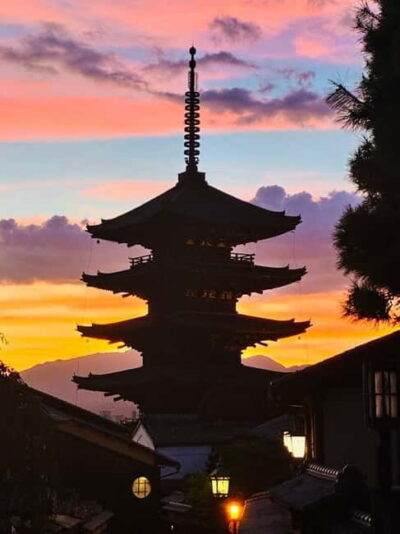
Kyoto Geisha Walking Tour: Gion District & Hidden Gems
Read our review →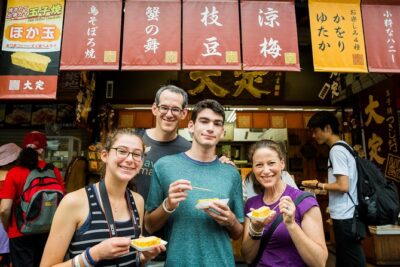
Tokyo Tsukiji Fish Market Food and Culture Walking Tour
Read our review →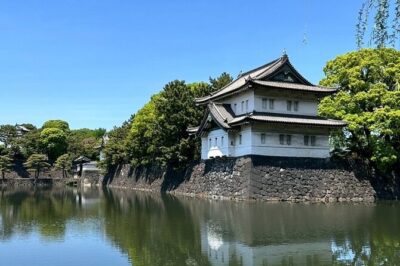
Imperial Palace and Shogun Historical Walking Tour
Read our review →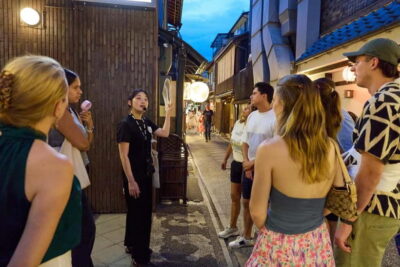
Gion Geisha District Walking Tour – Stories of Geisha
Read our review →
Best of Kyoto: Gion, Geisha, Pagodas & Cobblestones
Read our review →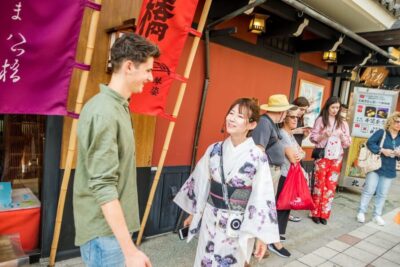
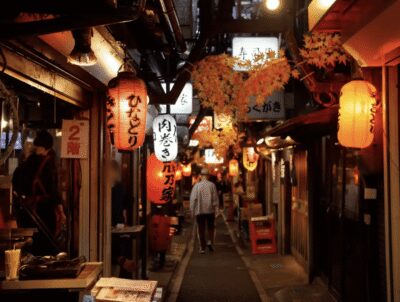
Shinjuku Local Bar and Izakaya Guided Walking Tour
Read our review →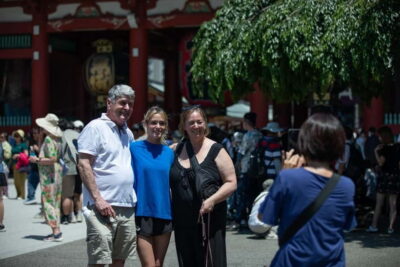
Asakusa Walking Tour with Sensoji Temple Visit
Read our review →Browse the lists this tour appears in