
Review · JAPAN
Hiroshima: Peace Walking Tour of World Heritage Sites
The most important part of this Hiroshima tour is not simply seeing famous sites. It is hearing how local guides connect the atomic bombing to daily life, recovery, and the city’s continuing work for peace. At the museum, the subject is painful. At Orizuru Tower, the paper crane activity and broad city view offer a gentler way to process it.
I like the local perspective, especially when guides such as Yuki, Yuji, Yasue, Fumiko, and Etsko share personal family or Hiroshima connections. I also like the smart change of pace: a serious museum visit is followed by origami, a view over the city, and a filling lunch of Hiroshima-style okonomiyaki.
The main consideration is emotional weight. The museum can feel crowded and overwhelming, and some people may need to move slowly or take a break. The tour also requires punctuality, with no joining, refund, or rescheduling for arrivals more than 15 minutes late.
Key points to know before booking
- The Peace Memorial Museum takes about an hour, and the exhibits can be difficult to absorb.
- Local English-speaking guides add context that is easy to miss when visiting the park alone.
- Orizuru Tower brings a welcome change of mood, with a city view and a paper-crane activity.
- Lunch is included, usually featuring Hiroshima’s famous okonomiyaki-style pancake.
- The tour takes about 4.5 hours, with walking between several central Hiroshima sites.
- Dietary planning matters, since vegetarian choices are limited and gluten intolerance cannot be accommodated.
Why this Hiroshima tour works
Hiroshima is easy to visit independently. You can walk through the Peace Memorial Park, enter the museum, photograph the Atomic Bomb Dome, and stop for okonomiyaki. Yet the order of what you see, and the explanation around it, can change the experience considerably.
This tour gives you a guide for the difficult parts and a clear route through central Hiroshima. The strongest guides do not turn the day into a lecture. They explain what happened, answer questions, point out less obvious places, and connect the past with the city you see today.
That personal element is the tour’s main value. Several guides, including Eri, Yuki, Yasue, and Yuji, are praised for making the subject understandable without treating it lightly. One guide helped a visitor pause when the museum became too much. Another shared that a grandmother had been affected by the bombing.
You should not expect a light sightseeing morning with a little history added on. The first half can be sobering. But the experience is designed to leave you with more than sorrow. The later stops focus on endurance, remembrance, and peace.
More History Walking Tours in Japan
- Tokyo: Imperial Palace and Shogun Historical Walking Tour
★ 5.0 · 2,251 reviews - Kyoto Gion: 2-Hour Geisha Culture & History Walking Tour
★ 5.0 · 1,186 reviews - Tokyo: Imperial Palace Japanese History Walking Tour
★ 4.9 · 987 reviews
Starting at Shirakami-sha Shrine
Meet your guide in front of the Montbell store near Kamiya-cho-nishi Station. The meeting point is about a one-minute walk from the station. Look for the orange sign marked Magical Trip Tour, and arrive at least 10 minutes before the scheduled start.
The first stop is Shirakami-sha Shrine, where you spend about 25 minutes. This gives you a small cultural introduction before the main memorial sites. Your guide can show you the proper way to enter and behave at the shrine, as one guide did for a visitor who appreciated learning the protocol.
This stop also helps you see Hiroshima as more than the location of one terrible event. It is a living Japanese city, with ordinary religious customs and daily routines continuing beside memorial sites. The shrine visit is short, so it does not take much time from the main program.
Facing the past at the Peace Memorial Museum
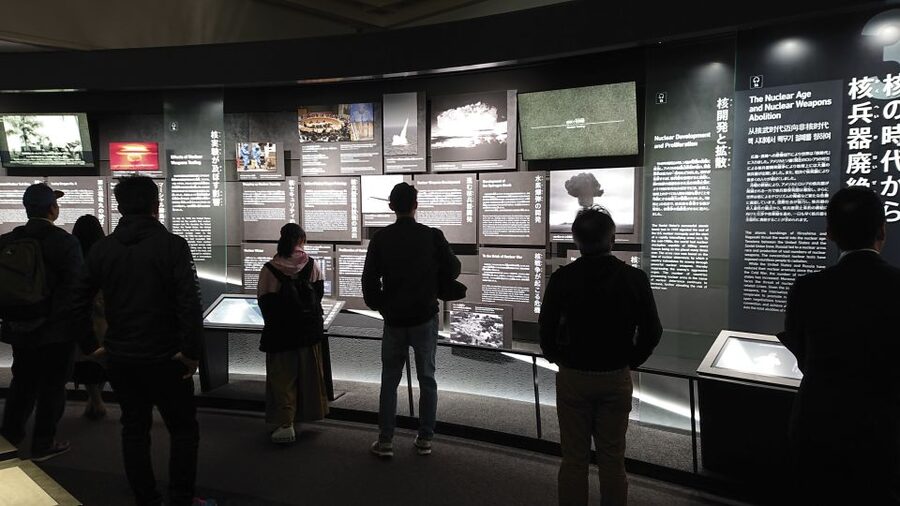
The Peace Memorial Museum receives about an hour of guided attention. This is the emotional center of the tour, and you should prepare yourself for difficult exhibits, personal belongings, and stories about the atomic bombing and its effects on Hiroshima residents.
A guide is especially useful here. The museum contains a great deal to take in, and a guide can explain what you are seeing, answer questions, and help place individual objects in their wider setting. You can also ask about points that are unclear or spend more time with exhibits that affect you most.
The museum may be crowded. One visitor found that the crowd made it necessary to move quickly, which is an important practical warning. Your guide may help you focus on key sections, but the group still has to keep to the schedule.
The subject is heavy even for people who have studied the bombing before. I would avoid placing another demanding activity immediately afterward. This tour handles the transition well by moving through the Peace Memorial Park and then toward the more reflective parts of the day.
Walking through Hiroshima Peace Memorial Park
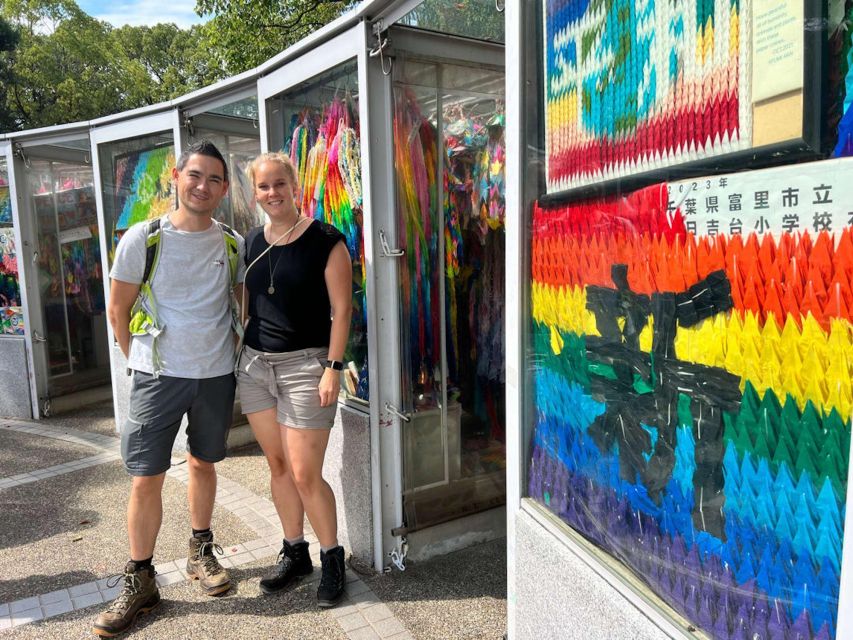
The Peace Memorial Park gives the museum experience space and air. You walk through the grounds with your guide for about an hour, stopping at important peace-related sites and hearing about how Hiroshima remembers August 1945.
This is where the tour’s walking format pays off. A bus would move you efficiently, but it would also separate the memorials from one another. On foot, you have time to see how the park sits within the rebuilt city and how modern Hiroshima surrounds these places of remembrance.
Guides are also able to add details that may not be obvious from a sign. Eri was praised for presenting a balanced account and encouraging questions about a difficult subject. Yuji was valued for explaining both the events and the city’s recovery.
The park is not simply a collection of monuments. It is a place where the city’s past and present meet. You will see people moving through the area on daily business, while the memorial sites ask you to stop and think. That contrast is part of what makes the walk effective.
Same streets, a different guide:
- Kyoto Geisha Walking Tour: Gion District & Hidden Gems
★ 4.7 · 3,273 reviews - Tokyo Tsukiji Fish Market Food and Culture Walking Tour
★ 5.0 · 3,184 reviews - Kyoto: Gion Magical Night Walking Tour with Geisha Trivia
★ 4.9 · 2,393 reviews - Kyoto: Gion Geisha District Walking Tour – Stories of Geisha
★ 4.7 · 2,187 reviews
Seeing the Atomic Bomb Dome up close
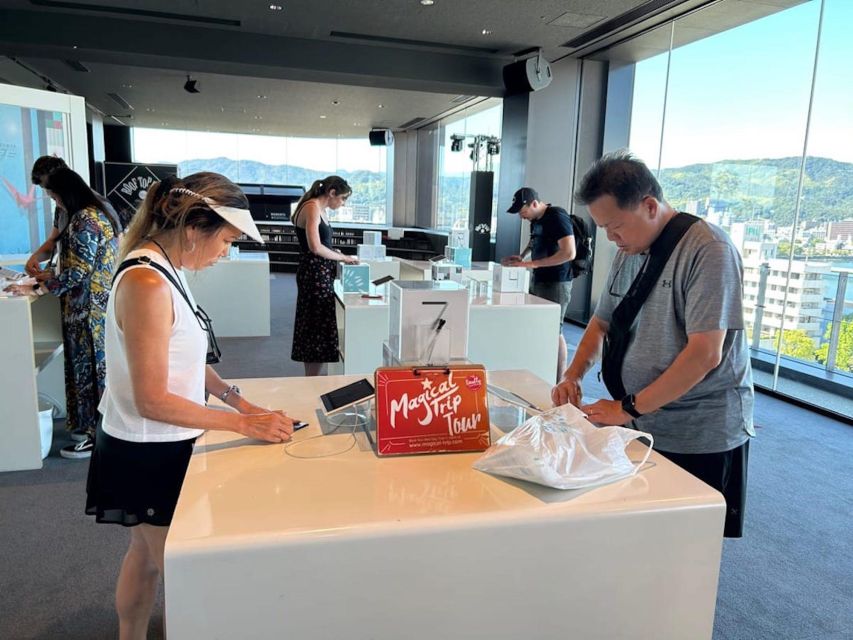
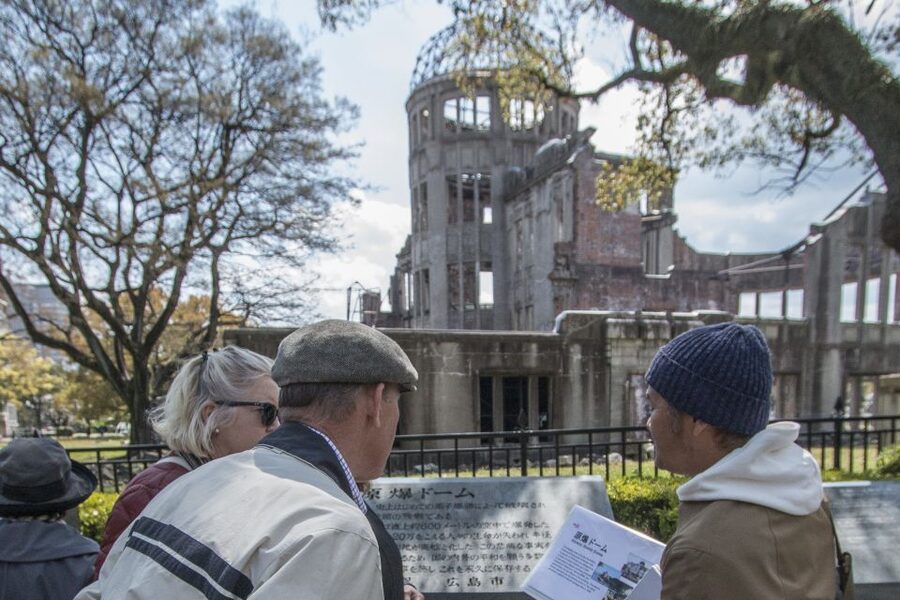
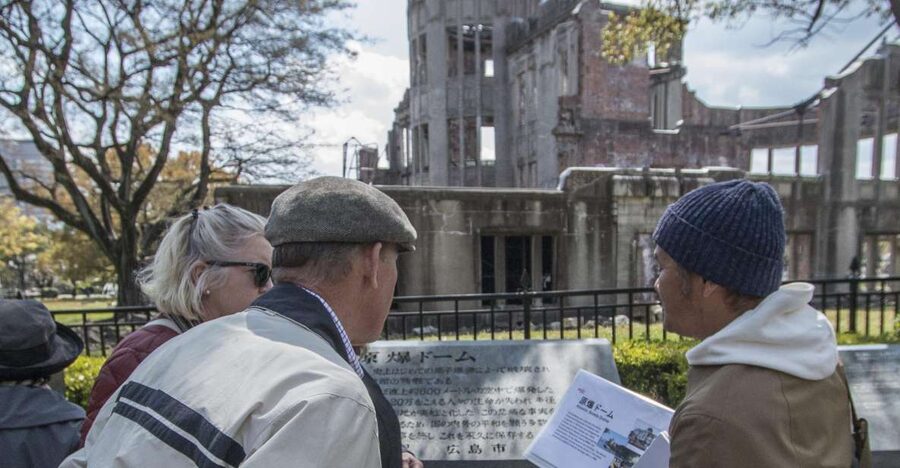
The Atomic Bomb Dome is the tour’s UNESCO-listed World Heritage site. The preserved structure is one of Hiroshima’s best-known images, but seeing it after the museum and park gives it more meaning than a quick photo stop.
Your guide explains its connection to the bombing and the city’s memorial work. The structure is also a reminder of what survived when so much around it did not. From here, you can better understand the geography of central Hiroshima and how close the memorial area is to the rest of the city.
You will have about an hour of guided time around the Atomic Bomb Dome. That is generous for a site many independent visitors see in only a few minutes. The guide can also help connect the Dome with other places you have already visited.
Photography is natural here, but this is not just a photo opportunity. Give yourself a moment to look closely and listen. The experience is stronger when you treat the site as a memorial first and an attraction second.
Changing the mood at Orizuru Tower
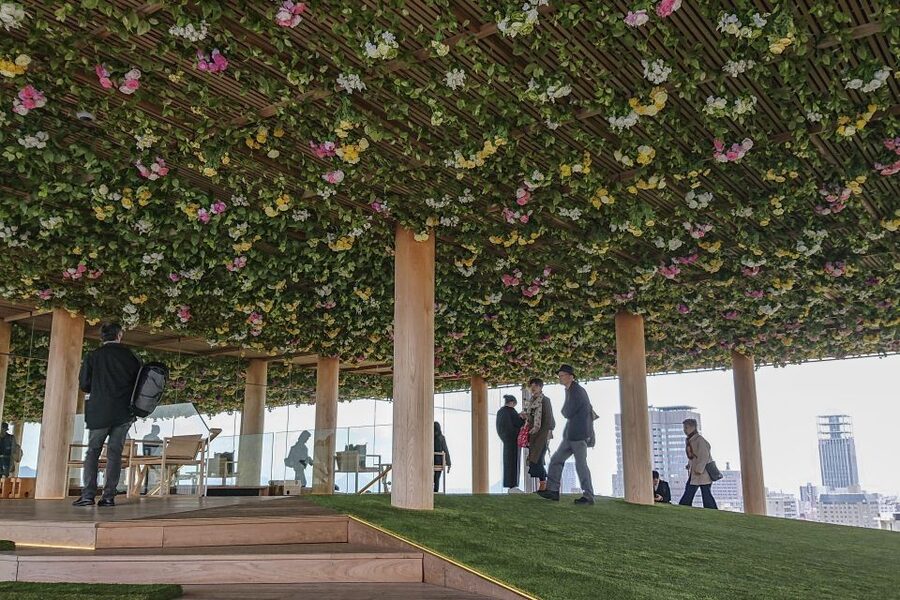
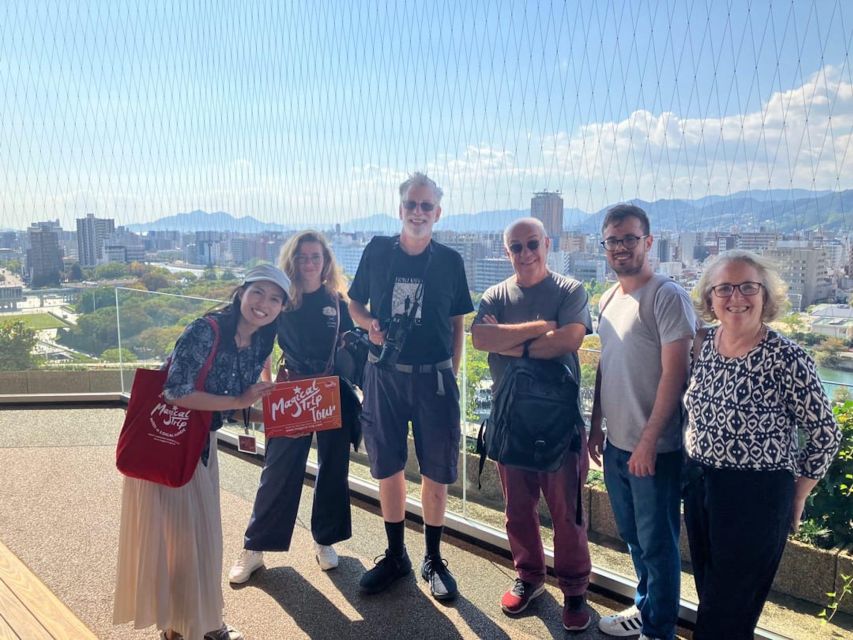
Orizuru Tower provides the tour’s most noticeable shift in tone. You go up to the observatory area for broad views over Hiroshima, and the open air can be a welcome break after the museum and memorial sites.
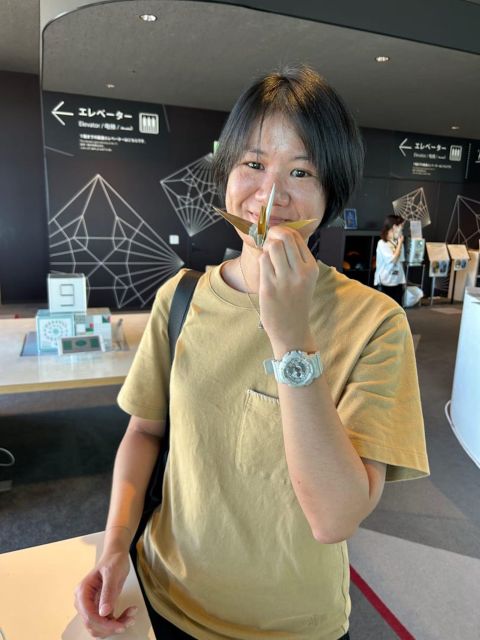
The tower’s name refers to the orizuru, or folded paper crane, a widely recognized symbol of peace. You will learn how to fold one and make a wish for peace. This hands-on activity gives you something to do with your hands while the morning’s ideas are still fresh.
One especially memorable feature is the chance to send your paper crane down to join the many others displayed in the building. It is a simple activity, but it turns the idea of peace from an abstract message into something personal.
The view also helps you understand the city’s recovery. From above, Hiroshima appears as a functioning modern city rather than only a memorial destination. One useful detail is that the entry ticket may allow a return visit at sunset, though you should confirm the current terms when booking or entering.
The tower is not everyone’s main reason for visiting Hiroshima, and you should not expect a long sightseeing session there. Its value is in the pause, the view, and the crane activity. It gives the day emotional breathing room.
Lunch with Hiroshima-style okonomiyaki
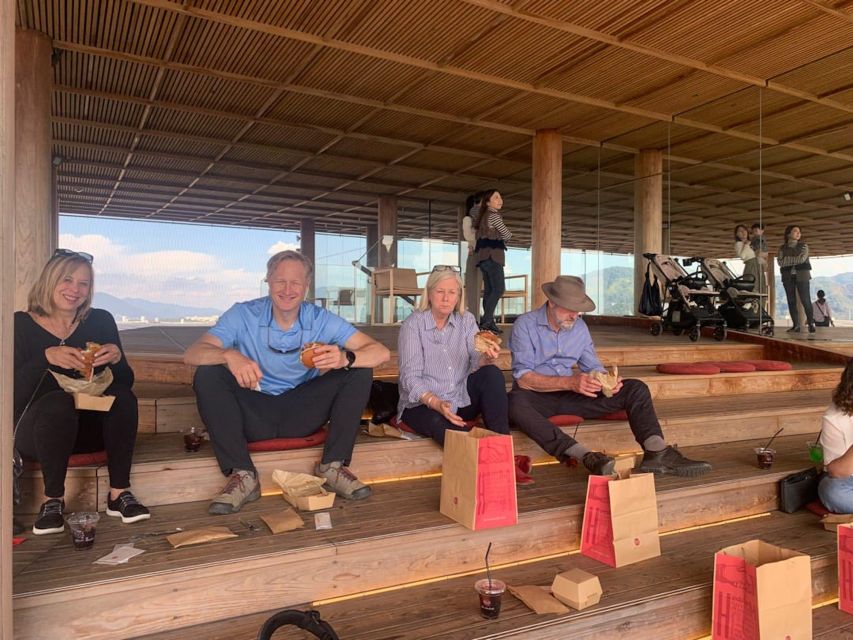
Lunch is included and normally centers on Hiroshima’s well-known okonomiyaki, a layered savory pancake-style dish. The meal gives you time to sit down with the guide and the rest of the group after several hours of walking and concentration.
Many people find the lunch a strong part of the experience because it feels connected to local food culture rather than being an afterthought. Some groups have eaten at a relaxed local venue or brewery, while the activity information places the finish at Akushu Cafe inside Hiroshima Orizuru Tower.
The meal is also a chance to ask questions that occur to you later. Discussions often continue in a less formal setting, which can make the history and cultural details easier to sort through.
Food restrictions need careful attention. Vegetarian choices are limited, and people with gluten intolerance should not book this tour. Tell the operator about allergies or dietary requests at least one day ahead. Requests made on the day cannot be handled, and the food is prepared in kitchens not operated by MagicalTrip, so an allergy-free meal cannot be guaranteed.
Walking time, group size, and overall pace
The experience lasts 270 minutes, or about four and a half hours. It covers several central sites, so you should wear comfortable shoes and expect a full walking program rather than a short museum visit.
Private and small-group options are available. A smaller group is useful here because the subject invites questions, and guides can give more attention to each person. A group of six was described as a comfortable size, though the exact number depends on the booking.
The tour begins on time. Arriving more than 15 minutes late means you cannot join, and there is no refund or rescheduling. Hiroshima’s central area is easy to reach, but do not cut your arrival close. Find the Montbell meeting point in advance and be there early.
The advertised rate is $92 per person. That includes the museum entrance, Orizuru Tower entry, lunch, a five-hour local-guided experience, and tour photos. I consider the price fair if you want one organized half-day covering the key peace sites, especially since museum and tower admission and lunch are already included.
The value is less clear if you prefer to read independently, skip guided visits, or spend several hours at the museum alone. You are paying for structure, explanation, local conversation, and the convenience of joining the sites in one well-planned route.
What kind of guide should you expect?
The guide is the variable that shapes the day most. The available English-speaking guides include people such as Yuki, Yuji, Yasue, Fumiko, Etsko, Eri, Kaz, Naoya, and Yasu. You are not guaranteed a particular person unless the booking specifically confirms one.
The strongest qualities to expect are clear explanations, patience, and a personal connection to Hiroshima. Several guides have shared family stories or local memories. Others are praised for answering questions carefully, taking group photos, and adjusting the pace when someone becomes emotional.
English ability can vary. Most feedback describes communication as strong, and one person noted that a guide’s English was not perfect but still easy to understand. If exact wording or complex historical debate matters greatly to you, an independent museum visit afterward may be useful.
The best approach is to ask questions respectfully and allow the guide to lead the group through difficult material. This is not a performance. It is a conversation about loss, recovery, and the responsibilities of remembrance.
Who should book this tour?
I would choose this tour if you have only one day in Hiroshima and want a clear introduction to the main memorial sites. It also suits families with older children or teenagers who may benefit from a guide making the history easier to follow.
It is a good choice for first-time visitors, people who want local context, and anyone who prefers a small-group experience to wandering alone. The origami and lunch help keep the day from becoming emotionally unmanageable.
You might choose another plan if you need a vegetarian or gluten-free meal, dislike fixed schedules, or want to spend unlimited time inside the museum. The tour is also not ideal for anyone who wants a casual city walk with only a brief mention of the atomic bombing.
Cancellation is flexible up to 24 hours before the start for a full refund, and you can reserve now and pay later. Those terms help if your Japan itinerary is still shifting, but they do not remove the strict late-arrival rule.
Should you book the Hiroshima Peace Walking Tour?
Book it if you want the important sites explained by a local guide, with the emotional intensity balanced by a city view, paper-crane activity, and lunch. The tour does more than check off the Peace Museum and Atomic Bomb Dome. It helps you understand how Hiroshima remembers and how it continues.
Skip it if you already know the area well, need complete food flexibility, or prefer a private museum visit at your own pace. For most first-time visitors, though, the $92 price is reasonable for the admissions, meal, small-group guidance, and carefully paced half-day route.
FAQ
How long does the Hiroshima Peace Walking Tour last?
The tour lasts 270 minutes, or approximately four and a half hours.
What language is the tour offered in?
The live guided tour is offered in English.
Where is the meeting point?
Meet in front of the Montbell store near Kamiya-cho-nishi Station. It is about a one-minute walk from the station.
How can I identify the guide?
The guide will hold an orange sign marked Magical Trip Tour.
What sites are included?
The route includes Shirakami-sha Shrine, Hiroshima Peace Memorial Museum, Hiroshima Peace Memorial Park, the Atomic Bomb Dome, and Hiroshima Orizuru Tower.
Is the Atomic Bomb Dome included?
Yes. The Atomic Bomb Dome is visited with the guide and is a UNESCO World Heritage site.
Is admission included?
Yes. Entry to the Hiroshima Peace Memorial Museum and Orizuru Tower is included.
Is lunch included?
Yes. Lunch is included, with Hiroshima-style okonomiyaki among the food served during the experience.
Can the tour accommodate vegetarian or allergy-related requests?
Vegetarian options are limited. You must provide dietary requests or allergy information at least one day before the tour, but allergy-free meals and all dietary restrictions cannot be guaranteed.
Can people with gluten intolerance join?
No. The activity is not suitable for people with gluten intolerance.
What happens if I arrive late?
You must arrive at least 10 minutes before the start time. Arrivals more than 15 minutes late cannot join the tour and will not receive a refund or rescheduling.
Can I cancel the booking?
You can cancel up to 24 hours in advance for a full refund.
Is a private tour available?
Yes. Private and small-group options are available.
New routes in Japan
- Tokyo: Asakusa & Sensoji ー Oldest Temple Walking Tour (2hrs)★ 5.0 · 213 reviews
- Asakusa Cultural Walk & Matcha Making Tour★ 5.0 · 245 reviews
- Asakusa Senso-ji Temple and Old Tokyo Walking Tour★ 5.0 · 560 reviews
- Tokyo: Tsukiji Market Walking Tour & Sushi Cooking Class★ 4.6 · 122 reviews
- Tokyo: Shinjuku Nightlife & Secret Backstreets Walking Tour★ 4.8 · 229 reviews
- Tokyo: Shinjuku Bar Hopping & Night Walking Tour★ 4.6 · 137 reviews
- Tokyo: Dark Side of Tokyo Shinjuku Red Light Walking Tour★ 4.7 · 862 reviews
- Tokyo: Shibuya Highlights Walking Tour★ 4.8 · 601 reviews
Japan Walking Tours, compared.
Kyoto Geisha Walking Tour: Gion District & Hidden Gems
Read our review →
Tokyo Tsukiji Fish Market Food and Culture Walking Tour
Read our review →
Imperial Palace and Shogun Historical Walking Tour
Read our review →
Gion Geisha District Walking Tour – Stories of Geisha
Read our review →
Best of Kyoto: Gion, Geisha, Pagodas & Cobblestones
Read our review →
Shinjuku Local Bar and Izakaya Guided Walking Tour
Read our review →
Asakusa Walking Tour with Sensoji Temple Visit
Read our review →Browse the lists this tour appears in