
Review · TANZANIA
Zanzibar: Stone Town Historical Cultural Walking Guided Tour
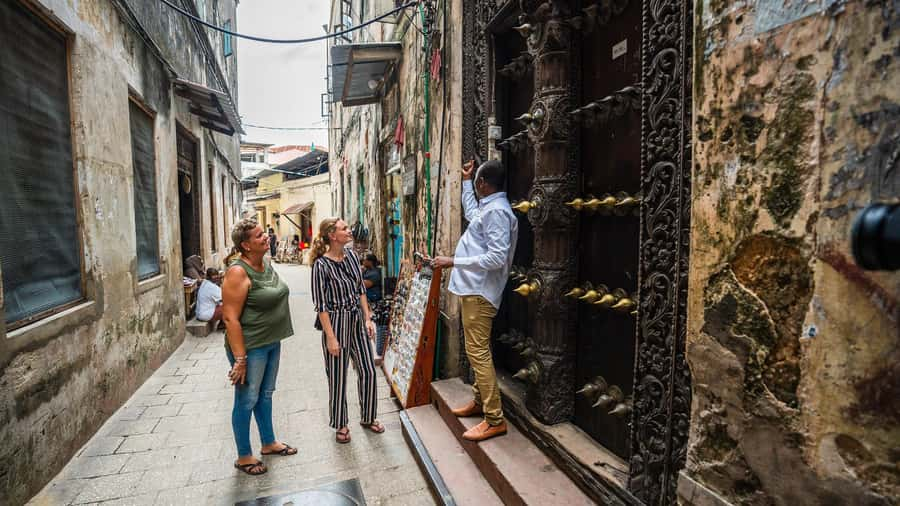
Stone Town makes the most sense on foot, where a narrow lane can lead from an old carved door to a mosque, church, market stall, or sea-facing fort. This tour gives you that first look with a local guide who can explain how Arabic, African, Indian, and European influences shaped the town.
I especially like the access to Old Fort and the former slave market, two places that give the town real historical weight. I also like the time spent in Darajani Market and side streets, where you see daily life rather than only the polished landmarks. The main drawback is the heat and the variable pace: the walk can feel short at about two hours, while a longer version may become tiring in hot, humid weather.
Key points at a glance
- Old Fort and slave-trade history: Visit two of Stone Town’s most important historic sites, with entry to the former slave market included.
- Local guides with strong personal knowledge: Guides including Ali, Diamond, Abdalla, Haidara, Ammar, and Naseer are praised for clear explanations, friendly conversation, and good English.
- Markets and narrow lanes: Walk through Darajani Market and lesser-seen corners that are easy to miss without a guide.
- Flexible timing: Choose a morning or afternoon start, with the route adjusted for weather and conditions.
- Optional hotel transfers: Pickup and drop-off can be arranged, including from hotels outside Stone Town when you select the appropriate transfer option.
- Good value at $21: The price covers the walking guide, driver, and slave market entry, though food and personal purchases cost extra.
Why Stone Town is best explored slowly on foot

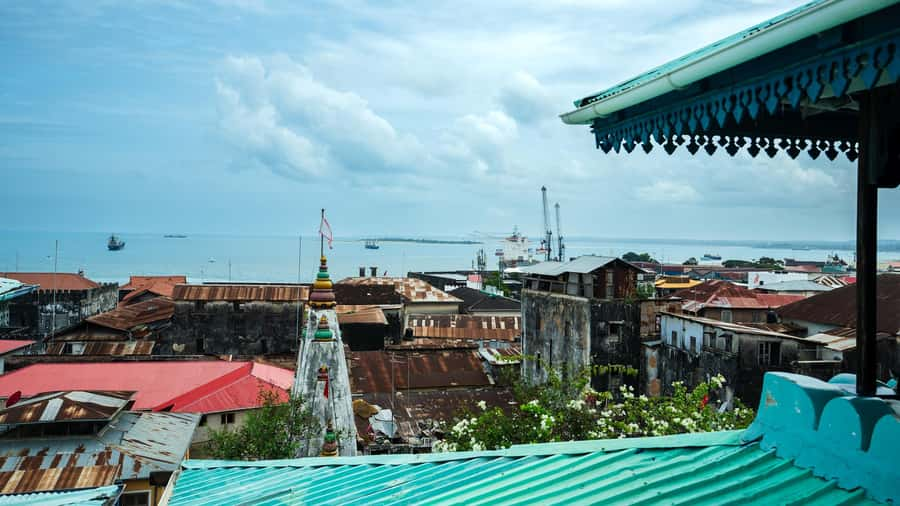
Stone Town is not a city you understand from a car window. Its appeal lies in the details: carved wooden doors, old stone walls, small shrines, market sounds, and lanes that bend without warning. A guide helps you connect those details to Zanzibar’s past instead of treating them as a collection of pretty buildings.
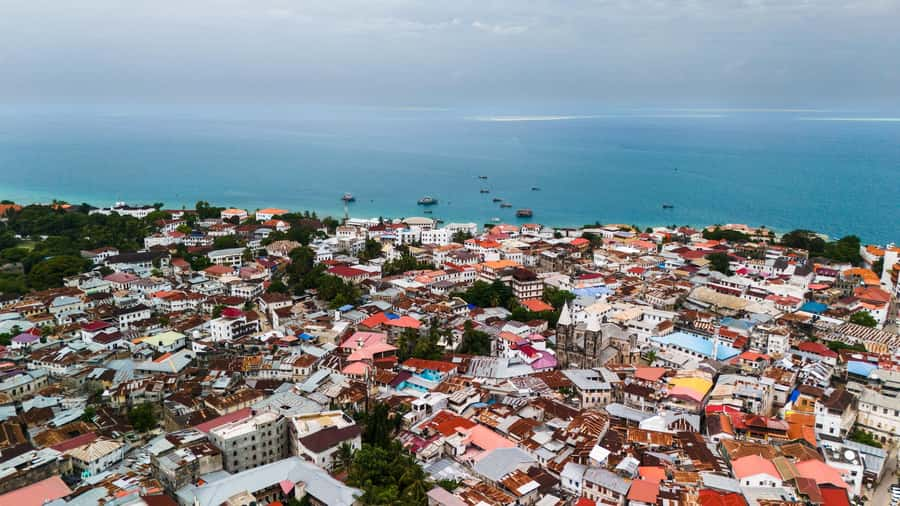
The town was designated a UNESCO World Heritage Site in 2000. That status is not simply about old architecture. Stone Town reflects centuries of contact among African, Arab, Indian, and European communities, and you can see those connections in its places of worship, trading streets, building styles, and food culture.
I like that this tour does not focus only on grand landmarks. It also takes you through local areas and quieter alleys, where your guide can point out how people live now. That balance gives you a better first sense of Stone Town than a quick photo stop at the waterfront.
The route is mainly a walking experience, so wear shoes with a firm sole. Some streets are uneven, and you will spend much of the time outdoors. The walk is not presented as a formal museum program, so its quality depends partly on how much you ask and how your guide tells the story.
More History Walking Tours in the world:
- History and Hauntings of Salem Guided Walking Tour
★ 5.0 · 14,564 reviews - Lisbon: History, Stories and Lifestyle Walking Tour
★ 4.8 · 10,902 reviews - Boston: Freedom Trail History Small Group Walking Tour
★ 5.0 · 6,450 reviews
Starting the day from Stone Town or your beach hotel
You can begin in Stone Town or choose an option with hotel transportation. If you are staying outside the old town, including farther away such as Nungwi, confirm that you have selected the transfer option that covers your hotel. The driver meets you at reception, and you are asked to be ready five minutes before departure.
The transfer is handled by an experienced driver, with a drop-off after the walking portion. Allow extra time if you are coming from outside Stone Town, since the overall activity can run from two to five hours depending on the pickup arrangement and the length of the city walk.
The vehicles can be identified by the Beach & Safari Holidays logo. One useful point from the feedback is that punctual pickup has worked well for some people coming from resorts, but there has also been occasional confusion at the start. I would keep your phone available, confirm the meeting point in advance, and wait at hotel reception rather than outside the property.
You can usually choose a morning or afternoon departure. Morning is the safer choice if you dislike strong heat, while an afternoon start may suit you if you want to sleep in or combine the tour with another activity. The route can change with weather and conditions, so treat the stop list as a guide rather than a fixed timetable.
Old Fort gives the tour its first solid anchor

The Old Fort is one of the clearest places to begin understanding Stone Town. Its heavy walls and central position make it an easy reference point as you move through the older part of the city.
Your guide leads you around the fort and explains its place in the town’s changing story. Expect a guided visit and photo time rather than a long formal presentation. The value is in the context: after hearing how the town developed, you can look at the fort as part of a wider network of trade, defense, and power.
This is also a useful moment to ask questions. Several guides, including Ali, Diamond, Ammar, and Naseer, have been praised for answering questions clearly and adjusting the pace to the group. If you want more detail about different rulers or outside influences, say so early. One person specifically wanted more information about the nations that ruled Stone Town, which suggests this is an area where your questions can shape the experience.
The fort is a strong stop, but do not expect every historic building to be open or in perfect condition. Work on old structures can affect what you see, and the route may change around construction.
The former slave market adds the tour’s hardest lesson
The former slave market and Anglican Cathedral are among the most important stops. Entry to the slave market site is included, which matters because this is not simply a street-side explanation. You have time to see the site and learn about Zanzibar’s connection to the historic slave trade.
This section can be emotionally difficult. The tour presents slavery as part of Zanzibar’s past, including the trade routes that linked the island with wider regions. I recommend giving this stop proper time instead of rushing through it for photographs. One useful suggestion is to save extra attention for the slavery exhibition, since it can be the most meaningful part of the visit.
The nearby cathedral adds another layer to the story. Its presence helps show how religious and political changes affected Stone Town. Throughout the walk, you may see mosques, churches, and temples close to one another. That mixture is not a decorative detail. It helps explain why Stone Town feels culturally different from a standard historic quarter built around one tradition.
Your guide’s approach matters here. Haidara, who was born and raised in Stone Town, has been especially praised for explaining the city through personal local knowledge. That kind of perspective can make the history more human, though the exact guide assigned to you is not guaranteed.
More Cultural Walking Tours in the world:
- Savannah First Squares Culinary & Cultural Walking Food Tour
★ 5.0 · 3,229 reviews - Tokyo Tsukiji Fish Market Food and Culture Walking Tour
★ 5.0 · 3,184 reviews - New Orleans French Quarter, Voodoo and Culture Walking Tour
★ 4.5 · 2,961 reviews - Amsterdam: Cultural Highlights Walking Tour
★ 4.9 · 2,629 reviews
Freddie Mercury Museum brings the story into modern Zanzibar
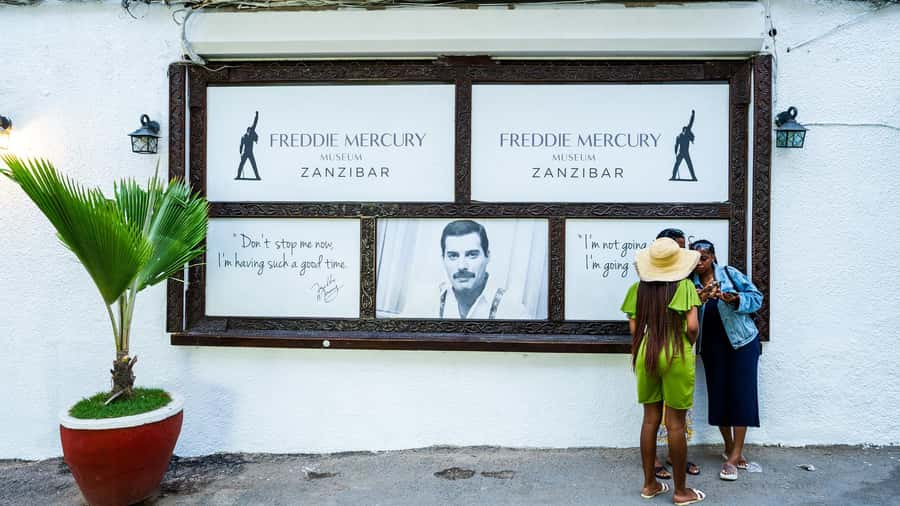
The Freddie Mercury Museum offers a change of mood after the heavier history of the slave market. Freddie Mercury was born in Zanzibar, and the museum connects the city to a modern musical figure known around the world.
This stop is guided and includes time for photographs. It may appeal most if you already have an interest in his life, but it also works as a reminder that Stone Town’s story did not end with the old trading era. The city continues to produce and attract people whose lives connect Zanzibar with the wider world.
The museum is not the main reason I would book this tour, but it adds variety. Several people have singled it out as a highlight, especially when paired with memories of the surrounding streets. If you prefer historic architecture and markets, you may want to keep this portion concise and use the extra time for questions or shopping.
Darajani Market shows Stone Town at work

Darajani Market is where the walking tour becomes most immediate. You see local commerce, hear the sounds of buying and selling, and get a closer look at the food and goods that support everyday life in Zanzibar.
The market is included as a guided visit, with time for shopping. It is a good place to buy souvenirs, and some visitors have found it the best moment to make those purchases. I would compare prices, keep your belongings close, and ask your guide where to look if you want something specific.
The market can feel crowded and warm. That is part of its character, but it may not suit you if you want a quiet, polished sightseeing stop. The guide helps you move through it with purpose and can point out details you might otherwise miss.
One memorable local touch mentioned in connection with the walk is a fresh sugar cane drink. The tour does not include food or drinks, so anything you buy is your own expense, but you may find small chances like this to try something local. Treat those purchases as optional, not part of the $21 price.
Narrow lanes reveal more than the main sights

The best part of Stone Town may be the movement between the official stops. A guide can lead you through narrow lanes lined with old stone houses and show you corners you would likely pass without understanding.
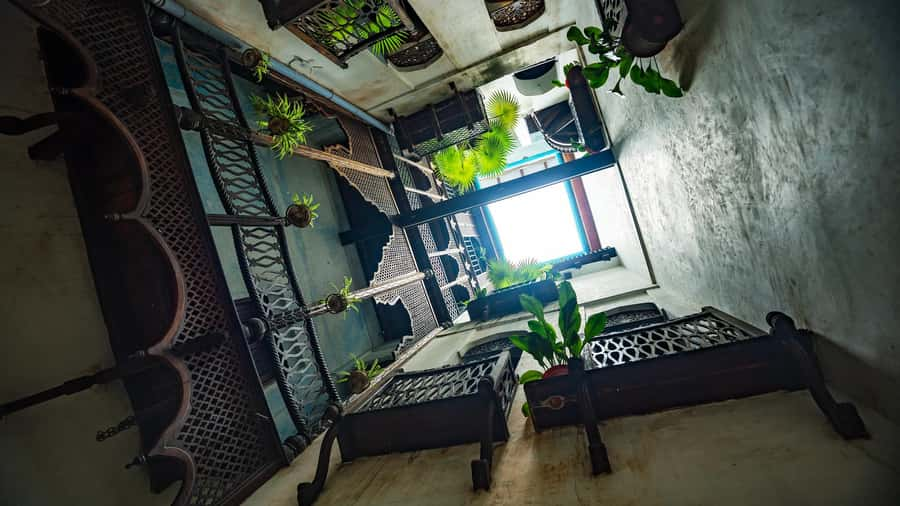
The architecture reflects the town’s mixed past. Arabic design influences appear in the lanes and doors, Indian connections show in the trading culture and buildings, African life gives the town its daily rhythm, and European rule appears in parts of the civic and religious story. A good guide explains these connections without turning every doorway into a lecture.
I would ask your guide to point out details that matter to local residents, not just the places printed on a sightseeing map. Guides such as Diamond have been praised for showing lesser-known corners, while Ali has been described as both well informed and easy to talk with. That combination is useful because Stone Town is more enjoyable when you can pause for a question or follow an unexpected side street.
The route is flexible, so the exact order may change. Rain, heat, construction, and the day’s conditions can affect the stops. That flexibility is helpful, but it means you should not book this expecting a tightly timed museum circuit.
Guide quality shapes the whole experience
The strongest part of this activity is the guide. Names that appear repeatedly in the feedback include Ali, also called Diamond, Abdalla, Haidara, Ammar, Hassan, and Naseer. Their styles differ, but the useful qualities are consistent: clear English, friendly conversation, patience, and a strong grasp of Zanzibar’s past.
Ali and Diamond are praised for combining history with humor and easy conversation. Abdalla is described as kind and helpful. Haidara brings the perspective of someone born and raised in Stone Town. Ammar has been praised for making the morning both informative and fun, while Naseer is noted for answering questions well.
You cannot choose your guide by name unless the operator confirms it, so do not book solely because of one person. Still, these comments help set a reasonable expectation: you are likely to get a personal walking explanation rather than a scripted audio-style tour.
A private group option is available. If you choose it, you can usually expect more room to ask questions and adjust the pace, though the supplied details do not specify the exact private-group surcharge or maximum size. If you are traveling alone, the experience can still work well. One booking was arranged for a mother traveling alone, with communication and support handled carefully.
How much time should you allow?
The advertised duration is two to five hours. That range is wide because transfers and the length of the walking portion can vary.
A focused version may take about two hours and cover the major sights at a steady pace. This is enough if you want an introduction before exploring Stone Town on your own. A longer version gives you more room for the market, shopping, questions, and the former slave market exhibition.
The route information includes vehicle time for pickup and drop-off, with the old-town portion listed at about four hours. In practice, your schedule depends on where you are staying and how long you spend at each stop. If you have a flight, ferry, meal reservation, or another timed activity, leave a generous buffer.
Heat is the main practical concern. One four-star assessment described the walk as a casual stroll, which was welcome in hot weather, but also wished for more historical detail. That is a fair tradeoff: the gentle pace suits the climate, but you may need to ask for a fuller explanation if you want a more academic account.
Is $21 good value for Stone Town?
At $21 per person, this is a strong value for a first look at the old town. The price includes a live English-speaking guide, the walking tour, an experienced driver, and entry to the former slave market. Hotel pickup and drop-off are included only when you select the appropriate transfer option.
Food, drinks, souvenirs, and other personal spending are not included. The tour is not a meal experience, so plan separately if you want lunch or a market snack.
The price makes the tour particularly useful on a first day in Zanzibar. You get orientation, history, shopping areas, and practical suggestions before deciding where to return on your own. It also works well if you have limited time and want someone else to connect the major places.
The compromise is depth. At this price and duration, you should expect a broad introduction rather than a specialist architectural, religious, or slavery-history program. If you want one subject covered in great detail, a longer private tour may suit you better.
Practical advice before you go
Wear light clothing suitable for hot weather, comfortable walking shoes, and sun protection. The route is outside for much of the time, and Stone Town can feel hot and humid even when the pace is relaxed.
Keep water with you, though drinks are not included. If you plan to shop at Darajani Market, bring a small amount for purchases and decide in advance how much room you want to leave in your luggage.
Be ready at hotel reception five minutes before departure. If you are staying outside Stone Town, check that you have selected the correct transfer option and confirm the pickup details. The company’s vehicles carry the Beach & Safari Holidays logo.
Cancellation is free up to 24 hours before departure, and you can reserve now and pay later. Starting times vary, so check availability when booking. The live guide language listed is English.
Who should book this Stone Town walk?
I would book this tour if you want a broad, well-organized introduction to Stone Town, especially on your first visit. It suits people who want history mixed with local streets, markets, shopping, and a few modern cultural stops.
It is also a good fit if you are staying at a beach resort and do not want to arrange transport and a city guide separately. The hotel transfer option removes much of that planning.
I would think twice if you dislike heat, uneven walking, market crowds, or flexible schedules. You may also want a different tour if your main goal is detailed architectural research or a long, quiet museum visit.
Should you book it?
Yes, if you want to understand Stone Town rather than simply photograph it. The former slave market, Old Fort, Darajani Market, and narrow lanes create a useful mix, while the strongest guides add personal detail and help you see beyond the obvious route.
Book a morning departure for cooler conditions, select the correct transfer if you are outside town, and ask for extra explanation about the different powers that shaped Zanzibar. At $21, this is an easy-value way to get your bearings, learn the city’s difficult history, and decide where you want to spend more time afterward.
FAQ
Where does the Stone Town walking tour start?
The listed pickup location is Stone Town, Zanzibar. Hotel pickup is also available when you select the transfer option that includes it.
Can I be picked up outside Stone Town?
Yes. You can choose the transfer option for pickup from anywhere when staying outside Stone Town. Meet the driver at your hotel reception.
How long does the activity last?
The activity lasts between two and five hours. The timing depends on the selected departure, transfer arrangements, weather, and how long you spend at the stops.
Is the slave market entry fee included?
Yes. Entry to the former slave market is included in the tour price.
Is the tour available in English?
Yes. The listed live tour guide language is English.
Can I cancel or pay later?
You can cancel up to 24 hours before departure for a full refund. You can also reserve your place and pay later, keeping your plans flexible.
New routes in the world
- Baltimore Walking Foodie Tour in Fells Point★ 5.0 · 182 reviews
- Baku Oil Heritage & Old Town Walking Tour★ 5.0 · 232 reviews
- Baku Walking Tour (Old City)★ 5.0 · 127 reviews
- The Madam’s Curse Walking Ghost Tour★ 4.5 · 103 reviews
- Austin Small Group Morning Walk★ 5.0 · 412 reviews
- Austin Haunted Pub Crawl Walking Tour★ 4.5 · 232 reviews
- Austin Downtown Private Walking Food Tour With Secret Food Tours★ 5.0 · 71 reviews
- Austin Murder Walk★ 5.0 · 310 reviews
Tanzania Walking Tours, compared.


Stonetown: Food Markets and Street Food Walking Tour
Read our review →
Arusha Guided Walking City Tour, Culture, Lifestyle & History
Read our review →
Browse the lists this tour appears in