
Review · CROATIA
Zagreb Unveiled: Private walking tour with a local guide
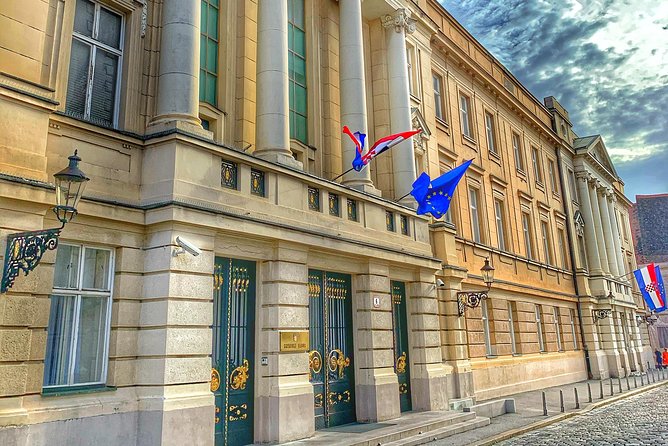
Zagreb’s best introduction may be its oddest one: a walk from manicured city squares into a World War II tunnel, then up toward a medieval tower and the tiled roof of St. Mark’s Church. This private two-hour tour gives you a clear route through both Lower and Upper Town without making you puzzle over a map.
I like the mix of major sights and useful local advice. You get the cathedral, market, main square, and famous churches, but also the tunnel and a short funicular ride. I also like the personal touch: guides such as Alex, Luka, Marko, and Bernarda have helped visitors with restaurant, museum, shopping, and later-day suggestions. The main drawback is the short running time, and the funicular is closed for renovation until March 2026, so that part may not operate when you visit.
Key things to know before booking
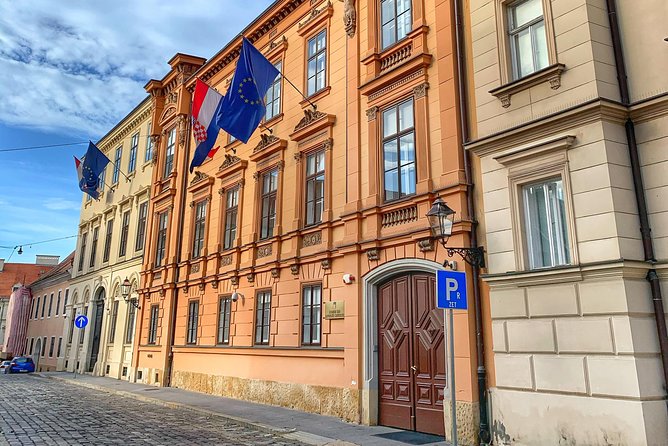
- A private route through central Zagreb: Only your group takes part, so the guide can answer questions and adjust the pace.
- The WWII tunnel adds a surprising change of scene: Tunnel Grič breaks up the usual square-and-church walking tour.
- Dolac Market shows Zagreb’s everyday side: It is more than a photo stop, with a chance to understand why locals call it the city’s belly.
- Several guides receive praise for warmth and humor: Alex, Luka, Marko, and Bernarda are named in the supplied feedback.
- The funicular ticket has a current catch: It is included, but the funicular is closed for renovation until March 2026.
- Two hours goes quickly: You will see many landmarks, but this is an introduction, not a full museum tour.
Why this route works as a first look at Zagreb
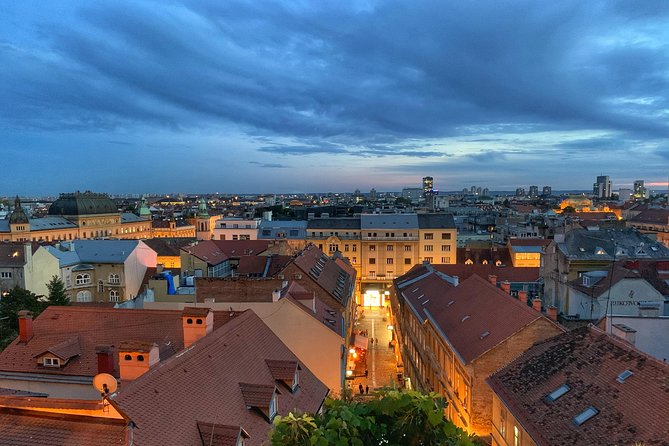
Zagreb can feel split between two cities. The Lower Town has broad streets, formal parks, and grand civic buildings. Upper Town brings steep lanes, old gates, churches, and fortress remains. This walk links the two areas in a compact route.
That makes it especially useful at the start of a Croatian trip. Bernarda, one of the named guides, was praised for helping a newly arrived couple make better use of limited time in Zagreb. She also followed up afterward with links requested during the walk. That sort of practical help matters in a city where a good first orientation can save you time later.
The route begins at Zrinjevac, part of the Green Horseshoe, and finishes at Ban Josip Jelačić Square. Along the way, the guide supplies the connections that a sightseeing map usually leaves out: how the city developed, what local legends mean, and how politics and history shaped Croatia.
You will not spend long inside any one attraction. Most stops last from five to fifteen minutes, and admission to nearly all of them is free. Think of the experience as a guided introduction, with plenty of ideas for where to return on your own.
More Private Walking Tours in Croatia
- SPLIT-PRIVATE Walking Tour of Diocletian’s Palace & Old Town
★ 5.0 · 467 reviews - Tour The Game of Thrones – Private Walking Tour
★ 5.0 · 464 reviews - Dubrovnik: Old Town & City Walls Private Walking Tour
★ 5.0 · 206 reviews
Zrinjevac begins with Zagreb’s formal Lower Town
Starting at Zrinjevac 2 places you in one of Zagreb’s most attractive park areas. Zrinjevac forms part of the Green Horseshoe, a chain of parks and open spaces that gives the Lower Town its ordered feel.
The ten-minute stop is brief, but useful. Your guide can give you the city’s basic layout before the route moves toward the central square. This is also a comfortable meeting point near public transportation, which helps if you are arriving without a car.
Do not expect a long park walk or a detailed architectural lecture here. The value is orientation. You begin among open space and grand urban planning, then move toward the city’s busiest public places.
Ban Jelačić Square and the Manduševac legend
Ban Josip Jelačić Square is Zagreb’s main gathering place and the natural center of the modern city. The monument to Ban Josip Jelačić gives the square its name and provides a useful opening for talking about Croatian history and public memory.
The route spends about ten minutes here, then five minutes at the nearby Manduševac Fountain. The fountain is tied to one of Zagreb’s best-known legends, so this is a small stop with more character than its length suggests.
I like this pairing because it moves beyond dates and names. A square tells you how a city functions today, while a fountain points to the stories people use to explain its beginnings. Your guide can also help you get your bearings for later free time, since the tour returns to this central area at the end.
Zagreb Cathedral brings history and a major city symbol
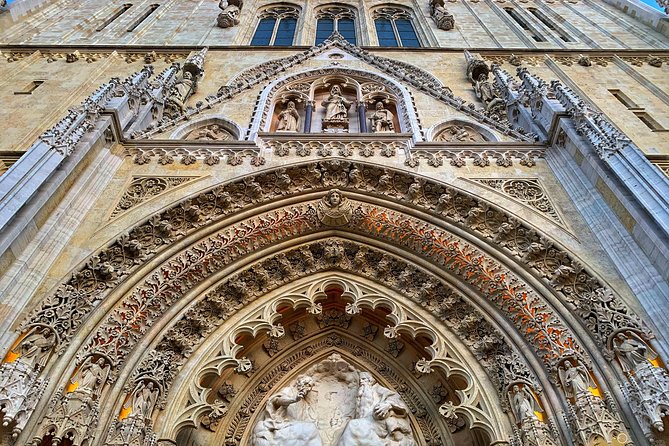
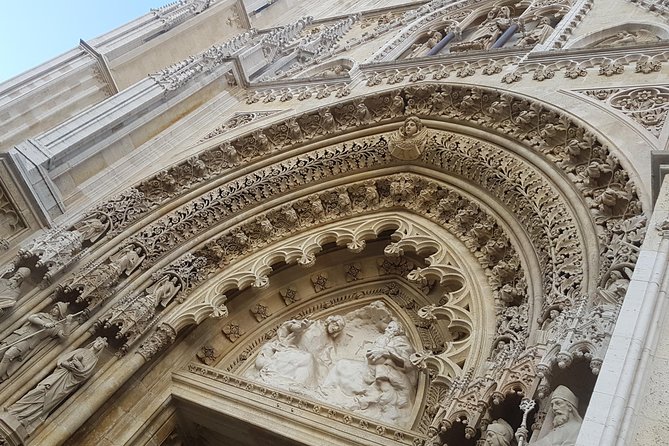
The Cathedral of Zagreb receives about fifteen minutes, the longest stop so far. It remains the tallest building in Croatia and is one of the city’s key landmarks.
The tour does not include a separate admission ticket, so you should treat this as a guided exterior and orientation stop rather than a guaranteed extended interior visit. If entering the cathedral is important to you, ask the guide about current access during the tour.
This is also a good place to ask questions about Zagreb’s religious and political past. The cathedral sits close to the market and central square, so the guide can show how major institutions, commerce, and daily life fit together in a small area.
Same streets, a different guide:
- Dubrovnik: Old Town Walking Tour
★ 4.8 · 5,174 reviews - Dubrovnik: The Original Game of Thrones Tour & Lokrum Option
★ 4.8 · 5,064 reviews - Split: Old Town and Diocletian Palace Walking Tour
★ 4.9 · 4,727 reviews - Dubrovnik Discovery Old Town Walking Tour
★ 5.0 · 4,458 reviews
Dolac Market shows the city at street level
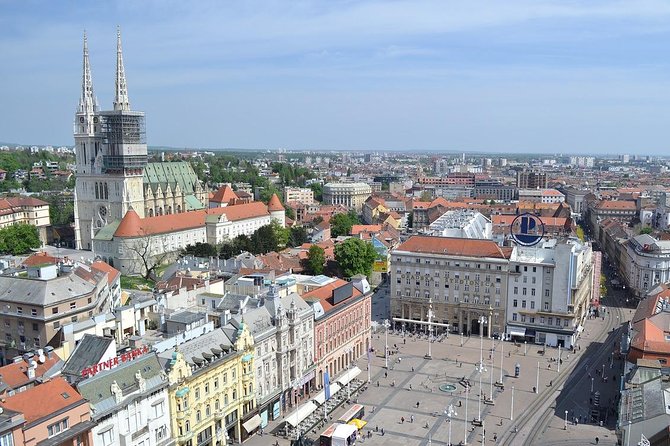
Dolac Market is described as the belly of the city, and that nickname tells you why it belongs on this route. Markets reveal more about daily life than a row of monuments can. Here, the guide can explain the role the market plays in Zagreb and point out what makes this part of the center feel local rather than purely ceremonial.
The stop lasts about ten minutes. Food and drinks are not included, so this is not a tasting tour. That keeps the price focused on guiding, but you may want to return later if you have time to browse or eat.
This is one of the places where asking questions pays off. Guides named in the feedback, including Luka and Alex, were singled out for food and restaurant recommendations. You can use the market stop to get suggestions for the rest of your day, rather than waiting until the end.
Tkalciceva Street adds an easygoing contrast
Tkalciceva Street gets only five minutes, but it helps explain Zagreb’s social side. It is one of the city’s best-known streets for cafés, restaurants, and evening activity.
The short stop is enough to point out the street and its place in the city. It is not long enough for a meal or a relaxed café break, so do not count this as dining time. Instead, note the addresses and decide where to return after the tour.
This is another reason to book the walk early in your stay. You can ask your guide which streets and restaurants fit your budget and plans. The named guides are repeatedly praised for giving specific suggestions rather than simply reciting a standard script.
Tunnel Grič is the route’s most unusual stop
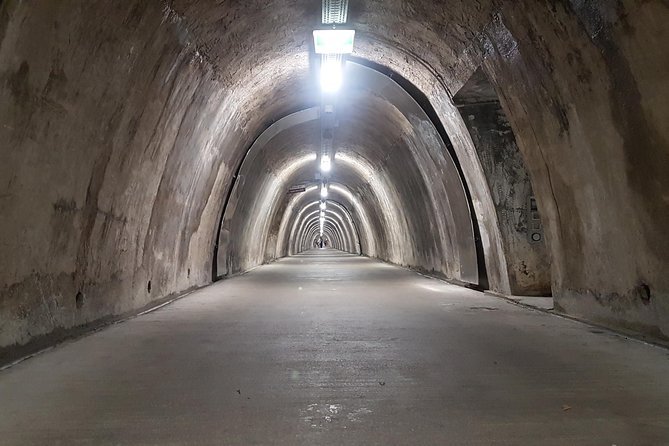
Tunnel Grič changes the mood. Instead of another square or church, you enter an underground passage connected with Zagreb’s World War II period. The stop takes about ten minutes and gives the tour a strong sense of place.
The tunnel is especially valuable because it shows how the city experienced conflict below street level. You are not only looking at polished façades. You are also seeing part of the infrastructure shaped by a difficult chapter in Zagreb’s past.
Conditions and access can change, so ask your guide what is open on the day. The supplied information identifies it as a secret WWII tunnel, but it does not promise a particular exhibit, lighting display, or interior program. That uncertainty is worth keeping in mind if the tunnel is your main reason for booking.
The funicular and Lotrščak Tower connect Lower and Upper Town
The one-way funicular ride is meant to carry you from the lower part of the city toward Upper Town. At about ten minutes, it is a short ride, but it saves an uphill walk and adds a bit of Zagreb character. The funicular is often described as the shortest in the world, which gives this modest piece of public transport a memorable talking point.
There is an important date-sensitive issue: the funicular is closed for renovation until March 2026. The ticket is included, but a ticket cannot create a ride while the service is shut. If your tour takes place before reopening, expect that part to be replaced or skipped rather than assume the advertised ride will occur.
Lotrščak Tower follows, with another ten-minute stop. This medieval fortification gives Upper Town its defensive story and helps explain why Zagreb’s old center feels different from the planned Lower Town.
The tower stop is mainly an outside orientation unless your guide confirms interior admission. There is no separate entrance ticket listed. You should also expect some walking on uneven or sloping streets around Upper Town, which is why moderate physical fitness is requested.
St. Mark’s Church delivers the classic Zagreb view
St. Mark’s Church is among Zagreb’s most recognizable landmarks, thanks in large part to its colorful tiled roof. The stop lasts about ten minutes, enough to see the exterior and hear why the church matters.
This is one of the tour’s best photo opportunities, but the value is not only visual. St. Mark’s sits in the historic Upper Town, close to important civic buildings and old streets. Your guide can place the church within the wider story of Zagreb’s government, identity, and public life.
Access inside the church is not included as a stated part of the tour. Plan on an exterior visit unless the guide tells you otherwise. The short visit works well for a first look, but you may want to return later if you want more time with the architecture.
Petrini Pyli and the return to Ban Jelačić Square
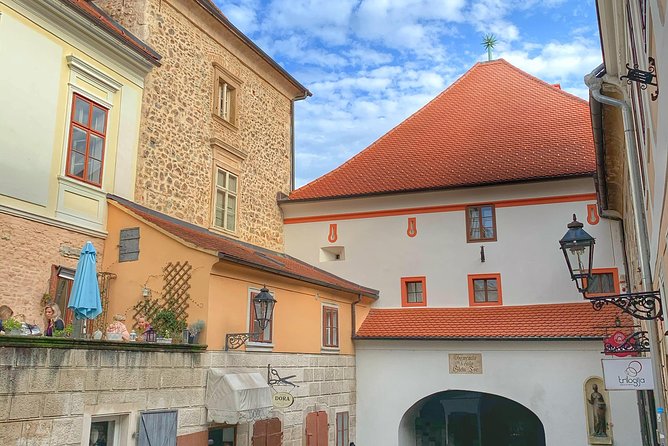
The final listed stop is Petrini Pyli, an old town gate. The ten-minute visit gives you one more piece of Upper Town before the route ends back at Ban Josip Jelačić Square.
Old gates are easy to overlook when you are rushing from one famous church to another. Here, the guide can explain how people entered and moved through the historic center. The stop also helps you understand the transition from old fortified Zagreb to the open central square below.
Ending at the main square is practical. You are left in a central location rather than at an out-of-the-way attraction, with public transportation nearby and plenty of options for lunch, coffee, shopping, or a second walk.
What the two-hour timing really means
Two hours is enough to cover a lot of ground, but it requires a steady pace. The listed stops add up to roughly one hundred minutes, leaving limited room for walking between them, questions, brief pauses, and any changes caused by access or traffic.
I would book this as a city orientation, not as a slow cultural tour. You will see the major sights, hear the broad historical story, and learn where to return. You will not have time for lengthy church interiors, museum visits, a market meal, or extended photography at every stop.
A private booking improves the experience because only your group participates. You can ask about Croatia, Zagreb politics, food, museums, or practical plans without waiting for a large group. The feedback specifically praises guides for humor, clear explanations, and pride in the city. Luka is described as both informative and friendly, while Alex is praised for explaining Croatian and Balkan history and offering restaurant and museum suggestions.
Price, private value, and who should book
At $84.69 per person, the cost is not bargain-priced for a two-hour walk. The value depends on your group size and how much you want personal attention. For a couple or small group, a private guide can be worthwhile because the price buys a tailored conversation, not just a route between landmarks.
Group discounts are available, which may make the cost more reasonable for a larger party. The guide is licensed and English-speaking, and the booking includes a private tour and the one-way funicular ticket, though that ride is currently unavailable during renovation.
I would choose this tour if you:
- Have only a short time in Zagreb
- Want a clear first-day orientation
- Prefer asking a guide personal questions
- Care about both famous sights and less obvious places such as Tunnel Grič
- Want restaurant, museum, and shopping suggestions
- Can manage a moderate amount of walking and some uphill or uneven streets
I would look elsewhere if you want long interior visits, food included, a museum-focused experience, or a slow photography walk. You should also confirm the funicular situation if riding it is essential to your plans.
The cancellation policy is fair: you can receive a full refund by canceling at least 24 hours before the start time. Changes made inside that window are not accepted, and poor weather may lead to a new date or full refund. Service animals are allowed, and the route is near public transportation.
Should you book Zagreb Unveiled?
Yes, if you want a friendly, efficient first look at Zagreb with a private guide who can make the city easier to understand. The strongest parts are the route’s variety, the WWII tunnel, the Upper Town sights, and the practical advice from guides such as Alex, Luka, Marko, and Bernarda.
Book it near the start of your stay so you can use the food, museum, and neighborhood suggestions afterward. Just keep your expectations realistic: this is a brisk two-hour introduction, not a full-day cultural program, and the funicular remains closed for renovation until March 2026.
FAQ
How long is the Zagreb walking tour?
The tour lasts approximately two hours.
Where does the tour begin?
It begins at Zrinjevac 2, 10000 Zagreb, Croatia.
Where does the tour end?
It ends at Ban Josip Jelačić Square, the main square in Zagreb.
Is the tour private?
Yes. Only your group participates in the tour.
Is the tour offered in English?
Yes. A licensed English-speaking guide leads the experience.
Is the funicular ride included?
A one-way funicular ticket is included, but the funicular is closed for renovation until March 2026.
Can I cancel for a full refund?
Yes. You must cancel at least 24 hours before the experience starts to receive a full refund. If poor weather causes the provider to cancel the tour, you will be offered another date or a full refund.
New routes in Croatia
- Split: Walking tour of Split with a ‘Magister’ of History★ 5.0 · 110 reviews
- Split: Local History and Culture 90-Minute Walking Tour★ 5.0 · 194 reviews
- Split: Food Tasting Walking Tour★ 4.9 · 102 reviews
- Split: Diocletian Palace & Old Town Guided Walking Tour★ 4.7 · 882 reviews
- Split: 1.5-Hour Walking Tour and Diocletian’s Palace★ 4.7 · 256 reviews
- Shipwreck – Blue Lagoon All Inclusive + Trogir Walking Tour★ 4.4 · 110 reviews
- Rovinj: Guided Walking Tour★ 4.8 · 113 reviews
- Pula: Historic Walking Tour with Local Guide & City Views★ 4.8 · 214 reviews
Croatia Walking Tours, compared.
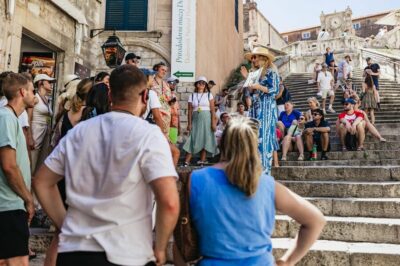
The Original Game of Thrones Tour & Lokrum Option
Read our review →
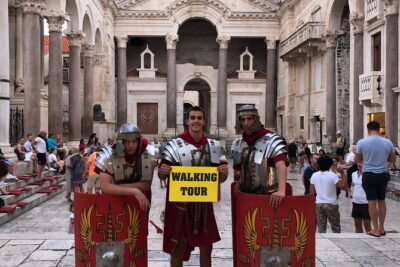
Walking Tour of Split and Diocletian’s Palace
Read our review →
Krka Waterfalls tour with Trogir Walking tour and Krka panoramic boat cruise
Read our review →
City Walls Early Morning or Sunset Walking Tour
Read our review →
Plitvice Lakes: Guided Walking Tour with Bus and Boat Ride
Read our review →Browse the lists this tour appears in