
Review · SPLIT
Split: Food Tasting Walking Tour
Split’s food culture makes the old center easier to understand. This two-hour walk takes you from the Green Market and Fish Market into the lanes of Diocletian’s Palace, pairing local history with tastes such as soparnik, prosciutto, salted anchovies, sugared almonds, and rafiol cake.
I like the way the tour connects food with daily life, rather than treating the palace as a collection of Roman stones. I also like the small-group format and the guides, including Marta, Antonia, Jakov, and Slavko, who are praised for their warmth, local stories, and willingness to adapt the walk to the group.
The main consideration is that the advertised local wine tasting may not always be included. Several recent bookings specifically noted that wine was no longer served, so confirm this if a drink is part of your plan.
Key points at a glance
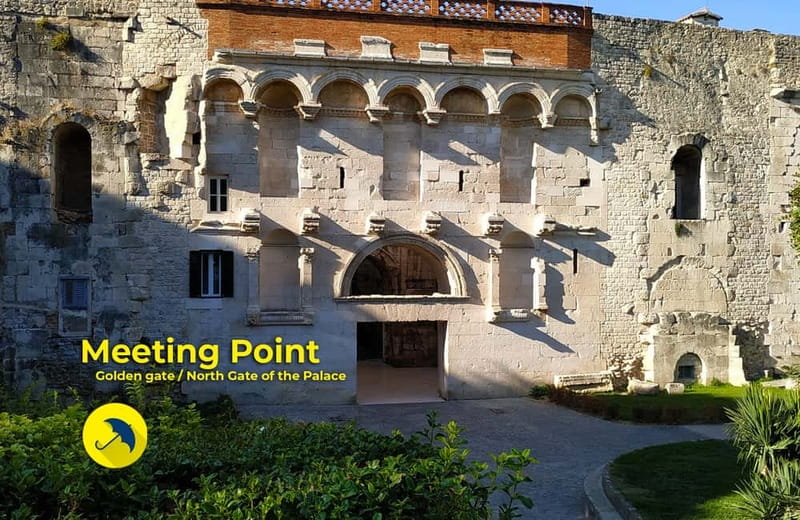
- Start at the Golden Gate: Meet near the statue of Gregory of Nin under the blue umbrella, then enter Split’s old center on foot.
- Taste your way through two markets: The Green Market introduces local produce and sweets, while the Fish Market offers a look at Dalmatian marenda, or brunch.
- Try more than ten foods: Depending on the day’s stops, tastings can include soparnik, prosciutto, candied citrus, anchovies, traditional cakes, and other regional bites.
- History comes with every snack: Your guide explains Diocletian’s Palace, medieval lanes, local customs, and how traditional dishes are made.
- Plan it early in your stay: The food shops, markets, and restaurant tips are more useful when you still have time to return on your own.
- Expect a walking tour, not a full meal: The tastings are varied and satisfying, but this is a sequence of small portions over two hours.
Why food is the right key to Split’s old center
Diocletian’s Palace is not a museum sealed behind a ticket booth. It is a working part of Split, filled with narrow streets, shops, cafés, market stalls, and places where local food still shapes the day. A food walk gives you a reason to look beyond the palace walls and notice how the old center is used now.
You begin at the Golden, or North, Gate, close to the statue of Gregory of Nin. Look for the blue umbrella. From there, the route moves through the nearly 1,700-year-old palace and medieval parts of Split, with food stops spaced through the walk.
I like this format because history does not arrive as a long lecture. You hear about the city while holding a piece of food linked to the region. That makes the details easier to remember, especially if you are not normally drawn to formal sightseeing tours.
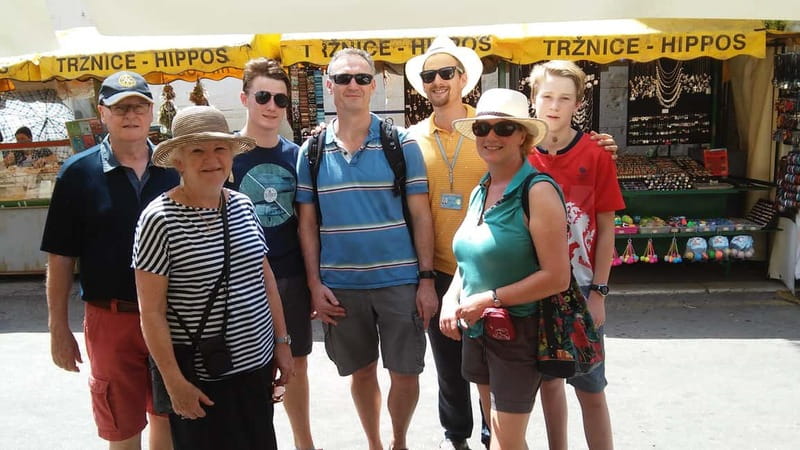
The tour is offered privately or in small groups, and the guide speaks English. The 4.9 rating from 102 bookings reflects a very consistent experience, with special praise for guides such as Marta, Antonia, Jakov, and Slavko. The strongest pattern is simple: the guides explain the food clearly, keep the mood friendly, and add useful city advice.
More Food Walking Tours in Split:
- Reykjavik Food Walk – Local Foodie Adventure in Iceland
★ 5.0 · 18,952 reviews - Ho Chi Minh City Street Food Tour & Sightseeing By Motorbike
★ 5.0 · 9,413 reviews - Little Havana Food and Walking Tour in Miami
★ 5.0 · 8,882 reviews
Sugared almonds and the first taste at a local café
The opening food stop is at a local café and lasts about 15 minutes. The first taste is usually arancini, almonds covered in sugar. Candied orange and lemon peel may also appear among the early sweets.
This is a small beginning, but it sets up an important idea. Dalmatian food is not only grilled fish and olive oil. It also includes preserved fruit, nuts, pastries, cured meat, and sweets made for celebrations or everyday snacks.
Some guides have also paired an early tasting with a glass of local wine. That detail needs checking before you book because recent descriptions of the experience and recent comments do not fully agree. Treat the wine as a possible extra, not a guarantee.
The café stop is also useful for pacing. You are not expected to eat a full plate at every location. Instead, you collect small tastes, listen to the explanation, and keep moving through the center.
The Green Market and the everyday food of Split
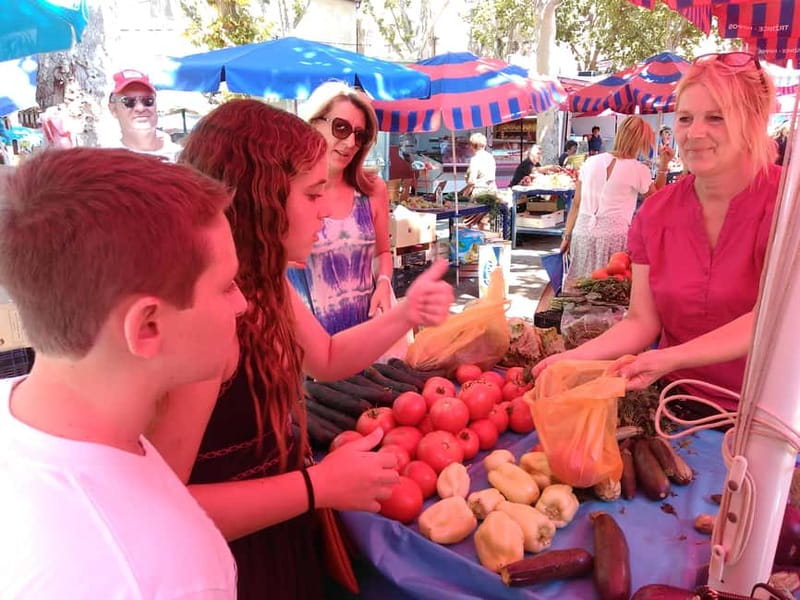
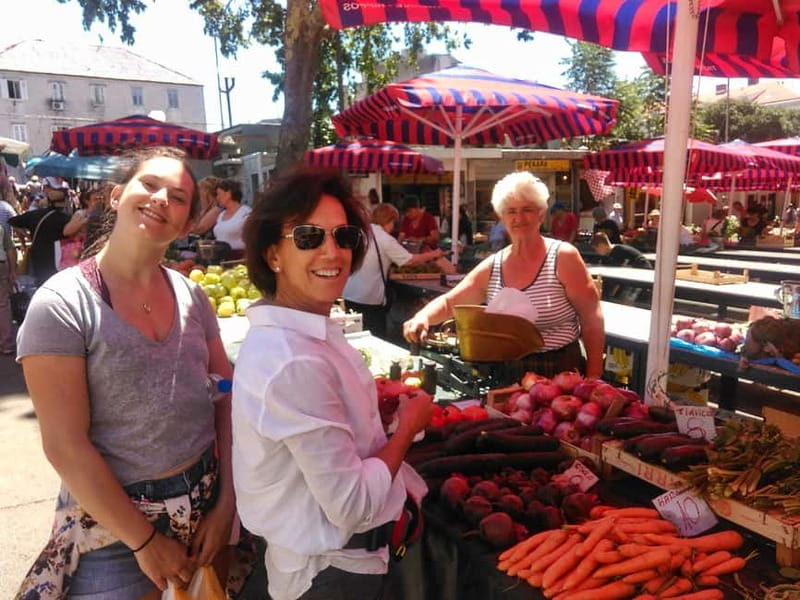
The next major stop is Pazar, Split’s Green Market. Allow about 30 minutes here. The market is an important part of the city’s daily rhythm, and your guide can help you understand what you are seeing rather than simply walking past rows of produce.
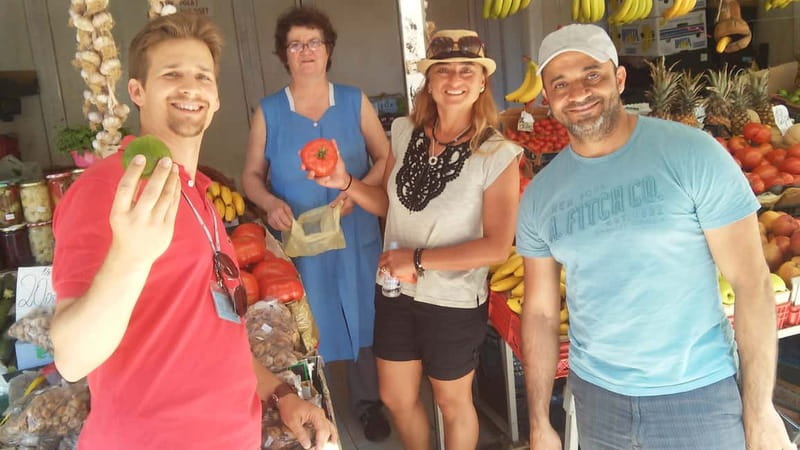
The supplied tastings include local arancini, almonds in sugar, and soparnik. Soparnik is a thin savory pie associated with the Dalmatian region and protected as a UNESCO-recognized traditional dish. It is one of the most worthwhile tastes on the walk because it shows how simple ingredients can carry a strong regional identity.
You may also see the kinds of fruit, vegetables, herbs, and other produce used in home cooking. The tour does not include your personal market purchases, so bring extra money if you want to buy something. That can be a good reason to schedule this experience near the beginning of your Split stay.
A few hours later, you may pass a food stall or shop you want to revisit. The guide’s advice can help you know what to look for and how to recognize foods that are genuinely tied to Dalmatian cooking. I would not use the market stop as a substitute for a full shopping trip, but it is a helpful introduction.
Medieval lanes, prosciutto, and traditional recipes
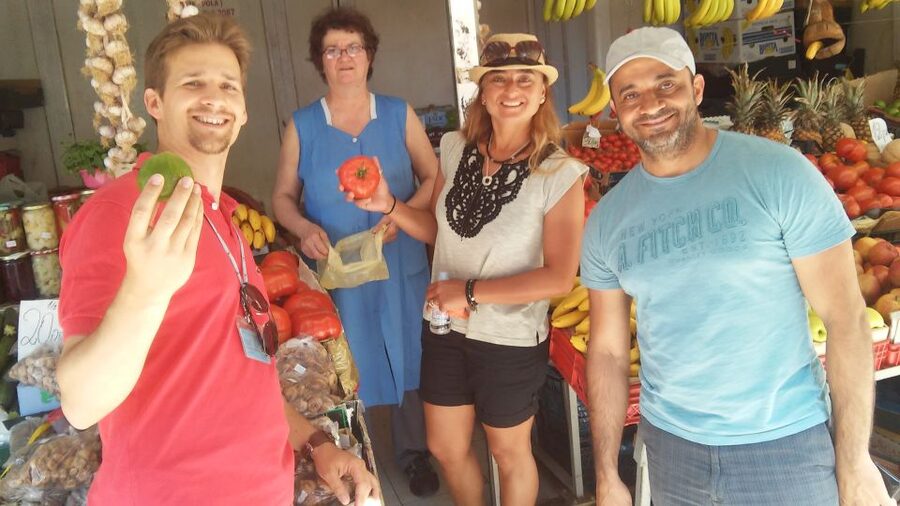
Between the markets, the group walks through the old streets of Split. This is where the food and sightseeing work best together. You may hear stories about the palace, medieval Split, and local customs while stopping for traditionally made prosciutto.
The route includes traditional recipes and explanations of how foods are prepared. That matters because a tasting is more useful when you learn why a dish exists, how it is served, and where it fits into local life.
Several guides, including Marta and Antonia, are praised for adding city facts and historical context without rushing the group. Jakov is noted for encouraging questions, while Slavko is described as personable and funny. The experience can therefore feel different depending on who leads it, but the guide is clearly central to its value.
The streets of the palace are uneven and the walk is entirely on foot. Comfortable shoes are important. Sunglasses and a sun hat are also recommended, especially during warmer months.
More Walking Tours in Split:
- Split: Old Town and Diocletian Palace Walking Tour
★ 4.9 · 4,727 reviews - Walking Tour of Split and Diocletian’s Palace
★ 5.0 · 2,588 reviews - Krka Waterfalls tour with Trogir Walking tour and Krka panoramic boat cruise
★ 5.0 · 1,659 reviews - Split & Diocletian’s Palace Walking Tour
★ 5.0 · 1,125 reviews
The chocolate shop with a world record connection
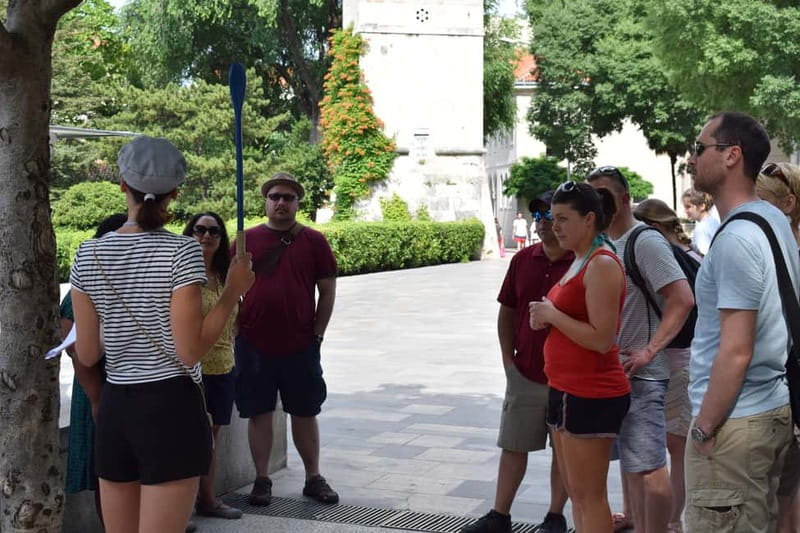
The route includes a chocolate shop visit and tasting. The shop is connected with a Guinness record for the largest chocolate bar in the world, giving this stop a playful change of pace after the market foods and cured meat.
This is not the most traditionally Dalmatian stop, but it makes sense in the sequence. The tour moves from savory foods to sweets, and the chocolate provides an easy bridge to the bakery that follows.
If you are looking for a strictly traditional food itinerary, this stop may feel less essential than the Green Market or Fish Market. If you enjoy variety, it adds another texture and flavor without turning the whole experience into a history lecture.
Rafiol cake at one of Split’s oldest bakeries
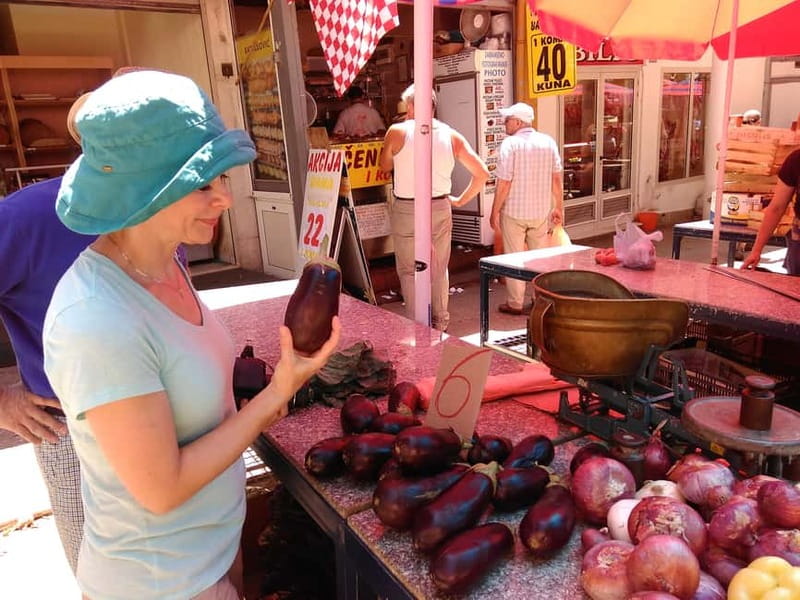
The next sweet stop is a local bakery, scheduled for about 15 minutes. Here you try rafiol, a traditional cake or pastry associated with the region.
The bakery matters as much as the food. The guide takes you to one of Split’s oldest bakeries, giving you a look at the kind of place that helps keep familiar recipes in daily use. The rafiol also gives the tour a distinctly local finish to its sweet section, rather than relying only on chocolate or generic pastries.
Some bookings describe more than ten different foods across the tour, including two types of traditional flatbread, prosciutto, candied citrus, nuts, and the market specialties. Portions are tasting-size, so you can sample broadly without being committed to a single large dish.
If you have dietary restrictions, ask about them before booking. The supplied information does not list substitutions or a set allergy policy.
Peškarija and the salty side of Dalmatian brunch
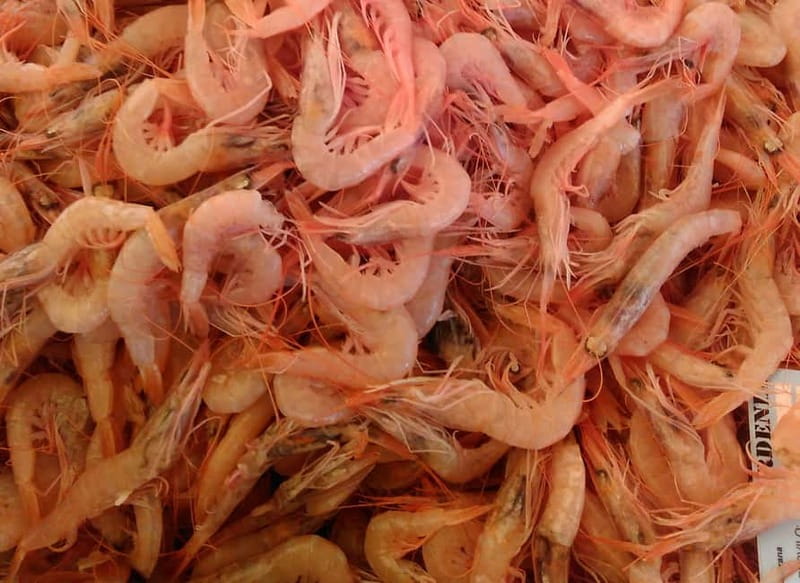
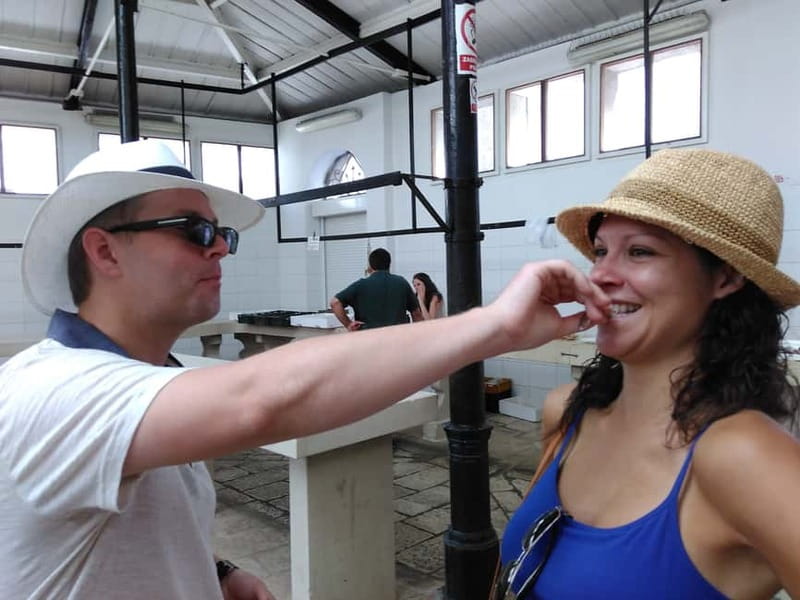
The Fish Market, known locally as Peškarija, is one of the most distinctive stops. It is described as the second-oldest fish market in Europe, with original benches more than 120 years old. You spend about 30 minutes here.
The point is not only to look at seafood. You learn how to eat salted anchovies, a traditional part of marenda, the Dalmatian mid-morning meal or brunch. This is the kind of detail I value on a food tour because it explains a habit, not just an ingredient.
Salted anchovies can be an intense taste, especially if you prefer mild food. Your guide provides context, which makes the sample easier to understand even if it is not your favorite bite. The stop also shows the practical side of coastal cooking, where preserving fish has long been part of local food traditions.
The Fish Market is a working place, not a staged attraction. Keep your expectations practical. You are visiting a market as part of a walking route, so conditions can be busy and the experience may be less polished than a sit-down tasting room.
A local bar and restaurant finish
The final part of the route includes a local bar and a local restaurant, with about 15 minutes at each stop. These locations help round out the market visits by showing how local foods can appear in more social settings.
The bar may be the point where a drink is offered, but again, the local wine detail needs confirmation. Several recent bookings specifically wished the wine were still included, even though the longer tour description refers to a glass. If that matters to you, ask the operator before payment.
At the restaurant, you should expect another tasting rather than a complete lunch. The value comes from variety and explanation. You get a sample of how Dalmatian food fits into an ordinary outing, then return to the Golden Gate.
The tour ends where it began, making it easy to continue sightseeing in the palace or head toward another part of central Split.
Is $64 a fair price?
At $64 per person, the tour is not the cheapest way to eat in Split. You could buy individual snacks at the markets for less. That comparison misses the main point, though. You are paying for a guide, several tastings, access to small local stops, traditional recipes, and a two-hour introduction to the city.
The price becomes more reasonable if you value explanation and organization. A guide helps you identify unfamiliar food, understand its place in Dalmatian life, and connect the markets to Diocletian’s Palace. You also avoid spending your first day guessing which stalls or bakeries are worth your time.
It is less compelling if you mainly want a large meal. The food comes in small portions, and optional purchases at the markets cost extra. Think of it as a guided tasting and orientation, not lunch.
I would schedule it early in your stay. That way you can return to the Green Market, Fish Market, bakery, or other recommended places with more confidence. Several people specifically wished they had taken the walk sooner so they could make better use of the suggestions.
Who will enjoy this walking tour?
I would recommend it to you if you like local food, short walks, market visits, and history delivered in manageable pieces. It suits first-time visitors who want a quick sense of Split’s cooking and old center before exploring independently.
It also works well for couples, families with older children, and small private groups. Children must be accompanied by an adult, and unaccompanied minors are not permitted.
The experience is not suitable for wheelchair users. The route through old streets and markets is on foot, and the supplied information does not promise step-free access.
You should also consider the weather. Wear comfortable shoes, and bring sunglasses and a sun hat. The tour lasts two hours, but the outdoor market sections can feel quite different in strong sun or less favorable conditions.
Booking details worth knowing
The meeting point is the Golden or North Gate, near the statue of Gregory of Nin. Look for the blue umbrella. Confirmation is provided at booking, and the tour is offered in English with either a private or small-group arrangement.
You can cancel up to 24 hours before the start for a full refund. The reserve-now, pay-later option lets you hold a place without paying immediately, which is useful when your Split schedule is still changing.
Before booking, I would ask two questions: Is the local wine currently included, and can the guide accommodate any food allergies or restrictions? The first point has changed or is described differently across the available information, and the second is not specified.
Should you book it?
Book this tour if you want a friendly, food-led introduction to Split rather than a formal palace tour or a full restaurant meal. Its strongest features are the Green Market, Peškarija, the mix of sweet and savory tastings, and guides such as Marta, Antonia, Jakov, and Slavko, who bring local stories to the walk.
Skip it if you need wheelchair access, dislike market settings, or want a substantial lunch for your $64. For most visitors who enjoy tasting several regional foods and learning how they fit into everyday Dalmatian life, it is a sensible first-day experience. Just confirm the wine arrangement and bring room in your schedule to revisit the places you like best.
FAQ
Where does the Split food tour start?
It starts at the Golden or North Gate, near the statue of Gregory of Nin. Look for the blue umbrella.
How long does the tour last?
The tour lasts two hours.
What foods can I expect to taste?
Tastings can include arancini, sugared almonds, soparnik, prosciutto, salted anchovies, traditional flatbreads, chocolate, rafiol cake, candied orange and lemon peel, and other regional foods.
Is wine included?
The tour description refers to a glass of local wine, but recent information also notes that wine may no longer be included. Confirm the current arrangement before booking.
Is the tour offered in English?
Yes. The live guide speaks English.
Can I book a private tour?
Yes. Private and small-group options are available.
Is the tour accessible for wheelchair users?
No. The tour is not suitable for wheelchair users.
What should I bring?
Bring comfortable shoes, sunglasses, and a sun hat. You may also want extra money for optional purchases at the markets.
New routes in Split
- Split: Walking tour of Split with a ‘Magister’ of History★ 5.0 · 110 reviews
- Split: Local History and Culture 90-Minute Walking Tour★ 5.0 · 194 reviews
- Split: Diocletian Palace & Old Town Guided Walking Tour★ 4.7 · 882 reviews
- Split: 1.5-Hour Walking Tour and Diocletian’s Palace★ 4.7 · 256 reviews
- From Split: Krka Waterfalls Cruise & Trogir Walking Tour★ 4.7 · 681 reviews
- Split: History and Heritage Walking Tour★ 4.9 · 650 reviews
- Diocletian’s Palace and Old Town SMALL GROUP Walking Tour★ 5.0 · 502 reviews
- Split: City Walking Tour w/ Game of Thrones Locations★ 4.9 · 318 reviews
Split Walking Tours, compared.
Walking Tour of Split and Diocletian’s Palace
Read our review →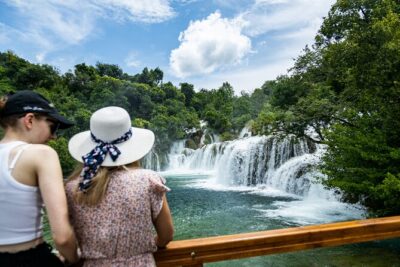
Krka Waterfalls tour with Trogir Walking tour and Krka panoramic boat cruise
Read our review →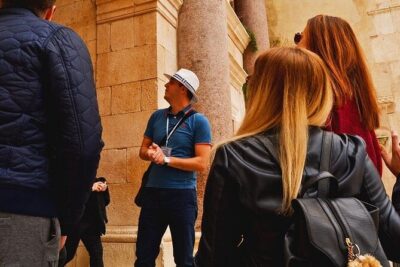
Walking Tour of Split with a ‘Magister’ of History
Read our review →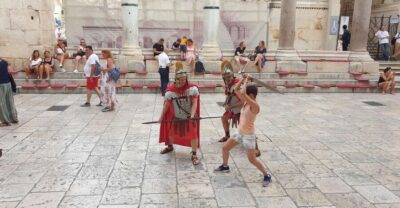
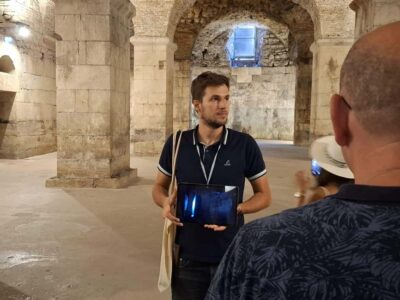

Local History and Culture 90-Minute Walking Tour
Read our review →Browse the lists this tour appears in