
Review · MUNICH
Discover Munich 2-Hour Small Group Walking Tour
Munich’s best introduction may be a walk that gives you both the postcard sights and the stories behind them. This two-hour route leads from Dachauer Straße toward the old town, with Marienplatz and its famous Rathaus-Glockenspiel as the main visual payoff. Along the way, you hear about churches, beer halls, festivals, local customs, and the darker chapters of the city’s past.
I like the practical restaurant and beer recommendations, which help you turn a short orientation walk into a better stay. I also like the range of guides, including Sam, Anna, Timmy, Leon, and Sarah, who have been praised for mixing humor with clear explanations. The main thing to consider is group size: it is described as a small group, but some departures have had more than 20 people, making it harder to hear in busy streets.
Key points at a glance
- Marienplatz finale: Time your walk well and you may see the Rathaus-Glockenspiel in action.
- Useful local advice: Get suggestions for beer halls, restaurants, foods to try, and other places to visit.
- Two-hour city orientation: Cover central Munich at a manageable pace without giving up half a day.
- More than pretty buildings: Hear about festivals, cultural habits, and difficult 20th-century history.
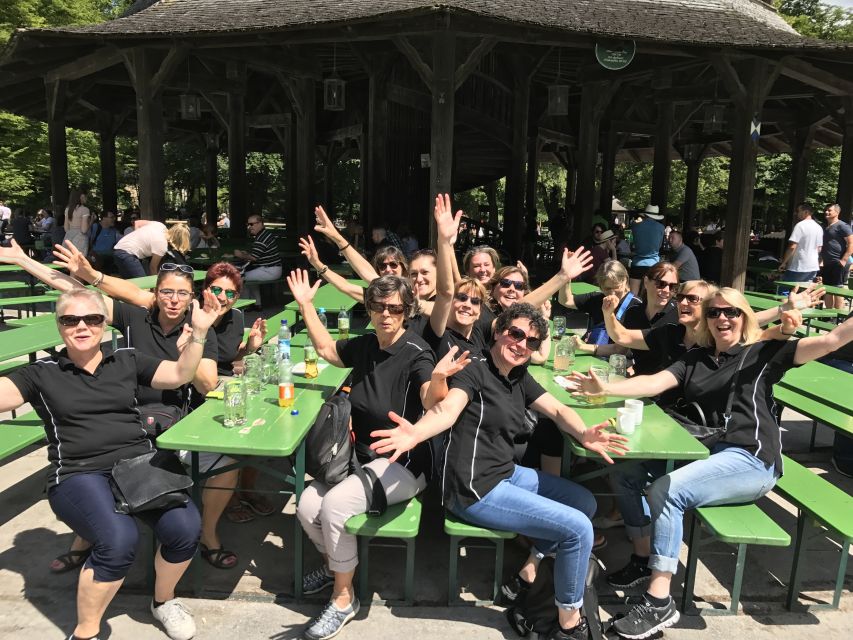
- Guide-led atmosphere: The strongest part of the experience is the human touch, with guides such as Timmy, Anna, Sam, and Leon praised for humor and clear storytelling.
- Small group, with a caveat: The average group is 10 to 15 people, though some outings have been larger.
Why this is a smart first walk in Munich
I would put this tour near the start of your Munich visit, ideally on your first or second day. Two hours is enough to learn the shape of the center, spot places you want to revisit, and ask questions before you commit to restaurants, museums, or beer halls.
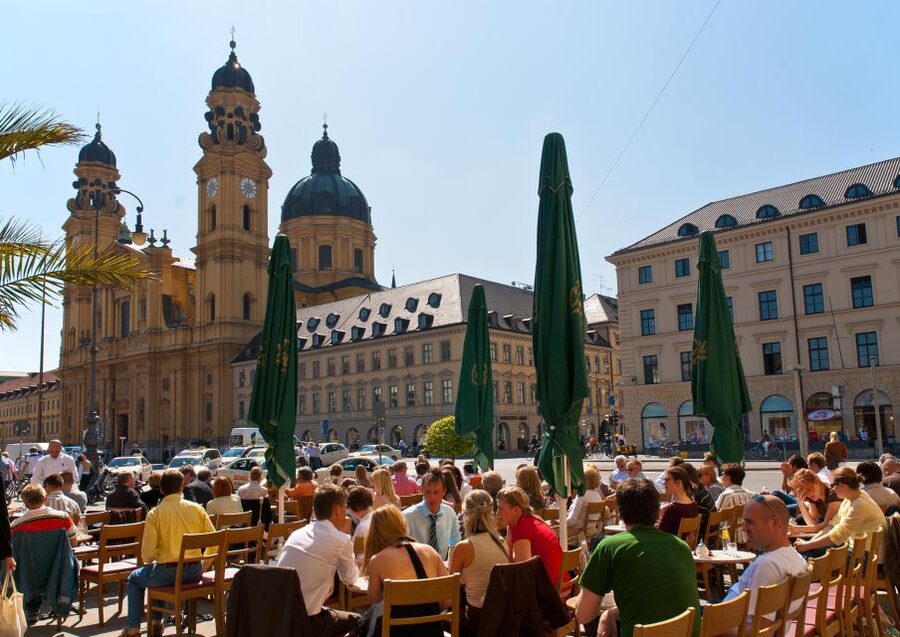
This is not a museum tour with long indoor stops. You walk through central Munich and pause while the guide explains what you are seeing. That format gives you a useful first look without asking you to sit still after a long train ride or flight.
The route also gives Munich some needed balance. You see grand façades and cheerful public squares, but you also hear about the sinister parts of 20th-century history. That matters here. A tour that only points at pretty buildings leaves out too much of what shaped the city.
The pace is usually easy enough for a broad range of ages. One guide was praised for keeping children engaged, while another was noted for making the material feel more like a conversation than a university lecture. You still need comfortable shoes, since this is a walking experience on city streets and pedestrian areas.
More Small-Group Walking Tours in Munich:
- Amsterdam Anne Frank: Small-Group Walking Tour & Local Guide
★ 4.8 · 12,789 reviews - Boston: Freedom Trail History Small Group Walking Tour
★ 5.0 · 6,450 reviews - New Orleans Food Walking Tour of the French Quarter with Small-Group Option
★ 5.0 · 6,118 reviews
Starting at Dachauer Straße 4
The meeting point is the local operator’s office at Dachauer Straße 4, 80335 Munich. The tour begins outside the old town, near the central station area, then heads toward the historic center.
That starting point is practical for many arrivals, but it is not the prettiest part of Munich. One person found the immediate area around the meeting point uncomfortable while waiting, so I would arrive, check the exact office location, and avoid lingering on nearby side streets. This is a useful bit of common sense rather than a reason to reject the tour.
Starting here gives the walk a sense of progression. You do not simply appear in Marienplatz and hear a list of facts. You move into the center and gradually connect modern Munich with its older core.
The route is described as returning to Dachauer Straße 4, though one outing was described as ending on a different side of the old town. Check the meeting details for your chosen departure, and do not assume the final point will be identical every time.
Marienplatz and the Rathaus-Glockenspiel
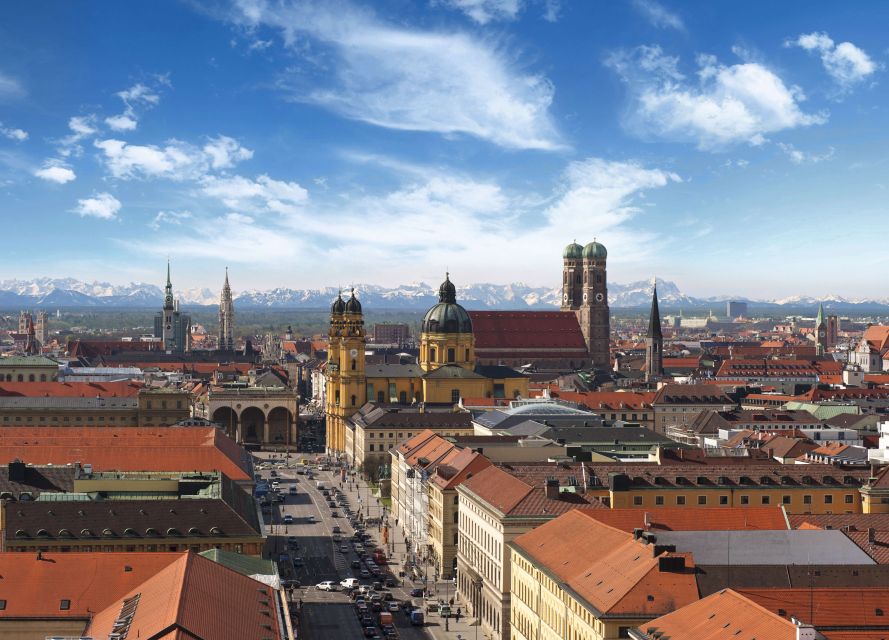
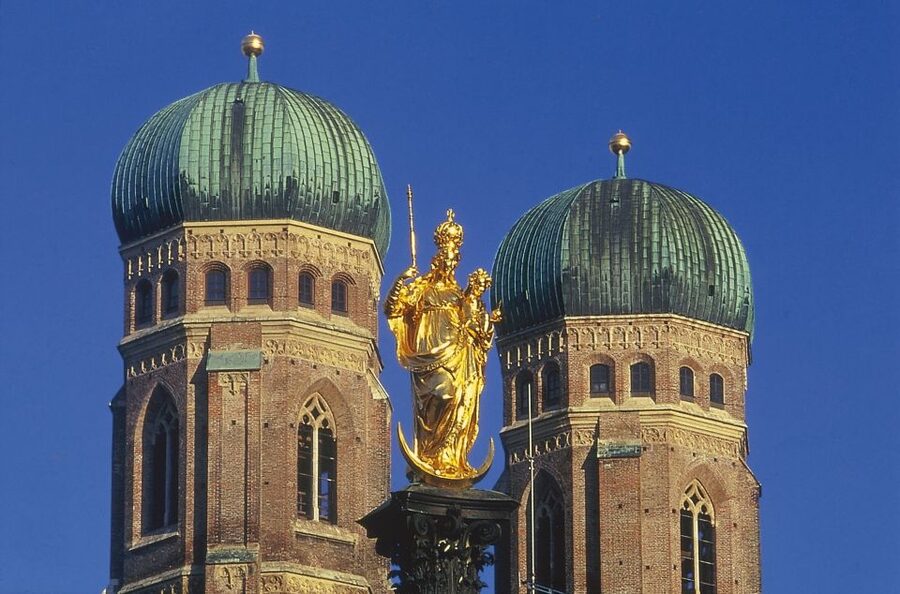
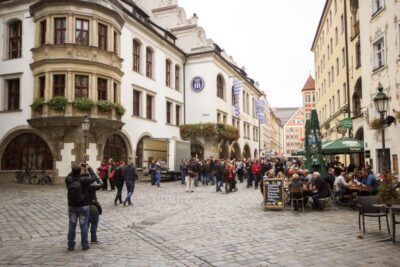
Marienplatz is the tour’s headline stop, and rightly so. This is Munich’s main central square, framed by the New Town Hall and its ornate tower. The Rathaus-Glockenspiel is the star attraction, with its moving figures and musical display.
Timing can make a real difference. One guide arranged the walk so the group reached the square for the clock display at noon. If you want the best chance of seeing it, check the departure time carefully and ask your guide how the schedule fits the performance.
The Glockenspiel is easy to treat as a quick photo stop, but a good guide gives it context. The tour helps you understand why the square matters to Munich and how its buildings fit into the city’s public life. You also have a chance to ask questions rather than simply take a picture and move on.
Marienplatz can be crowded, especially around the clock performance. A larger group may need extra care here, and staying close to the guide matters. If you have trouble hearing, move toward the front when the group stops.
Churches, architecture, and overlooked corners
The walk passes beautiful churches and important central buildings, with occasional stops in places that are not always prominent in standard guidebooks. The exact route can vary by guide and conditions, but the basic aim is clear: combine major sights with details you might otherwise walk past.
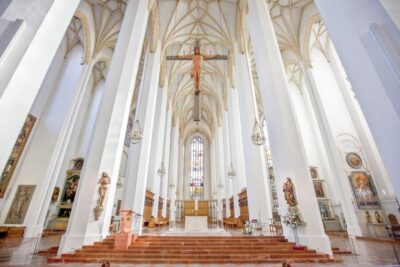
One guide allowed time to step inside some churches. That can be a welcome change from standing outside while traffic and city noise compete with the explanation. Still, do not expect a long church-by-church architectural study. The tour is an overview, not a specialist course in Bavarian art.
The value here is learning how to look. A guide may point out a detail, explain a local custom, or connect a building to a person or event. Afterward, you can return on your own if one particular church or square catches your interest.
Several guides have been praised for adding personal observations about life in Munich and German social customs. That kind of detail helps the city feel lived-in rather than frozen in a history textbook.
More Two-Hour Walks in Munich:
- Berlin’s Best: 2 Hour Walking Tour Third Reich and the Cold War
★ 5.0 · 5,486 reviews - Budapest City Landmarks Walking Tour in 2 Hours
★ 5.0 · 2,048 reviews - Leipzig: 2-Hour Guided Walking Tour in German
★ 4.8 · 1,612 reviews - Lucca: 2-Hour City Center Walking Tour
★ 4.7 · 1,314 reviews
Beer halls, restaurants, and what to eat next
The tour does not include food or drinks, so budget separately for anything you eat or drink afterward. That is not a problem for most people, since the real benefit is getting advice before you choose where to spend your evening.
You can ask where to find good beer halls, beer gardens, restaurants, and local foods to try. Guides have also suggested places to visit later, including a beer garden in the English Garden. Recommendations can vary by guide, so tell your guide what you want: a traditional meal, a casual drink, a family-friendly stop, or something away from the busiest central streets.
I would write down names as you go. Two hours gives you many suggestions, and it is easy to forget them by dinner. You can also ask for several choices instead of one favorite. A single recommendation may not fit your budget, location, or taste.
The tour is especially useful if Munich is your first stop in Germany. You can ask basic questions about eating hours, beer gardens, local habits, and what is worth booking. The guide’s advice will not replace a full food tour, but it can prevent a mediocre first meal.
Munich’s festivals and everyday culture
Munich is more than its buildings and beer. The walk includes discussion of festivals and cultural happenings, helping you understand how the city uses its public spaces and celebrates throughout the year.
This part will appeal to you if you want a sense of present-day Munich, not just dates and rulers. Guides have been praised for explaining cultural norms and for adding personal insight. That can make small details, such as how people use squares or approach social occasions, easier to understand.
The experience remains an overview, so the amount of cultural detail depends on the guide and the group’s questions. Some guides are especially story-driven, while others may spend more time on the city’s historic sights. If a particular festival or local custom interests you, ask about it directly.
The darker chapters of the city’s past
The tour also addresses some of Munich’s more sinister 20th-century history. This is an important part of the experience, even if it makes the walk less carefree.
The information provided does not promise a specialist political history tour or a visit to a memorial site. Instead, the difficult material is woven into a broader walk through the city. That approach gives you context without turning the entire two hours into a single-theme excursion.
I appreciate that balance. Munich’s pleasant squares, churches, and beer halls are only part of the story. A responsible introduction should make room for the city’s darker record, and this tour does.
If you want a more detailed examination of that subject, you would need a separate, dedicated visit or tour. This walk gives you a starting point and helps you recognize that the subject is part of Munich’s identity.
How the guides shape the experience
The guide matters a great deal here because the tour is built around explanation and conversation. The strongest guide names associated with the experience include Sam, Anna, Timmy, Leon, Sarah, Patrick, Dan, Connie, and Adrian.
Timmy has been praised for clear speech, humor, and careful group management, including on a departure of 24 people. Sam has been especially good at mixing passion, stories, and family-friendly energy. Anna has been praised for strong historical explanations and personal insights, while Leon has been described as funny, down-to-earth, and entertaining.
That does not mean every departure will feel identical. A walking tour is shaped by the person holding the flag or gathering the group. Some guides may emphasize architecture, some local life, and others major events.
The useful common thread is approachability. Guides have answered random questions, stayed after the walk to help, and offered advice for the rest of a Munich stay. You should take advantage of that. Ask about your next meal, a museum, a beer garden, or the best way to spend an open afternoon.
Group size, pace, and weather
The average group is described as 10 to 15 people, which is a good size for a city walk. It gives you a better chance to hear the guide and ask questions than a large coach group.
The number is not guaranteed. Some departures have reached 24 or 25 people. That changes the feel of the outing, especially in narrow streets or crowded squares. If you are sensitive to noise or want constant access to the guide, stand near the front and stay alert when the group moves.
The pace has generally been described as comfortable. One person liked the easy rhythm and the chance to enter churches, while another said the group saw many parts of the city at a good speed. The tour still moves steadily, so wear shoes suitable for two hours on foot.
Rain does not automatically ruin the experience. A guide kept the group in drier spots during a downpour, and another tour went ahead despite heavy rain. Even so, weather will affect how enjoyable the walk feels. Bring a rain jacket or sun protection according to the forecast. There is no indoor meal break built into the tour.
Is $27 a fair price?
At $27 per person, this is a sensible price for a two-hour introduction, especially if you use the recommendations afterward. You are paying for a live English-speaking guide, a planned central route, local advice, and the chance to ask questions in real time.
The value is strongest for first-time visitors. A good orientation can save time later, help you choose where to eat, and show you which sights deserve a return visit. It also gives you a basic map in your head, which is more useful than simply collecting isolated facts.
It is less suitable if you already know central Munich well or want long interior visits. You also need to pay for your own food and drinks, and a larger-than-expected group can reduce the personal feel.
Flexible booking helps here. You can reserve now and pay later, and cancellation is available up to 24 hours before the tour for a full refund. The activity is listed as wheelchair accessible, though the exact street conditions and group route are still worth confirming if you have specific mobility needs.
Who should book this Munich walk?
I would recommend it to first-time visitors, couples, families, solo visitors, and anyone arriving in Munich without a firm plan. It is also a good choice if you like history but prefer stories and conversation to a formal lecture.
Families may appreciate the short length and the guide-led storytelling. Food-minded visitors will benefit from the restaurant and beer advice. People who want a serious account of 20th-century history should treat this as an introduction, not a complete study.
I would think twice if your main goal is a private experience. The group can be larger than advertised as an average, and busy city streets can make it harder to hear. A private guide would offer more control, but likely at a higher price.
Final verdict: book it for orientation and local advice
Book this tour if you want to get your bearings, see Munich’s central highlights, and leave with a short list of places to eat and drink. The best departures combine Marienplatz, the Glockenspiel, churches, beer halls, local customs, and serious history without making the two hours feel heavy.
Do it early in your stay, arrive ready to walk, and ask plenty of questions. The main caution is group size, not the route or subject matter. For $27, this is a practical first look at Munich, with enough personality to help you decide what deserves more of your time.
FAQ
Where does the Munich walking tour begin?
Meet at the local operator’s office at Dachauer Straße 4, 80335 Munich.
How long does the tour last?
The guided walking tour lasts two hours.
What language is the tour conducted in?
The live tour guide speaks English.
Does the tour include food or drinks?
No. Food and drinks are not included, but the guide provides suggestions for restaurants, beer halls, beer gardens, and foods to try.
Will I see the Rathaus-Glockenspiel?
The route includes Marienplatz, where you can see the Rathaus-Glockenspiel. Some departures are timed to reach the square for the clock display, so check the start time if seeing it operate is important to you.
How many people are usually in the group?
The average group size is 10 to 15 people. Some departures have been larger, including groups of about 24 or 25 people.
Is the tour wheelchair accessible?
Yes. The activity is listed as wheelchair accessible.
New routes in Munich
- Munich: Walking Tour Old Town and Viktualienmarkt★ 4.7 · 839 reviews
- Munich: Raven Black Witches and Executioners Walking Tour★ 4.7 · 294 reviews
- Munich Old Town – Guided Walking Tour in English★ 4.7 · 153 reviews
- Munich: Birthplace of the Third Reich Guided Walking Tour★ 4.6 · 771 reviews
- Munich: Old Town Guided Walking Tour★ 4.6 · 479 reviews
- Munich : Private Walking Tour with A Guide (Private tour)★ 4.5 · 85 reviews
- Munich: Guided Food Walking Tour with Beer Tasting★ 4.7 · 183 reviews
- Munich: Old Town Walking Tour★ 4.7 · 589 reviews
Munich Walking Tours, compared.
Old Town & Viktualienmarkt City Walk in German
Read our review →
Munich Ghosts and Spirits Evening Walking Tour
Read our review →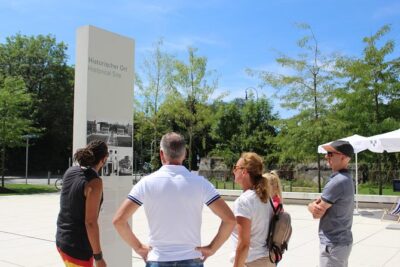

Birthplace of the Third Reich Guided Walking Tour
Read our review →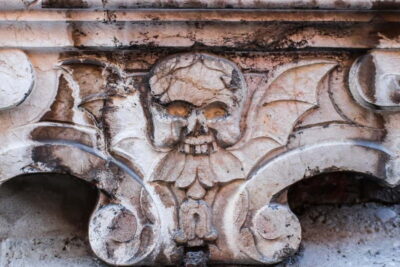
Raven Black Witches and Executioners Walking Tour
Read our review →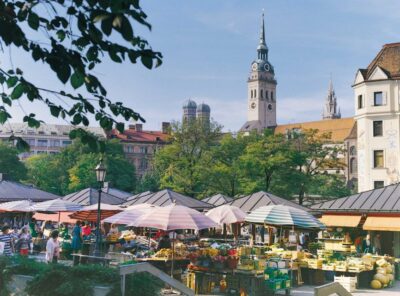
Browse the lists this tour appears in