
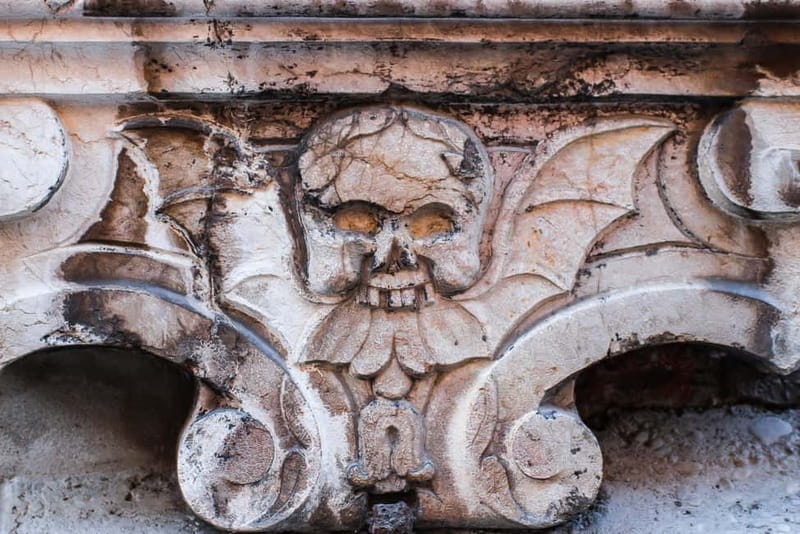
Review · MUNICH
Munich: Raven Black Witches and Executioners Walking Tour
Munich’s southern old town has more than grand churches and beer halls. This 105-minute walk takes you through the Hackenviertel and Angers quarter, where witches, executioners, gravediggers, and other outcasts once lived on society’s edge. I like the focus on real streets and specific places, not a string of vague ghost tales. I also like the route from Frauenkirche to Sendlinger Tor, which gives you a useful look at the old center as you follow its darker stories.
The main catch is language: the live tour is in German, even though the booking information is available in English. Guides such as Dhruv have helped English speakers and can speak English, but you should not book this expecting a standard English-language tour. The subject matter and pace also suit adults and older teenagers more than young children.
Key points to know before you book
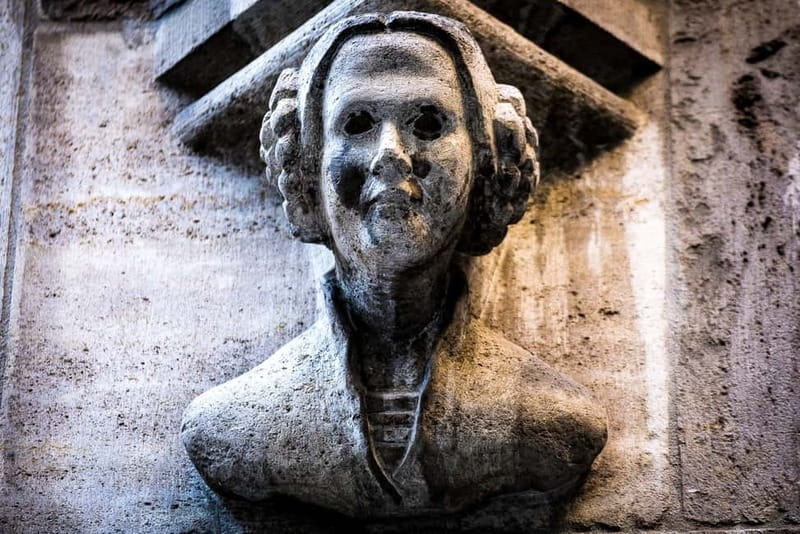
- Witches, hangmen, and gravediggers: Hear about the people who handled death, punishment, and other work respectable citizens avoided.
- A southern old town route: Walk from the main entrance of Frauenkirche to Sendlinger Tor, crossing the Hackenviertel and Angers quarter.
- German-language storytelling: The guide speaks German, though Dhruv and other guides may offer help in English.
- A short, focused evening-style outing: The tour lasts about 105 minutes, long enough for several stops without taking over your day.
- A small souvenir included: You receive a modest gift at the end of the experience.
- Adults and older teens only: Children under 14 are not permitted.
Munich after dark, without leaving the city center
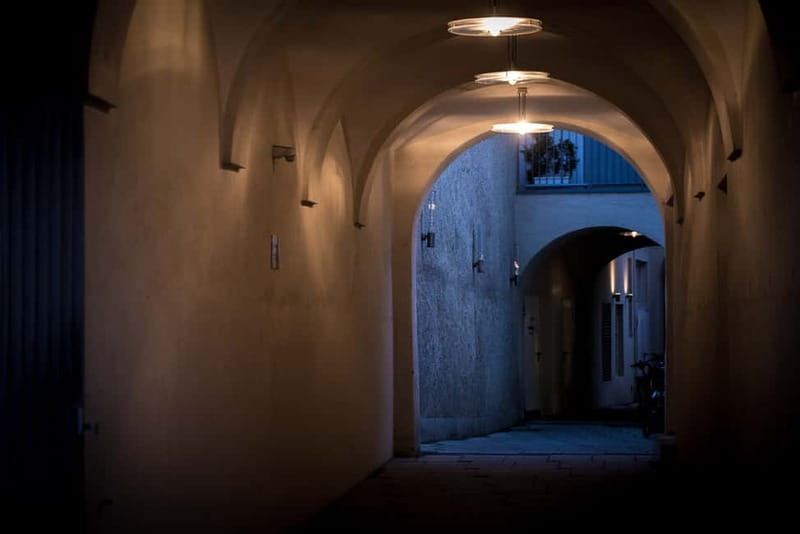
This tour deals with the parts of medieval city life that polite civic history often softens. You hear about punishment, death, superstition, prostitution, and the people assigned to unpleasant jobs. The point is not simply to frighten you. It is to show how Munich worked when daily life was much closer to violence and death.
I like this kind of walking tour because the streets do much of the teaching. You are not shut inside a museum or watching a staged performance. You move through the southern old town, crossing the Hackenviertel and Angers quarter while the guide links today’s streets with older fears and customs.
The stories center on people who were pushed to the edge of society. Executioners, gravediggers, witches, and prostitutes were treated as necessary but suspect. Their work kept the city functioning, yet their presence could make respectable citizens uneasy. That tension gives the walk more substance than a simple collection of spooky legends.
The tour is also a useful choice if you have already seen Munich’s major sights. You begin at one of the city’s best-known landmarks, Frauenkirche, but then look at the streets around it through a very different lens. The same old town can feel familiar by day and unsettling when the guide points out where ravens circled or where an executioner might have used an axe.
More Ghost Walking Tours in Munich:
- Munich Ghosts and Spirits Evening Walking Tour
★ 5.0 · 1,900 reviews - New Orleans Premier Ghost, Voodoo and Vampire Walking Tour
★ 4.5 · 12,856 reviews - London: The Original Jack the Ripper Walking Tour
★ 4.7 · 7,833 reviews
Starting between the Frauenkirche towers
Meet in front of the main entrance to Frauenkirche on Frauenplatz, between the church’s two towers. This is a clear central meeting point, but give yourself enough time to find the exact entrance area, especially if the square is busy.
The location works well for the subject. Frauenkirche represents Munich’s grand public face, while the tour quickly turns toward people and places that official civic life preferred to keep out of sight. That contrast is part of the appeal.
From here, the guide begins setting the tone. You can expect stories about devils, sorcerers, damned souls, and the dishonest occupations of the Middle Ages. The wording may sound theatrical, but the walk is rooted in specific locations across the old town.
If you are meeting friends, Frauenplatz is easier than a small side street. It also gives you a simple landmark for the return at the end. The activity finishes back at the same meeting point, so you do not need to arrange transport from a distant neighborhood.
Crossing the Hackenviertel and Angers quarter
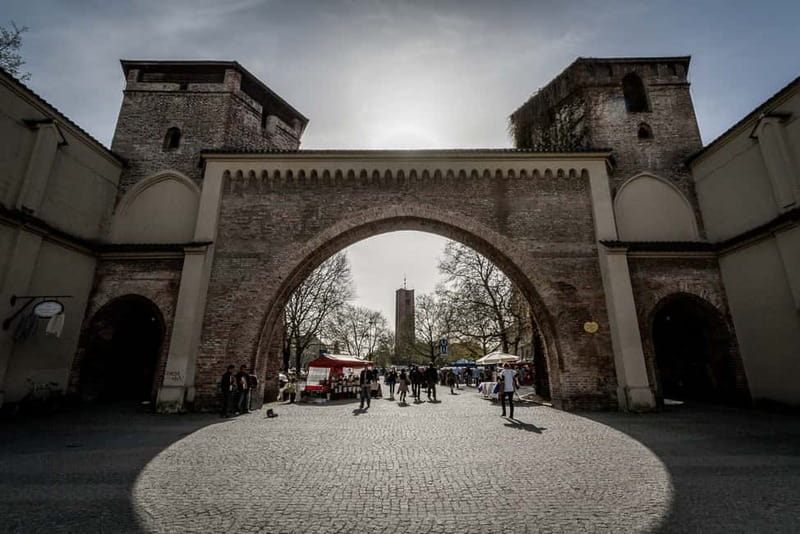
The route heads through Munich’s southern old town, especially the Hackenviertel, with the Angers quarter also part of the walk. You criss-cross the area rather than following a straight sightseeing line. That matters because the guide uses several streets and places to build a connected picture of the old city.
The walk includes the Hofstatt area within the Hackenviertel. You should expect a mix of lively modern city life and stories tied to older, less polished chapters. This contrast is one reason the tour feels more interesting than a lecture delivered in a single square.
The guide points out places connected with the gravedigger’s spade, circling ravens, and the executioner’s hatchets. These details give the route a physical shape. Instead of hearing only that medieval Munich feared death, you hear where certain work happened and how the city marked or remembered it.
The information provided does not promise access to interiors or archaeological remains at every stop. This is an outdoor walking tour, so its value comes from the guide’s storytelling and the streets themselves. If you want a tour packed with grand interiors, this is not the right choice. If you enjoy seeing ordinary streets in a new way, the route makes good use of Munich’s center.
Meeting the city’s unwanted workers

The strongest part of the experience is its attention to people with dirty hands. Executioners and gravediggers performed tasks the city needed but did not fully accept. The tour explores that uncomfortable social position and explains why these workers could remain apart from respectable citizens.
You also hear about witches and sorcerers, along with souls considered damned. The subject is not presented as a clean division between good citizens and villains. Instead, the stories show how fear, rumor, punishment, and social rules shaped the lives of people who did not fit accepted roles.
The tour also touches on prostitutes and the rogue rabble that made streets feel unsafe after respectable citizens went home. This broadens the subject beyond witch trials. You get a look at nightlife, public order, sexual morality, and the ways cities tried to control people seen as dangerous or shameful.
I find this focus useful because it adds human detail to Munich’s past. You are not only hearing about rulers and churches. You are hearing about workers, accused outsiders, and people who dealt with the consequences of law and superstition.
Do keep your expectations in check. The experience is described through mysteries and legends, so not every story should be treated like a verified court record. A good guide will help you enjoy the atmosphere while keeping the difference between documented events and local lore clear.
More Walking Tours in Munich:
- Munich: Third Reich & WWII Walking Tour
★ 4.6 · 6,181 reviews - Third Reich Walking Tour Munich
★ 4.5 · 4,291 reviews - Munich: Old Town & Viktualienmarkt City Walk in German
★ 4.7 · 2,304 reviews - Munich: Night Watchman Walking Tour
★ 4.7 · 2,092 reviews
Cursed places and uncomfortable stories
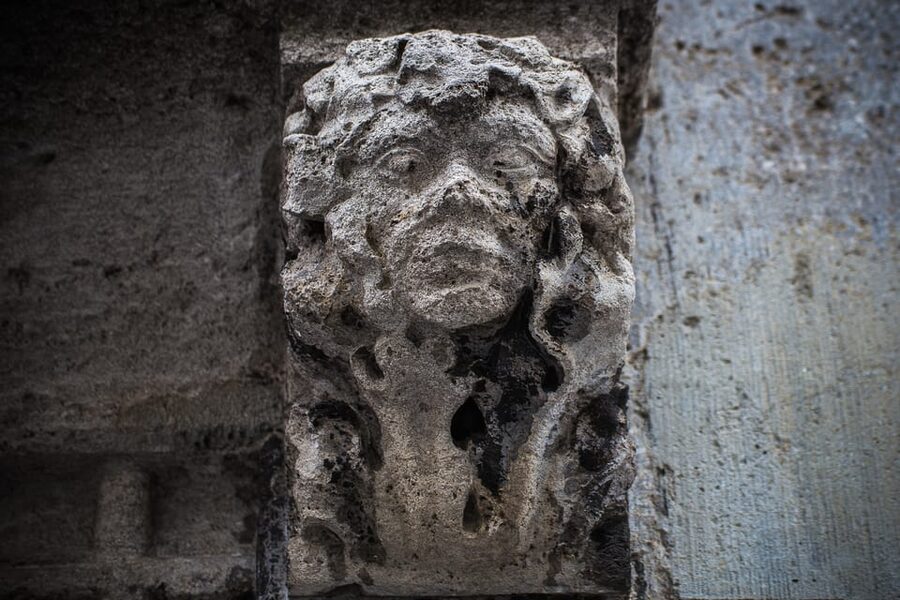
Several stops deal with places believed to be cursed or connected to frightening events. The guide explains what happened there and why the spot gained an ominous reputation. This is where the walking format earns its price. A story tied to a street corner is easier to remember than the same tale heard without a physical setting.
You will hear where ravens were said to gather and where the city’s executioners worked or handled their tools. These images are grim, but they help you understand how visible death once was. Punishment was not hidden in a modern prison system, and the people responsible for it could be both feared and shunned.
The tour also looks at the hours when good citizens retired for the night. That phrase captures the social divide at the heart of the walk. After dark, other people occupied the streets, including those who worked outside respectable trades and those who survived through crime or vice.
This is not a haunted-house attraction with actors jumping out at you. The mood comes from the subject, the old streets, and the guide’s delivery. If you want theatrical scares, you may find the format too restrained. If you prefer local stories with a historical setting, the approach is more satisfying.
What the German-language format means
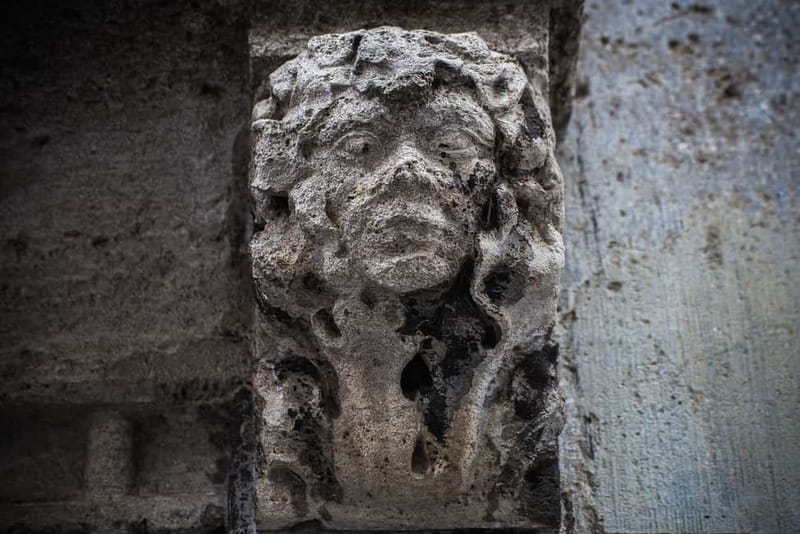
The live guide speaks German. This is the single most important practical point before booking. The tour may appear in an English-language booking environment, but the actual commentary is not normally in English.
English speakers are not automatically left without help. Dhruv has spoken English and worked with participants facing a language barrier. Another guide was praised for speaking clear German that non-native speakers could follow. Still, these examples should not be treated as a guarantee that the full tour will be repeated in English.
If you understand conversational German, this can be a good way to hear the stories in the language of the city. If your German is limited, contact the provider before booking or be ready for a partial understanding supported by visual clues and familiar terms.
I would not choose this as your main introduction to Munich if you speak no German and want every detail. I would consider it if you enjoy atmosphere, can follow some German, or have confirmed that the guide assigned to your date can offer language help.
The guides receive strong marks for being friendly, clear, and willing to answer questions. That matters here because the tour depends on narration. A quiet, rushed guide would weaken the whole experience, while an engaging guide can make even a simple street corner feel charged with meaning.
Is $25 a fair price for 105 minutes?
At $25 per person, the tour sits in a reasonable range for a guided city walk. You are paying for about an hour and 45 minutes with a local guide, a planned route through several old-town areas, and stories you would be unlikely to connect on your own.
The value is strongest if you already enjoy walking tours and unusual city history. You are not paying for admission to a major monument, a meal, or a large production. You are paying for interpretation. The guide turns streets near Frauenkirche, Hofstatt, and Sendlinger Tor into a connected story about fear, punishment, and social outsiders.
A small gift is included. It will not change the financial calculation, but it is a pleasant extra rather than a central reason to book.
The price is less convincing if you are mainly looking for a traditional Munich overview. This tour does not replace a general city orientation. It has a narrow theme and spends its time on unpleasant or mysterious subjects. I would book it as a second tour, or as a first tour only if this is exactly the side of Munich you want to see.
You can reserve now and pay later, which helps if your schedule is still shifting. Free cancellation is available up to 24 hours before the start time for a full refund. Check the available starting times when you book, since the exact schedule is not fixed in the basic tour information.
Who will enjoy this walk most?
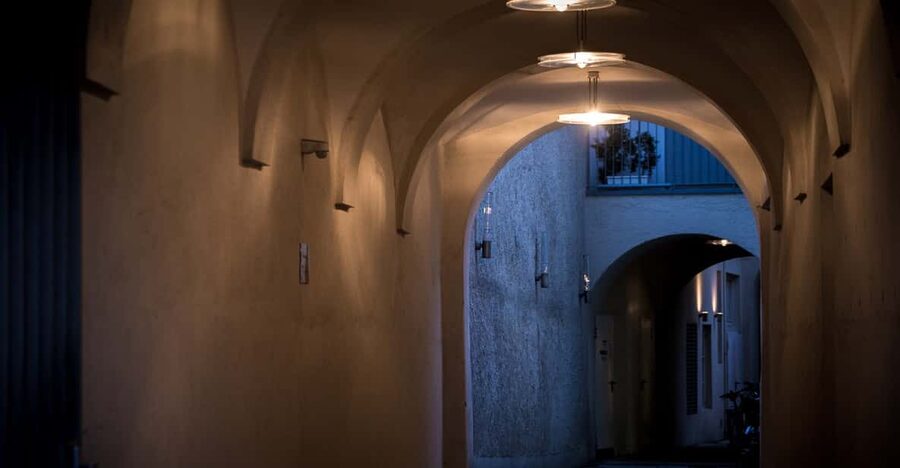
I would recommend it to adults who like folklore, crime, punishment, and the social history of cities. It also suits anyone who has already seen Munich’s main landmarks and wants a less polished view of the old center.
The tour can work for German learners because you hear the language in a clear local setting and can match the stories to the streets. That said, you should be realistic about how much you will understand. The guide’s ability to help in English may vary by date.
The activity is wheelchair accessible, which makes the city-center route more broadly usable. You may still want to confirm the exact route conditions for your date if street surfaces or temporary city works matter to you.
Children under 14 are not allowed. That rule makes sense given the subjects: executions, death, curses, prostitution, and social violence. Older teenagers may appreciate it, but the adult tone is clear.
How to make the most of the 105 minutes
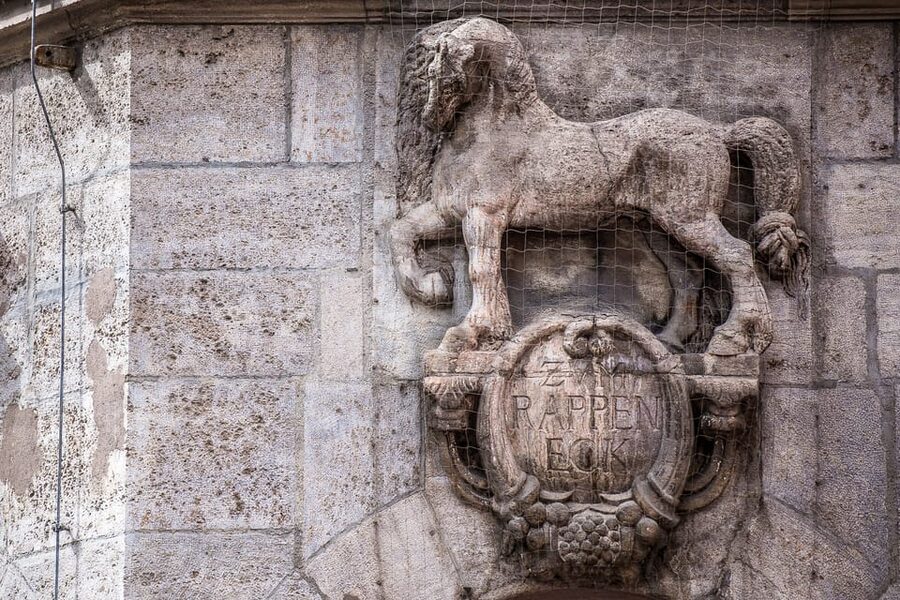
Arrive at Frauenkirche with a little spare time. The meeting point is in front of the main entrance between the two towers, and starting calmly is better than joining while the first story is underway.
Wear shoes suitable for city walking. The distance is not described as strenuous, but the tour crosses several areas and lasts nearly two hours. You will get more from it if you can listen rather than worry about tired feet.
If German is not your first language, tell the guide at the start. Guides such as Dhruv have helped English speakers, and one guide was noted for clear German. Asking early gives the guide a chance to explain how best to follow along.
Keep your phone away unless you need it for navigation. The point of the route is to connect stories with real places, and you will miss some of that effect if you are constantly checking a screen.
Finally, let the tour remain what it is: a dark, story-led walk through central Munich. It is not a formal academic seminar, and it is not a horror show. Its best moments come when an ordinary street acquires a disturbing past.
Should you book Munich’s Raven Black Witches and Executioners walk?
Book it if you want Munich’s uncomfortable history, enjoy local legends, and can follow a German-language guide. The route is central, the price is fair, and the focus on executioners, witches, gravediggers, and other outsiders gives you a side of the city that standard sightseeing rarely covers.
Think twice if you need a full English tour, dislike grim subjects, or want interior visits and major monuments. The language issue is real, even though helpful guides may speak English. For the right audience, this is a thoughtful and atmospheric way to spend 105 minutes. For everyone else, choose a general Munich walk instead.
FAQ
Where does the tour begin?
It begins in front of the main entrance to Frauenkirche on Frauenplatz, between the two towers.
Where does the tour finish?
The tour ends back at the starting point near Frauenkirche.
How long does the walking tour last?
The tour lasts 105 minutes, or about 1 hour and 45 minutes.
What language is the tour conducted in?
The live tour is conducted in German.
Can English speakers join the tour?
Yes, English speakers can join, but the standard tour language is German. Guides such as Dhruv speak English and may help with the language barrier, though an English-language tour is not guaranteed.
Is the tour suitable for children?
No. Children under 14 are not permitted.
Is the activity wheelchair accessible?
Yes, the activity is listed as wheelchair accessible.
How much does the tour cost?
The listed price is $25 per person.
Can I cancel the booking?
Yes. You can cancel up to 24 hours in advance for a full refund. You can also reserve now and pay later.
New routes in Munich
- Munich: Walking Tour Old Town and Viktualienmarkt★ 4.7 · 839 reviews
- Munich Old Town – Guided Walking Tour in English★ 4.7 · 153 reviews
- Munich : Private Walking Tour with A Guide (Private tour)★ 4.5 · 85 reviews
- Munich: Birthplace of the Third Reich Guided Walking Tour★ 4.6 · 771 reviews
- Munich: Old Town Guided Walking Tour★ 4.6 · 479 reviews
- Munich: Guided Food Walking Tour with Beer Tasting★ 4.7 · 183 reviews
- Munich: Old Town Walking Tour★ 4.7 · 589 reviews
- Discover Munich 2-Hour Small Group Walking Tour★ 4.6 · 491 reviews
Munich Walking Tours, compared.
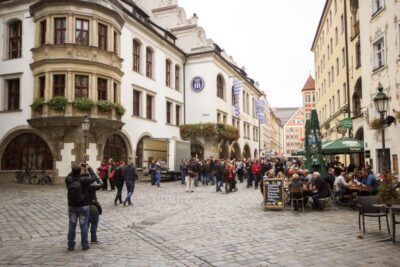

Old Town & Viktualienmarkt City Walk in German
Read our review →
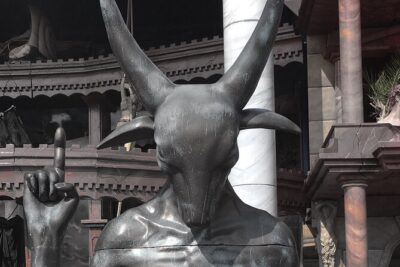
Munich Ghosts and Spirits Evening Walking Tour
Read our review →

Birthplace of the Third Reich Guided Walking Tour
Read our review →
Discover Munich 2-Hour Small Group Walking Tour
Read our review →
Browse the lists this tour appears in