
Review · TOKYO
Tokyo: Tsukiji Fish Market Guided Walking Tour
Tsukiji is best understood one bite at a time. This two-hour walk takes you from the carved facade of Tsukiji Hongwanji to the crowded lanes of the outer market, where seafood, dried goods, sweets, beef, and Japanese cooking staples fill the stalls. The guide turns a confusing food maze into a manageable route.
I like the choice built into the food stops: you can order only what appeals to you rather than accept a fixed menu. I also like the small groups, capped at 10, and the cultural background supplied by guides such as Rie, Jim, Yayoi, Sayaka, and Haydn. The main drawback is simple: food and drinks are not included, and popular items can add up quickly.
Key points to know before you go
- Tsukiji Hongwanji comes first: Allow about 15 minutes for the temple, its carvings, and an introduction to Japanese religious culture.
- The outer market gets most of the time: Roughly 100 minutes are spent visiting food stalls and shops.
- You choose what to eat: Try items such as tamago, oysters, sushi, wagyu beef, eel, sea urchin, sweets, and sake, but pay each vendor separately.
- A guide is especially useful here: The lanes can feel confusing, and your guide can point out good stops, explain ingredients, and help with ordering.
- Bring cash: It is specifically required advice for this activity, and food purchases are extra.
- The meeting point is easy to find: Meet at the Starbucks in front of Tsukiji Station, by the bench.
Why a guide helps at Tsukiji
You can walk through Tsukiji Outer Market on your own, but the first few minutes can feel like a test of nerve and appetite. Shops sit close together, menus may be unfamiliar, and the best choice is not always the stall with the biggest sign. A guide gives you a route and a reason for each stop.
This is not simply a march from one food counter to the next. Your guide explains the role of seafood, preserved foods, spices, sweets, and other ingredients in Japanese cooking. That context changes the experience. A piece of dried fish becomes part of a pantry tradition, not just a salty snack. A tamago omelet becomes a small lesson in technique and presentation.
The group limit of 10 matters. It is small enough for questions and for the guide to keep everyone together in tight lanes. Several guides named in the feedback, including Jim, Rie, Yayoi, Haydn, Minori, Sayaka, Nicolas, and Shino, were praised for explaining food and culture clearly. The exact guide depends on the departure, but the format gives you personal help rather than a lecture delivered to a large crowd.
Guides also help with the practical side of eating. You may need to decide what to order, understand a portion, or manage several purchases at different counters. Some participants were taken to favorite stalls, helped with payments, or shown which foods suited their preferences. That is useful if you are cautious about seafood, have limited time, or simply do not want to make every decision alone.
More Market Walking Tours in Japan
- Tokyo Tsukiji Fish Market Food and Culture Walking Tour
★ 5.0 · 3,184 reviews - Tokyo: Tsukiji Fish Market Food and Walking tour
★ 5.0 · 1,724 reviews - Tsukiji Fish Market Small-Group Food Walking Tour
★ 5.0 · 621 reviews
Starting at Tsukiji Hongwanji Temple
Meet your guide at the Starbucks Coffee in front of Tsukiji Station. The guide waits near the bench outside, so look for that specific spot rather than wandering toward the market first.
From there, the walk takes about five minutes to Tsukiji Hongwanji. The temple visit lasts around 15 minutes. This is a smart opening because it gives the food market a cultural setting before the noise and movement begin.
Hongwanji is known for its detailed carvings and calm interior. Your guide explains the temple and its place in the area, with some guides also discussing Japanese beliefs and religious customs. One useful detail from this part of the walk is that sake rituals and local traditions may come up later when food and drink are discussed.
Do not expect a long temple tour. Fifteen minutes is enough for an introduction, a look at the architecture, and a pause before entering the market. If you want a quiet, extended visit for personal reflection or detailed architectural study, this tour moves on fairly quickly. Its purpose is to connect the temple with the neighborhood, not replace a dedicated temple visit.
Entering the Tsukiji Outer Market
After another five-minute walk, you reach the Tsukiji Outer Market. This is the heart of the activity, with about 100 minutes devoted to market browsing, food stops, and conversation.
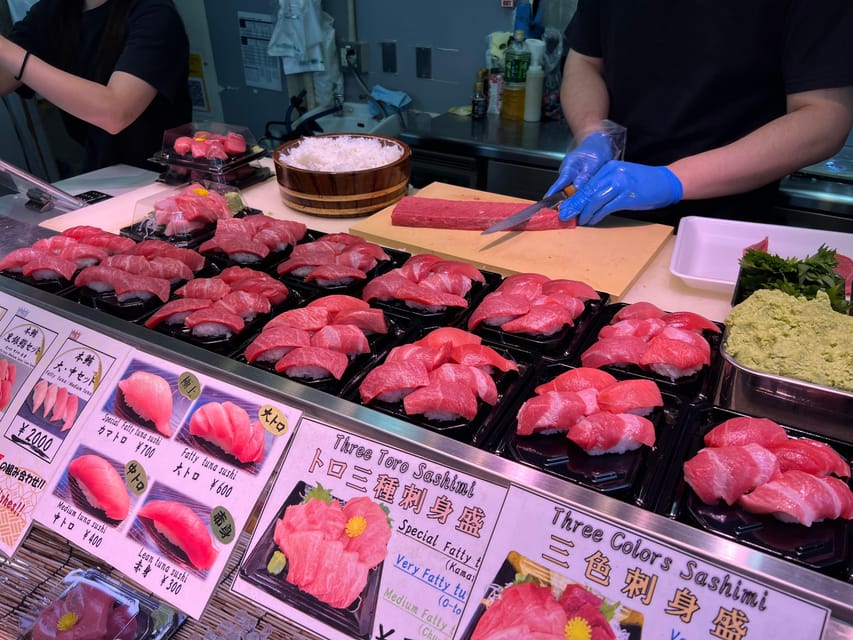
The old wholesale fish market moved to Toyosu, but Tsukiji’s outer market remains a major food district. The experience here is about retail stalls and local ingredients. You might see fresh seafood, vegetables, dried fish, scallops, nuts, spices, sweets, and other goods used in Japanese kitchens.
Your guide explains what you are seeing and how it is used. This is where the walk becomes more than a snack crawl. You learn why certain ingredients matter, how seafood is presented, and how traditional food culture appears in everyday shopping.
The market can be crowded, even on a weekday morning. That makes a guide more valuable, but it also means you should expect a lively, close-quarters walk rather than a relaxed stroll. Stay near the group and keep your belongings under control. The guide’s job is partly to get you through the lanes without wasting your limited two-hour window.
What you can eat, and how the food works
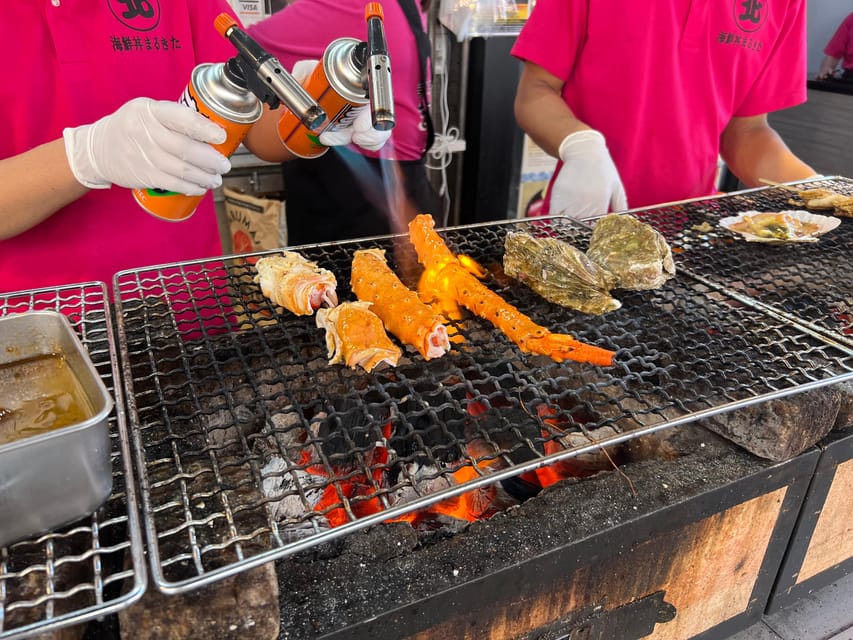
The food is flexible. You do not receive a set tasting menu, and the tour price covers neither food nor drinks. At each stall, you decide what you want and pay for it separately.
Possible tastes mentioned during the walk include:
- Tamago, the sweet Japanese omelet
- Sushi and sashimi
- Oysters and other seafood
- Fatty tuna
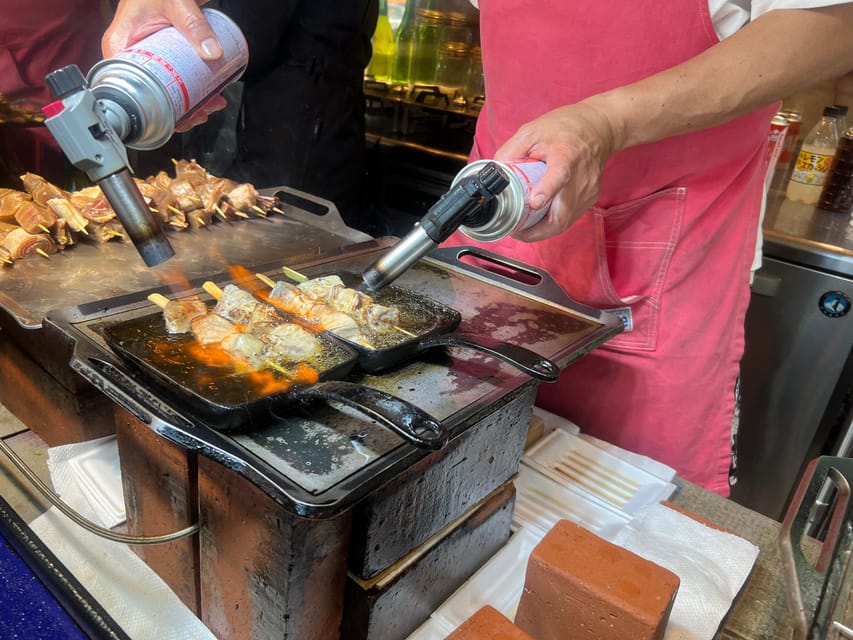
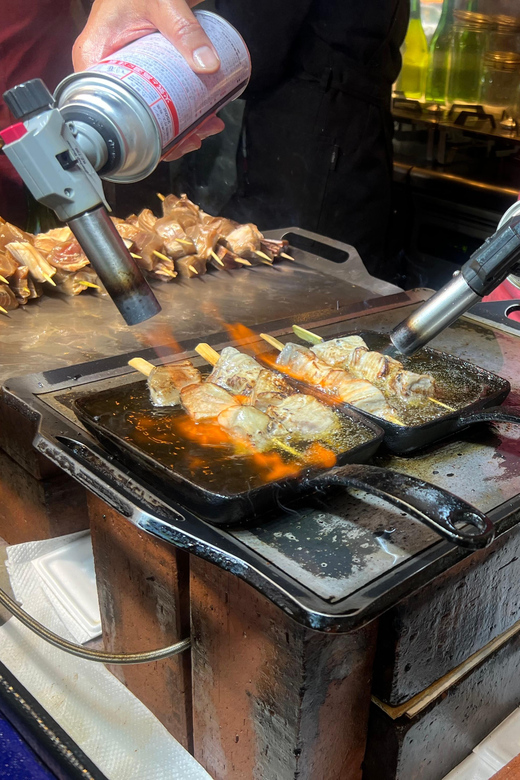
- Wagyu beef skewers
- Unagi eel
- Sea urchin
- Dried fish, shrimp, and scallops
- Nuts and other snacks
- Japanese sweets
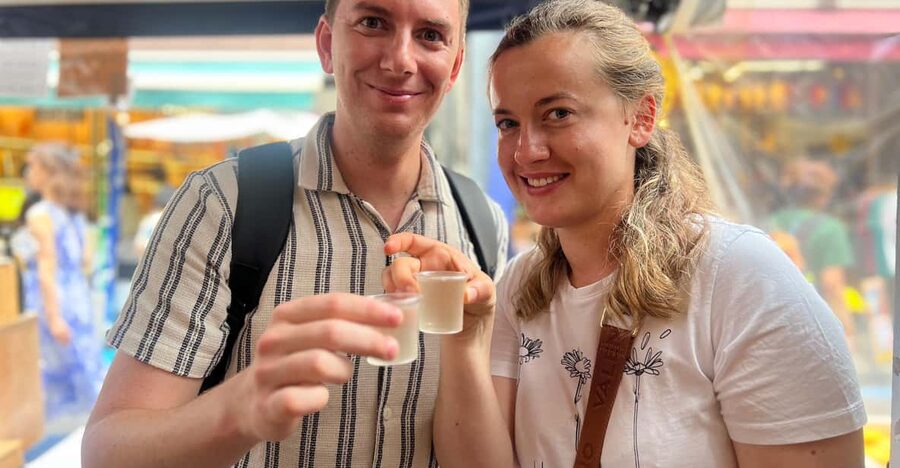
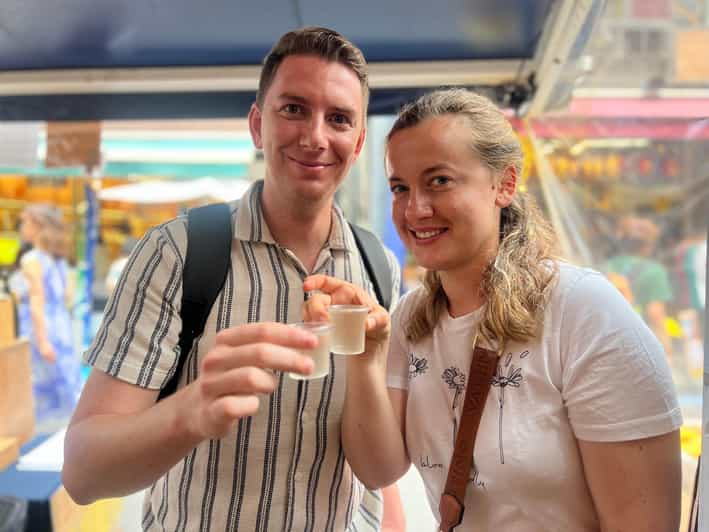
- Sake
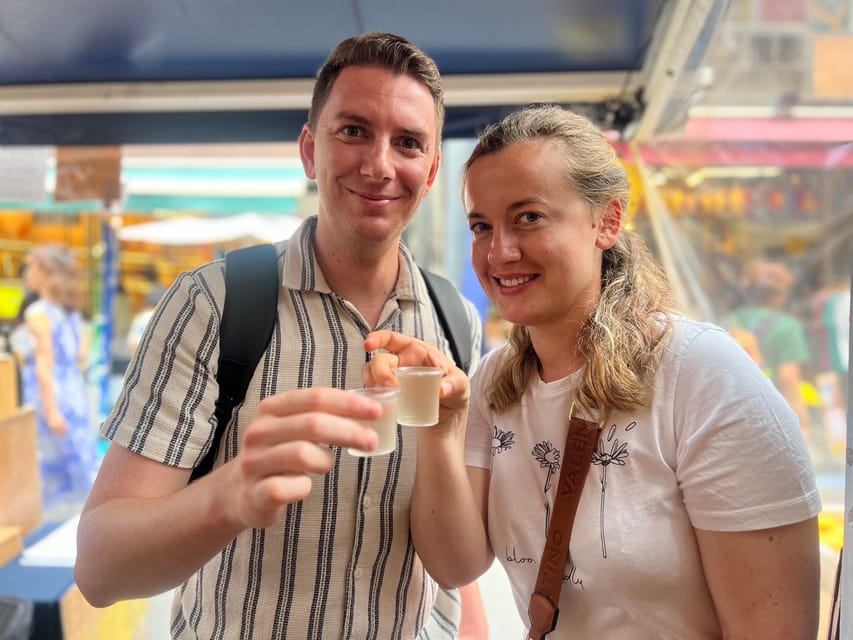
This list is not a guaranteed menu. Market availability changes, and you may choose different stops. That flexibility is one of the tour’s best features. If seafood is not your favorite, you can lean toward beef, eggs, sweets, or other options. One participant who disliked seafood still found a few things worth trying, while another found sea urchin and whale sashimi unexpectedly memorable.
The same flexibility helps with food preferences. You can order only what suits you, rather than pay for a complete package containing items you will not eat. If you have an allergy or a strict dietary need, tell the guide early and confirm every purchase directly at the stall. The tour can help with choices, but the supplied information does not promise a special allergy-free menu.
Bring enough cash for snacks. Some items can be modestly priced, while premium seafood and wagyu may cost more. One useful way to control spending is to agree with your group on a few shared tastes. That lets you sample several foods without buying a full portion for every person.
More Market Walking Tours in Tokyo
- Tokyo: Guided Walking Tour of Tsukiji Market with Breakfast
★ 4.4 · 134 reviews - Tokyo: Tsukiji Market Walking Tour & Sushi Cooking Class
★ 4.6 · 122 reviews
The value of the $22 price
At $22 per person, the tour is reasonably priced for a two-hour guided walk in central Tokyo. The entry fees for Tsukiji Fish Market and Hongwanji Temple are free, so you are mainly paying for the guide’s time, route planning, explanations, and help at the stalls.
The price works best for you if you want an introduction rather than a full meal. The guide helps you spend your time well and can steer you toward foods you might miss alone. That guidance is especially useful on a first visit, when the sheer number of choices can lead to either indecision or an expensive mistake.
The value is less obvious if you already know Tsukiji well or prefer to browse alone. Since food is extra, the final cost depends on your appetite and choices. A couple who samples premium seafood, wagyu, and drinks will spend more than someone who sticks to a few modest snacks.
I would think of the $22 as an orientation fee with food advice attached. You pay for access to local knowledge, not for a prepaid tasting menu. That is a fair arrangement for people who want control over what they eat.
The guides make the difference
The strongest part of this experience is the human guidance. Names that appear across the recent departures include Jim, Rie, Yayoi, Haydn, Sayaka, Minori, Nicolas, Joe, Shino, Miko, Kiwa, and others.
Their styles vary. Jim is described as especially strong on history, culture, and food. Rie is associated with friendly market navigation, local specialties, and a relaxed pace. Yayoi is known for taking groups to favorite stalls and offering a wide choice of foods. Haydn is noted for detailed explanations and for helping groups avoid tourist traps. Sayaka has helped people move through crowded lanes and order at several food counters.
That does not mean you can select one of these guides when booking. It does show the range of the operation and the value placed on a personal host. Your experience will depend partly on the guide assigned to your group, but the consistent pattern is clear: this works best when you ask questions and let the guide shape the route around your interests.
You may also receive photos taken during the walk. That is a useful extra, though the main value remains the explanations and food guidance.
Pace, group size, and practical comfort
The tour lasts two hours and is entirely on foot. The route includes two five-minute walks, about 15 minutes at the temple, and most of the remaining time in the market.
That is enough time for a good introduction, but not enough for every aisle or stall. You should expect a brisk, purposeful pace. If a food stop takes longer than expected, the guide may need to keep moving so the group finishes on time.
A group of up to 10 is a practical compromise. It keeps the cost low while allowing the guide to answer questions. It is not a private tour, and the market’s narrow lanes mean you will sometimes need to wait for the group to regroup.
Wear comfortable shoes and carry cash. Those are the only specific packing instructions supplied, but they are sensible for any walking and food market visit. The meeting and drop-off point is the Starbucks at Tsukiji Station, making it easy to continue your day in the area after the tour.
The activity is offered in English with a live guide. If you need another language, this is not the right choice based on the available information.
Who should book this Tsukiji walk?
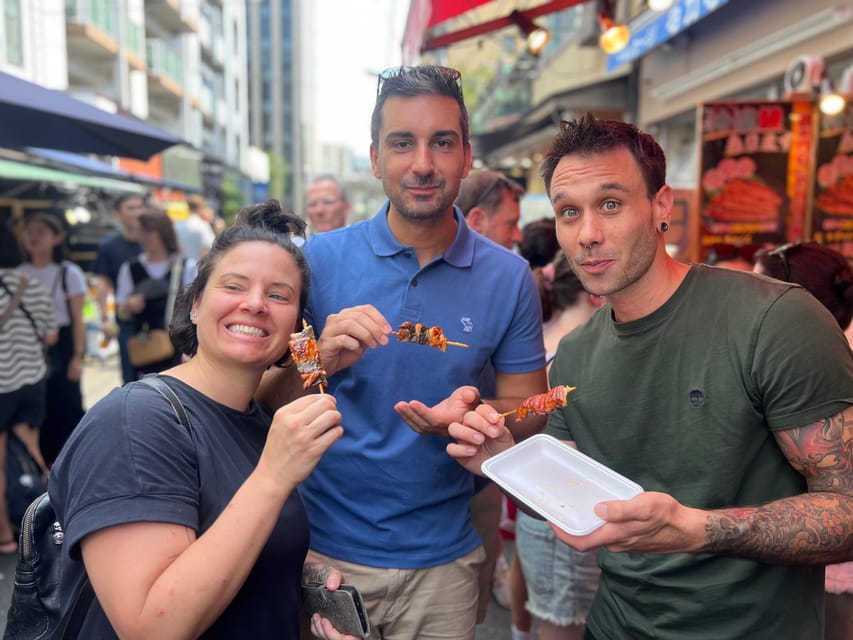
I would recommend it to first-time visitors who want food choices explained rather than simply photographed. It is also a good match for curious eaters who want to try unusual items but prefer a guide nearby.
Families and mixed groups may find the open food format useful because each person can choose differently. A seafood fan can try oysters or tuna, while someone else can choose tamago, wagyu, sweets, or eel. The guide can suggest options, but nobody is locked into one menu.
It also suits anyone who feels uneasy in crowded markets. Tsukiji is easier to enjoy when you have someone showing you where to go and what you are looking at. The small group and short duration keep the experience focused.
I would skip it if your main goal is the wholesale tuna auction experience at Toyosu, since this activity focuses on Tsukiji’s outer market and Hongwanji Temple. I would also skip it if you want a quiet temple visit, a private food tour, or an all-inclusive meal.
Should you book it?
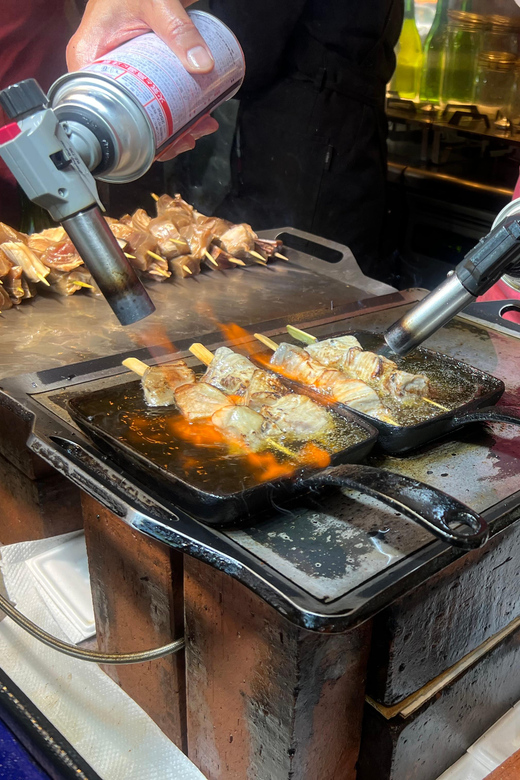
Book this tour if you want a guided introduction to Tsukiji, enjoy trying several small foods, and like having a local person explain the meaning behind what you see. The $22 cost is good value when you use the guide to find suitable stalls, understand unfamiliar ingredients, and avoid losing time in the market.
Bring cash and set aside a separate food budget. Start with an open mind, but do not feel pressure to eat every unusual item. The tour is at its best when you use its freedom well: ask questions, choose your own tastes, and let the guide show you the parts of Tsukiji that would be hardest to understand alone.
FAQ
How long does the Tsukiji Fish Market tour last?
The tour lasts two hours.
Where do I meet the guide?
Meet at the Starbucks Coffee in front of Tsukiji Station. The guide waits near the bench outside the Starbucks.
What language is the tour offered in?
The tour has a live English-speaking guide.
What places does the tour visit?
The route includes Tsukiji Hongwanji Temple and the Tsukiji Outer Market.
Is food included in the tour price?
No. Food and drinks are not included. You choose and pay for items separately at the market stalls.
What foods might I be able to try?
Depending on the stalls and your choices, you might find tamago, sushi, oysters, wagyu beef, tuna, eel, sea urchin, sweets, dried seafood, nuts, and sake.
How large is the group?
The activity is limited to 10 participants.
Should I bring cash?
Yes. Cash is listed as an important item to bring, especially because food purchases are paid for separately.
Is entry to the market and temple included?
Entry fees are free, and the activity includes the guided visit to Tsukiji Fish Market and Hongwanji Temple.
New routes in Tokyo
- Tokyo: Tsukiji Market Walking Tour & Sushi Cooking Class★ 4.6 · 122 reviews
- Tokyo: Shinjuku Nightlife & Secret Backstreets Walking Tour★ 4.8 · 229 reviews
- Tokyo: Shinjuku Bar Hopping & Night Walking Tour★ 4.6 · 137 reviews
- Tokyo: Dark Side of Tokyo Shinjuku Red Light Walking Tour★ 4.7 · 862 reviews
- Tokyo: Shibuya Highlights Walking Tour★ 4.8 · 601 reviews
- Tokyo: Shibuya Highlights Walking Tour & Secret View Spot★ 4.9 · 196 reviews
- Tokyo: Shibuya Crossing & Hidden Streets Walking Tour★ 4.8 · 128 reviews
- Tokyo: Private Custom Walking Tour with Local Guide★ 4.9 · 350 reviews
Tokyo Walking Tours, compared.
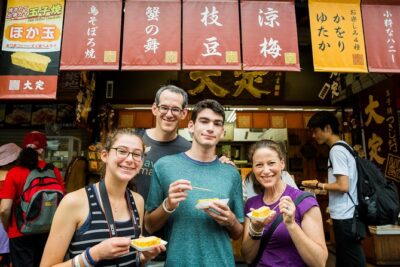
Tokyo Tsukiji Fish Market Food and Culture Walking Tour
Read our review →
Imperial Palace and Shogun Historical Walking Tour
Read our review →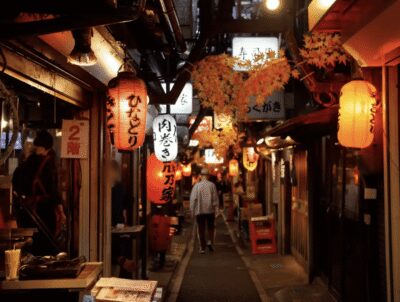
Shinjuku Local Bar and Izakaya Guided Walking Tour
Read our review →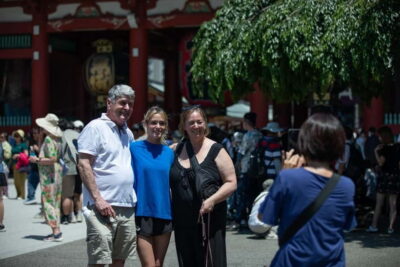
Asakusa Walking Tour with Sensoji Temple Visit
Read our review →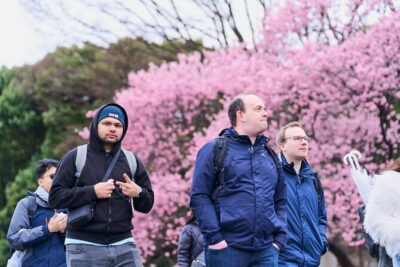
Tokyo Castle & Imperial PalaceーShogun Walking Tour
Read our review →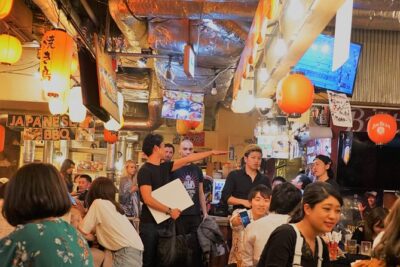
Shibuya Meltdown Nightlife Tour: All-You-Can-Drink Bar Hopping
Read our review →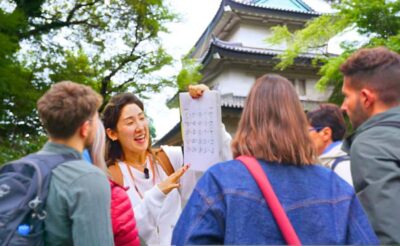

Tokyo Drift: GT-R Car Club R35 Liberty Walk Daikoku meeting
Read our review →Browse the lists this tour appears in