
Review · TOKYO
Tokyo: Dark Side of Tokyo Shinjuku Red Light Walking Tour
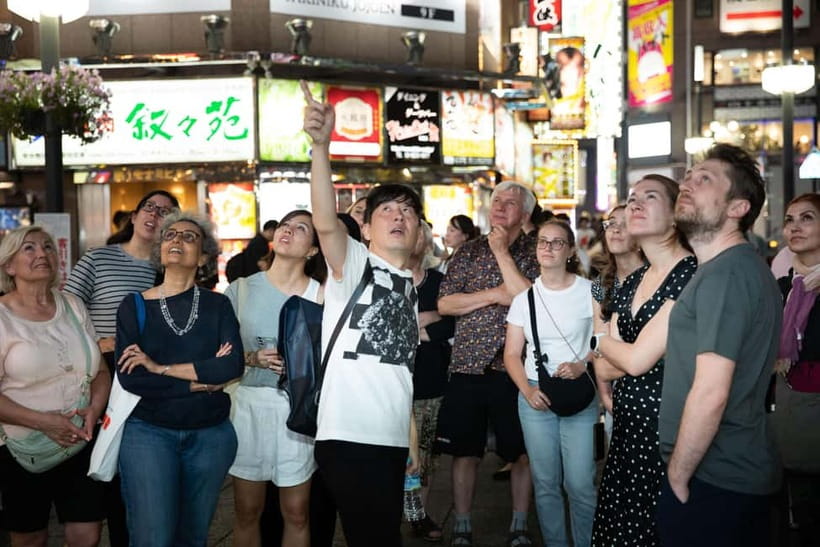
Tokyo’s night face comes alive in Shinjuku, where Kabukicho’s neon streets lead into tiny bars, old shrines, food alleys, and the LGBTQ district of 2 Chome. This tour gives you a useful map of a complicated area without asking you to wander into unfamiliar nightlife alone.
I like the mix of history and practical advice. Guides such as Dani, Gray, Loc, Polina, Huy, and Daichi explain how Shinjuku changed from a red-light district into a broad entertainment center, then point you toward ramen, okonomiyaki, izakayas, and bars worth returning to. I also like that the walk includes both famous sights and narrow streets you might miss on your own.
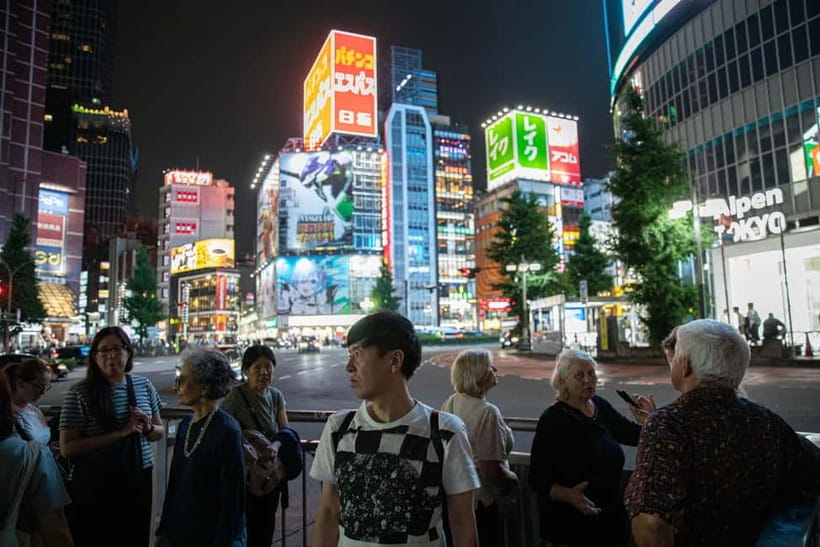
The main drawback is the meeting point. Shinjuku Station is enormous, and the East Exit area can be confusing, especially on your first day in Tokyo. You must arrive early because the group does not wait for late arrivals.
Key points before you book
- Kabukicho after dark: See Tokyo’s best-known nightlife district when its signs and entertainment venues are lit up.
- Four different sides of Shinjuku: The walk links Omoide Yokocho, Kabukicho, Golden Gai, Hanazono Shrine, and 2 Chome.
- Useful food advice: Guides often recommend ramen, okonomiyaki, izakayas, and other places for after the tour.
- Straight talk about nightlife: Learn how the district developed and how its bars and adult-oriented venues fit into modern Tokyo.
- Adult-only experience: The tour is not suitable for anyone under 18.
- Good first-night choice: The route helps you get your bearings before returning to Shinjuku on your own.
Why this Shinjuku night walk is worth your time
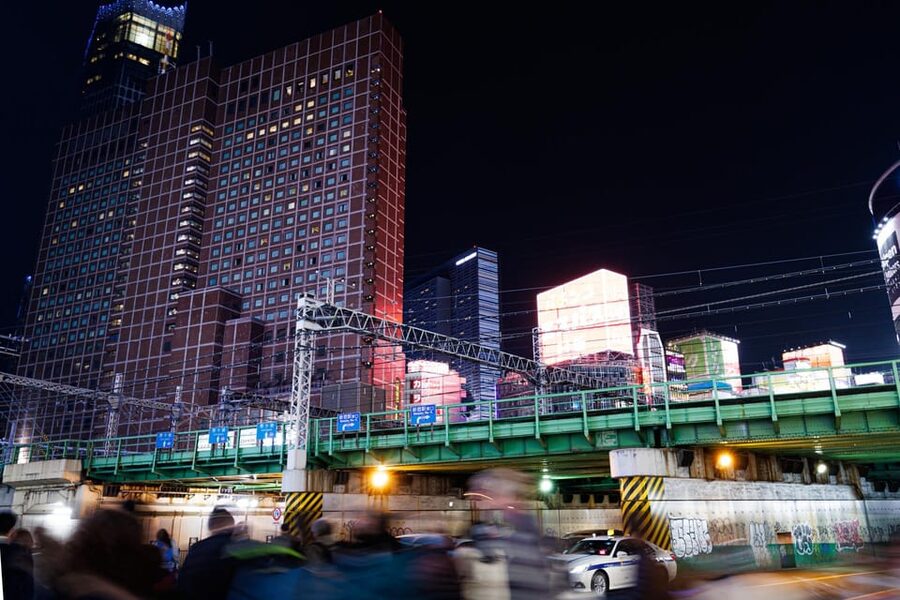
Shinjuku can feel like several cities packed into one station district. Tall office towers rise near old alleys. A quiet shrine sits close to clubs and bars. One block feels polished and commercial, while the next is crowded with small restaurants and signs aimed at nightlife customers.
That contrast is the real subject of the walk. You are not simply checking off neon streets. You are learning how different parts of Shinjuku work, what kind of place each area is, and how to enjoy the district without treating it like a theme park.
At $29 per person, the price is fair for a two-hour guided walk in one of Tokyo’s hardest areas to read. You are paying for local context, route planning, and the chance to ask questions as the district gets busier. The strongest value comes from using the tour as an introduction, then returning later to the places that suit you.
The walk is offered in English or Spanish. Guide assignments vary, but names connected with this experience include Dani, Danny, Gray, Loc, Polina, Huy, Daniel, Daichi, and Shota. The tone can differ from one guide to another, yet the praise centers on the same qualities: clear explanations, humor, patience, and helpful food suggestions.
More Walking Tours in Tokyo:
- Tokyo Tsukiji Fish Market Food and Culture Walking Tour
★ 5.0 · 3,184 reviews - Tokyo: Imperial Palace and Shogun Historical Walking Tour
★ 5.0 · 2,251 reviews - Tokyo: Shinjuku Local Bar and Izakaya Guided Walking Tour
★ 4.9 · 1,794 reviews
Finding the group near Shinjuku Station
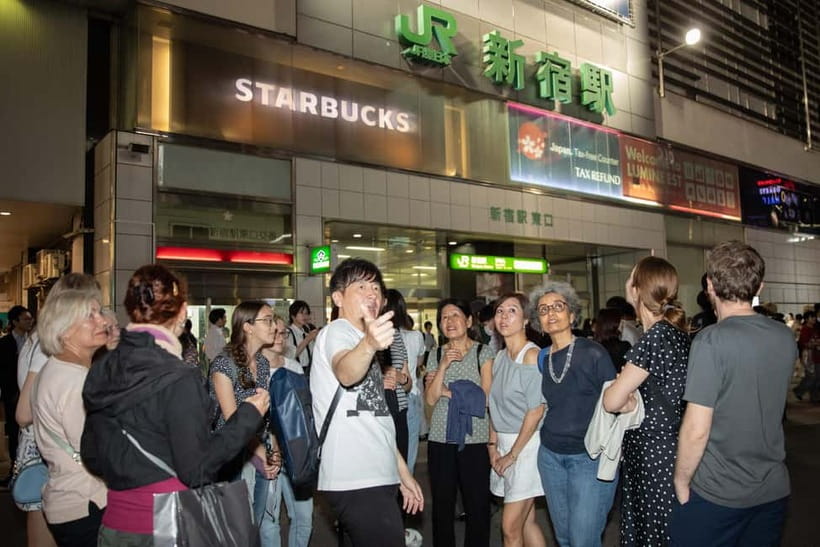
You can be assigned one of two starting points: the Shinjuku Tourist Information Center or the police box at the East Exit of Shinjuku Station. Check your booking carefully so you go to the correct place.
This is not a station where you should arrive with two minutes to spare. Shinjuku Station is one of the largest and most confusing rail hubs in the world, and the East Exit area has many companies gathering near one another. Give yourself extra time to find the exit, locate the exact meeting point, and identify your guide.
The operator does not wait for late arrivals. That rule matters here because a missed start is not easy to fix once the group has moved into the narrow streets.
Omoide Yokocho brings old Tokyo into the evening
The first major stop is Omoide Yokocho, an alley district packed with small food stalls and compact eateries. Its name is often translated as Memory Lane, and the setting feels more intimate than the broad avenues around the station.
Your guide explains how to read this kind of food area and gives you a closer look at the small-scale side of Shinjuku. The guided visit lasts about 20 minutes, enough to understand the atmosphere and spot places you may want to revisit for a meal.
This is also where food advice becomes useful. Several guides have suggested ramen or other local restaurants for after the walk. One recommendation led to an okonomiyaki meal, while another pointed a group toward ramen. These suggestions are not included meals, but they can save you from choosing a restaurant at random after two hours on your feet.
Expect tight passageways and plenty of people. Omoide Yokocho is atmospheric, but it is not a quiet photo set. Keep your group together and be considerate around diners and restaurant entrances.
Kabukicho explains the tour’s darker side
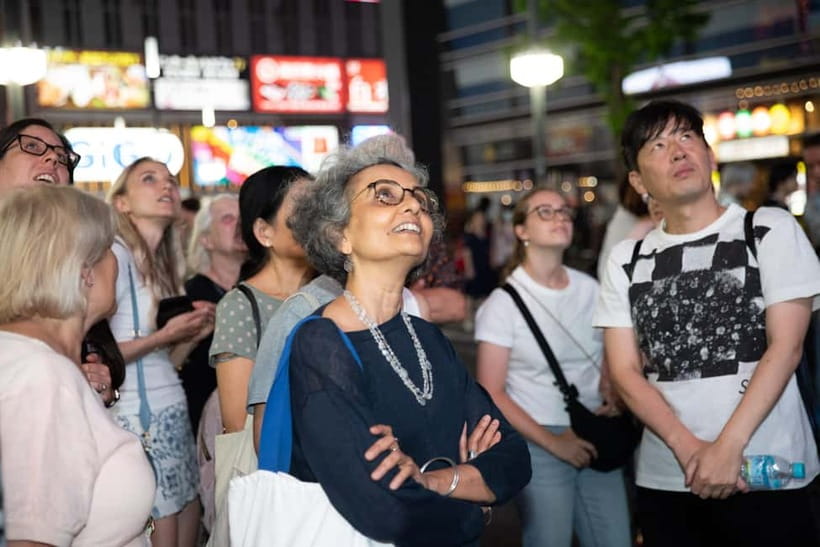
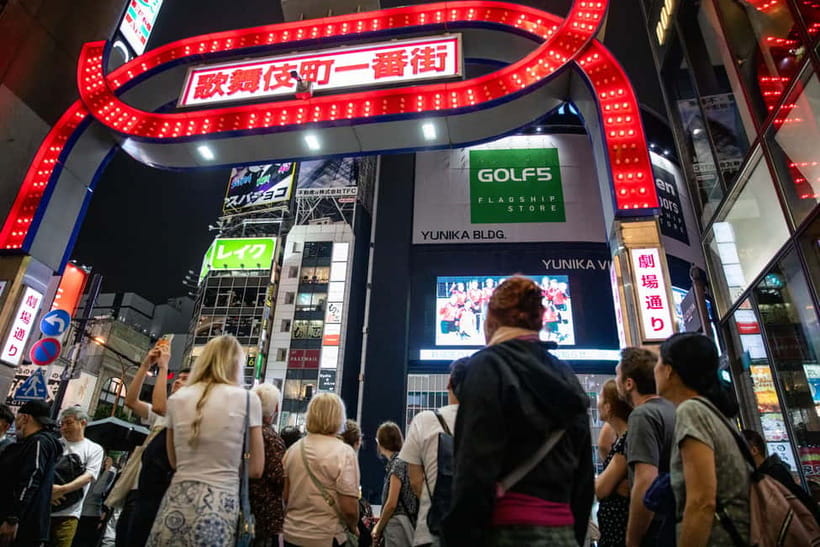
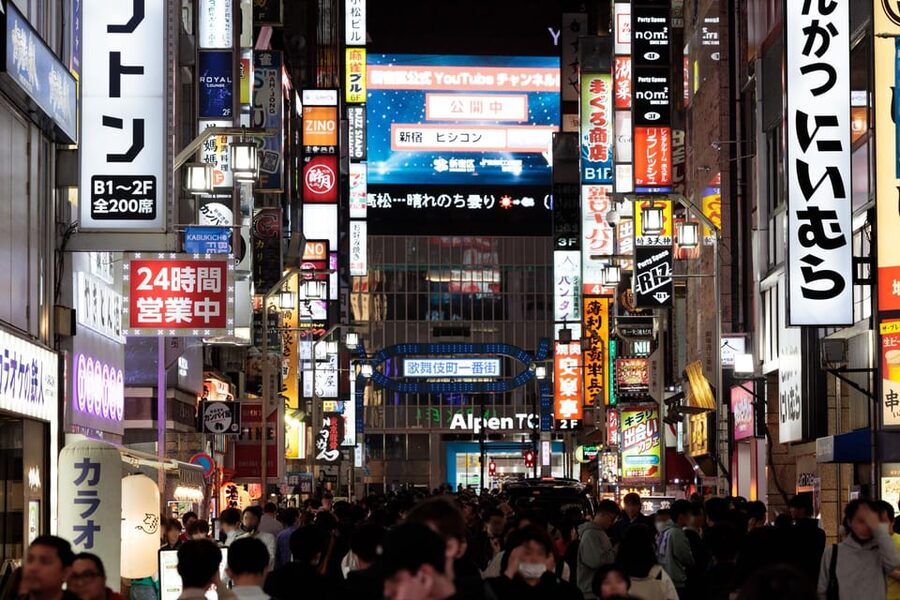
Kabukicho is the main event. It is Tokyo’s largest entertainment district, and after sunset it becomes a wall of signs, music, restaurants, bars, clubs, and adult-oriented businesses.
The tour spends about 40 minutes here, the longest stop on the route. That extra time matters because Kabukicho needs explanation. Without context, you may see only bright signs and crowds. With a guide, you learn about its past as a red-light district, its changing role in Tokyo nightlife, and the range of businesses that now share the area.
The phrase dark side can sound more dramatic than the experience itself. This is not presented as a dangerous expedition. One useful part of the walk is learning how to move through the district with a better understanding of what you are seeing. The tour also gives you a chance to ask direct questions about Japanese nightlife and social customs.
You will pass entertainment complexes and tall buildings that show the newer face of Shinjuku. At the same time, the side streets reveal a smaller, more local scale. Guides such as Dani, Danny, and Loc have been praised for explaining the district with humor while still treating the subject seriously.
This is a good place to keep your expectations sensible. You are observing nightlife, not receiving entry to clubs or a bar crawl. Drinks and drugs are not allowed as part of the activity, and the tour is for adults only.
Same streets, a different guide:
- Tokyo: Tsukiji Fish Market Food and Walking tour
★ 5.0 · 1,724 reviews - Tokyo: Asakusa Walking Tour with Sensoji Temple Visit
★ 4.8 · 1,583 reviews - Tokyo: Tsukiji Fish Market Guided Walking Tour
★ 4.9 · 1,397 reviews - Tokyo Castle & Imperial PalaceーShogun Walking Tour
★ 4.7 · 1,068 reviews
Golden Gai offers the smallest bars in the biggest district
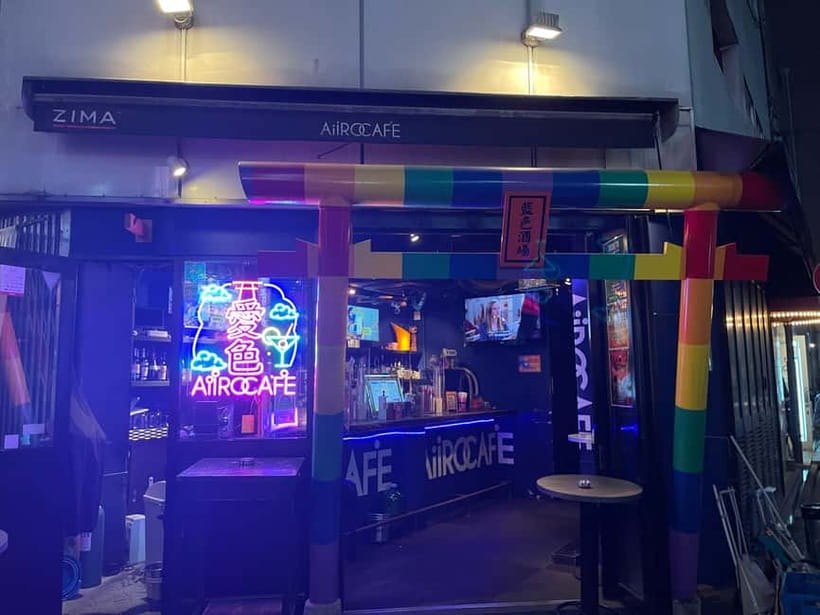
Golden Gai is famous for its collection of very small bars packed into a maze of narrow lanes. The contrast with Shinjuku’s towers is sharp. Here, the streets feel compressed, personal, and full of character.
The guided stop lasts about 20 minutes. You will learn how the area fits into Shinjuku’s nightlife and why its tiny bars have such a strong reputation. Some doors may be intended for regular customers or very small groups, so this part is best understood as an introduction rather than a promise of bar entry.
I like Golden Gai as a walking-tour stop because it gives you a sense of scale. Kabukicho can feel huge and commercial. Golden Gai shows how much of Tokyo nightlife happens in spaces small enough for only a handful of people.
Your guide can help you understand the difference between a place suited to a quick drink, a small bar with a specific atmosphere, and a venue that may not welcome casual drop-ins. That kind of advice is more useful than simply photographing the signs.
Hanazono Shrine supplies a welcome pause
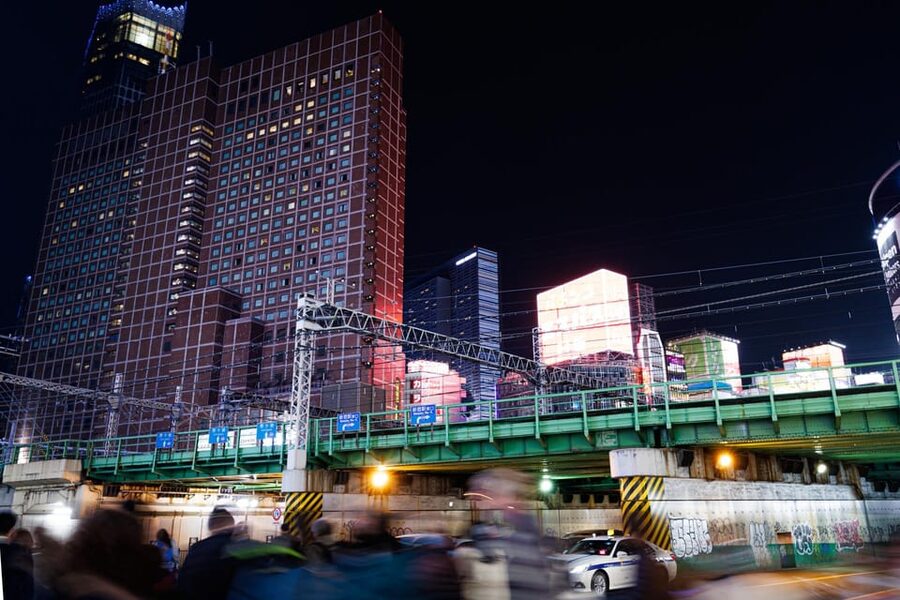
Hanazono Shrine adds a quiet traditional note to the route. Its presence near Shinjuku’s nightlife is one of the walk’s best contrasts. Within a short distance, you move from glowing signs and entertainment venues to a place associated with Japanese shrine culture.
The guided visit lasts about 20 minutes. Your guide explains why the shrine matters and how traditional spaces continue to exist beside modern commercial districts.
This stop also helps the tour avoid becoming a simple red-light district walk. You see that Shinjuku is not defined only by clubs, bars, or adult businesses. It is a working part of Tokyo with religious sites, restaurants, office towers, entertainment centers, and ordinary daily life sharing the same few blocks.
The shrine is a useful reminder to keep your voice down and behave respectfully. It is a place of worship, not just a scenic break in the route.
2 Chome shows another side of Tokyo nightlife
The final major area is 2 Chome, widely known for its LGBTQ nightlife. The tour highlights its neon signs, bars, and role within Shinjuku’s entertainment scene.
This stop broadens the picture. Instead of treating nightlife as one single category, the guide can explain how different communities and venues shape the district. You get a look at a part of Tokyo that may be less obvious on a first visit, especially if you stay on the main roads around the station.
The route ends near Shinjuku Golden-Gai in 3 Chome. That is a useful finish because you remain close to places where you can continue eating or exploring. You may also choose to return to your hotel, depending on your plans and the assigned ending point.
The exact mood of 2 Chome will depend on the time and day of your walk. The tour gives you an overview, not a full evening inside the district. If you are interested in LGBTQ nightlife, use the walk to ask respectful questions and identify areas you may want to explore later.
What the guides add to the experience
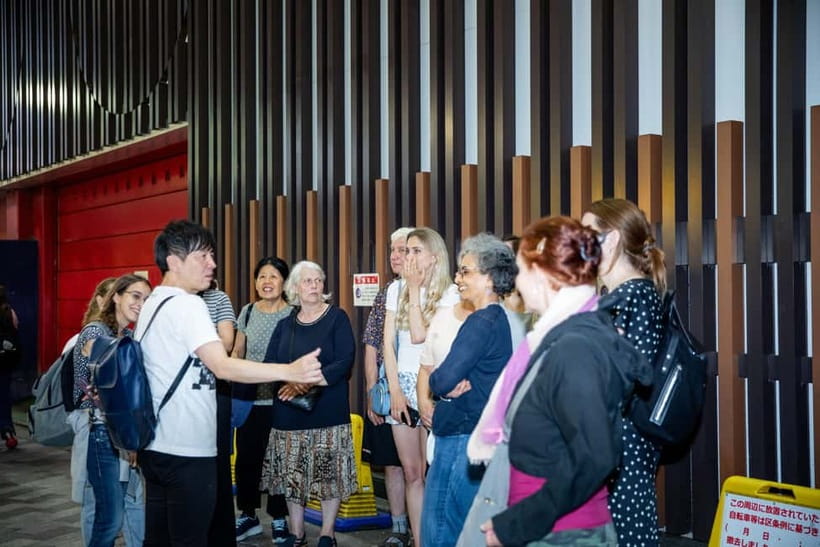
A good guide makes this tour much more than a route between famous names. The strongest guide comments focus on context, local customs, and the practical details that are hard to get from a map.
Dani and Danny are associated with friendly explanations and strong food suggestions. Gray is praised for humor, clear communication, and personal insight into Japanese customs. Loc is noted for storytelling and for explaining Shinjuku’s past and present in a way that keeps the walk moving.
Polina is described as organized, approachable, and willing to answer questions. Huy and Daichi are praised for giving useful context about nightlife and covering a lot of ground. Shota and Daniel are associated with an outgoing style that helps a mixed international group relax.
Guide quality can never be guaranteed by name alone, since staffing changes. Still, the pattern is encouraging. You should expect a guide-led conversation rather than a memorized list of dates. Ask questions. The subject is broad enough to include nightlife, food, history, social customs, and modern Japanese life.
How much walking and time to expect
The advertised duration is two hours. The route includes several guided stops, with about 10 minutes around the East Exit, 20 minutes at Omoide Yokocho, 40 minutes in Kabukicho, 20 minutes in Golden Gai, 20 minutes at Hanazono Shrine, and 20 minutes in 2 Chome.
That adds up to a busy evening, with walking between each area. You should wear comfortable shoes and be ready for crowded streets, narrow lanes, frequent stops, and a fair amount of standing.
The walk is not a food tour with tastings included. It is a neighborhood tour with food recommendations. Bring your own budget for anything you order afterward, and consider writing down restaurant names or saving them on your phone while the advice is fresh.
Because the route takes place after dark, it works well as an early Tokyo activity. You can use the first night to understand Shinjuku, then return later with a clearer idea of where you want to eat or drink.
Who should book this walk?
I would choose this tour if you are staying in Tokyo for the first time and want help making sense of Shinjuku. It is especially useful if neon districts, Japanese nightlife, small food alleys, and the social side of modern Tokyo interest you.
It also suits solo visitors and couples who want company while exploring an unfamiliar area. The guide gives you a framework, while the mix of international participants can make the evening feel social without requiring you to join a large party.
You should skip it if you want a quiet cultural walk, a formal museum-style lecture, or a full evening of dining. The subject includes adult nightlife and the former red-light district, so it may not suit anyone looking for a family activity. Anyone under 18 is not permitted.
The meeting point is the biggest practical concern. If you dislike crowded stations or have just arrived in Japan, plan carefully and arrive early. That one step will make the start much less stressful.
Cancellation and booking details
You can cancel up to 24 hours before the activity for a full refund. The reserve-now, pay-later option lets you hold a place without paying immediately, which is useful when your Tokyo schedule is still changing.
The guide is included, but food, drinks, and other personal spending are not. Spanish and English are the available languages. Alcohol and drugs are not allowed during the activity.
Should you book the Dark Side of Tokyo walk?
Book it if you want a practical introduction to Shinjuku after dark, especially on your first night in Tokyo. For $29, you get a focused route through Omoide Yokocho, Kabukicho, Golden Gai, Hanazono Shrine, and 2 Chome, plus explanations that help you understand what you are seeing.
I would not book it expecting a wild night out or entry into private bars. The value is in the guide, the local context, and the food recommendations you can use afterward.
Arrive early, wear good shoes, keep an open mind, and treat the neighborhood and its communities with respect. If that sounds like your kind of Tokyo evening, this is a sensible and well-priced way to begin.
FAQ
How long does the Tokyo Shinjuku night walking tour last?
The advertised duration is two hours. The route includes guided stops at Shinjuku Station, Omoide Yokocho, Kabukicho, Golden Gai, Hanazono Shrine, and 2 Chome.
Where does the tour begin?
The starting point may be either the Shinjuku Tourist Information Center or the police box at Shinjuku Station’s East Exit, depending on the option booked.
Where does the tour finish?
The two listed ending areas are Shinjuku Golden-Gai and 3 Chome.
Which languages are available?
The tour is offered with a live guide in English or Spanish.
Is the tour suitable for children?
No. The activity is not suitable for children under 18.
Does the tour include food or drinks?
No food or drinks are listed as included. The guide provides recommendations for restaurants, ramen, okonomiyaki, izakayas, and places to drink.
Can I cancel the booking?
Yes. You can cancel up to 24 hours in advance for a full refund. The reserve-now, pay-later option is also available.
New routes in Tokyo
- Tokyo: Tsukiji Market Walking Tour & Sushi Cooking Class★ 4.6 · 122 reviews
- Tokyo: Shinjuku Nightlife & Secret Backstreets Walking Tour★ 4.8 · 229 reviews
- Tokyo: Shinjuku Bar Hopping & Night Walking Tour★ 4.6 · 137 reviews
- Tokyo: Shibuya Highlights Walking Tour★ 4.8 · 601 reviews
- Tokyo: Shibuya Highlights Walking Tour & Secret View Spot★ 4.9 · 196 reviews
- Tokyo: Shibuya Crossing & Hidden Streets Walking Tour★ 4.8 · 128 reviews
- Tokyo: Private Custom Walking Tour with Local Guide★ 4.9 · 350 reviews
- Tokyo: Meiji Shrine Walking Tour — Shinto & Imperial System★ 4.9 · 266 reviews
Tokyo Walking Tours, compared.
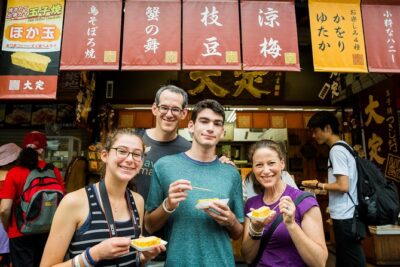
Tokyo Tsukiji Fish Market Food and Culture Walking Tour
Read our review →
Imperial Palace and Shogun Historical Walking Tour
Read our review →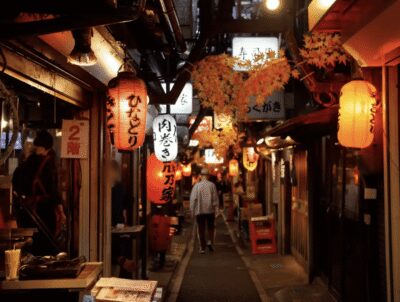
Shinjuku Local Bar and Izakaya Guided Walking Tour
Read our review →
Asakusa Walking Tour with Sensoji Temple Visit
Read our review →
Tokyo Castle & Imperial PalaceーShogun Walking Tour
Read our review →
Shibuya Meltdown Nightlife Tour: All-You-Can-Drink Bar Hopping
Read our review →
Browse the lists this tour appears in