
Review · TOKYO
Tokyo: Private Custom Walking Tour with Local Guide
Tokyo is easier to understand when someone helps you connect its old neighborhoods and modern districts. This private walking tour lets you shape the day around your own list, then reach each stop by train, subway, and on foot. Guides such as Fares, Nao, Sumire, Taka, and Satoshi have helped visitors handle transport, choose sensible routes, and see more in limited time.
I like the real flexibility here: a family can focus on shrines and easy train rides, while a photographer can slow down for street scenes and pictures. I also like the practical start, with hotel pickup and help using Tokyo’s public transport. The catch is that the $56 price does not cover train fares, entrance fees, food, or private transport, and the tour is not suitable for wheelchair users or people with mobility impairments.
Key points to know before booking

- Choose your own Tokyo: Build the route around temples, markets, pop culture, food areas, shopping districts, photography, or a mix.
- Use the city as locals do: Your guide travels with you by public transportation, helping you understand Tokyo’s train and subway system.
- Start from your hotel: Pickup is included, with the guide meeting you in the lobby or at another requested location five minutes before the start.
- Book the right length: A two-hour introduction can cover one compact area, while six to eight hours gives you room to connect several districts.
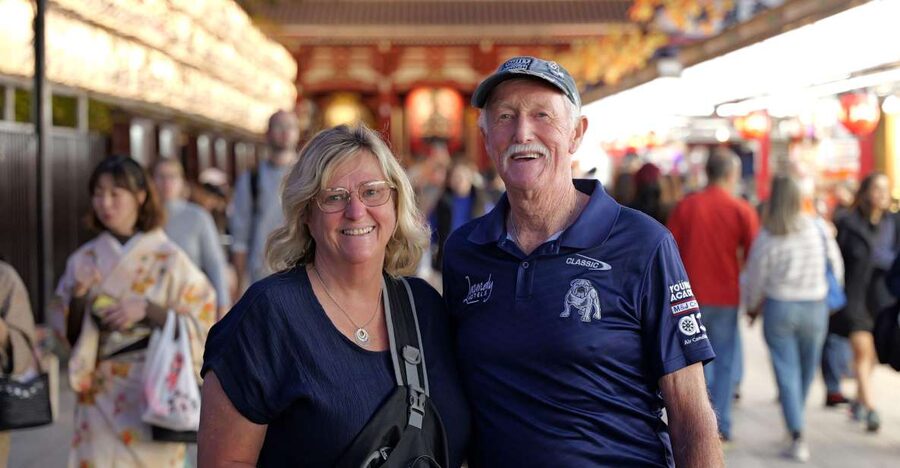
- Ask about photos: Several guides, including Fares and Nao, have taken excellent group and portrait photos during the day.
- Plan for extra costs: You pay your own transport fares, attraction entry fees, lunch, and personal expenses.
A private Tokyo day that begins with your priorities
The main strength of this experience is not a fixed route. It is the chance to tell your guide what you care about, then let someone familiar with Tokyo arrange the order.
You might ask for temples, shrines, markets, and local customs. You might prefer Shibuya Crossing, Takeshita Street, Akihabara, and Ginza. You might want a first-day orientation that shows you how the train system works and leaves you with a clearer plan for the rest of your visit.
The tour lasts from two to eight hours, so your available time matters. Two hours is enough for a focused introduction to one part of town. Four hours can link a few nearby highlights. Six or eight hours gives you a full day of walking and public transport, though Tokyo’s size means you should still keep the route realistic.
Before the tour, your guide contacts you through WhatsApp to discuss your interests and schedule. Make sure the phone number on your booking works with WhatsApp. This conversation is important. The better you explain your priorities, walking pace, children’s ages, photography interests, and must-see places, the more useful the day will be.
More Private Walking Tours in Japan
- Tokyo: Private Custom Walking Tour with Local Guide
★ 4.8 · 533 reviews - Tokyo: Private Walking Tour with a Local Guide
★ 4.9 · 469 reviews - Tokyo: Private Walking Tour with a Local
★ 4.4 · 419 reviews
Asakusa, where old Tokyo makes a strong first impression
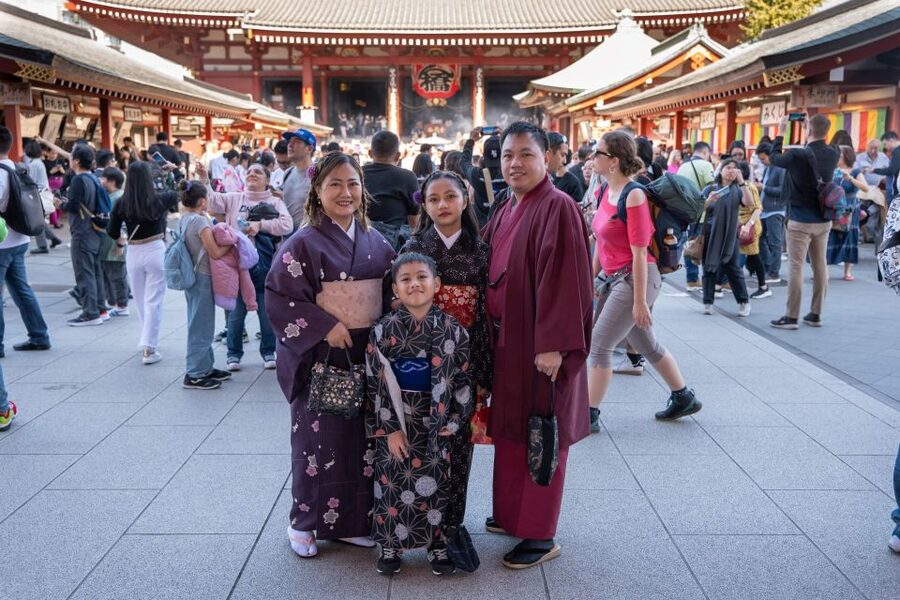
Asakusa is one of the clearest choices for a first taste of traditional Tokyo. A guide can explain the main sights, place them in cultural context, and show you how the neighborhood connects with the rest of the city.
The area works well for a shorter tour because several sights can be reached on foot once you arrive. It also gives your guide room to explain customs and answer basic questions about shrine and temple visits. Fares has taken visitors around Asakusa, explained its main places, and offered suggestions for food and cultural activities beyond the tour.
There is a practical benefit here too. You are not only looking at a famous district. You are learning how to arrive, how to move onward, and how to make sensible choices about the rest of your time in Tokyo.
Asakusa can become crowded, and a short booking may not allow for a slow visit, photography, and a meal. Tell your guide if you want more time at one site rather than a quick circuit.
Meiji Shrine, Takeshita Street, and Shibuya in one western Tokyo route
A western Tokyo route can show you three very different sides of the city. Meiji Shrine offers a calmer setting and a chance to discuss Japanese religious customs. Takeshita Street brings youth fashion and shopping into the picture. Shibuya gives you the famous crossing and the fast-moving energy of modern Tokyo.
Fares has taken families to Shibuya Crossing, Takeshita Street, and Meiji Shrine, while also showing them how to use the trains. This combination works well when you want a broad first look rather than a detailed visit to one neighborhood.
The order of stops matters. Your guide can suggest a route based on opening times, distance, and the amount of walking your group can manage. Nao has been particularly attentive to walking pace, waiting patiently while visitors took photographs. That kind of adjustment is useful in Tokyo, where a route that looks simple on a map can involve long station corridors and plenty of steps.
You should not expect every stop to receive equal time. A four-hour tour that includes all three areas will feel brisk. If Shibuya is your priority, say so in advance. If you are traveling with children, mention their ages so the route can fit your family better.
Akihabara and Ginza for a sharper modern Tokyo contrast
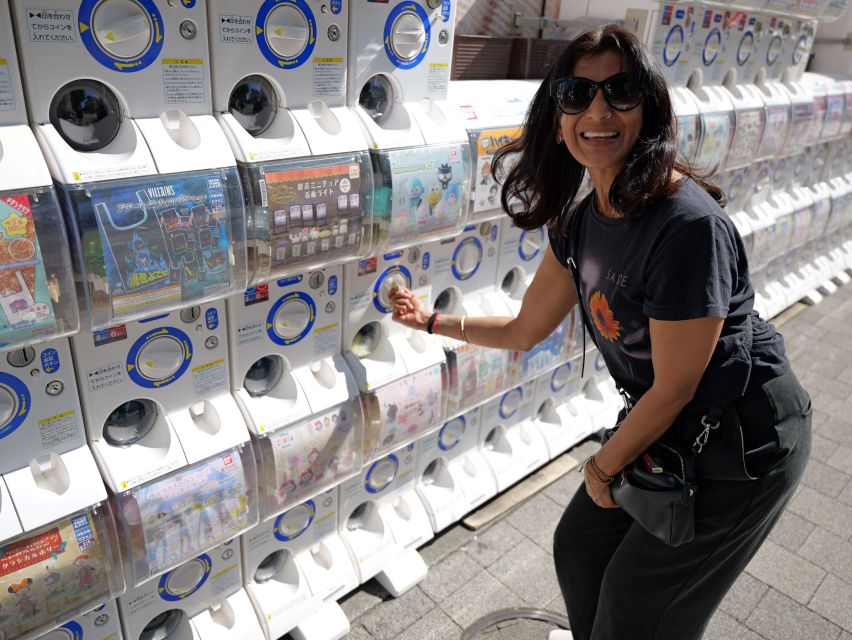
Akihabara and Ginza offer two different versions of contemporary Tokyo. Akihabara is associated with electronics, games, anime, and pop culture. Ginza is known for polished shopping streets and a more formal city atmosphere.
A private guide can help you decide how much time each district deserves. Sumire has combined Meiji Shrine, Akihabara, and Ginza in one introduction, while also helping visitors obtain a Welcome Suica card and find a sushi lunch. That is a useful model for a first day because it mixes culture, shopping, food, and transport practice.
The benefit of a guide in these districts is not just finding the station entrance. It is knowing how to connect very different places without wasting half the day on backtracking. Your guide can also explain what you are seeing instead of leaving you to guess which streets or shops match your interests.
The drawback is simple: these districts can encourage extra spending. Your tour fee does not include purchases, lunch, or transport. Set your priorities before you start, especially if shopping is only one part of your day.
More Private Walking Tours in Tokyo
- Akihabara Anime & Game Adventure Walking Tour (Group or Private)
★ 5.0 · 404 reviews - Tokyo: Customizable Private Guided Walking Tour
★ 4.5 · 129 reviews
Public transport is part of the lesson
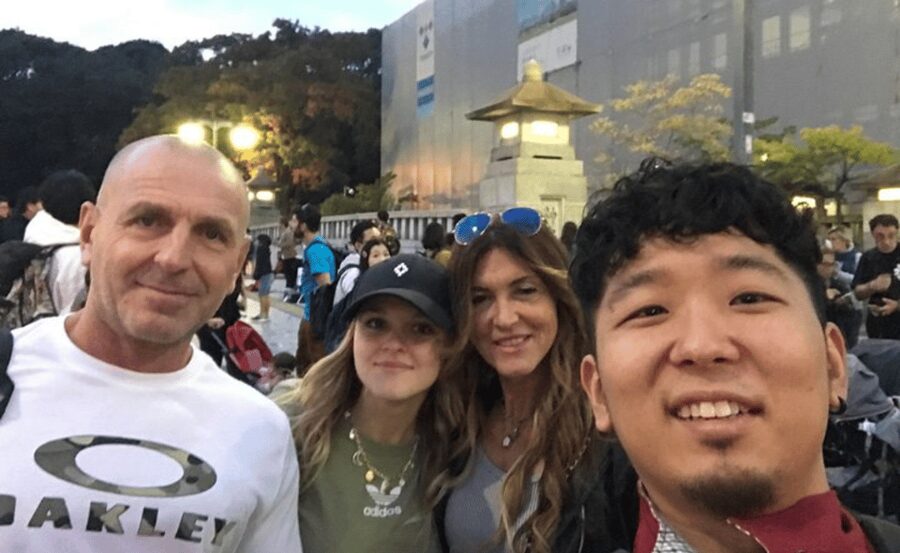
Tokyo’s trains and subways are efficient, but the system can feel confusing at first. Station signs, multiple operators, long underground passages, and busy interchanges can make the first few journeys tiring.
This tour uses public transportation rather than private vehicles. That keeps the experience tied to daily Tokyo life and gives you practice for the rest of your trip. Guides including Toko, Nao, Kwan, and Mihero have helped visitors gain confidence with the metro and train system.
You pay your own fares, so carry a payment method suitable for transport and budget for each ride. The guide can assist with the process, but the tour does not include a transport pass or private car.
The train-based format also has a limit. You will spend part of your paid time moving between neighborhoods. That is worthwhile if you want to learn the system, but less useful if you only want a quick photo at one sight. For a short two-hour booking, choose a compact area.
Photography can turn a sightseeing walk into a keepsake
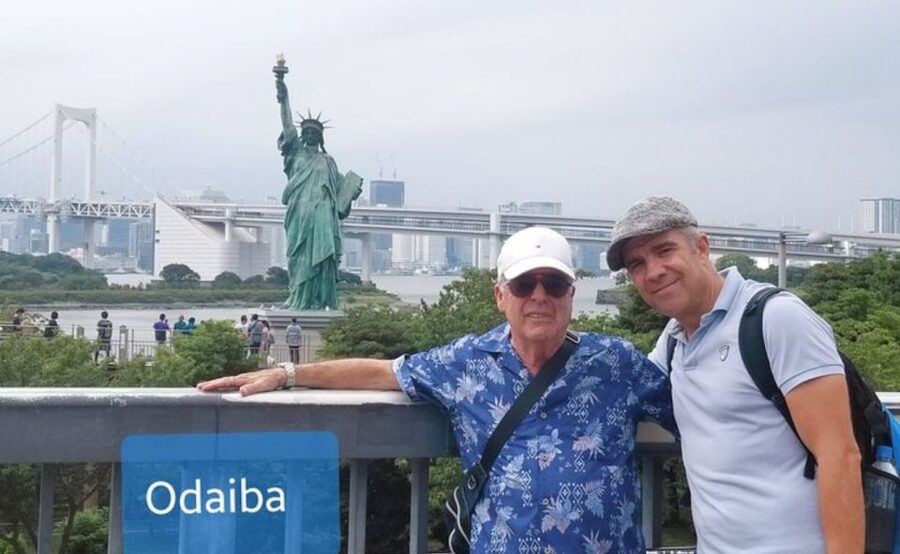
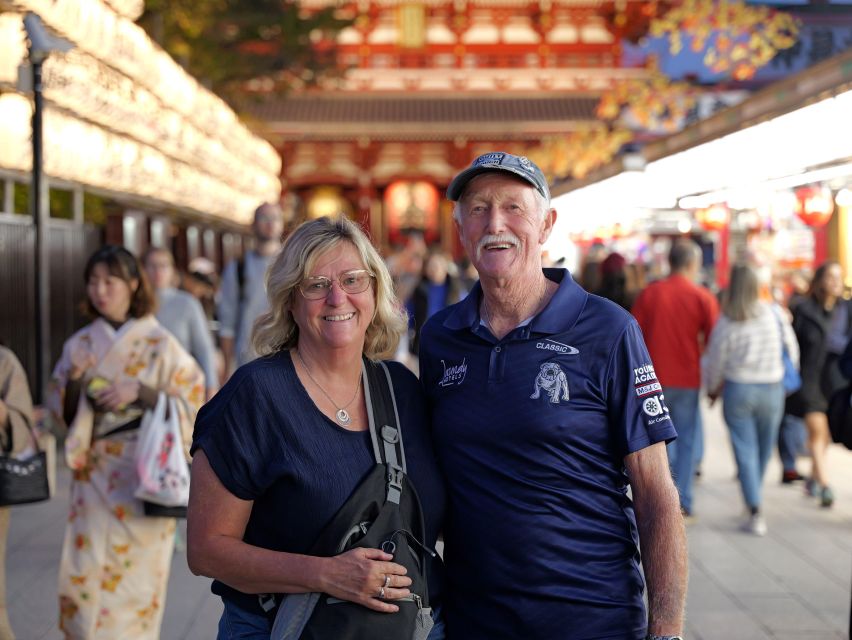
Professional photos are one of the more distinctive features of this experience. Several guides have taken pictures during the tour, and Fares is specifically noted for photographing groups at different stops.
This suits couples, families, and solo visitors who often end up with plenty of scenery but few good pictures of themselves. You can also tell your guide if photography is a major goal, since the pace and route may need to leave time for it.
Nao was praised for waiting patiently while photographs were taken, and that suggests an important point: photo time should be discussed rather than assumed. Not every guide will approach photography in exactly the same way, and the supplied information does not promise a professional photographer for every booking.
If you are interested in photos, ask during the WhatsApp planning conversation. Explain whether you want group shots, portraits, street scenes, or quick snapshots at major sights.
What the guides add beyond directions
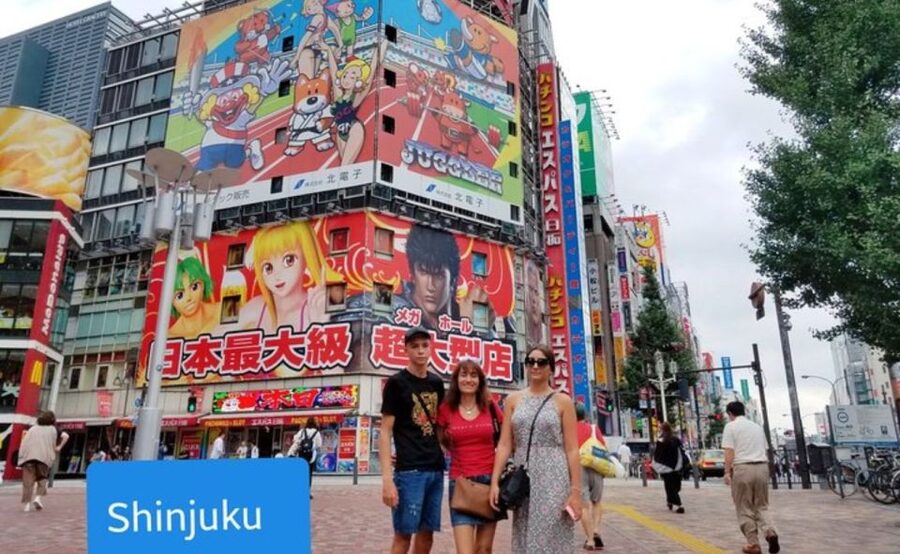
The best guides here do more than point toward the next station. Satoshi has shared lesser-known stories about Tokyo and Japan, while Chris has combined historical information with practical suggestions. Nao has been well prepared, friendly, and careful about pace.
That personal explanation is the reason to choose a private guide instead of simply downloading a walking route. You can stop and ask why a custom works in a certain way, how a shrine differs from a temple, or which part of Tokyo deserves more of your time.
The guides also adjust to the group. Taka has been patient with families and adapted plans to suit children. Myat has helped a family with a mother set a useful route for a two-week Japan visit. Bagus has paced a six-hour tour for older visitors, while still covering a great deal of ground.
Those examples point to a sensible booking habit: give your guide honest information. Mention age, fitness, heat concerns, children, photography, food interests, and any must-see place. A private tour is only as good as the conversation that shapes it.
How much can you cover in two, four, six, or eight hours?
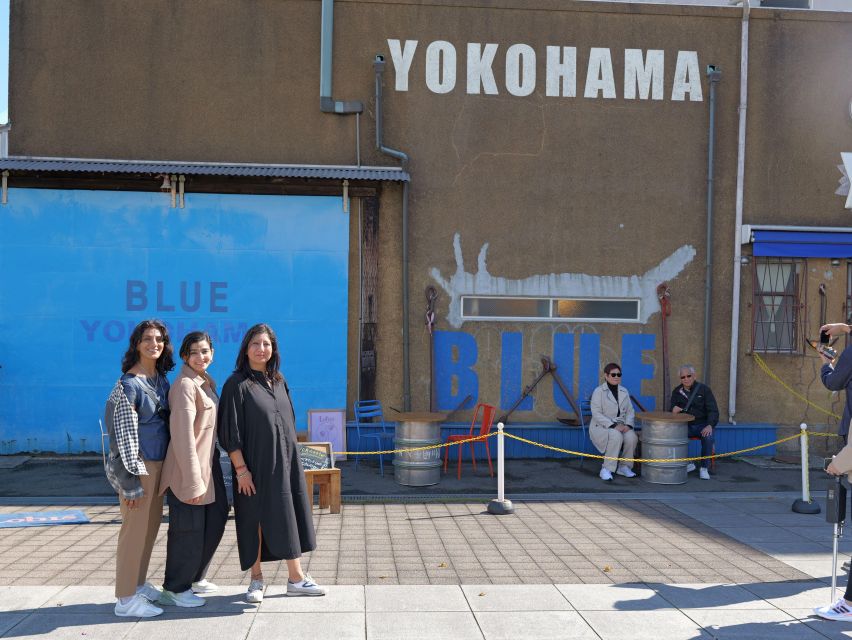
A two-hour booking should be focused. Pick one neighborhood or one clear theme, such as Asakusa temples, Meiji Shrine and nearby streets, or a short introduction to Shibuya.
Four hours is a good middle ground for a first meeting with Tokyo. You can combine several related stops, practice public transport, and still have time for explanation and photos. One family used four hours to cover major western Tokyo sights and received restaurant advice afterward.
Six hours gives you more breathing room. You can include a traditional area, a modern district, food advice, and a few pauses. One six-hour group walked about 17.6 kilometers, which shows how active the day can become. That distance will not suit everyone, so ask for a gentler pace if needed.
Eight hours can function as a full orientation day, but do not treat it as a contest to collect districts. Tokyo rewards time at street level. A shorter route with useful explanations can be better than racing from one famous stop to the next.
Price, extra costs, and what you are really buying
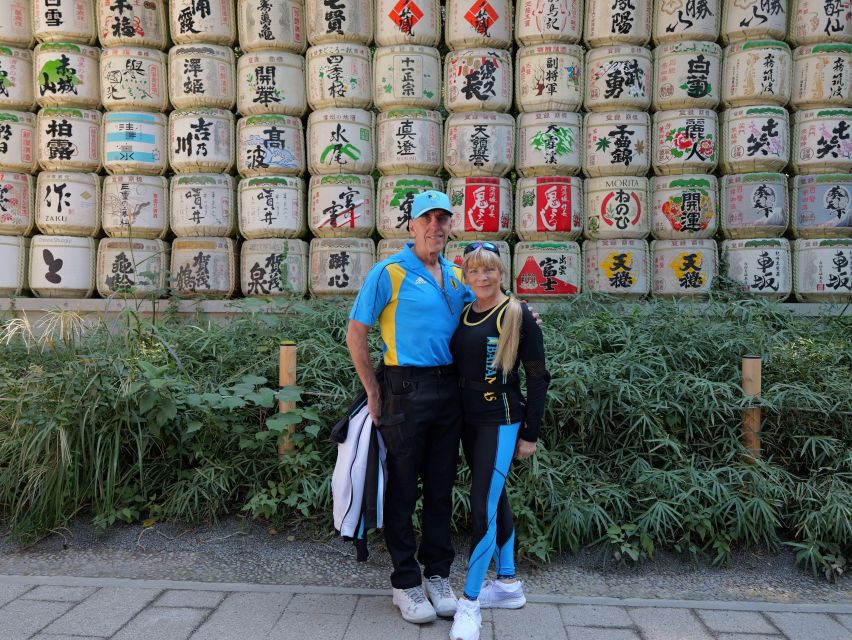
At $56 per person, the price is reasonable if you use the guide for orientation, transport help, local explanations, and route planning. It becomes especially useful on your first day, when a few hours of practical help can prevent wasted time later.
The fee covers hotel pickup, the walking tour, and route customization. It does not include your train or subway fares, entrance fees, lunch, personal expenses, or private transportation. Keep that list in mind when comparing the price with a group excursion.
A private booking also means the guide can slow down, change the order, or focus on your family rather than a fixed group schedule. Daichi has been willing to spend time making sure a visitor returned safely to the hotel, and Taka has adapted plans around family needs.
The value is lower if you already know Tokyo’s transport system and have a firm, detailed itinerary. In that case, you may prefer to explore independently and spend the $56 on food or attractions.
Who should book this Tokyo walking tour?
I would recommend it most strongly for first-time Tokyo visitors, families, couples, and solo visitors who want a calm start in a huge city. It is also useful if you want a local person to connect traditional places with modern districts instead of treating them as separate worlds.
The tour suits people who enjoy asking questions and adjusting plans. It is less suitable for anyone who wants a fixed sightseeing bus, a private car, or a fully scripted lecture.
Mobility deserves careful thought. The activity is not suitable for wheelchair users or people with mobility impairments. Even with a slower pace, Tokyo stations and urban walking can be demanding. Tell the guide about your needs before the tour, but do not book this experience if you require wheelchair access.
Free cancellation is available up to 24 hours before the start, and you can reserve now while paying later. Those policies help if your schedule is still shifting, but they do not change the need to plan your route carefully.
Should you book it?
Book this tour if you want a personal introduction to Tokyo rather than a checklist. Ask for a route that matches your interests, and use the guide to learn the train system, understand local customs, find useful food suggestions, and get your bearings for the days ahead.
I would choose four to six hours for most first visits. Pick two hours for one compact district, or a longer booking if you want several parts of the city and plenty of explanation. Ask about photography, walking pace, and your preferred neighborhoods when you connect through WhatsApp.
Skip it if you are fully comfortable navigating Tokyo alone or want every cost included in one upfront price. For everyone else, the combination of private planning, public transport practice, local context, and flexible pacing makes this a useful way to begin in one of the world’s most demanding cities to read on your own.
FAQ
How long does the Tokyo private walking tour last?
The tour lasts from 2 to 8 hours. Starting times depend on availability.
What language does the guide speak?
The live tour guide speaks English.
Is this a private group experience?
Yes. The tour is arranged as a private group.
Does the tour include hotel pickup?
Yes. The guide meets you in your hotel lobby or at another requested pickup location five minutes before the tour begins.
Do I choose the itinerary?
Yes. The itinerary can be customized around your interests and available time.
How will I discuss the itinerary with my guide?
The guide contacts you through WhatsApp within two weeks before the tour to discuss and arrange the schedule. Use a phone number connected to WhatsApp.
Are transportation fees included?
No. You pay your own train or subway fares. Private transportation is not included.
Are lunch and entrance fees included?
No. Lunch, personal expenses, and entrance fees for yourself are not included.
Is the tour suitable for wheelchair users?
No. The activity is listed as unsuitable for wheelchair users and people with mobility impairments.
New routes in Tokyo
- Tokyo: Tsukiji Market Walking Tour & Sushi Cooking Class★ 4.6 · 122 reviews
- Tokyo: Shinjuku Nightlife & Secret Backstreets Walking Tour★ 4.8 · 229 reviews
- Tokyo: Shinjuku Bar Hopping & Night Walking Tour★ 4.6 · 137 reviews
- Tokyo: Dark Side of Tokyo Shinjuku Red Light Walking Tour★ 4.7 · 862 reviews
- Tokyo: Shibuya Highlights Walking Tour★ 4.8 · 601 reviews
- Tokyo: Shibuya Highlights Walking Tour & Secret View Spot★ 4.9 · 196 reviews
- Tokyo: Shibuya Crossing & Hidden Streets Walking Tour★ 4.8 · 128 reviews
- Tokyo: Meiji Shrine Walking Tour — Shinto & Imperial System★ 4.9 · 266 reviews
Tokyo Walking Tours, compared.
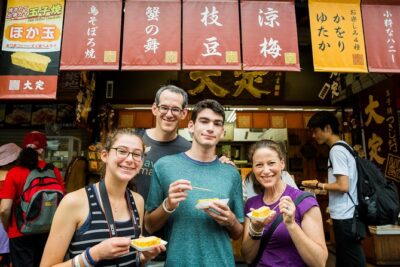
Tokyo Tsukiji Fish Market Food and Culture Walking Tour
Read our review →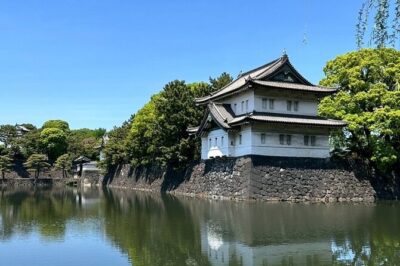
Imperial Palace and Shogun Historical Walking Tour
Read our review →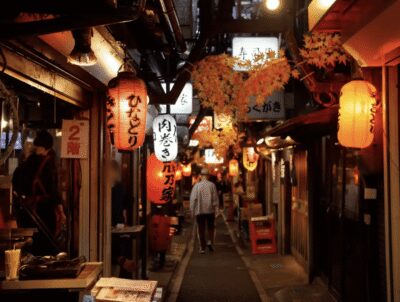
Shinjuku Local Bar and Izakaya Guided Walking Tour
Read our review →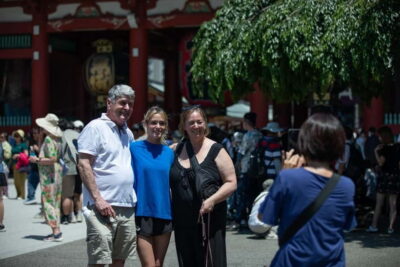
Asakusa Walking Tour with Sensoji Temple Visit
Read our review →
Tokyo Castle & Imperial PalaceーShogun Walking Tour
Read our review →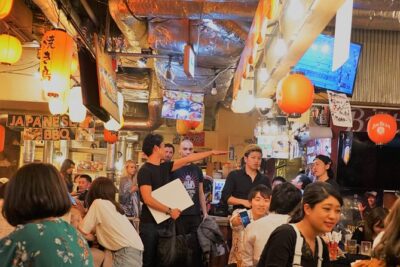
Shibuya Meltdown Nightlife Tour: All-You-Can-Drink Bar Hopping
Read our review →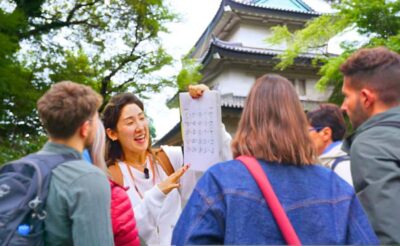
Browse the lists this tour appears in