
Review · TOKYO
Tokyo: Private Walking Tour with a Local
Tokyo makes the most sense when someone shows you how its huge rail system fits together. This private walk gives you a local guide, no fixed route, and room to ask for exactly what you need, from a first-day orientation to quiet backstreets and a good lunch.
I like the practical metro help, which can save you hours of confusion later. I also like the personal pace: guides such as Eduardo, Romana, Elizabeth, Lily, and David have adjusted routes for gardens, temples, food, shopping, views, and rest stops. The main consideration is that the experience depends heavily on the guide assigned to you, so explain your interests clearly before the day.
Key points to know before booking
- The route is built around you: Choose neighborhoods, food, temples, gardens, shopping, transport help, or simply let the guide suggest a plan.
- Metro lessons are a major strength: Several guides have helped visitors buy tickets, use rail passes, read stations, and travel independently afterward.
- You can start with a useful city orientation: Shinjuku, Shibuya, Harajuku, Asakusa, Ikebukuro, and traditional temple areas have all featured in private routes.
- The tour is truly private: You walk with your own party and local guide, rather than following a set group itinerary.
- Allow for walking and added costs: Wear comfortable shoes, and pay separately for transport, food, drinks, attractions, and your guide’s admission if you enter a paid site.
- The price buys flexibility, not a checklist: At $82 per person, the value is strongest when you want help tailored to your pace and plans.
Why a private Tokyo walk can be useful
Tokyo is not difficult because it lacks signs or trains. It is difficult because there are so many choices, and the city often feels like several cities joined together. A private guide can help you connect the pieces.
You might begin near your hotel, learn the basics of the local area, then take the metro to another district. That simple combination can give you a better sense of Tokyo than a bus ride past a long list of sights. You see how the city works, not just what it looks like.
This is especially useful on your first day. You can ask where to buy a rail pass, how to use the subway, which station exit is best, or how to return to your hotel. Guides have helped first-time visitors manage the ticket process and understand the rail system, then pointed them toward places to visit on their own.
The tour also works well later in a trip. If you already know Shibuya and Shinjuku, ask for old markets, quieter lanes, small cafés, gardens, street art, or local shopping. The guide can shape the walk around what you have not yet seen.
More Private Walking Tours in Japan
- Tokyo: Private Custom Walking Tour with Local Guide
★ 4.8 · 533 reviews - Tokyo: Private Walking Tour with a Local Guide
★ 4.9 · 469 reviews - Akihabara Anime & Game Adventure Walking Tour (Group or Private)
★ 5.0 · 404 reviews
How the three to eight hours usually unfold
There is no fixed route, so the day begins with a conversation about your interests. You can arrive with a wish list, a few questions, or no plan at all. The guide meets you at a preferred location in or near central Tokyo, such as your hotel, an iconic landmark, or a quiet café.
A three-hour booking is enough for a focused introduction. You could concentrate on one area, learn the metro, visit a temple, see a city view, and get a meal recommendation. Several short tours have connected a hotel in Shinjuku with Ikebukuro and Asakusa in only a few hours, though that sort of plan relies on efficient transport and a brisk pace.
A longer booking gives you room to slow down. You might combine two neighborhoods, stop for coffee, visit a garden, and take breaks. An eight-hour day could suit someone who wants broad orientation, but it will still involve a lot of walking and perhaps public transport.
The route may include photo stops, sightseeing, scenic views, and guided walking. Remember that transport is not included, so subway, train, taxi, or other fares are your responsibility. Meals and drinks are also separate.
Learning Tokyo’s metro instead of fearing it
For many people, the best part of this experience is not a temple or viewpoint. It is learning how to move around afterward.
Tokyo’s rail network can feel overwhelming at first, especially when you are trying to understand tickets, lines, station names, and the right exit. Guides including David, Lily, Eduardo, and Elizabeth have spent time showing visitors how to use the metro and rail system. That help can turn the rest of your holiday into a far easier experience.
A good route may use the train as part of the lesson. You do not simply follow the guide from one sight to another. You watch how tickets are purchased, how transfers work, and how to find your way through a large station. Ask the guide to explain the process rather than doing everything for you.
This part is valuable even if you are comfortable with public transport. Tokyo’s stations can be large, and a small tip about exits or transfers may save you a long walk. It can also help you decide which districts are realistic to combine during the rest of your stay.
If transport is your main goal, say so when arranging the tour. Do not assume every guide will make it the center of the day. One past booking did not match the requested schedule and became more of a translation and photography service, with little historical explanation. Clear instructions are your best protection.
Neighborhood choices, from Shibuya to old Tokyo
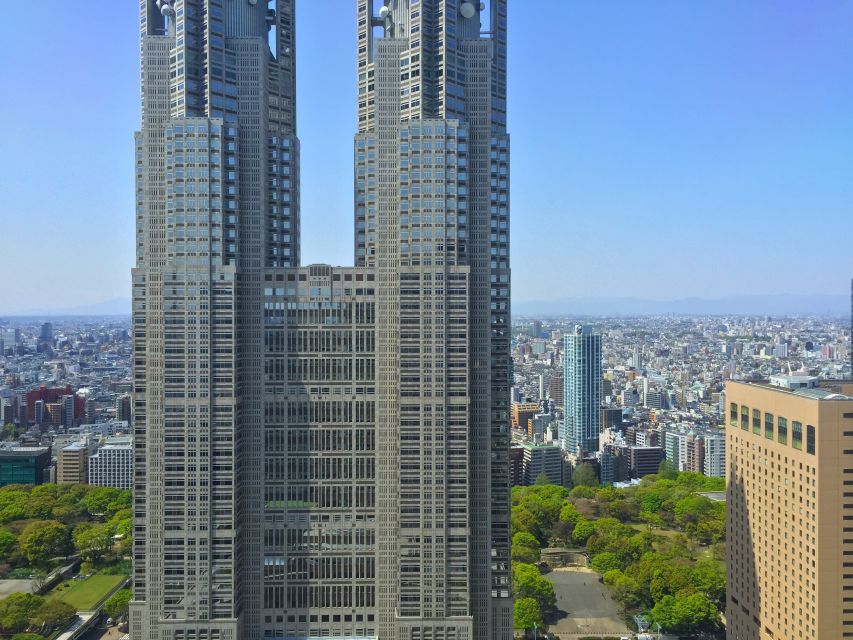
The most useful area depends on your interests and hotel location. The tour can introduce you to modern Tokyo, traditional Tokyo, or a mix of both.
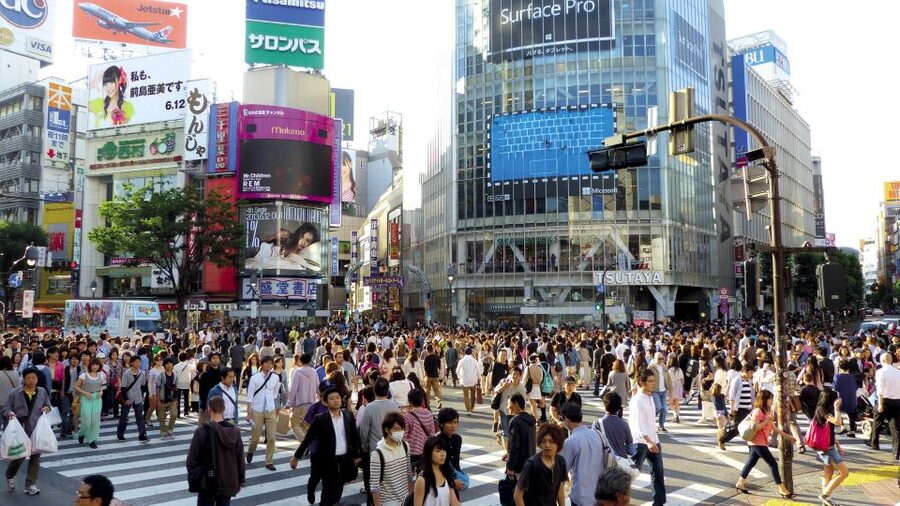
Shibuya gives you the famous crossing, city views, cafés, shopping, and nearby side streets. One route included a view of Shibuya Crossing from a tower, a coffee stop, and a visit to a hidden sushi restaurant. Another included a high-rise view at Parco Tower. If you want a broad first impression, this district offers plenty within a manageable area, although it can feel crowded and commercial.
Harajuku and the walk toward Meiji Jingu Shrine provide a different contrast. You may see youth fashion, small lanes, Cat Street, and then a more peaceful shrine setting. The walk to Meiji Jingu can be longer than expected, so tell your guide if anyone in your party has trouble walking. A guide adjusted one route to include clear directions back to the hotel when a guest began to tire.
Shinjuku is a good base for understanding Tokyo’s scale and transport. Guides have shown visitors the station, explained the local area, and used it as a starting point for other neighborhoods. It is also a sensible place to ask for restaurant suggestions or help with a complicated station.
Asakusa offers a more traditional setting, with temple visits, old customs, and local streets. Several routes paired Asakusa with modern districts, giving you a useful before-and-after view of the city. If you want cultural context, ask the guide to explain temple etiquette and the meaning behind what you see rather than simply taking photographs.
Ikebukuro, old markets, gardens, and lesser-known backstreets can fill out the experience. You might also request street art, a cat café, a Pokémon Center, cherry blossoms, or a small local restaurant. These details show why a flexible route can be more useful than a standard list of landmarks.
More Private Walking Tours in Tokyo
- Tokyo: Private Custom Walking Tour with Local Guide
★ 4.9 · 350 reviews - Tokyo: Customizable Private Guided Walking Tour
★ 4.5 · 129 reviews
The value of conversation with a local
The guide is not only there to point out buildings. The better use of the time is to ask questions you would not easily answer alone.
You can ask how modern Japanese life fits with older customs, what to expect when visiting a shrine, or where people go for coffee and lunch. One guide brought a party to a quiet lunch place that became one of the highlights of the day. Another shared detailed knowledge of kimonos after winning a prize in that field.
Language ability varies by guide, but this experience lists English, Spanish, and French. Several guides have helped guests with translation, restaurant lines, ticket purchases, and local arrangements. If you prefer a particular language, request it clearly.
A private guide can also help with small practical matters. One visitor wanted to buy a ticket for a stage musical. Another needed help finding a sushi restaurant and learning the wait time. Someone else wanted a cat café, a high-rise view, a temple, and cherry blossoms, all within a short route.
That flexibility is the heart of the experience. You are not paying only for facts. You are paying for local judgment, conversation, and the ability to change course when something catches your interest.
Walking pace, comfort, and accessibility
This is a walking tour, and comfortable shoes are essential. Even a short route can include long station corridors, stairs, sidewalks, shrine approaches, and transfers between districts.
Tell the guide about your preferred pace at the beginning. A slower walk with rest stops worked well for older visitors, while other parties covered several districts in three hours. Do not feel that you must accept an ambitious plan simply because the booking lasts all day.
The activity is listed as wheelchair accessible, but the exact route still matters. Tokyo neighborhoods, stations, and temples can differ in their surfaces, slopes, stairs, and access arrangements. Discuss mobility needs when arranging the meeting point and route.
Families can bring children under three free of charge. Children aged three to twelve receive a 50 percent discount. A private format is useful for families because you can stop, change pace, or cut a planned section short without holding up a group.
Weather also affects the day. One guide arranged umbrellas during rain, allowing the route to continue. Still, ask for a realistic plan in poor weather, especially if your main interests are gardens, scenic views, or long outdoor walks.
What $82 per person buys you
At $82 per person, this is not the cheapest way to see Tokyo. You could visit many major sights independently for less. The question is whether you need a guide who can adapt the day and teach you the city’s transport system.
The price makes more sense when you are sharing the experience with family or friends, particularly if you choose a three- or four-hour walk focused on your actual needs. It also makes sense on a first visit, when a few hours of orientation can prevent wasted time later.
The value is weaker if you want a formal sightseeing lecture, guaranteed entrance to major attractions, or a fixed list of famous sites. This is a personalized walk, not an attraction package. Entrance fees are not included, and if you ask to enter a paid attraction, you also cover the guide’s admission.
Food and drinks are separate, as are transport costs and optional activities. Build those expenses into your budget. A lunch stop can be part of the route, but you pay for the meal yourself.
I would judge the price by the usefulness of the day after it ends. If you leave able to navigate the metro, understand your neighborhood, and choose where to spend the next few days, the fee can be well spent.
How to get the best guide match
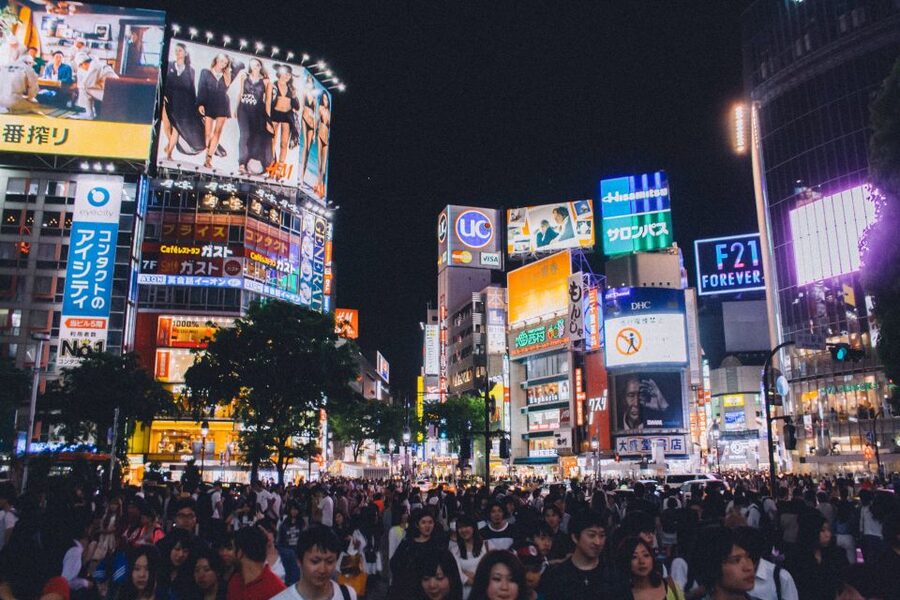
The guide assignment matters. Many bookings have featured guides such as Eduardo, Romana, Elizabeth, David, Lily, Gonul, and others, with strong praise for their flexibility, friendliness, and transport help. But the names and individual strengths vary.
Before the tour, send a short priority list. Include your hotel area, desired pace, must-see places, food interests, mobility concerns, and whether you want history, local life, photography, shopping, or transport training.
Be specific about what you do not want as well. If you want fewer famous sights and more side streets, say so. If you want a structured historical explanation, say that too. One booking went wrong because the requested plan was not followed, so do not leave the guide guessing.
You can also request a starting time. A morning route may suit temple visits and markets, while an afternoon route might work better for modern neighborhoods and evening food suggestions. The available starting times depend on the date you choose.
Who should book this experience
This tour fits first-time visitors who want a gentle start, especially if Tokyo’s rail network feels intimidating. It also suits solo visitors who want company and local advice without joining a group.
Families, older visitors, and anyone with a particular interest can benefit from the private format. You can request rest stops, a slower pace, or a route centered on food, gardens, shopping, temples, views, or pop culture.
It is less suitable if you want a polished script delivered by a specialist at every stop. It is also not ideal if you dislike walking or want all transport, meals, and admissions included in one price.
The rating is 4.4 from 419 ratings, which suggests a strong overall response while leaving room for uneven guide matching. Treat the tour as a flexible service. Your preparation and communication will shape the result.
Should you book the Tokyo private walking tour?
Book it if you want to get your bearings, learn the metro, and see Tokyo through a conversation rather than a fixed route. I would especially consider it for the first day of a visit, with a three- or four-hour plan built around your hotel area and one or two nearby districts.
Ask for clear transport instruction if that is your priority. Request a slower pace if needed, and name the sights or neighborhoods that matter most. For a longer day, include breaks and do not try to cram every major district into one route.
Skip it if your main goal is a low-cost checklist of famous attractions or a formal history tour. But if $82 per person fits your budget, the chance to learn Tokyo’s rail system, find a good local meal, and leave with a practical plan for the rest of your stay makes this a useful introduction.
FAQ
How long does the private Tokyo walking tour last?
The tour lasts between 3 and 8 hours. You can check available starting times when selecting your date.
Where does the guide meet you?
The guide can meet you at your preferred location in or near central Tokyo. This may be your hotel, an iconic landmark, or a quiet café.
Is the route fixed?
No. The route is private and personalized, so you can bring questions and interests or ask the guide to suggest a plan.
Which languages are available?
Live guides are listed for English, Spanish, and French.
Are entrance fees, transport, meals, and drinks included?
No. Entrance fees, personal expenses, optional activities, meals, drinks, and transportation are not included. If you visit a paid attraction, you must also cover the guide’s entrance fee.
Can children and wheelchair users join?
The activity is listed as wheelchair accessible. Children under three can join free of charge, and children aged three to twelve receive a 50 percent discount.
New routes in Tokyo
- Tokyo: Tsukiji Market Walking Tour & Sushi Cooking Class★ 4.6 · 122 reviews
- Tokyo: Shinjuku Nightlife & Secret Backstreets Walking Tour★ 4.8 · 229 reviews
- Tokyo: Shinjuku Bar Hopping & Night Walking Tour★ 4.6 · 137 reviews
- Tokyo: Dark Side of Tokyo Shinjuku Red Light Walking Tour★ 4.7 · 862 reviews
- Tokyo: Shibuya Highlights Walking Tour★ 4.8 · 601 reviews
- Tokyo: Shibuya Highlights Walking Tour & Secret View Spot★ 4.9 · 196 reviews
- Tokyo: Shibuya Crossing & Hidden Streets Walking Tour★ 4.8 · 128 reviews
- Tokyo: Private Custom Walking Tour with Local Guide★ 4.9 · 350 reviews
Tokyo Walking Tours, compared.
Tokyo Tsukiji Fish Market Food and Culture Walking Tour
Read our review →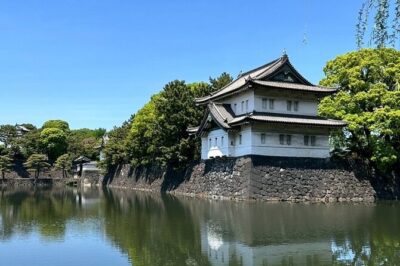
Imperial Palace and Shogun Historical Walking Tour
Read our review →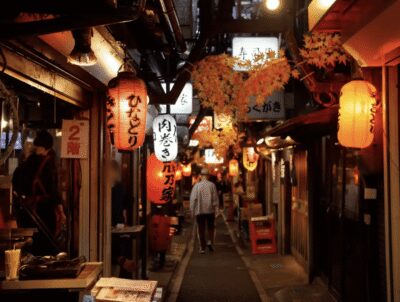
Shinjuku Local Bar and Izakaya Guided Walking Tour
Read our review →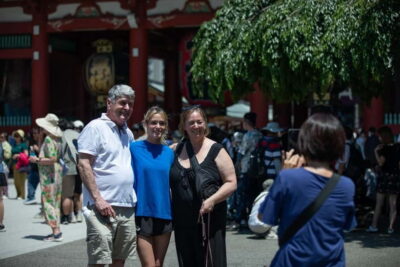
Asakusa Walking Tour with Sensoji Temple Visit
Read our review →
Tokyo Castle & Imperial PalaceーShogun Walking Tour
Read our review →
Shibuya Meltdown Nightlife Tour: All-You-Can-Drink Bar Hopping
Read our review →
Browse the lists this tour appears in