
Review · TOKYO
Tokyo: Private Walking Tour with a Local Guide
Tokyo is too large to understand in one quick sweep, but this private walking tour gives you a useful local compass. You can spend the day with guides such as Momo, Miwa, Rika, Hina, or Kanako, choosing a mix of temples, markets, shopping streets, and modern districts rather than following a fixed script.
I like two things right away: the guide contacts you before the tour to ask what you want, and the route can include practical help with Tokyo’s trains and subway system. I also like the chance to see quieter lanes and everyday neighborhoods alongside famous sights. The catch is that Tokyo’s size and train travel can eat up your time, especially on a short tour, and the experience is not suitable for wheelchair users or people with mobility impairments.
Key points to know before booking
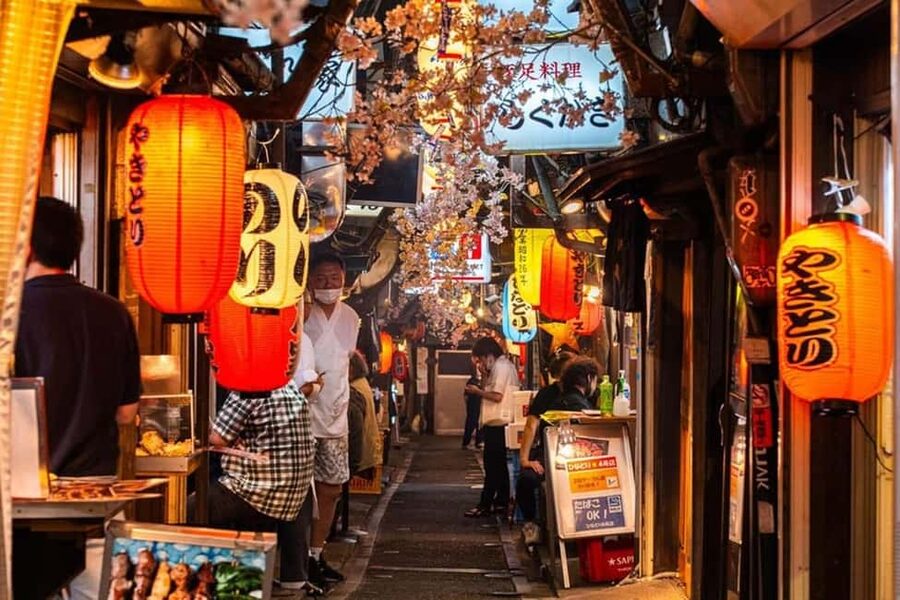
- Your route is built around your interests: Pick major sights, local neighborhoods, food markets, temples, shopping, or a mix of old and new Tokyo.
- Guides make the city easier to use: They can accompany you on public transport and explain how to get around for the rest of your trip.
- The guides earn the strongest praise: Momo, Miwa, Rika, Hina, and Kanako are frequently described as warm, flexible, clear in English, and attentive.
- A six or eight-hour option covers more ground: A two or four-hour outing works better for one district or a first look at the city.
- You pay extra for transport, meals, and added attractions: The tour includes temple and shrine entrance fees, but not every admission ticket.
- Come ready to walk: Wear comfortable shoes, bring cash and a card, and expect public transport between districts.
Why a private Tokyo tour can make sense
Tokyo rewards planning, but it can also punish overplanning. The city spreads across many districts, and a route that looks simple on a map may involve long train connections, crowded stations, and several changes. A local guide helps you make sensible choices before the day begins.
That advance conversation is one of the best parts of this experience. Within 24 hours of the tour, your guide contacts you through WhatsApp and asks about your interests, preferred pace, food needs, and specific places. You then settle the final route together.
I would use that conversation carefully. If you want temples and traditional streets, say so. If you are more interested in anime, shopping, food, or daily life, say that instead. You can also ask for a first-day orientation, help with train travel, or a route that mixes major sights with less touristy stops.
The tour runs from two to eight hours, with four, six, and eight-hour options noted for the longer outings. The two-hour version is best for a compact introduction. Four hours gives you enough time for one or two connected areas. Six hours is the more useful choice if you want both traditional Tokyo and modern districts. An eight-hour day can cover a lot, but you should expect plenty of walking and time on trains.
More Private Walking Tours in Japan
- Tokyo: Private Custom Walking Tour with Local Guide
★ 4.8 · 533 reviews - Tokyo: Private Walking Tour with a Local
★ 4.4 · 419 reviews - Akihabara Anime & Game Adventure Walking Tour (Group or Private)
★ 5.0 · 404 reviews
Meeting your guide and getting around
Pickup is included from your hotel or accommodation in central Tokyo, or from another agreed meeting point in Tokyo. You then travel on foot and by public transport. Airport pickup and drop-off are not included.
This is not a private car tour. That matters. Your guide can save you from confusion in major stations, but you still use Tokyo’s trains and subways. Several people found this particularly useful for learning how to move around independently after the tour. A Suica card or another ready-to-use transit option can speed things up, and one person specifically recommended having a metro pass or Suica card prepared in advance.
The tradeoff is comfort. Trains can be crowded, and station walking adds to the day. One visitor felt that too much time went into walking and standing on packed trains, and wished they had arranged a mix of trains and taxis. Taxis would cost more, so discuss the balance with your guide before departure.
Tokyo Vibes also asks you to invite the guide to eat if you choose lunch or dinner during the tour and to cover the guide’s meal. If you do not want to do that, say so ahead of time. That small bit of planning avoids an awkward pause when hunger arrives.
Sensō-ji and Asakusa: the best traditional starting point
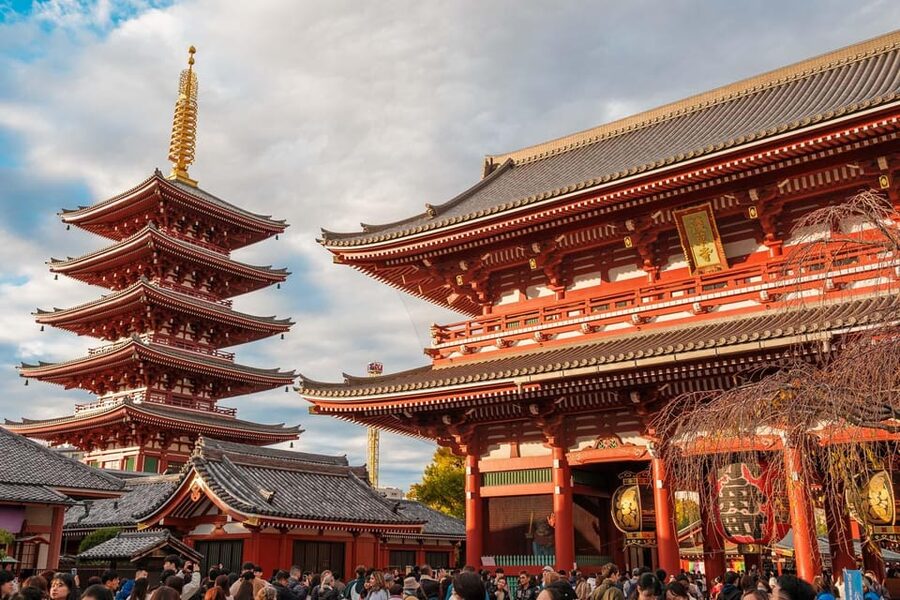
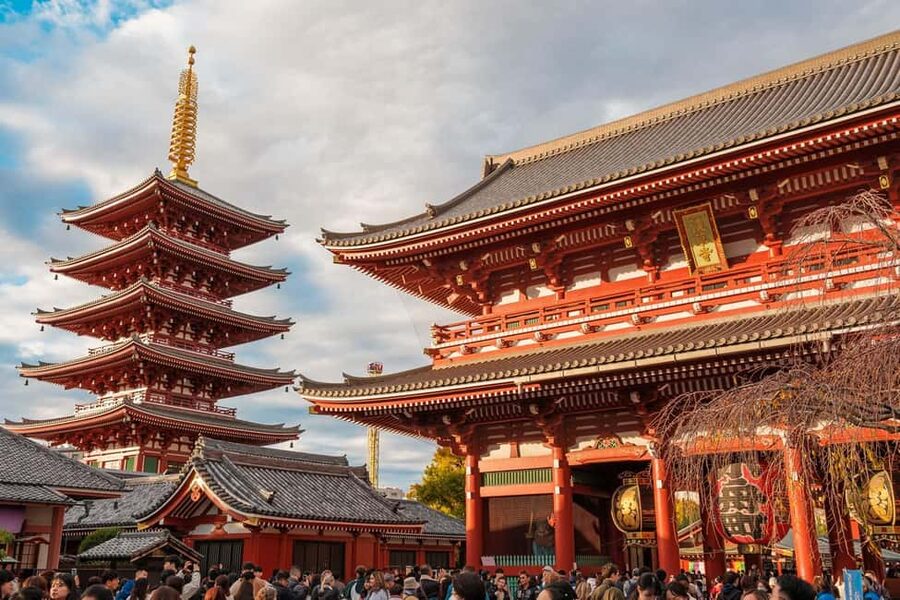
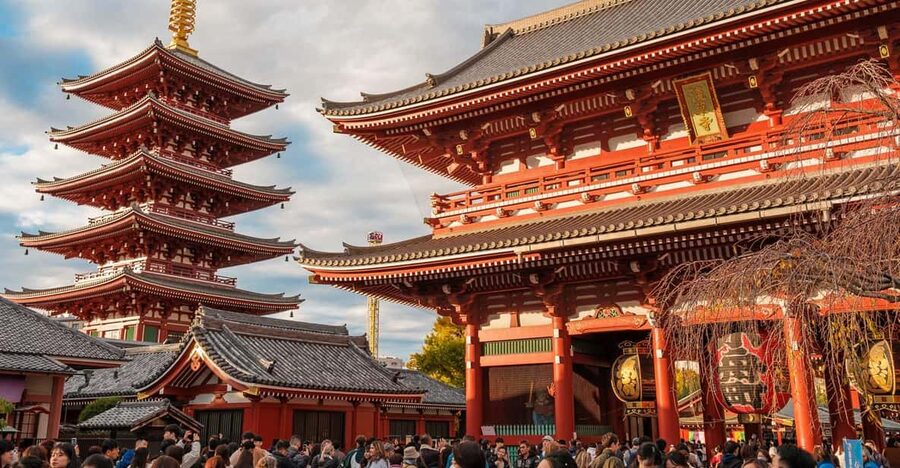
Sensō-ji Temple in Asakusa is one of the strongest choices for a first visit. The approach leads through the famous Kaminarimon gate and Nakamise shopping street toward the temple grounds. Your guide can explain basic Buddhist and Japanese customs, including how temples differ from Shinto shrines.
Asakusa gives you more than a single building. The surrounding streets offer old Tokyo atmosphere, souvenir stalls, small eateries, and views of daily neighborhood life. It is a good place to ask questions about religious practice, festivals, local food, and how historic Tokyo fits into the modern city.
The drawback is crowding. Sensō-ji is one of Tokyo’s best-known sights, so it will not feel like a secret corner. The value of the guide here is not simply showing you the temple. It is helping you understand what you are seeing and perhaps steering you toward nearby streets that fit your interests.
Ueno and Ameya-Yokocho: markets, snacks, and local energy
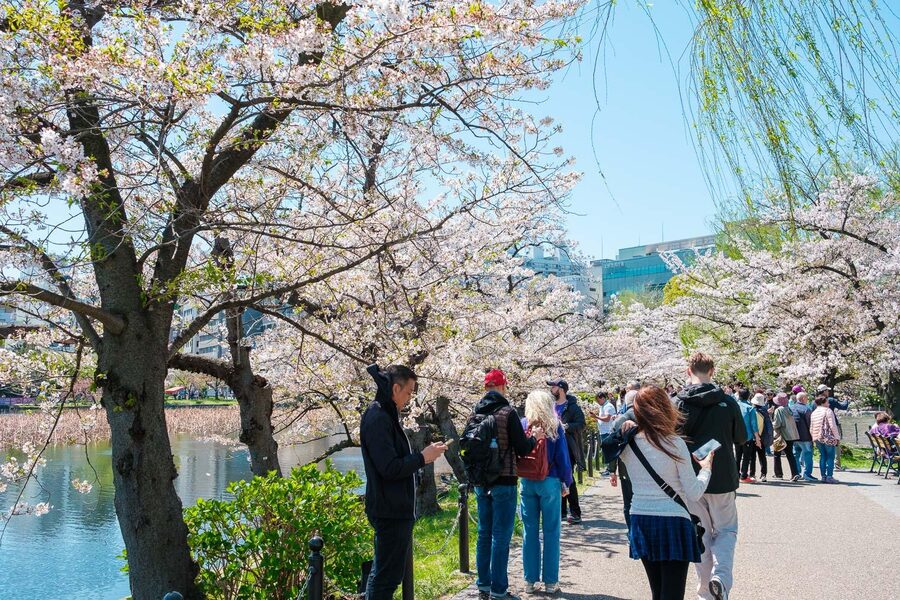
Ueno works well with Asakusa because the two areas can form a traditional eastern Tokyo route. The district is known for its park, cultural attractions, and busy shopping streets. Ameya-Yokocho adds a very different mood, with market stalls, food, and a tight urban buzz.
This part of the tour suits you if you want to taste and browse rather than only photograph monuments. Free samples and grilled seafood were part of one enjoyable Tsukiji outing, and a guide can help explain what you are seeing at market stalls without turning the stop into a formal food tour.
Keep your appetite flexible. Meals and drinks are not included, and any food purchases are yours to pay for. If you want a proper lunch, discuss the timing and the guide’s meal arrangement in advance.
More Private Walking Tours in Tokyo
- Tokyo: Private Custom Walking Tour with Local Guide
★ 4.9 · 350 reviews - Tokyo: Customizable Private Guided Walking Tour
★ 4.5 · 129 reviews
Akihabara: Tokyo’s modern pop culture side
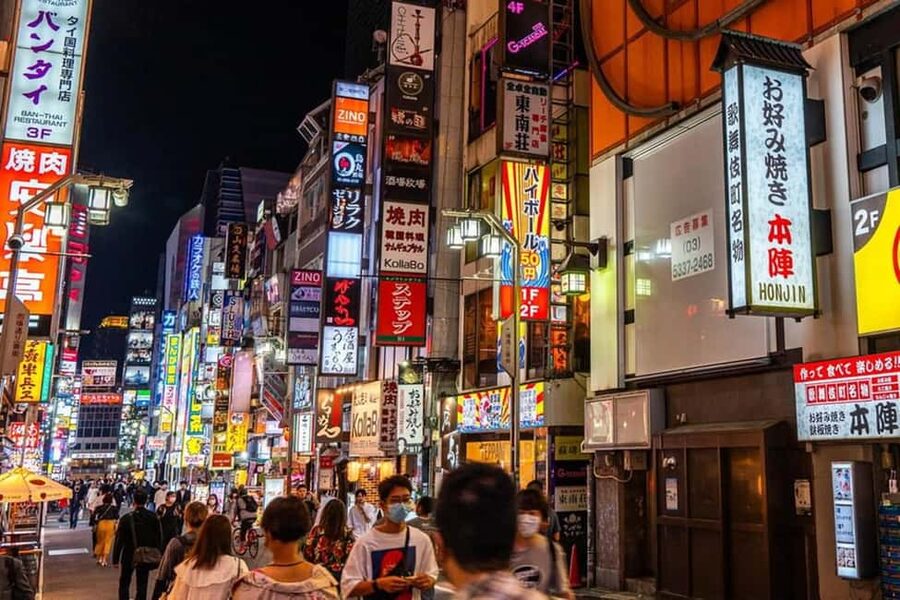
Akihabara shows a different Tokyo, one shaped by electronics, anime, manga, games, and modern Japanese pop culture. It is a useful choice for visitors who do not want a tour limited to shrines and old streets.
The area can be overwhelming if you arrive without a plan. Tell your guide what interests you, since Akihabara can mean shopping, arcades, collectibles, technology, or simply seeing one of Tokyo’s most distinctive districts. Extra attraction tickets are not included, so any special venue or paid activity would be at your own cost, including the guide’s admission when required.
Shibuya Crossing and Harajuku: famous Tokyo, with limits
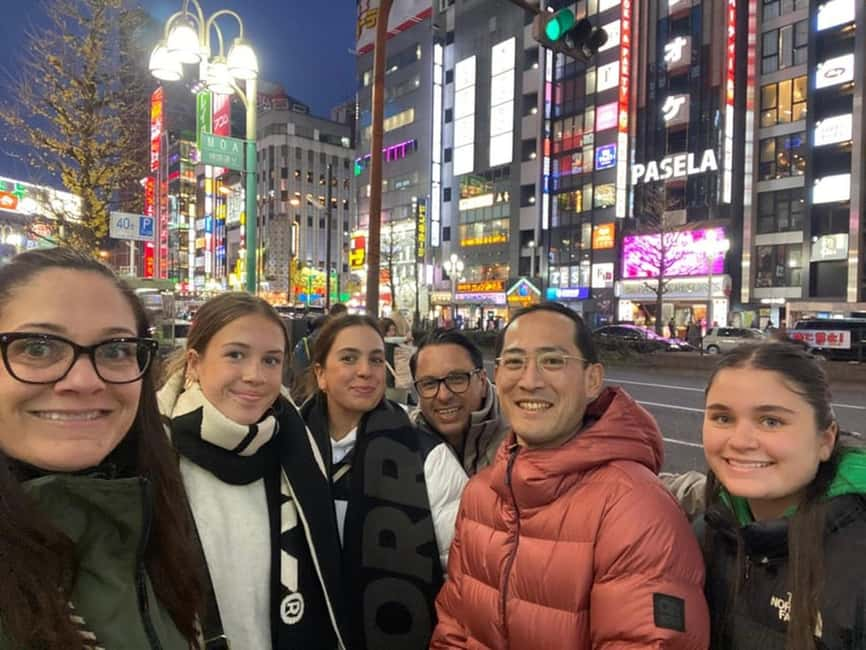
Shibuya Crossing is an obvious Tokyo landmark. Your guide can help you approach it, understand the surrounding district, and connect the crossing with shopping streets and nearby modern neighborhoods. It is a quick visual hit, but it is not a long cultural visit by itself.
One useful warning: do not assume every famous sight deserves a place on your personal route. One couple later felt Shibuya Crossing was the one stop they would have skipped. That is exactly why the pre-tour planning matters. If you love iconic city scenes, keep it. If you prefer quiet streets, food, or history, spend the time elsewhere.
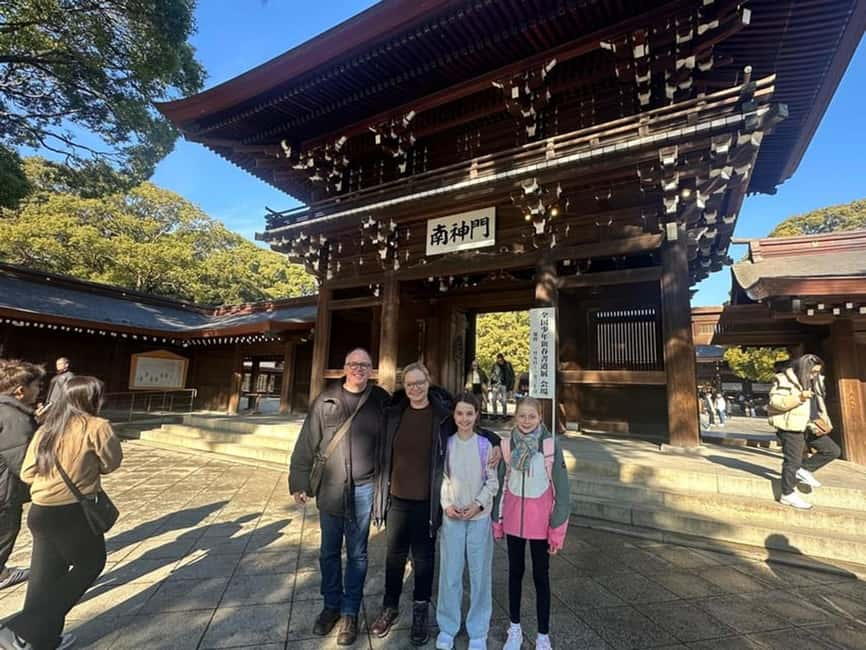
Harajuku offers a contrast, with youth fashion, shopping, and Meiji Shrine nearby. It can work well as a modern and traditional pairing. The guide can explain how the commercial streets differ from the calm shrine grounds, giving you more context than a quick walk between the two.
Meiji Shrine: calm inside the city
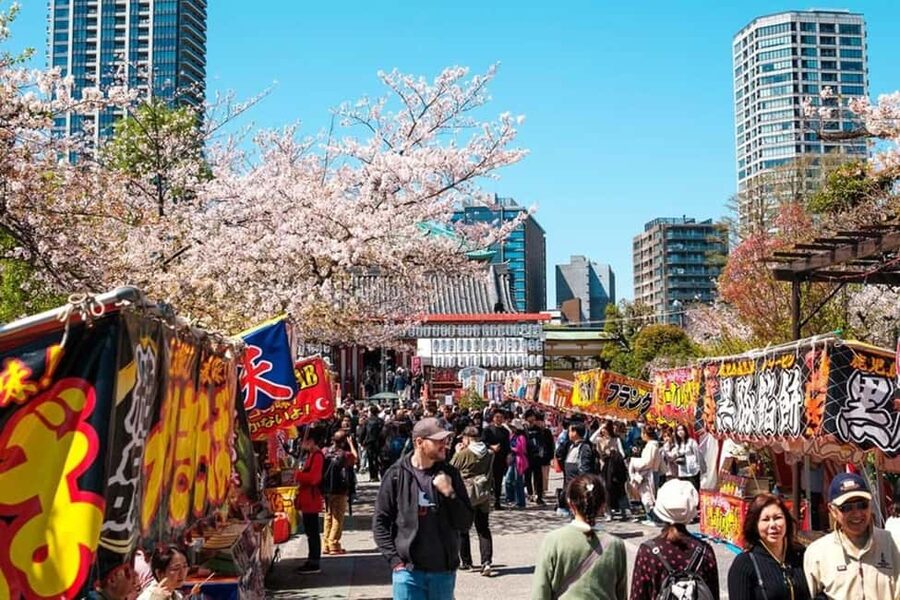
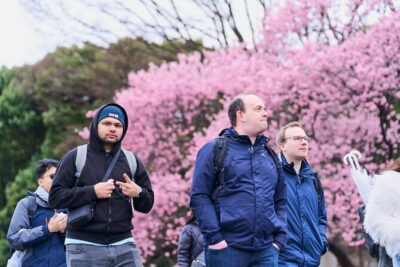
Meiji Shrine is one of the most popular Shinto sites in Tokyo. Its broad approach and wooded setting provide a noticeable change from the surrounding city streets. Your guide can explain shrine etiquette, purification, offerings, and the difference between Shinto and Buddhism.
This is a good stop for first-time visitors who want cultural context without needing a long museum visit. It also offers a slower part of the day after crowded shopping districts. Even so, you should expect walking, and the route may include long approaches rather than a short step from the train.
Tsukiji Outer Market: a strong choice for food lovers
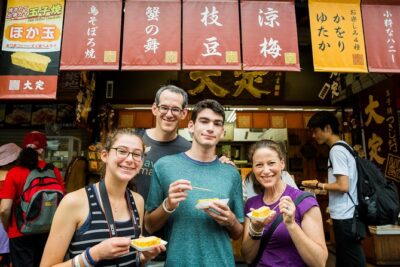
Tsukiji Outer Market is one of the most useful choices if you want to connect sightseeing with food. The outer market has stalls selling seafood, snacks, kitchen goods, and other ingredients. A guide can help you decide what to sample and explain how the market fits into Tokyo’s food culture.
This stop often works best in the morning, though your exact start time depends on availability and your chosen schedule. You pay for food yourself, and the tour does not include a meal. If you plan to eat with your guide, remember the meal arrangement.
I would choose Tsukiji over a generic restaurant stop if you want an active, local-feeling experience. It can be crowded and busy, though, and people with food allergies or strict dietary needs should explain those limits before the tour.
Ginza and the Imperial Palace: polished streets and national history
Ginza is Tokyo’s high-end shopping district, with department stores, luxury brands, galleries, and carefully planned streets. It is a good match for visitors interested in design, shopping, architecture, or the polished side of the capital.
The Imperial Palace offers a different kind of stop. You can see the area around Japan’s imperial residence and learn about the country’s political and historical development. Access to specific palace areas may require an additional ticket or special arrangement, so do not assume every interior or paid attraction is covered.
These two stops make sense together when you want a central Tokyo route. They are less useful if your main goal is neighborhood life or street food, so make your priorities clear before the day is fixed.
Shinjuku: big-city Tokyo at full volume
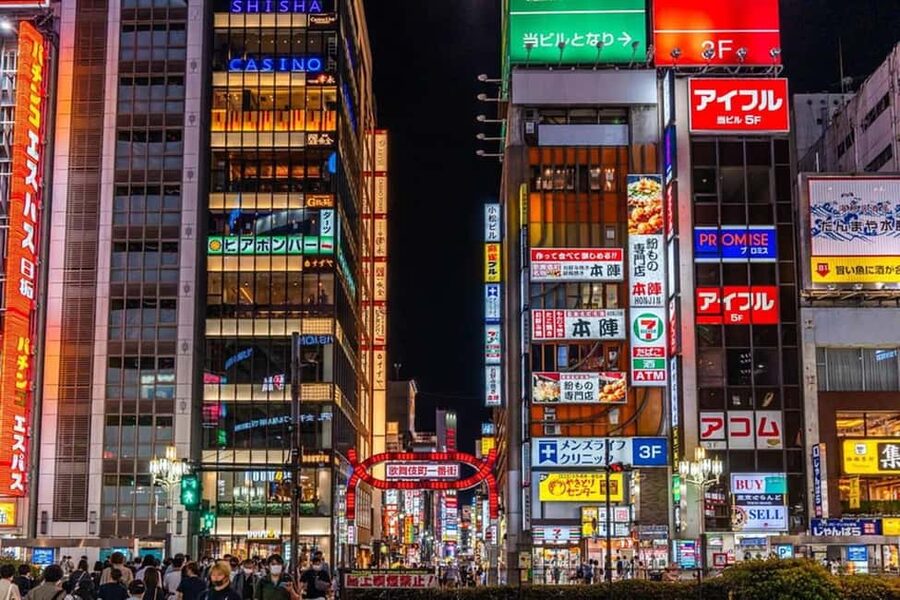
Shinjuku is one of the capital’s major commercial and transport districts. It gives you department stores, office towers, shopping, restaurants, nightlife, and some of the city’s most intense station activity.
A guide is especially useful here because Shinjuku Station and its surrounding streets can feel confusing even after several days in Tokyo. You might choose Shinjuku for shopping, food, city views, or an introduction to Tokyo after dark. The district is broad, so a short tour will only give you a taste.
If your group wants a relaxed pace, do not try to squeeze Shinjuku into a route that already includes Asakusa, Ueno, Shibuya, and Tsukiji. Tokyo is not a checklist. A shorter route with time to stop, ask questions, and eat will usually be more enjoyable than racing between districts.
What the guides do best
The strongest part of this experience is the human connection. Momo is often praised for warmth, humor, clear explanations, and the ability to show local places that visitors might miss. Miwa is described as thoughtful, organized, energetic, and especially good at helping people choose a practical route. Rika is noted for clear communication, train know-how, patience, and taking useful photos.
Hina is a strong match if you want history, culture, and a relaxed pace. Kanako has experience adjusting the day for older visitors, including using taxis rather than trains when walking speed and comfort required it. Other guides, including Yossy, Yoshie, Nao, Saya, and Momoha, are also associated with friendly, flexible outings.
The common thread is not a rigid lecture. The guides explain history, spiritual customs, pop culture, food, and everyday life in clear English, then adjust how much detail they give. That matters because Tokyo can become exhausting when every stop comes with too many facts.
Several people also appreciated help beyond the tour itself, including suggestions for later sightseeing, train use, shopping, and travel planning. If this is your first day in Japan, that practical orientation may be worth as much as the sightseeing.
Price, pace, and overall value
The listed price is $53 per person. That is a fair starting price for a private experience with hotel pickup, a local guide, public transport assistance, and covered entrance fees for temples and shrines. The value improves when you share the tour with several people, since the route remains private rather than becoming a large group outing.
The price does not cover meals, drinks, trains, taxis, airport transfers, or additional paid attractions. You should also budget for your own food and any transport fares. If you want a taxi-heavy day, confirm the added cost before setting the route.
A private guide is most valuable when you have limited time or feel uneasy about Tokyo’s size. It is less necessary if you already know the city well, enjoy planning train routes, and prefer exploring at your own speed.
Free cancellation is available up to 24 hours before the start, and you can reserve without paying immediately. The final itinerary is normally agreed with the guide around 24 hours before the tour, so keep your WhatsApp available and answer the planning questions carefully.
Who should book this Tokyo experience?
I would recommend it to first-time visitors, families wanting a private pace, couples with a short stay, and anyone who wants a local introduction before exploring alone. It is also useful for visitors who want to combine famous sights with markets, small lanes, and everyday neighborhoods.
The tour can suit older visitors if the guide knows in advance that the pace must be slower. Kanako’s outing shows that taxis and extra patience can be worked into the day, though transport costs may rise.
I would think twice if you dislike walking, crowded trains, or flexible plans. The experience is not suitable for wheelchair users or people with mobility impairments, and baby strollers and baby carriages are not allowed. You should bring identification, comfortable shoes, cash, and a credit card.
Should you book it?
Book this tour if you want a personal Tokyo orientation rather than a fixed sightseeing circuit. Tell the guide exactly what you care about, then let the route focus on two or three connected areas instead of trying to conquer the entire city.
For a first day, I would choose four or six hours and combine one traditional area, one market or food stop, and one modern district. Choose eight hours only if your group is happy with a long, active day. The best result comes from treating the tour as a conversation with a local who helps you make good choices, not as a race to collect landmarks.
FAQ
How long does the private Tokyo walking tour last?
The tour can last from two to eight hours. Four, six, and eight-hour options are available depending on the selected booking.
What areas can the tour visit?
Possible areas include Asakusa, Ueno, Akihabara, Shibuya, Harajuku, Tsukiji, Ginza, Shinjuku, and the Tokyo Imperial Palace. The final route is based on your preferences and the time you book.
Is hotel pickup included?
Yes. The guide can meet you at your hotel in central Tokyo or at another preferred meeting place in Tokyo.
Is airport pickup included?
No. Airport pickup and drop-off are not included.
Does the tour use public transport?
Yes. The experience combines walking with convenient public transport. Train and other transport costs are not included.
Are temple and shrine entrance fees included?
Entrance fees for temples and shrines are included. Tickets for additional attractions or special requests are not included.
Are food and drinks included?
No. Meals and beverages are not included. If you eat with the guide, you are asked to cover the guide’s meal.
What language does the guide speak?
The live tour is conducted in English.
Is the tour private?
Yes. It is a private group experience, so the route is arranged around your group’s interests.
What should I bring?
Bring a passport or ID card, comfortable shoes, cash, and a credit card. You should also download WhatsApp because your guide will contact you there before the tour.
Can people using wheelchairs join?
No. The experience is not suitable for wheelchair users or people with mobility impairments.
Can I cancel the booking?
Yes. You can cancel up to 24 hours in advance for a full refund. You can also reserve now and pay later.
New routes in Tokyo
- Tokyo: Tsukiji Market Walking Tour & Sushi Cooking Class★ 4.6 · 122 reviews
- Tokyo: Shinjuku Nightlife & Secret Backstreets Walking Tour★ 4.8 · 229 reviews
- Tokyo: Shinjuku Bar Hopping & Night Walking Tour★ 4.6 · 137 reviews
- Tokyo: Dark Side of Tokyo Shinjuku Red Light Walking Tour★ 4.7 · 862 reviews
- Tokyo: Shibuya Highlights Walking Tour★ 4.8 · 601 reviews
- Tokyo: Shibuya Crossing & Hidden Streets Walking Tour★ 4.8 · 128 reviews
- Tokyo: Shibuya Highlights Walking Tour & Secret View Spot★ 4.9 · 196 reviews
- Tokyo: Private Custom Walking Tour with Local Guide★ 4.9 · 350 reviews
Tokyo Walking Tours, compared.
Tokyo Tsukiji Fish Market Food and Culture Walking Tour
Read our review →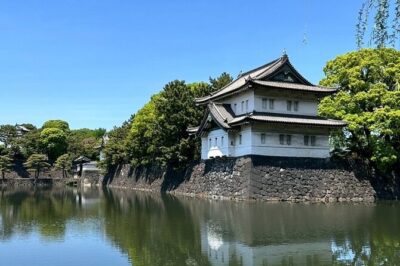
Imperial Palace and Shogun Historical Walking Tour
Read our review →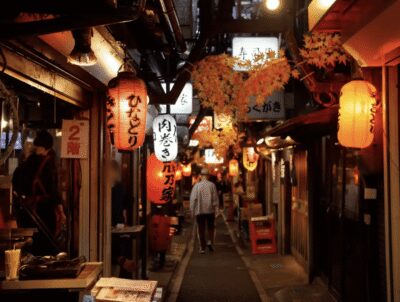
Shinjuku Local Bar and Izakaya Guided Walking Tour
Read our review →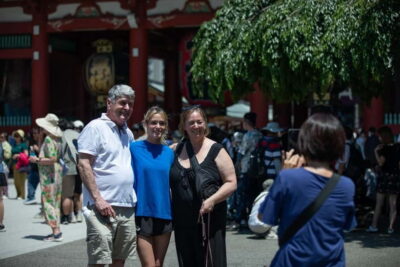
Asakusa Walking Tour with Sensoji Temple Visit
Read our review →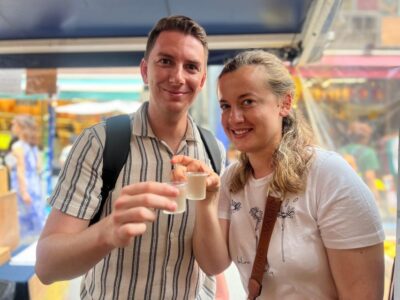
Tokyo Castle & Imperial PalaceーShogun Walking Tour
Read our review →
Shibuya Meltdown Nightlife Tour: All-You-Can-Drink Bar Hopping
Read our review →
Browse the lists this tour appears in