
Review · TOKYO
Tokyo: Meiji Shrine Walking Tour — Shinto & Imperial System
The most striking part of this tour is how quickly Tokyo disappears. Beyond the first torii, a path through roughly 100,000 trees muffles the city, and birdsong replaces traffic. At the shrine, you’ll learn why the center of the approach belongs to the deities, how to pray properly, and what the Meiji era changed in Japan.
I especially like the small group limit of 10, which gives guides room to answer questions and help with customs. I also like the practical finish at Café Mori no Terrace, where you can pause with tea, browse gifts, and let the ideas settle. The one drawback is that the tour is English only, and the 90 to 135 minute schedule can feel short if you want a slow, photo-heavy visit.
Key points at a glance
- A silent forest in central Tokyo: Walk beneath approximately 100,000 trees on the approach to Meiji Shrine.
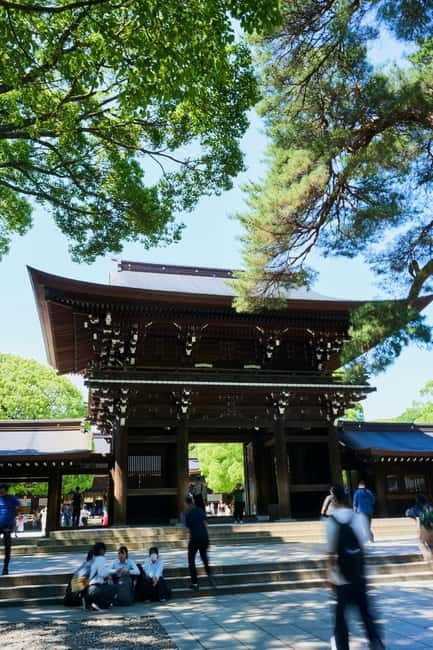
- A 12-meter wooden torii: See Japan’s largest wooden torii, made from 1,500-year-old Taiwanese cypress.
- Useful shrine etiquette: Learn where to walk, how to purify yourself, and how to make an offering respectfully.
- History beyond the shrine: Connect Emperor Meiji, the imperial system, the samurai era, and modern Japan.
- Small groups up to 10: Guides such as Yuuka, Keiko, Ayaka, Yuki, and Nonoka are praised for clear explanations and personal help.
- A gentle ending: Finish with free time, shopping, tea, and snacks at Forest Terrace Meiji Jingu.
Why Meiji Shrine feels far removed from Tokyo
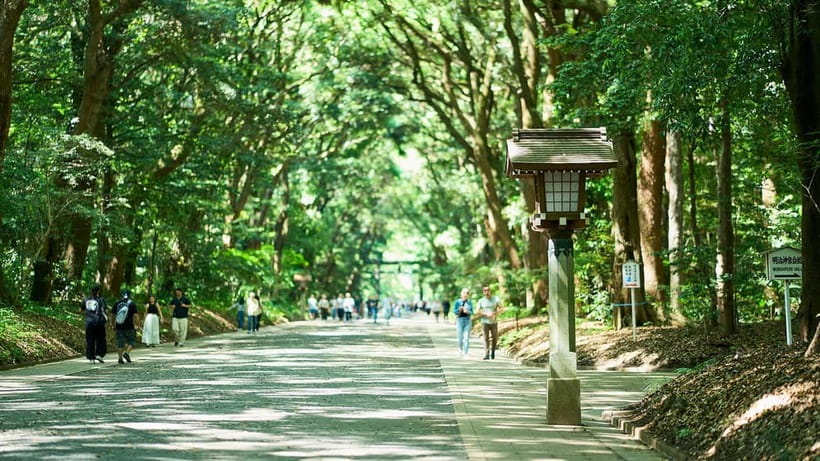
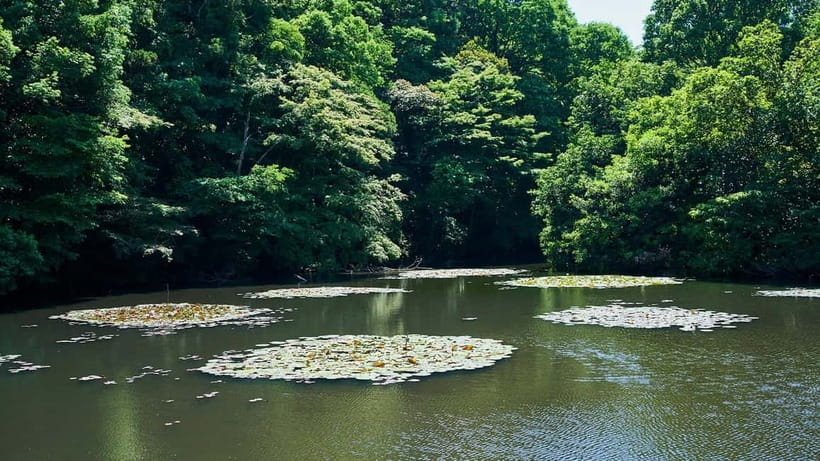
Meiji Shrine sits beside Harajuku, one of Tokyo’s busiest districts, yet the walk into the grounds feels like a change of volume. The forest is the first lesson. It shows that a shrine visit is not only about a building at the end of a path. The approach itself prepares you to slow down.
The trees were planted as part of the shrine grounds, creating a broad green refuge around the sacred buildings. You’ll walk on a shaded route with plenty to notice, including birdsong, changing views through the trees, and the steady rhythm of the path. The exact sense of quiet will vary with the time and day, but the contrast with nearby Harajuku is central to the experience.
This is a good first stop in Tokyo if you want cultural context before visiting more shrines and temples. The guide explains the basic difference between Shinto and Buddhism, along with the customs that can otherwise leave first-time visitors guessing. Nonoka, Ayaka, Yuuka, Keiko, and other guides have been praised for making those explanations easy to follow in English.
More Walking Tours in Tokyo:
- Tokyo Tsukiji Fish Market Food and Culture Walking Tour
★ 5.0 · 3,184 reviews - Tokyo: Imperial Palace and Shogun Historical Walking Tour
★ 5.0 · 2,251 reviews - Tokyo: Shinjuku Local Bar and Izakaya Guided Walking Tour
★ 4.9 · 1,794 reviews
Starting at Harajuku and meeting the first torii
The listed starting and finishing area is Harajuku Station, though your exact meeting point can vary with the option you book. Give yourself time to find the guide, especially in the busy station area. The tour is limited to 10 people, and several guides have made a point of waiting for late-arriving participants or helping groups find one another.
The first major sight is Meiji Jingu Ichino Torii. This is where the tour begins to explain the shift from ordinary city space to shrine space. You’ll also learn a small but important custom: walk toward the side of the approach rather than down the middle. The central route, called seichu, is traditionally reserved for the deities.
That detail may seem minor, but it changes how you move through the grounds. Instead of treating the shrine like a scenic shortcut, you begin to see the path as part of the religious setting. A good guide also helps you notice the difference between taking photographs and simply being present.
The sake barrels and the story they tell
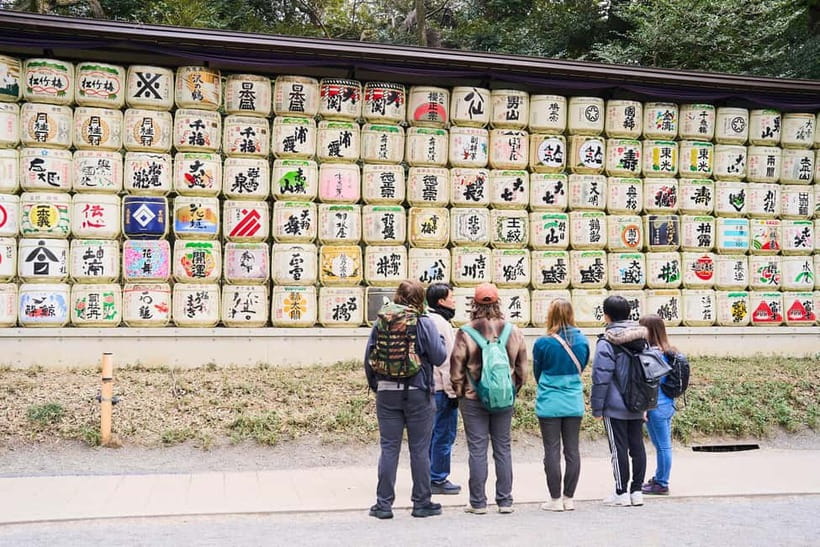
Along the route, you’ll stop at the consecrated wine and sake barrels. They make an excellent photo point, but they are more than colorful decoration. The barrels show the relationship between religious institutions, traditional crafts, and offerings made to a shrine.
The tour covers both the consecrated wine barrels and the sake barrels, with short guided stops rather than a long lecture. This keeps the walk moving. You’ll learn why sake appears at Shinto sites and how these offerings fit into shrine traditions.
The displays also give the guide a chance to explain how Japanese customs combine ceremony with everyday objects. A barrel is still a barrel, but in this setting it carries a different meaning. That kind of explanation is one reason I see value in taking a guide here instead of simply walking past on your own.
The 12-meter Big Torii

The Big Torii is the visual centerpiece of the approach. At about 12 meters high, it is made from a 1,500-year-old Taiwanese cypress. The material and scale give it a strong presence, even before you know its story.
This is a natural pause for photographs, but don’t rush through it. The guide explains how to pass through respectfully and repeats the advice about keeping to the side of the path. You’ll begin to recognize that shrine etiquette is not a set of obscure rules. It is a way of showing care for the space and the people who come to worship there.
The torii marks a boundary between the ordinary and the sacred. You are still in the middle of Tokyo, but the atmosphere changes. I like this part of the route because the explanation is tied to something you can see and feel, rather than delivered as a detached history lesson.
Same streets, a different guide:
- Tokyo: Tsukiji Fish Market Food and Walking tour
★ 5.0 · 1,724 reviews - Tokyo: Asakusa Walking Tour with Sensoji Temple Visit
★ 4.8 · 1,583 reviews - Tokyo: Tsukiji Fish Market Guided Walking Tour
★ 4.9 · 1,397 reviews - Tokyo Castle & Imperial PalaceーShogun Walking Tour
★ 4.7 · 1,068 reviews
Emperor Meiji, Empress Shoken, and the imperial story
The tour’s historical focus is the connection between Meiji Shrine and the imperial system. The shrine honors Emperor Meiji and Empress Shoken, and the guide uses their era to explain how Japan moved from samurai rule toward a modern state.
You’ll hear about the 2,600-year-old imperial system as it is presented within Japanese history and tradition. The important point for a visitor is not to memorize a list of dates. It is to understand why Emperor Meiji remains tied to Japan’s transformation in the late 19th century, when the country was reshaped politically and socially.
The guides bring this subject down to a practical level. Yuki has been praised for explaining the imperial system, Shinto, and Japan’s transition from the samurai era to modern life in clear terms. Yuuka has used old photographs to show what the area looked like before the shrine was built. Those visual aids can help you connect the present forest and buildings with the historical changes being discussed.
This section is particularly useful if Japanese history is new to you. The tour does not try to cover every period in Japan’s past. Instead, it gives you a framework for understanding why this shrine matters and why it remains important to people in Tokyo.
Meiji Shrine and Shinto customs
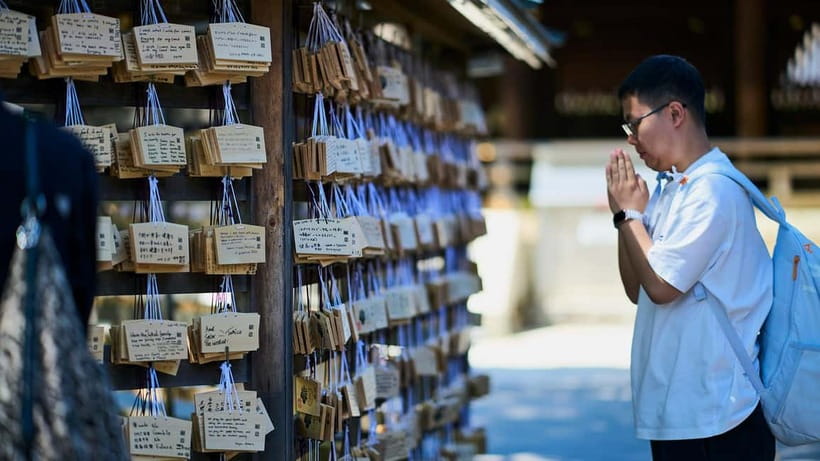
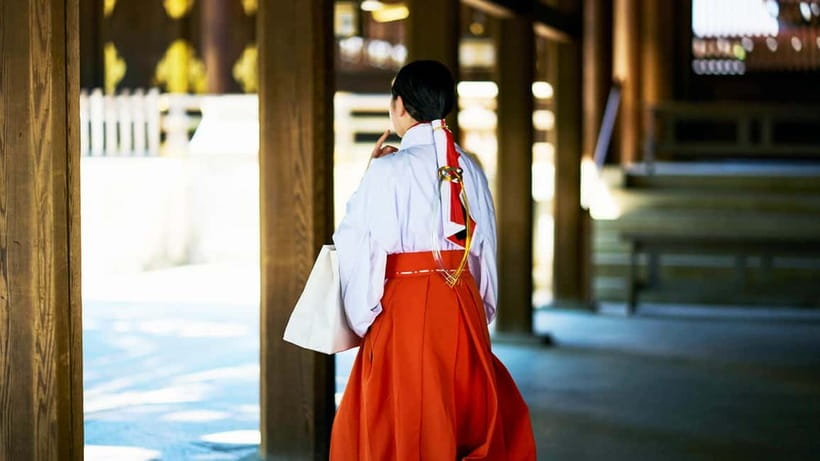
At the main shrine, the pace slows. You’ll have guided sightseeing time, room for photographs, and free time to take part in shrine activities or shop for religious items.
Shinto is described through its relationship with nature, harmony, and the divine. You’ll learn how the shrine functions as a place of respect and prayer, not simply as a historic attraction. The guide also explains what to do before and during prayer, including the proper way to approach the worship area and make an offering.
One useful detail from the tour is that guides may help you with the small actions that are easy to miss. Darragh Kane appreciated receiving coins for an offering, while other participants received help with writing wishes, choosing amulets, and following the customs correctly. That makes the visit less awkward and helps you avoid treating a religious ceremony as a photo opportunity.
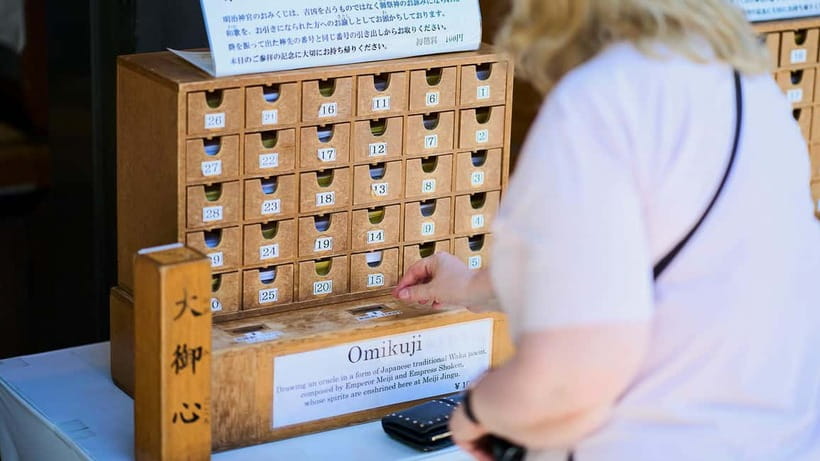
You can purchase omamori, protective charms associated with different hopes and needs. Another option is Omigokoro, a distinctive fortune featuring poems written by Emperor Meiji and Empress Shoken. English translations make these poems approachable, even if you do not read Japanese.
The shrine grounds can be especially lively during ceremonies or weddings. One visitor described seeing a wedding during a tour, but such an event is not guaranteed. If you do encounter one, your guide can help you understand how to watch respectfully without getting in the way.
What the guide adds to a familiar sight
Meiji Shrine is easy to visit without a guide. You can reach it from Harajuku, walk through the forest, take photographs, and leave with a pleasant memory. The question is what you want from the visit.
If you want cultural meaning, the guide makes a clear difference. Ayaka is praised for explaining symbols, customs, the lives of Emperor Meiji and Empress Shoken, and the difference between shrines and temples. Nonoka has also been praised for explaining the distinction between haiku and waka, a useful touch if you are curious about Japanese poetry.
The best guides adjust their approach to the group. One tour became almost private because only one participant attended. Another guide helped with photographs, answered difficult questions, and offered Tokyo suggestions after the shrine visit. With a maximum of 10 people, you have a reasonable chance to ask questions without holding up a large crowd.
The experience depends partly on the guide assigned that day. Names frequently associated with strong experiences include Yuuka, Yuki, Keiko, Ayaka, Nonoka, Nono, Mayuko, Mia, Kaido, and Tomo. The repeated praise is consistent: clear English, patience, warmth, and a talent for making history understandable without turning the walk into a lecture.
Forty-five minutes inside the shrine grounds
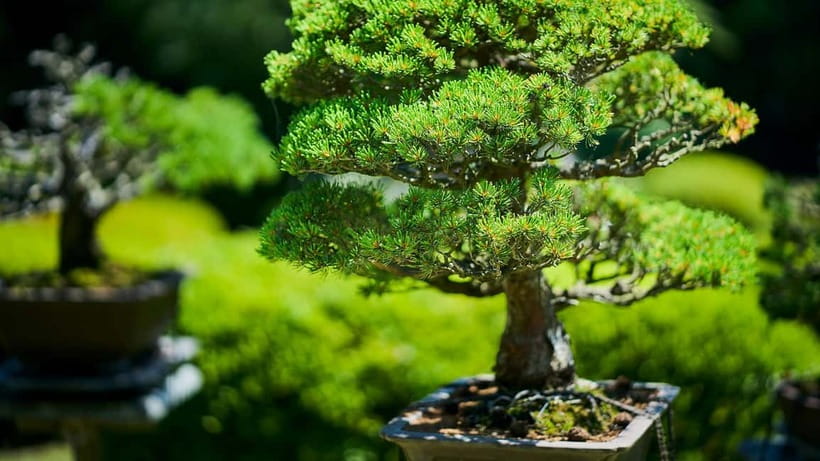
The main Meiji Shrine portion lasts about 45 minutes in the stated schedule. That time includes sightseeing, photographs, free time, and shopping, so you should not expect every minute to be guided explanation.
I see the mixed format as a strength. You get enough structure to understand the place, then time to look around at your own pace. You can consider an omamori, read an Omigokoro poem, take photographs, or simply stand beneath the shrine architecture.
The limitation is clear: a 45-minute shrine visit is not a full afternoon exploration. If you want to linger at every building, wait for a ceremony, or browse slowly, you may want to return independently. The guided walk gives you an excellent introduction, not unlimited time.
Wear shoes that are comfortable for walking and choose clothing suited to the weather. The route is outdoors, shaded in parts, and long enough that comfort matters more than dressing for a quick station stop.
Ending at Forest Terrace and Café Mori no Terrace
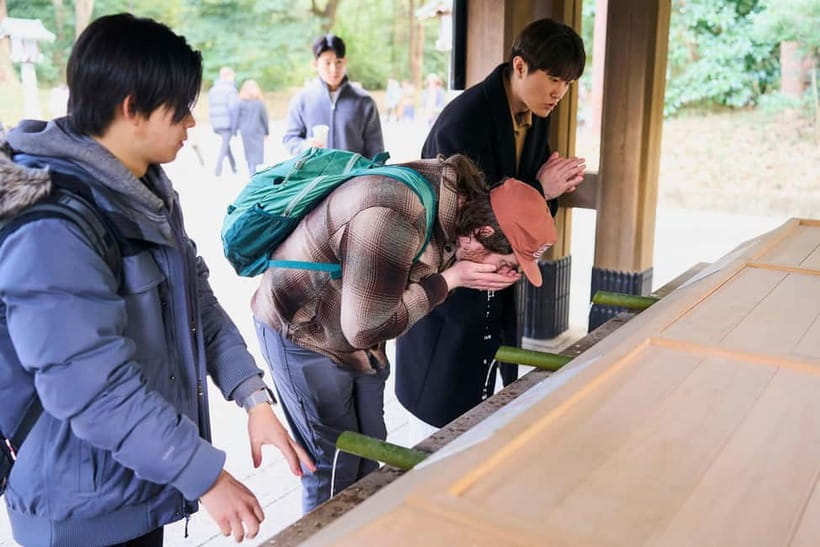
The final stop is Forest Terrace Meiji Jingu, including Café Mori no Terrace. You’ll have about 15 minutes for a break, photographs, shopping, Japanese tea, and light snacks.
This ending works well because the tour has covered spiritual practice, imperial history, and shrine etiquette in a fairly concentrated period. A short pause gives you time to process what you saw rather than rushing directly back into Harajuku.
The gift shop offers items tied to the shrine and its setting. Examples include eco-blocks made from fragrant Japanese camphor and miniature barrels of sacred sake. These are more distinctive than generic Tokyo souvenirs, though you should treat them as optional purchases rather than part of the tour cost.
The tour returns to the Harajuku Station area. Since the activity lasts between 90 and 135 minutes, check the selected starting time before planning a tight connection or another timed attraction.
Is $23 a fair price?
At $23 per person, this is a reasonable price for a small-group English tour in central Tokyo. You are paying mainly for interpretation, cultural guidance, and help with customs, not for an admission ticket to a major paid attraction.
The value is strongest for first-time visitors. If you already know how Shinto shrines work and have read about the Meiji period, you may prefer to walk through the grounds independently. For most visitors, though, a guide can prevent the visit from becoming a sequence of pretty but unexplained sights.
The group size matters. A 10-person maximum is small enough for questions and personal help, while still keeping the price below that of a private tour. If only a few people book a time, you may receive even more direct attention, though that cannot be promised.
You can cancel up to 24 hours ahead for a full refund, and the reserve-now, pay-later option keeps the booking flexible. Those terms are useful in Tokyo, where weather and changing plans can affect an outdoor walking tour.
Who should book this Meiji Shrine walk?
I would choose this tour if you are visiting Japan for the first time, want a clear introduction to Shinto, or feel unsure about shrine etiquette. It is also a good opening activity for your Tokyo stay because the guide places the shrine within the larger story of Japan’s move from samurai rule to modern life.
Families and mixed-age groups may appreciate the short format and the chance to pause for photographs and snacks. History-minded visitors will benefit from the imperial background, while casual sightseers can enjoy the quiet forest without needing to prepare in advance.
I would be more cautious if you want a long, slow visit or prefer to explore silently. The tour follows a set route and uses English only. It also compresses a large subject into less than two and a quarter hours, so you will receive an introduction rather than a full study of Shinto or the imperial system.
Should you book it?
Book it if you want Meiji Shrine to mean more than a forest walk and a large torii. The strongest reasons are the small group, the practical etiquette guidance, and the way the tour links Emperor Meiji with Japan’s modern transformation.
Skip it if you already understand shrine customs or plan to spend several unhurried hours on the grounds. For everyone else, $23 is a sensible way to get oriented, ask questions, and enter one of Tokyo’s most important religious sites with respect.
FAQ
Where does the Meiji Shrine walking tour start?
The tour has a listed starting option at Harajuku Station, but the exact meeting point may vary depending on the option booked.
How long does the tour last?
The stated duration is between 90 and 135 minutes. Starting times vary, so check availability when choosing your date.
How much does the tour cost?
The price is $23 per person.
Is the tour conducted in English?
Yes. The live tour guide and tour support are in English only. Japanese language support is not available.
How many people can join the group?
The tour is limited to 10 participants.
What will I learn about Shinto?
You’ll learn about Shinto beliefs, the relationship between nature and the divine, shrine etiquette, prayer customs, offerings, protective charms, and the difference between shrines and temples.
What is Omigokoro?
Omigokoro is a Meiji Shrine fortune featuring poems written by Emperor Meiji and Empress Shoken. English translations are available.
Is time provided for shopping and refreshments?
Yes. The tour includes free time at Meiji Shrine for shopping and sightseeing, followed by a break at Forest Terrace Meiji Jingu and Café Mori no Terrace. Japanese tea and light snacks are available there.
Can I cancel the booking?
You can cancel up to 24 hours in advance for a full refund. The activity also offers a reserve-now, pay-later option.
New routes in Tokyo
- Tokyo: Tsukiji Market Walking Tour & Sushi Cooking Class★ 4.6 · 122 reviews
- Tokyo: Shinjuku Nightlife & Secret Backstreets Walking Tour★ 4.8 · 229 reviews
- Tokyo: Shinjuku Bar Hopping & Night Walking Tour★ 4.6 · 137 reviews
- Tokyo: Dark Side of Tokyo Shinjuku Red Light Walking Tour★ 4.7 · 862 reviews
- Tokyo: Shibuya Highlights Walking Tour★ 4.8 · 601 reviews
- Tokyo: Shibuya Crossing & Hidden Streets Walking Tour★ 4.8 · 128 reviews
- Tokyo: Shibuya Highlights Walking Tour & Secret View Spot★ 4.9 · 196 reviews
- Tokyo: Private Custom Walking Tour with Local Guide★ 4.9 · 350 reviews
Tokyo Walking Tours, compared.
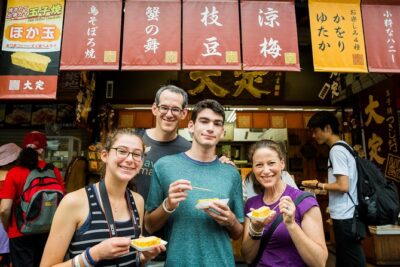
Tokyo Tsukiji Fish Market Food and Culture Walking Tour
Read our review →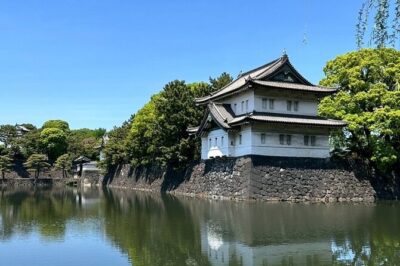
Imperial Palace and Shogun Historical Walking Tour
Read our review →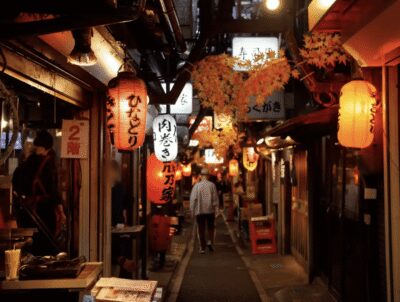
Shinjuku Local Bar and Izakaya Guided Walking Tour
Read our review →
Asakusa Walking Tour with Sensoji Temple Visit
Read our review →
Tokyo Castle & Imperial PalaceーShogun Walking Tour
Read our review →
Shibuya Meltdown Nightlife Tour: All-You-Can-Drink Bar Hopping
Read our review →
Browse the lists this tour appears in