
Review · TOKYO
Tokyo: Kimono Dressing, Walking, and Photography Session
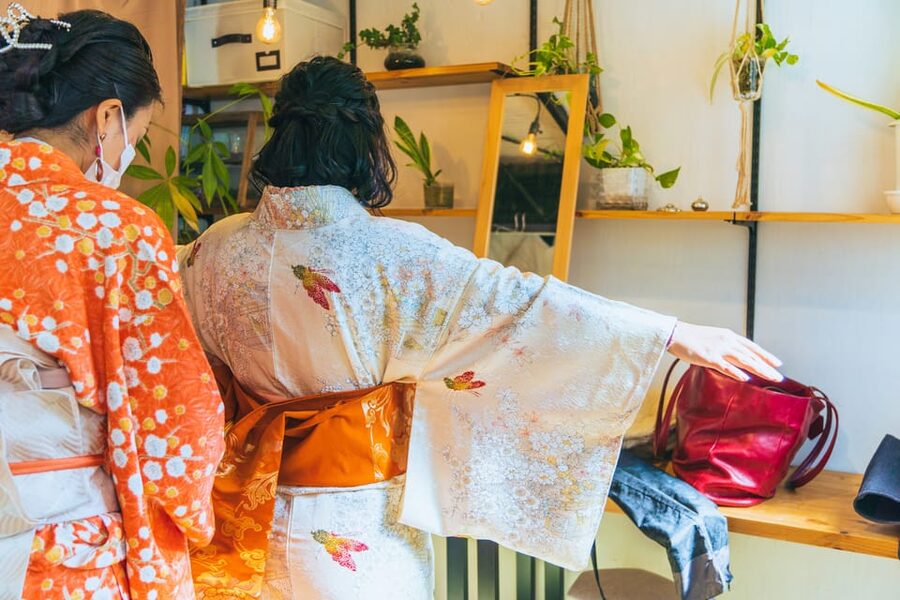
A real silk kimono, a quiet Tokyo neighborhood, and a shrine reached on foot make this more than a costume session. Sayoko of AKIZAKURA explains how to walk, sit, pray, and carry yourself in the clothing, then takes photos with an iPhone 14 Pro.
I like the choice of roughly 50 kimonos, selected before your visit, and the personal feel of a small outing around Yanaka rather than a crowded sightseeing stop. I also like the upcycled kimono umbrella, which gives the walk a distinctive touch.
The main consideration is comfort. Kimono dressing takes time, the clothing is fitted, and the route includes a hill and, according to one detailed account, four flights of stairs at the dressing and tea ceremony location. Hot weather, rain, or limited mobility can change how enjoyable the outing feels.
Key points to know before booking
- Real silk kimono in winter: You choose from traditional silk kimonos, with summer cotton yukata offered in warmer months.
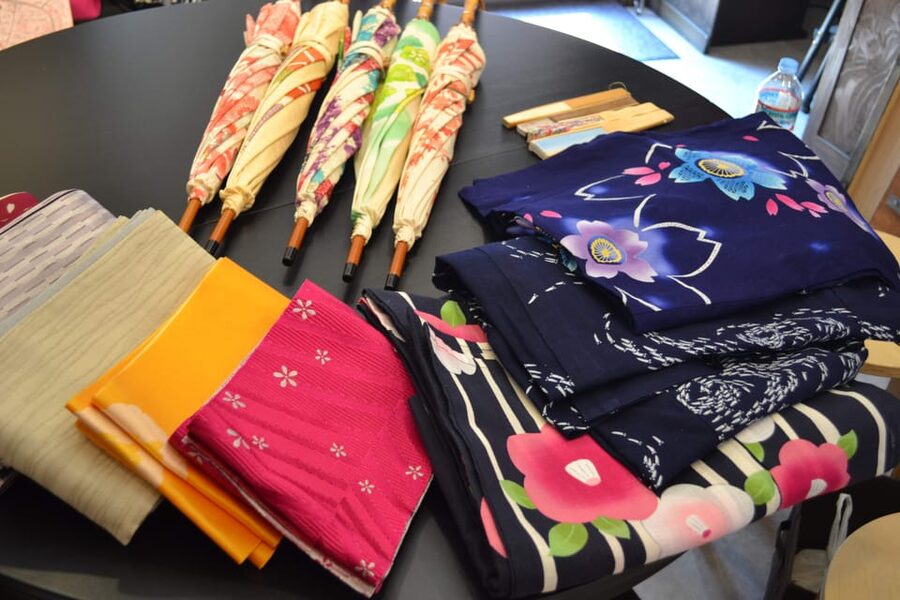
- About 50 outfits: Sayoko contacts you after booking so you can select your kimono by the day before.
- Yanaka instead of a major tourist center: The walk uses quieter streets and a local shrine for photos and cultural instruction.
- More than posing: You learn how to walk, sit, handle the garment, and pray at a shrine.
- iPhone photography included: Sayoko usually shoots with an iPhone 14 Pro and can provide a large set of photos.
- Extras are available: Hair, makeup, a tea ceremony, and a professional photographer can be added for separate fees.
Why this Tokyo kimono session feels different
Many kimono activities in Tokyo are built around renting an outfit for a few hours and taking your own pictures. This outing puts more weight on how the clothing is worn and what it means in daily life.
Sayoko dresses you herself and explains each part as she goes. You are not simply handed a robe and sent into the street. You learn why the layers matter, how to avoid stepping on the hem, and how to move without bunching the fabric.
That small lesson changes the whole walk. A kimono restricts your stride, so you take shorter steps. Sitting down requires care. Holding the sides of the garment neatly becomes part of moving through the neighborhood. These details make the outing feel like a cultural lesson with photographs attached, not just a photo shoot with a Japanese theme.
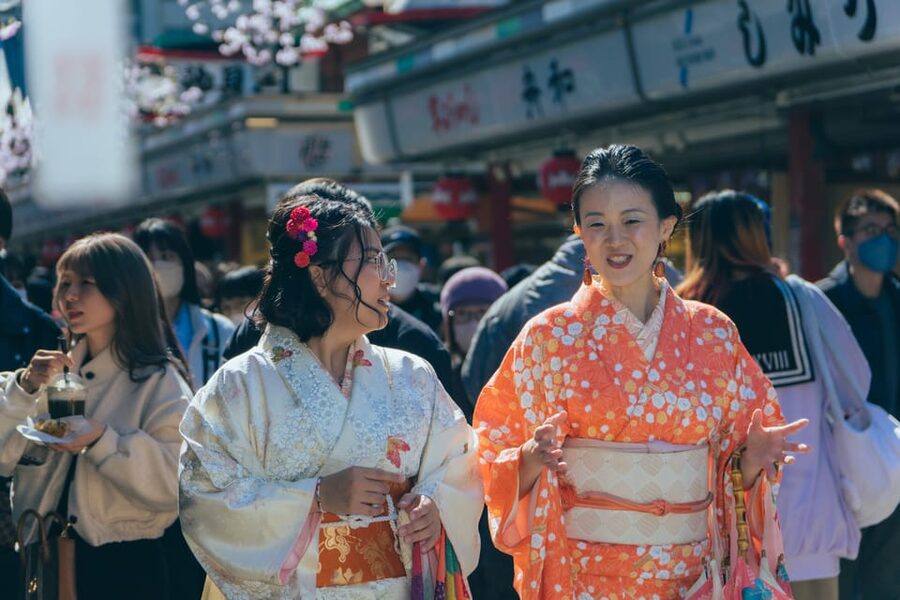
The setting helps. Yanaka has old-fashioned lanes, shrine grounds, and a slower rhythm than Tokyo’s best-known shopping and sightseeing districts. You still get the city’s energy nearby, but the session itself takes place in a more relaxed part of town.
More Photo Walking Tours in Tokyo:
- NYC Professional Photoshoot and Walking Tour with Private Guide
★ 5.0 · 608 reviews - Santorini: Customized Private Photoshoot Walk in Oia
★ 5.0 · 335 reviews - Paris Private Walking Tour with a Personal Photographer
★ 5.0 · 262 reviews
Choosing your kimono before the day
After booking, Sayoko sends a message by email or WhatsApp, usually within 12 hours. She helps you choose an outfit from more than 50 kimonos or yukata. You need to make your selection by the day before the activity.
This advance choice is useful for two reasons. First, you have time to consider color and style rather than making a rushed decision while standing in the dressing room. Second, Sayoko can prepare for your size and preferences before you arrive.
In winter, the clothing is a traditional silk kimono. In summer, the offering changes to yukata, the lighter cotton garment suited to hot weather. The information provided does not give a fixed list of colors or sizes, so tell Sayoko your needs during the selection process.
All needed kimono accessories are included. The outfit is not the only thing provided: the dressing, instruction, and the clothing required to complete the look are part of the base price.
The kimono is fitted firmly, as it needs to be. Wear practical underclothes and avoid making plans that require quick changes immediately afterward. You may also want to leave bulky bags and heavy belongings elsewhere, since careful walking is easier when your hands are free.
Getting dressed near Sendagi Station
The meeting point is about a five-minute walk from Sendagi Station. The exact address is sent after booking, along with photos to help you find it. Check your email and WhatsApp, then look in your spam folder if the directions do not arrive.
You dress at Sayoko’s home, a setting several people found appealing because it has a distinctly Japanese atmosphere. The private setting gives the start of the activity a calm, personal feel. It also means this is not a large shop operation with a line of customers moving through a standard fitting process.
Allow patience for this part. Kimono dressing is not a quick jacket change. The layers must be arranged and secured, and Sayoko also gives basic instruction as she works. If you book for a group, everyone should expect the dressing process to take some time.
The clothing is supplied for all participants, but every person accompanying the outing must be included in the reservation, even if that person will not wear a kimono. Children under two are the exception.
Walking through Yanaka in traditional clothing
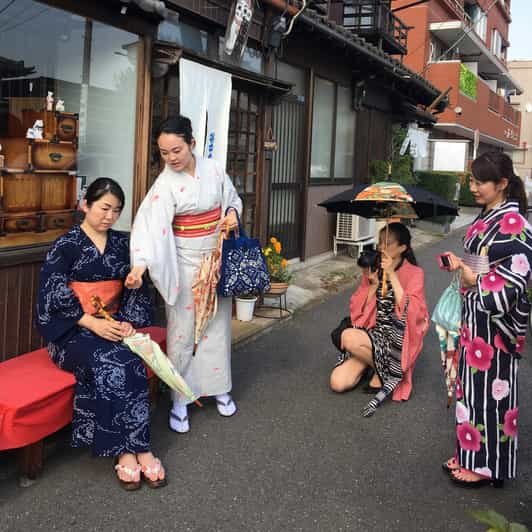
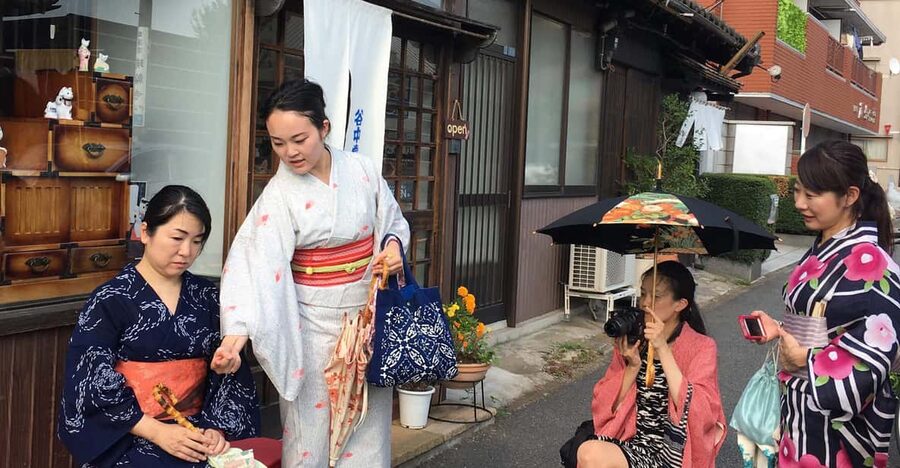
Once dressed, you walk with Sayoko through the Yanaka area. The route is short enough to connect the dressing location with the shrine, but it is still a real walk in clothing that changes how you move.
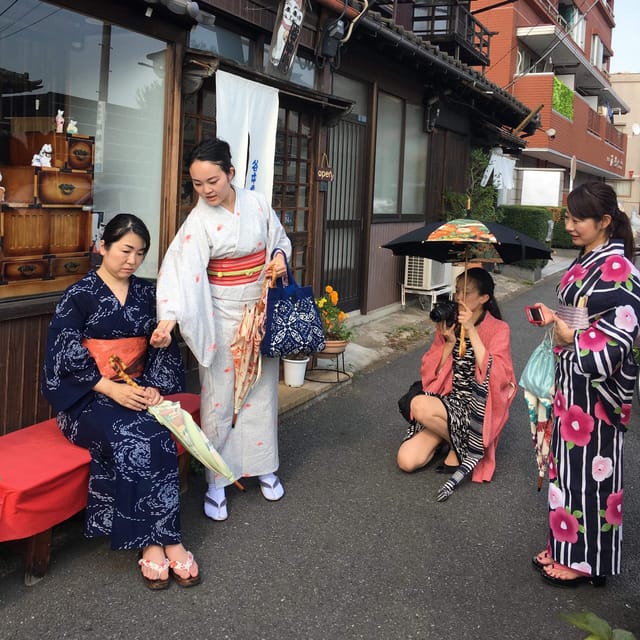
Sayoko teaches you to take small, stylish steps and explains how to behave in a kimono. You learn how to sit, how to hold the garment, and how to avoid treating it like ordinary streetwear. These lessons are especially helpful if this is your first time wearing one.
The upcycled kimono umbrella is carried as part of the outing. It is both practical and visually distinctive, connecting the photo session to AKIZAKURA’s interest in reusing kimono fabric. In wet weather, a plastic umbrella is supplied instead, so rain does not cancel the activity.
The walk is not a full historical tour of Yanaka. The emphasis is on local atmosphere, clothing etiquette, and photographs. You might still want to return later if you hope to spend serious time exploring neighborhood shops or food stops.
Food and drinks are not included. If you stop for something during the walk, you pay separately. Since the itinerary returns to the meeting point, you can plan a meal before or after the session.
More Walking Tours in Tokyo:
- Tokyo Tsukiji Fish Market Food and Culture Walking Tour
★ 5.0 · 3,184 reviews - Tokyo: Imperial Palace and Shogun Historical Walking Tour
★ 5.0 · 2,251 reviews - Tokyo: Shinjuku Local Bar and Izakaya Guided Walking Tour
★ 4.9 · 1,794 reviews - Tokyo: Tsukiji Fish Market Food and Walking tour
★ 5.0 · 1,724 reviews
The shrine visit and simple Japanese etiquette
The shrine is the visual center of the outing. Its grounds provide the traditional setting for the photographs, with paths, gates, trees, and quiet corners that suit the kimono far better than a busy commercial street.
Sayoko explains how to pray and how to behave at the shrine. The instruction is simple and practical, but it adds meaning to the pictures. You are not just standing in front of a building in Japanese clothing. You understand a little about what you are doing there.
The exact shrine is not identified in the activity details, and the route may vary. The focus remains the same: a nearby religious site, a lesson in shrine manners, and time for photographs.
The shrine area is generally less crowded than Tokyo’s most famous photo locations, based on the experiences described in the supplied material. That matters if you dislike posing while strangers squeeze past. It also lets Sayoko direct you without the frantic pace that comes with a packed sightseeing area.
There is one physical warning. One detailed account describes a good-sized hill on the way to the shrine and four flights of stairs at the dressing and tea ceremony location. If you have knee or leg problems, ask about the route before booking. The activity takes place rain or shine, so comfortable footwear for the walk is sensible, even though your outfit and the photographs remain the main event.
How the iPhone photography works
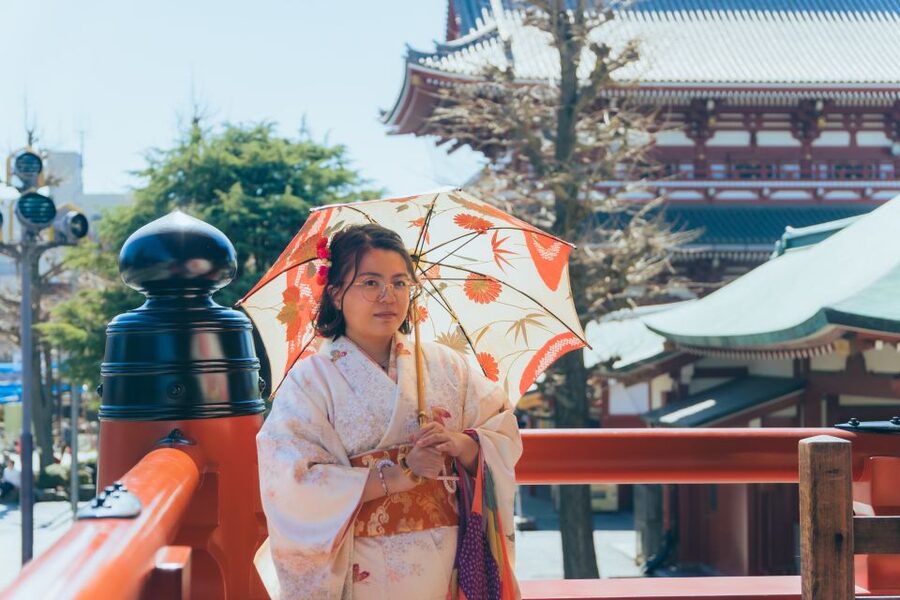
Photography is included, normally using an iPhone 14 Pro. Sayoko directs your poses and suggests different places around the shrine and neighborhood. If you are not used to being photographed, this guidance is valuable. You do not need to arrive with a list of poses.
The shooting style is personal rather than formal. Sayoko can suggest how to stand, where to look, and how to use the kimono sleeves. You still have room to pose naturally and ask for changes.
The number of images is not fixed in the activity information. Some participants received well over 190 or 230 photographs, but you should not treat those figures as a guaranteed package. The strongest benefit is the chance to receive many usable images from several locations.
An iPhone may sound modest beside a professional camera, but the results depend heavily on timing, composition, and direction. Sayoko’s ability to find good backgrounds and guide expressions is a major part of the value. If you want a formal portrait session with professional equipment, that option can be arranged for an additional ¥13,000.
You may want the professional option for a couple’s anniversary, a family portrait, or a carefully styled travel shoot. For most visitors who mainly want beautiful memories of wearing a kimono, the included phone session should be enough.
Hair, makeup, and the tea ceremony
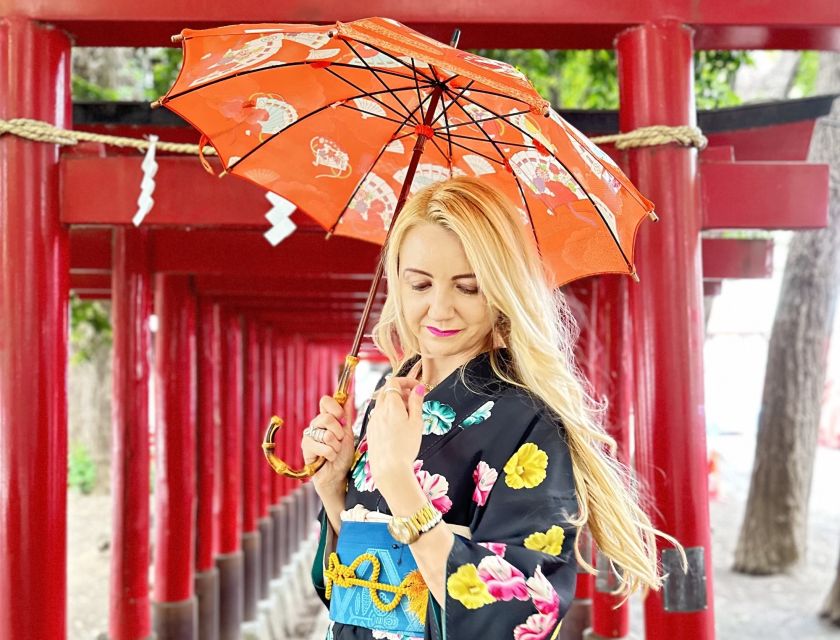
Hair, makeup, and a tea ceremony are optional additions. They are not part of the $67 base price, so ask for the current extra charges before confirming.
The hair and makeup option can change the look of the photographs, especially if you want a more formal finish. It also makes the session feel more like a special occasion rather than a simple clothing rental. Sayoko can help arrange the appointment.
The tea ceremony adds another traditional element and gives the day a slower, more ceremonial pace. It is a good choice if you want the cultural side to carry as much weight as the photographs.
You do not need to add every extra. The base activity already includes dressing, accessories, the walk, etiquette instruction, the umbrella, and iPhone photos. I would decide based on your priorities: choose hair and makeup for the visual effect, the tea ceremony for added cultural content, and the professional photographer if image quality is your top concern.
What $67 buys you
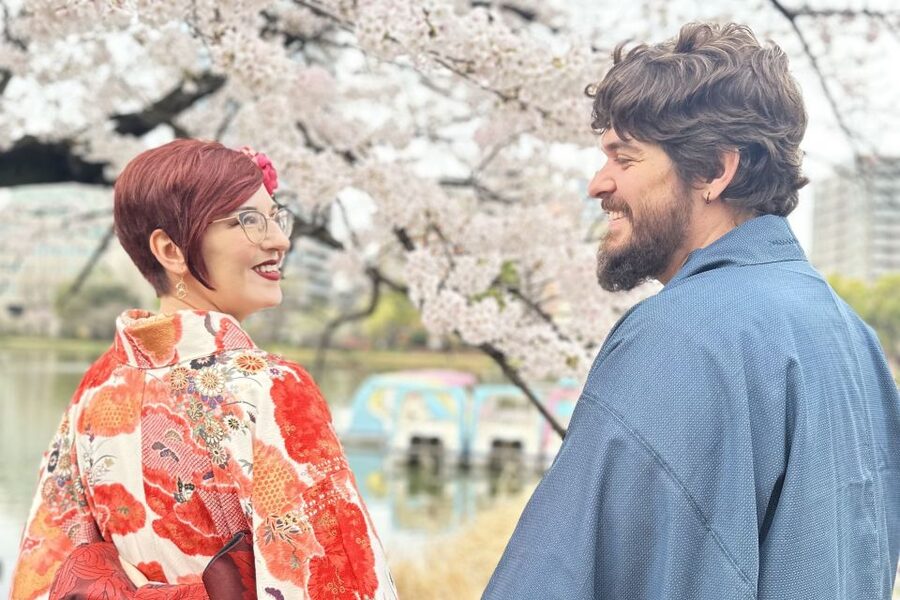
At $67 per person, this is priced above a basic kimono rental but below a full private portrait package with professional photography. You are paying for more than the garment. The price includes a personal dressing session, authentic silk in winter or a summer yukata, accessories, a guided walk, shrine instruction, an umbrella, and photography.
That is good value if you want someone to handle the details. Renting a kimono on your own may cost less, but you would need to arrange the clothing, learn how to walk in it, choose photo locations, and ask someone else to take the pictures.
The value is also strongest for first-time visitors. You get a gentle introduction to Japanese clothing and shrine etiquette without needing prior knowledge. Families and couples can share the activity, and solo visitors are not left to figure out how to pose. One solo participant described Sayoko as confident with direction, which is useful if you normally feel awkward in front of a camera.
Remember that the listed price does not cover meals, drinks, professional photography, hair, makeup, or the tea ceremony. The cost also applies to everyone in your party who attends, even if someone does not dress up.
Weather, timing, and practical comfort
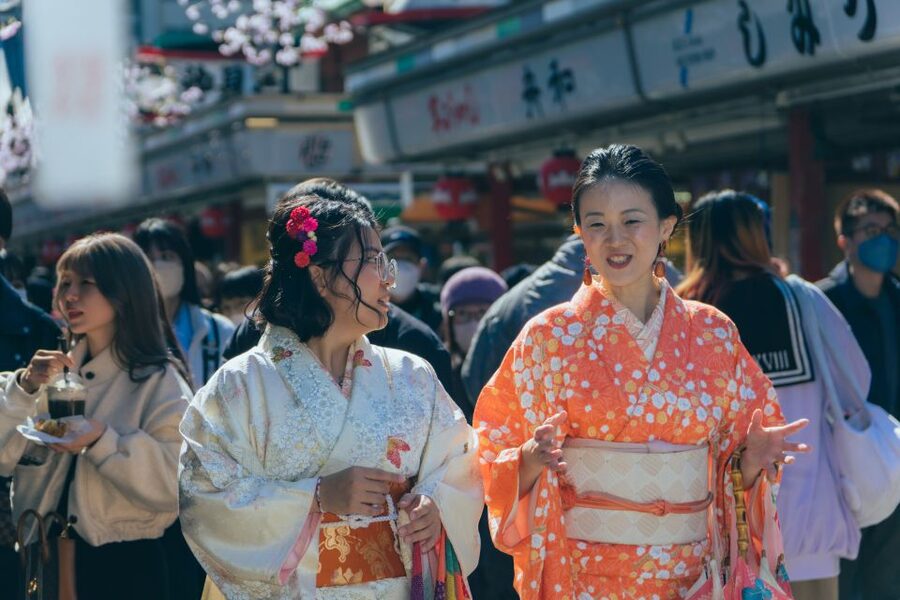
This activity runs rain or shine. In wet weather, you receive a plastic umbrella rather than the upcycled kimono umbrella. Photos can still go ahead, but the light, walking pace, and clothing comfort will change.
Summer heat deserves serious thought. A kimono or yukata, followed by a walk and a hill, can feel tiring in very hot weather. Sayoko has been praised for adjusting the pace and taking care with people on hot days, but you should still bring water and avoid scheduling a demanding activity immediately afterward.
The activity begins and ends at the same meeting point near Sendagi Station. The end time is not specified, so ask Sayoko for the expected duration if you have train reservations or another timed booking.
The date, time, location, and number of participants can be customized by arrangement. That flexibility may help families or groups, but it needs to be discussed before booking rather than assumed.
Cancellation is allowed up to 24 hours in advance for a full refund, and you can reserve now and pay later. Those terms make the activity easier to fit into a changing Tokyo schedule.
Who should book this experience
I would recommend this to you if you want a personal cultural activity, enjoy taking photographs, and prefer a quieter neighborhood to a famous sightseeing hub. It works especially well for couples, parents and adult children, families, solo visitors, and anyone marking a birthday or special trip.
It is also a good choice if you want instruction rather than a simple costume rental. Sayoko’s explanations about walking, sitting, shrine prayer, and daily behavior give the outing substance.
You may want to skip it if you dislike fitted clothing, stairs, hills, or posing for many photos. It is also not ideal for a tight schedule, since careful dressing and walking take time. Visitors who want a formal studio shoot should pay for the professional photographer instead of expecting the included iPhone session to provide that style.
Should you book the Yanaka kimono session?
Book it if the idea of wearing a real silk kimono, learning how to move in it, and visiting a quieter shrine appeals to you. The strongest part is the combination of personal instruction and photographs. Sayoko’s role ties the day together, from choosing the outfit to helping you pray and directing the final pictures.
For the best experience, choose your kimono promptly after booking, confirm the meeting directions, ask about stairs if needed, and decide in advance whether hair, makeup, tea, or professional photography fit your budget.
At $67, this is a fair price for a guided, photo-focused cultural outing. It is not a full tour of Tokyo, and it is not a guaranteed professional portrait package. But if you want a thoughtful afternoon in traditional clothing, away from the largest crowds, it gives you a useful taste of Japanese customs and a large set of personal memories to take home.
FAQ
Where does the kimono activity begin?
It begins near Sendagi Station in Tokyo’s Yanaka area, about a five-minute walk from the station. The exact meeting place and photos showing how to find it are sent after booking.
Who leads the activity?
The activity is led by Sayoko from AKIZAKURA. English and Japanese are available.
Do I choose my kimono on the day?
No. Sayoko contacts you by email or WhatsApp after booking to help you choose your kimono. You need to make your selection by the day before the activity.
What clothing is offered?
Traditional silk kimonos are offered in winter. In summer, the activity uses yukata, which are cotton summer kimonos. You can choose from more than 50 kimono or yukata options.
Are photographs included?
Yes. The standard activity includes photography with an iPhone 14 Pro. A professional photographer can be arranged for an additional ¥13,000.
Are hair, makeup, and tea included?
No. Professional hair, makeup, and a tea ceremony are optional extras available for an additional fee.
Does the activity run in bad weather?
Yes. The activity takes place rain or shine. A plastic umbrella is provided if needed, while the kimono upcycling umbrella is normally part of the walk.
Do I need to book for people who will not wear a kimono?
Yes. Everyone attending must be included in the reservation, even if they will not dress in a kimono. Children under two are excluded from this requirement.
New routes in Tokyo
- Tokyo: Tsukiji Market Walking Tour & Sushi Cooking Class★ 4.6 · 122 reviews
- Tokyo: Shinjuku Nightlife & Secret Backstreets Walking Tour★ 4.8 · 229 reviews
- Tokyo: Dark Side of Tokyo Shinjuku Red Light Walking Tour★ 4.7 · 862 reviews
- Tokyo: Shinjuku Bar Hopping & Night Walking Tour★ 4.6 · 137 reviews
- Tokyo: Shibuya Highlights Walking Tour★ 4.8 · 601 reviews
- Tokyo: Shibuya Highlights Walking Tour & Secret View Spot★ 4.9 · 196 reviews
- Tokyo: Shibuya Crossing & Hidden Streets Walking Tour★ 4.8 · 128 reviews
- Tokyo: Private Custom Walking Tour with Local Guide★ 4.9 · 350 reviews
Tokyo Walking Tours, compared.
Tokyo Tsukiji Fish Market Food and Culture Walking Tour
Read our review →
Imperial Palace and Shogun Historical Walking Tour
Read our review →
Shinjuku Local Bar and Izakaya Guided Walking Tour
Read our review →
Asakusa Walking Tour with Sensoji Temple Visit
Read our review →
Tokyo Castle & Imperial PalaceーShogun Walking Tour
Read our review →
Shibuya Meltdown Nightlife Tour: All-You-Can-Drink Bar Hopping
Read our review →
Browse the lists this tour appears in