
Review · TOKYO
Tokyo: Customizable Private Guided Walking Tour
Tokyo is too large to see properly by following a fixed route. This private four-hour walk lets you choose the main sights, food, history, shopping, or quieter neighborhoods, then leaves the guide room to adjust as the day unfolds. Guides such as Mika, Niza, Brian, and Lauren have helped visitors find their way through the train system and shape the outing around personal interests.
I like the one-to-one attention and the practical help. A guide can show you the Imperial Palace or Shibuya Crossing, then teach you how to reach your hotel by subway. I also like the local touches: small alleys, traditional restaurants, shrines, street performances, and places you might miss while moving between major sights.
The main drawback is geography. Tokyo’s key areas are spread far apart, so some of your four hours may go to trains rather than walking. At $87 per person, the value is strongest for first-time visitors, solo guests, families, and anyone who wants a confident start in a complicated city.
Key points to know before booking
- Your route is built around your interests: Choose famous sights, food, history, shopping, gardens, art, or local neighborhoods.
- The subway lesson is part of the value: Guides can show you how to use Tokyo’s train network, not just lead you from one stop to the next.
- Hotel pickup is on foot: Your guide meets you at your hotel and the tour does not include private vehicle transport.
- The pace can be adjusted: Guides have slowed down for heat, age, illness, and differing physical abilities.
- Four hours goes quickly: Tokyo’s attractions are widely separated, so you must choose between breadth and time at each stop.
- It is a private group: You are not sharing the guide with a large tour party, though the guide assigned to you can vary.
A Tokyo route that changes to suit you
The best part of this experience is not a fixed list of monuments. It is the chance to tell your guide what kind of Tokyo you want, then let that person solve the practical problems of distance, timing, transport, and local customs.
You might ask for the classic first-day route: the Imperial Palace, Tokyo Tower, and Shibuya Crossing. You might prefer temples, gardens, food stalls, traditional teahouses, street scenes, or modern art. You can also combine these interests, though four hours is not enough for a full survey of the city.
The private format matters here. A family with teenagers may want colorful food and pop culture. A solo visitor may need help with train platforms and station exits. A history-minded couple may prefer shrines, palace grounds, and stories about Japanese society. The guide can adjust the outing rather than asking everyone to follow the same plan.
More Private Walking Tours in Japan
- Tokyo: Private Custom Walking Tour with Local Guide
★ 4.8 · 533 reviews - Tokyo: Private Walking Tour with a Local Guide
★ 4.9 · 469 reviews - Tokyo: Private Walking Tour with a Local
★ 4.4 · 419 reviews
Hotel pickup gets the day moving
The tour includes hotel pickup and drop-off on foot. This is a useful start in Tokyo, where simply finding the right station entrance can consume time and patience.
You do not need to arrange a separate meeting point in an unfamiliar district. Your guide meets you at the hotel, then begins the route from there. If you are new to Tokyo, this also gives you a chance to explain what you have already seen and what you hope to cover.
The guides have handled very different needs. Eduardo adapted a private route for an older visitor who wanted to avoid crowded areas. Lauren adjusted the pace on a hot and humid day. When a companion became ill, guide Bryan John Smith helped locate an English-speaking doctor and pharmacy before continuing with a gentler sightseeing plan.
Those examples show the practical strength of a private tour. Still, you should be clear about your walking ability and priorities before setting off. Four hours can involve plenty of walking, stairs, station corridors, and train changes.
The Imperial Palace and central Tokyo
The Imperial Palace is one of the most logical choices for a first Tokyo walk. It gives you a central reference point and a chance to see a quieter side of the capital amid its office towers and major roads.
A guide can provide context about the imperial institution and the city’s development, then help you judge how long to spend in the palace area. Palace grounds and gardens can be a good choice if you want scenery and history without the sensory overload of Shibuya.
The tradeoff is simple: palace areas reward a slower pace, but they may leave less time for districts farther west. If you also want Harajuku and Shibuya, your guide may need to keep this stop focused.
Several guides have paired central Tokyo sights with Meiji Shrine, gardens, or nearby neighborhoods. That combination gives you a useful contrast between formal city spaces, wooded shrine grounds, and youth-oriented streets.
Tokyo Tower, Shibuya, and the city’s big signatures
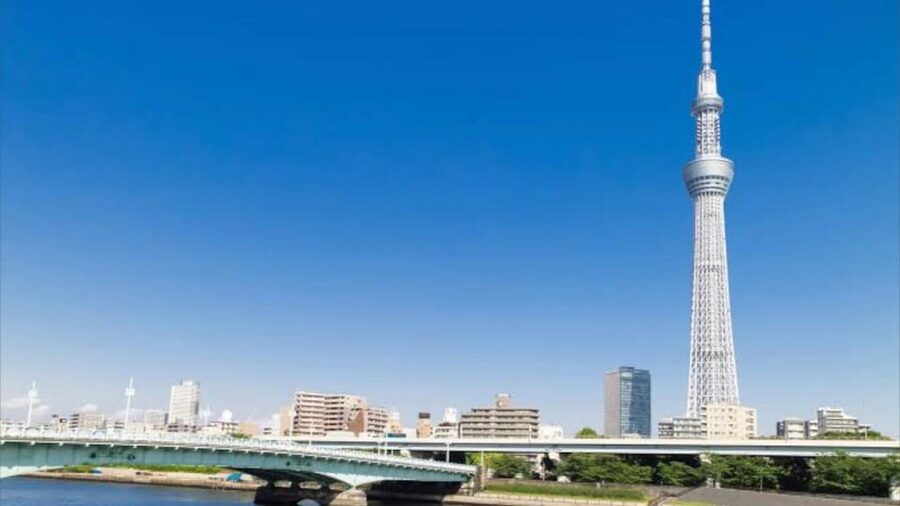
Tokyo Tower offers a familiar skyline image and works well for visitors who want an unmistakable symbol of the city. Shibuya Crossing gives you a very different experience: crowds, screens, traffic, and the famous choreographed movement of people across the intersection.
These sights are easy to recognize but not always easy to fit together. The city’s size means you may spend a meaningful part of the tour on the subway if you include several distant districts. One four-hour outing covered the Imperial Palace, Meiji Shrine, Takeshita Street, Shibuya Scramble, and a meal, but that kind of route requires steady movement.
You should also separate seeing a landmark from entering an attraction. Entry fees are not included, and time for observation towers or other ticketed sites may be limited. A guide can take you to the area, explain what you are seeing, and help with the route, but the price does not cover admission.
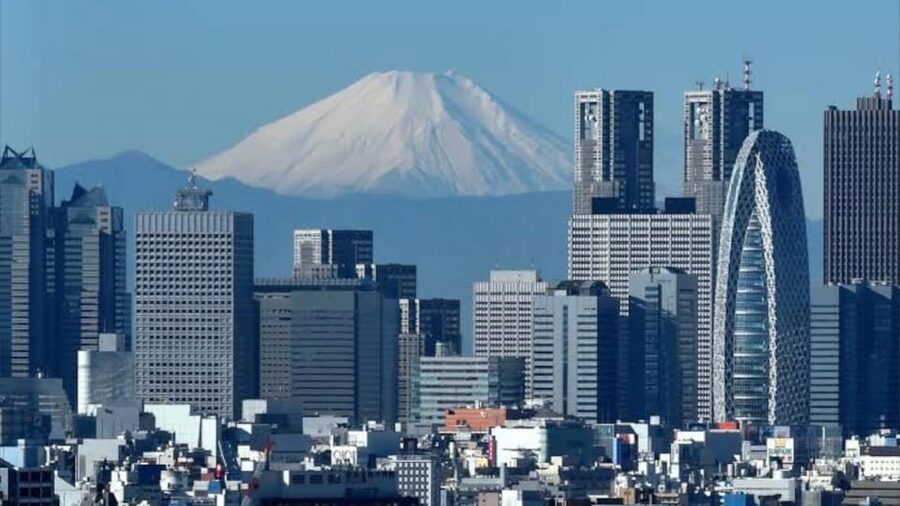
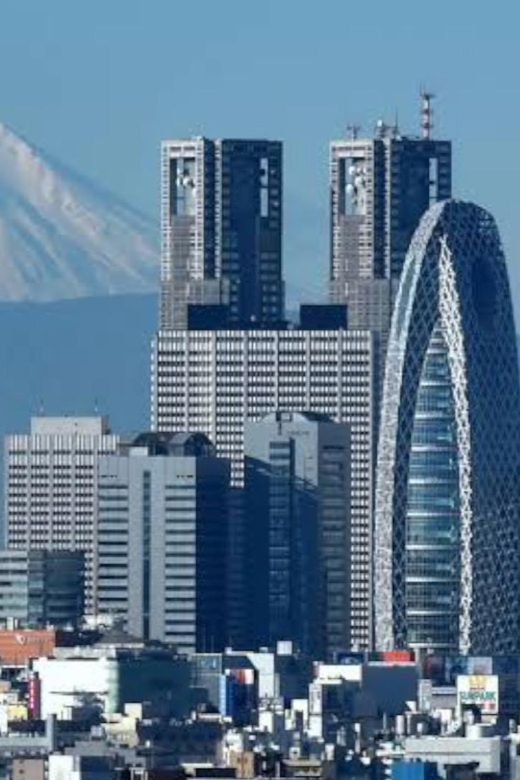
For skyline views, one guide took a visitor to a government building observation tower, where Mount Fuji was visible. Views depend on conditions, so treat this as a possible bonus, not a promise.
More Private Walking Tours in Tokyo
- Akihabara Anime & Game Adventure Walking Tour (Group or Private)
★ 5.0 · 404 reviews - Tokyo: Private Custom Walking Tour with Local Guide
★ 4.9 · 350 reviews
Meiji Shrine, Harajuku, and local contrasts
Meiji Shrine and Harajuku make a natural pair. The shrine offers a calm setting and a look at Shinto practice, while nearby Takeshita Street is packed with youth fashion, novelty food, and colorful shops.
This pairing is useful because it shows Tokyo’s sharp changes in mood within a short distance. You can move from a broad shrine approach to narrow commercial streets, then stop for a snack or continue toward Shibuya.
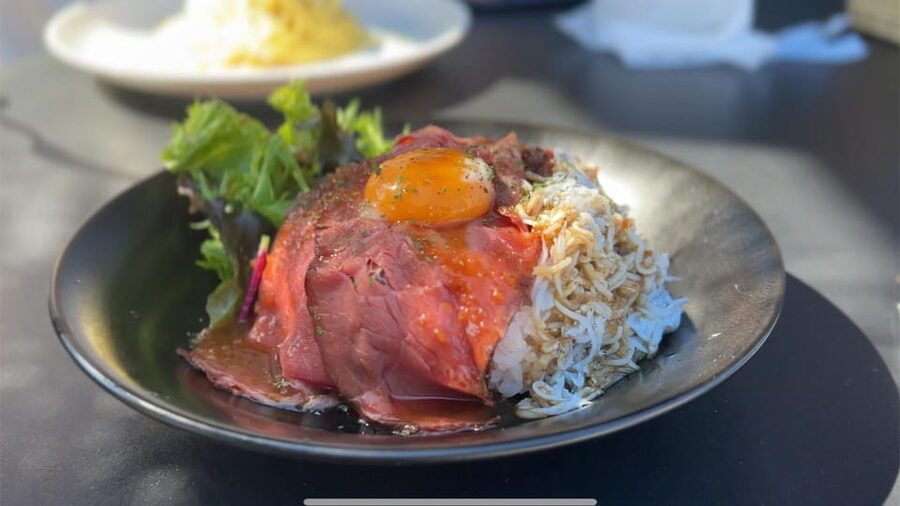
Food can be part of the route. Guides have taken visitors for okonomiyaki, karaage, traditional Japanese meals, unusual desserts, and playful treats such as panda ice cream parfaits. You pay for food yourself, but the guide can help you choose a place that matches your appetite and comfort level.
If you have a particular food goal, say so early. A four-hour schedule can include a meal, but a long restaurant stop will reduce the number of districts you see. I would choose one or two food experiences rather than trying to cover the entire city’s dining scene.
Alleys, shrines, markets, and places between the landmarks
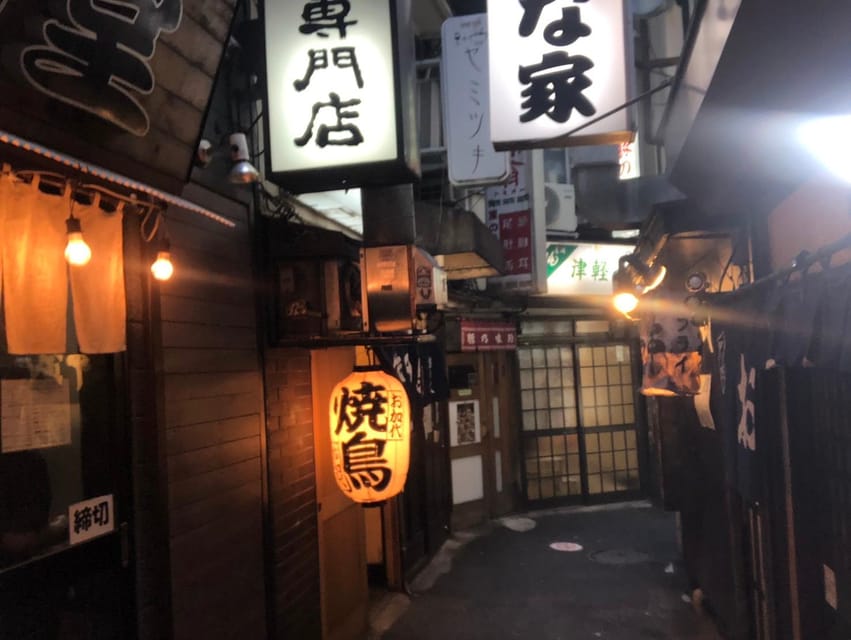
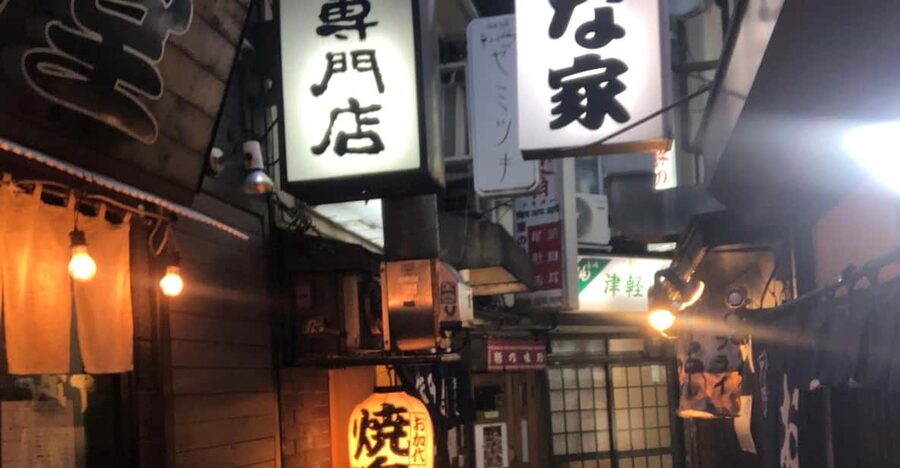
The tour promises more than a checklist of famous sites. Your guide may lead you through side streets, traditional neighborhoods, teahouses, local shops, temples, or a street performance. The exact stops depend on your interests and the guide’s suggestions.
One route included Tsukiji Fish Market, Ginza, Shinjuku Gyoen National Garden, a Buddhist temple, and a shrine. Another combined lesser-known places with a Pokémon Centre. These choices show how the tour can shift from classic sightseeing to personal interests.
This is where a local guide can save you time. Tokyo’s ordinary streets are often more rewarding when you understand what you are seeing, but they are also easy to pass without noticing. A guide can explain why a small shrine matters, point out a traditional shop, or help you follow local manners.
Do not expect every stop to feel hidden or quiet. Tokyo changes block by block, and popular districts can be crowded. The value is in having someone who can change direction when a street is too busy, a queue is too long, or the group wants something different.
Learning the Tokyo train system
For many people, the most useful part of the tour is not a monument. It is learning how to get around afterward.
Guides including Jack, Brian, Mika, Shish, Marco, Yohan, and others have helped visitors use the subway and rail network. They can explain station movement, show you how to follow a route, and help you return to your hotel. That practical lesson can make the rest of a Tokyo stay less intimidating.
Tokyo stations are not difficult because trains are poor. They are difficult because the network is large, station exits can be far apart, and a small mistake can put you on the wrong side of a major road. Staying close to your guide is wise, especially during a transfer or in a packed station.
The transportation cost is not included, so budget separately for fares. You may also spend over an hour of the tour on trains if your chosen sights are spread across the city. That is not wasted time if you learn the system, but it does reduce time on foot.
Food, culture, and small personal requests
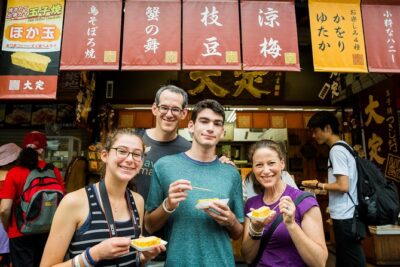
A food-focused tour can take you beyond familiar restaurant districts. Your guide might suggest street food, a traditional restaurant, okonomiyaki, karaage, market snacks, or sweets. Food and drinks cost extra, and the guide cannot promise a particular restaurant or reservation unless arrangements are made separately.
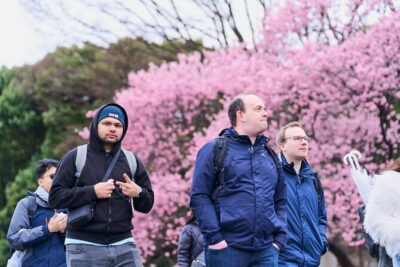
The cultural side can be just as personal. One guide helped arrange a kimono rental, took photographs during cherry blossom season, and built the route around a visitor’s interest in Japanese pop culture. Another guided visitors through historical sites while explaining everyday customs and social changes.
This works best when you provide clear details before the tour. Tell the company and guide if you care most about photography, history, food, shopping, temples, gardens, anime, or avoiding crowds. The better the brief, the less time you spend deciding on the street.
English and Japanese are offered. The quality of your experience will depend partly on the guide assigned to you, but the strongest pattern across the guide team is flexibility, friendliness, and practical city help. Names frequently associated with highly praised outings include Mika, Niza, Brian, Lauren, Trevor, Lucy, Eduardo, and Matias. You can request a guide if the booking system allows, but an individual guide is not guaranteed.
What $87 per person really buys
At $87 per person, this is not the cheapest way to see Tokyo. You still pay for trains, meals, and entry tickets, and four hours is a short window in a city this large.
The price makes better sense if you are paying for orientation rather than just sightseeing. A private guide can prevent wrong turns, help you use the train system, translate local customs, adapt the pace, and find a restaurant or neighborhood that suits you. Those benefits are especially useful on your first day or if you are traveling alone.
For a large family or group, compare the total price carefully. The experience is private, but the charge is per person. For a solo visitor, the cost is higher than joining a group, yet the personal attention can be worth it if you want a route built around your exact interests.
I would not book this expecting a leisurely, all-inclusive excursion. I would book it as a smart introduction to Tokyo, with a guide helping you get oriented and making the rest of your trip easier.
Who should book this private Tokyo walk
This tour suits first-time visitors who want to see major sights without spending their first day puzzling over train maps. It also suits solo visitors, couples, families with teenagers, and anyone who wants a private pace.
It is a good fit if you want to mix famous places with ordinary streets. It is also useful for visitors who need help with mobility, heat, crowds, or medical concerns, since the route can be adjusted and the activity is wheelchair accessible.
You may prefer another format if you want a fixed museum visit, a long food crawl, or a single neighborhood explored in great depth. You may also find four hours too short if your wish list includes Tokyo Tower, the Imperial Palace, Shibuya, Harajuku, markets, and several meals.
The tour is listed as unsuitable for people over 95. Transportation, food, drinks, and entry costs are separate. Free cancellation is available up to 24 hours before the start, and you can reserve now and pay later.
Should you book it?
Book this tour if you want a personal introduction to Tokyo and practical help using public transport. It is especially good for a first or second day, when you can learn the city’s layout and then explore more confidently on your own.
Choose your priorities before the guide arrives. If you want five major districts plus a long lunch, you will spend too much time in transit. If you select two or three main goals and stay open to a small shrine, local street, or well-chosen meal, the four hours should feel useful rather than rushed.
At $87 per person, the strongest value is the guide’s judgment and flexibility. You are paying to start your Tokyo visit with fewer wrong turns, better local context, and a route that belongs to you.
FAQ
How long is the Tokyo private walking tour?
The tour lasts four hours. Starting times depend on availability.
What languages are available?
Live guiding is available in English and Japanese.
Is the tour private?
Yes. It is offered as a private group experience.
Does the guide pick me up at my hotel?
Yes. Hotel pickup and drop-off are included on foot.
Are transportation costs included?
No. Transportation is not included, so you pay separately for subway or train fares.
Are food, drinks, and attraction entry fees included?
No. Food, drinks, and entry costs are not included in the tour price.
Can I cancel and receive a refund?
Yes. You can cancel up to 24 hours in advance for a full refund. You can also reserve now and pay later.
New routes in Tokyo
- Tokyo: Tsukiji Market Walking Tour & Sushi Cooking Class★ 4.6 · 122 reviews
- Tokyo: Shinjuku Nightlife & Secret Backstreets Walking Tour★ 4.8 · 229 reviews
- Tokyo: Shinjuku Bar Hopping & Night Walking Tour★ 4.6 · 137 reviews
- Tokyo: Dark Side of Tokyo Shinjuku Red Light Walking Tour★ 4.7 · 862 reviews
- Tokyo: Shibuya Highlights Walking Tour★ 4.8 · 601 reviews
- Tokyo: Shibuya Highlights Walking Tour & Secret View Spot★ 4.9 · 196 reviews
- Tokyo: Shibuya Crossing & Hidden Streets Walking Tour★ 4.8 · 128 reviews
- Tokyo: Private Custom Walking Tour with Local Guide★ 4.9 · 350 reviews
Tokyo Walking Tours, compared.
Tokyo Tsukiji Fish Market Food and Culture Walking Tour
Read our review →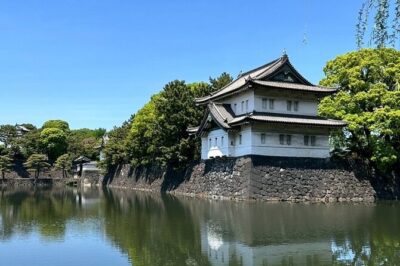
Imperial Palace and Shogun Historical Walking Tour
Read our review →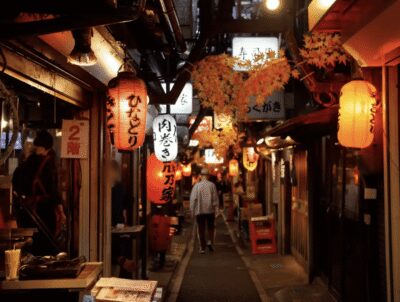
Shinjuku Local Bar and Izakaya Guided Walking Tour
Read our review →
Asakusa Walking Tour with Sensoji Temple Visit
Read our review →
Tokyo Castle & Imperial PalaceーShogun Walking Tour
Read our review →
Shibuya Meltdown Nightlife Tour: All-You-Can-Drink Bar Hopping
Read our review →
Browse the lists this tour appears in