
Review · DINNER EXPERIENCES
Osaka: Deep Backstreets Walking Tour with Dinner Option
Osaka’s polished tourist image fades quickly on this backstreets walking tour, which leads you through retro entertainment spots, worn alleys, abandoned properties, and a preserved Taisho-Era red light district. Guides such as Knox, Rudy, Mari, Bennett, and Joseph bring local context, humor, and personal experience living in Osaka.
I like the honest subject matter, including yakuza, illegal gambling, sex work, homelessness, welfare, sexism, and pachinko. I also like the two food stops, which turn the walk into a social evening rather than a string of lectures. The main drawback is clear: this is not a family tour, and some subjects and areas may feel uncomfortable.
Key points to know before booking
- Retro Osaka first: Expect video game parlors, old markets, unusual restaurants, and a look at how locals spend an evening.
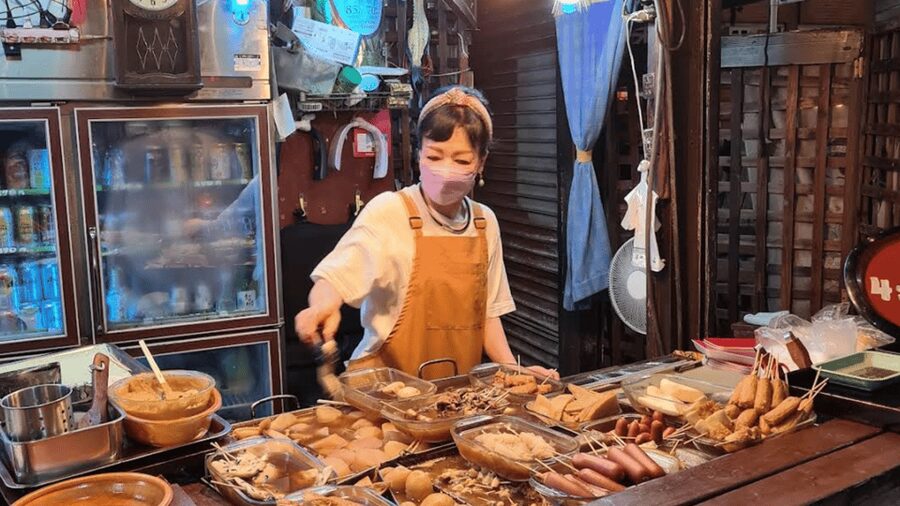
- Two food tastings included: You receive two side dishes from two different back-alley stalls.
- Difficult topics are part of the plan: The guide discusses Osaka’s less visible social and economic realities.
- The red light district is optional: You can take that route or use a separate path.
- Dinner costs extra: The optional meal follows the walking portion at a traditional restaurant.
- Arrive early: The winding alleys make it impossible to catch up with the group after the tour begins.
What this Osaka backstreets tour is really about
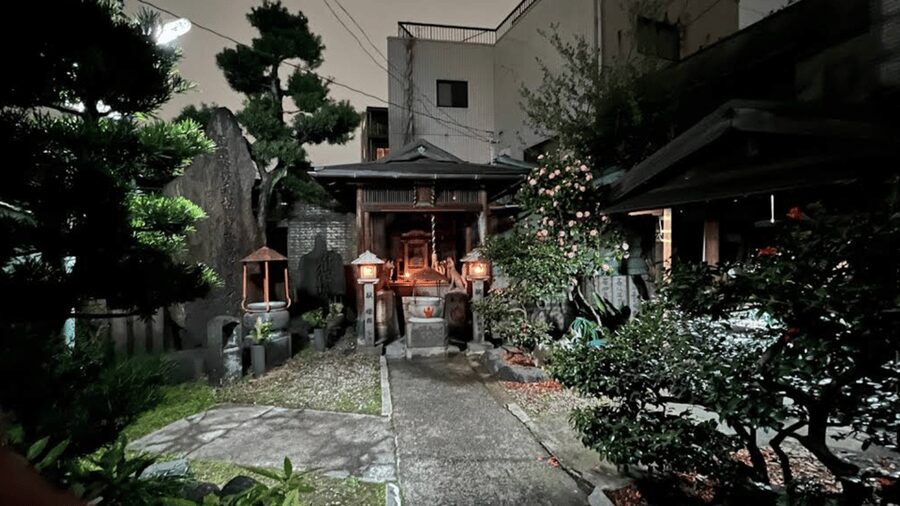
This is not a landmark checklist. You will not spend the evening ticking off famous temples or taking the usual Dotonbori photos. Instead, you get a guided look at parts of Osaka that are easy to miss and hard to understand on your own.
The tour uses streets, buildings, businesses, and entertainment venues as clues. Your guide explains how the area developed, who used to live and work there, and how different parts of Japanese society fit together. Some stories are light and funny. Others deal with poverty, discrimination, crime, war, and sex work.
That mixture is the point. Osaka has a warm, comic reputation, but it also has a rougher and more complicated side. I appreciate that this experience does not pretend Japan is spotless or socially uniform. At the same time, you need to listen with care. This is not a haunted-house-style walk through a collection of oddities. The best guides treat local people and sensitive subjects with respect.
The tour lasts 210 minutes, or three and a half hours. That gives the guide enough time to explain what you are seeing without rushing from one alley to the next. The pace is described as easygoing, but you should still wear comfortable shoes. High heels are not allowed.
More Evening Meals on the Route in Japan:
- Kyoto Gion Cultural Walk & Geisha Show with Dining Options
★ 5.0 · 518 reviews - Hiroshima: Food and Culture Guided Walking Tour with Dinner
★ 4.9 · 212 reviews - Kyoto: Geisha Dinner & Gion Cultural Walk
★ 5.0 · 73 reviews
Starting with retro arcades and old Osaka entertainment
The opening section gives you a feel for retro Osaka. You may visit video game parlors, old-fashioned markets, unusual fishing restaurants, and an Osakan theater. These stops help you see how people in the city have entertained themselves over the years.
The video game parlors are more than a quick photo stop. They show a version of Japanese popular culture that can disappear behind the country’s newer technology and sleek shopping districts. Old markets offer another contrast, with a more worn and practical feel than Osaka’s polished food halls.
The strange fishing restaurants are part of the fun. The description does not promise a specific venue or meal there, so do not book this expecting a set restaurant menu. Think of these places as visual and cultural stops, with the guide explaining why they matter.
The theater visit is also a peek rather than a formal performance. You get a sense of the local entertainment world and the way Osaka’s neighborhoods have been shaped by inexpensive amusements. Guides often use this early section to establish the tone: curious, candid, and a little mischievous.
Back alleys, local snacks, and a taste of daily life
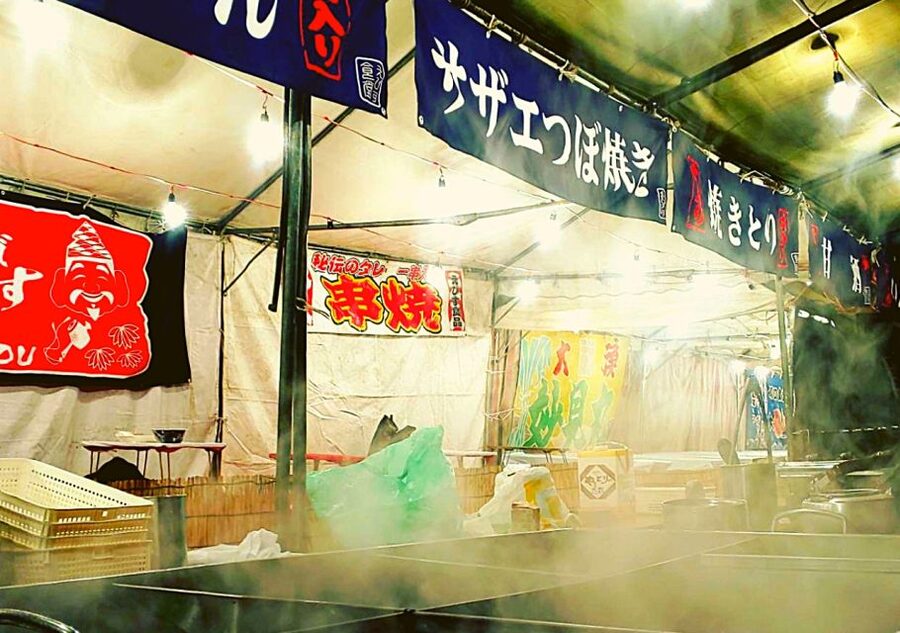
The route then moves into narrow backstreets where the surroundings become the main attraction. You will stop at two stalls and receive two local side dishes. Drinks are not included, so budget separately if you want something to drink along the way.
These tastings are modest, but they add real value. A walking tour about food can easily become a list of restaurants, yet small side dishes in old alleys tell you more about casual eating than a formal meal often can. You are not simply hearing how Osaka eats. You are given a chance to taste something while standing in the places being discussed.
Past descriptions of the food include fried chicken, snacks, local drinks, and, on some evenings, a drink and snack used during a quiz. Exact dishes can vary, so you should not expect a fixed tasting menu. The useful part is the setting and the conversation, not a promise of a certain recipe.
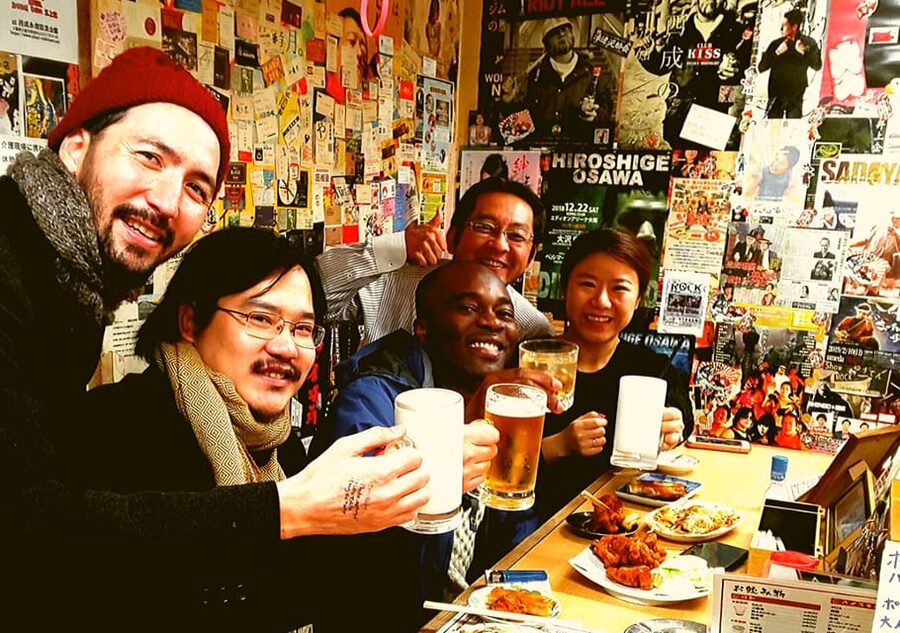
This section also helps the group settle in. Several guides, including Rudy, Taka, Knox, and Brian, are described as conversational and willing to answer unusual questions. The tone can feel more like a chat among friends than a formal speech, although the quality depends partly on the guide assigned that evening.
The abandoned properties and the city’s uncomfortable past
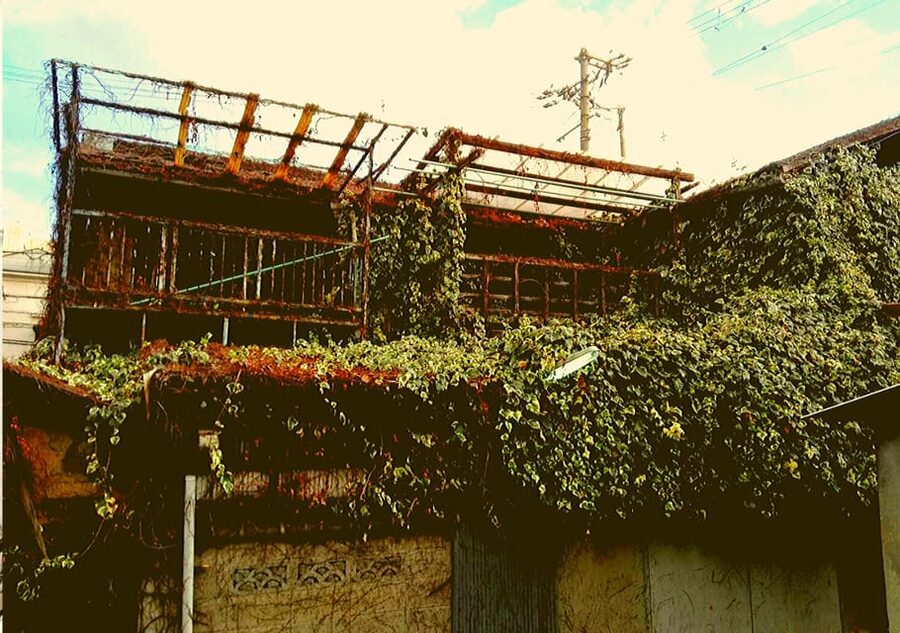
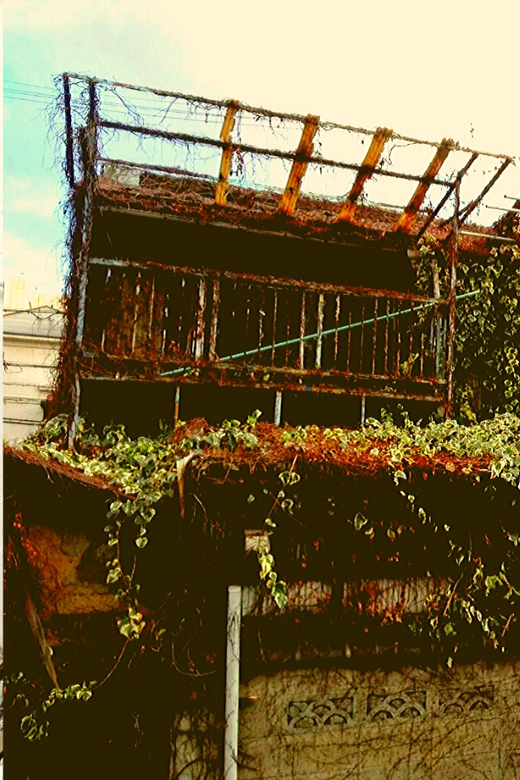
One of the most striking stops is an area filled with untouched, abandoned properties. Finding this kind of quiet decay in the middle of a major city can feel surreal. It also raises harder questions about aging neighborhoods, changing populations, and what happens when buildings and communities are left behind.
The attraction here is not the buildings alone. Your guide explains the controversial past of the area and connects what you see to Osaka’s social history. This is where the tour moves beyond quirky streets and retro charm.
You should expect a sensitive presentation, not a staged ruin walk. Do not enter buildings, touch private property, or treat residents as part of the entertainment. The experience is strongest when you look, listen, and allow the guide to supply context.
This section may not suit everyone. If you want only cheerful food stops and colorful photos, the material can feel heavy. If you want a fuller picture of Osaka, it is one of the tour’s most useful parts.
More Walks That End at the Table in Japan:
- Naples: Street Food Experience With 6 Stops
★ 4.7 · 392 reviews - Marrakech: Authentic Moroccan Food Walking Tour & Dinner
★ 4.8 · 261 reviews - Athens at Night Small-Group Walking Tour with Dinner
★ 5.0 · 230 reviews - Tirana: Local food experience & walking tour
★ 5.0 · 154 reviews
Choosing the Taisho-Era red light district route
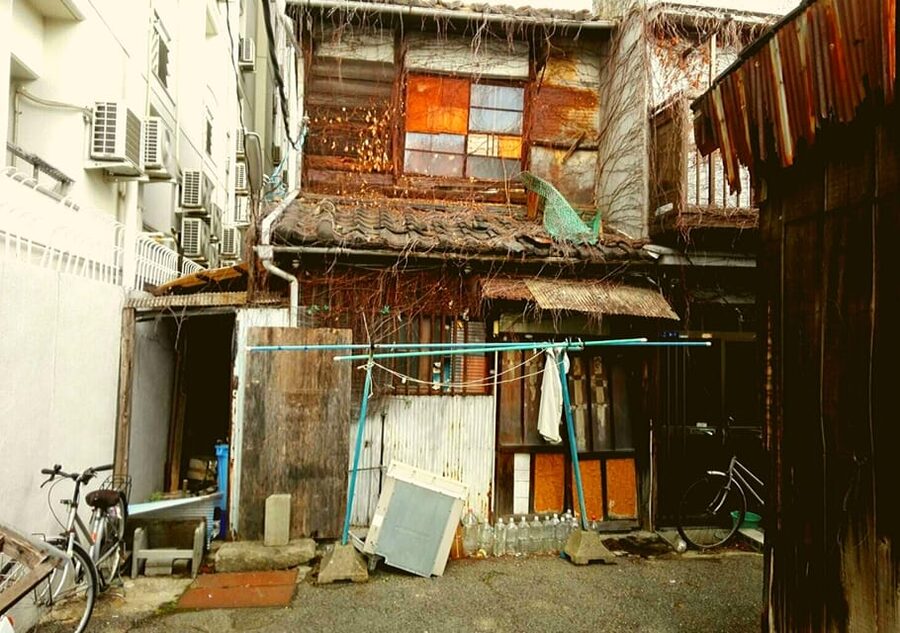
After the abandoned properties, you can choose to walk through a preserved Taisho-Era red light district or take a separate path. That choice matters. The district includes traditional buildings said to be important to Osaka’s culture and listed as UNESCO-related heritage in the tour information.
The buildings are a major reason to take this route. Their preserved appearance gives you a direct visual link to an earlier Osaka, even as the guide explains the darker business and social systems connected to the area. The contrast between architectural beauty and difficult subject matter is uncomfortable by design.
The discussion may cover sex work, sexism, illicit businesses, and the way society treats minorities. The guide also addresses subjects such as the yakuza, war, pachinko, illegal gambling, homelessness, and welfare. You are not being asked to approve of these systems. You are being shown how they have shaped parts of the city.
This is not a suitable stop for children under 16, and it may not suit anyone who prefers a carefully polished version of Japan. Couples and solo visitors with a sense of humor and an open mind are likely to get the most from it.
The tour does not go through the homeless district. It may pass near people who are homeless, and the guidance is to treat them with dignity. That distinction is important. The purpose is to understand the neighborhood, not to turn hardship into a spectacle.
Adding the full dinner after the walk
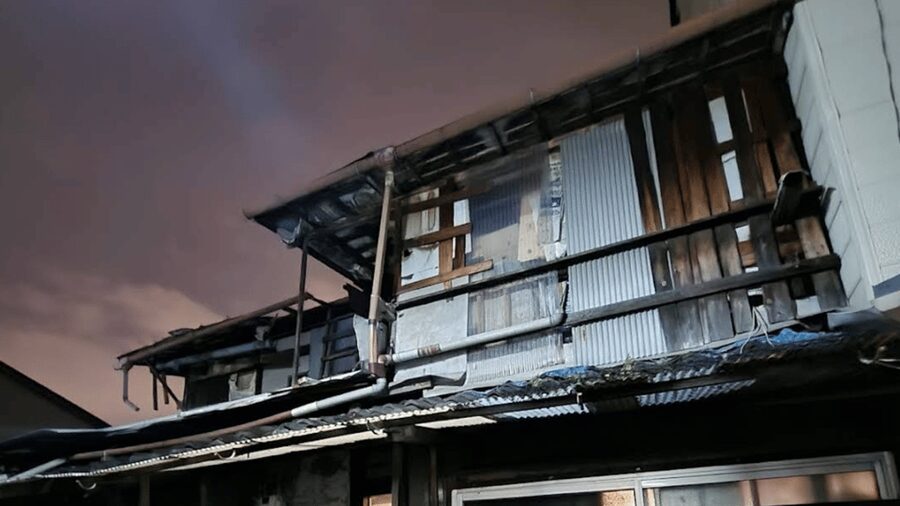
The dinner option follows the walking portion at a traditional restaurant. It is not included in the basic price, so check the exact option when booking. Drinks are extra.
The meal gives the evening a pleasant finish and lets the group continue talking after the route ends. Food reported from the dinner option has included Japanese dishes, fried chicken, beef soup, pasta, and dessert, with some variation between evenings. It sounds more like a generous shared meal than a tightly fixed tasting course.
I would choose the dinner if you enjoy meeting other people and want the guide’s explanations to continue over food. It also saves you from having to find a restaurant after three hours of walking. If you have a specific dining plan, dietary requirement, or limited budget, choose the walking-only option and make your own arrangements.
The dinner is also where the value of the tour becomes easier to judge. At $40 per person for the walking experience, the price is fair if you value access, interpretation, and food tastings. It is less compelling if you measure a tour only by the number of major sights entered.
The guides make a real difference
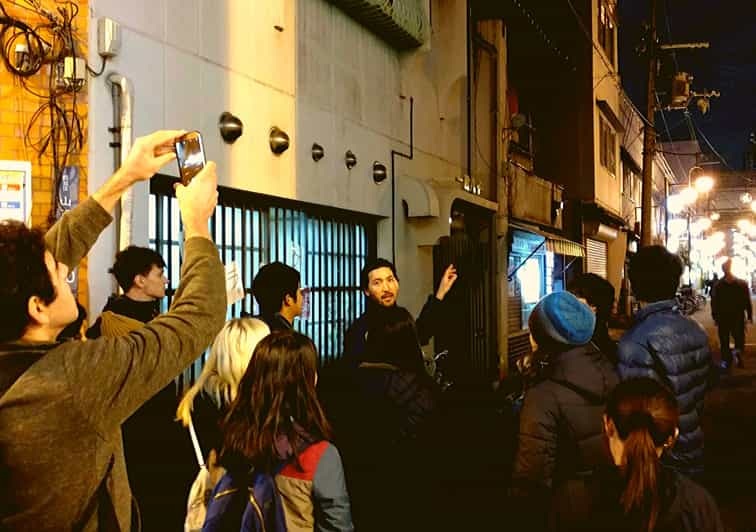
The guide is central to this experience. Names associated with recent departures include Knox, Rudy, Mari, Taka, Joseph, Brian, Bennett, Tommy, Rutti, Tim, Minori, and Bryan.
The strongest qualities to look for are humor, respect, and the ability to handle difficult questions without turning serious issues into jokes. Knox is described as bringing personal experience from living in Osaka. Rudy is noted for storytelling and a relaxed conversational style. Mari, Joseph, Bennett, Brian, and Taka are also described as friendly, clear, and willing to explain complicated subjects.
The assigned guide can change, so you cannot book one particular personality unless the provider confirms it. Still, the repeated pattern is encouraging: the guides are expected to speak English, explain the places clearly, and keep the group together in confusing streets.
This is a tour where delivery matters more than a memorized script. A flat guide could make the subject matter feel like a lecture. A good one will help you see the difference between gossip, local legend, historical fact, and present-day reality.
Practical details, timing, and comfort
The meeting point can vary by booking option, so check it carefully. Being late is a serious problem. Once the group enters winding alleys, you may not be able to find it, and there is no chance to catch up.
Wear comfortable shoes and avoid high heels. The route is a walking experience through backstreets, not a short stroll between nearby attractions. The pace is generally manageable, but the tour is not recommended for people with mobility impairments, pregnant women, or children under 16.
There is a slight contradiction in the supplied access information: the activity is marked wheelchair accessible, while people with mobility impairments are listed as unsuitable. If accessibility affects your decision, contact the provider before booking rather than relying on the general accessibility label.
The tour is offered in English with a live guide. Hotel pickup is not included. Free cancellation is available up to 24 hours before the start time, and the reserve-now, pay-later option can help if your Osaka schedule is still changing.
Who will enjoy this, and who should skip it
I would choose this tour if you have already seen Osaka’s main attractions or want something outside the standard route. It suits solo visitors who want company, couples who enjoy unusual discussions, and repeat visitors looking for a different side of the city.
It is also useful early in your Osaka stay. The tour can give you a social and historical frame for neighborhoods you might otherwise pass through without understanding. You will not leave with a perfect answer to every issue, but you should leave with better questions.
I would skip it if you are traveling with young children, dislike conversations about sex work or crime, need a fully accessible route, or want a relaxed food tour without serious topics. The red light district can be skipped, but the tour as a whole still deals with uncomfortable material.
Should you book the Osaka Deep Backstreets Walking Tour?
Book it if you want Osaka beyond neon signs, shopping streets, and famous food districts. The two side dishes, three-hour route, and optional dinner make the $40 starting price reasonable, especially when you add the access to places you would be unlikely to find alone.
Go with realistic expectations. This is not a polished cultural showcase, and it is not suitable for children. It is an honest, sometimes funny, sometimes sad walk through parts of Osaka that reward curiosity and respect. Arrive early, wear sensible shoes, and choose the dinner option if you want the evening to finish around a shared table.
FAQ
How long does the Osaka Deep Backstreets Walking Tour last?
The tour lasts 210 minutes, or three and a half hours.
What language is the tour offered in?
The live tour is offered in English.
What food is included?
The walking tour includes two side dishes from two different stalls. Drinks are not included.
Is dinner included in the $40 price?
Dinner is included only if you select the dinner option when booking. Drinks remain separate.
Can I skip the red light district?
Yes. You can choose the red light district route or take a separate path.
What difficult topics are discussed?
The tour may discuss the yakuza, sexism, war, illegal gambling, pachinko, homelessness, welfare, sex work, and illicit businesses.
Is the tour suitable for children?
No. Children under 16 are not considered suitable for this experience.
What should I wear?
Wear comfortable shoes. High-heeled shoes are not allowed.
What happens if I am late?
You may not be able to join the group after it enters the winding backstreets. There is no chance to catch up, so arrive on time.
New routes in Japan
- Tokyo: Asakusa & Sensoji ー Oldest Temple Walking Tour (2hrs)★ 5.0 · 213 reviews
- Asakusa Cultural Walk & Matcha Making Tour★ 5.0 · 245 reviews
- Asakusa Senso-ji Temple and Old Tokyo Walking Tour★ 5.0 · 560 reviews
- Tokyo: Tsukiji Market Walking Tour & Sushi Cooking Class★ 4.6 · 122 reviews
- Tokyo: Shinjuku Nightlife & Secret Backstreets Walking Tour★ 4.8 · 229 reviews
- Tokyo: Shinjuku Bar Hopping & Night Walking Tour★ 4.6 · 137 reviews
- Tokyo: Dark Side of Tokyo Shinjuku Red Light Walking Tour★ 4.7 · 862 reviews
- Tokyo: Shibuya Highlights Walking Tour★ 4.8 · 601 reviews
Dinner Experiences, compared.
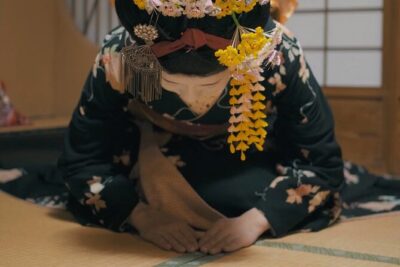
Kyoto Gion Cultural Walk & Geisha Show with Dining Options
Read our review →

Athens at Night Small-Group Walking Tour with Dinner
Read our review →
Hiroshima: Food and Culture Guided Walking Tour with Dinner
Read our review →
Browse the lists this tour appears in