
Review · LISBON
Lisbon Tram No. 28 Ride & Walking Tour
Lisbon’s famous Tram 28 is more than a sightseeing vehicle. It is a working public tram that squeezes through narrow streets, rattles up steep hills, and opens views toward the river. I like the mix of transport and walking, and I like that the route moves beyond the usual postcard stops into Alfama’s small lanes, squares, cafés, and Fado corners.
The small group, limited to 10 people, gives the guide room to answer questions and keep an eye on everyone over uneven streets. Guides such as Nuno are praised for lively local stories and broad knowledge of Lisbon and Portugal. The main drawback is that Tram 28 is public transport, not a private ride. Traffic, breakdowns, crowds, or a blocked street can change the plan, and the walking portion includes steep slopes.
Key points to know before you book
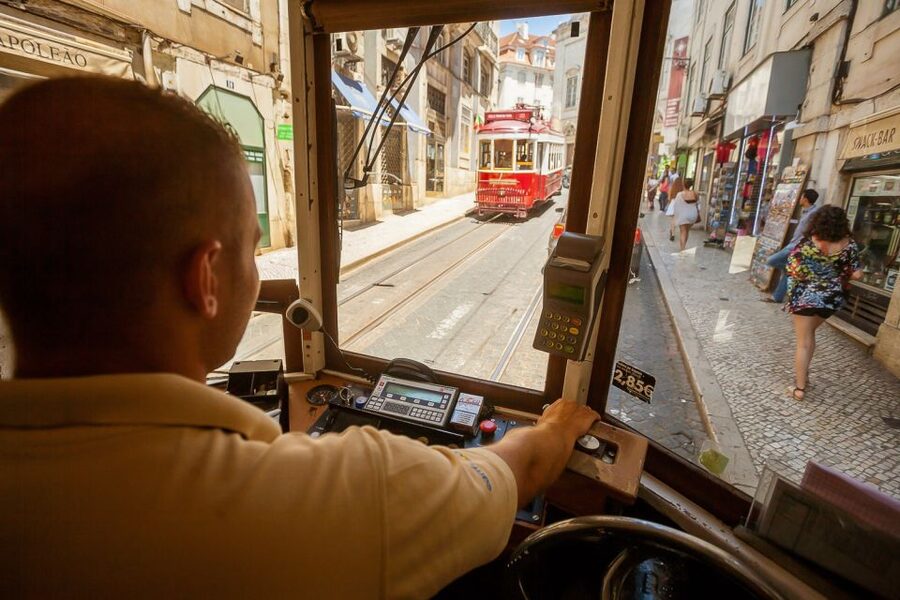
- Tram 28 is part of Lisbon’s daily transport system: Expect an authentic ride, but not a guaranteed private seat or fixed route.
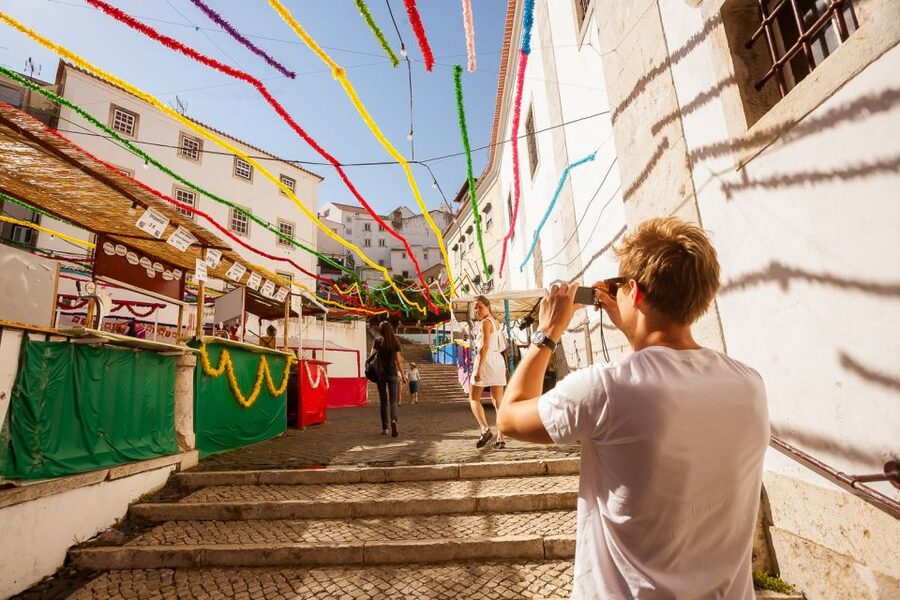
- Alfama is the real heart of the outing: The walking section takes you into lanes and small squares that a tram cannot reach.
- The guide brings the history to life: Nuno is especially praised for humor, local insight, and staying after the scheduled finish when questions continued.
- Feira da Ladra adds a bonus on Tuesdays and Saturdays: The city’s old flea market brings extra color to the route.
- The tour costs $23 per person for three hours: That is good value if you want transport, orientation, history, and a guided walk in one morning.
- Wear proper walking shoes: Lisbon’s hills and uneven paving are part of the experience, not a minor detail.
Why Tram 28 is a good way to meet Lisbon
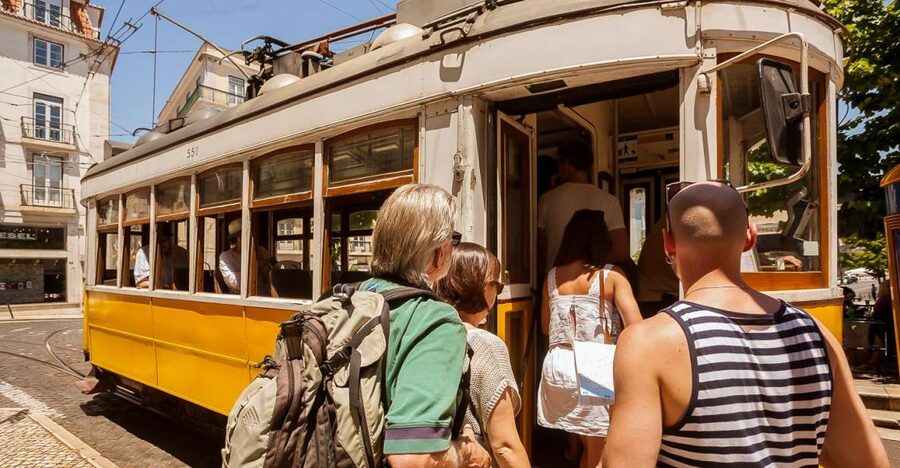
Lisbon is a city of hills, and the old yellow trams make those hills easier to understand. From the window, you see how the streets fold around churches, houses, viewpoints, and the river. The tram also gives you a sense of how tightly built the older quarters are, with corners that look too sharp and lanes that seem too narrow for a modern vehicle.
The ride is not a private sightseeing circuit. You share the tram with people using it to get around town, and the vehicle can be delayed by traffic or a car parked in the wrong place. That uncertainty is part of the charm, but it is worth knowing before you book. If your main goal is a long, uninterrupted ride on Tram 28, you may want to take a separate ride on your own as well.
For a first look at Lisbon, though, the format works well. You get the tram experience, then leave the tracks behind to explore places you would not see from the window. The tour lasts three hours, giving enough time for both movement and explanation without turning into a full-day commitment.
More Walking Tours in Lisbon:
- Lisbon: History, Stories and Lifestyle Walking Tour
★ 4.8 · 10,902 reviews - Best of Lisbon Small-Group Guided Walking Tour
★ 5.0 · 4,869 reviews - Lisbon: Food and Wine Small Group Walking Tour
★ 4.9 · 4,082 reviews
Meeting at Praça Luís de Camões
The tour begins at Praça Luís de Camões, near the statue. Look for the guide carrying a black backpack marked with the Lisbon Spirit logo. This is a central starting point, but you should still allow time to find the exact meeting place, especially if you are new to Lisbon’s hills and busy streets.
The group is limited to 10 participants. That matters here. A large group would be difficult to keep together through narrow lanes, while a small group makes it easier to hear the guide and ask about places that catch your eye.
The tour is conducted in English. Guides including Nuno have been praised for explaining Portuguese history, politics, religion, real estate, and daily life in a way that connects the past with the city you see today. The tone can be relaxed and humorous rather than a formal lecture.
Riding Tram 28 through the Old Town
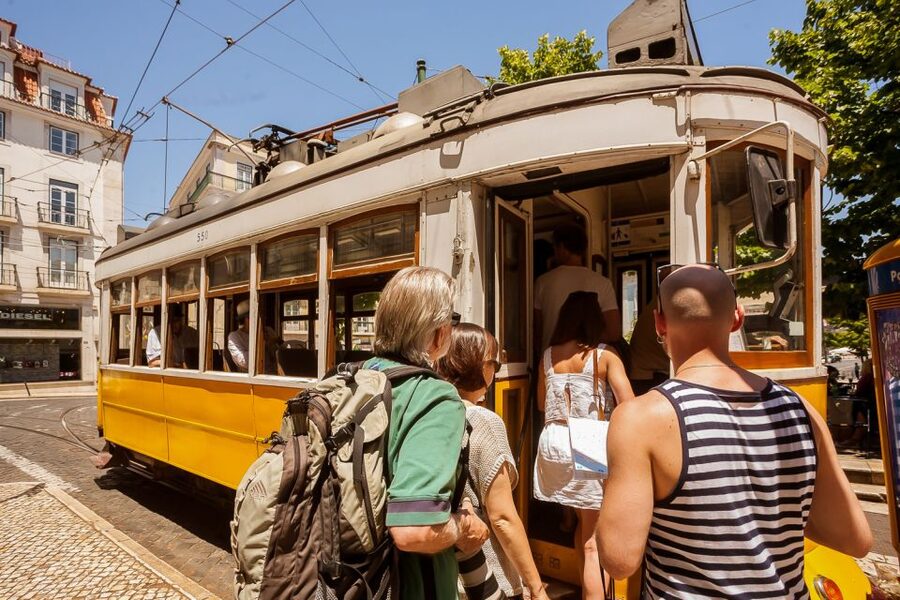
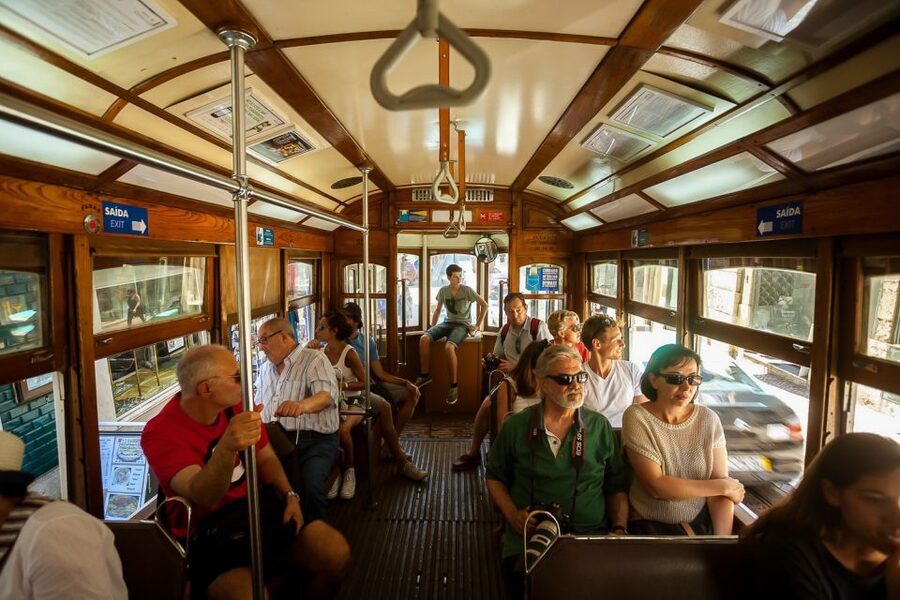
The tram is the first big attraction. Its route carries you through Lisbon’s older quarters, where the city rises and dips sharply. As the tram climbs, you may catch broad views of rooftops, the river, and the hills. Inside the old carriage, you also see Lisbon at street level: doorways, tiled façades, pedestrians, and corners where the tram seems to brush the buildings.
The best part is the sense of place. This is not a vehicle brought out only for sightseeing. It is a working part of the transport network, so the ride can feel pleasantly ordinary as well as scenic.
The trade-off is comfort and control. Seating is not guaranteed, and the tram may be crowded. Traffic can slow the ride, and a blocked street or mechanical problem may force the guide to change the plan. One group had to use another tram, a bus, and a funicular because of rush-hour conditions. Another group found that a route change followed a broken-down car. The guide can adapt, but the exact transport sequence is not fully in your hands.
That flexibility is useful, especially with a local guide who can explain why the route changed. Still, book this outing for the full combination of tram, walking, and city context, not for a guaranteed uninterrupted Tram 28 journey.
Sé de Lisboa and nearly 1,000 years of change
The Sé de Lisboa, Lisbon’s medieval cathedral, gives the walking section a strong historical anchor. Its walls reveal layers of the city’s past, and the guide helps connect the building to the wider story of Lisbon.
You do not simply pass a church and move on. The point is to look at how the cathedral fits into the old quarter and how religious buildings shaped the streets around them. The tour uses places such as the Sé to explain Lisbon’s long development, rather than treating each sight as an isolated photo stop.
This is also where a good guide makes a difference. The strongest feedback about this experience focuses on the amount of background information and the way guides answer questions. If you enjoy learning how religion, politics, and city life overlap, you will get more from the stop than someone looking only for quick photographs.
Same streets, a different guide:
- Best of Lisbon Walking Tour: Rossio, Chiado & Alfama
★ 4.9 · 2,700 reviews - Age of Discoveries Walking Tour in Belém
★ 5.0 · 1,513 reviews - Lisbon Food Tour with 10+ Tastings of Local Delicacies & Wines
★ 5.0 · 1,339 reviews - Sintra & Cascais Day Tour with Pena Palace Entry and Gardens Walk
★ 5.0 · 962 reviews
São Vicente de Fora and the National Pantheon
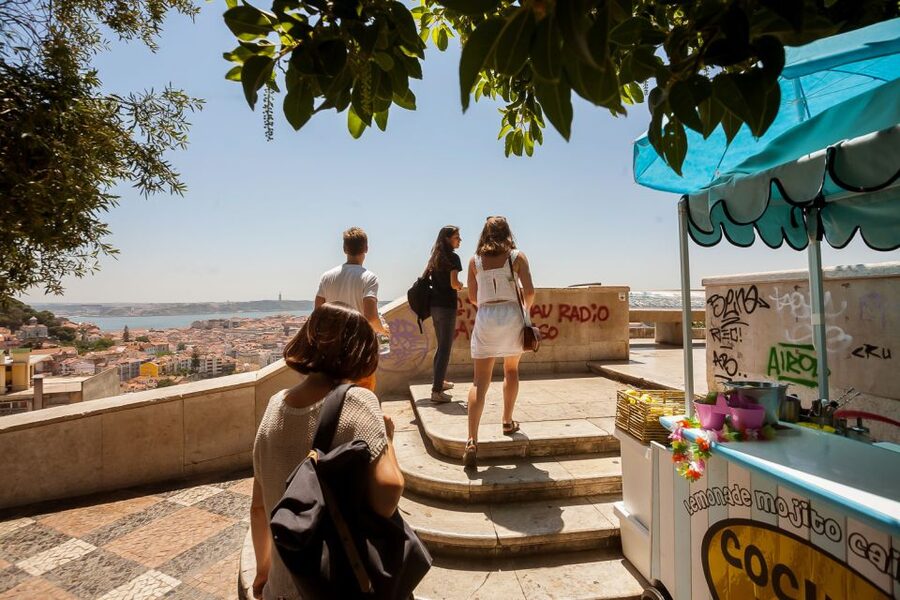
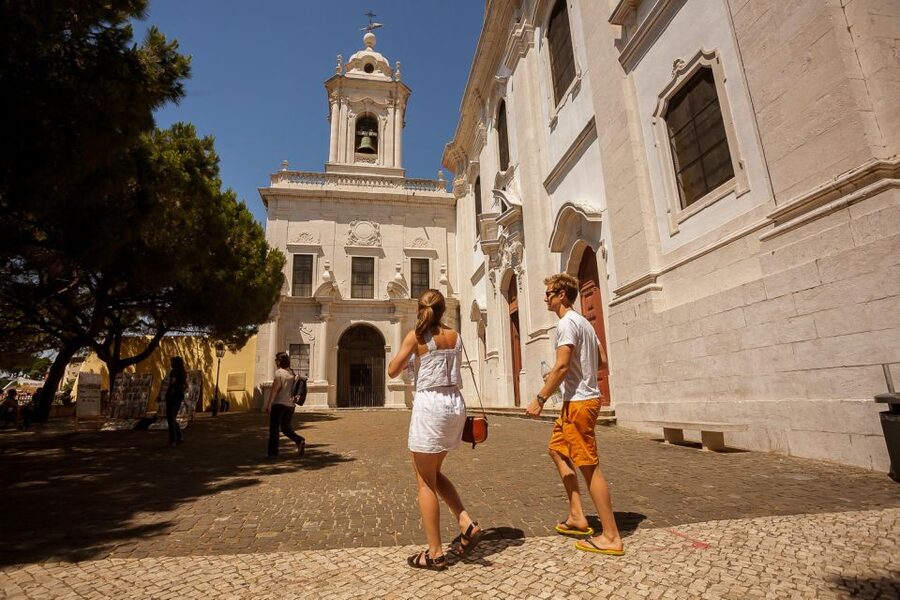
The Mosteiro de São Vicente de Fora, or Saint Vincent Monastery, is another major sight on the route. Its scale gives you a break from Alfama’s tight lanes and helps show the importance of Lisbon’s religious institutions.
The tour also introduces the Panteão Nacional, or National Pantheon. Its large dome is one of the most recognizable features on Lisbon’s skyline. You hear the legend connected with the building, along with the stories behind its place in the city.
The value here is the sequence. You see grand monuments, then return to ordinary streets and local cafés. Lisbon is not only viewpoints and major buildings, and it is not only narrow residential lanes. Moving between both sides of the city gives the tour a better balance.
Feira da Ladra on Tuesdays and Saturdays
If your tour falls on a Tuesday or Saturday, the route includes Feira da Ladra, Lisbon’s well-known flea market. It is held in the city’s oldest quarter and adds a livelier public scene to the morning.
A flea market is useful for understanding a city because it shows daily activity rather than polished presentation. You might see old household goods, curiosities, and the informal rhythm of buying and selling. The tour does not turn the market into a shopping requirement, so you can focus on the atmosphere and the guide’s explanation.
If your tour takes place on another day, you will not have this extra stop. That does not weaken the main route, since Alfama, the cathedral, monastery, National Pantheon, tram, and viewpoints remain the central features. But Tuesday and Saturday departures offer an added reason to compare dates if your schedule allows.
Walking Alfama’s steep lanes and small squares
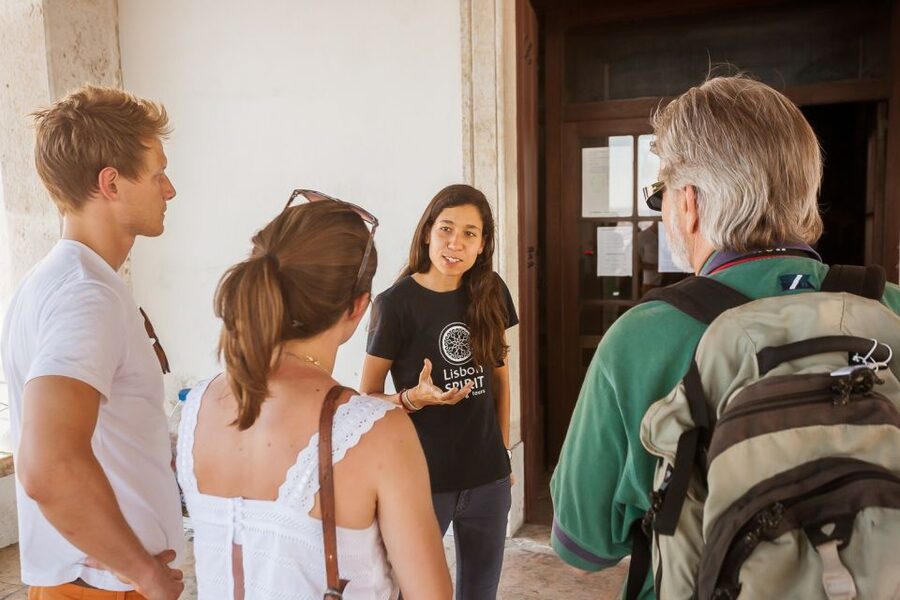
The walking section is where the tour earns its place beside a simple tram ticket. Alfama is a maze of narrow streets and steep lanes that rise toward small squares and viewpoints. From the tram, you see only fragments. On foot, you get a better sense of how people live among the old buildings.
The pace is generally leisurely. That suits a group with mixed ages, but leisurely does not mean flat or effortless. You will walk over uneven surfaces and climb hills. One group ranging from 17 to 83 found the pace suitable, while another specifically advised wearing your most comfortable trainers.
You should also expect the group to pause often. The guide may stop to point out architecture, explain a local custom, or answer questions. That makes the walking portion more useful than simply following a route on a map, but it can also mean the finish time runs beyond three hours.
The narrow streets are the most authentic part of the experience, but they are not polished museum corridors. Buildings, paving, slopes, and traffic all shape the walk. Bring shoes with good support and avoid carrying more than you need.
Fado, cafés, and the sound of Alfama
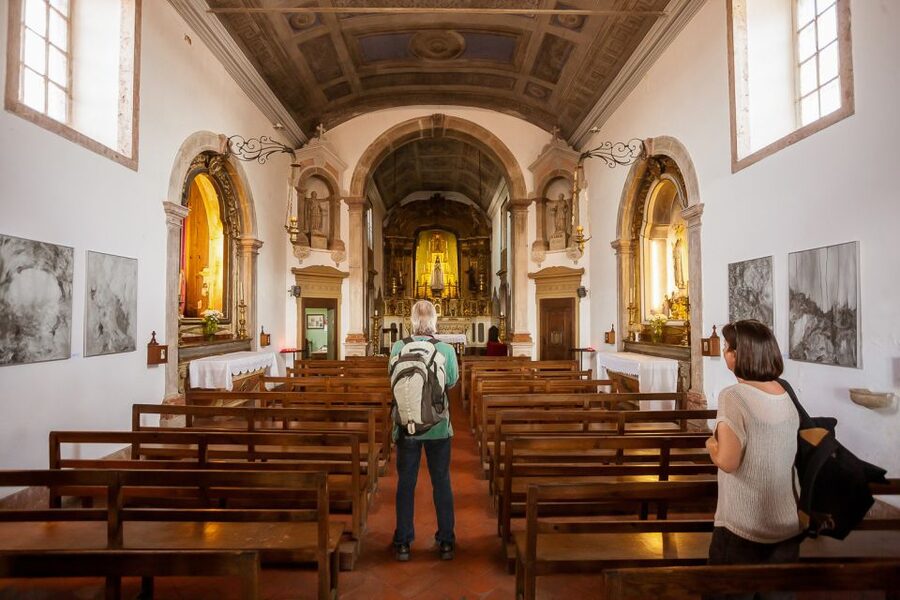
Fado is closely tied to Alfama, and the tour explains the tradition as you move through the neighborhood’s small bars and cafés. The goal is not a full Fado performance. Instead, you learn how this Portuguese music fits into local life and why tiny venues matter.
That distinction is important when you plan your evening. If you want a complete Fado show, you will need to arrange one separately. This tour gives you context, which can make a later performance more meaningful.
I like this part because it avoids treating Fado as a decorative tourist theme. You hear about it in the streets where the tradition is part of the neighborhood’s identity. Even without a scheduled performance, the setting helps connect the music to Alfama’s daily life.
How the guides shape the experience

The clearest strength of this tour is the guide. Names are not always recorded the same way, but Nuno, also written as Nono or Nunu in some bookings, is repeatedly praised for his humor, local knowledge, patience, and willingness to answer extra questions.
You may get a guide other than Nuno, so do not book on the assumption that one particular person is guaranteed. The important point is the style of guiding: local history mixed with practical comments about the city as it is now.
Several groups found the commentary especially useful for getting oriented in Lisbon. The guide points out where you are, explains what you are seeing, and gives background on Portugal as well as the capital. That makes the tour a good early activity, since you can use the information later during your stay.
The strongest guides also adapt. They can change the transport plan when traffic interferes, keep the group together, and slow down for people who need more time. The experience depends partly on the person leading it, as with any small-group walking tour.
Is $23 a fair price?
At $23 per person, this is a strong value if you want a guided introduction rather than a stand-alone tram ride. Your fee covers a three-hour experience, the Tram 28 ride, an English-speaking guide, the Alfama walk, and historical explanation at several important sights.
You are not paying for admission to every building, a meal, hotel pickup, or a private vehicle. Pickup and drop-off are not included, so you need to reach Praça Luís de Camões and make your own way onward at the end.
The price works best for first-time visitors who would otherwise spend time figuring out the tram, Alfama, viewpoints, and monuments alone. If you already know Lisbon well, or if you prefer to wander without a schedule, the value is less clear.
The group size improves the deal. A group of up to 10 is small enough for questions and personal attention without the cost of a private tour. Given the amount of transport and walking packed into three hours, I consider the price fair.
Practical advice for a smoother morning
Wear comfortable shoes with solid support. This is the most important packing tip, since the route includes steep streets and uneven paving.
Arrive ready for a flexible plan. Tram 28 is subject to traffic and other problems outside the activity provider’s control. A changed route may mean another tram, a bus, or a funicular, but the guide will adjust the outing around local conditions.
Do not expect the tour to end exactly where it begins. The meeting point is Praça Luís de Camões, while the walking route focuses on Alfama and the older hill districts. One participant wished the tour had returned to its starting point and felt unsure about getting back. Check your onward route before you set out.
You can cancel up to 24 hours ahead for a full refund, and you can reserve now while paying later. These terms are useful if your Lisbon schedule may shift, but the main practical decision is choosing a time when you are ready for three hours of walking.
Who should book this Lisbon tour?
I would choose this for a first or second day in Lisbon. It gives you a useful map of the old city, explains the major sights, and helps you understand how the hills, trams, viewpoints, and neighborhoods fit together.
It suits couples, solo visitors, families with older children, and mixed-age groups who want a moderate pace and plenty of explanation. It is also a good choice if you like history but prefer stories and local observations to a formal museum tour.
I would be cautious if you have difficulty walking uphill, dislike uneven streets, or want a private and carefully controlled tram ride. The public transport element is real, and the route may change.
Should you book it?
Book it if you want a lively introduction to old Lisbon, especially with a small group and an English-speaking guide. The tram provides the fun, while Alfama and the major monuments provide the substance.
Choose a Tuesday or Saturday if Feira da Ladra interests you. Otherwise, any departure can work. Just bring good shoes, allow for a flexible route, and remember that the best part is the combination of Tram 28 and walking, not either one alone.
FAQ
How long does the Lisbon Tram 28 and Alfama tour last?
The tour lasts three hours.
How much does the experience cost?
The listed price is $23 per person.
Where does the tour meet?
Meet at Praça Luís de Camões, near the statue. The guide will be carrying a black backpack with the Lisbon Spirit logo.
Is the tour conducted in English?
Yes. The tour is guided in English.
Is Tram 28 a private tram reserved for the group?
No. Tram 28 is public transport, so traffic, breakdowns, and other conditions can affect the ride and route.
What sights are included in the walking portion?
The route includes Alfama and may include the Sé de Lisboa, São Vicente de Fora, the National Pantheon, viewpoints, small squares, cafés, and areas connected with Fado.
Is Feira da Ladra included on every departure?
No. The flea market is included on Tuesdays and Saturdays.
What should I wear?
Wear comfortable shoes. The walk includes steep streets and uneven surfaces.
Is hotel pickup or drop-off included?
No. You make your own way to the meeting point and arrange your return after the tour.
Can I cancel the booking?
Yes. Cancellation up to 24 hours in advance is eligible for a full refund.
New routes in Lisbon
- Small Group Walking Tour of Belém★ 4.9 · 80 reviews
- Lisbon: Walking Tour in the Center (Max 12 Participants)★ 5.0 · 741 reviews
- Lisbon Through the Eyes of a Local – Food and Walking Tour★ 4.9 · 141 reviews
- Lisbon: Street Art Walk★ 5.0 · 79 reviews
- Lisbon: Food and Culture 3-Hour Walking Tour★ 4.7 · 95 reviews
- Lisbon: Private Boat Trip, Guided Walking Tour, Bike & Tram★ 4.8 · 116 reviews
- Lisbon: Jewish Walking Tour★ 4.9 · 96 reviews
- Lisbon: Helicopter Ride, Boat Trip, & Old Town Walking Tour★ 4.7 · 480 reviews
Lisbon Walking Tours, compared.
Best of Lisbon Small-Group Guided Walking Tour
Read our review →

Best of Lisbon Walking Tour: Rossio, Chiado & Alfama
Read our review →

Lisbon Food Tour with 10+ Tastings of Local Delicacies & Wines
Read our review →
Sintra & Cascais Day Tour with Pena Palace Entry and Gardens Walk
Read our review →
Lisbon Roots – Small group Food & Culture Walking Tour w/tastings
Read our review →Browse the lists this tour appears in