
Review · TOKYO
Asakusa: A Big-picture History Walk to Know Japan
Asakusa is usually sold as a temple visit. This walk gives you the larger picture: Japan’s long isolation, sudden opening, religious customs, and artistic influence on Europe all appear along one compact route. It is less about checking off sights and more about understanding why they matter.
I like the way the tour links the Sumida River to Admiral Perry and modern Tokyo, and I like the clear explanation of how Buddhism and Shinto share the same sacred ground. The main drawback is pace: two hours is enough for a strong overview, but not enough for long temple visits, shopping, or a leisurely look at every detail.
Key points to know before you book
- Japan’s opening begins at the Sumida River: The first stop explains the 200-year period of restricted foreign contact and the pressure that reopened the country.
- Buddhism and Shinto are explained side by side: You learn how prayer, symbols, buildings, and customs differ, then see both traditions in practice.
- Ukiyo-e connects Asakusa to European art: The walk explains how Japanese woodblock prints reached Europe and influenced Impressionist painters.
- The route is compact but idea-filled: Seven stops fit into two hours, with only a moderate amount of walking.
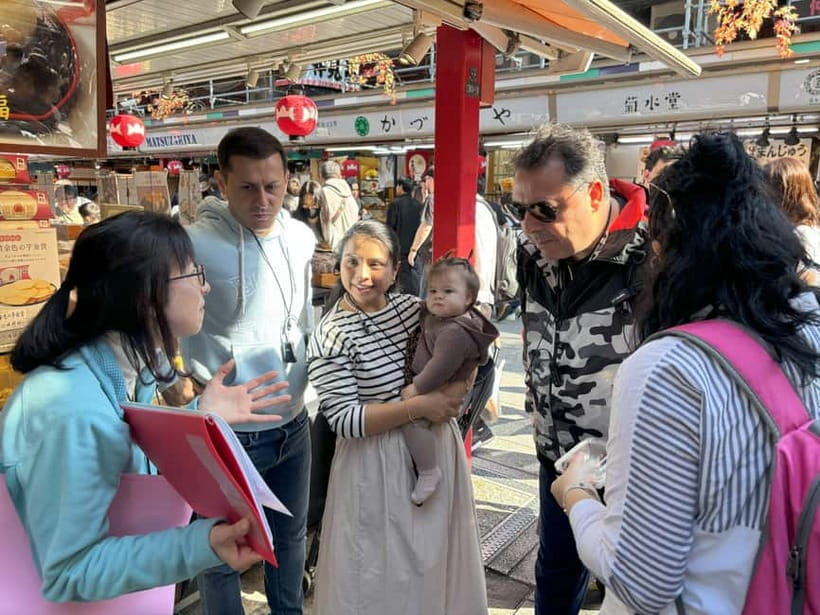
- Guides make the difference: Choco, Sachi, Amy, Yoko, Yasu, Kay, and other English-speaking guides have been praised for clear explanations and family-friendly teaching.
- Traditional snacks and headsets are included: Headsets are supplied for groups of three or more, though one person found the sound slightly echoey.
Asakusa in two hours: a history lesson with actual places
The clever part of this walk is its scale. You do not cross all of Tokyo or spend half a day inside a museum. Instead, you move through a small area where river trade, military power, religion, commerce, and art have overlapped for centuries.
That makes the tour useful early in a Tokyo visit. If you see Asakusa first on your own, you may notice a huge red gate, a long shopping street, incense, temple buildings, and a shrine tucked behind them. The guide gives those sights a framework. You leave knowing what belongs to Buddhism, what belongs to Shinto, and why the two traditions can appear together.
The route includes seven guided stops. Most are allotted 15 minutes, with 30 minutes for Nakamise Shopping Street. That timing tells you what this experience is: a brisk interpretive walk, not a slow photography outing. You will hear a lot, keep moving, and have time for questions, but you should not expect a detailed visit inside every building.
More History Walking Tours in Japan
- Tokyo: Imperial Palace and Shogun Historical Walking Tour
★ 5.0 · 2,251 reviews - Tokyo: Imperial Palace Japanese History Walking Tour
★ 4.9 · 987 reviews - Kyoto Gion: 2-Hour Geisha Culture & History Walking Tour
★ 5.0 · 1,186 reviews
Starting beside the Sumida River
Meet in front of the Burger King next to Exit 4 of Asakusa subway station, on the Ginza Line, station G19. This is a practical meeting point, but step outside the station at Exit 4 rather than waiting underground.
The first guided stop is Tokyo Cruise Asakusa Pier. Here the river becomes a history book. You learn why the Edo shogunate restricted overseas contact for more than 200 years, why the Netherlands was allowed to maintain a trading connection, and how Admiral Perry’s arrival helped force Japan to reopen.
This is one of the tour’s strongest openings because it gives you a physical view of Japan’s relationship with the outside world. The story is not left in the past, either. The guide connects the river and the old defenses to modern Tokyo, including Odaiba’s former gun batteries and the Statue of Liberty replica facing the Pacific.
The river stop also helps explain why location matters. Asakusa grew around movement, trade, pilgrimage, and access to the water. You may already know the broad outline of Japan’s opening, but hearing it beside the Sumida River gives the subject a sense of place.
Learning the difference between Buddhism and Shinto
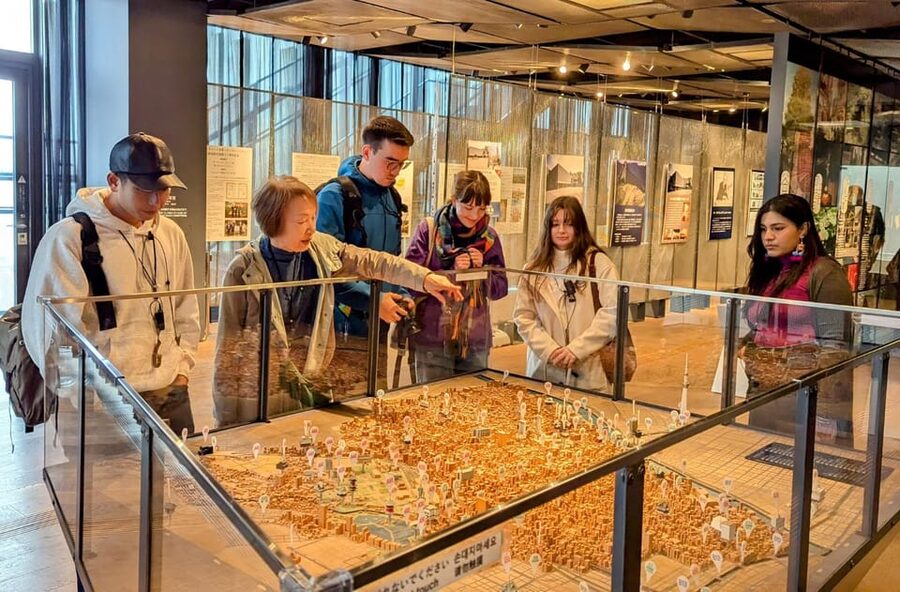
At the Asakusa Culture Tourist Information Center, the guide lays out the basic ideas needed for the rest of the walk. This is not a side lecture. It is the key to reading Asakusa correctly.
Japan’s religious life can confuse first-time visitors because Buddhist temples and Shinto shrines may be close together, and local people may visit both. The tour explains the visual clues and the different approach to prayer. You are given enough background to understand what you are doing before you reach the temple and shrine.
I especially like this part for visitors who feel unsure about etiquette. You do not need to memorize a long list of rules, but knowing the difference between a Buddhist temple and a Shinto shrine makes the rest of the walk feel less like a collection of attractive buildings.
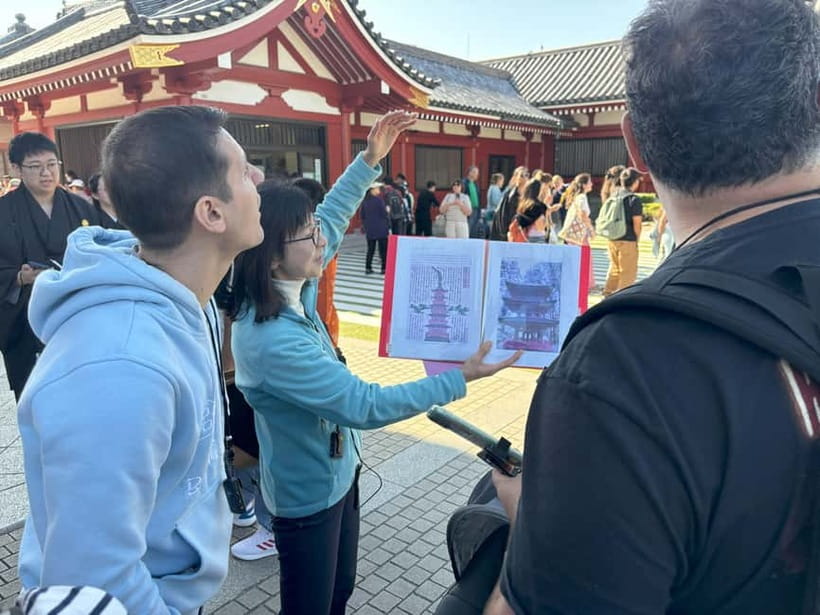
The guide also uses visual material when useful. Amy brought printed images to help explain difficult points, and the approach used by guides such as Sachi, Choco, and Yoko is described as clear and engaging. Families benefit here because the subject is presented through objects, gestures, and comparisons rather than dates alone.
Kaminarimon and the two kinds of dragons
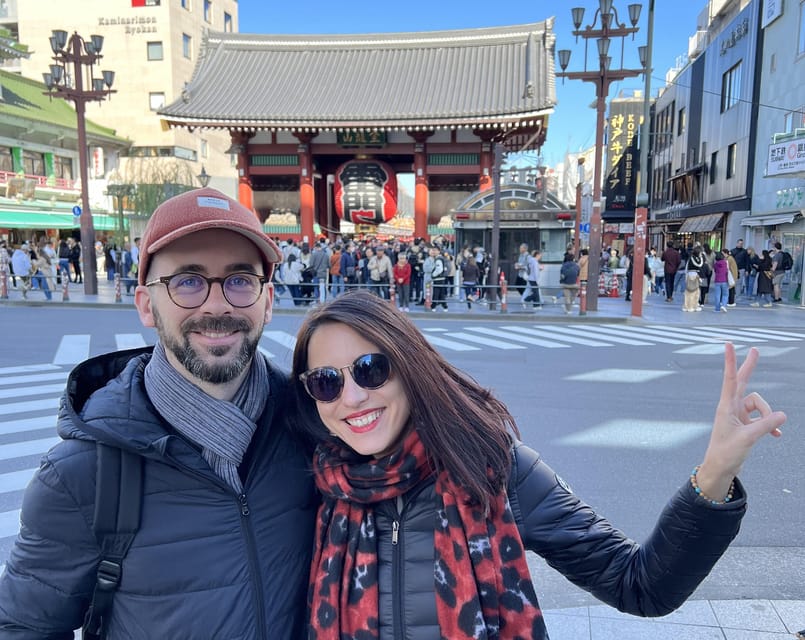
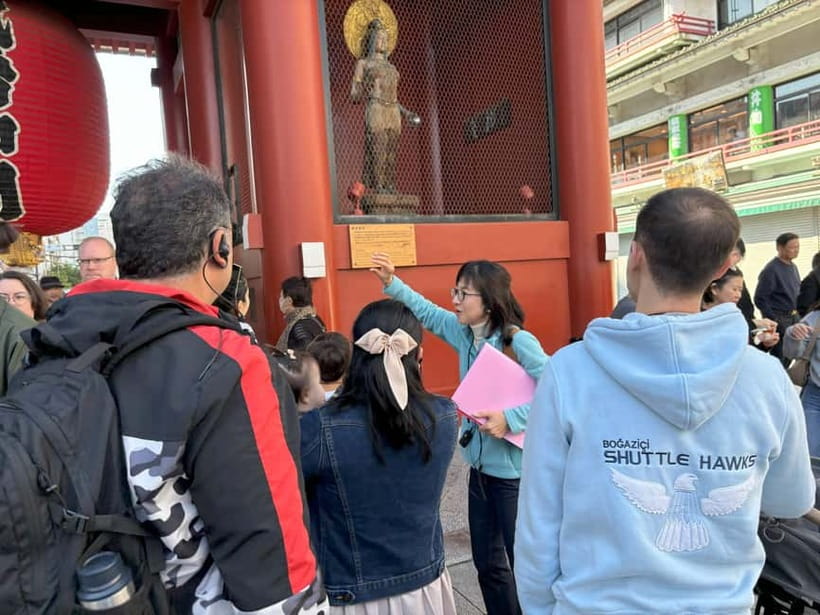
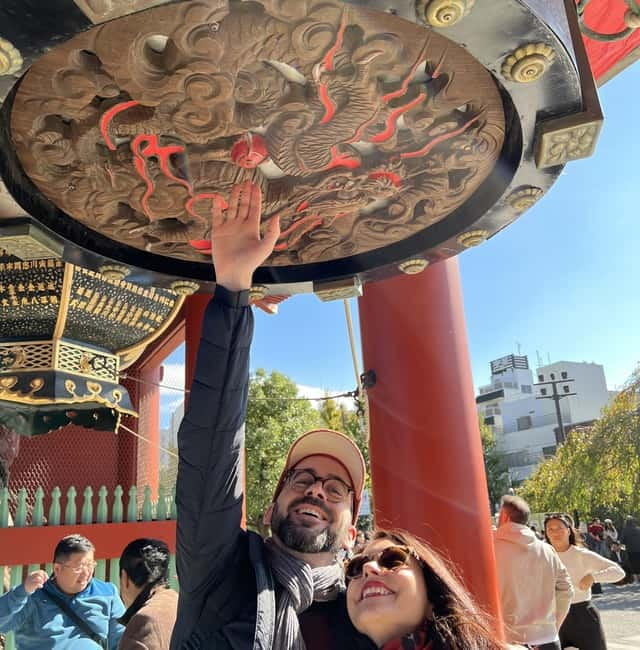
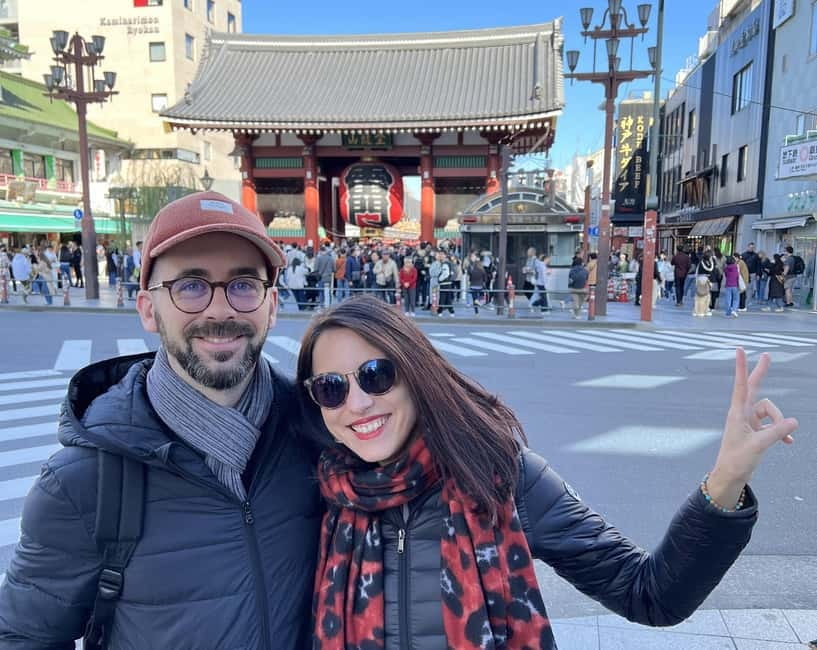
Kaminarimon, or Thunder Gate, is Asakusa’s famous front door. Its giant lantern is an obvious photo stop, but the guide uses the gate for a less obvious lesson: the difference between Japanese and Western dragons.
The comparison is memorable because the creatures may look similar while carrying opposite meanings. In much of Western tradition, dragons are enemies to defeat. The Japanese dragon has a different role and is connected with water and protection. That contrast gives you a quick example of how similar images can carry very different cultural messages.
This is a good place to listen rather than simply take pictures. Kaminarimon can be crowded, and the gate is easy to reduce to an attractive backdrop. A guide adds the meaning behind the details, so you begin to see the gate as part of a religious entrance rather than just a landmark.
The walk operates in rain or shine, so this is also where practical clothing matters. Bring water, wear comfortable shoes, and dress for the forecast. You will be outside for the full two hours.
More History Walking Tours in Tokyo:
- History and Hauntings of Salem Guided Walking Tour
★ 5.0 · 14,564 reviews - Lisbon: History, Stories and Lifestyle Walking Tour
★ 4.8 · 10,902 reviews - Boston: Freedom Trail History Small Group Walking Tour
★ 5.0 · 6,450 reviews - Historic Charleston Guided Sightseeing Walking Tour
★ 5.0 · 6,216 reviews
Nakamise Shopping Street and the journey of ukiyo-e
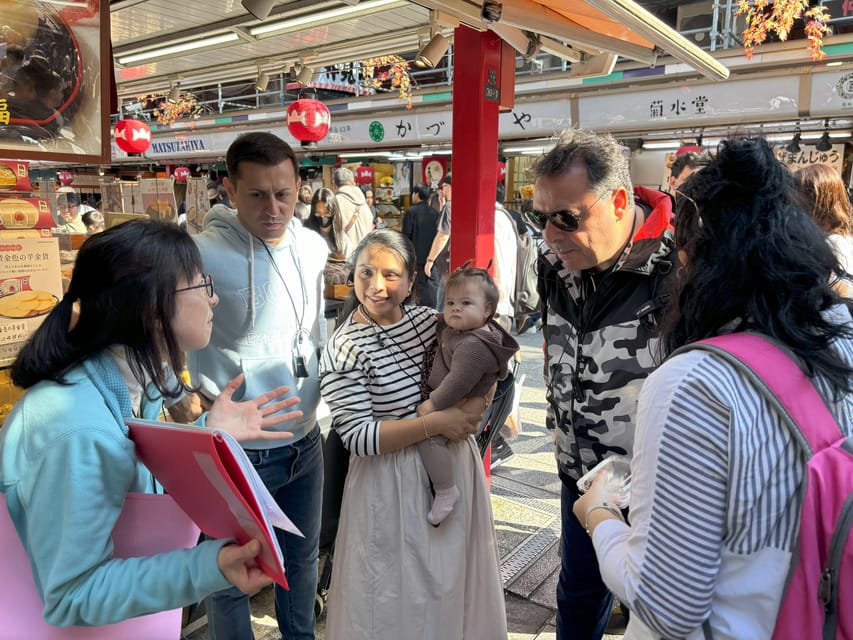
Nakamise is the longest stop, with about 30 minutes to walk and learn. This old shopping street leads toward Sensō-ji and sells the sort of snacks and small goods that make Asakusa feel connected to everyday life, not just grand architecture.
The guide discusses Buddhist symbols found along the route, including the vajra, also called tokko. You may see such objects without knowing what they mean. The explanation gives you a better chance of recognizing the religious vocabulary repeated around the temple grounds.
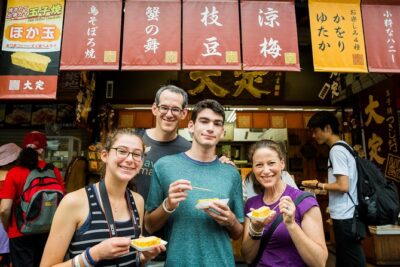
Traditional snack tastings are included. The information does not specify which snacks you receive, so do not plan your entire food experience around this portion. Think of it as a small taste of the neighborhood while the guide continues the story.
The art lesson here is particularly useful. Ukiyo-e woodblock prints, made for popular consumption in Japan, eventually reached Europe and helped influence Western Impressionist painters. This gives Asakusa a global connection that is easy to miss if you focus only on the shops and temple approach.
I like this section because it turns art history into a chain of human contact. A print made in Japan traveled abroad, caught the attention of European artists, and affected the way they handled subjects and composition. You do not need to be an art specialist to follow the point.
Nakamise is also the part most likely to feel crowded and visually busy. The group must keep moving, especially around the shopfronts. If you want time to browse carefully or buy souvenirs, return later on your own.
Hōzōmon Gate and a surprising comparison with Europe
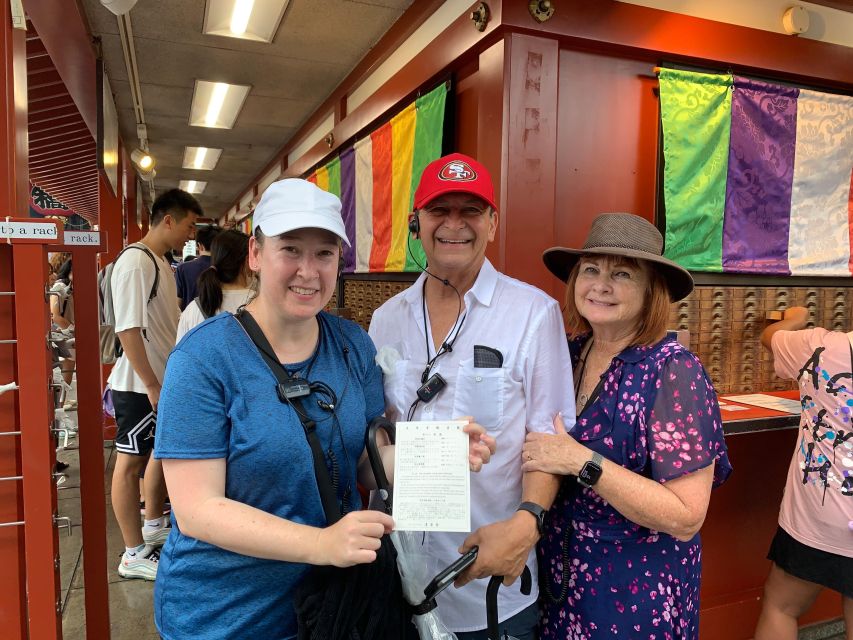
At Hōzōmon Gate, the tour makes one of its more unusual claims: people in Japan and Europe had more similar ways of thinking 1,000 years ago than you might expect.
The value is in the comparison. Japanese history is often presented to English-speaking visitors as something entirely separate from the medieval world they know. This stop challenges that shortcut and asks you to compare religious life, social ideas, and the way people understood their world.
The exact detail you take away will depend on the guide and your questions, but the purpose is clear. Japan was not a sealed-off culture with no points of comparison. It developed its own path, yet people a millennium ago could still share concerns and patterns of thought with communities far away.
This is a good example of why the walk works best for people who want context. If you only need directions to the temple entrance, you can manage without a guide. If you want connections that make the buildings easier to remember, this is the kind of stop that earns its place.
Sensō-ji, Japan’s oldest Buddhist temple
Sensō-ji receives about 15 minutes of guided attention. It is the major Buddhist stop on the route and the place where the earlier explanations begin to come together.
The guide discusses another comparison between medieval Japan and Europe, then explains how prayer at a Buddhist temple differs from prayer at a Shinto shrine. That distinction is practical. You are not simply told that both traditions exist. You are shown how their customs and spaces relate to one another.
Sensō-ji can be crowded, so a short guided explanation has an advantage. You get the essential story without needing to work out the meaning of each gate, object, and ritual on your own. The tradeoff is that 15 minutes passes quickly. You may want to spend extra time here after the official walk ends.
Families can do well on this tour, especially with an active guide. An eight-year-old enjoyed the fortune-telling activity at the temple entrance, while another guide kept a 13-year-old engaged through the local stories and history. The subject is adult in its overall focus, but children younger than six may join free, and families are welcome.
Asakusa Shrine and 1,000 years of shared ground
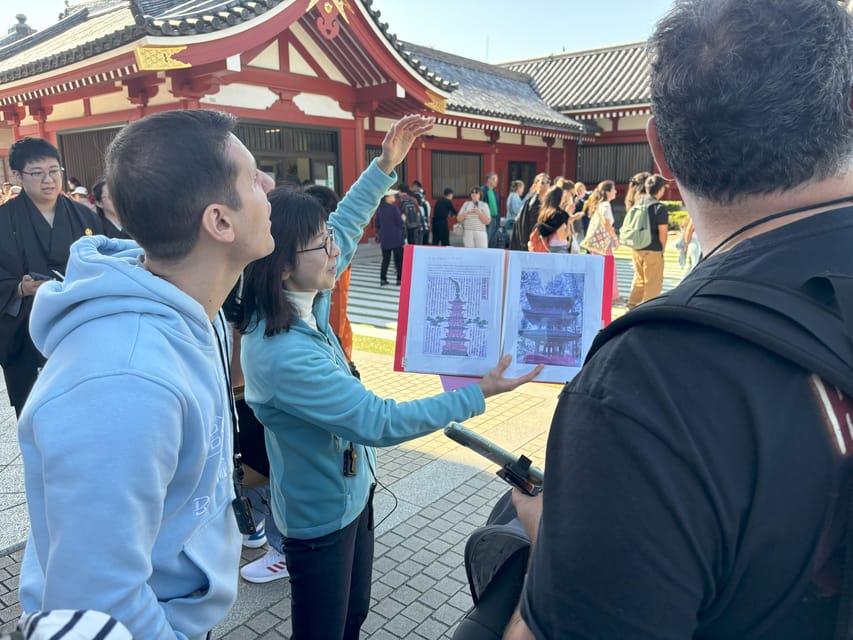
The final stop, Asakusa Shrine, provides the tour’s clearest picture of religious coexistence. A Shinto shrine and a Buddhist temple share the same broader grounds, worshippers, and local history.
For many people, this is the most useful thing to understand before visiting Japan. Modern categories can make Buddhism and Shinto seem strictly separate, but Japanese religious practice developed with long periods of cooperation and overlap. Asakusa lets you see that relationship in one place.
The guide explains why the shrine and temple can coexist and how to approach each respectfully. Kay, a Tokyo local, was especially good at giving practical advice about shrine manners and the local area. This is the sort of information you can use immediately for the rest of your trip.
Ending here is smart. The walk begins with Japan’s contact with the outside world and finishes with an internal story about how two traditions lived alongside one another. You leave with both a national overview and a clear reading of the neighborhood in front of you.
The guides, audio equipment, and group experience
The tour is conducted in English with a live guide, and an English audio guide is included. Groups of three or more receive headsets so you can hear while standing near busy streets and crowded gates.
The guides named in the feedback include Choco, Sachi, Sachiko, Amy, Yoko, Yasu, Kay, and Sachi’s similarly listed guide entry. Their shared strength is explanation rather than performance. Choco was able to keep adults and children involved, Sachi answered questions and supplied local insight, and Amy used printed material to make visual ideas easier to grasp.
One practical caution: an echo in the earpieces made parts of the talk harder to understand for one person. That may depend on the equipment, surroundings, or group size, but it is worth knowing. If you have trouble hearing, tell the guide promptly rather than waiting until the end.
The tour requires a moderate amount of walking. It is not suited to people with mobility impairments, though anyone with mobility concerns should contact the supplier before booking because the operator will try to accommodate specific needs.
Is $58 a fair price for two hours?
At $58 per person, this is not the cheapest way to see Asakusa. You can walk past Kaminarimon, Nakamise, Sensō-ji, and Asakusa Shrine for nothing. The price is justified only if you want the interpretation, the river-based opening story, the snack tasting, and the chance to ask questions in English.
I consider the value good for a first visit if you enjoy history and do not want a long, academic tour. The route covers a small area, but the ideas reach well beyond Asakusa. You get Japan’s opening, religion, art, and comparisons with Europe in one concentrated session.
The value is weaker if you mainly want shopping time, temple photography, or a relaxed morning. In that case, use the walk as an introduction and return to the area afterward. The free cancellation up to 24 hours before departure and the option to reserve now and pay later reduce the risk of fitting it into a changing Tokyo schedule.
The tour runs only when the minimum number of participants is met. If it is cancelled, notice is sent at least 24 hours ahead and the payment is fully refunded.
Who should book this Asakusa walk?
I would choose this tour for a first-time visitor who wants a clear framework for Japan rather than a list of dates. It also suits families with school-age children, provided everyone is comfortable walking and listening for two hours.
It is a strong choice if you have wondered:
- Why did Japan limit foreign contact for so long?
- How do Buddhism and Shinto differ?
- Why are dragons viewed differently in Japan and Europe?
- How did Japanese prints influence European painters?
- Why can a Buddhist temple and Shinto shrine occupy the same sacred area?
I would skip it if you need a fully accessible route, want a slow photography tour, or already know Asakusa’s religious and historical background well. The tour stays in a compact zone and gives you a brisk overview rather than extensive free time.
FAQ
Where does the Asakusa history walk meet?
The meeting point is in front of the Burger King next to Exit 4 of Asakusa subway station, G19, on the Ginza Line. You should exit the station before meeting the guide.
How long does the tour last?
The walking tour lasts two hours. It includes seven guided stops, with about 30 minutes at Nakamise Shopping Street and roughly 15 minutes at each of the other listed locations.
What language is the tour conducted in?
The live tour guide speaks English, and an English audio guide is included.
Are headsets provided?
Headsets are provided for groups of three or more so you can hear the guide clearly. One person found some echo in the earpiece, but the equipment is intended to help with sound in busy areas.
Can children join the tour?
Children younger than six may join without charge. Families are welcome, although the tour’s historical focus is recommended mainly for adults. Children aged eight and 13 were kept engaged by guides through activities, questions, and local explanations.
What happens if the tour is cancelled?
The tour will not operate unless the minimum number of participants is reached. If the operator cancels, notice is sent at least 24 hours before the tour and participants receive a full refund. You can also cancel up to 24 hours in advance for a full refund.
Should you book it?
Book this walk if you want Asakusa to make sense, not just look good in photographs. The strongest parts are the river explanation of Japan’s opening, the practical comparison of Buddhism and Shinto, and the way ukiyo-e connects a Tokyo neighborhood with European art.
At $58, you are paying for a focused English-speaking guide and a useful historical thread. Give yourself extra time after the tour for shopping and a slower look at Sensō-ji. That combination gives you both the big picture and the freedom to enjoy Asakusa at your own pace.
New routes in Tokyo
- Tokyo: Tsukiji Market Walking Tour & Sushi Cooking Class★ 4.6 · 122 reviews
- Tokyo: Shinjuku Nightlife & Secret Backstreets Walking Tour★ 4.8 · 229 reviews
- Tokyo: Shinjuku Bar Hopping & Night Walking Tour★ 4.6 · 137 reviews
- Tokyo: Dark Side of Tokyo Shinjuku Red Light Walking Tour★ 4.7 · 862 reviews
- Tokyo: Shibuya Highlights Walking Tour★ 4.8 · 601 reviews
- Tokyo: Shibuya Highlights Walking Tour & Secret View Spot★ 4.9 · 196 reviews
- Tokyo: Shibuya Crossing & Hidden Streets Walking Tour★ 4.8 · 128 reviews
- Tokyo: Private Custom Walking Tour with Local Guide★ 4.9 · 350 reviews
Tokyo Walking Tours, compared.
Tokyo Tsukiji Fish Market Food and Culture Walking Tour
Read our review →
Imperial Palace and Shogun Historical Walking Tour
Read our review →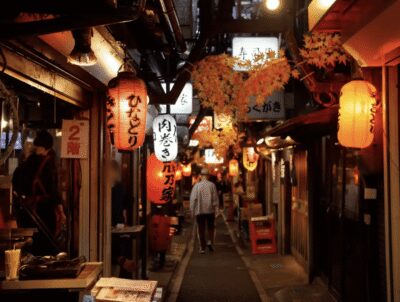
Shinjuku Local Bar and Izakaya Guided Walking Tour
Read our review →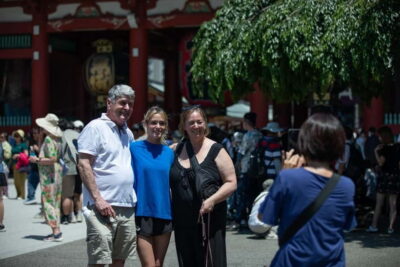
Asakusa Walking Tour with Sensoji Temple Visit
Read our review →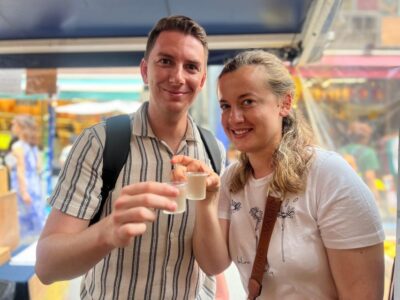
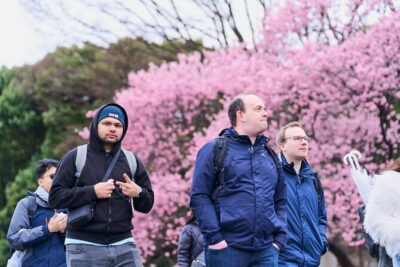
Tokyo Castle & Imperial PalaceーShogun Walking Tour
Read our review →
Shibuya Meltdown Nightlife Tour: All-You-Can-Drink Bar Hopping
Read our review →
Browse the lists this tour appears in