
Review · TOKYO
Tokyo: Asakusa Walking Tour with Sensoji Temple Visit
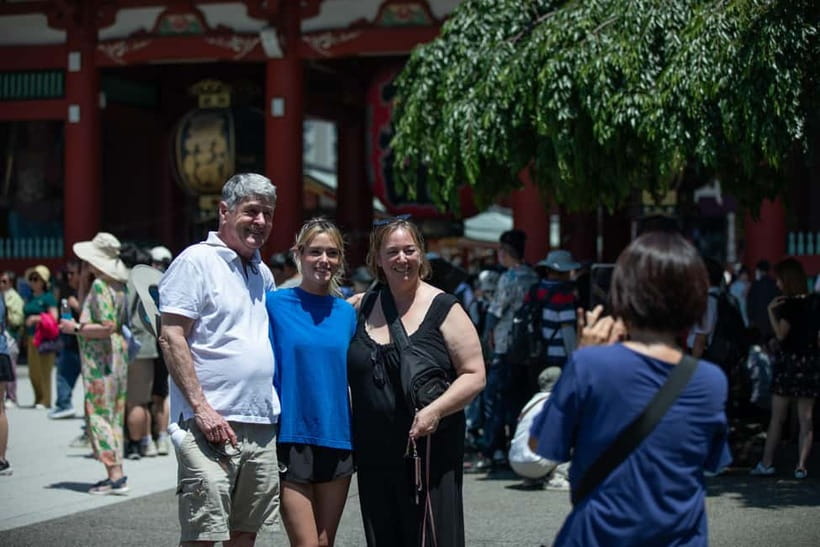
Asakusa gives you Tokyo at its most traditional, with giant red lanterns, incense smoke, temple roofs, old shopping lanes, and food stalls packed into an easy walking route. I like the way this two-hour tour links Buddhist and Shinto sites, and I like that guides such as Aya, Keiko, Hiroko, Loc, and Glenda add practical food tips along with the history. The main thing to consider is the pace: you cover a lot in two hours, so this is an introduction rather than a slow, detailed temple study.
The $22 price is sensible for a live English guide, especially if this is your first morning in Tokyo. You get context that signs alone cannot provide, plus time to ask questions and learn how to behave at a temple and shrine. The busiest parts of Asakusa can be crowded, and the tour does not include food, drinks, or entrance fees, so bring comfortable shoes and plan to return for lunch.
Key points to know before booking
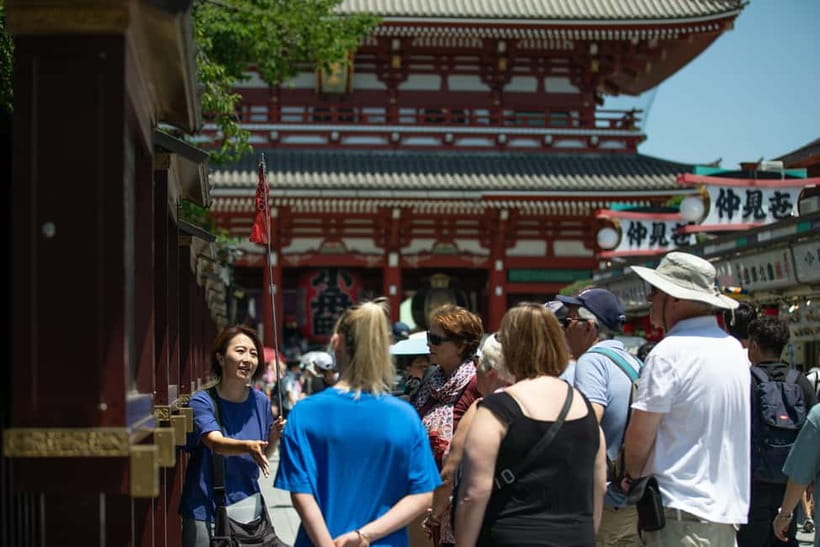
- Kaminarimon is an easy landmark: Meet on the left side of Thunder Gate, near Tokiwado Kaminari-okoshi Honpo, where your guide holds a tour sign.
- Sensoji is the centerpiece: You get guided time at Tokyo’s oldest-established temple, including its architecture, incense ritual, and cultural stories.
- The route covers both faith traditions: Asakusa Shrine adds a Shinto perspective after your Buddhist temple visit.
- Nakamise is part of the experience: This old shopping street is good for traditional snacks, crafts, souvenirs, and people-watching.
- Local guides add practical value: Aya, Keiko, Hiroko, Loc, Glenda, Polina, and others have been praised for clear English, humor, patience, and restaurant advice.
- You finish near Azuma Bridge: The end point is useful for continuing your sightseeing, taking photos, or finding lunch in the Asakusa area.
Why Asakusa is one of Tokyo’s best first walks
Tokyo can feel huge and hard to read at first. Asakusa gives you a manageable starting point. In a short distance, you see a famous temple, a Shinto shrine, old-style shopping streets, small food businesses, and modern Tokyo beyond the rooftops.
I like this area because it does not ask you to choose between history and everyday city life. You can admire the Thunder Gate, then watch shopkeepers sell sweets and crafts. You can learn about Buddhist customs, then turn into a lane lined with casual restaurants. That mix is the real point of Asakusa.
The tour is also useful early in a Japan trip. Guides have shared suggestions for food and other places in Tokyo, not just facts about the buildings in front of you. If you arrive without much knowledge of Japanese customs, a good guide can explain what you are seeing before you encounter similar rituals elsewhere.
At $22 per person, the tour costs less than many longer Tokyo activities. Its value depends on what you want. If you simply need photographs of Sensoji, you can visit independently. If you want to understand why people bow, use incense, pray, or move through the temple grounds in a certain way, the guide earns the fee.
More Walking Tours in Tokyo:
- Tokyo Tsukiji Fish Market Food and Culture Walking Tour
★ 5.0 · 3,184 reviews - Tokyo: Imperial Palace and Shogun Historical Walking Tour
★ 5.0 · 2,251 reviews - Tokyo: Shinjuku Local Bar and Izakaya Guided Walking Tour
★ 4.9 · 1,794 reviews
Meeting at Kaminarimon, the Thunder Gate
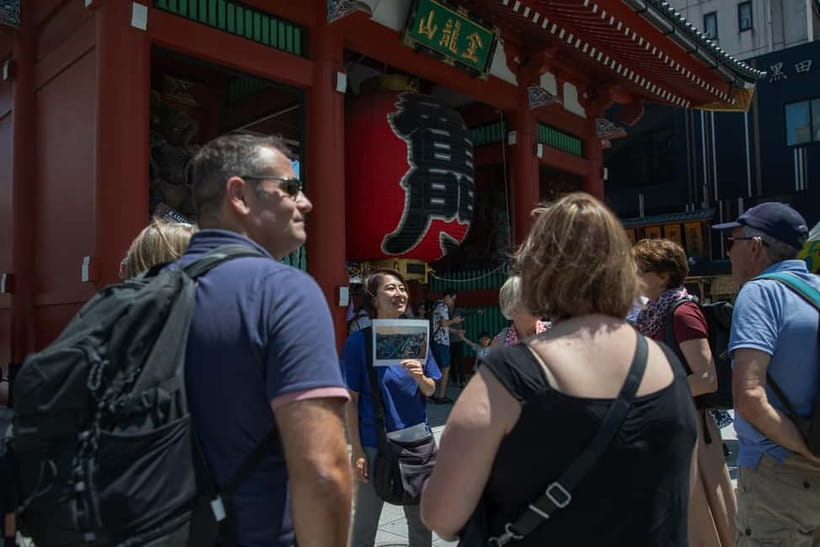
The tour begins at Kaminarimon, the dramatic entrance to Sensoji. Look for your guide on the left side of the gate, near Tokiwado Kaminari-okoshi Honpo. The guide holds a sign, but you should arrive early because the group cannot wait long for late arrivals.
Allow extra time to reach Asakusa. Tokyo’s rail network is efficient, but changing lines and finding the correct exit can take longer than expected. Once you reach the area, Kaminarimon is one of the easiest landmarks to identify, with its large lantern and imposing entrance structure.
The opening guided section lasts about 10 minutes. That may sound brief, but it gives you the basic story and orientation before you enter the temple approach. This is a good place to ask your first questions, especially if this is your first visit to a Buddhist temple in Japan.
Kaminarimon also gives you one of Asakusa’s classic photographs. It can be crowded, so do not expect an empty frame. Your guide’s role here is less about getting the perfect picture and more about helping you understand why this gate matters as the entry point to Sensoji.
Nakamise Street, Tokyo’s old shopping approach
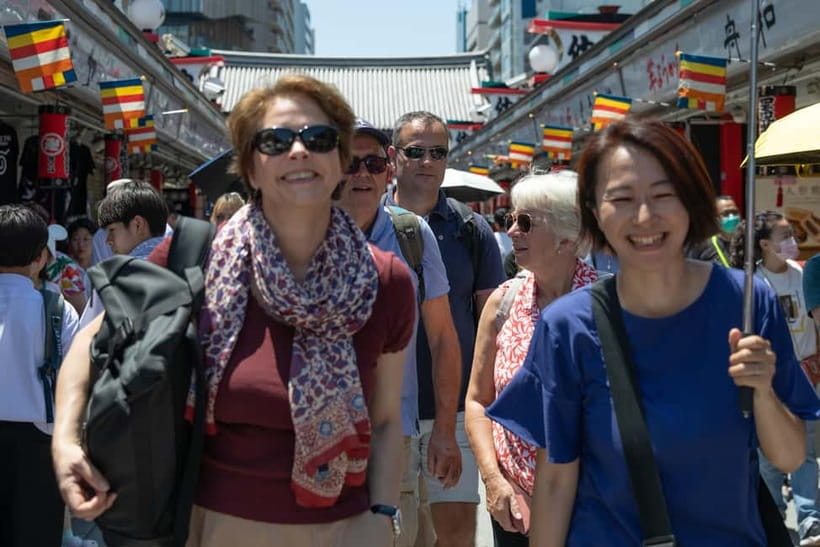
From Kaminarimon, you walk along Nakamise Shopping Street. The route takes about 15 minutes, though your actual progress may depend on the crowd.
Nakamise is one of Japan’s oldest shopping centers. Its shops sell traditional crafts, sweets, snacks, and souvenirs. You might find items that are easy to carry home, along with foods you will want to try immediately. The street can feel tourist-focused, but it remains part of the living approach to the temple rather than a detached shopping mall.
This is one place where a guide adds useful judgment. You can ask what a particular snack is, which products are traditional, and which shops or food stalls fit your interests. Guides such as Polina and Aya have been praised for pointing out food vendors and suggesting places to eat after the walk.
Do not plan to shop at length during the tour. Fifteen minutes is enough for an introduction, not a full buying session. I would note down the shops or foods that catch your eye and return later, when you are not trying to keep up with the group.
Sensoji Temple and the incense ritual
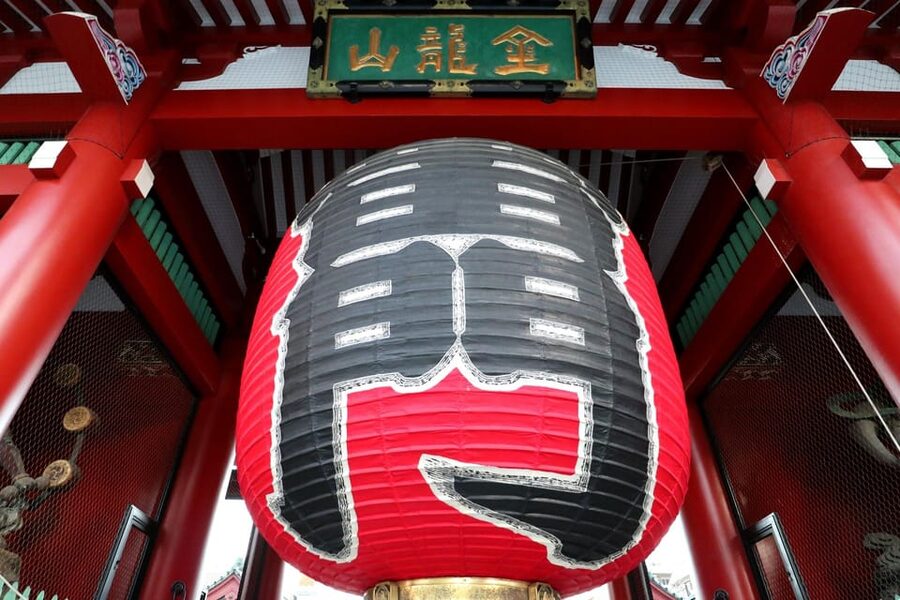
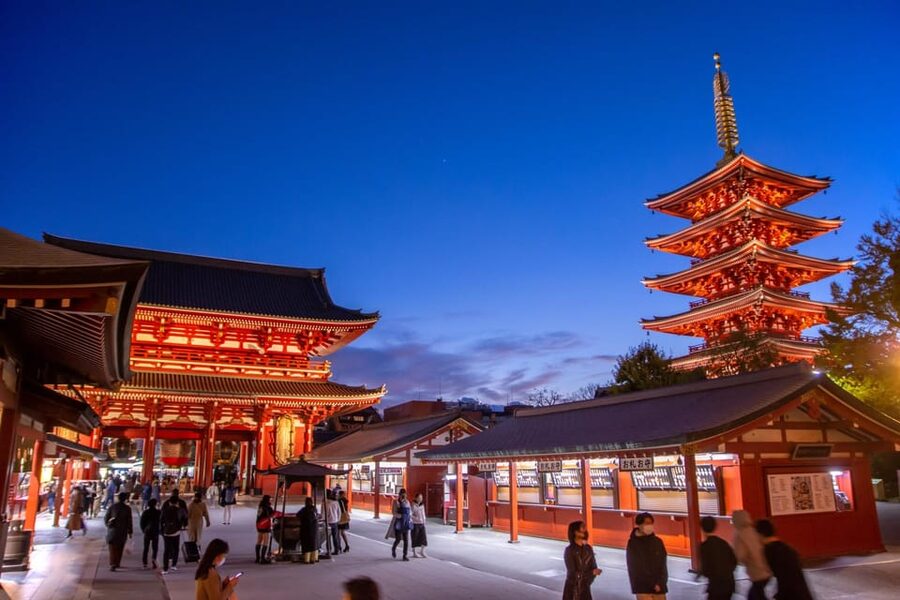
Sensoji receives the longest section of the walk, with about 30 minutes for a visit, photographs, guided explanation, and free time. It is Tokyo’s oldest-established temple and is also known as Asakusa Kannon.
The temple is visually grand, but its meaning is more interesting than its size. Your guide explains the details of the buildings, the religious traditions connected with the site, and the stories that have shaped its importance. Guides have also discussed architecture, local legends, miracles, and the history of the temple itself.
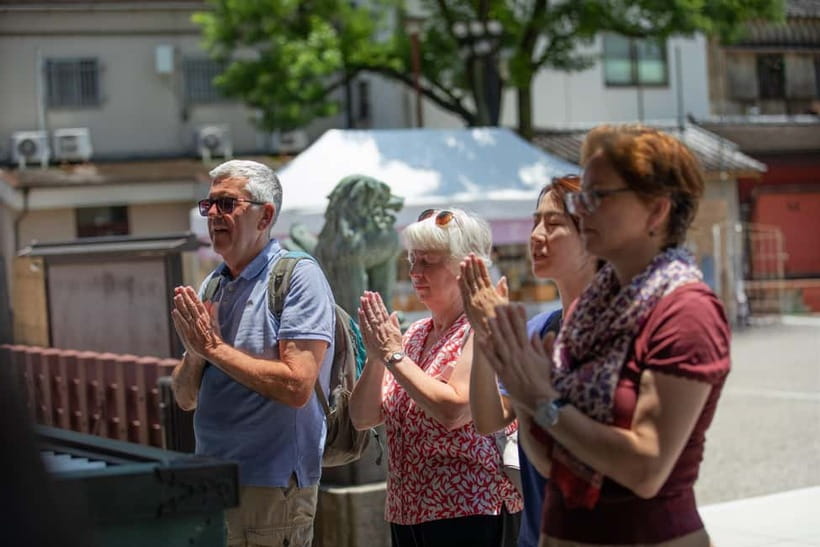
You should expect time to look closely rather than simply pass through for a photograph. The tour includes an incense-burning ritual, and your guide can explain what to do. That practical instruction matters. Religious sites in Japan are welcoming, but small actions such as washing, bowing, and using incense have meaning. A short explanation helps you take part respectfully.
The free time is useful because a guide cannot answer every question while keeping a group moving. Use it for photographs, a closer look at the temple details, or a quiet pause. The temple area may be crowded, particularly around popular photo spots, so patience is part of the visit.
A drawback is that 30 minutes goes quickly. If you want to explore every building or spend long periods watching rituals, you will need to return on your own. The tour gives you a strong foundation, then leaves you free to come back with more time.
Same streets, a different guide:
- Tokyo: Tsukiji Fish Market Food and Walking tour
★ 5.0 · 1,724 reviews - Tokyo: Tsukiji Fish Market Guided Walking Tour
★ 4.9 · 1,397 reviews - Tokyo Castle & Imperial PalaceーShogun Walking Tour
★ 4.7 · 1,068 reviews - Shibuya Meltdown Nightlife Tour: All-You-Can-Drink Bar Hopping
★ 5.0 · 1,058 reviews
Asakusa Shrine and the Buddhist-Shinto connection
The route continues to Asakusa Shrine for about 20 minutes. This stop is important because it lets you compare a Shinto shrine with the Buddhist temple you have just visited.
The experience is not only a parade of famous places. It gives you a basic way to understand two major strands of Japanese religious life. Your guide can point out differences in setting, customs, and visual details, helping you see why both sites matter within the same historic district.
This section also gives the walk a calmer rhythm after Sensoji. You have time for a photo stop, a visit, and more explanation. Several guides have been praised for answering questions patiently and making sure everyone can hear, which is especially helpful when a group includes children or people new to Japanese culture.
If you are traveling with family, this may be one of the better parts of the tour. A guide such as Keiko has been singled out for adjusting the pace, engaging younger visitors, and explaining points in a way that holds their attention. Still, the route remains a walking tour, so children need to be comfortable on their feet for two hours.
Hoppy Street and the everyday side of Asakusa
Hoppy Street changes the mood. After the temple and shrine, you walk through a restaurant area known for casual dining and local atmosphere. The guided visit lasts about 10 minutes.
You may see small eateries and signs for drinks and food, though the tour price does not include a meal. This is not a formal tasting tour. Instead, it helps you see where Asakusa residents and regular visitors go when they are ready to eat and relax.
I like this stop because it prevents the experience from becoming too polished. Asakusa is not only lanterns and temple roofs. It is also informal restaurants, narrow lanes, and the practical business of eating lunch. Guides often finish the tour with food suggestions, making Hoppy Street and the surrounding area useful for your next decision.
If you are hoping for a full food experience, book this with the right expectations. You are learning where to eat, not receiving a meal. Save your appetite and return after the tour.
Shin-Nakamise and the last stretch to Azuma Bridge
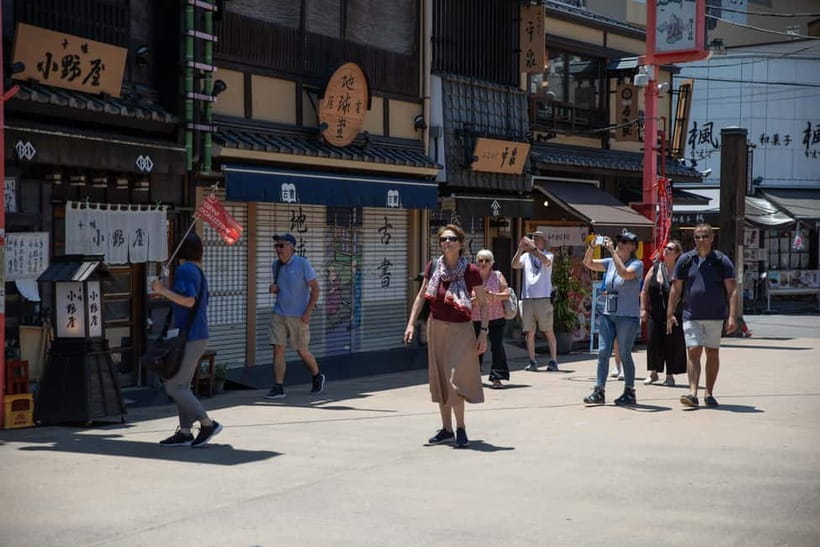
The route then reaches Shin-Nakamise Shopping Street, a covered shopping area that offers another view of local commerce. The stop lasts about 10 minutes.
This section pairs well with the earlier visit to Nakamise. You see another shopping environment and get more suggestions for shops, snacks, and places to browse. It also helps connect the temple district with the wider Asakusa neighborhood, so the area feels less like a single monument surrounded by souvenir stores.
The tour ends at Azuma Bridge. This is a practical finish. You are not left at an obscure side street, and you can continue exploring, look for lunch, or use the area as a starting point for your next Tokyo activity.
The two-hour schedule is tightly arranged. It includes roughly 10 minutes at Kaminarimon, 15 minutes on Nakamise, 30 minutes at Sensoji, 20 minutes at Asakusa Shrine, 10 minutes on Hoppy Street, and 10 minutes at Shin-Nakamise. The remaining time is used for walking between stops and handling the natural pauses of a busy district.
The guide makes the difference
The route itself is strong, but the guide controls how much you gain from it. The most praised qualities are clear English, humor, patience, local knowledge, and useful advice beyond the formal route.
Aya has been especially well regarded for explaining temple history, architecture, traditions, and local places to eat. Keiko is noted for her friendly energy, clear English, and attention to group pace. Hiroko has been praised for patience and for answering questions carefully.
Loc has received strong praise for punctuality and clear explanations. Glenda has been described as fun and well informed about Japanese history and culture. Polina has helped connect historical stories with modern food and local recommendations. Other guides, including Miyu, Rio, Mei, Augustina, and Paulina, have also been praised for warmth, humor, and strong command of the material.
Guide quality can naturally vary from one departure to another. You cannot choose a particular guide unless the booking system specifically allows it. Still, the repeated emphasis on communication and personal attention is encouraging. If your guide has a quick speaking style, ask questions early and stay near the group so you do not miss details.
The tour is offered in English, with a live guide. It is also listed as wheelchair accessible. You should still contact the provider if you have specific mobility needs, since this is a walking route through busy streets and public religious sites.
Who will get the most from this Asakusa tour
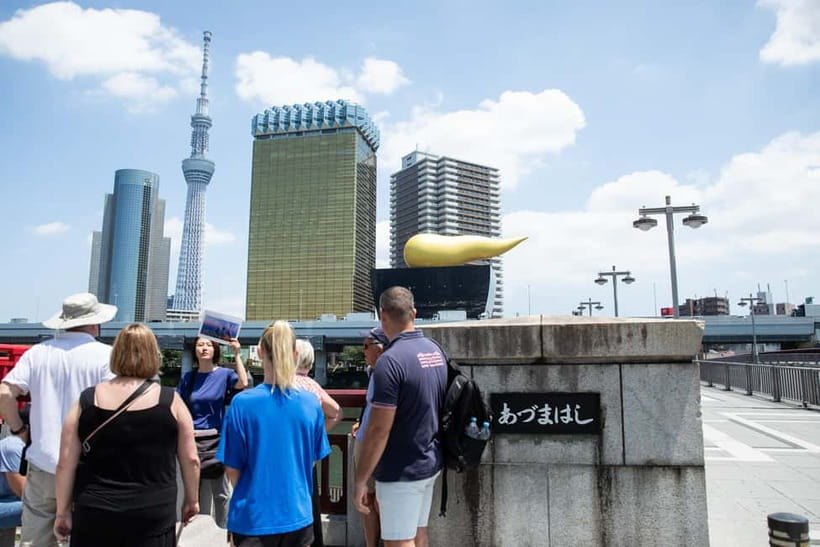
I would recommend it to first-time visitors who want cultural context without committing to a full-day activity. It is also a good fit for solo visitors who prefer company, families who want a guide to keep children interested, and couples who want a simple introduction before exploring independently.
It suits you particularly well if you want:
- A quick introduction to Tokyo’s traditional side
- Help understanding Buddhist and Shinto customs
- Suggestions for food and sightseeing after the tour
- A live English explanation rather than reading signs alone
- A manageable two-hour walk at a modest price
You may prefer an independent visit if you already know Asakusa well or want to spend a long time photographing the temple. You may also find the schedule too short if your main aim is shopping, eating, or detailed architectural study.
Wear comfortable shoes. The route is not long by Tokyo standards, but you are on foot for the full experience, with time spent standing at busy landmarks. Arrive before the meeting time, find Kaminarimon, and keep your afternoon open for a return to the shops or a meal.
Should you book it?
Book this tour if you want Asakusa to make sense, not just look good in photographs. For $22, you receive a guided route through Kaminarimon, Nakamise, Sensoji, Asakusa Shrine, Hoppy Street, and Shin-Nakamise, with practical explanations and food suggestions along the way.
Skip it if you prefer complete freedom or plan to spend several hours inside Sensoji alone. For most first visits, though, the tour is a useful bargain. It gives you the cultural basics, shows you where to continue, and leaves you near Azuma Bridge with the rest of the day still available.
FAQ
How long does the Asakusa walking tour last?
The tour lasts two hours. It includes guided visits to Kaminarimon, Nakamise Shopping Street, Sensoji Temple, Asakusa Shrine, Hoppy Street, and Shin-Nakamise Shopping Street.
What is the price?
The listed price is $22 per person.
Where does the tour meet?
Your guide waits in front of Kaminarimon Gate on the left side, near Tokiwado Kaminari-okoshi Honpo. The guide holds a sign for the tour.
Where does the tour finish?
The tour finishes at Azuma Bridge.
Is the tour offered in English?
Yes. It includes a live English-speaking guide.
Is the walking tour wheelchair accessible?
Yes, the activity is listed as wheelchair accessible. If you have particular mobility requirements, confirm the details with the provider before booking.
New routes in Tokyo
- Tokyo: Tsukiji Market Walking Tour & Sushi Cooking Class★ 4.6 · 122 reviews
- Tokyo: Shinjuku Nightlife & Secret Backstreets Walking Tour★ 4.8 · 229 reviews
- Tokyo: Shinjuku Bar Hopping & Night Walking Tour★ 4.6 · 137 reviews
- Tokyo: Dark Side of Tokyo Shinjuku Red Light Walking Tour★ 4.7 · 862 reviews
- Tokyo: Shibuya Highlights Walking Tour★ 4.8 · 601 reviews
- Tokyo: Shibuya Highlights Walking Tour & Secret View Spot★ 4.9 · 196 reviews
- Tokyo: Shibuya Crossing & Hidden Streets Walking Tour★ 4.8 · 128 reviews
- Tokyo: Private Custom Walking Tour with Local Guide★ 4.9 · 350 reviews
Tokyo Walking Tours, compared.
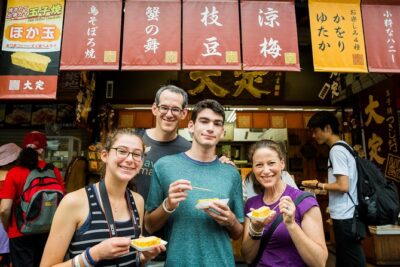
Tokyo Tsukiji Fish Market Food and Culture Walking Tour
Read our review →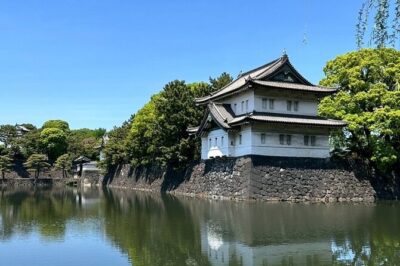
Imperial Palace and Shogun Historical Walking Tour
Read our review →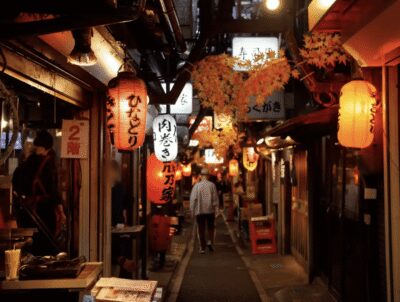
Shinjuku Local Bar and Izakaya Guided Walking Tour
Read our review →
Tokyo Castle & Imperial PalaceーShogun Walking Tour
Read our review →
Shibuya Meltdown Nightlife Tour: All-You-Can-Drink Bar Hopping
Read our review →

Tokyo Drift: GT-R Car Club R35 Liberty Walk Daikoku meeting
Read our review →Browse the lists this tour appears in