
Review · LISBON
Fado: Musical Walking Tour with Food & Live Show
Fado began in Lisbon’s working-class neighborhoods, and this tour takes you to those streets with a singer beside you. You’ll walk through Mouraria, hear songs performed along the way, and finish with a traditional meal in an Alfama fado house. Rita is one guide praised for pairing clear history with warm storytelling, while singer Ruca has provided many of the tour’s most moving moments.
I like two things especially: the group is capped at eight, and the music is part of the walk rather than something saved for the final show. I also like the simple meal of caldo verde, chouriço, bread, and wine, which gives the evening a local, unpolished feel. The main catch is that the route includes Lisbon’s alleys and uneven streets, so it is not suitable for people with mobility impairments, and the meal may not work for vegans or vegetarians who do not eat fish.
Key points at a glance
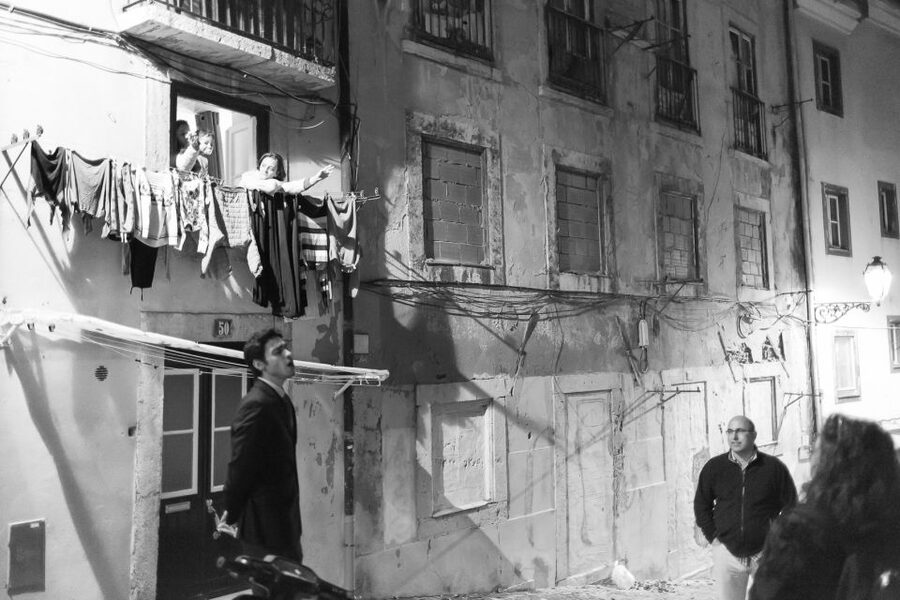
- Live fado on the walk: A fado singer accompanies the group and performs songs in historic parts of Lisbon.
- Mouraria beyond the main sights: You explore alleys, squares, and taverns around Praça Martim Moniz.
- A traditional Alfama meal: Caldo verde, grilled chouriço, bread, and wine are included.
- Small-group setting: No more than eight participants makes it easier to ask questions and hear the music.
- Fado with context: The guide explains its origins, styles, cultural role, and the meaning of songs.
- Three hours on foot: Wear comfortable clothes and expect a compact evening built around walking, listening, and eating.
Fado begins in Mouraria
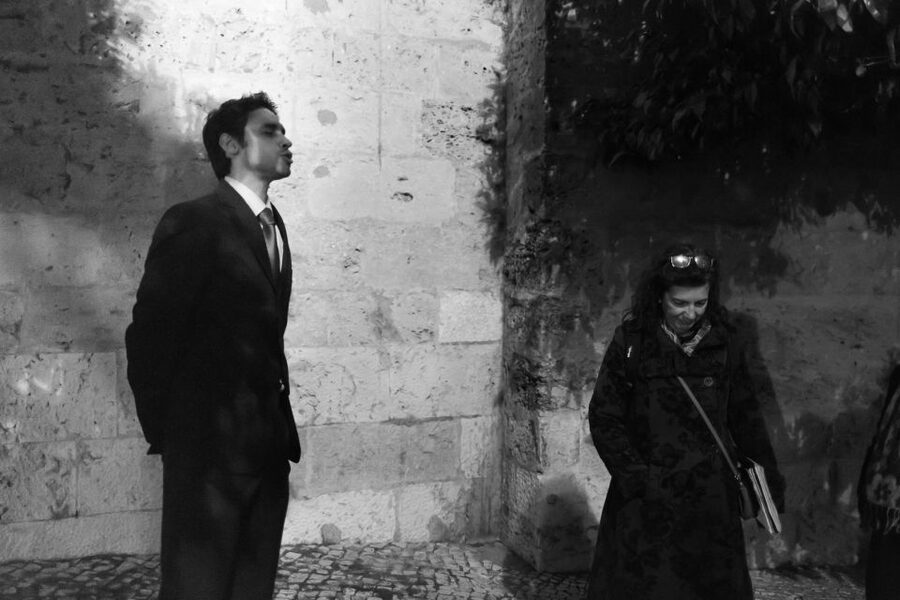
Meet at the Capela de Nossa Senhora da Saúde beside Praça Martim Moniz. This is a useful starting point because the square sits at the edge of Mouraria, one of the Lisbon neighborhoods tied closely to the early development of fado.
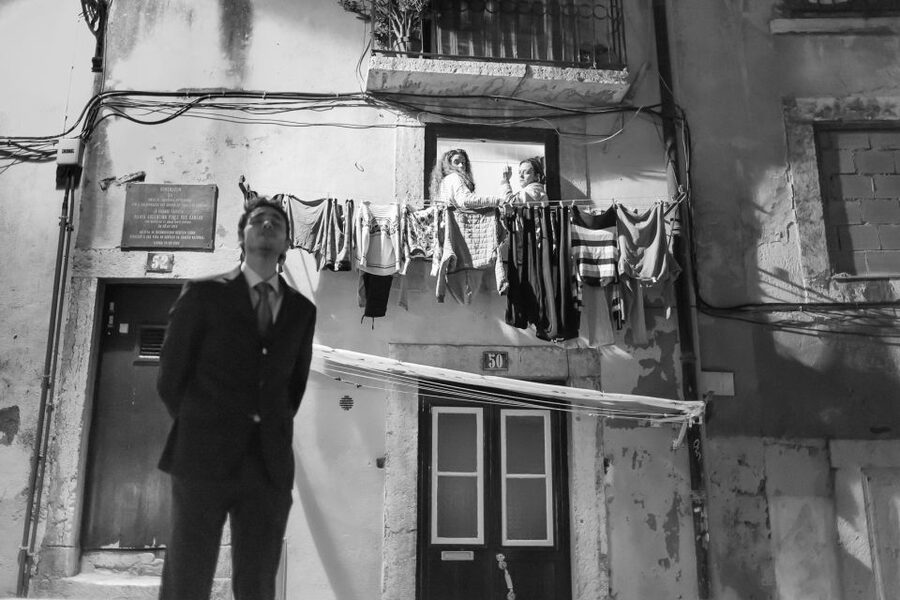
The tour is not simply a walk past famous buildings. Your guide explains how fado became part of daily life in Lisbon and points out the local taverns and streets connected with its culture. That setting matters. Fado can sound abstract if you hear it only in a polished concert room. Here, you get the places, stories, and neighborhoods that give the music its emotional weight.
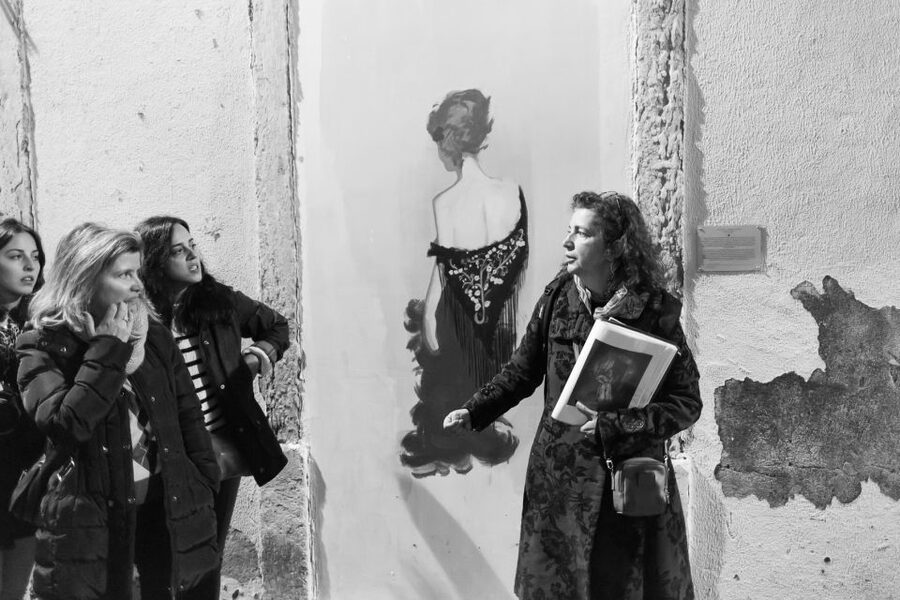
The guide may be Rita, Elena, or another member of the team, depending on the departure. Rita has been particularly praised for explaining fado in a way that connects music with Lisbon’s wider history and culture. Elena has also led tours with a clear passion for the subject. You should expect a guide who does more than name dates and composers. The strongest part of the experience is the way the music is placed in context.
Mouraria is also one of the more multicultural parts of central Lisbon. Around Praça Martim Moniz, you move away from the city’s postcard route and into a neighborhood shaped by different communities and long-standing local businesses. That does not mean every corner feels untouched or timeless. It means the walk gives you a more grounded look at central Lisbon than a standard sightseeing route.
More Food Walking Tours in Lisbon
- Lisbon: Food and Wine Small Group Walking Tour
★ 4.9 · 4,082 reviews - Lisbon Food Tour with 10+ Tastings of Local Delicacies & Wines
★ 5.0 · 1,339 reviews - Lisbon Roots – Small group Food & Culture Walking Tour w/tastings
★ 5.0 · 910 reviews
A singer turns the walk into a performance
The unusual feature here is that a live fado singer joins the group. Ruca has been one of the singers associated with the experience, and his performances have been singled out for their emotional force and range.
The singing is not limited to a stage at the end. You may hear songs in different historic settings as you move between parts of Mouraria. That changes the pace of the walk. Instead of listening to a long lecture and then waiting for the entertainment, you alternate between short stretches of explanation, movement through the neighborhood, and live music.
A singer can also show you something that a guide’s description cannot. Fado has different types and moods, and hearing examples helps you recognize the contrast. The performance gives shape to the discussion of longing, daily life, love, loss, and Lisbon identity without requiring you to know anything about Portuguese music beforehand.
The small group helps here. With a maximum of eight people, you are close enough to hear the singer and ask questions without shouting across a crowd. It also creates a more personal mood. This is not a large bus excursion or a show designed for hundreds of people.
Do keep your expectations realistic. A walking tour with live singing is not the same as a full evening at a major fado venue. The appeal is the mix of performance and place. If you want a long concert with a fixed program, you may prefer to book a separate fado show. If you want to understand what you are hearing and see where the tradition developed, this format makes more sense.
Taverns and the local side of fado
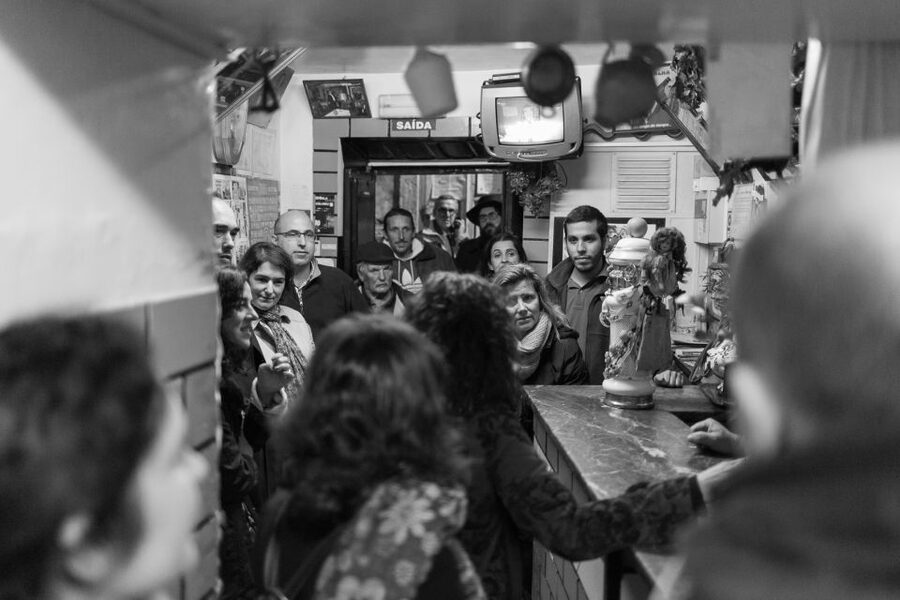
The route around Mouraria includes local taverns that played a part in fado culture. These stops help explain why fado has long been linked with ordinary neighborhood life rather than only formal performance halls.
You are not promised a long list of venues or a private visit to every place mentioned. The value comes from seeing the kind of streets and gathering places where musicians made a living over many years. Your guide can explain how these houses fit into fado culture and why the neighborhood remains important to the music.
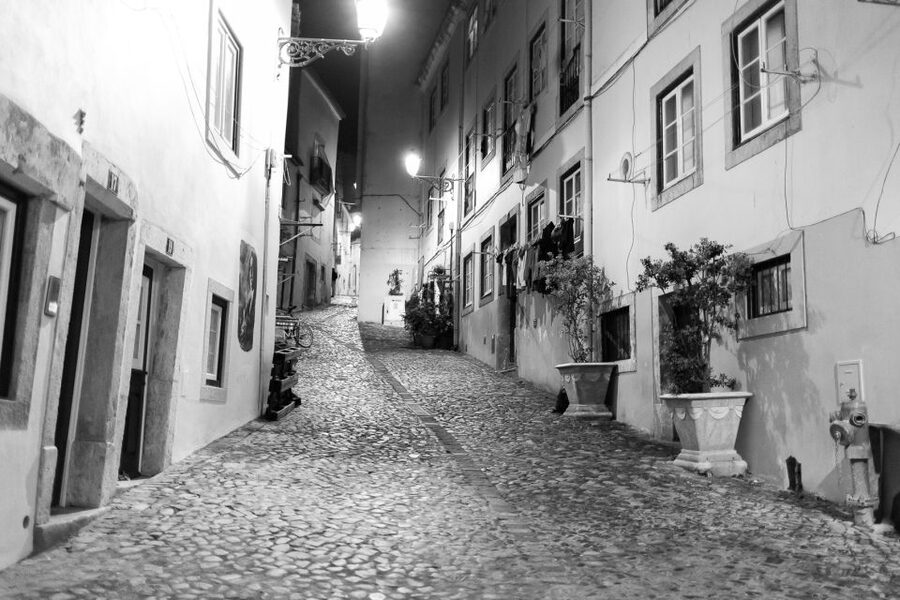
This is also where the tour gets off the usual tourist path. You will still be in central Lisbon, close to familiar sights, but the focus shifts from monuments to lanes, squares, taverns, and stories. I like that balance. You get a sense of the city as a place where people live and work, not only as a collection of attractions.
The route requires walking through alleys and urban streets. Comfortable clothing is specifically recommended. The tour is not suitable for people with mobility impairments, so you should consider your walking ability before booking. Small children may also find the three-hour format and late musical atmosphere less suitable.
Crossing into Alfama for dinner
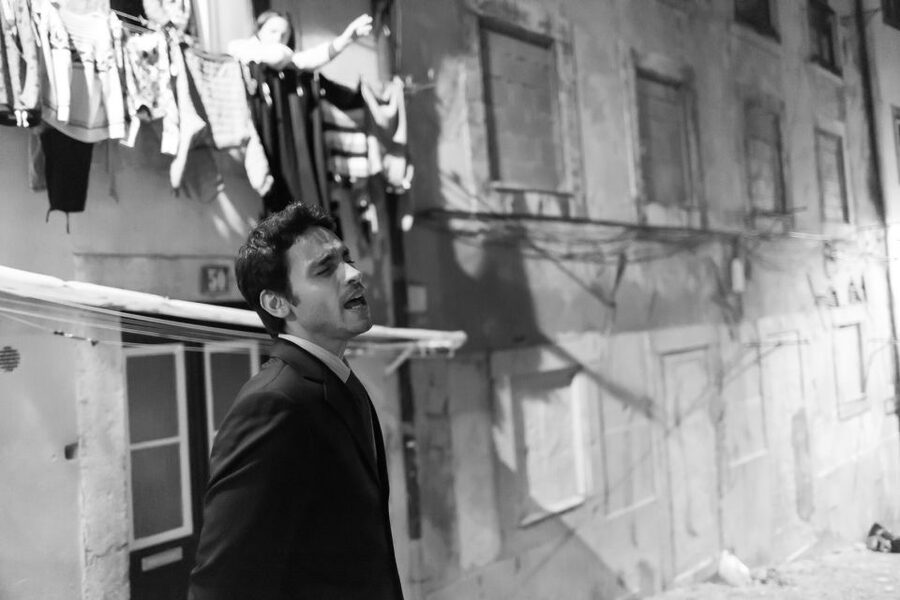
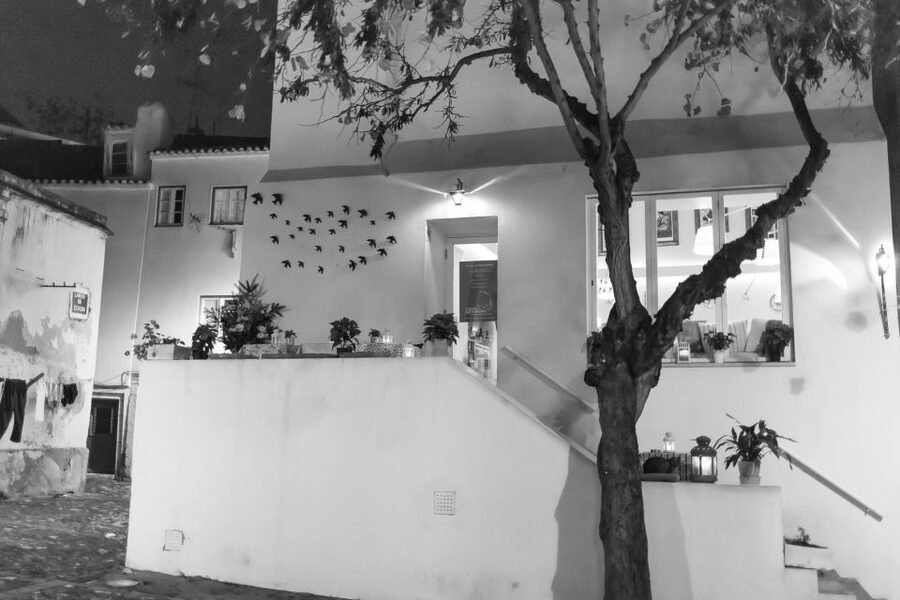
The meal takes place in an authentic fado house in Alfama. This gives the tour a second setting and a natural finish. After the Mouraria walk, you sit down for familiar Portuguese dishes and hear more music from singers and guitar players.
The included food is straightforward:
- Caldo verde, a traditional Portuguese soup
- Chouriço assado, grilled spicy sausage
- Bread
- Wine
This is not presented as an elaborate tasting menu. That is part of its appeal. You are getting a modest, typical meal tied to the setting, rather than paying extra for a formal restaurant experience that could take place anywhere.
The food also gives you time to settle in and continue the conversation. One particularly useful feature is the explanation of the songs performed at the restaurant. Notes may be made for each song, followed by an explanation of its subject. That helps you listen with more attention instead of treating the music as attractive background sound.
The menu deserves a practical warning. The meal choices may be centered on meat or fish, and the experience is not clearly designed for vegans or vegetarians who do not eat fish. If your diet is important to your booking decision, check before reserving. The supplied meal is part of the package, so you should not assume that a full alternative will be available.
More Food Walking Tours in Portugal
- Lisbon Private Food Tour – Taste 10+ Local Dishes & Wines
★ 5.0 · 896 reviews - Eat & Walk Through Lisbon: A Local Food & Wine Experience
★ 4.9 · 458 reviews - Lisbon: Baixa Food Walking Tour with Drinks
★ 4.9 · 354 reviews - Lisbon: Food & Wine Walking Tour Through Baixa
★ 4.9 · 287 reviews
What the three hours feel like
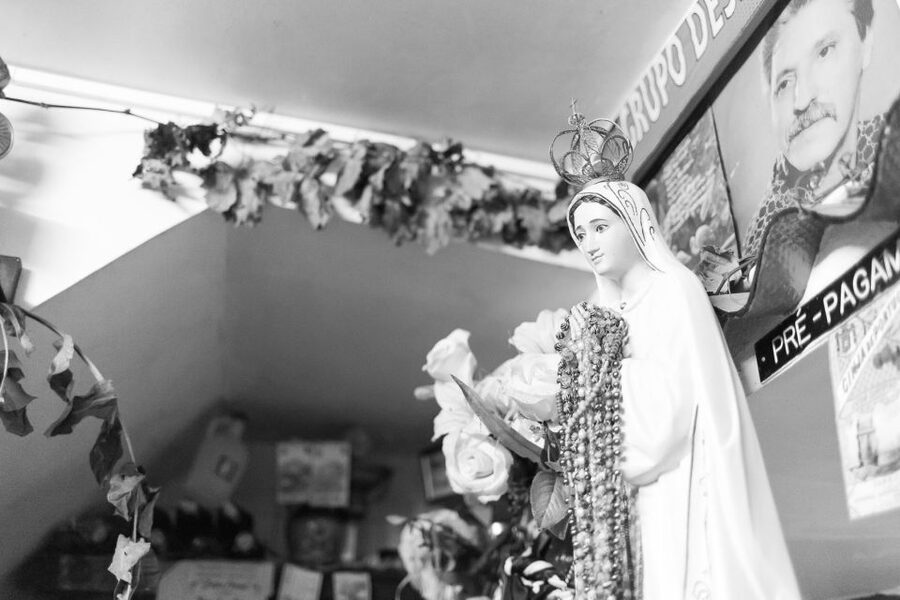
The experience follows a clear arc. You meet at Praça Martim Moniz, learn about fado and its connection to Mouraria, walk through local streets with a singer, visit or pass by places tied to fado culture, and then continue to Alfama for food and more live music.
Three hours is long enough to give the subject room, but short enough to fit into an evening in Lisbon. You are not spending an entire day on foot. Still, the tour is active rather than passive. You need to walk between stops, stand during parts of the route, and keep pace with the group.
The exact starting time can vary, so check availability when you book. The tour is available with guides speaking Portuguese, Spanish, English, French, German, or Italian. If the subject matters to you, book in a language in which you can follow musical and historical explanations comfortably.
There are no transfers to or from the meeting point. You need to make your own way to the chapel at Praça Martim Moniz. Since the tour begins there and ends after the meal in Alfama, plan your onward route in advance rather than assuming you will return to the starting point.
Why the small group matters
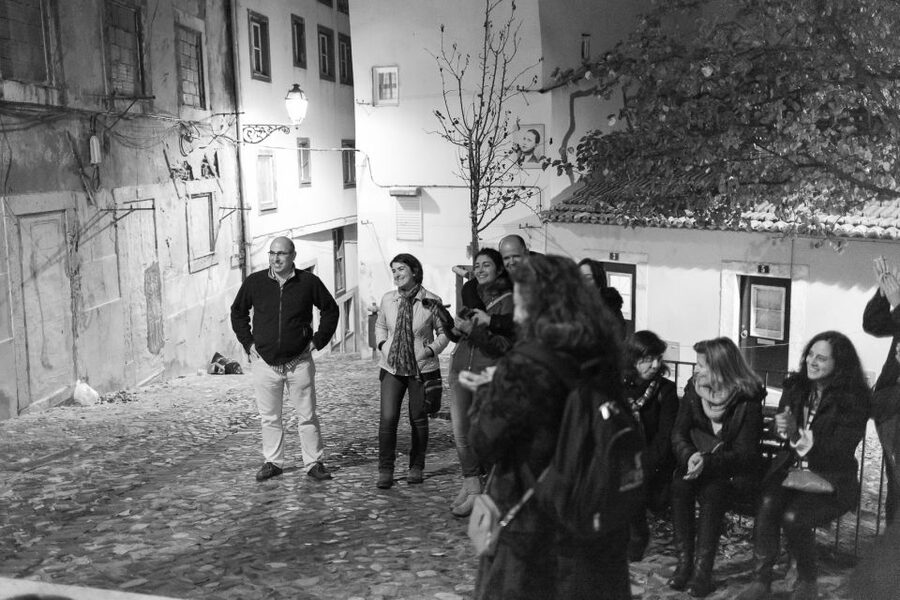
A group limit of eight is one of the strongest practical features. Fado is a quiet, intimate form of music, and the experience would lose something if you were standing behind a large crowd while a singer performed.
The small size also gives the guide space to respond to questions. You can ask about a song, a neighborhood, or the role of a particular tavern without stopping a large procession. The meal is likely to feel more like a shared table than a mass dining arrangement, though the exact restaurant setup can vary.
The personal scale has a romantic side, too. A singer walking with the group and performing in historic surroundings creates a memorable evening for couples. It can also suit solo visitors who want a social activity without joining a large tour.
At the same time, a small group does not guarantee a private tour. You share the guide, music, and meal with other participants, and the experience depends partly on the chemistry of that group. The format is intimate, not exclusive.
Is $100 a fair price?
At $100 per person, this is not the cheapest way to hear fado in Lisbon. You can find simpler music experiences that cost less, especially if you only want a drink and a performance.
The price makes more sense if you value the full package. It includes a three-hour guided walk, a live singer who accompanies the route, explanations of fado’s origins and styles, entry into the experience of traditional fado houses, and a meal with wine. You are paying for interpretation and access to context, not only for a plate of food and a song.
I would compare it with booking several separate activities. A walking tour of Mouraria, a fado performance, and dinner in Alfama could easily take more planning and may not give you the same connection between the three. Here, the guide links the neighborhoods, the music, and the meal into one evening.
The value is strongest for first-time visitors who want an introduction to fado but do not know which house to choose. It is also useful if you want more than a tourist show and prefer to understand what you are hearing. The value is weaker if you already know Lisbon’s fado venues well or want a high-end meal.
Who should book this experience?
I would choose this tour if you are curious about fado but unsure how to approach it. The guide supplies the background, while the singer provides immediate examples. You do not need prior music knowledge or Portuguese language skills to follow the basic story.
It suits couples looking for an atmospheric evening, solo visitors who enjoy small-group activities, and people who prefer local culture over a checklist of major sights. It also works well early in a Lisbon visit, since the walk can help you decide if you want to attend another fado show later.
This is less suitable for families with small children, people with mobility impairments, and anyone who dislikes walking through uneven urban streets. You should also think twice if you need a fully vegetarian or vegan meal.
The tour is available in six languages: Portuguese, Spanish, English, French, German, and Italian. That range is helpful, but confirm your chosen language when booking rather than assuming every departure operates in every language.
Practical details before you reserve
The meeting point is Capela de Nossa Senhora da Saúde at Praça Martim Moniz in Lisbon. Transfers are not included, so allow enough time to reach the chapel before the start.
Wear comfortable clothes. The route runs through the alleys and squares of Mouraria and continues toward Alfama, so this is not the place for stiff formal shoes or clothing that makes walking difficult.
The tour offers free cancellation up to 24 hours in advance, and you can reserve now and pay later. Those terms are useful if your Lisbon plans are still shifting, but you should still check the exact booking conditions attached to your chosen date.
Personal protection equipment, including masks and disinfectant gel, is listed as included. The more important practical points are the walking conditions, the food choices, the small group size, and the fact that the tour finishes away from the starting point.
My verdict: book it for the story behind the song
Book this experience if you want fado explained as part of Lisbon life, not simply presented as an evening show. The combination of Mouraria streets, live singing, an Alfama fado house, and a traditional meal gives the night a clear sense of place.
The best reason to choose it is the singer-guide format. Hearing Ruca or another live fadista during the walk helps you understand the music through sound, while guides such as Rita and Elena provide the history and cultural setting. The meal is modest, but it fits the experience.
Skip it if you need a fully accessible route, a child-focused activity, or a meal built around vegan choices. Also skip it if your only goal is a polished concert. For most first-time Lisbon visitors who want an intimate and practical introduction to fado, the $100 price is reasonable for what is included.
FAQ
Where does the fado walking tour meet?
The meeting point is Capela de Nossa Senhora da Saúde at Praça Martim Moniz in Lisbon.
How long does the experience last?
The tour lasts three hours.
What neighborhoods does the tour visit?
The walk explores Mouraria, including the area around Praça Martim Moniz, and continues to Alfama for the meal and fado house experience.
Is a fado singer included?
Yes. A live fado singer accompanies the group and sings during the walking portion. Additional singers and guitar players may perform at the fado house.
What food is included?
The meal includes caldo verde, chouriço assado, bread, and wine.
Are transfers included?
No. Transportation to and from the meeting point is not included.
How large is the group?
The tour is limited to eight participants.
Which languages are available?
The live guide can conduct the tour in Portuguese, Spanish, English, French, German, or Italian.
Is the tour suitable for people with mobility impairments?
No. The experience is not suitable for people with mobility impairments because it involves walking through the streets and alleys of Lisbon.
Can I cancel the booking?
You can cancel up to 24 hours in advance for a full refund. The experience also offers a reserve-now-and-pay-later option.
New routes in Lisbon
- Small Group Walking Tour of Belém★ 4.9 · 80 reviews
- Lisbon: Walking Tour in the Center (Max 12 Participants)★ 5.0 · 741 reviews
- Lisbon Through the Eyes of a Local – Food and Walking Tour★ 4.9 · 141 reviews
- Lisbon: Street Art Walk★ 5.0 · 79 reviews
- Lisbon: Food and Culture 3-Hour Walking Tour★ 4.7 · 95 reviews
- Lisbon Tram No. 28 Ride & Walking Tour★ 4.1 · 766 reviews
- Lisbon: Jewish Walking Tour★ 4.9 · 96 reviews
- Lisbon: Helicopter Ride, Boat Trip, & Old Town Walking Tour★ 4.7 · 480 reviews
Lisbon Walking Tours, compared.

Best of Lisbon Small-Group Guided Walking Tour
Read our review →
Best of Lisbon Walking Tour: Rossio, Chiado & Alfama
Read our review →

Lisbon Food Tour with 10+ Tastings of Local Delicacies & Wines
Read our review →
Sintra & Cascais Day Tour with Pena Palace Entry and Gardens Walk
Read our review →
Lisbon Roots – Small group Food & Culture Walking Tour w/tastings
Read our review →Browse the lists this tour appears in